
Translated material
Birch in Iberian
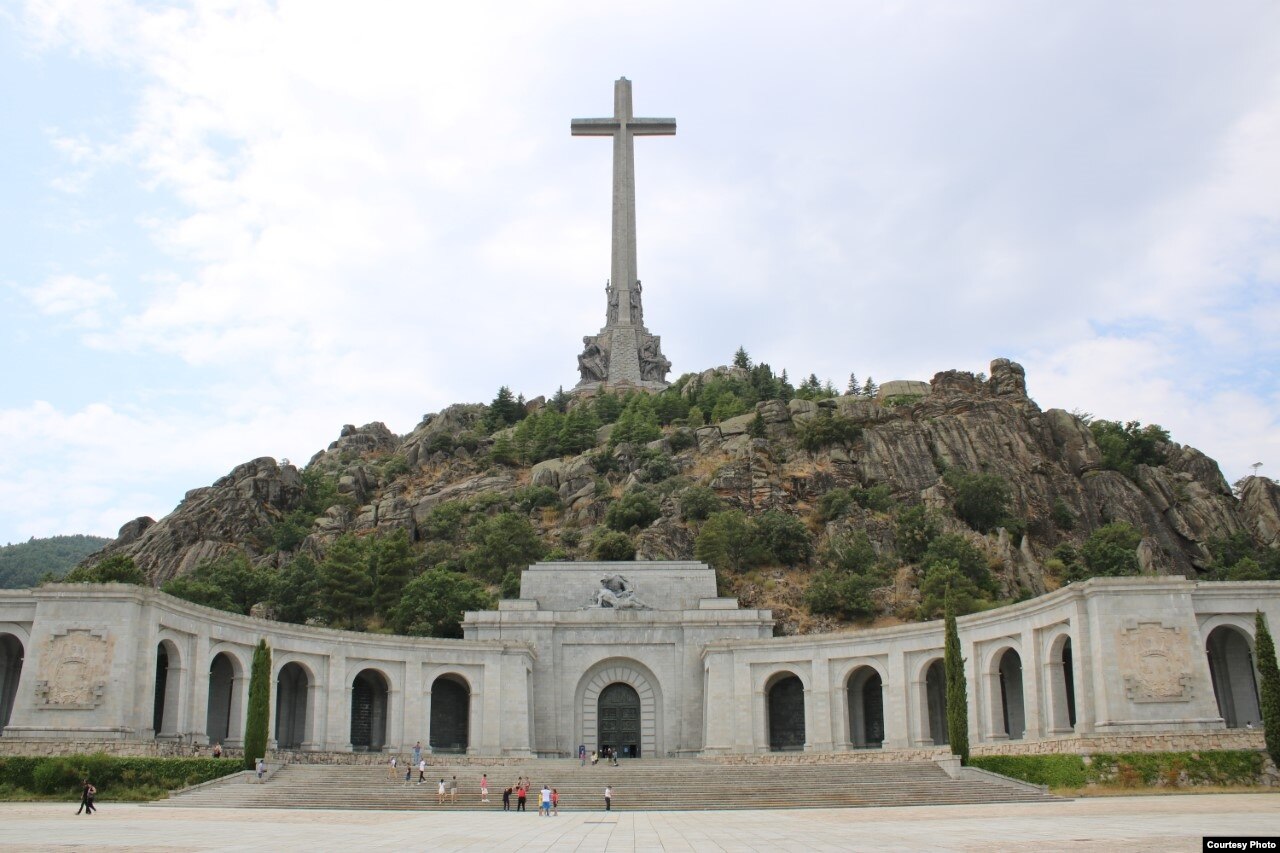
The Spanish writer Juan Antonio Miranda wrote a novel about Russia, incorporating the most characteristic that should happen in Russian life. The author himself tells about the book "Birch" and about Spanish parallels and differences.
Ivan Tolstoy: About dictatorships ... or why the Spaniard wrote a novel about Russia. The novel called the Birch, which was published not so long ago in the oldest Madrid publishing house of Alter, caused a wide response of the Spanish public. The book is dedicated to Russia. With her author, the writer Juan Antonio Miranda, is talking to our Madrid correspondent Viktor Cheretsky.
Victor Cheretsky: You always wrote only about Spain - about the history of your small homeland of Melilla and the whole country. You have, among other things, a very interesting romance in the spirit of political science fiction-about what could have happened if General Franco won in the Spanish Civil War of the 30s, as it was actually, and his opponents are supporters of the Left Popular Front. So your novel "Birch" is the only one, not dedicated to Spain. Please explain what and why did Russia attract you?

How to get around the lock?
Read>Juan A. Miranda: Most of my literary works are really devoted to Spanish history. As for the Russian topic, here I can name a number of reasons that prompted me to turn to it. The original interest in Russia was caused by the reading of Dostoevsky, Tolstoy and other classics of Russian literature. Their heroes forever entered my life. I will not hide that the appeal to the history of Russia is also due to my rejection of totalitarian regimes, and the regimes of any orientation that confront human freedom. After all, Don Quixote told his faithful squire Sancho Panes: "Freedom, Sancho, is one of the precious generos that the sky pours on people." I wanted to tell the reader about life in the conditions of the Soviet dictatorship - about everyday life, work, concerns, raising children, about fears, suffering and joys. Of course, it was impossible not to touch the Bolshevik terror, the theme of the Gulag, and the persecution of dissent in later times, because the novel covers the period from the 1917 revolution to the collapse of the Soviet Union. I especially want to note that in Spain, during the Francian dictatorship, the life of the USSR was practically not covered, and in the following years, a little was written about this country. So I wanted to replenish this gap to some extent.
The appeal to the history of Russia is due to my rejection of totalitarian regimes, and the modes of any orientation
I have many Russian friends and acquaintances. I visited Russia repeatedly. The fruit of these trips was the novel "Birch". It is called so, since this tree symbolizes Russia for me. I visited Moscow, Siberia, in the Caucasus and in many other places, met and talked with people. I read many articles about Russia, worked in the archives. To be well informed about the events that I describe is the law for me. I do not take the feather until I study the topic. By the way, the main character of the novel has a real prototype. Of course, I specified something, but the character is absolutely real with my sorrows and joys.
Victor Cherec: introduce us briefly with the content of "birch".
Juan A. Miranda: The plot of the novel unfolds against the background of different eras and events. The main character - Olga - was born in the Siberian village. She is distinguished by a restless character, which does not allow her to come to terms with a sad life prospect prepared by her: with work on a collective farm and on a personal plot, marriage with one of the local residents, most of whom abuse alcohol. Olga is trying at all costs to break out of her environment and, despite his father’s prohibitions, leaves for the city to study - first at the pharmacist, and then to the doctor. At the same time, the novel describes a difficult life, life and morals of the village in which Olga was born. Well, she meets the first love in the city, acquires interesting acquaintances. Among her friends there are dissidents criticizing the situation in the country.
The novel endures us in the alarming times of the Civil War: the wanderings of Olga’s grandfather in the country, attempts to get from Kazan to Turkey and his move to Siberia, where, as it seemed to him, one could gain freedom. The fate of the family, which the revolution divided into the "red" and "white". They are described in the novel and the suffering of people during the Second World War.
The country is falling apart. There is no work. To survive and help relatives, the heroine leaves to work abroad
Meanwhile, events develop rapidly. Olga works, overcoming many difficulties, and her life eventually gets better. But here comes the era of perestroika with its illusions and hopes, which are very quickly replaced by disappointment. The country is falling apart. There is no work. To survive and help relatives, the heroine leaves to work abroad.
Viktor Cheretsky: It seems to me that getting to know the Soviet reality did not particularly shock, and working on the novel was not so difficult, given that the environment in which you were born and grew up - I mean the dictatorship of Franco - however paradoxically, in many ways resembled Soviet society. This similarity is obvious to everyone who is familiar with the recent history of Spain and Russia. Let's start, for example, with the ideological education of children in the USSR and Spain - what parallels can be drawn here?
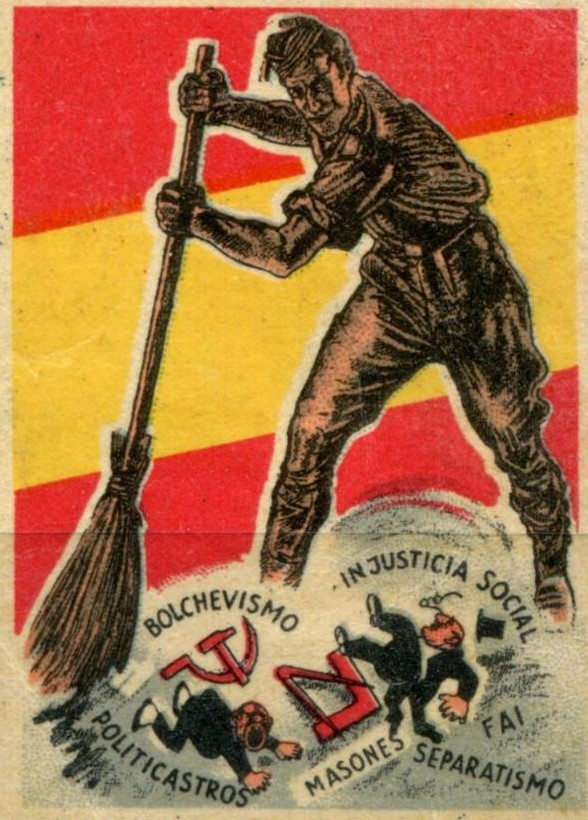
Juan A. Miranda: There really is similarity. I have long been convinced of this, listening to the stories of my Russian friends. It turned out that between what existed in the Soviet Union, and what I had to survive in childhood in Spain, there was much in common. I was a member of the so -called Youth Front, an analogue of the Soviet pioneer organization. He was a link. It was about an organization that raised children in the spirit of devotion to the Franco regime. We were brought to different officials not at all children's events, for example, each on November 20 - to boring mourning rallies about the next anniversary of the death of the ideologist of the regime Jose Antonio. We had to march with flags, salute, sing patriotic songs, stand in an honorary guard, depicting deep sorrow and commitment to the ideals of the regime. And most importantly - to show a willingness to protect this regime from the allegedly available enemies.
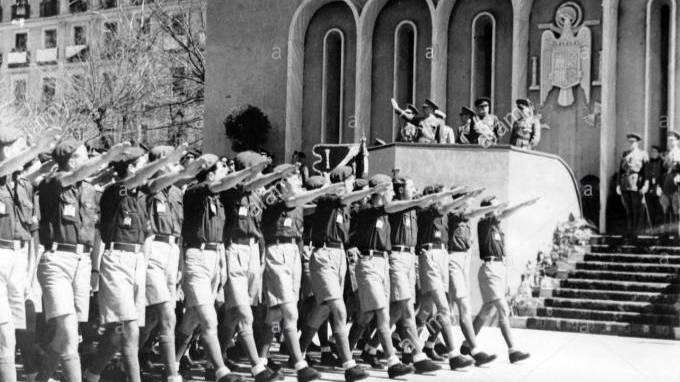
In special politics lessons, schoolchildren talked about the greatness of Franco, his victories over the enemies of Spain and about the ideology of the regime-National Syndicalism. The offset in politics was almost the main in the school curriculum. If you failed him, you were not transferred to the next class.
Members of the Youth Front had privileges. The political test was put automatically to us. We could also sign up for a chess circle, go on excursions. But most of all I liked to flaunt in front of the girls in a uniform red beret, a blue shirt with twigs and an embroidered francsky emblem on her chest. We played a lot of football, ping-pong, checkers. Before starting classes at school, we were built. We extended forward our right hand and sang Kara-al-Sol-a franchist anthem. So between the Soviet and Spanish schools were, as we see, some differences. At first, all this was still attracted: Franco won the war, saved us from communism, leads the country to a bright future. But then it became pretty to bother, because it was repeated endlessly.
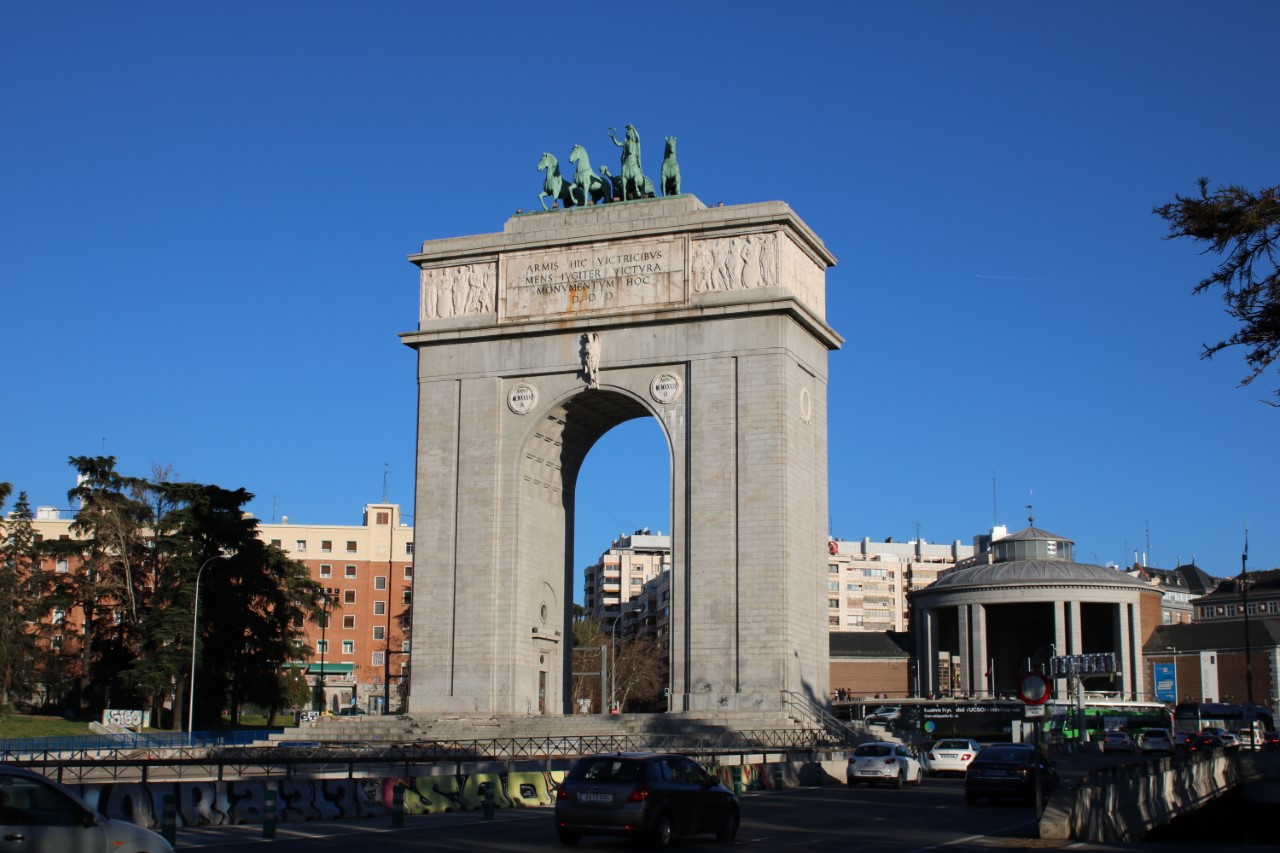
Victor Cheretsky: I remember that Soviet Spanist historians were very fond of in due time to speculate about the commonality of historical destinies, that the history of Spain and Russia is largely similar. True, it was said only about the distant past: about the centuries-old struggle against enemies in the Middle Ages: in Russia-with Tatar-Mongols, in Spain-with the Arabs. And about the fight against Napoleon. Indeed, when all of Europe obeyed the French conquerors, only in Spain and Russia a folk partisan war was fed against them. But, of course, no one in the USSR dared to compare two totalitarian regimes - Soviet and Frankist, which eventually turned out to be doomed to disappearance.
Repressive devices of both and the other acted not so much against real opponents as against imaginary - they were engaged in cleaning in their own ranks
But the comparisons suggested on their own. For example, the repressive devices of both and the other acted not so much against real opponents as against imaginary - they were cleaned in their own ranks. And all just in order to strengthen your power, to plant an atmosphere of fear and crush any opposition. Remember, at least, how Franco interrupted and transplanted the entire leadership of the phalanx - the fascist type that supported him. The similarity was not only in politics, but even in architectural tastes - in the construction of pompous public buildings and housing for senior officials and unsightly five -story buildings for the people. There was much in common in the propaganda of two modes. For example, in Madrid at one time there was a semblance of the Moscow exhibition of achievements of the national economy.
Juan A. Miranda: I repeat that the regimes were very similar to one another. For me, these were two sides of one totalitarian coin. Our whole life was gray, sad. In my youth, I was completely absorbed in my studies, courting for girls, I lived like all my peers. But then gradually began to feel that everything around me is somehow strange, some oppressive atmosphere reigns. I especially began to feel it after service in the army. After all, neighboring countries, for example, France, lived a completely different life. It immediately caught my eye, it was worthwhile to look at the people coming to us from abroad.
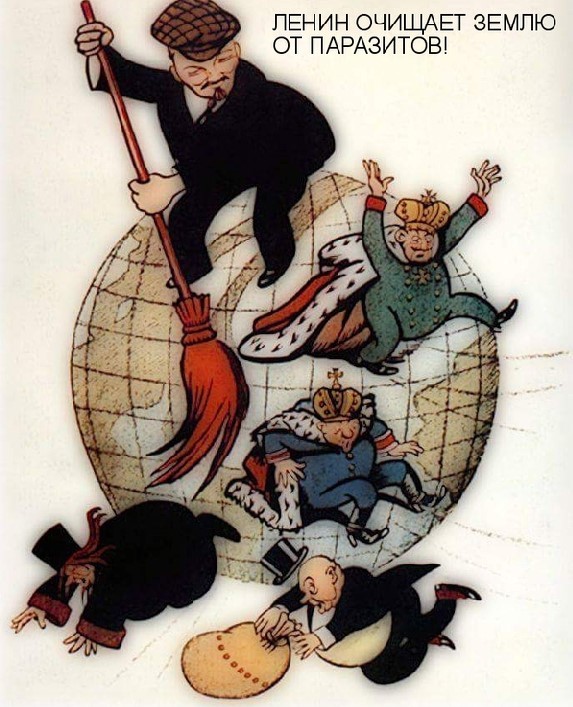
Nevertheless, propaganda to some extent did its job. We were constantly inspired that we were special, that there were only Masons and anarchists around us - as Franco called European Democrats - who, supposedly, only thought how to destroy us. There was a time when I hated England. After all, the regime inspired us that this was almost the main enemy, since our Gibraltar captured in the 18th century. And the English Masons were to blame for everything. This was repeated endlessly and forced people to believe that enemies really surrounded us. I was subsequently saved from this hatred on foreign business trips. I met the British, Swedes and Germans. They drank together, and I was convinced that these were not enemies at all, that we were all the same and that I should look for enemies in another place.
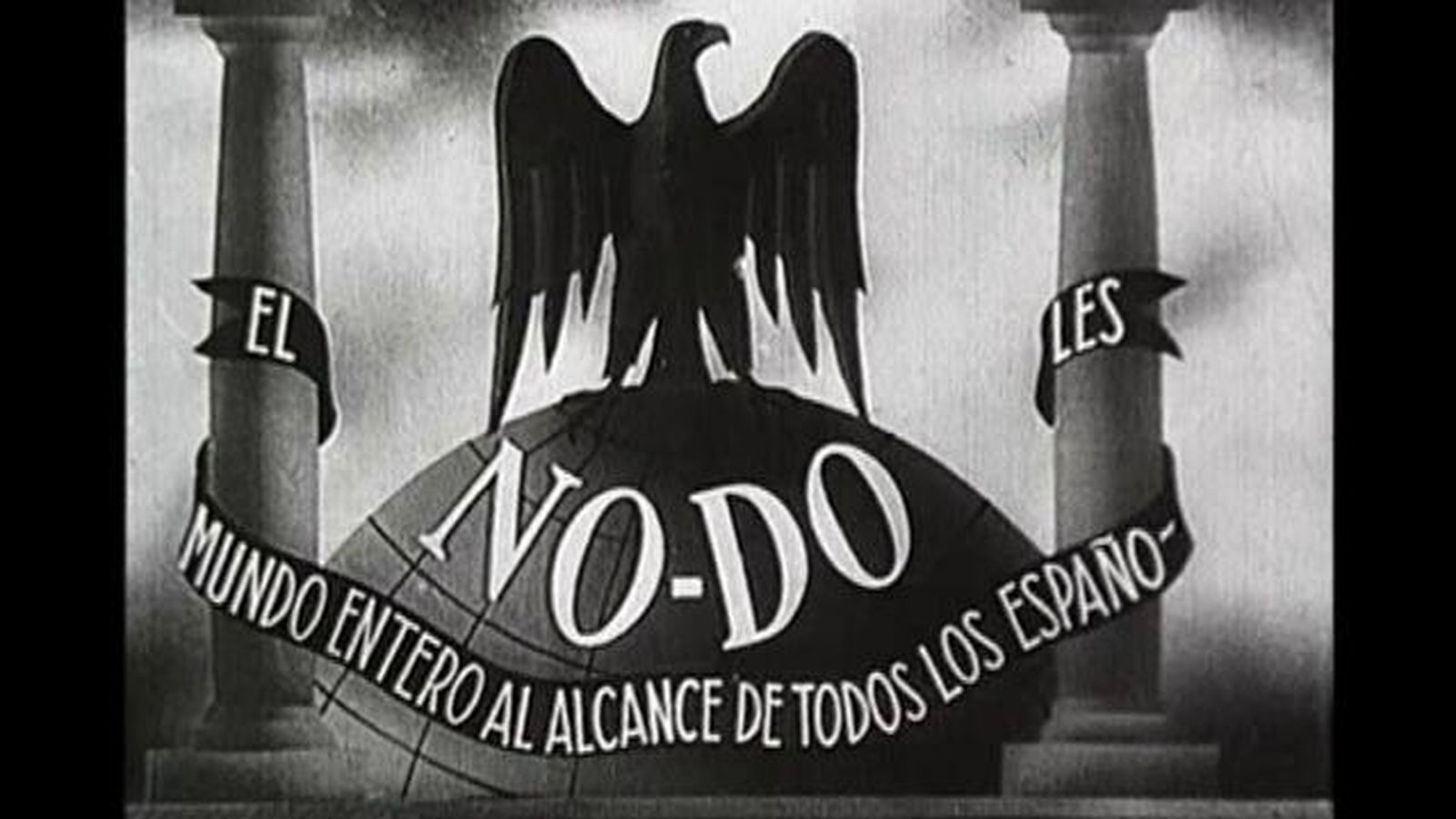
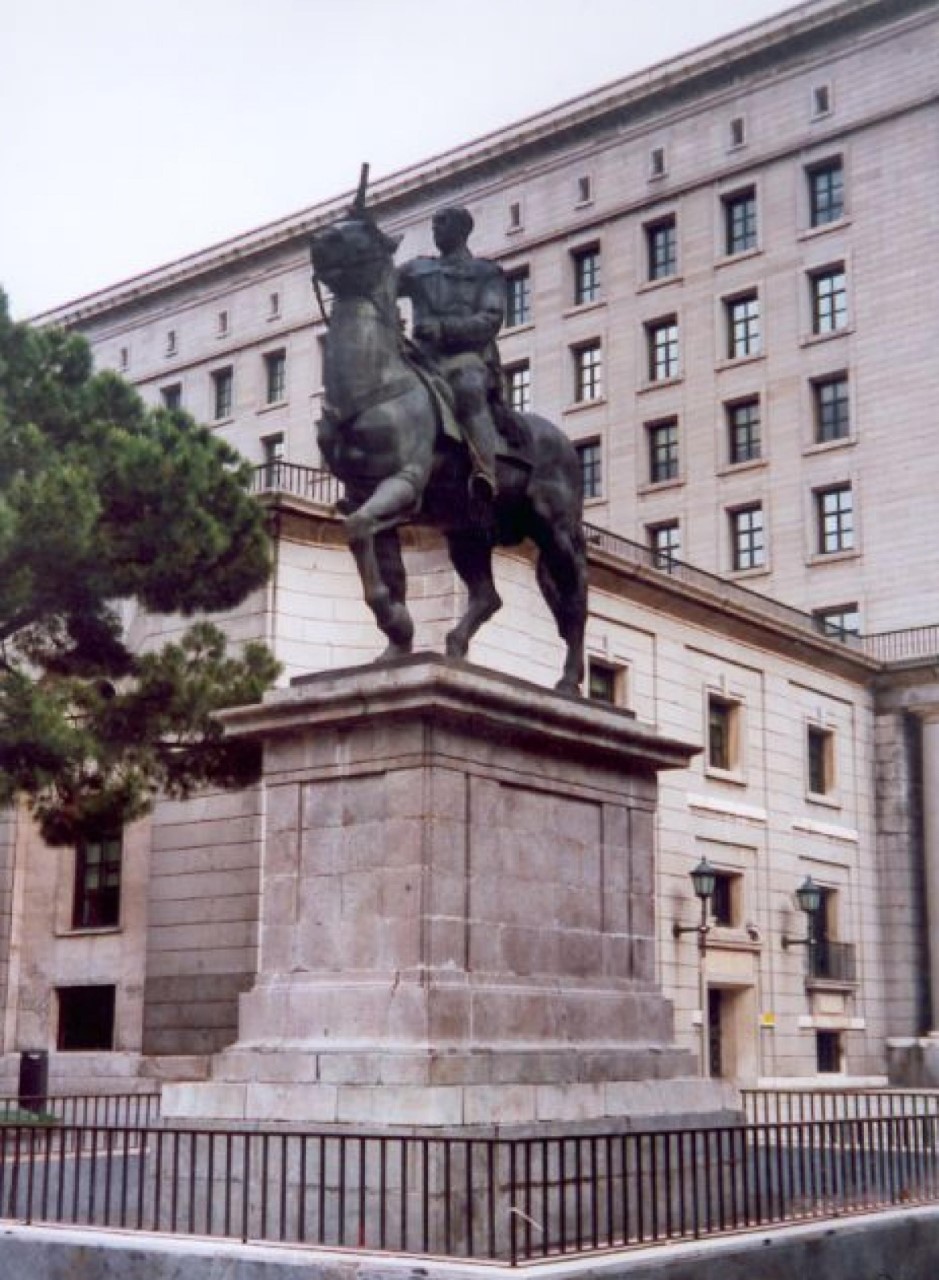
The first thing that was obvious was the absence of elementary rights with us. I began to look for information about life in other countries, to read books prohibited by the regime, I began to listen to the opposition radio station "Pyrenaica", which broadcast from abroad. I had to listen very quietly so that no one knew about it, including my father, who went through the civil war and did not want me to be fond of politics. Newspapers, radio and television were bored with me. They always reported the same thing - about the successes of the regime. The infamous newsreel No-do, which was launched in cinemas before all films, was especially different in this part. This chronicle only glorified Franco and his deeds. Well, in the cities there were monuments to the leader everywhere. And in our Melille - flowers, bay wreaths were constantly laid for him - and in Granada, where I lived at one time, and, of course, in Madrid. The cult of the personality of Franco and the praise of his regime was felt everywhere. This was depressed. It was impossible to endure all this.
Victor Cheretsky: It is known that during the years of dictatorship, many young Spanish intellectuals in search of a political alternative turned to the experience of the Soviet Union. How were things in your case?
Juan A. Miranda: It is curious that over time the search for truth led me to the ideology, which was considered enemy in Spain, to Marxism, whose ideas seemed to me triumphed in the Soviet Union. And in my hobby for Russian culture, interest in the political system of the USSR was added. I did not miss a single performance of Soviet groups touring in Spain. Indeed, at that time there were already cultural exchanges between our countries. I remember we went to watch ballet on ice, at performances of symphonic orchestras, singing and dance groups. It seemed to me then that Soviet society could serve as an example for Spain. However, very soon I began to understand that the Soviet Union was not at all as I represented it. Suspicions crept in when some of my friends - people of left beliefs - visited the USSR and returned disappointed. In particular, they talked about the pursuit of Russians for foreign things that they preferred with their jeans, tights, cigarettes, ballpoint pens and lighters. And this brought both totalitarian societies closer, testified to their inferiority. After all, we also had a deficiency of some goods and all foreign to the Spaniards seemed beautiful and inaccessible. It is time for disappointment. I was more and more convinced that Francism and Communism are very similar.
This brought both totalitarian societies closer, testified to their inferiority. After all, we also had a deficiency of some goods
Victor Cheretsky: It is known that in Spain, as in the Soviet Union, there was far from reading and watching the population and the population. Did this problem personally affect you?
Juan A. Miranda: My brother’s father was a censor. He was a good person, but still a censor. It was his work. And I was all surprised how he could serve as a dictatorship. Literally everything was subjected to censorship. For reading forbidden literature, punishment in the form of a large fine was supposed. I was very offended not to be able to read what I wanted. My father bought the Alkasar newspaper, and then switched to Pueblo. I don’t know why he did this, because all the newspapers printed the same thing. My father listened to the local radio, but it was not at all interested in me, because I listened to the "pyrene". This was the only radio for me - there was no other. And in general, informational monotony always makes a person look for something else, excellent, some alternative. Not only Marxist literature was prohibited, but also the books of famous modern authors - Spanish and foreign - for example, works by Garcia Lorca, Hemingway, Camus and so on.
It is curious that the list of prohibited books in Spain and in the USSR, as far as I know, often coincided. This is, for example, about works such as Lolita Nabokov or “1984” Orwell. And take films - they all looked like one another. At first, a military theme dominated, the heroes-francists, the victory of Franco in the civil war, praised, and his enemies showed as freaks and sedition killers. Examples as much as you like. Take at least such military films as the "Madrid Front" or "Legion Man". At the same time, all Spanish was extolled in these films. Such motives were even present in children's cinema. For example, in a film called "Soul hardening", children listen to the patriotic speeches of the mentor, swear fidelity to Francoism and march in military uniforms with wooden rifles. Then the cinema became less belligerent, but no less propaganda: the superiority of Spain was still demonstrated in it.
The list of prohibited books in Spain and in the USSR, as far as I know, often coincided. This is, for example, about works such as Lolita Nabokov or “1984” Orwell
True, folklore motifs came to replace the military theme. Satisfied with life and happy Spaniards, dressed in national costumes, only did that they had fun, sang and danced. Of course, only its folklore under the knock of castanet was performed. A similar cinema was for me the boring mainly due to the propaganda that he contained. He was a miserable picture, and this despite the fact that we had excellent actors. As for foreign films, they were also censored: and not only political - scenes of love were cut out of melodramas. This manipulation, these roughly made bills even in the most innocent plots, prevented the movie. They caused only laughter and discontent to the public. I dreamed of going to France to watch films-those that in Spain were generally prohibited for showing, due to its content. Then, in the life of our society, the Church played a huge role. Franco loved to justify his actions by the will of God. So love scenes were cut out of films supposedly under the strong influence of the church.
Victor Cheretsky: However, such an excuse, according to many Spaniards, was false. After all, not the church was engaged in censorship, but the regime - according to its own initiative. Well, in the Union, for example, the church did not enjoy special influence, nevertheless, love scenes were also cut out of films. A completely foreign picture could be seen at the Moscow Film Festival, but, of course, only units - to those who could get on it. At one time, the familiar Spaniard, who lived in Russia, answering my question why Western films were subjected to Spain, as in the USSR, almost the same censorship, explained that both dictatorships used the norms they had invented to keep the population. The goal is to prevent a sip of freedom: neither in politics, nor in everyday life. And the logic of the dictatorship in Spain was approximately the same as in the USSR: "At first you will see enough foreign films, then you will change your wife, and in the end you will betray your homeland!" So, behind the moral appearance in Spain, they looked after, as in the USSR. The highest officials vigilantly followed the wife of dictator Carmen Polo personally. Well, for ordinary Spaniards, however, they were not looking closely by the place-committee and party committees, but by modeling activists. The difference is that the Francists did not think to use in characteristics, as was done in the Soviet Union, words such as “morally stable” or “unstable”.
Juan A. Miranda: The guy and the girl could not take a walk along the street in Spain, holding hands, but kissing in a public place was unthinkable. If I tried to hug my wife on the street by the street, the passers -by immediately made a remark to me.
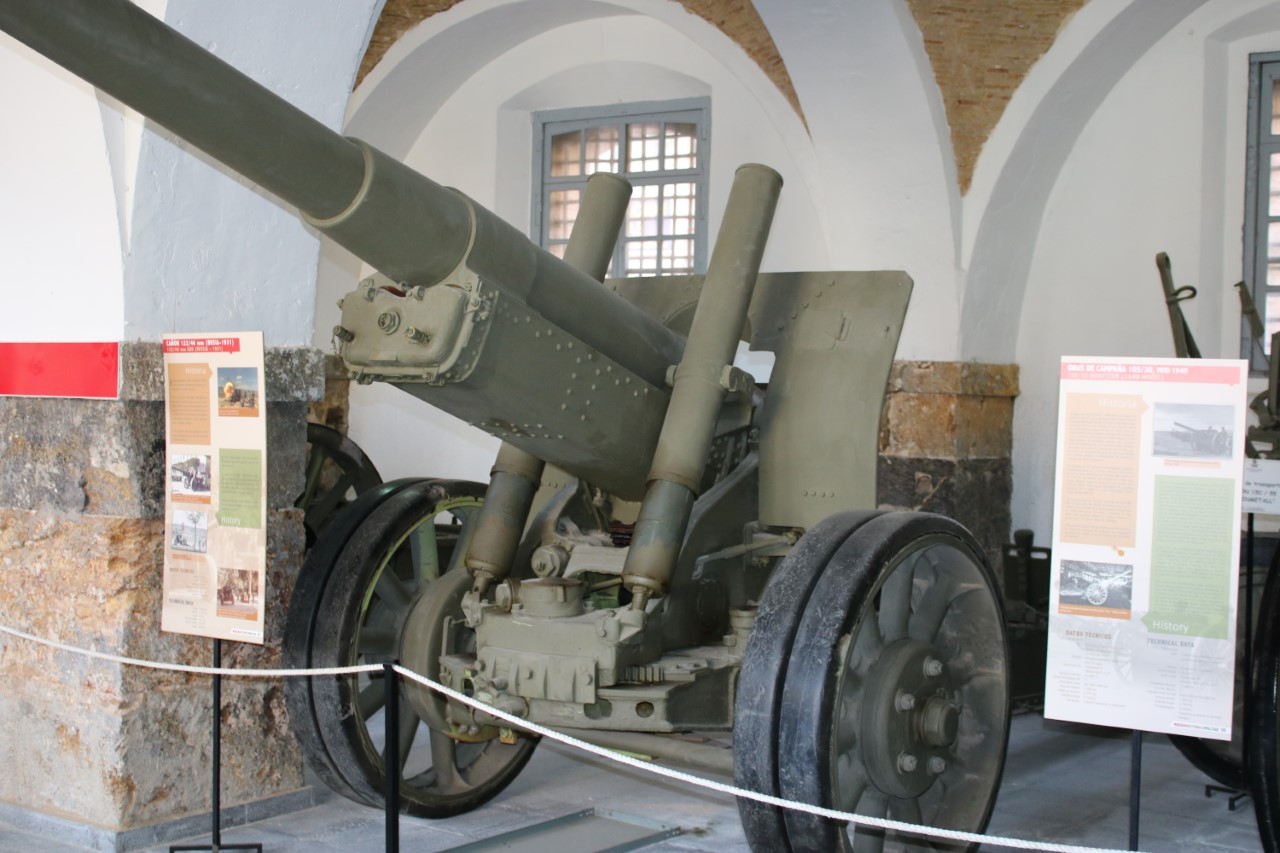
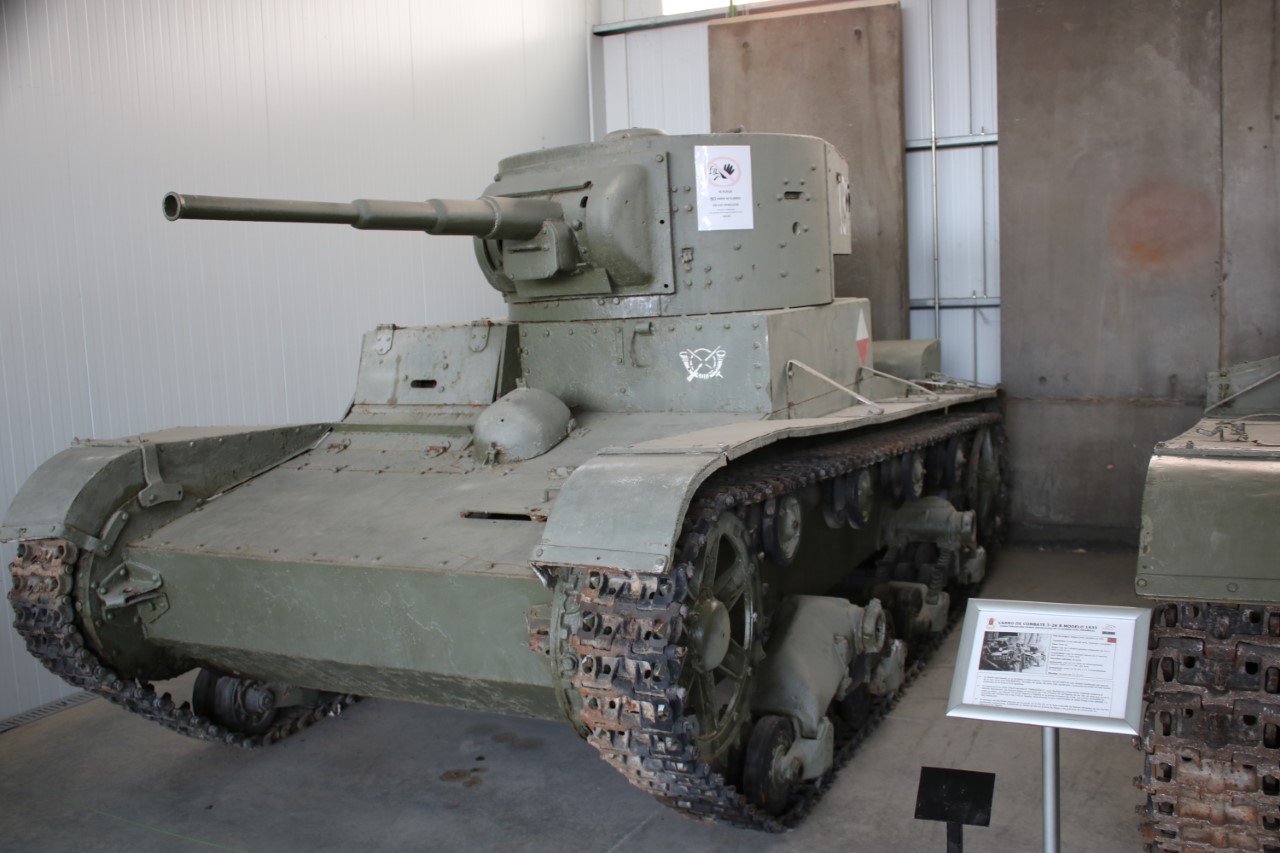
Victor Cheretsky: Do not you think that both modes that were formally considered diametrically opposite, but in fact similar, to some extent stretched to each other? And this is with an ostentatious hatred. The dictator Franco, for example, was sometimes interested in his adjutants, what was the Stalin. By the way, he had a clear weakness for Soviet weapons. During the Civil War, the general almost paid from his pocket to the soldiers who stated the enemy - from the supporters of the Popular Front - the Soviet tanks set by him. These trophies, as well as other Soviet weapons, including planes, after the war, were used in the Franco Army for one and a half decades. It is also known that the Franco bought an additional Soviet trophy 122-millimeter guns from Hitler in 1943, and immediately 150 trunks, and established the production of the famous Soviet anti-tank "forty-fifth".
Secret political negotiations have been conducted between Moscow and Madrid since the beginning of the 50s, then cultural exchanges began, and by the end of the 60s wide trade and economic relations were established. Spain without much publicity visited Soviet party functionaries. A few years before the death of Franco and the collapse of his regime in Moscow, the diplomatic representation of Spain was already operating. Well, officially, in Soviet propaganda, the Frankist regime was still called only "criminal, bloody and fascist." The Spaniards answered with the same coin. What do you think about this?
Juan A. Miranda: From a young age I heard that the Russians were something like devils. At the same time, it was seriously stated that since they were fans of hell, their tails and horns grew. I thought about what you said already in adulthood. It seems that the hatred of the Soviet Union was supported in Spain and, at the same time, there were endless trips of Soviet creative groups, performances, sports, football matches. All this was quite strange, like wide economic ties. My father worked at one time on the Canary Islands belonging to Spain and there was a base of Soviet courts. Father even acquired a camera from one Russian sailor, and he really liked her.
Victor Cheretsky: It was about the joint fishing company “Sovispan”, which once launched a violent activity on Canaries, including, according to Spanish sources, spy. The Spaniards repaired Soviet ships and charters with Soviet sailors flew to the islands endlessly. In addition, the USSR supplied oil and oil products to Francir Spain and received equipment from it, including for defense enterprises, and consumer goods. True, full -fledged diplomatic relations between the two countries were established only a year and a half after the death of Franco and the collapse of his regime. By the way, why, in your opinion, the regime collapsed?
Franco regime without Franco could not exist
Juan A. Miranda: It was logical. The Franco regime without Franco could not exist. In addition, society is tired of this regime and needed radical political changes. And this despite the fact that the situation in the country has changed. There was no longer the hunger of the 30-40s for a long time, we lived well. The Spanish economy has successfully developed-it was the 9th in the world. I must admit that Franco did a lot for the socio-economic development of the country. For example, with him a pension system was created and modern healthcare available to everyone. But, as they say, a person is not alive with bread. People needed freedom so as not to be afraid to express their thoughts.
Victor Cheretsky: Nevertheless, the collapse of the regime accompanied in Spain a certain period of instability, turbulence, crime, terrorism - a difficult situation in politics and in the economy. And here, in my opinion, you can also draw certain parallels-with Russia of the 90s after the collapse of the Soviet regime.
Juan A. Miranda: Indeed. I recall the brutal murder on Atoch Street in Madrid. I shared my left glances at that time and participated in protests against this crime. Lawyers who defended trade unions were killed. They tried to confront the mafia that acted in transport. The sad and alarming was time. Many had very difficult, including some of my friends and acquaintances, but over time everything subsided and we were able to overcome this difficult situation.
Victor Cheretsky: Thanks for the story.