
Translated material
Cold reception
Ukrainian refugees are offered to be placed in the Arctic. Last time, such an attempt turned into eviction of the arrived
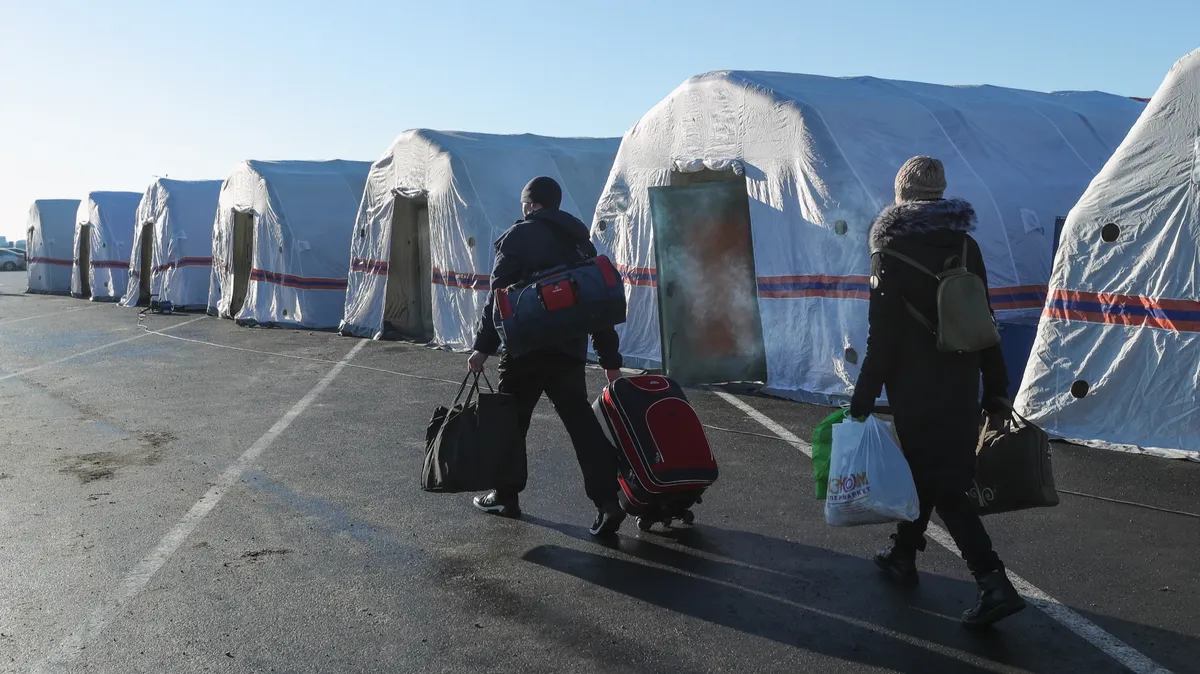
“A building with knocked out glasses, cold, drafts threatening to collapse with a current ceiling, mold and a layer of dirt on the walls broken furniture, without proper sanitary processing, was presented in the reports with equipped housing.” These are the lines from the lawsuit that Ukrainian Oksana Pavlova in 2016 filed to the then Murmansk governor Marina Kovtun. Oksana complained about unbearable living conditions in which she found herself, believing in the promises of the regional authorities to accept people who fled from the war zone as relatives.
Now the Murmansk region is again calling refugees.
After the appearance of buses with the residents of the self -proclaimed republics in the Rostov region, the heads of Russian regions vied with a vying of their readiness to accept people. Among them are the north, such as Murmansk, Arkhangelsk or Yakutia.
At the same time, in 2014, people were also taken to the north, and many of them did not know anything about the features of the climate, or the high cost of life in the local lands.
The governors measured the breadth of the soul, and people came to the Arctic in shorts and slippers.
Meeting the first such board, I remember, I asked refugees, did they have the opportunity to take warm things with them, did they really know where they were going? Almost everyone answered: that in the middle of the summer in Murmansk, plus six degrees, no one simply warned them. But they just persuaded to go: the accumulation of people near Rostov threatened with a humanitarian disaster.
By the way, now, and then the Murmansk region declared readiness to accept refugees one of the first: “The more people would come, the better. It is necessary to work as if it had concerned one of our close relatives, ”Governor Kovtun said in 2014.
Relatives turned out to be 11 thousand. Not all of them were from the Donetsk or Lugansk regions. The same Oksana, for example, is from the Dnieper. She explained to me in a conversation with me in a conversation with her pro -Russian position. But, in the end, they took, brought, promised.
Opening the “fraternal embrace”, one does not have to calculate that all those who arrived will be working, prosperous and socially responsible. This is not hiring for a job where you can choose. That's why,
When it turned out that not everyone could work among the arrivals (and someone doesn’t really want to), the authorities began to shrug and blame the visitors of blackmail.
In addition, there were not so many promised high -paid work at mining enterprises in the Murmansk region. Moreover, half of the salary is the "polar" that must be earned for years. And I want to live now, and in the store you will not pay with promises. Pavlova managed to get a cleaner at the shipyard. The salary is six thousand rubles. Nine more - a manual for three children. Oksana was recommended to look for, finally, rented housing. And if there is not enough life, put the children in a boarding school.
The first month of people at temporary accommodation points (PVR) were fed. Northerners donated clothes and furniture - not the authorities. And the refugees began to be seriously interested in, but where are those 800 rubles per day, which Moscow allegedly allocated for each? Really went to the salaries of officials involved in the operation to relocate Ukrainians?
Those who could not get anywhere on their own, lived in the emergency building of the former Murmansk school for more than a year.
They took place to the Human Rights Council under the President. In mid -2015, Murmansk arrived in Murmansk. Marina Kovtun had to make excuses. But nothing has changed.
And then the PVR was simply closed - from February 1, 2016, the federal center has ceased to finance its contents. And the remaining ones were led literally to the street - by court decision.
Right half of those who arrived in Murmansk returned back to Ukraine. I only had to go back already at my own expense.