
Translated material
Between two friends
President of Serbia Vucich wants to keep the European person and be friends with Putin. To do it all more difficult
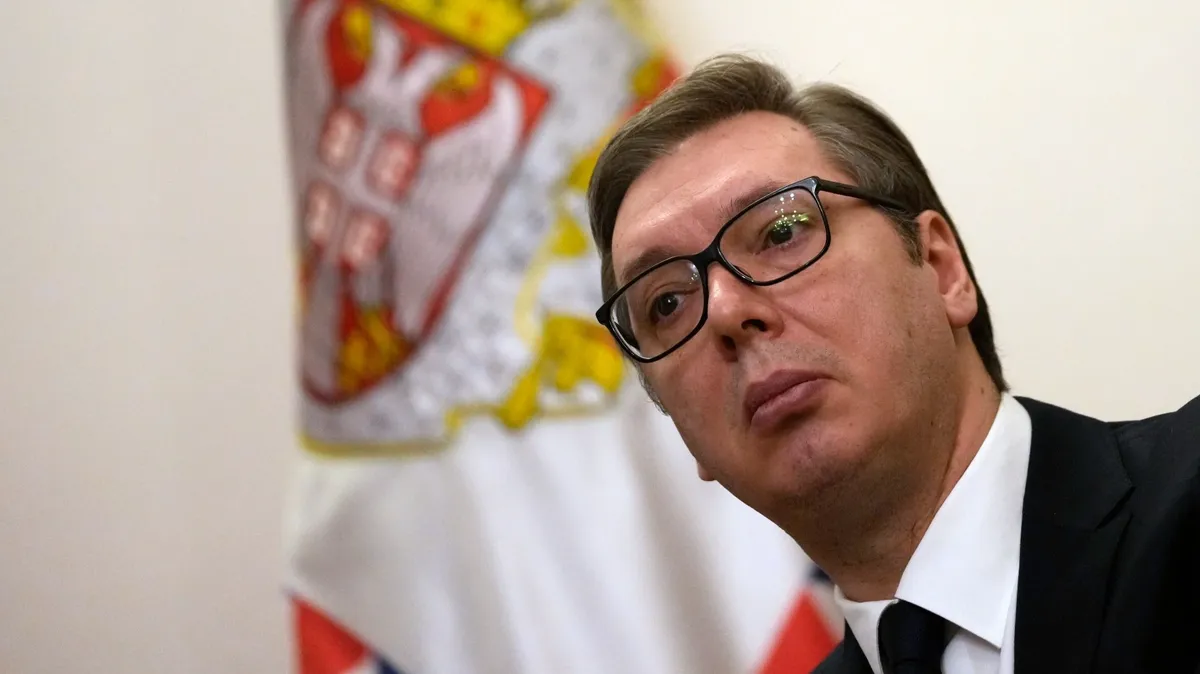
The news of the recognition of Russia's independence recognized the President of Serbia in Monaco. This experimentalist policy, trying to be multi-icing-Russia, European Union, America, China-just had to get from the hands of Prince Albert II the Big Cross of the Order of St. Charles, the highest state award of the principality of Monaco, and thus become a knight of this very cross. And then the Serbian television channel Pinktv asked him: what is the position of our country regarding the recognition of the Donetsk and Lugansk regions?
Being in the core of the European organism, which Vuchich dreams of becoming part more than anything, he said what could hardly be expected from him: “Everything that we knew yesterday no longer exists. This situation is probably the most difficult for all our contemporaries, our parents, for us and for our children, it is unlikely to be harder in the coming ten to twenty or thirty years. I think that this is de facto and essentially changes the world order. ”
Thus they do not characterize the decision of the senior like -minded person on the main political issues of our time, which in the eyes of his compatriots, his Serbian “colleague” always exposed Putin. Now Vucich admits that he expected “something like that” after negotiations with Vladimir Putin in Sochi last November, when he could not find sufficient words of gratitude for receiving cheap gas (still, $ 270 per thousand cubic meters-this is now a pure gift). “Our position is not easy,” continued Vucich in the same television interview; Everything that happened today puts Serbia before political challenges, security challenges, economic challenges, political pressure on Serbia after the decision of President Putin will be more than ever. ”
Vuchich, now in the form of not a Western, but the Slavic knight, speaks into the camera of his national television, which is at a fork:
The route to the common Europe, united in its condemnation of international robbery, support for the territorial integrity of Ukraine, and - here it is, obstacle! - “There are 85% of citizens who, no matter what happens, no matter how happens, will be on the side of Russia. And these are the facts that I come across as the president of the republic. This is the severity of our position. "
What does it mean “to be on the side of Russia” in this situation? What do the faces, souls and minds of these unknown “interest” do not look like? What is the contribution of Vuchic himself, who made a non -participation in the post -Krym sanctions against the Kremlin by the cornerstone of his policy?
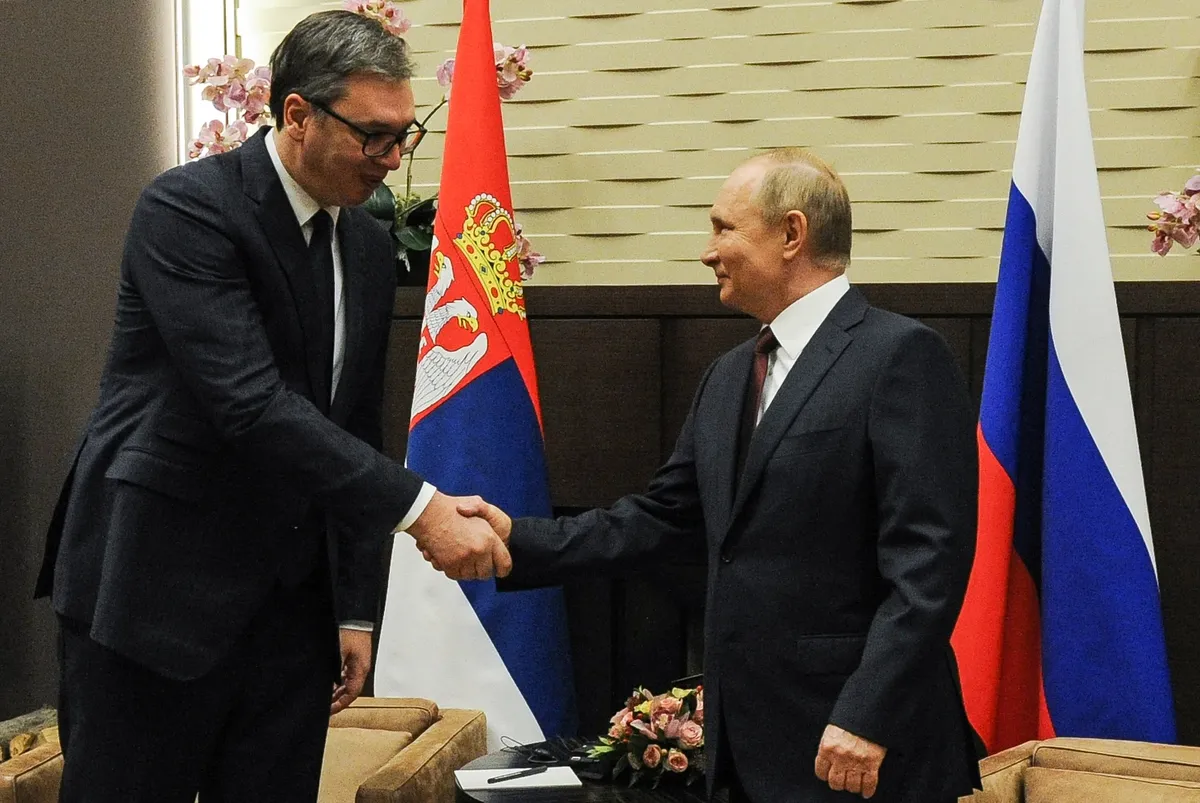
Vuchich, promising the Serbs that in the near future they will get “food and water”, but warning that food and energy prices due to Russian politics in Europe will grow, politically tried to get out of the situation as follows: responding to the call of the Ukrainian ambassador to Belgrade Oleksandra Alexandrovich (so correctly) to condemn the last steps of Russia,said : “I have a simple answer: we are a little small The country, we do not want to exclude the possibility of friendship, we do not solve the future of Ukraine. ” Let the President of Ukraine Zelensky condemn the aggression against Serbia by Western countries, "and when he does it, then I will bring this aggression." Serbia, neither to the village, nor to the city was concluded by Vuchich, is "the only country that strictly adheres to international law." It turns out that the bombing of Yugoslavia, which happened almost a quarter of a century ago, is considered in the Kremlin and in Belgrade as an oversized claim to the West?
At the same time, other leaders of the Balkan countries spoke more definitely. Ignoring accusations of Russophobia, by which the Kremlin even understands the shades of disagreement with its ideology and behavior on the international stage, all the Unified Balkan countries took a definite position in a matter of hours.
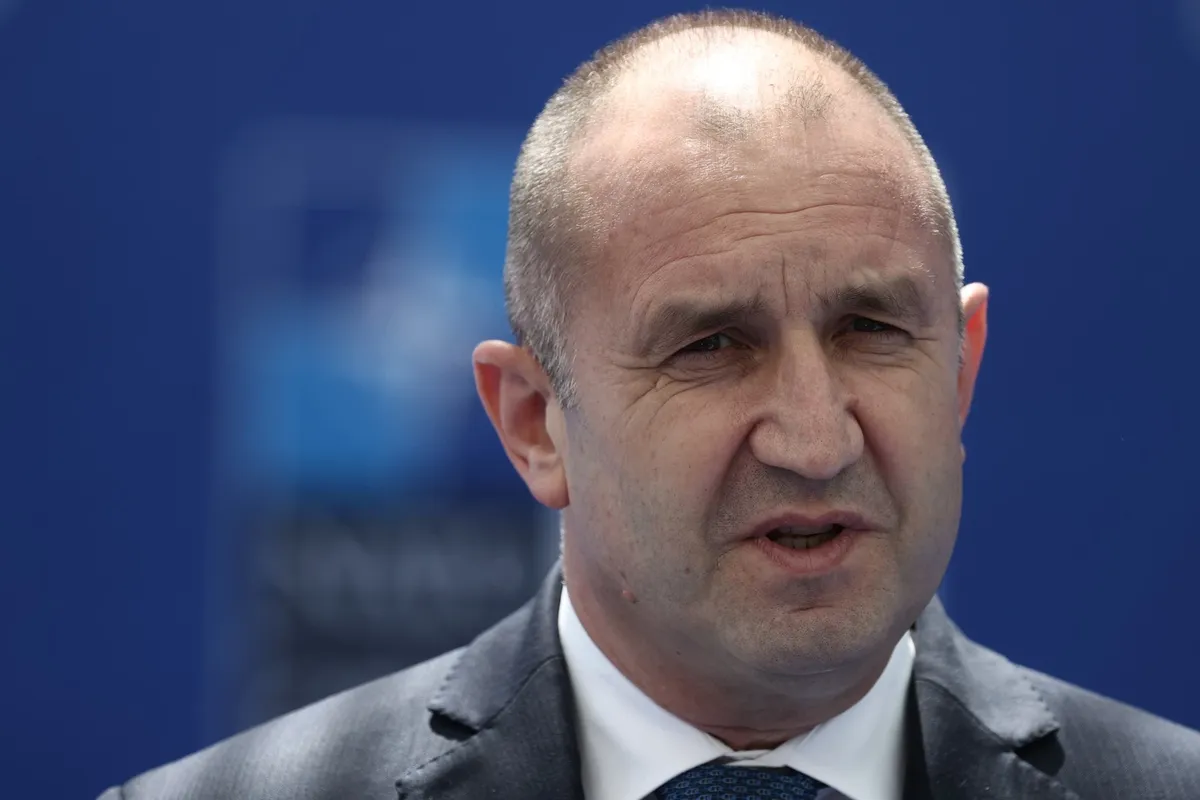
President Klaus Johannis President Klaus Johannis (this country announced his readiness to accept 500 thousand refugees from Ukraine), President of Albania, Montenegro President Montenegro, Prime Minister of Croatia, Prime Minister of Slovenian Yanes, North Macedonia Buyar, called Putin. Osmani. Greece and Türkiye, parts of which formally belong to the Balkan Peninsula, condemned the recognition of Ordlo through statements of their foreign ministries. Member of the Presidium of Bosnia and Herzegovina from Bosnian Muslims, Shefik Dzhaferovich, condemned the recognition of independence, and the representative of the Serbs Milorad Dodik, known to the pro -Russian position, said his “concern” by the development of events in the east of Ukraine. Bulgaria, which initially clearly avoided confrontation with Moscow in connection with the proposed strengthening of the eastern NATO flank by American military units, after a short time she accepted “more than 150 American troops and more than 60 units of the US Army”, and its president Rumen Radev clearly stated : “The Russian Federation recognizes the so -called“ DPR ”and“ LPR ”by the Russian Federation. The failure of the efforts to decal the conflict in Ukraine and leads to an increase in tension in the entire region. A steady solution to this crisis cannot be found by violation of international law and military means. ”
Returning to Serbia: next week (according to some reports - February 28), the secretary of the Security Council of the Russian Federation Nikolai Patrushev is waiting in Belgrade, although officially Moscow did not announce this. It is believed that the topic of negotiations will be the alleged participation of mercenaries from Albania, Kosovo and Bosnia and Herzegovina on the side of Ukraine against the now “independent” “DPR” and “LPR”. Officials of the mentioned countries rejected these statements with which Russian Foreign Minister Sergei Lavrov made. Now, presumably, the agenda will expand. Vucich will decide how long he will remain a stranger among his own, while insisting on the European course of Serbia. Its task is becoming more difficult, given that on April 3, the country should simultaneously pass the presidential and parliamentary elections.