
Translated material
Suprematic Baikal and mystical abandonment. Siberia in the lens of young photographers
In Krasnoyarsk, an exhibition of finalists and laureates of the contest "Young photographers of Russia" for 10 years has opened. The competition is held by the Union of photo artists of the Russian Federation annually. This time, it presented photo searriors made by authors younger than 35 years, from 2010 to 2020. Among the presented works are pictures on the widest range of topics made in Siberia.
Vacation as post -apocalypse
Maria Dyupovkina - photographer and sociologist from Moscow. Official photographer of the Andrei Tarkovsky International Film Festival "Mirror". He says that he travels a lot, because he does not like to sit still. In 2020, Maria completed a series of works "Let me fly, Father Baikal. Let me be carefree."
-My grandparents after the Medacademia was distributed to those lands-in the Gazimuroz-Zavodsky district of Transbaikalia. Mom was born and spent her childhood in Baikal. Other children told fairy tales before going to bed, and I - the defective stories about the magical country of Baikal. Houses on stilts. Fantastic reliefs. Likes, which grew up street, and then faded to the family of their mother, and were very devoted, always protected their mother.
When in March 2020 it was the opportunity to go to my mother’s homeland with a tourist group, I could not miss her.
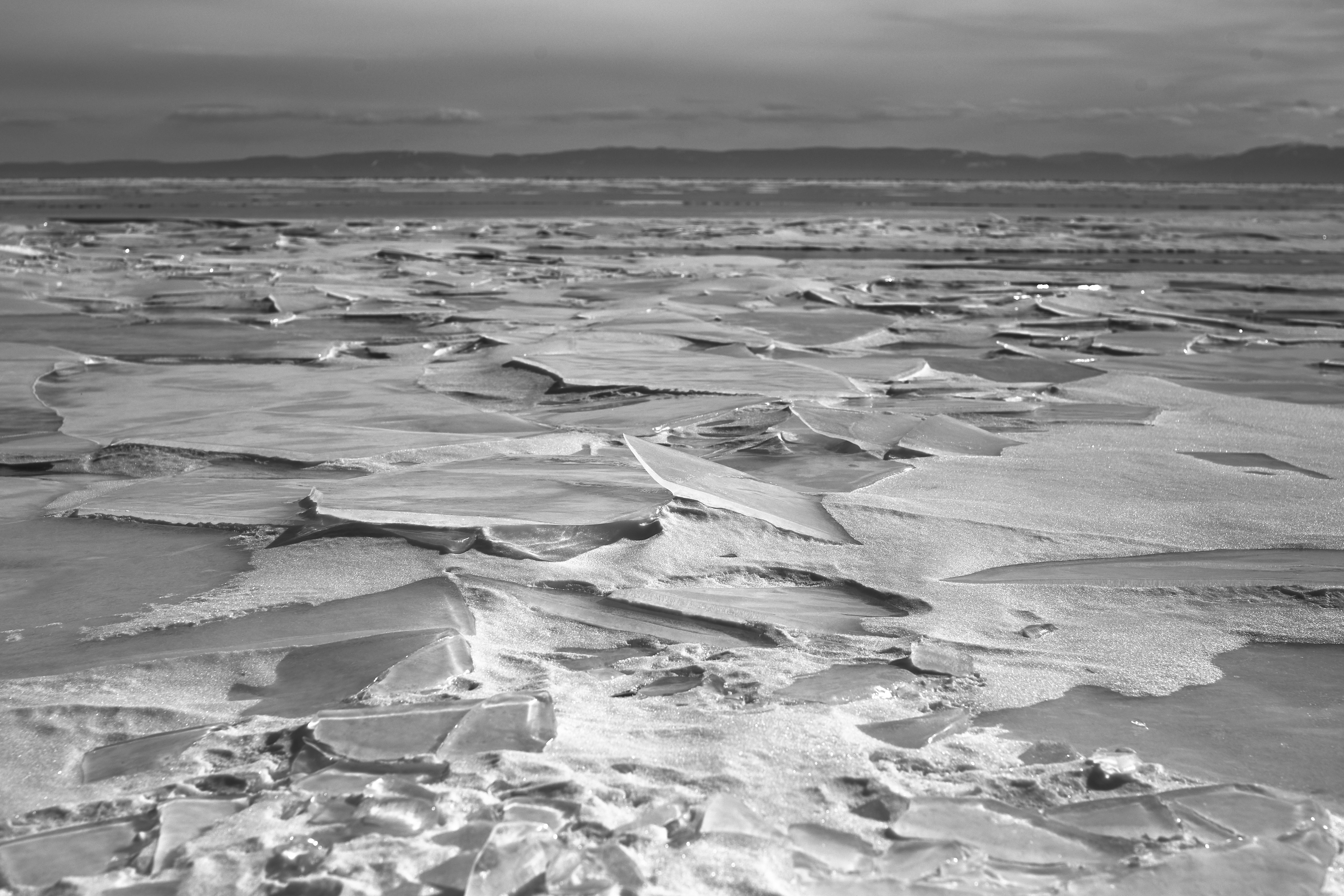
- Baikal impressed so much on the first night! The thickness of the ice is a meter, or even more. Cracks are constantly formed in the ice, and there was not just a cosmic sound, but tactile sensations, as if something was shaking under you. And this absolute blackness at night, when there are no large cities around. You stand or lie on the ice, and it feels like it will open now. You feel very tiny, and the icy Baikal is giant. This is a little scary and very interesting. And at that moment a pandemic began, which has not yet been declared international when our campaign began.
We were in wild places, lost touch with the outside world. On the fourth day, they climbed higher, where the Internet was caught, and saw a huge number of news that the whole world was covered by pandemia, that they buy buckwheat and toilet paper in Moscow, the price of medical masks jumped ten times, and that, perhaps, all the departures will be canceled. Entertainment vacation turned into a post -apocalyptic film. We were terribly far from Irkutsk - from civilization. I had to accept my own helplessness, tinyness on the scale of this giant Baikal, and focus on the meditative process of sliding on the ice. I ventured to ride directly with a backpack, with technology, although I did not ride since childhood. We did 30 km a day on skates - it's hard. I shot a lot on skates. It seems to me that this affected the pictures.
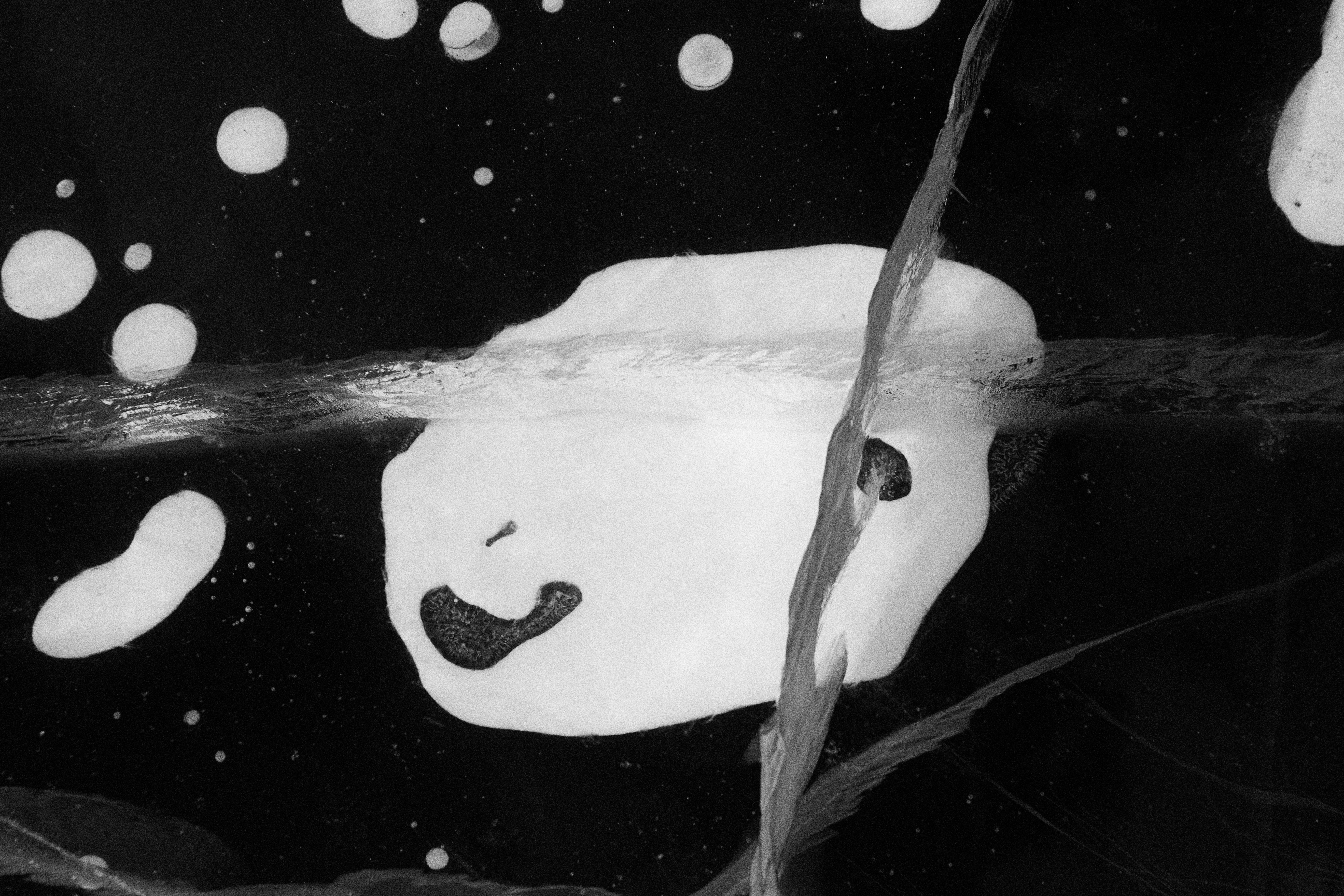
The color of the winter Baikal-sky blue-is not like anything, but I chose a black and white format to focus on textures, which in other photographers are fading into the background. In this photo, bubbles that form unique patterns. They occur in the thickness of the ice at different distance from the surface. Thanks to this, you understand how powerful the ice layer is. I have never seen this anywhere else. These cracks and bubbles are constantly moving. They are transparent in places, in places - saturatedly white or gray. All these bubbles and cracks are formed in some abstractions, perfectly complicated by the Suprematic compositions-especially when you drove on skates 20 km, you do not feel your legs, and already in a slightly changed state of consciousness due to physical loads and ringing silence, which is never in the city.
The members of the group rode far from each other. Sometimes it began to bluff, and you stopped seeing the rest. You are going, driving ... In front of you for several hours there are no people, animals, birds. Only these abstractions are endless. In March, the ice is still strong. But you still understand that if you fall out or stuck on a crack and break your legs, help may not have time. Cracks - they are on the surface. Giant - kilometer in length. Because of the need to look under your feet, you notice what otherwise I would not pay attention to.
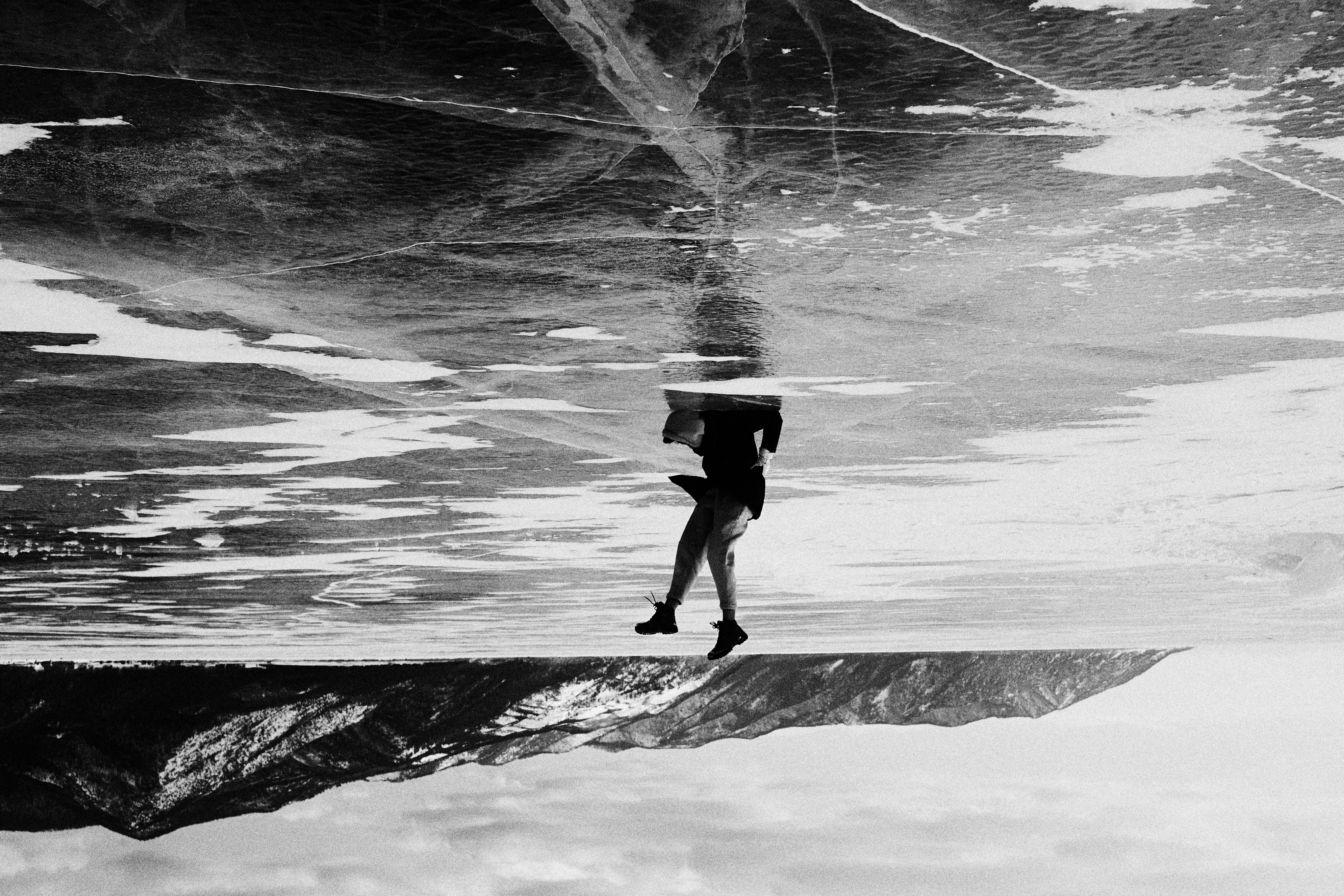
-There everyone tried to find some balance and understand what to do next. In this photo, the theater and film artist Alexander Karpeykin. She said that the world turned upside down, and this photograph illustrates her thought. She tried to focus on her body and continue sports classes in these unusual conditions. Alexandra stands, resting his head, with blades and elbows into the ice, and his legs stretched up. And the photo is then turned upside down.
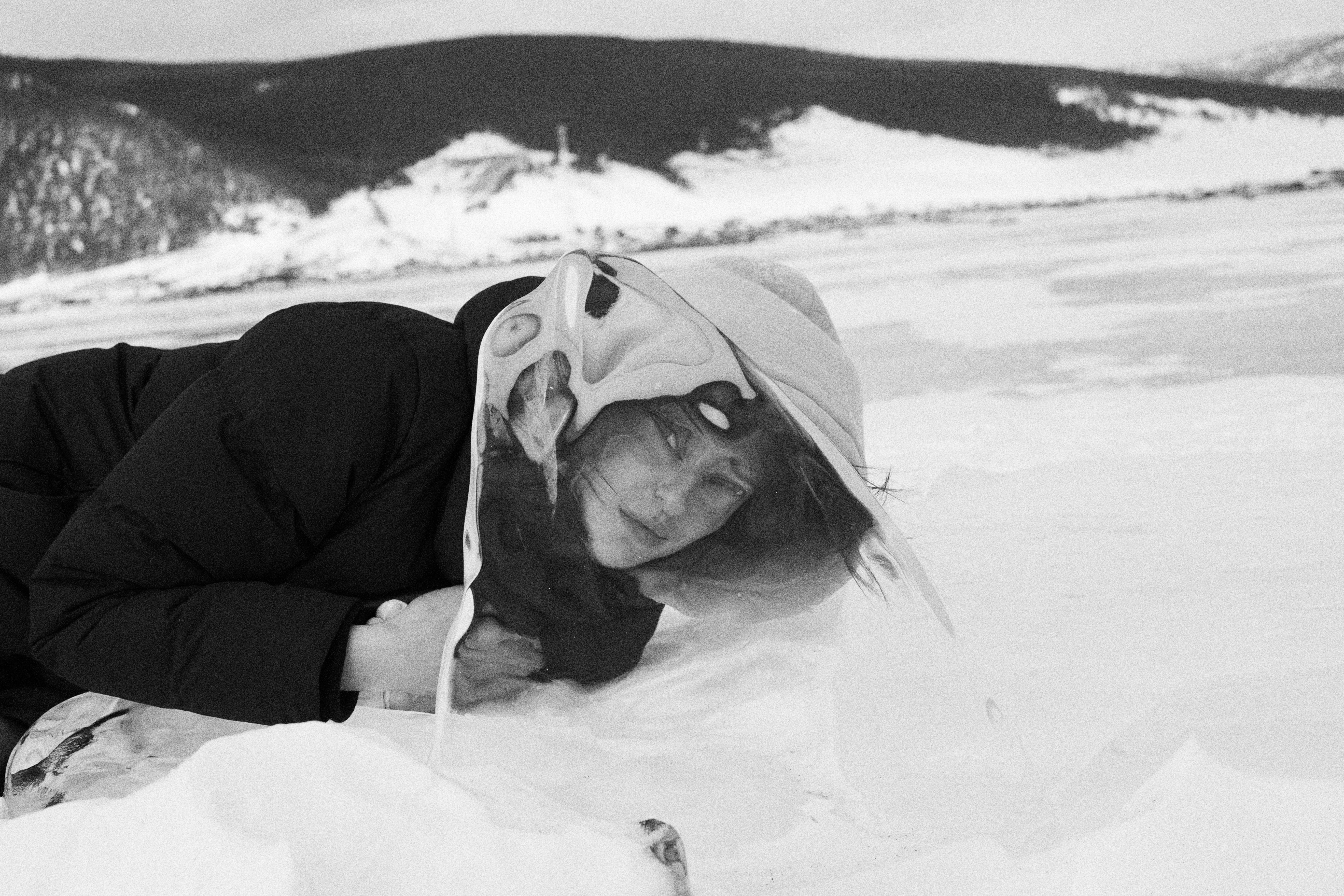
-also Alexandra reasoned that "everything is some kind of wrong." In this photo, she looks through an ice floe that refracts and distorts everything. It seemed to me that this is a distortion - almost the most correct of what surrounded us.
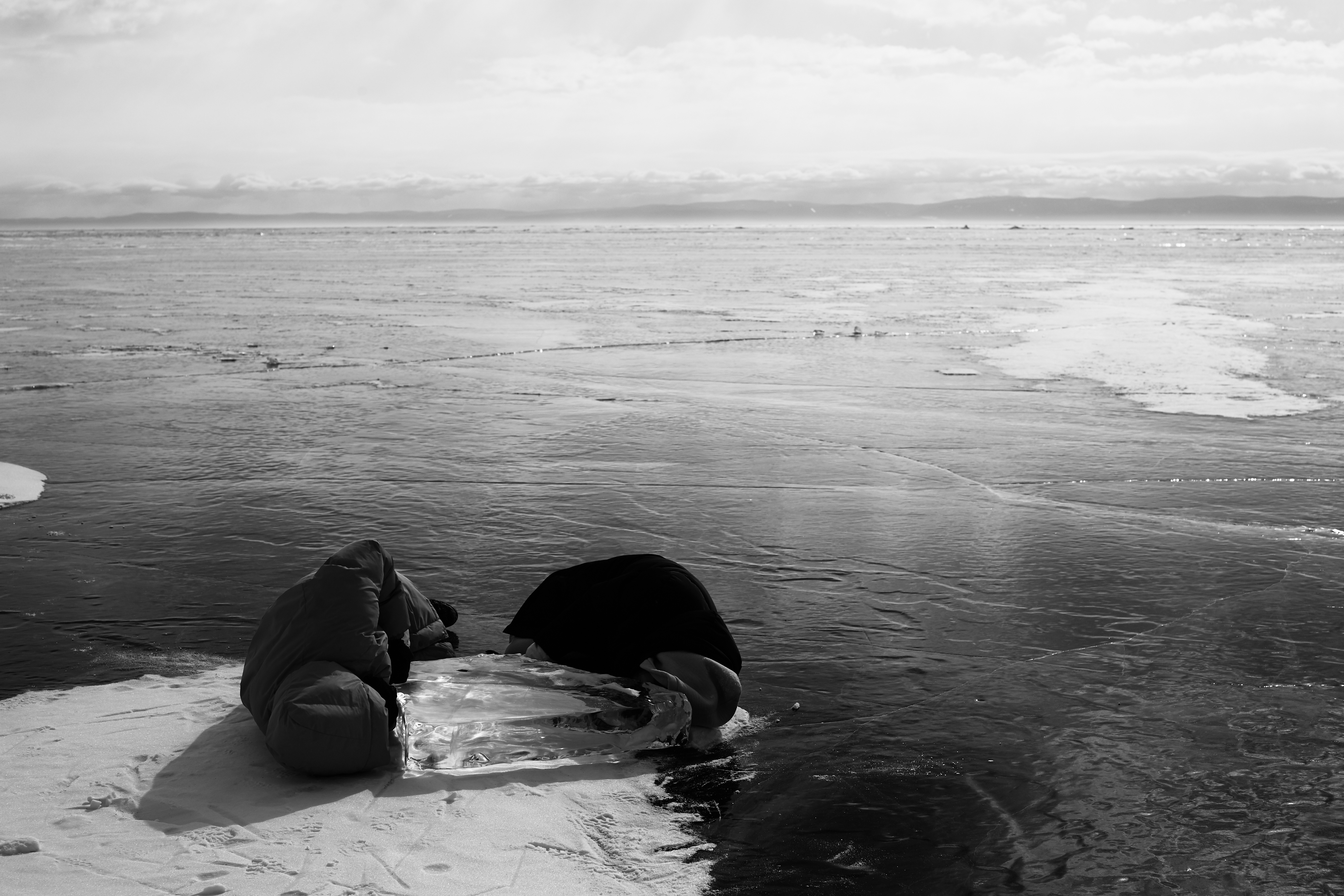
- We all tried there to understand what was happening in the big world and cope with stress. No one knew what would happen next, whether we would be able to fly to Moscow later, or we would be covered with quarantine. The group had people of different social status and different professions. Under other circumstances, they would never have met, but here everyone had similar experiences. Everyone turned out to be divorced from the world. Like these two people. The whole group scattered, and one lay down, and began to look through the ice. Without agreeing, the second came up to him, also lay down and began to look. So they lay.
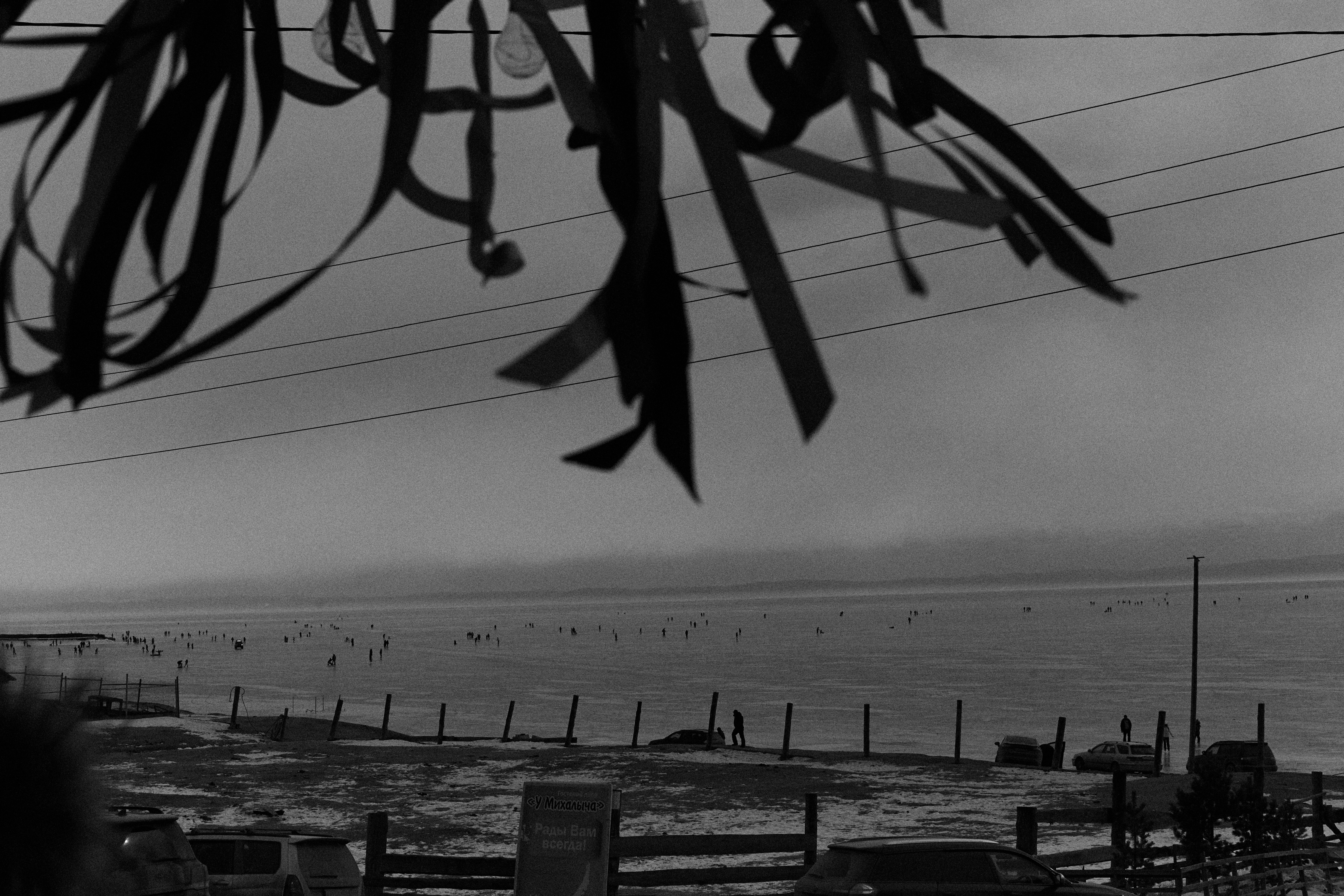
- It was very curious how local residents react to the situation with pandemia. Some xenophobrobly spoke about the Asians, declaring them to the culprits. Others said that Baikal Batyushka would blow the whole infection. The third had spiritual moods: we need to go to the shaman so as not to get sick. In this photo, a cafe on the shore of Lake Baikal. There were pagan conversations. And ribbons, which in the foreground, as I was told, from some pagan holiday.
I am a sociologist. Before the trip to Baikal, I liked to contemplate, but not to photograph nature. In Baikal, I tried to shoot about people, but without a person in the frame. I define myself not as a photographer, but as a contemporary artist.
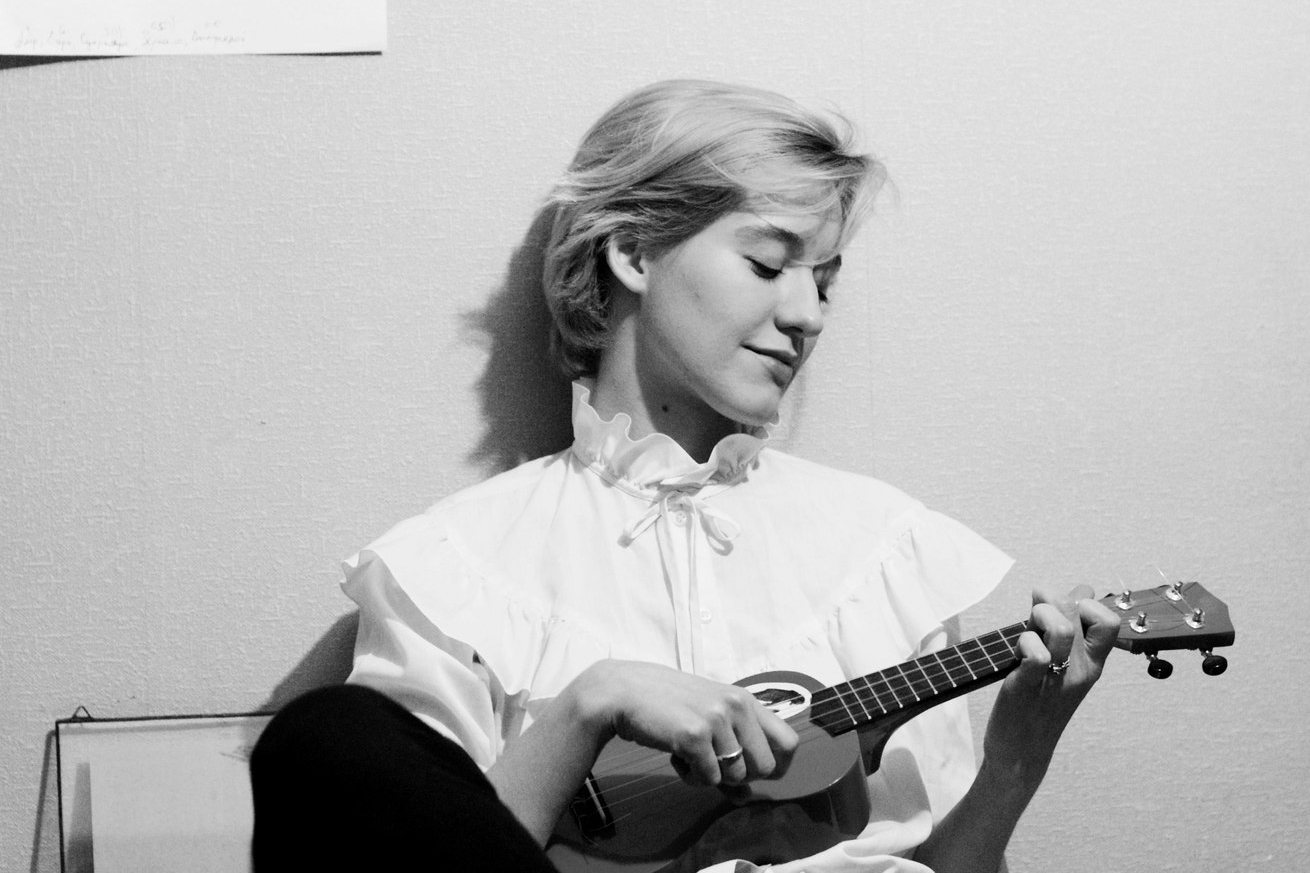
I work with video and sculpture. My main topics are family, gender self -identification. Now, for example, I am working on a project on post-trauma of family violence. And over the project that ten -year -old children do not remember the world to the pandemic. Children live this situation differently than adults. Due to stress, they have supplanted. For example, they watch films shot to Covid, and do not understand why people walk without masks. In this series I use the landscape. Probably, without a trip to Lake Baikal, this would not have happened.
Shpan with glass
Artemy Zhdanov is a Krasnoyarsk photographer, who in the Mira Museum, where the exhibition is now exhibited, oversaw the direction "Photography" for three years and organized an educational "Laboratory of modern photography" on the basis of the museum.
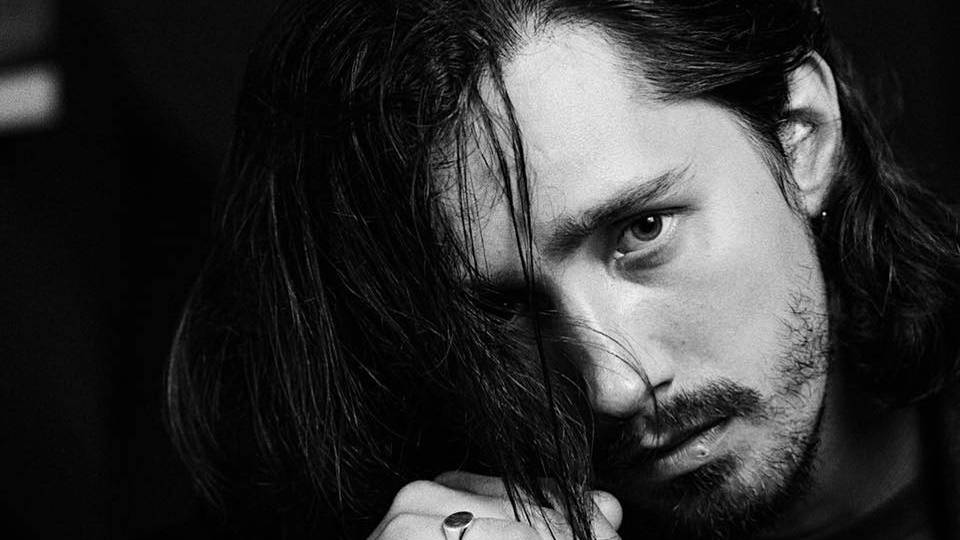
The exposition of the collective exhibition "Young photographers of Russia" presents a series of photographs of Artemia "Children from the glass factory", made by him in September 2014.
“I then studied in the technological and was already engaged in documentary photography,” says Artemy Zhdanov . - I met a student of the journalism department, who was from the village of memory of 13 wrestlers, located fifty kilometers from Krasnoyarsk. She said that there is an abandoned glass factory, founded back in 1823 - very textured, and dysfunctional families live nearby. This girl and I made material for the "Russian reporter".
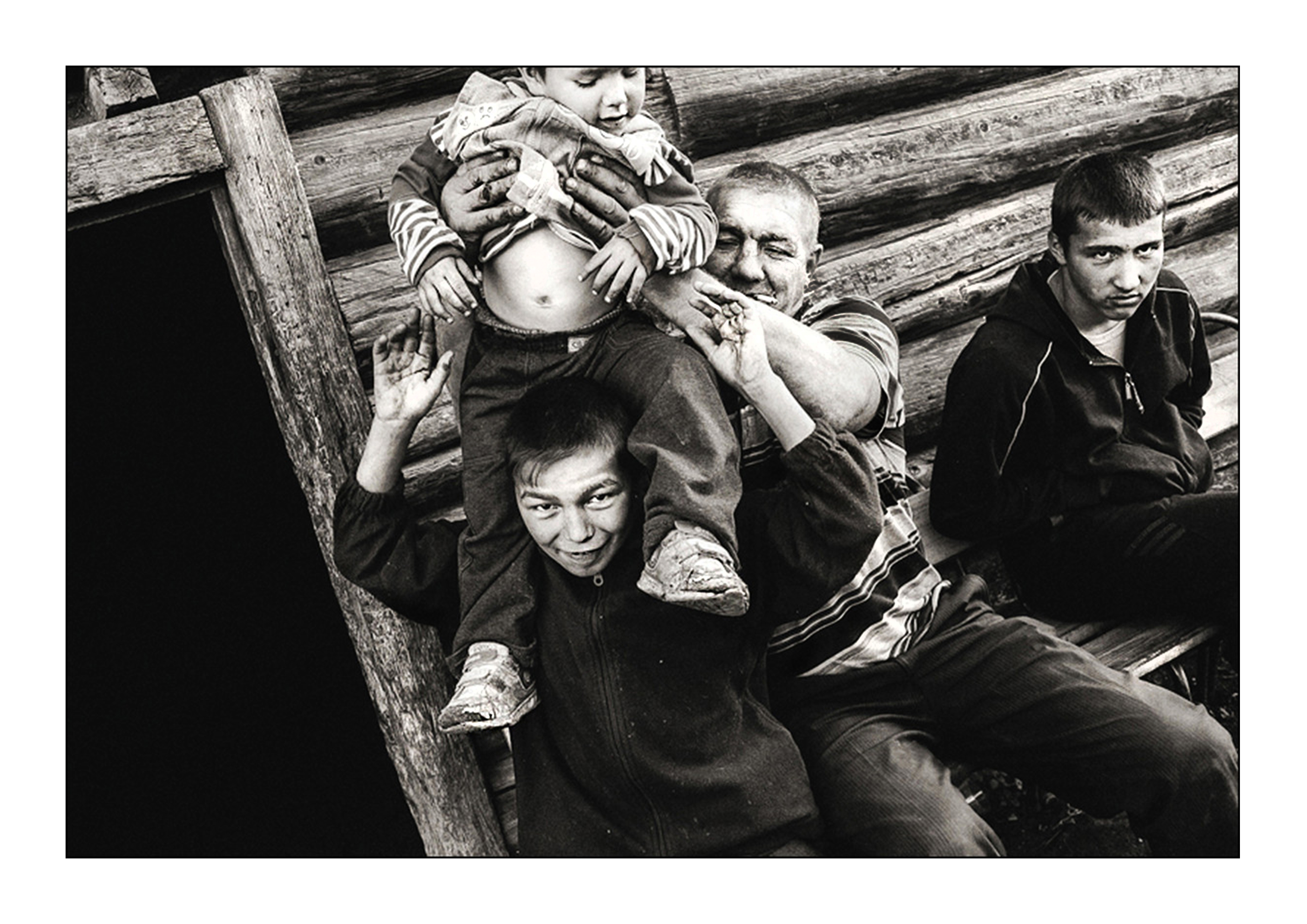
- Near a two -story hut. The father puts the youngest son on the elder's neck. The family is dysfunctional. Father drinks. Mother, as he said, walked in a neighboring village. The hut, in my opinion, was not even heated. We brought the children of sweets and fruits, and the father was a check, and they allowed to take pictures. The children were even curious that some uncle came, to specially capture them.
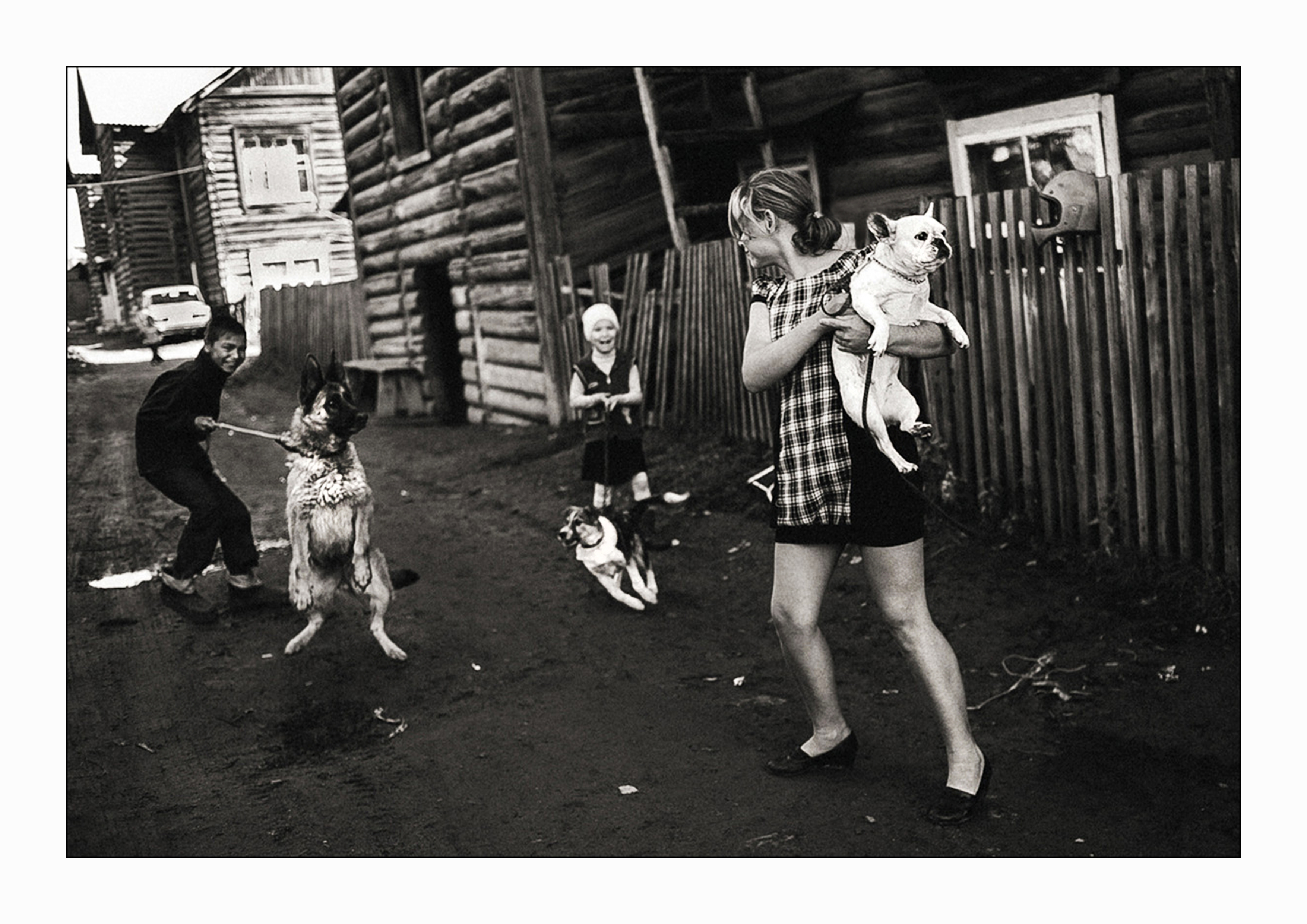
- Bresson photo, almost classic. Girl-she lives next door to this family-very nicely saves her bulldog from the dog, which actually does not threaten anything. Skirt, bare legs ... obviously it is not a city. The photo is playful, plot. Shows a local flavor, shows where all this is happening.
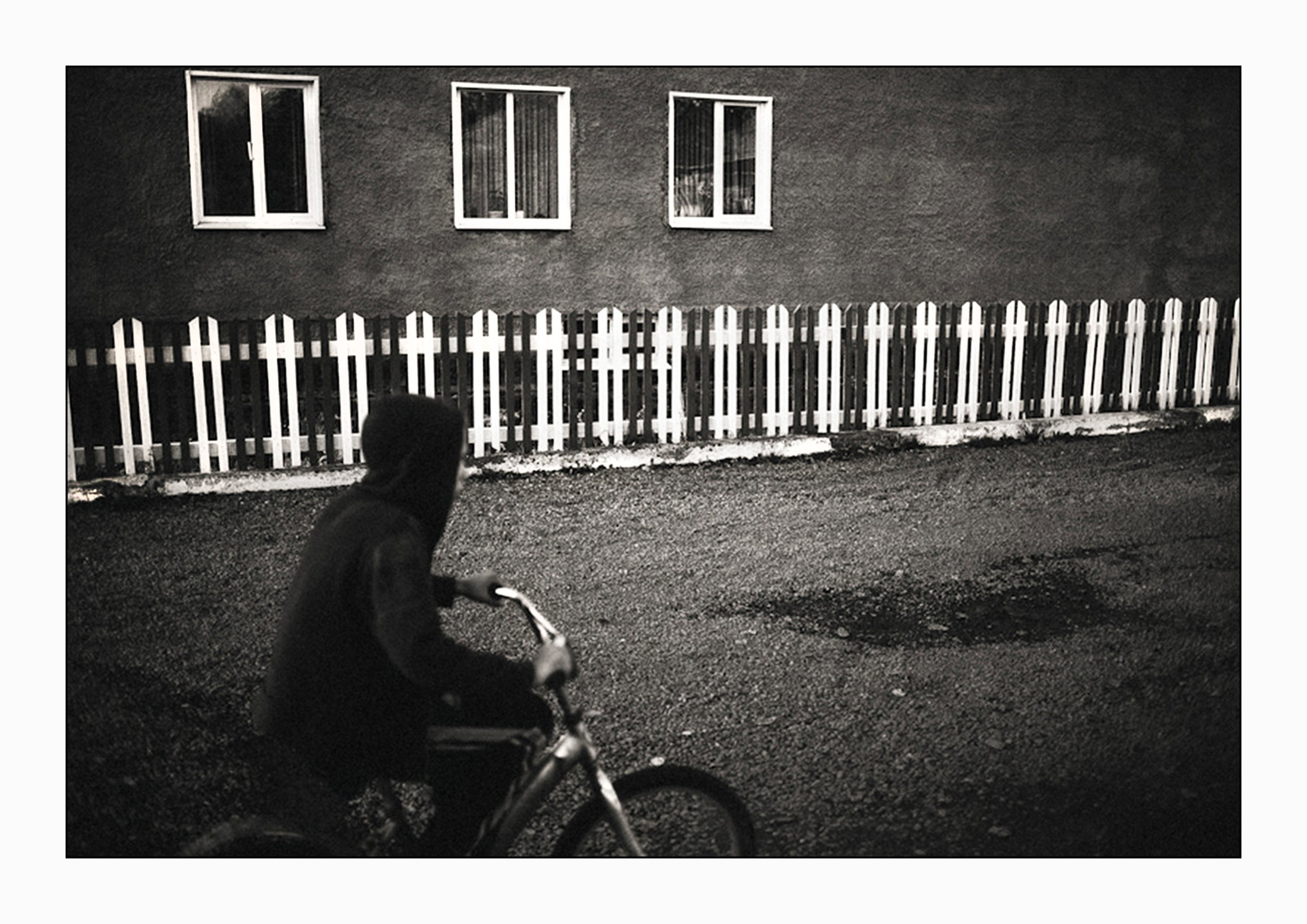
-I really like to shoot in color, but I decided to make this series black and white because the children are very frisky, they run constantly. I did not want to be distracted by the fact that some kind of "noise" could get into the frame. The most important thing here is the plot.
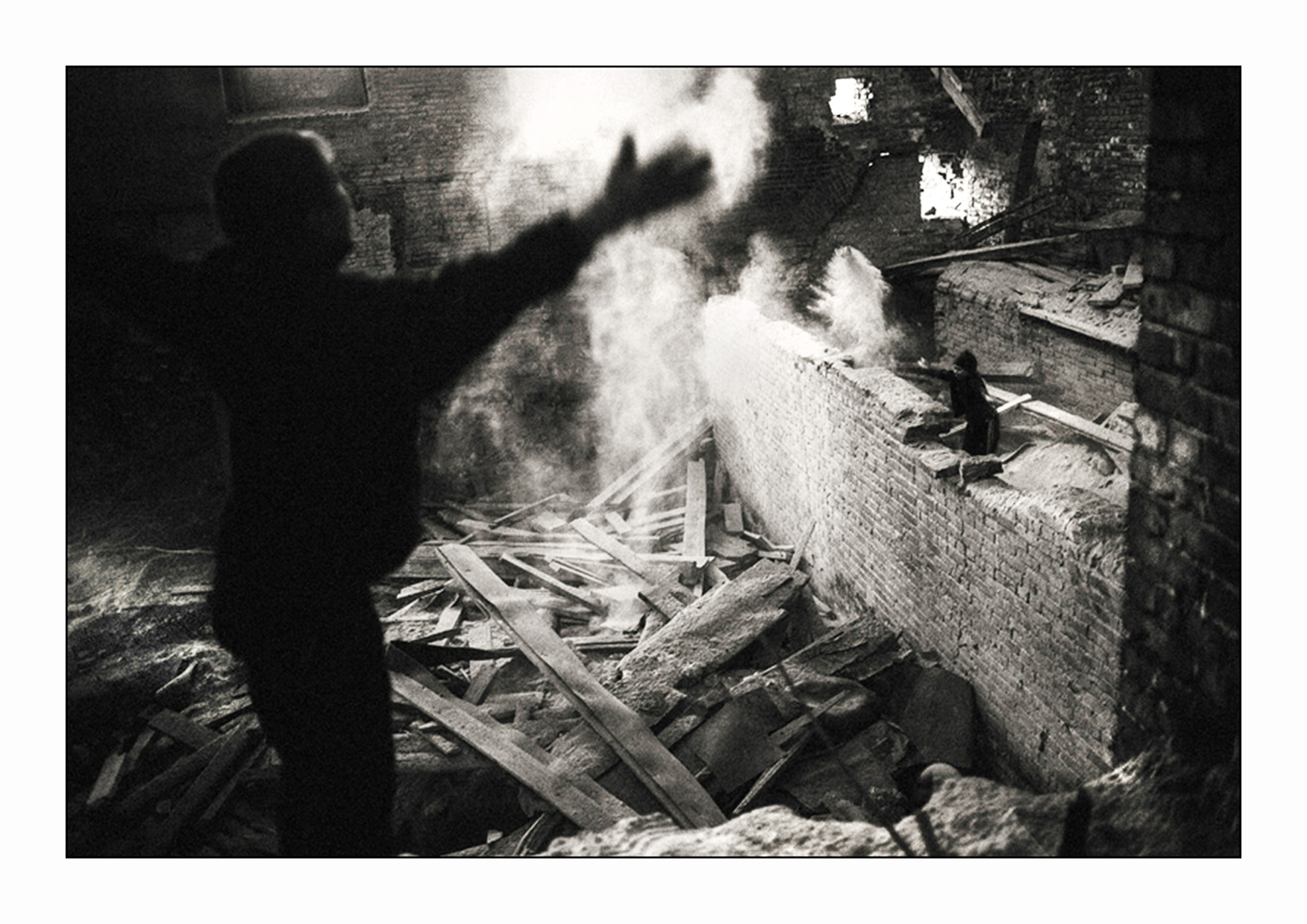
- We talked with the children. "Are you playing at a glass factory?" - "Yes, constantly. We build houses." We agreed to go there together. Eight hundred meters from their hut. We climbed over the fence. The plant, from which there were only ruins, it seems, was not guarded at all. He was pulled by the locals. Still. Such wealth. So many boards and brick.
At the factory he was very worried about the children. They rushed like mad, and there the wells are huge. Another whole calculated soda used for glass production and belonging to the category of substances very harmful to humans. In the photo, just children scatter this soda - it is light like powder, and settles slowly.
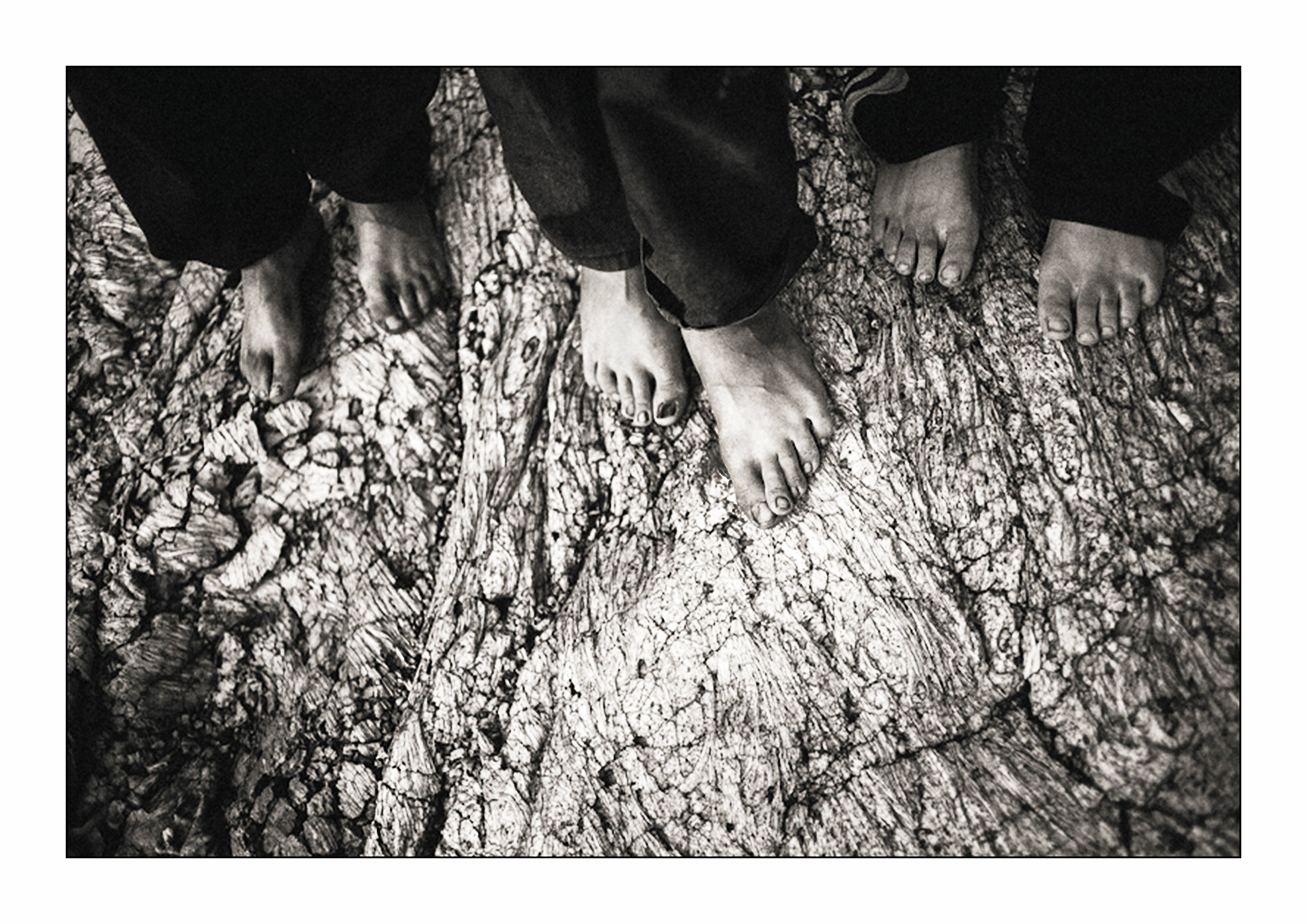
-The boys went somewhere. It turned out that there is a pool where the rejected glass was drained. The children took off their boots and began to sharpen the heels. They used these fibers of frozen glass as a pumice. Very unusual. I asked them to stand on the glass to take this picture.
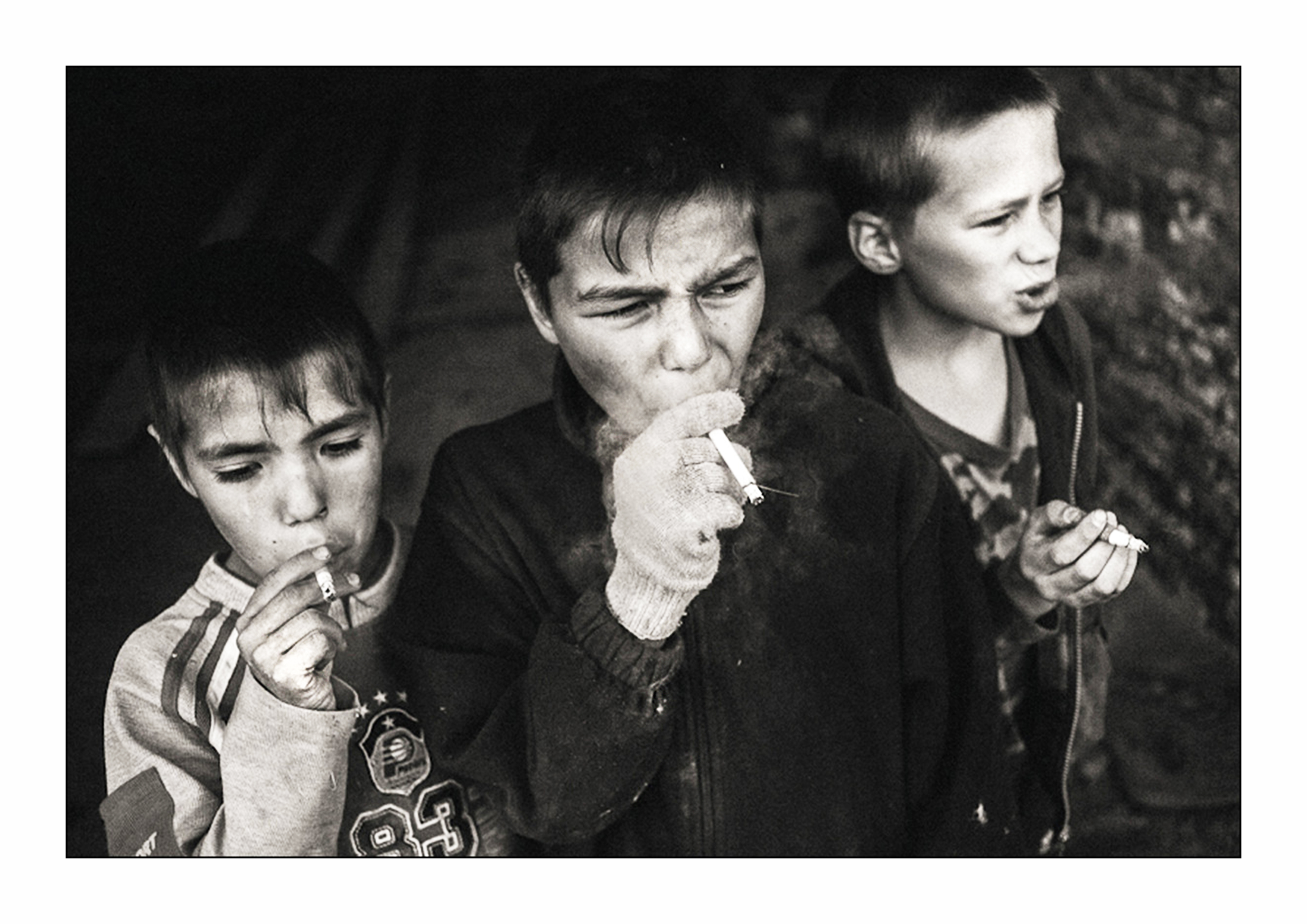
- Then they reproached me that he photographed smoking children. But not I taught them. Shpana village - they have their own cigarettes. I just fixed what was happening.
The residents of the village for many years could not achieve their huts insulated. A large family that I photographed was supposed to be a benefit that they were not paid. I and me, a journalist who traveled with me tried to draw attention to the problem.
There was no more in this village. I don’t know if life has changed there for the better. I think not.
The door to freedom
"Prison after the prison" - a series of Novosibirsk photographer Anton Unitsyn presented in the exposition. In the photographs of Danil, a former prisoner who, having freed, began to cooperate with the human rights organization "Rus Sitting" and provide legal assistance to other prisoners. The series was shot in 2018 in Novosbirsk.
Anton Unitsyn is perhaps the most titled participant in the selection, whose work fell on many all -Russian and international photo contests. Anton already teaches young people - he teaches photojournalism at NSU. How the photographer works in a variety of genres.
- I see a photograph as a whole. I shoot landscapes, and portraits, and documentary. This helps to maintain interest, not to get stuck on something one. I like that today I can take off some kind of social history, tomorrow the classification trials of the "sowing beret", the day after tomorrow the wedding, and then fly to Kamchatka to remove the wild.
The series "Prison after the Prison" shot on the editorial assignment "such cases." In terms of personal experience, I am quite far from this kind of stories, fortunately or unfortunately. But any undertaking aimed at protecting rights, freedoms, to protect people with worthy approval. Such work should be done.
The journalist at that time already talked with Danila, they gave me the text. But the photographer is always trying to tell her story with the help of visual images. A certain symbolism is laid in this series. I spent part of his working day with Danila. We met on the way to the office where he worked. Then he had some business, in my opinion, in court, where he went on foot. I did not specifically look for any locations. The series has both reporting and staged personnel.
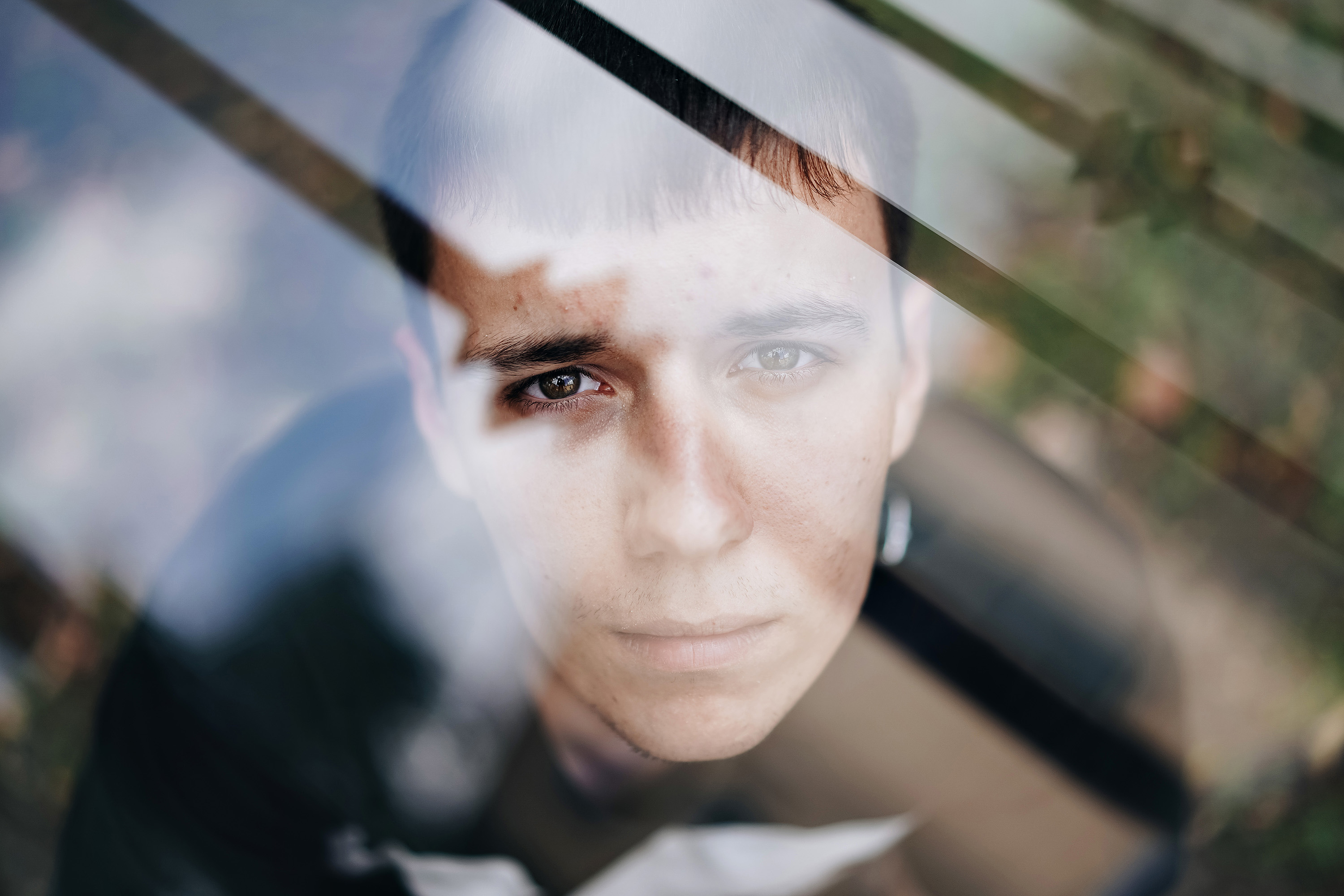
- It was shot near the court building before we already parted. Why on the face of shadows, similar to the grille, you do not need to explain.
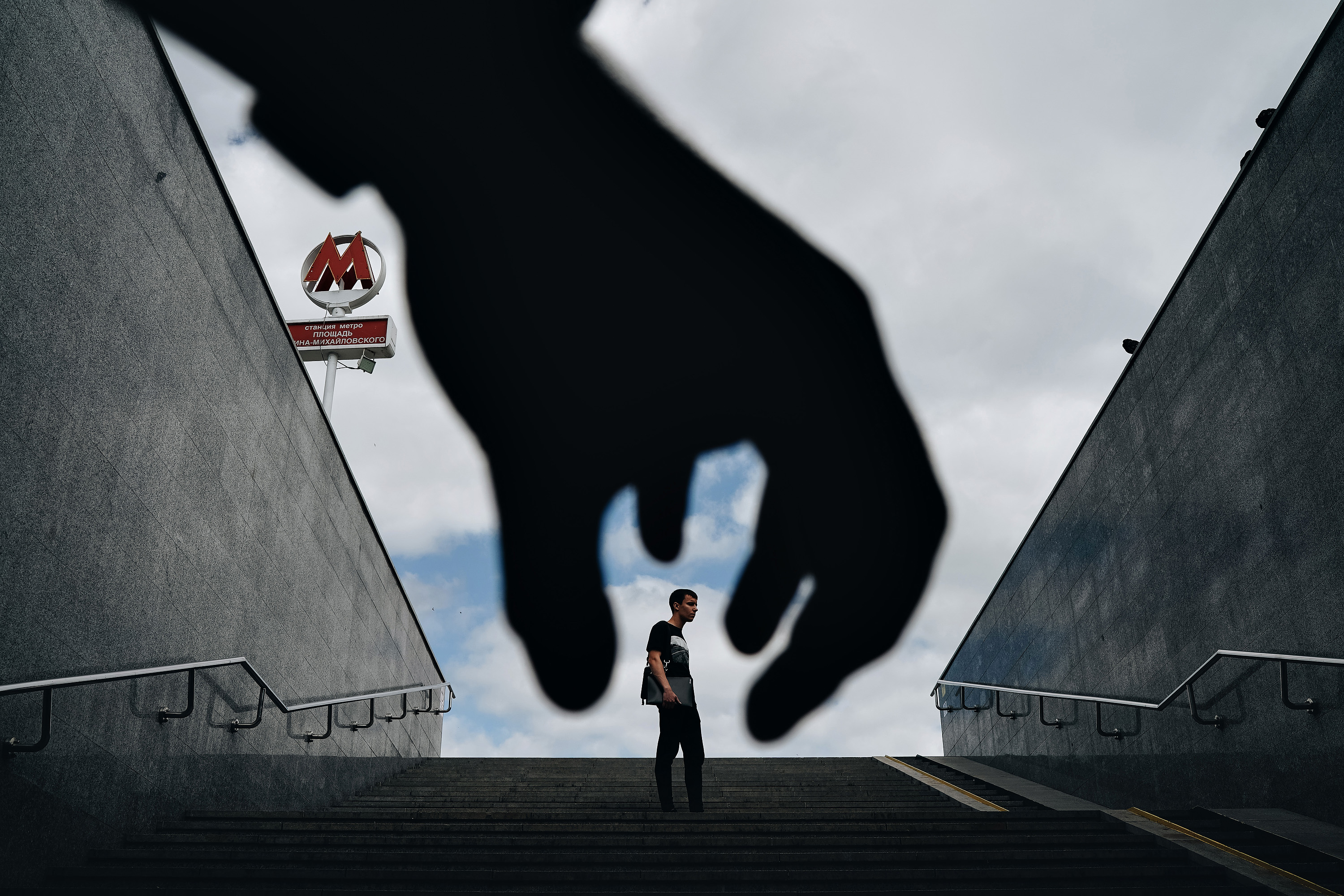
- This is rather a staged photograph. The metaphor of the influence of the prison past on the present hero. Hand in my frame. People, even having gone out of places of imprisonment, constantly feel restrictions related to their past. It is difficult for them to socialize, and this is the only way that will not bring them back. The context with which, in general, Danila works. This is a border picture of the series - in fact, the whole story in one frame.
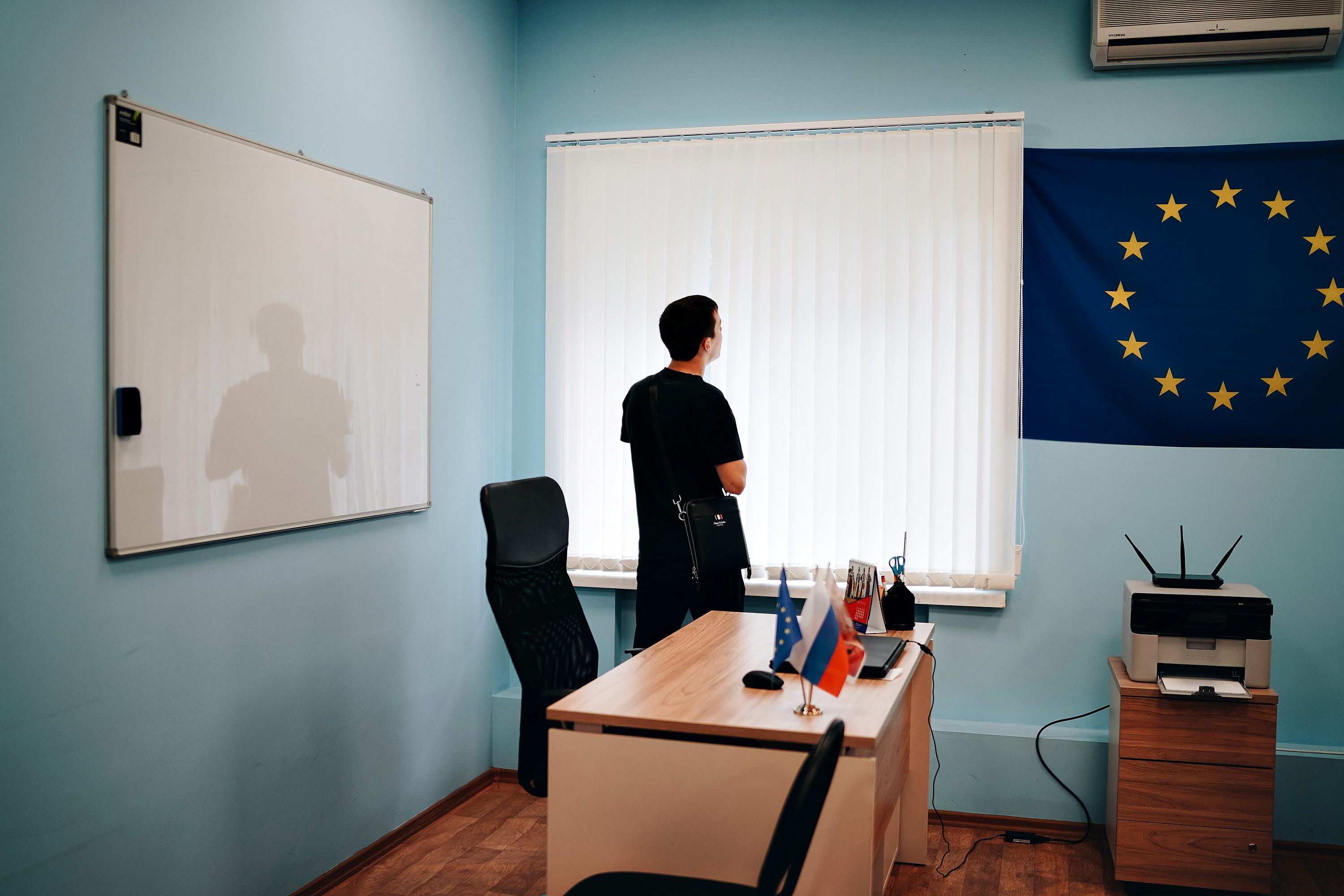
- Removed on the move in his office. Reporting frame. Just here I did not ask Danil to do something.
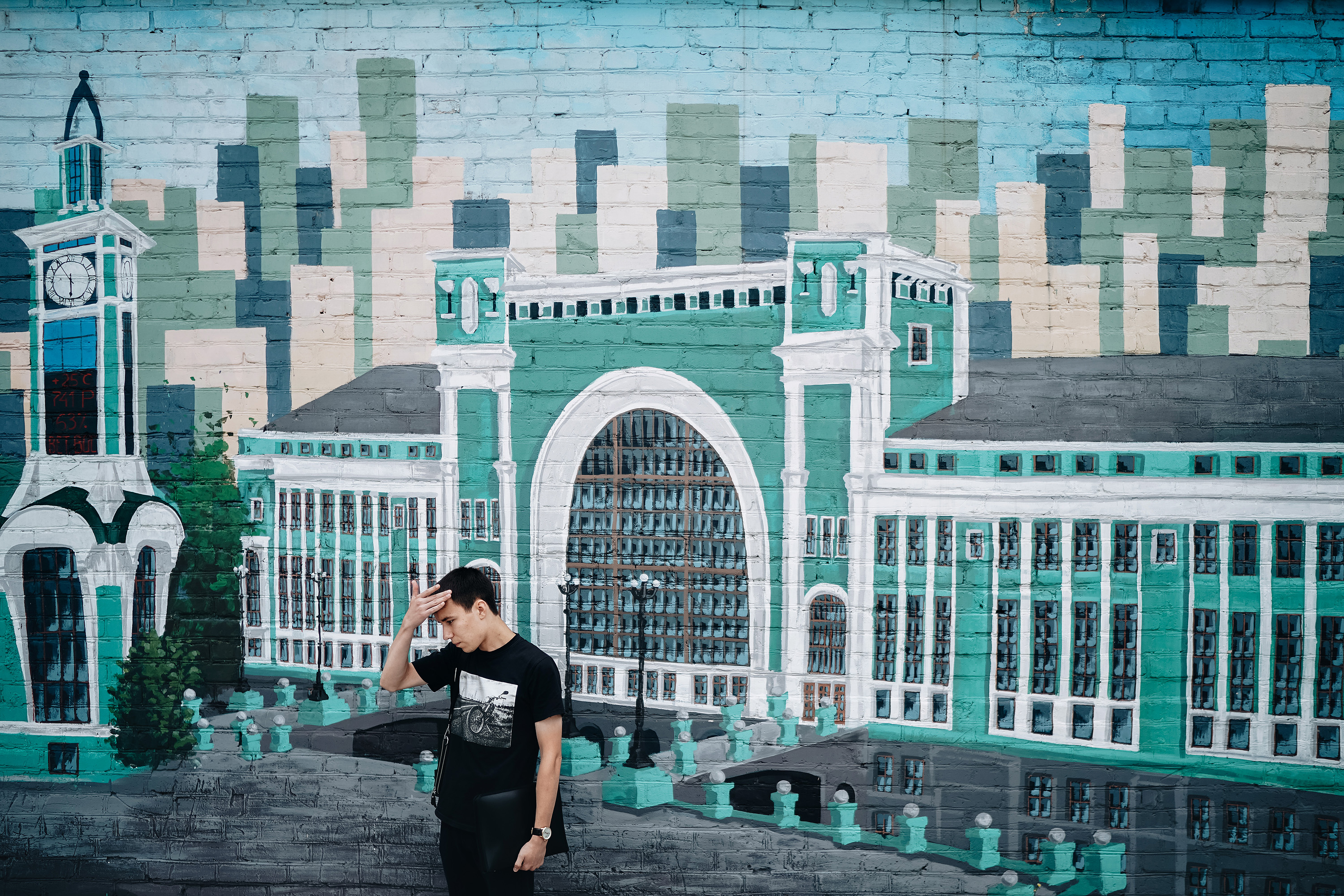
- I thought this frame as being sent to the place where the shooting takes place. Graffiti - the image of the Novosibirsk station - on one of the houses of the city.
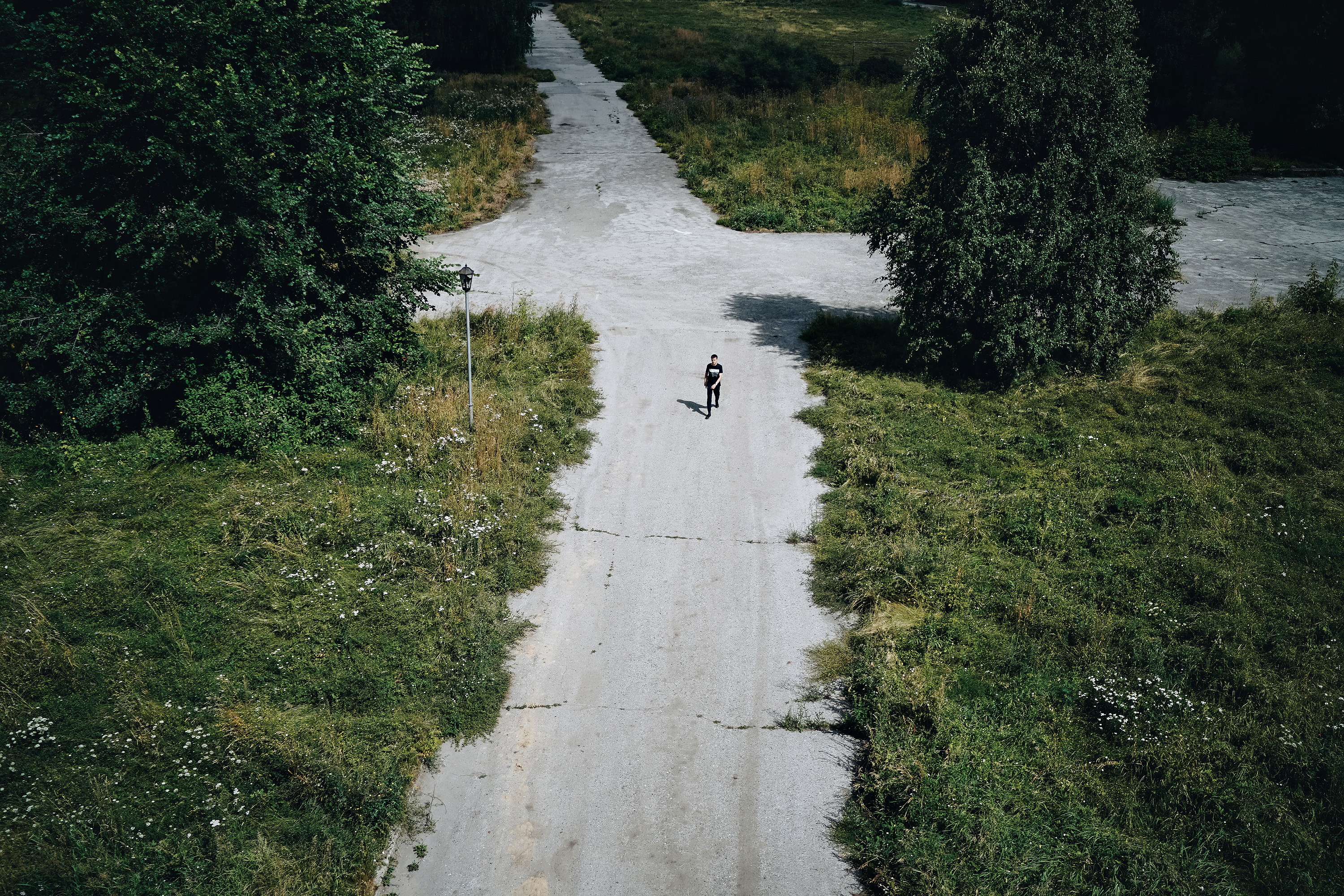
- Clay. Human figure. He walked down, and I shot from above, from the bridge. As already said, as I remember, he went to court. I was just interested to remove something about the road, about the intersection, about the choice.
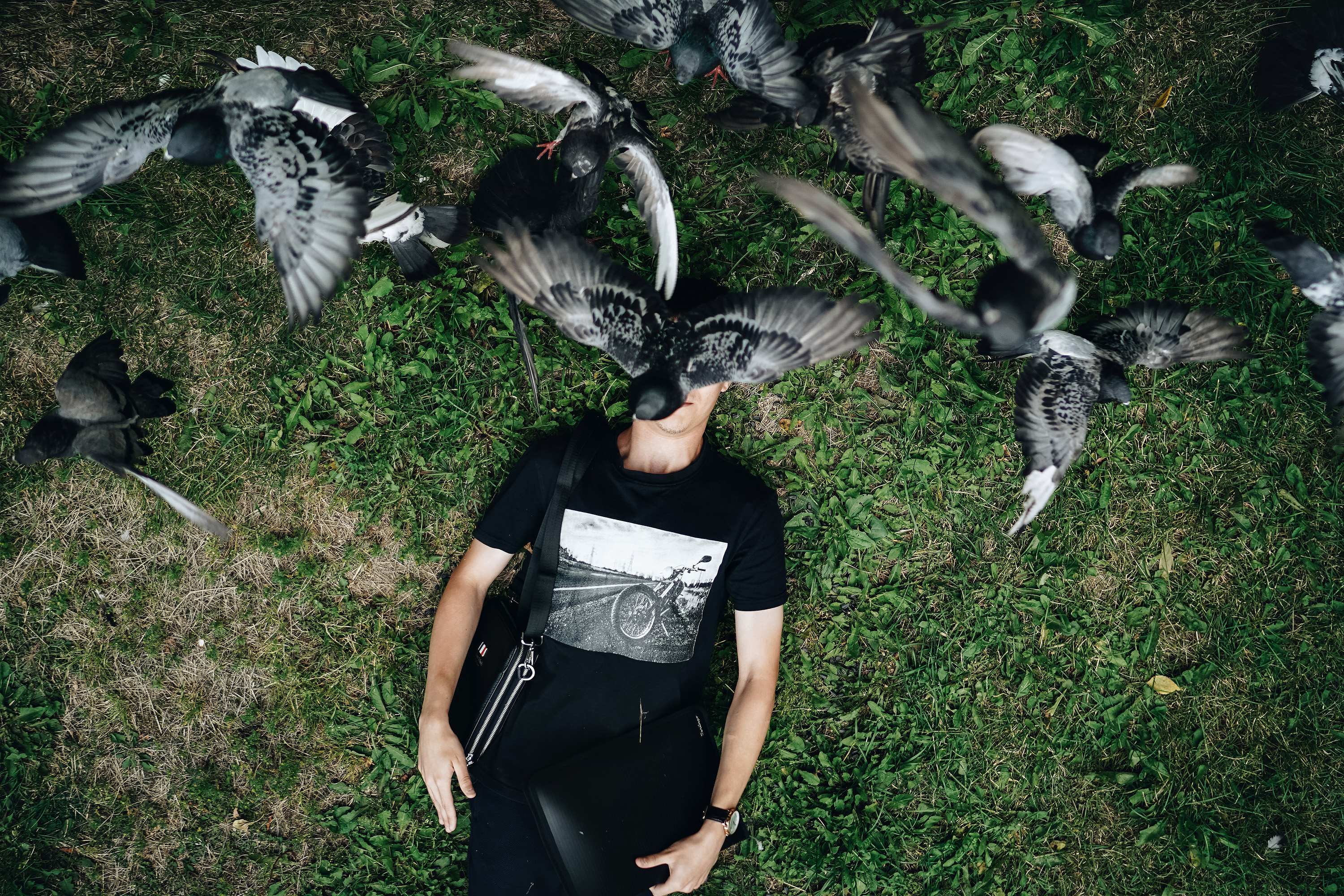
- There were just pigeons. And I asked Danila to lie down so that it turned out to be somehow made up with them. It turned out such a picture. Birds symbolize freedom. In general, the series learned quite figurative, whole, This is probably why she was noted at the competition.
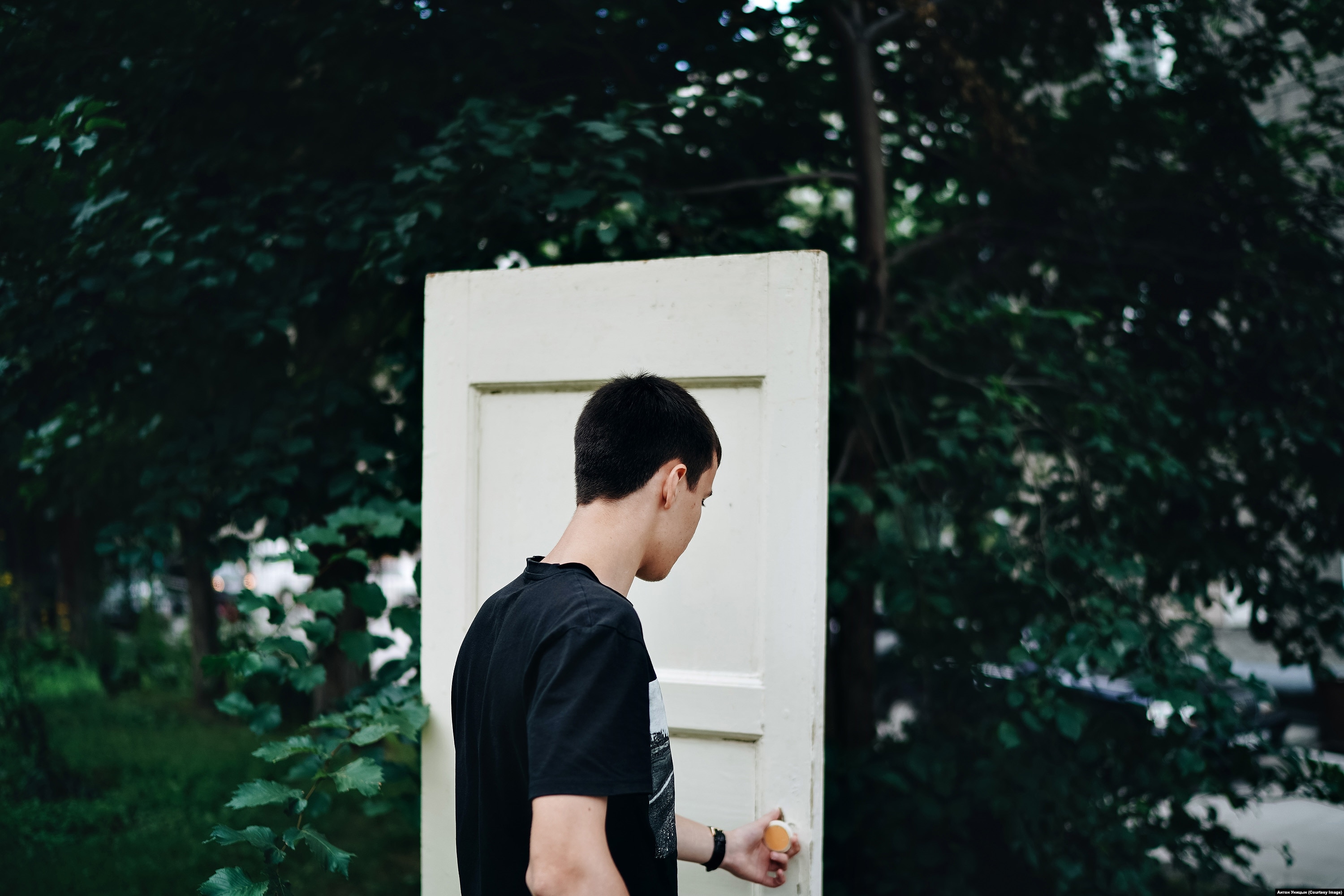
- We walked around the yards, and saw this door leaning against the wall of the electric panel. They pushed the door, she remained standing. I asked Danila to open this door, and made a frame. The open door, of course, symbolizes freedom.
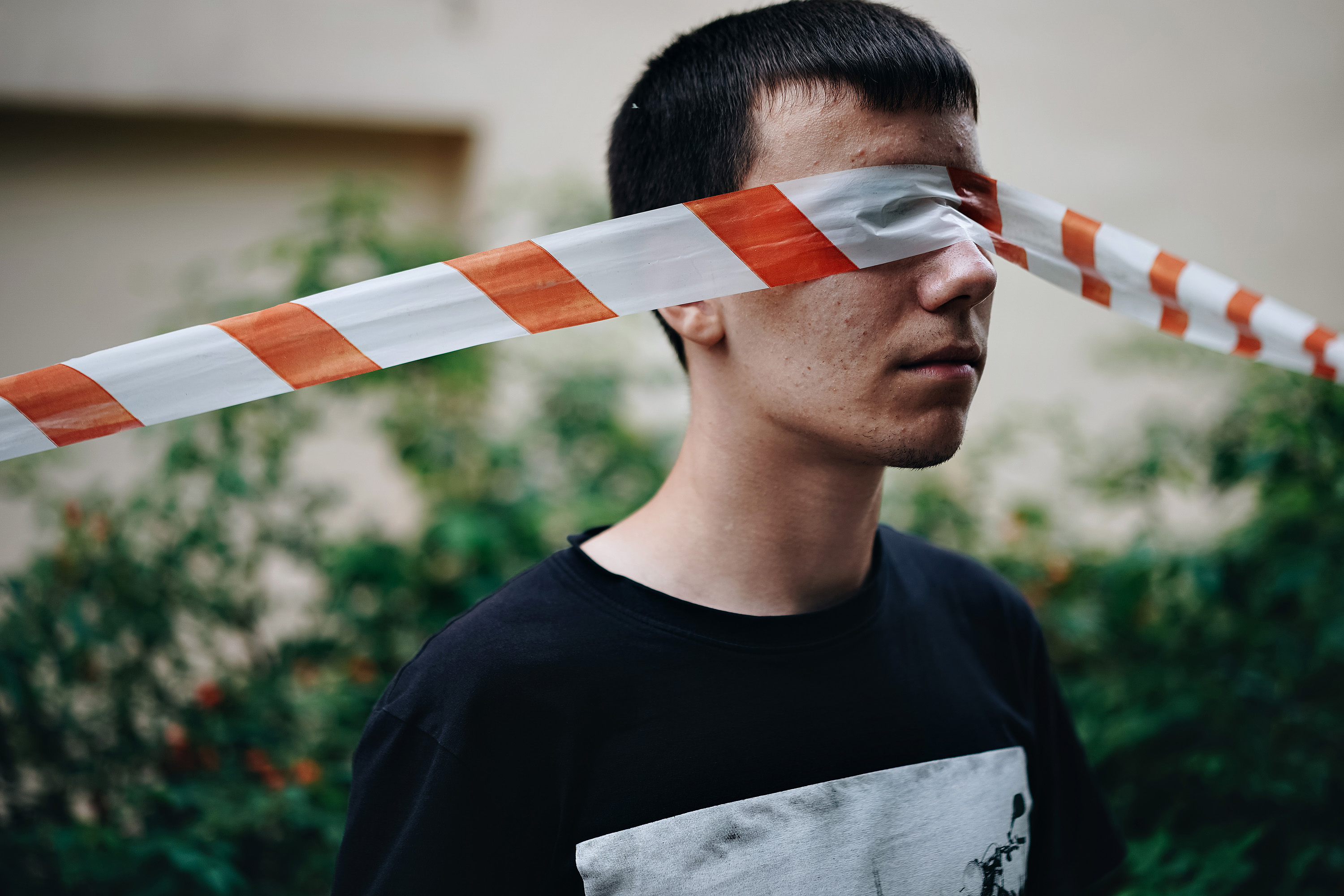
- In the same way, it turned out with this ribbon. We saw her, and I asked Danila to take a picture. A little tape was raised to close her eyes. This is about limited vision. About the fact that we not notice all the problems. The problems with which Danila work with are hidden for most people. They are not suspected by those who have not passed through it, who are not connected with this.
Talking about modern photography, I spend parallels with cinema, where there is an operator and there is a director. Photographers often remain only operators, do not always understand why they shoot and about what. In my series, I try to immerse myself as much as possible in the topic, into visual images. Spectators interpret in different ways, interpret these images. So, to some extent, I succeed.
The competition "Young photographers of Russia" is quoted quite highly: serious competition, a good jury. It is also important here why a person comes to the competition. For me, this is a way to understand something about my photo, somehow improve it. "Young photographers of Russia" provide such an opportunity.
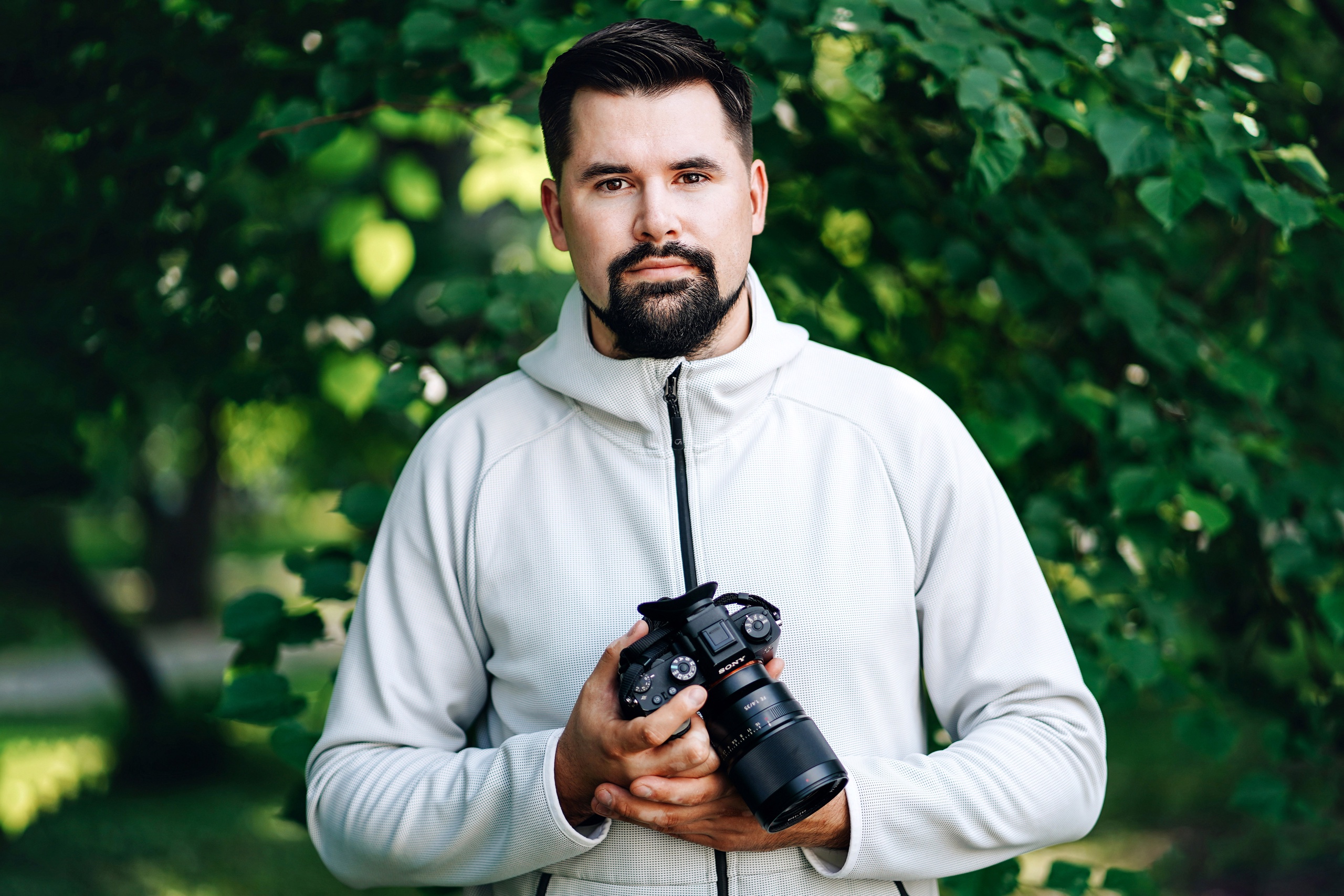
What has changed in photography over the past ten years? I think nothing changes globally. For example, drones appeared. A wave of relevant photos went. But is it so important? It seems to me that the main task of photography, painting and cinema has been formed for a very long time - to convey with the help of visual images your idea, message. Of course, the visual language develops and changes, but this can only be traced on a much longer time period, ”says Anton Unitsyn.
(As Siberia managed to find out. The realities, Danila - the hero of the series " Prison after the prison " - is now again in MLS, accused of criminal offense).
Mysticism of Soviet panels
The series of Tomsk photographer Nikita Perevalov , presented at the exhibition, is called the "post -Soviet landscape." Photos were taken in 2018 - 2020.
- Many times I tried to photograph the pre -revolutionary architecture of Tomsk, but it does not learn to find the angle that I would like. A lot of visual noise, a lot of later elements, wires ... I am more interested in photographing late -Soviet architecture, and it is not clear when it was shot - today or many years ago. As if time stopped.
There are no people in these pictures, otherwise they would look staged. People in these photos are simply useless. The work of several photographers, for example, Alexander Gronsky, who removes typical Soviet architecture, has encouraged me to create a series.
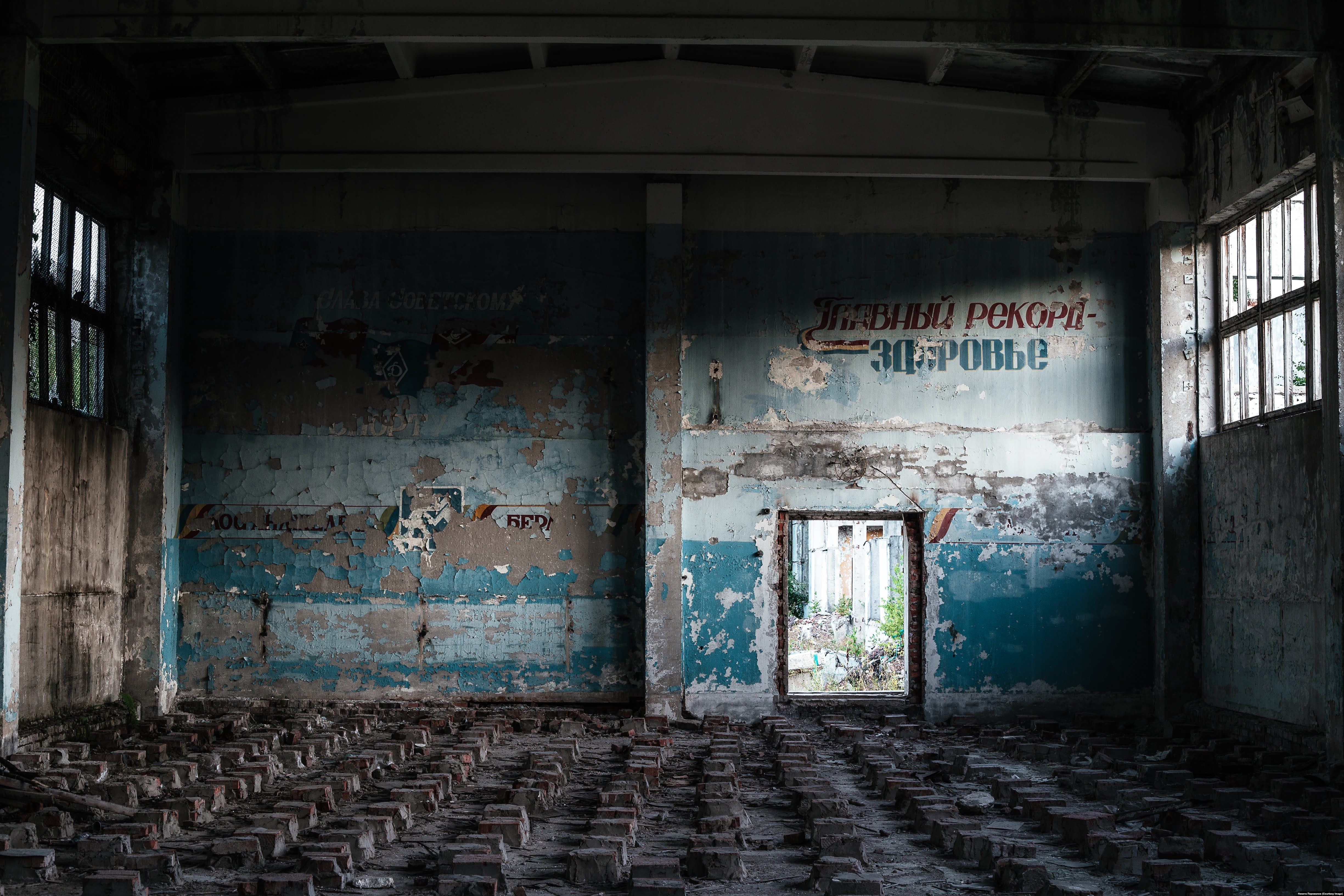
I learn about objects that can be interesting mainly from the Internet. This is an abandoned military unit along the Kuzovlevsky tract between Tomsk and Seversky. In the picture of the gym. There were also two barracks, a hospital, a cinema. All buildings in this form. Naked walls. Everything else was either rotten or carried out.
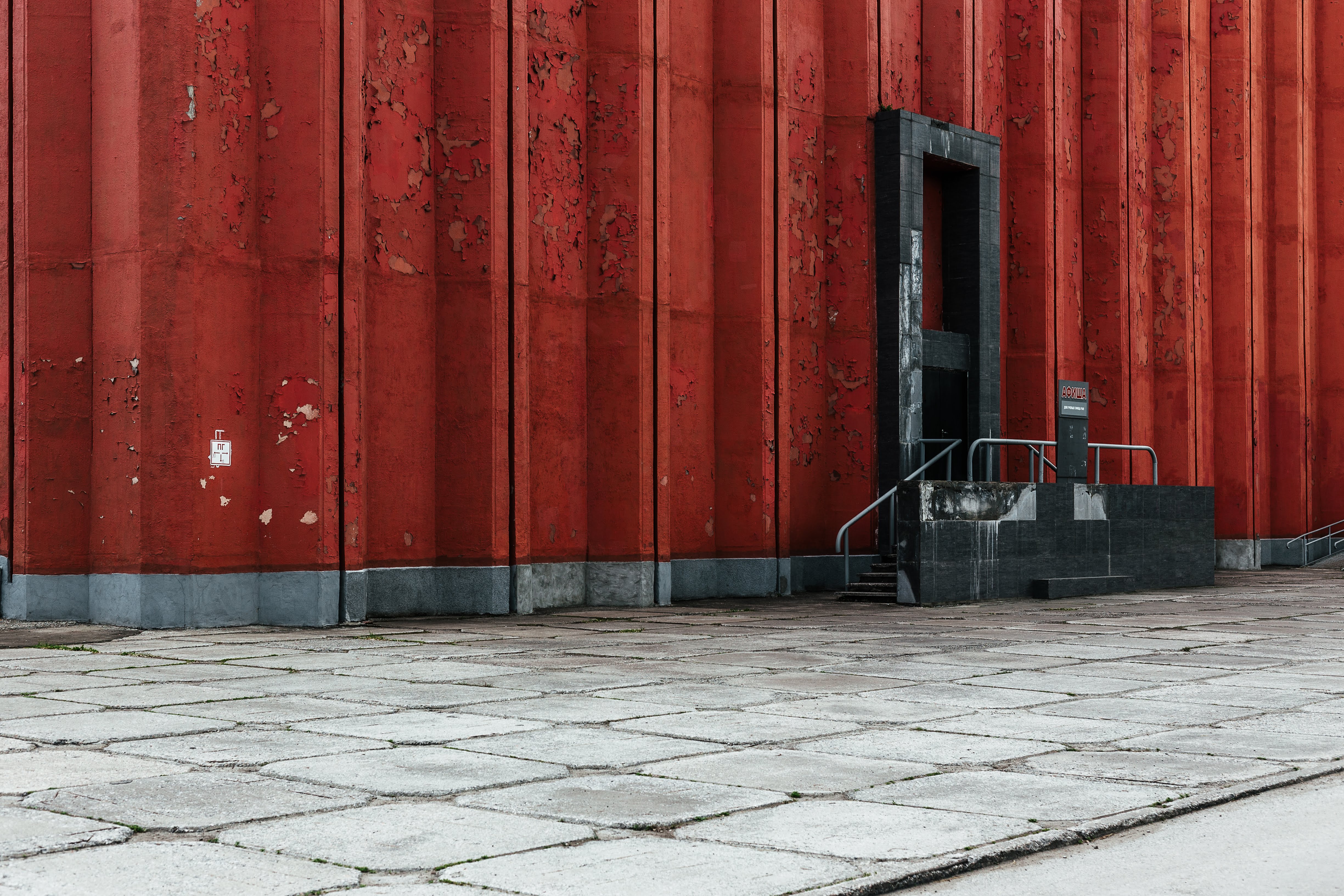
The remaining pictures are taken in the Novosibirsk region. In the village of Krasnobsk, panel houses are interesting - form two large circles. But the first thing I saw there was the local house of the artist, who is in this picture. Very mystical. I decided to take a picture.
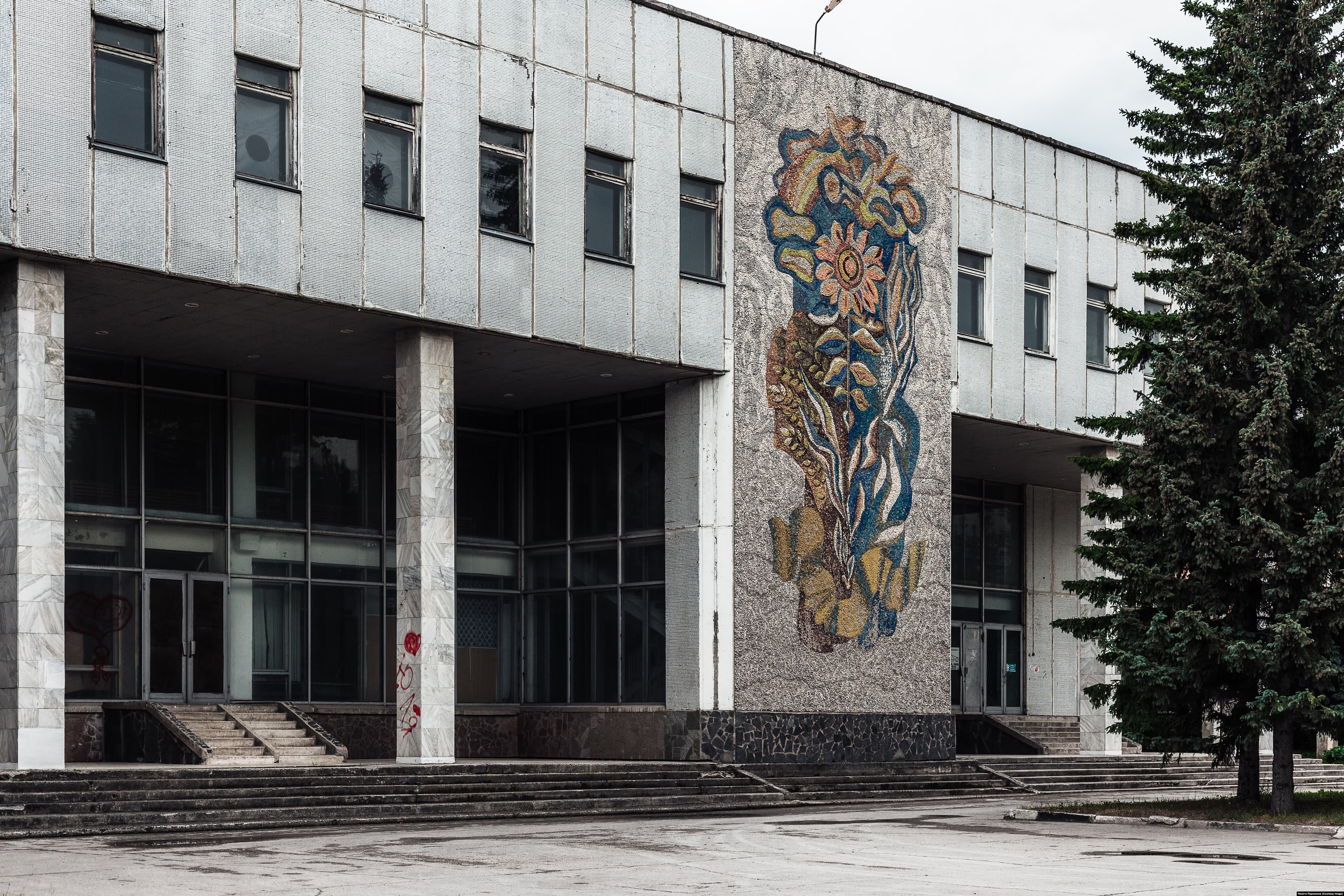
This is an administrative building in two hundred meters. I don’t know what exactly is there. All these buildings were three -story, were connected with each other by crossings. Stretch in a chain along the highway, which passes through the entire microdistrict.
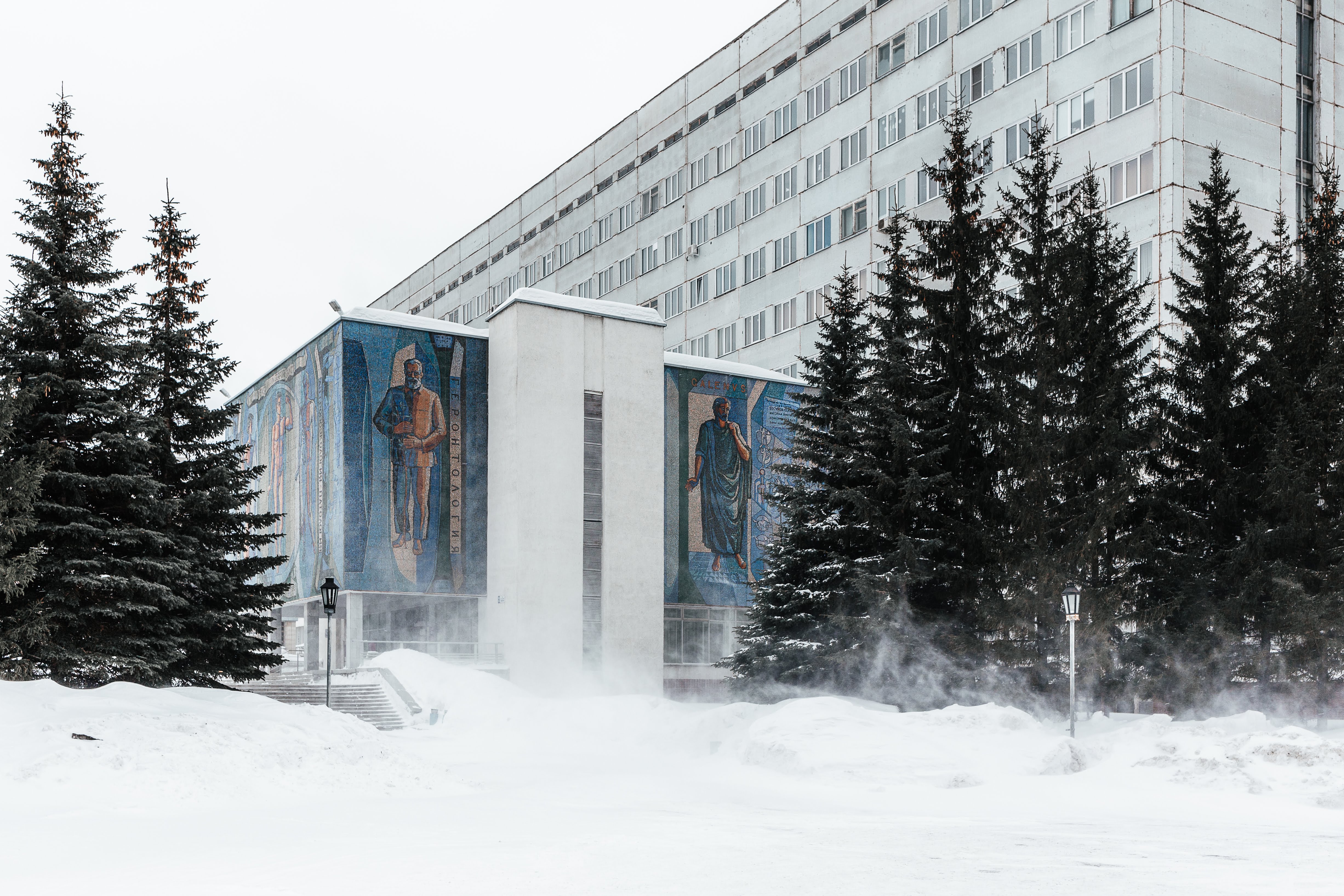
Clinic in Novosibirsk near Akademgorodka. He was very interested in the Soviet mosaic. I learned that there is such a building, and decided to capture.
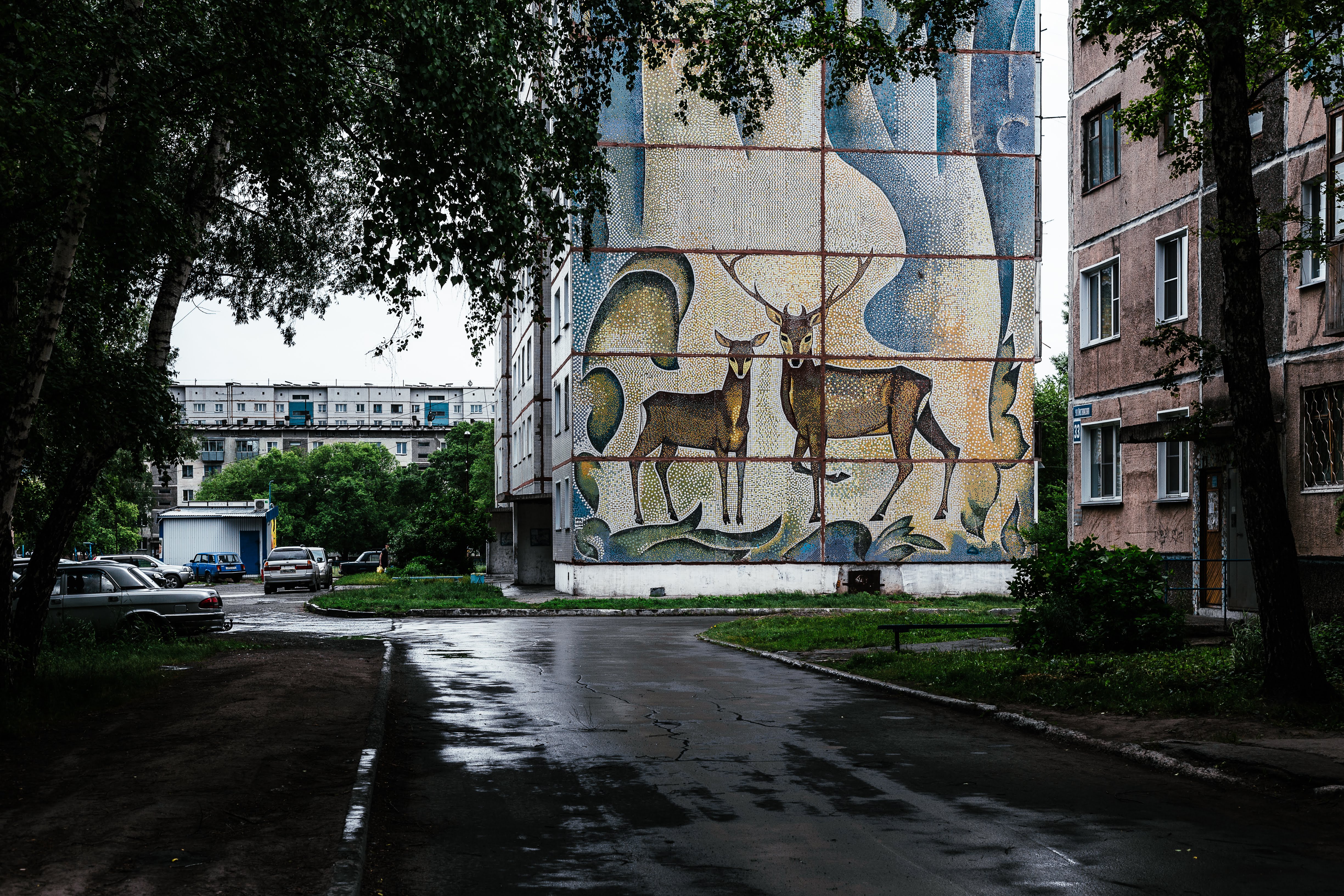
The village of Lezhnevo, Novosibirsk Region. It seems to be a monoposite. I will not say what production is, but very dirty. As soon as you enter, you feel heavy air. A lot of soot and a lot of mosaics of Soviet times. The neighboring house is an astronaut, and on this is a deer.
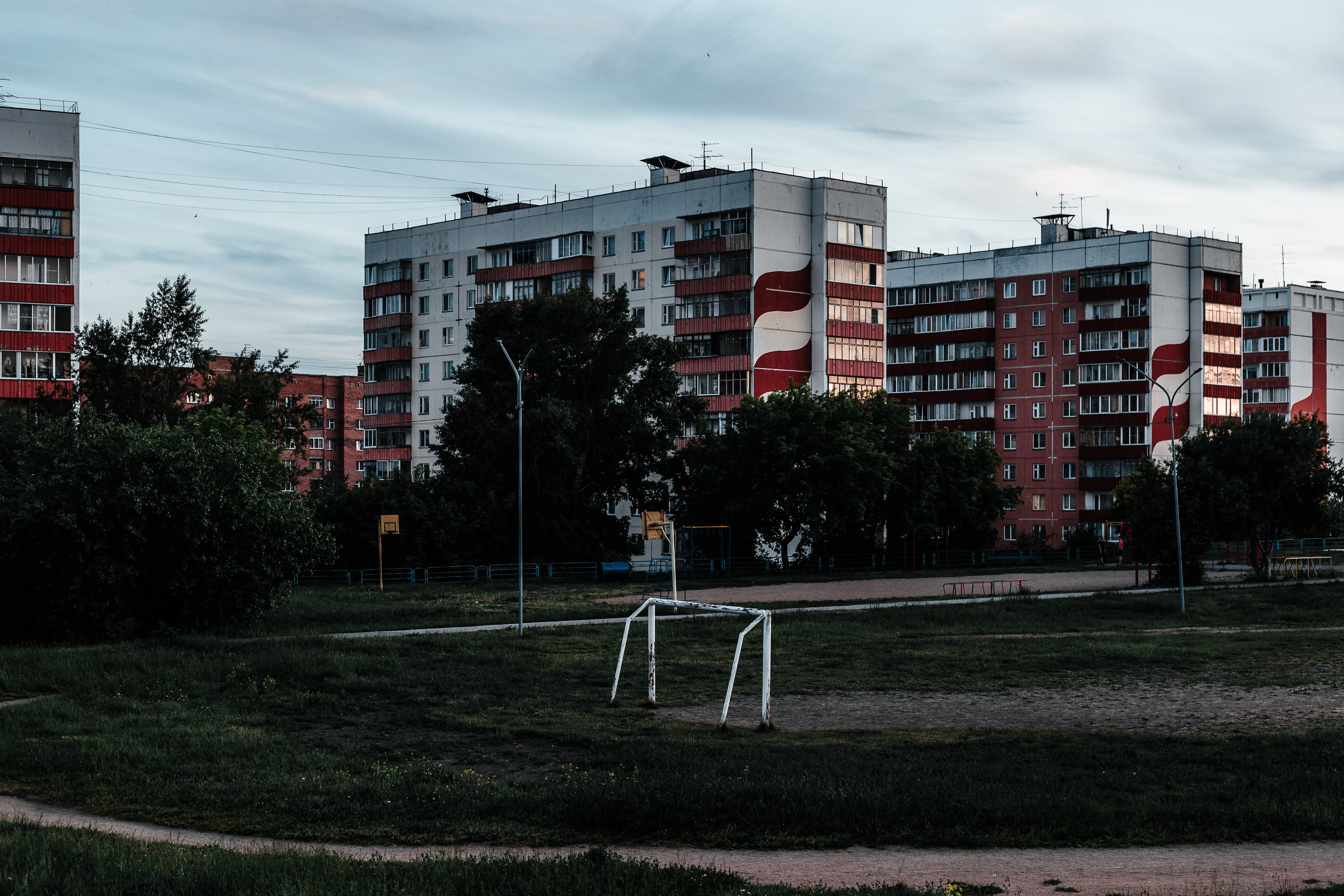
OBGES microdistrict on the outskirts of Novosibirsk. I liked how the light fell on these panels. I decided to capture.
The artist’s house and a medical clinic are even caused by some pleasant melancholy. They are beautiful in their own way-not too pompous and with interesting architectural solutions. I like Soviet modernism. Such objects must be preserved and maintained in the proper form so that they do not destroy, do not look squirted.
And residential buildings that have photographed can catch up with very strong depression. In Obges and in the vicinity, they look terrible. Not white, but some gray-concrete, indistinguished and incomplete. Наверное, строить такие дома, чтобы обеспечить людей жильём – это был единственный выход для того времени. Но то, что мы продолжаем застраивать города таким типовым жильём, очень плохо скажется в будущем. Эти микрорайоны превратятся в гетто. Сейчас там люди живут, потому что у них выбора нет.
Печка, баня, флаг
Алексей Мальгавко из Омской области в 2010-м стал стипендиатом, а в следующие годы дважды становился лауреатом конкурса "Молодые фотографы России". В 2010 году экспонировались работы из двух его серий – "Реквием по малой деревне" и "Далеко от Москвы". Фотографии серий представлены и в экспозиции выставки, подводящей итоги десятилетия конкурса.
– "Реквием по малой деревне" – это был, можно сказать, экспромт. Работал тогда фотокором в районной газете "Тарское Прииртышье" и ездил в деревню Устюгово, находившуюся в тридцати пяти километрах от Тары. Деревня и в советские годы была небольшой, а когда я туда приезжал, там осталось пять домов и десять жителей. Приусадебные участки и никакого производства. От государства – только таксофон и почтальон, вместе с которым я приезжал зимой на санях. Осенью ездили на машине, последние двенадцать километров – практически по полям.
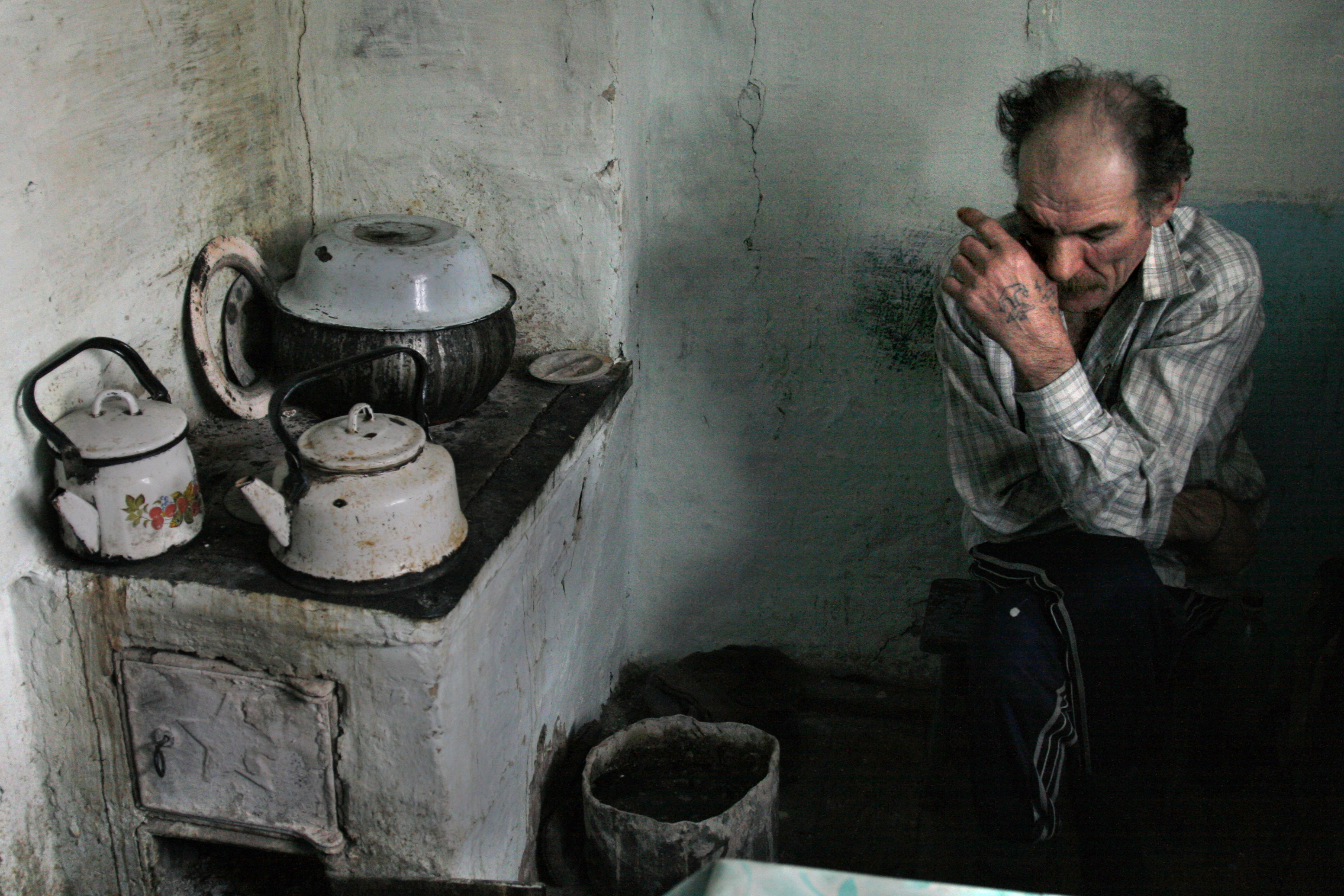
– Мужчина просто сидит возле печки. Но кадр очень запоминающийся, и по тону мне нравится. Я снимал много деревень до и после, но Устюгово – эталонная умирающая деревня. Визуально она – одна из самых ярких. Работал тогда по наитию – что видел, то и снимал. Сейчас так уже не получится. В Устюгове куда камеру не направь – в кадре атмосфера увядания. Снимки рождают щемящее, тоскливое чувство.
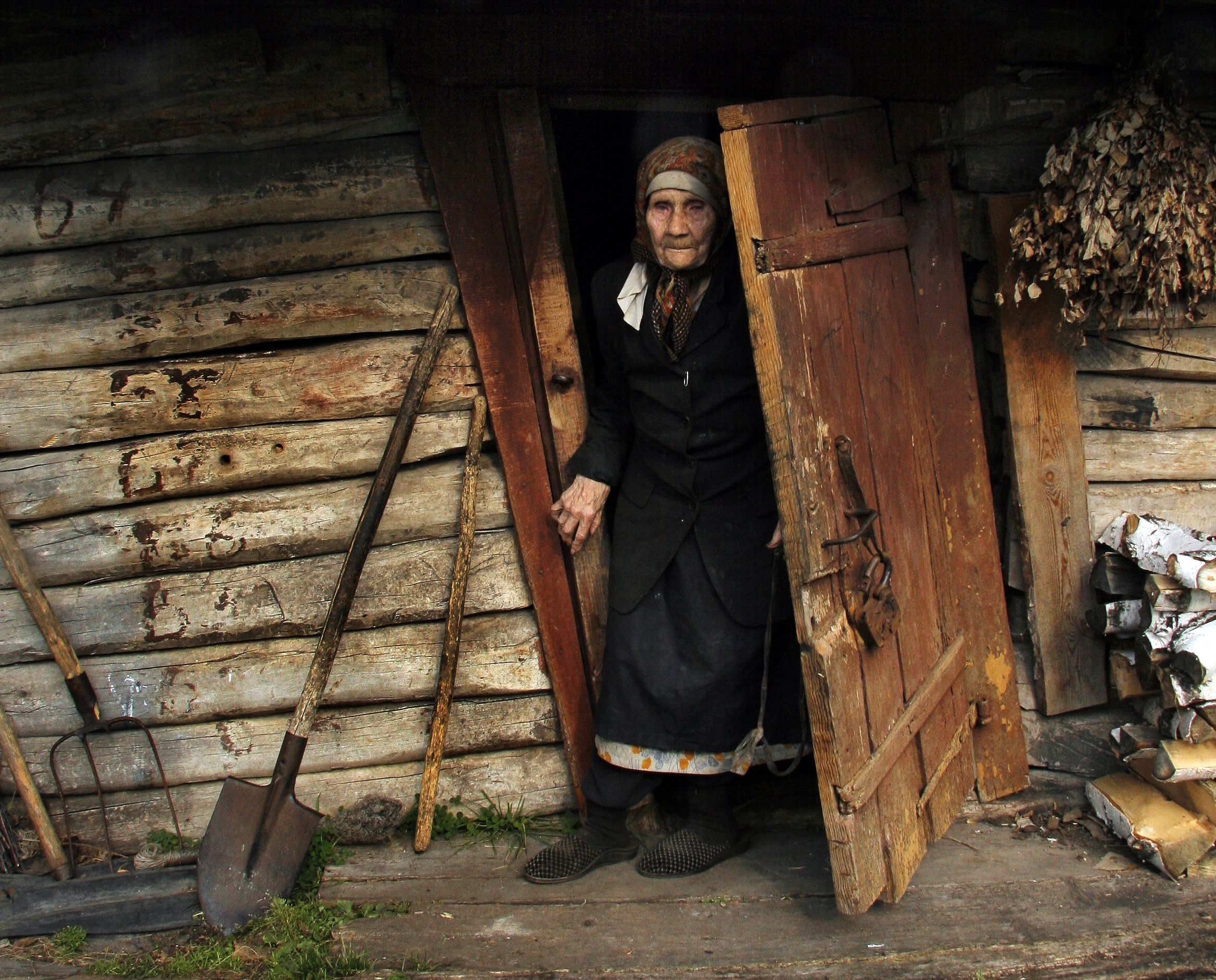
– Эту бабушку сфотографировал осенью. Когда приехал в эту деревню зимой, ее уже не стало. Ее родственники уехали в Германию, а она решила доживать здесь. Домики в Устюгове были ветхие, но опрятные. Там жили обычные люди, не маргиналы. Самому младшему на тот момент было 56 лет.
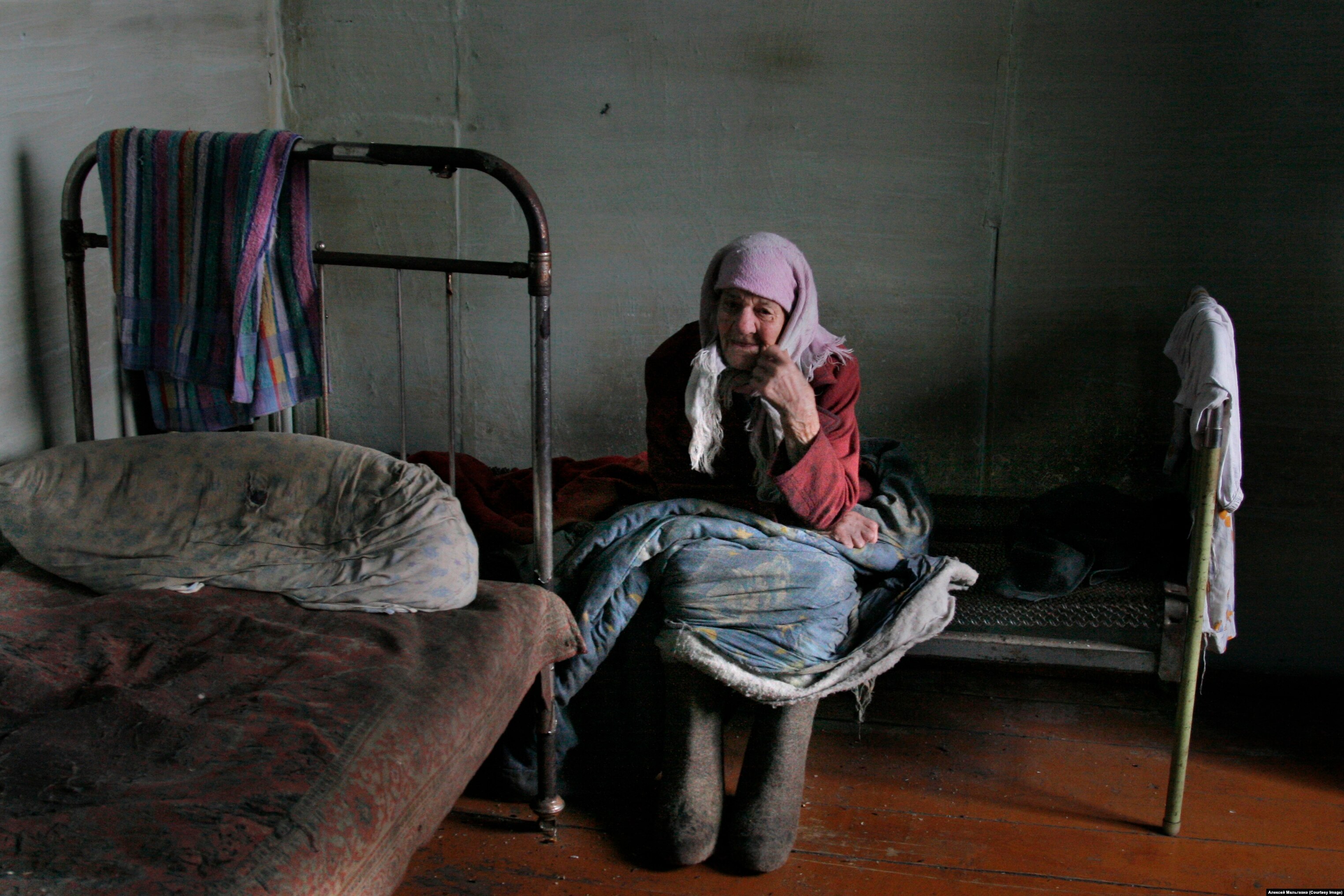
– Эта женщина из того же дома, что и мужчина у печки. Я потом приезжал в эту деревню ещё раз – в 2012 году. Одна семейная пара – самая работящая, у них даже трактор был – переехала. Все остальные умерли, кроме одного мужчины, которому было уже за семьдесят. Сейчас там совсем никого не осталось.
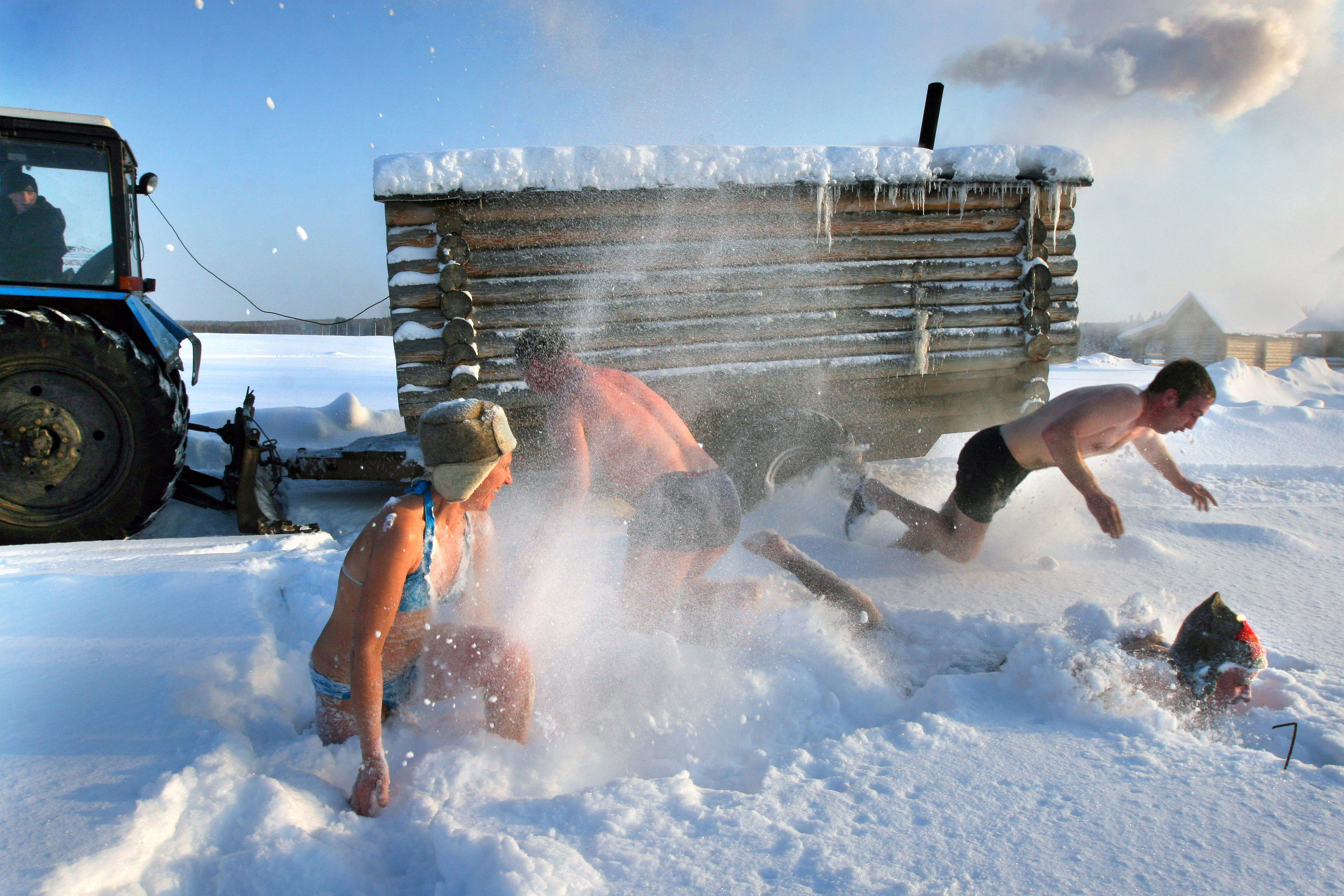
– "Далеко от Москвы" – название одной из моих серий. Но это определение подходит и для главной темы, которой я занимаюсь: снимаю нестоличную Россию. Фотография сделана в благополучной деревне Бобровка Омской области. Там живут обрусевшие латыши, переселившиеся сюда еще в ХIХ веке. Баню на колёсах сколотил местный предприниматель для лесорубов, но, кажется, её больше использовали для привлечения туристов. На этом снимке – что-то вроде презентации. Среди кувыркающихся в снегу и местные жители, и журналисты. Но это не совсем уж постановочный кадр. Мы узнали, что там собираются топить эту передвижную баню, и попросились в гости.
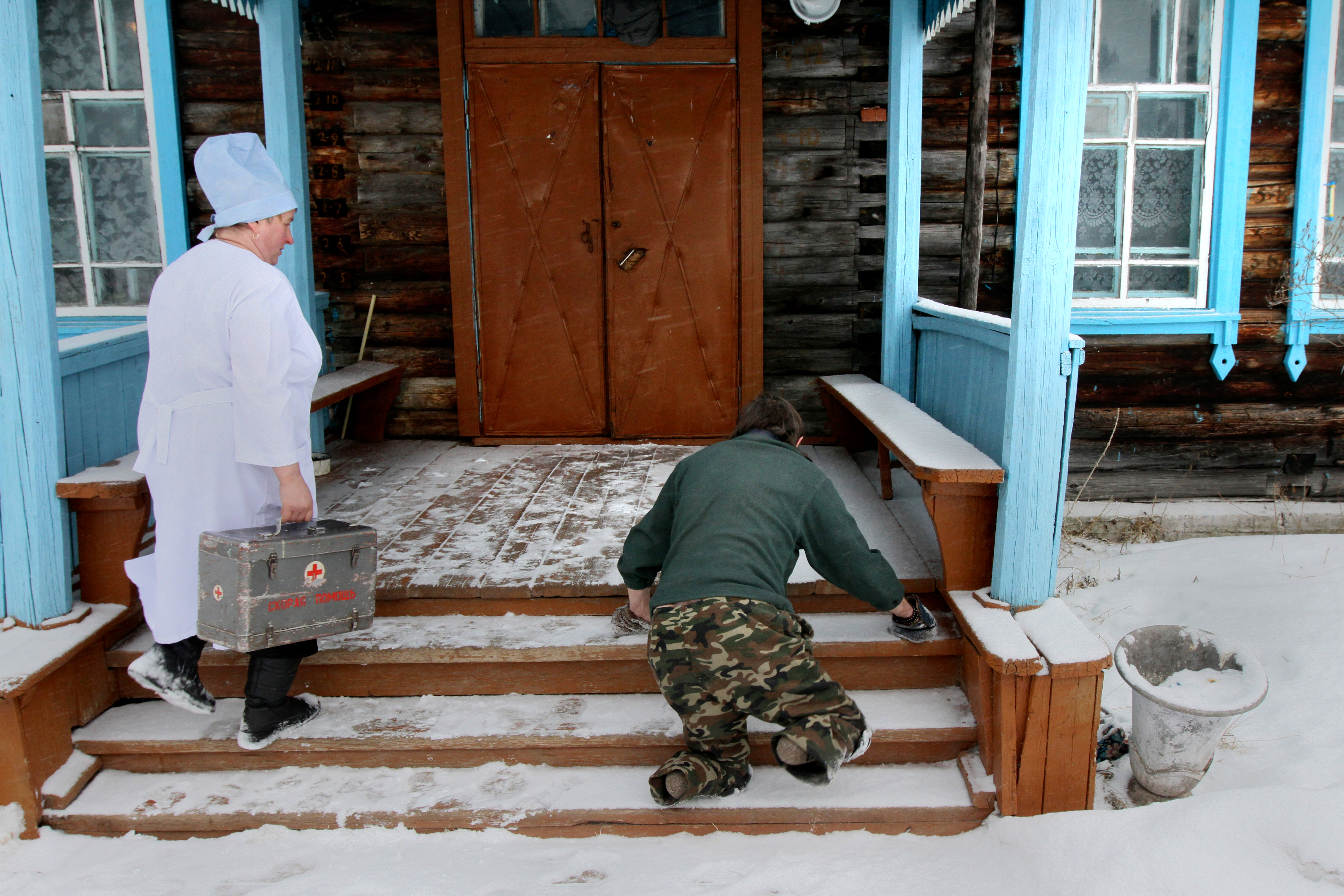
– Отделение сестринского ухода в деревне Атирка Омской области. Можно сказать, это интернет для инвалидов, у которых нет близких. Мужчина выходил, чтобы сделать флюорографию в машине, которая сюда приезжала, и теперь возвращается. Комнаты очень опрятные. Интернат располагался в одноэтажном деревянном доме, потом в деревянных домах такие приюты устраивать запретили. В соседней деревне есть большая кирпичная больница, вероятно, обитателей туда перевели.
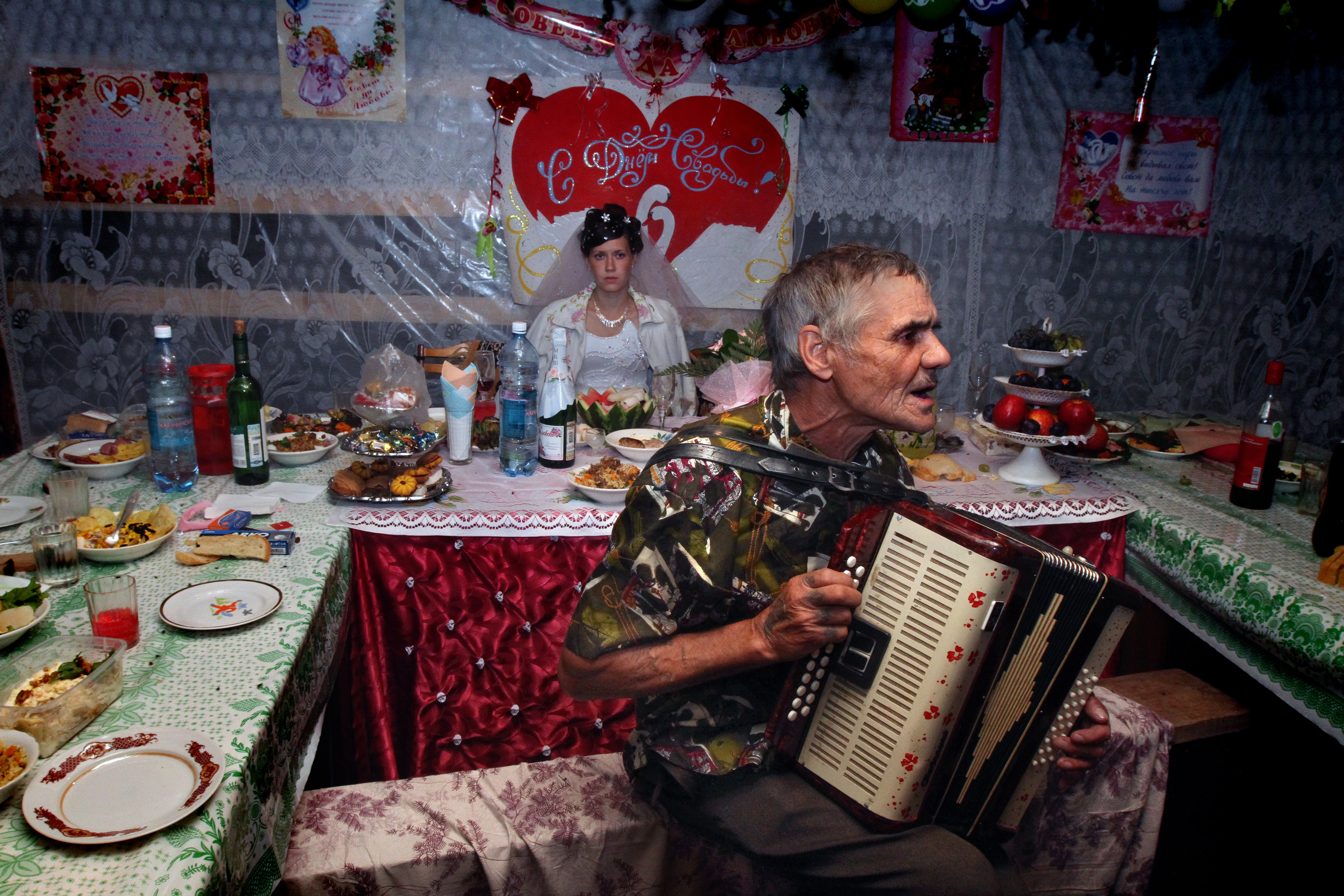
– Фотография называется "Вышла замуж". Деревня Кальтюгино Тарского района. Гостей было человек сорок-пятьдесят. На любой свадьбе наступает момент, когда большинство гостей уходит танцевать или куда-нибудь ещё, и за столом остаются самые одинокие. Здесь в одиночестве осталась невеста. Молодежь пляшет во дворе дома, а у стола подвыпивший баянист играет не танцевальную, а какую-то печальную песню.
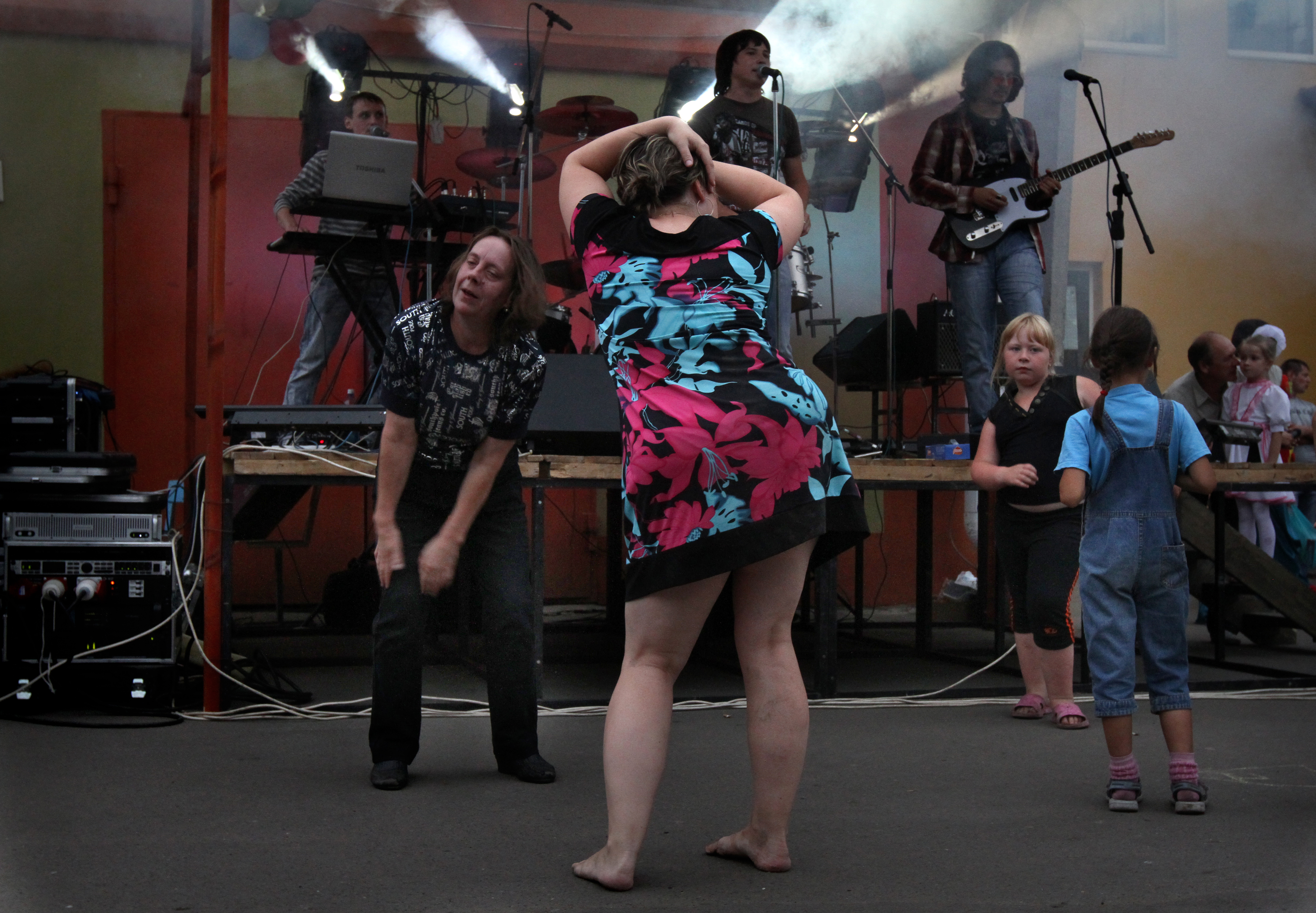
– Мой родной город Тара. City Day. Население Тары – 25 тысяч. Считают себя горожанами. Частный сектор перемешан с многоэтажками. Тара частично газифицирована, но многие топят печи дровами и ходят за водой на колонку.
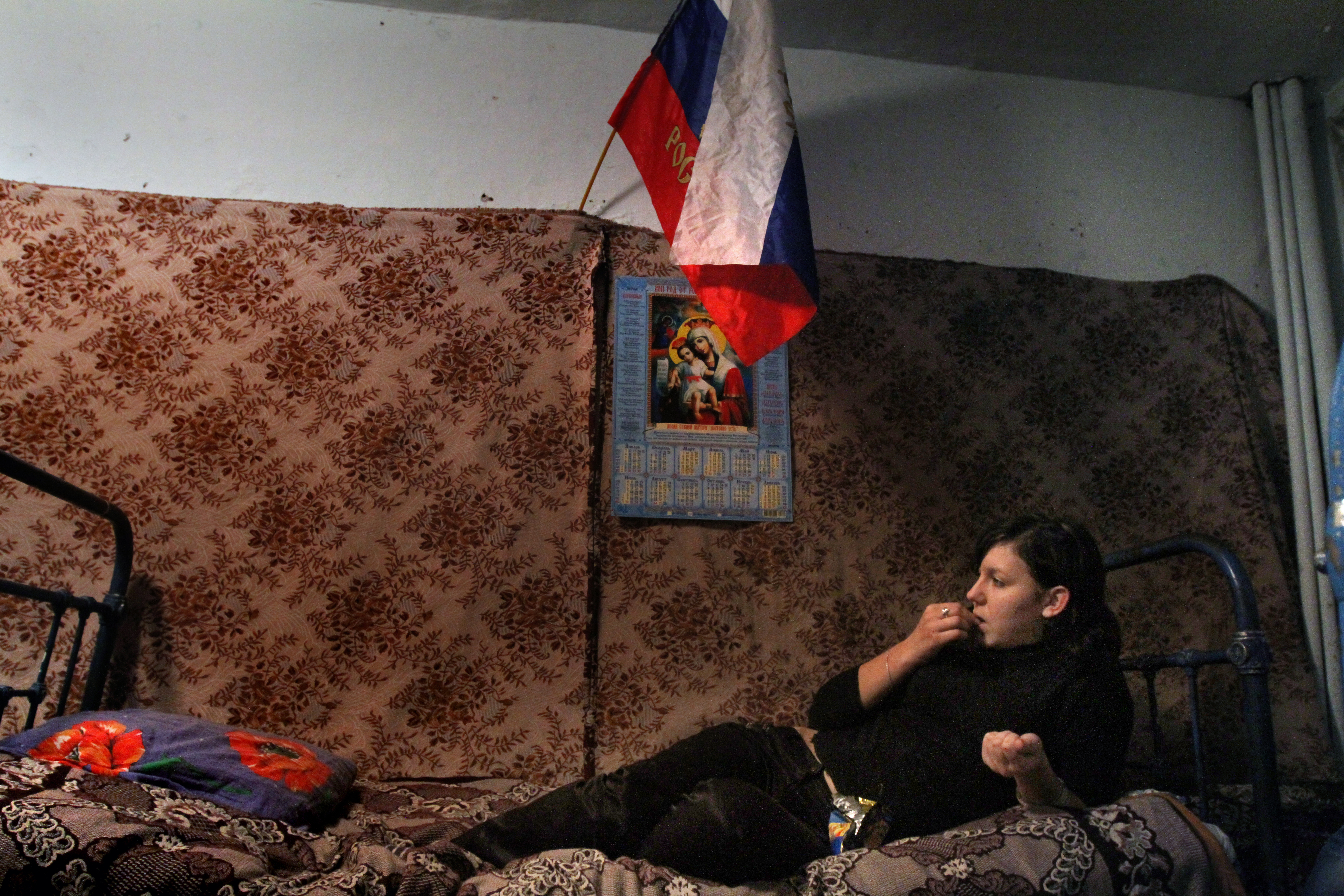
– Общежитии при ПТУ в Таре, где готовят швей и поваров. Я несколько дней снимал в самом учебном заведении и в общаге, куда меня пропускала вахтёрша, потом меня вызвал директор ПТУ для беседы, но к тому времени я успел уже много фотографий сделать. В каждой комнате общежития четыре-пять человек. На снимке девушка, отдыхающая после учебы. В других комнатах на стенах, например, плакаты со звёздами Голливуда, а здесь – ковер, календарь с иконой и флаг России. Не закладывал в этот снимок глубокого символизма. Просто приметы времени. Мне было важно показать, что это не советский период, а рубеж нулевых и десятых.
– Десять лет назад на ежегодной выставке "Молодые фотографы России" было больше репортажных фотографий, а сейчас у участников преобладает концептуальный подход. Мне этот конкурс помог попасть на другие фотофорумы и выставки – их организаторы находили меня через Союз фотохудожников.
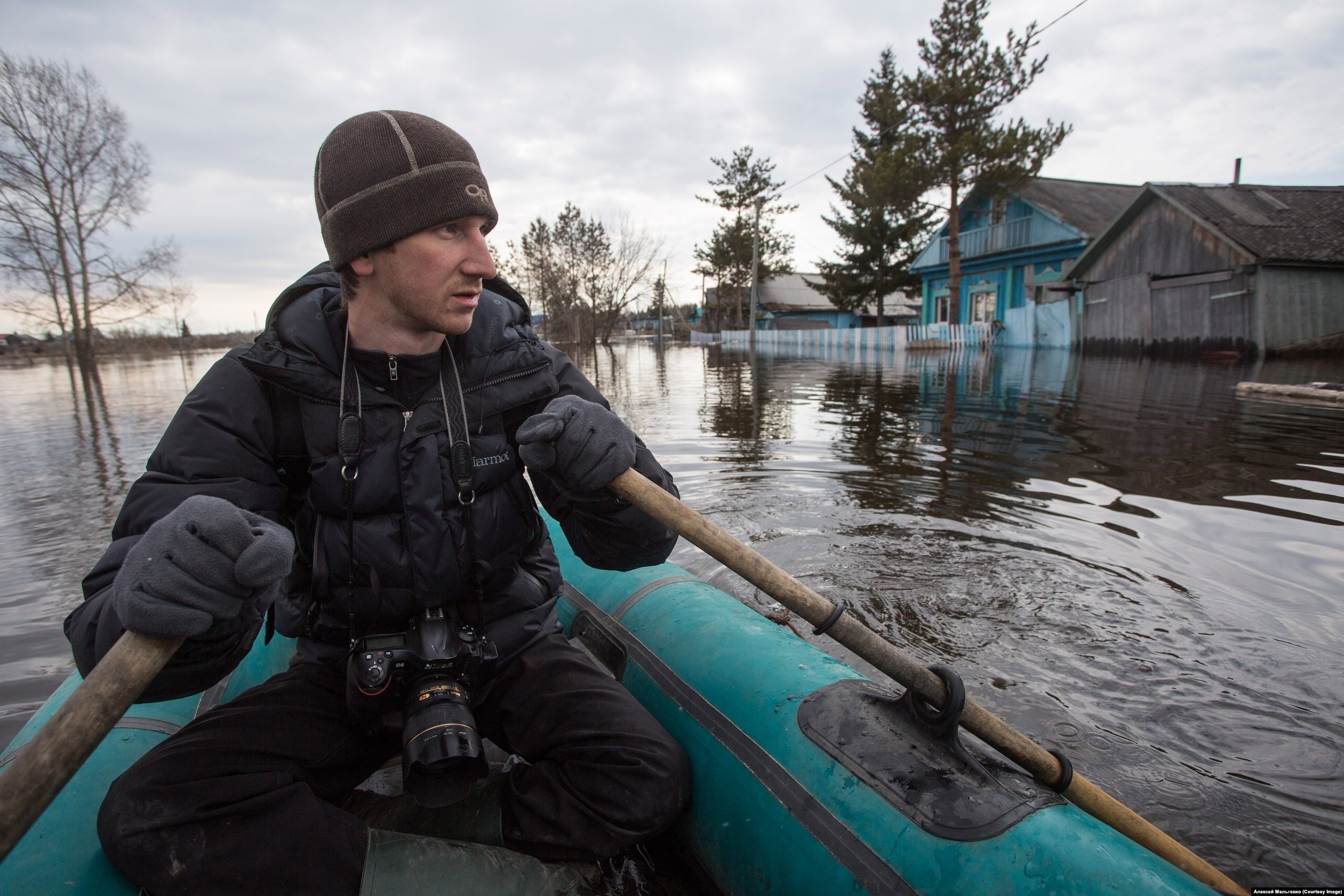
– Последние десять лет сотрудничал с несколькими информагентствами, двигался в сторону фотожурналистики, но меня больше интересует документальная фотография, и конкурс "Молодые фотографы России" помог подняться на эту ступеньку даже раньше, чем я осознал, чего на самом деле хочу. В фотожурналистике быстро приобретаются ремесленные, стилистические штампы. Этому надо сопротивляться. Продолжаю делать снимки для агентств, но параллельно у меня собственные долговременные документальные фотопроекты, связанные с Омском и Омской областью.
Восемь лет назад переехал из Тары в Омск, но это по-прежнему "далеко от Москвы". В деревнях люди открыты. В Москве, да и в любом городе так запросто не войдешь в дом к незнакомому, а в деревнях пускают. Иногда весь день снимаешь, и только потом спросят, кто я и зачем фотографирую. Вижу свою задачу в том, чтобы зафиксировать жизнь нестоличной России. Не говорю, что она лучше или хуже. Но она другая, – говорит Алексей Малгавко.
Финалистами и лауреатами конкурса" Молодые фотографы России" в разные годы становились Виль Равилов , Алексей Павлов и Алексей Василев , о которых Сибирь.Реалии писали ранее.