
Translated material
This is a boycott
Will the Russian film industry find ways to survive?
The Russian film industry pounds and shit. It was as if a shell hit the building, which has been built for decades. Where, how to repair/patch it is incomprehensible. Indeed, all spheres of life are lying in a black hole, but first of all, the damage is done to the rental.
Rental
Mage Disney, Warner Brothers, Sony and after them other companies refuse to release their films in Russia in the foreseeable future.
Moreover, Warner Bros. She showed unprecedented efficiency - literally on the eve of the exit , Batman canceled the show. Adaptation of DC was supposed to be released on March 2. Huge money was spent on the advertising campaign, which is why some experts suggested that the premiere would take place ...
The studio made a statement:
“We will continue to monitor the development of the situation, we hope for the rapid and peaceful resolution of this tragedy.”
It looks like a boycott. So far, future studio shows, in particular, “fantastic creatures: the secrets of Dumbledore” , whose release is scheduled for April 14th, will most likely be canceled.
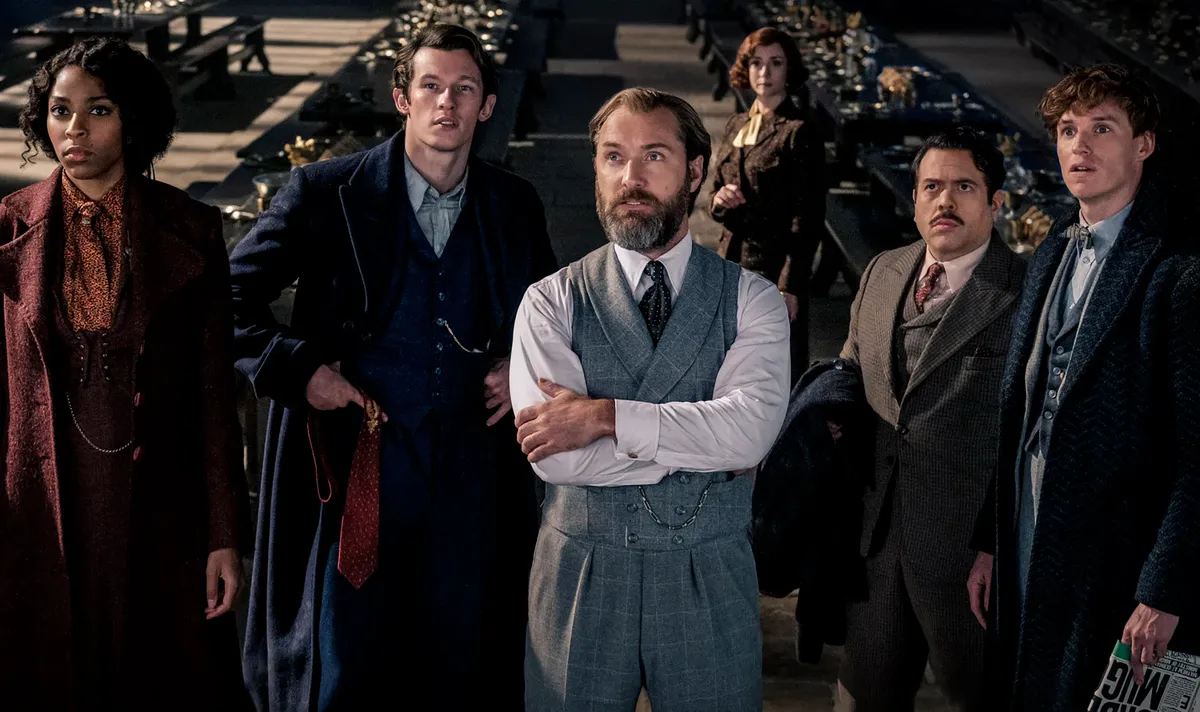
The action of the film unfolds during the Second World War. And among the characters there is a young volume Riddle, who will soon turn into a wilad-de-mort, a villain-wizard, whose name everyone is afraid to pronounce. One of the roles in the film was played by Russian actor Alexander Kuznetsov, his character is the wizard-mracoborer of the Magic Congress of the Office in North America.
Sony Pictures announced its intention to withdraw the release of Morbius , the film of the Marvel Antherorus Daniel Espinos with Jared Summer in the title role.
“Our thoughts and prayers with everyone who suffered, and we hope that this crisis will be resolved quickly,” the studio press release.
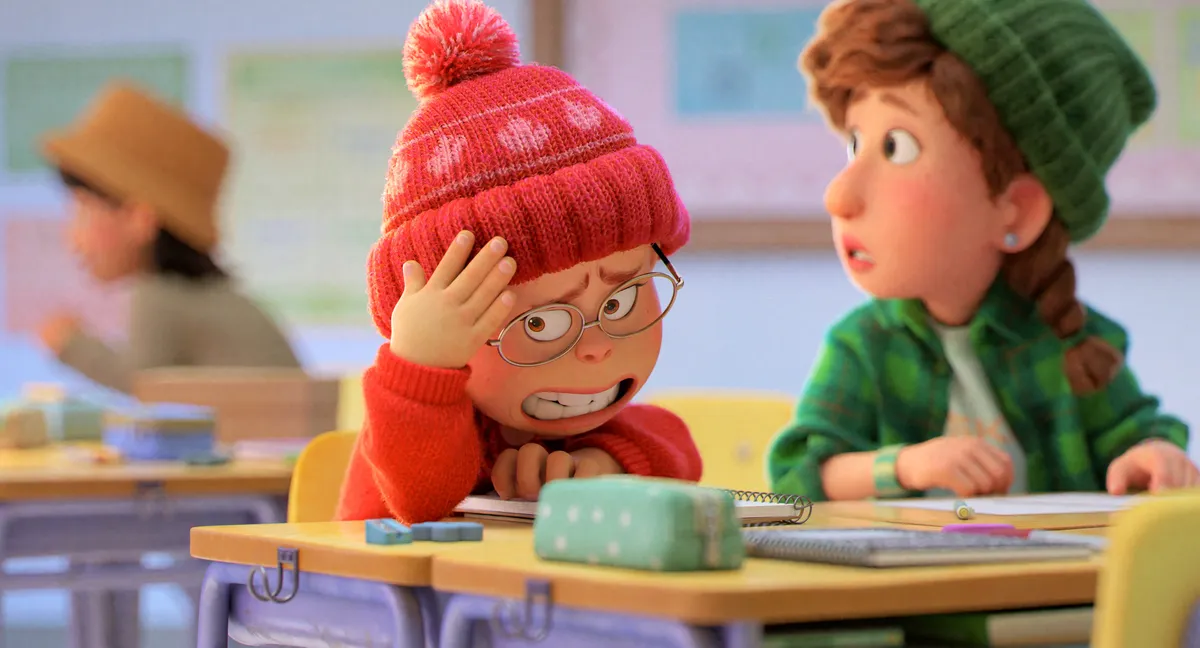
Walt Disney refused to demonstrate her films in Russia. The first premiere, which will not take place, is the comedy cartoon fantasy “Turning Red” (“I blush”) the Pixar studio. A girl-teenage, turning into a red pandi, when he is very worried, due to the mystical connection of her ancestors with red pandas.
“We will make future business decisions depending on the development of the situation. Meanwhile, taking into account the scale of the crisis with refugees, we work with our partners from the NPO of urgent assistance and other humanitarian assistance to refugees, ”said David Jeferon, director of international relations.
“Universal Pictures has stopped planned rental of paintings in cinemas in Russia,” the company said.
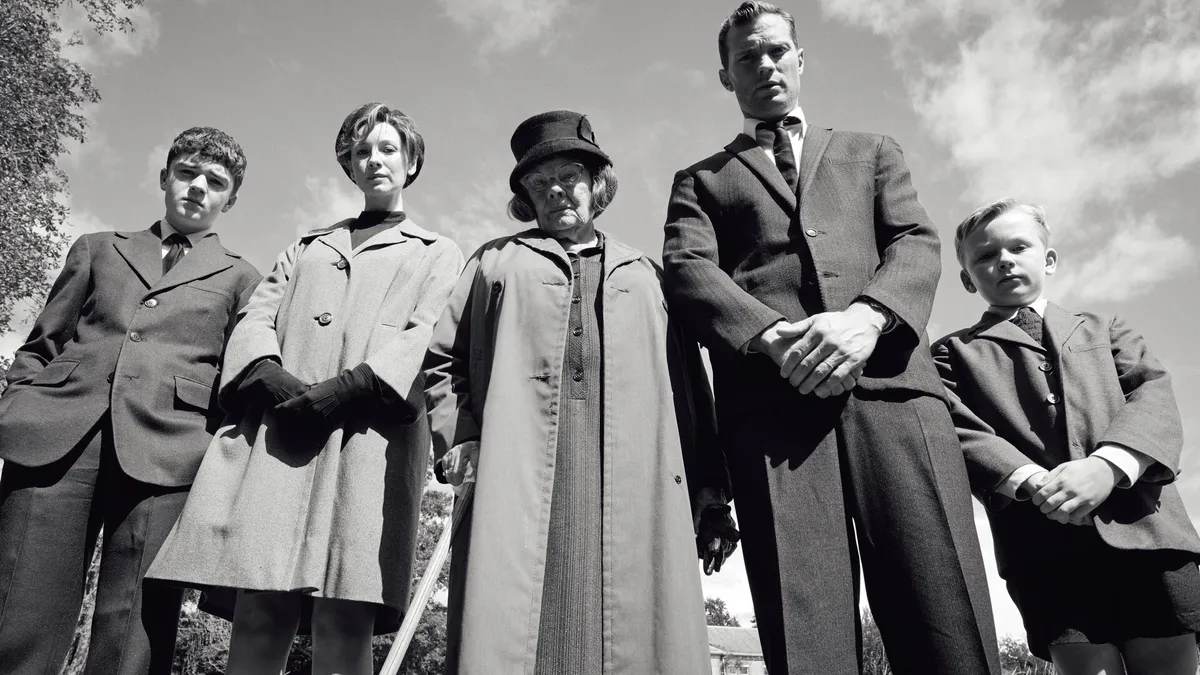
Among the films that will not be released, is the “Oscar” “Belfast” Kennet Belfast.
There were notifications about the accession of independent American film companies to the boycott. 20th Century Studios refused to release the film “Deep Waters” by Edrian Line (“9 ½ weeks” and “Obstructive proposal”).
Muching statements indicate that
In the world film community there is an agreed position in relation to the Russian film industry.
Inside the industry itself, confusion reigns. It seems that the restrictions on the number of spectators have just been canceled, but today the Covid crisis seems to be a childish chickenpox. There is nothing to compensate for large films. Moreover, such a powerful industry player as Oleg Berezin , who interacted cinemas with government agencies, decided to resign the powers of the Chairman of the Association of Cinemas owners.
What will we show?
The main bets of ideologists for renting "Particularly significant patriotic films." Since the end of February, they energetically demonstrate the strength of the spirit, the desire to go to the end.
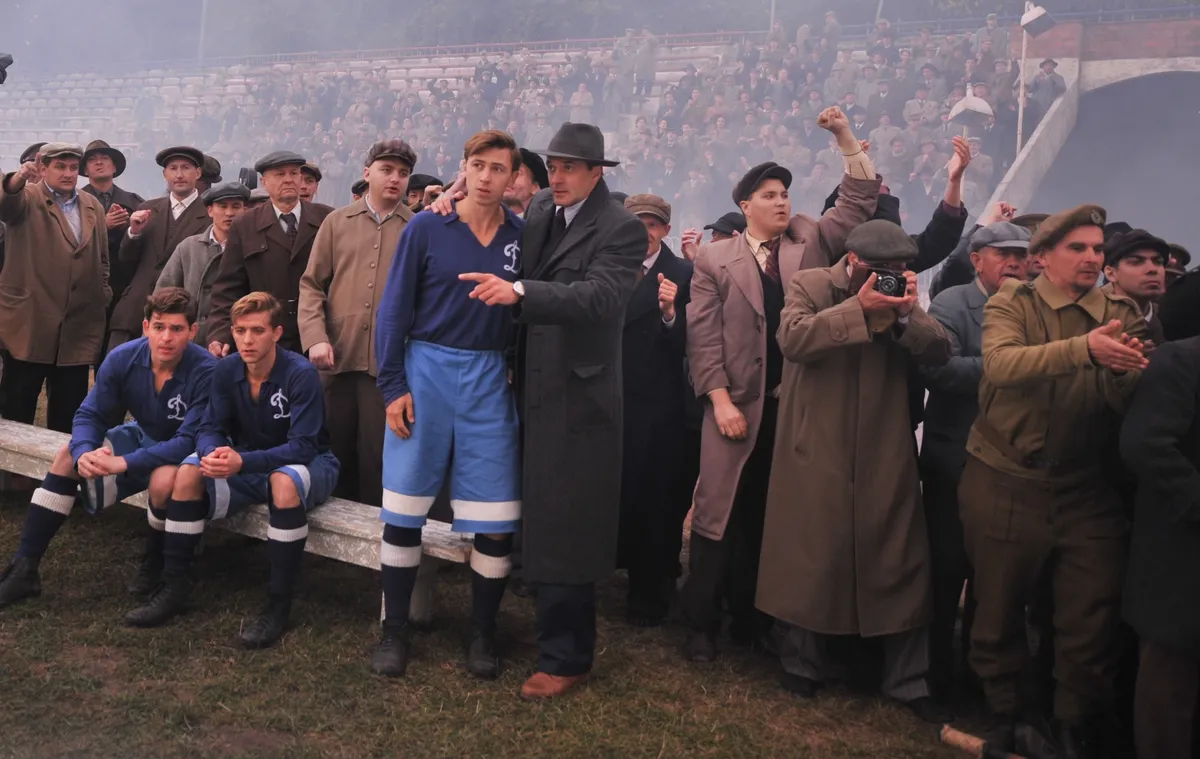
They to help - Alexei Pimanov ("Three days in Odessa"). His “eleven silent men” - about the team of Moscow Dynamo, who arrived in London in November 1945 to fight the legendary English clubs.
Andrei Kravchuk ("Union of Salvation") shot a movie about the battle of Russian soldiers in Syria and the clearance of Palmyra. The name of the film “Once in the Desert” transparently hints at the connection with the film “Storm in the desert” of Tom Klegga.
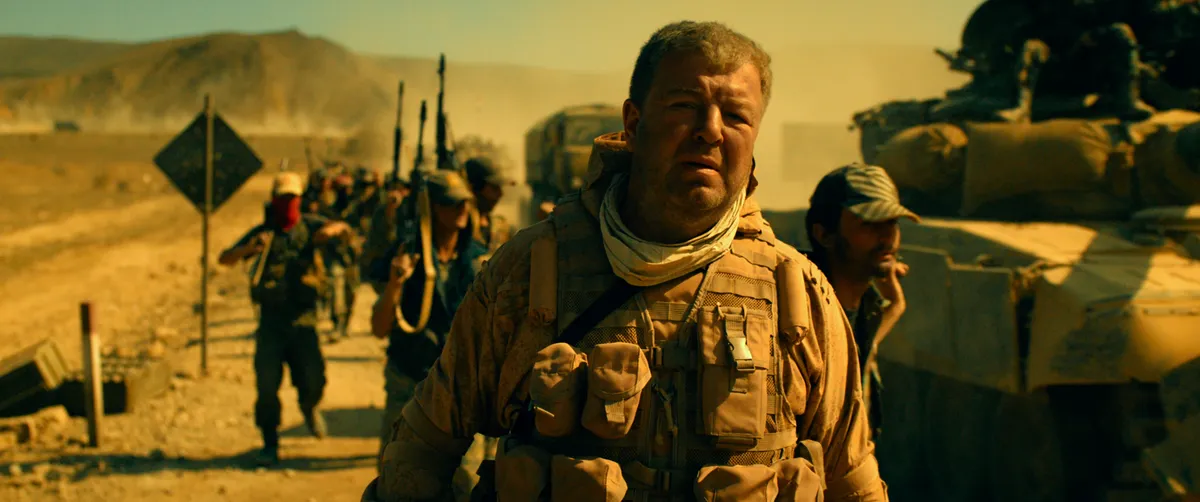
On February 23, the film of Tigran Keosayan (“Crimean bridge”) “Immortal” was also released. This is a quail in its own way of the legendary “Belarusian station” (his director Andrei Smirnov publicly spoke out against the filming of the remake). “Immortal” is the story of four friends who have passed the war in Afghanistan. They are trying to adapt to a peaceful life. Someone went to business, someone-to private structures, someone became a writer. After 20 years of separation, fellow soldiers meet in the cemetery in order to spend a comrade who died from a heart attack to the last one. The plot is recognizable, the circumstances have changed.
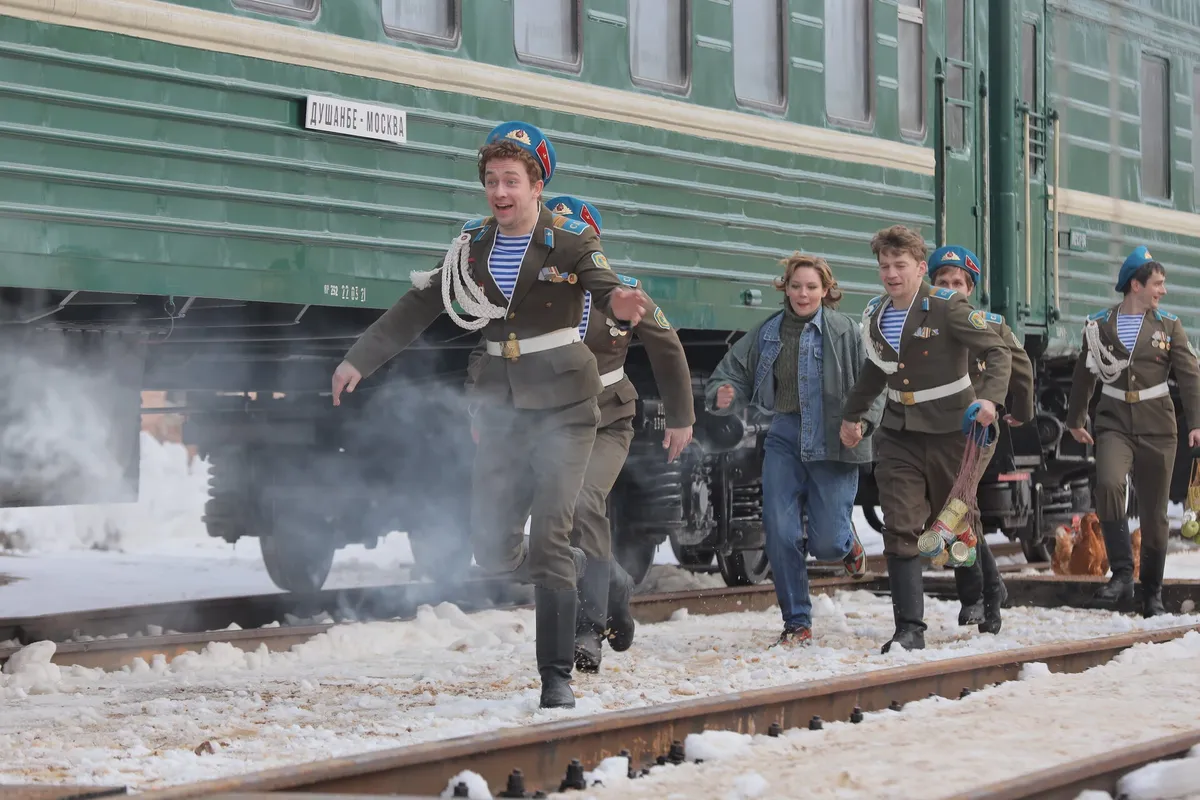
The Ministry of Culture has issued a statement executed by optimism and hopes that new opportunities will open for Russian cinema in the absence of competitors. “Currently, a new schedule for cinema releases for March has not been formed. Given the departure from the schedule of large foreign releases, the distributors consider new opportunities for Russian paintings, the releases of which were planned for other dates <...> it is assumed that it is possible to make changes to the release schedule, ”the department explained.
Domestic cinema in isolation already lived in Soviet times, however, outstanding directors who could create masterpieces in narrow corridors, there were much more.
Artkino
From now on, it will not be easy to see him outside the homeland. The European Film Academy (EFA) said that it would exclude Russian films from the European Film Awards contest this year.
The balanced communique was published by the Cannes Film Festival , which will be held in May of this year. He condemned Russia's position in the Military Conflict, from which it follows that there would be no official delegation at the review. At the same time, the festival welcomes the courage of those in Russia who dared to protest against the "military special operation" in Ukraine.
Many filmmakers show such courage today:
Andrey Zvyagintsev, who comes out of the difficult state of post -shuttle rehabilitation,
Klim Shipenko,
Alexander Rodnyansky,
Vladimir Mirzoev,
Ksenia Rappoport,
Danila Kozlovsky,
Oksana Karas,
Kantemir Balagov,
Evgeny Tsyganov,
Nigina Saifullaeva,
Mikhail Radutsky.
Culture figures sign collective letters, but perhaps only the animated community showed unprecedented solidarity. The letter was signed by nearly a thousand people, that is, almost the entire industry.
Statesmen
Before our eyes, there is an obvious demarcation inside the cinematic environment.
A larger number of filmmakers went into the unconscious, they disappeared from social networks, do not comment on the performances of colleagues, they even fear like to like that you can suffer.
The creation of new black lists is not far off.
There are those who publicly supported and even applaud the "military special operation". The letter "We are not ashamed of Russia" signed
Actor Vasily Mishchenko,
directors Alena Polunina,
Sergey Zaitsev,
Rauf Kubaev,
Natalia Gugueva,
Scriptwriters Maria Chernykh
Irina Semashko.
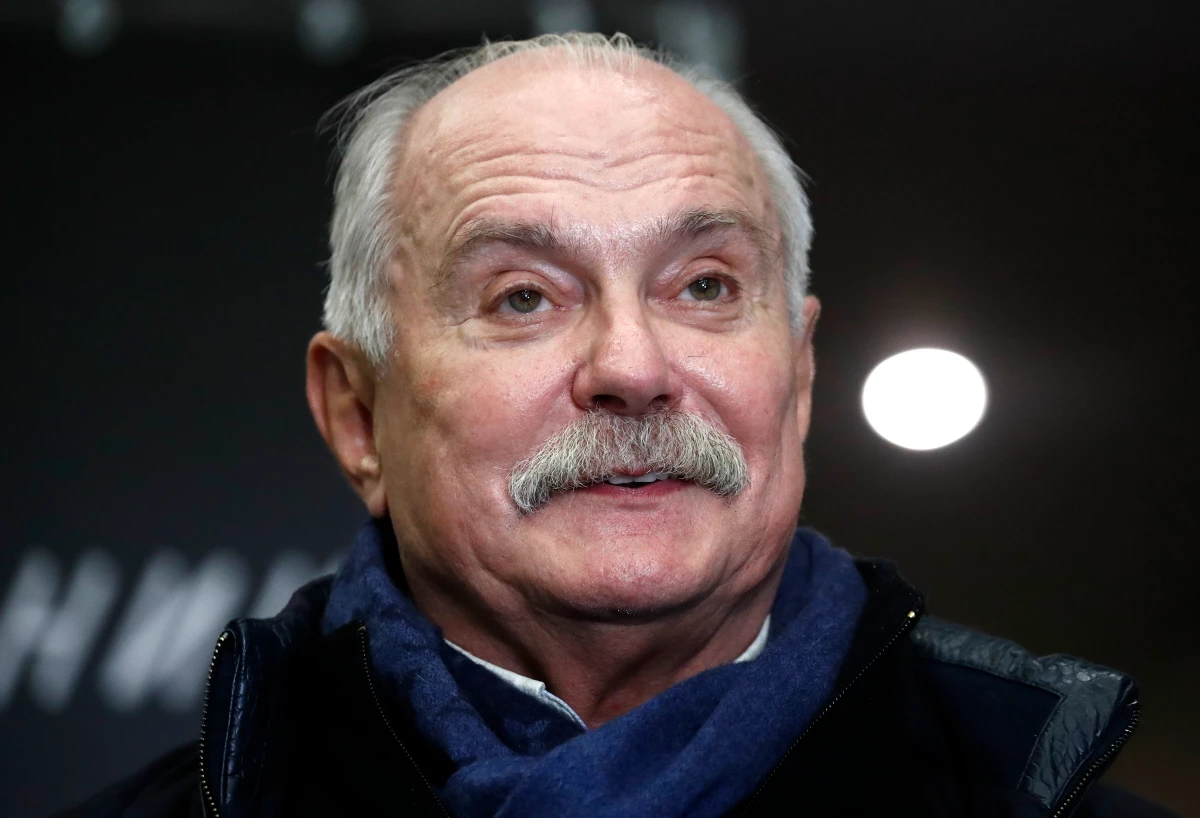
Nikita Mikhalkov - MMKF, under his leadership, had not yet decided whether it would be carried out in the announced deadlines (April 21-28) - in a short shear in front of the "Besogon" said several warm words about the historical role of the speech of V.V. Putin and "Operations that should establish the world in the Donbass." As always, Mikhalkova is especially worried about the opinion of the "fighters of the cultural front." He is infuriated by colleagues who "screamed due to the danger of sanctions." “This is because their children learn“ there ”,“ there ” - banks, houses, apartments, yachts.”
“What are you doing here? - The creator of the film “His among strangers” asks the rhetorical question on the air. “Go to where justice is the truth.”
The playwright Elena Rayska proposes to refuse negotiations with Ukraine: “Only a trial of military criminals and frank Nazis! All the conversations later, after surrender! ”/
Vladimir Borto angrily condemned colleagues who sign letters against the "military special operation."
Shooting in their own
The point is not only in the unprecedented economic crisis, which is directly related to the film industry, but also moral.
Members of the Ukrainian Film Academy (Ukrainian Kinoakademia), on behalf of the Society of Ukrainian Film Professionals and Culture Workers, urge Russian cinema to exclude Russia from the European Convention on Kinematographic Joint Production. By the way, joint production is already collapsing. Producers say that a long -established and painstakingly verified co -product breaks up. The Estonian film industry, in addition to calling for a boycott, suggests "suspend cooperation in the field of cinema and culture."
Of course, there is no getting away from the issue of collective responsibility. But to completely break out cultural ties means to finally slam the very possibility of an independent, resistant, independent art in Russia. Independent cinema in Russia of the present time is not easy: not to receive a permit, neither to get to the screen (the last example of the ban is the documentary of the faith of Krichevskaya about Natalia Sindeeva “F*ck this Job” hardly received PU, but at the last moment it was shot by distributors that were pressed from above).
On the B2B DOC website, where Ukrainian, Russian and European documentaries are gathering, a real battal was flared up. The famous documentary PHIL JANDALY writes that he first signed a statement of the complete blockage of Russian cinema in the storm of anger, but then shot a signature:
“I can’t put with a clear conscience a complete ban on the work of friends and colleagues, whom I have ever known, creating human art, which is often associated with a significant personal risk.”
He was supported by filmmakers from different countries:
“How can you support the ban on independent authors who risk their lives in Russia <...>! It is important to remain a person and maintain humanity within yourself even in such difficult times. ”
“Our cameras are our weapons,” writes the Russian director, “are you going to disarm us now?” We go to the streets to protest, and we are arrested for this ... Journalists and directors are dismissed from TV channels and film studios for one post on social networks <"" Special operations "> in Ukraine. <...> These sanctions are against us, primarily free artists, and not the Mayaghors of the Russian film industry and “propagandists”, who will easily continue to exist on their own. <...> They will be satisfied with these sanctions and even glad that they will no longer follow any rules of the European Convention on joint production. ”
The mode is plastic, he will learn to survive under sanctions. Russian reality every day will be more and more to purchase. Live, independent art under this lid cannot survive.
The culture, which was systematically and urgently tried to forget for many years, helps the development of an independent look, an independent position, and independence. It helps to see what has not shown our television for many years - what people live. This attempt to look at what is happening around his own gaze and gives at least a hypothetical hope for the world.
* * *
Some consolation to the filmmakers can bring rental by time -tested classics. Films are restored and demonstrated mainly in the original language with subtitles. The company "Other Cinema" has just released the paintings by Wong Carva, "Night on Earth" Jarmusha. And in March you can see the "Mr. Nobody" Jaco Van Dormel (2009). In the heading “Special Scratities”, the forever relevant legendary film “Casablanca” Michael Curtitsa (1942) has just been released, the events in which are unfolding in the Moroccan city controlled by the Vichy regime. The cash and the cult trilogy of Kshishtof of Keslevsky “Three colors” (“White”, “Red”, “Blue”), and the almanac “Paris, I love you (2006). For a new generation of synephils, these shows on a large screen can be an event. These films have a deep understanding of the value of personality and human life.