
Translated material
“Mom, why so? They took it ... "
Major Glushkov, a military who died during hostilities in Ukraine, was buried in Chelyabinsk
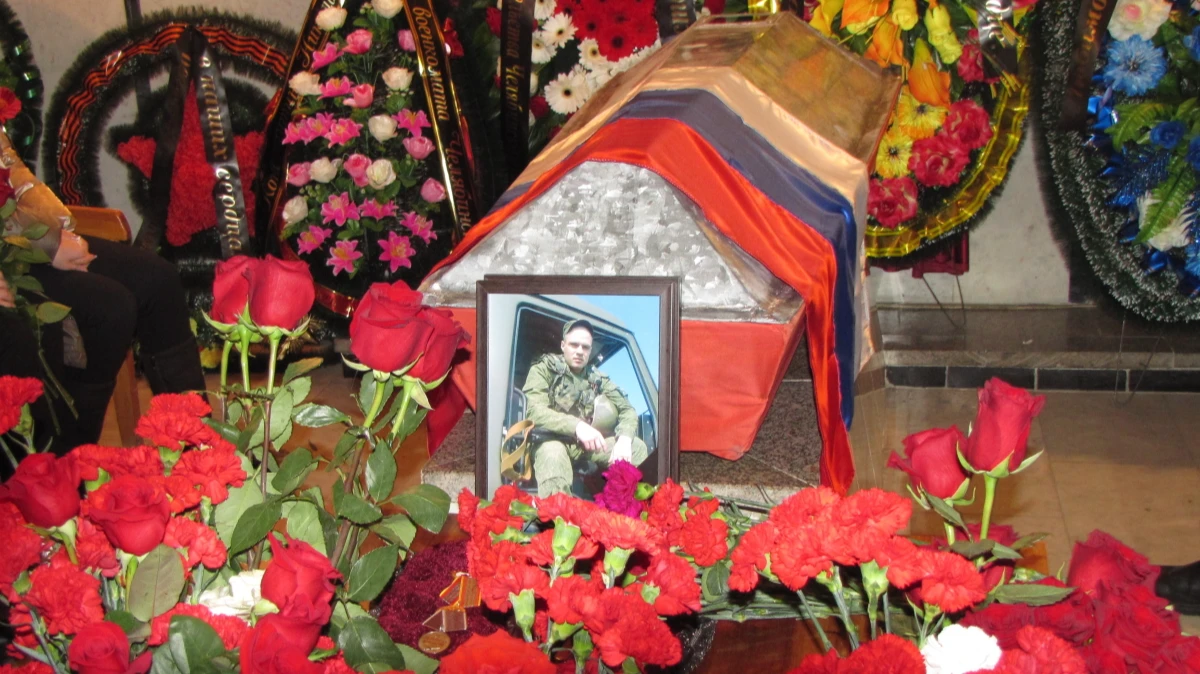
In Chelyabinsk, Major Konstantin Glushkov, a company commander of a motorized rifle troops, who died on February 24 during a “special operation” in Ukraine, was buried in a closed coffin.
The death of Glushkov Russia officially recognized his family to his family through their press service was expressed by the Governor of the Chelyabinsk Region Alexei Texler and other members of the regional government began to write local media, deputies say.
At the entrance to the morgue is a crowd, a four hundred people. Among them are a dozen journalists and a lot of people in military uniform. The mourning hall of the road hospital is tightly clogged with the people. In the center - a closed coffin against the background of large magnificent wreaths, at the foot - a portrait of the deceased and a pillow with awards. As I manage to find out from the representatives of the Council of Veterans present here, this was not the first business trip in his life to a hot point.
Under the awards - high flower vases, five pieces. A gray -haired man continuously fills the vases with roses, carnations and tulips, mainly red, which he is non -stoply conveying to those who come. Filled vases are periodically carried away and returned empty, but they are filled very quickly again.
Relatives of the deceased are sitting on benches on both sides of the coffin. Woman, girl, boy in a cadet uniform. On the contrary, probably the mother of Konstantin and his eldest son - in the form of a cadet of a military school, they say, flying.
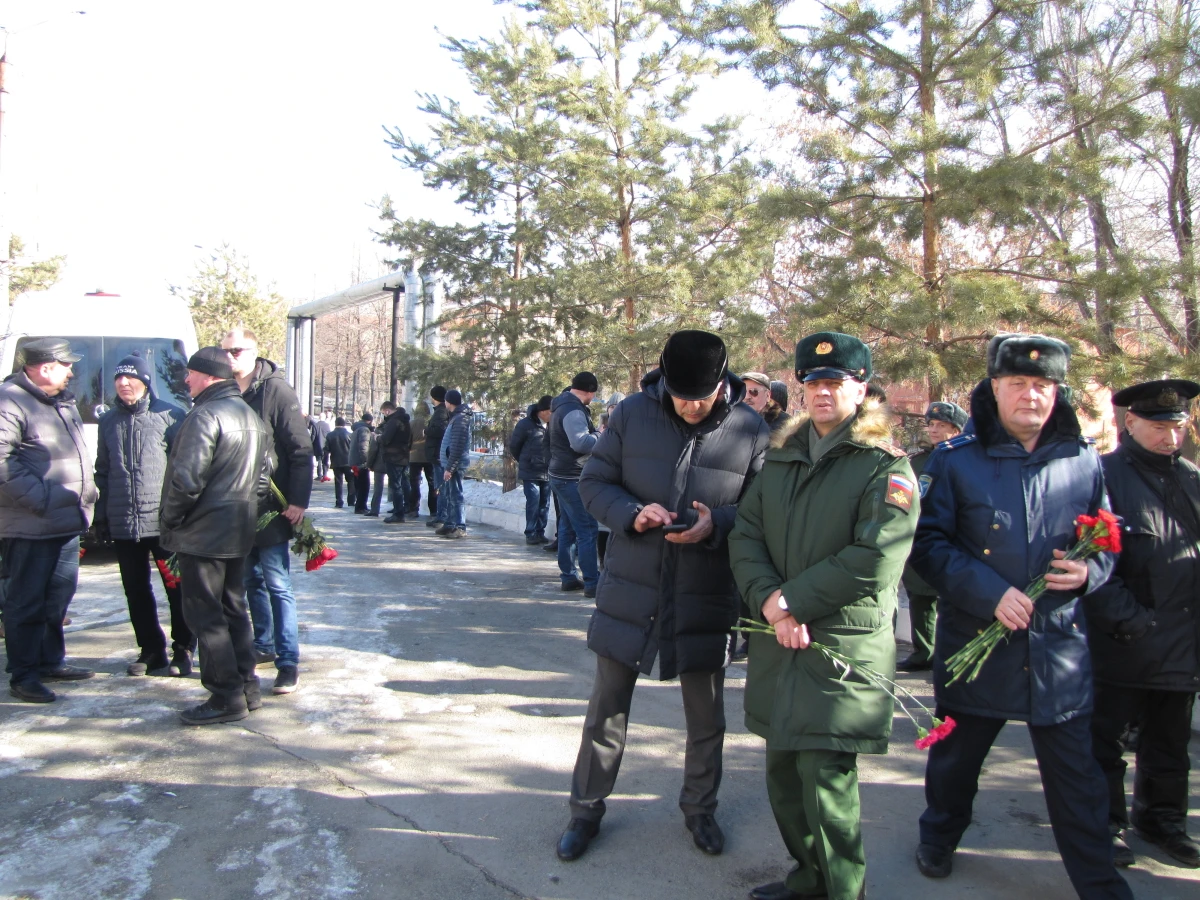
The hall is full of journalists with cameras, they try to shoot mainly flowers and awards.
“Do not shoot relatives,” warns the manager of the funeral.
Children feel “under the sight” of video cameras are not very comfortable and sit, clinging to each other with confused petrified faces. The mother of the deceased with all his might holds back tears, but at some point it does not stand it and begins to sob, leaning over the lid of the coffin-where there should be the face of the deceased, hidden by a layer of zinc.
At this moment, an angry female shout is heard from the other side: journalists again demand to remove cameras. Most of them retreat to the exit.
The representative of the governor speaks a short speech:
“Dear fellow countrymen. The loss of a loved one is always a tragedy. Born in the military family, Konstantin Nikolaevich already knew who it would be. Professional fate was predetermined: after school - a military school, lieutenant shoulder straps, service in the ranks of the Soviet Army. Having accepted the oath for loyalty to his homeland, Konstantin Nikolaevich remained faithful to her until the end of his life ... "
Following him, the word is taken by a representative of a veteran organization.
“The veterans of the region have one huge desire: so that there is rather all over and such cargoes with the hard name“ Cargo 200 ”would never come to our land. Earth is fluff for you, Konstantin Nikolaevich, the kingdom of heaven, comrades will avenge you. ”
Another veteran makes a speech:
“A low bow from veterans of the Chelyabinsk region! The deceased fought for a just cause ... "
I am writing official speeches on the video - maybe these men will now explain what Major Glushkov died for Ukrainian land - but they are again making a remark.
- People have grief, and you!
- Forgive me! But this is probably important for all people, why he died? - I whisper in response.
- Who is important? Who is important? People have grief, that's what important!
The deceased is buried, after which only relatives and friends remain at the coffin.
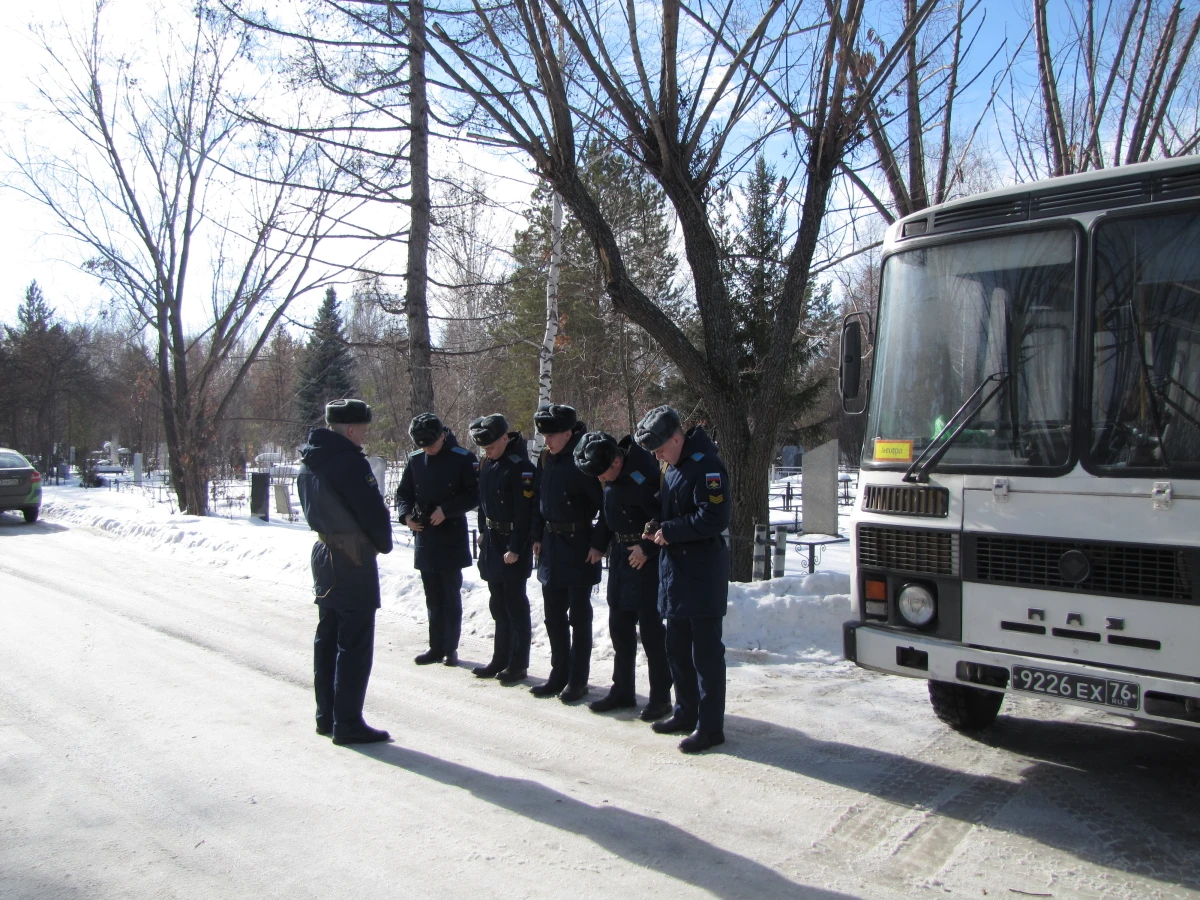
I go out with everyone and observe how, after a short time, the coffin, covered with red, is placed without music in a hearse. From the manager of the funeral, I know that the orchestra is somewhere nearby, but the family categorically does not want any musical accompaniment.
Between the snowdrifts above the graveyards, men in silence carry a coffin covered with red. A bitter female scream flies over the cemetery: “No! Mom, why so? Take it! "
Young people are approaching the grave in military uniforms, give three short salvos into the air.
“Mom and dad were told not to shoot,” the man says next to me.
- Did you know the deceased? - I ask in response.
- Of course, he and my children went to one kindergarten and went to one school. We are from one military town.
- Men like to wear shoulder straps, but how do women put up with this - when do both the son, the husband, the grandson choose such a dangerous profession? I ask again.
- And they are the military themselves. Kostin’s mother served in the medical battalion, she herself went through Chechnya and Abkhazia ...
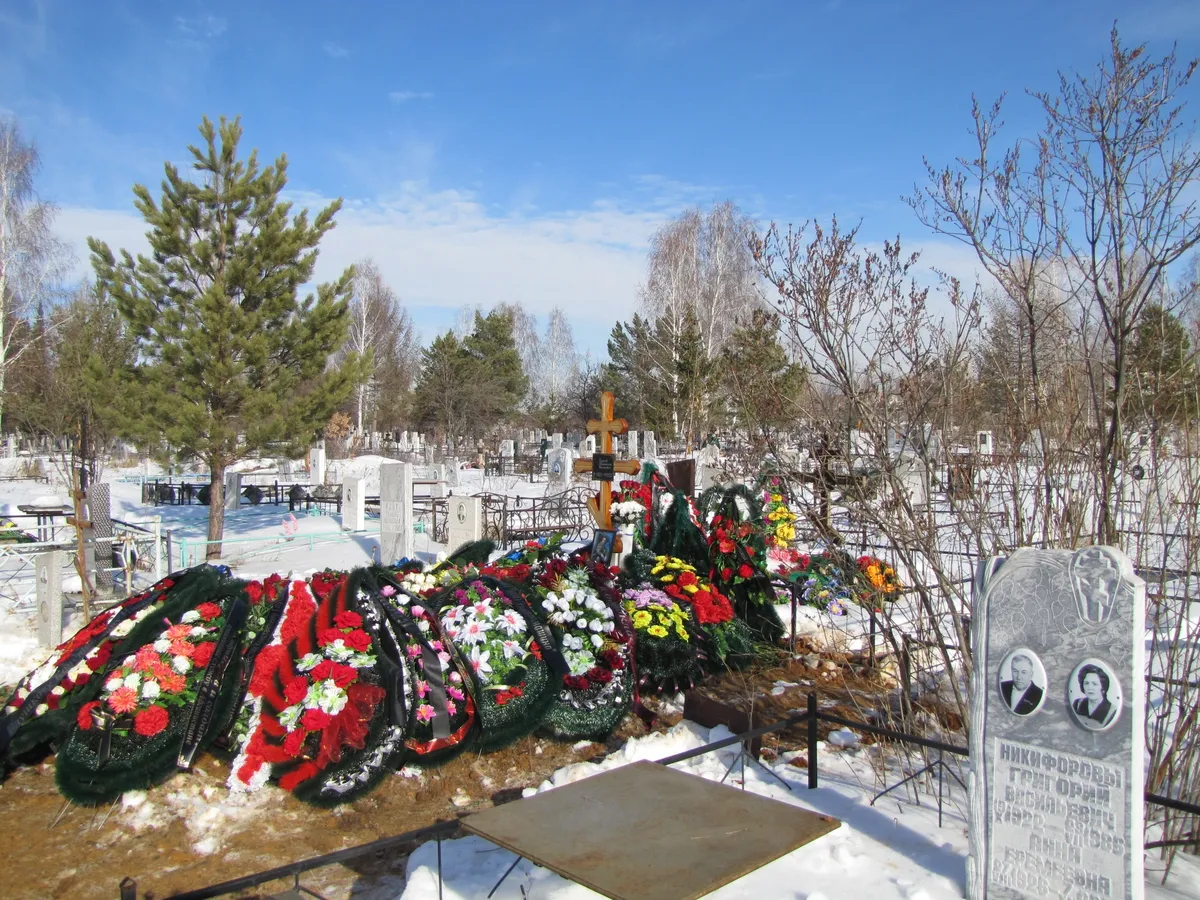
Participants in the funeral take turns throwing a handful of the earth on the coffin cover and gradually diverge. Only family members and several men who burrow the grave remain. Murmular land is badly. Then the men begin to wear an armful of flowers and huge wreaths, a lot of wreaths - from friends, classmates, classmates ... Decorating a graveyard, everyone leaves.
The grave covered with wreaths and flowers in several layers seems huge, almost dimensionless ...