
Translated material
And you, Maduro?!
The United States, having abandoned Russian energy, expects them to find a replacement for Putin’s ally, President Venezuela
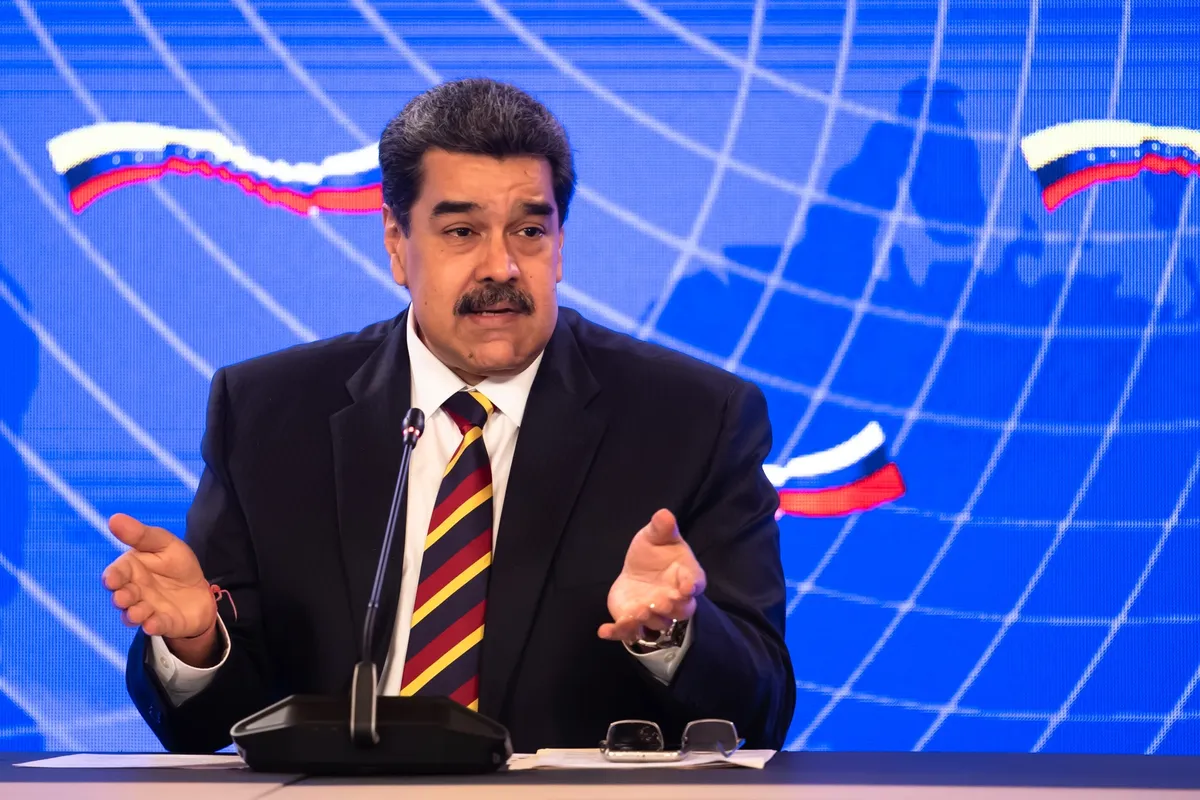
For the first time in many years, negotiations between American officials with the head of Venezuela, whom President Trump refused to recognize the winner in the elections, were negotiated in Karakas. Trump called the president of the opposition leader Juan Guydo, and Maduro was accused of drug trafficking in the United States.
Now Washington is ready to weaken the sanctions imposed in 2019 in exchange for the supply of Venezuelan oil. Maduro made it clear that he did not mind. Venezuela President announced his readiness to increase oil production if Russian supplies are closed on the international market by characterizing a meeting with American officials as "respectful, cardiac and very diplomatic."
Although it is too early to say that this will mean for the future relations of the two countries, but this is an important step, since the White House is looking for new ways to isolate Russia, according to Kevin Wizel, the former US Ambassador to Columbia. In the Kremlin, the fact that one of its closest and trust partners in South America is conducting direct negotiations with the US government is only anxious, ”the diplomat is convinced.
In Washington, the opponents of the “Real Politician” are in alarm and ask Biden: if you have just forbidden to buy oil from the one who is called the “Russian dictator”, why are you going to purchase it from the Venezuelan dictator? “The White House suggested abandoning those who are looking for freedom for Venezuela, in exchange for a small amount of oil,” wrote Senator-Republican from Florida Marco Rubio on Twitter.
In other words, Maduro can become another Latin American ally, about which the American presidents spoke like this in the past: "He is a son of a son, but this is our son of a bitch."
In the Latin American communities in the south of Florida (the will of voters of this state fundamentally affects the results of the US presidential election), the actions of the Biden administration are perceived as hypocrisy. Eddie Asededo, a former national security adviser to the Trump administration, says that negotiations with Maduro are an error: “This is crossing out the promise of President Biden to give dictators a decisive rebuff. You can not punish Putin and reward Maduro. ”
Neft negotiations brought an unexpected “humanitarian result”. Two American citizens were liberated from the Venezuelan prison: this is Gustavo Cardenas, one of the six leaders of Citgo, arrested in Venezuela in 2017 and accused of corruption and Horhe Alberto Fernandez, an American of Cuban origin, arrested in 2021 on the border with Colombia, is accused of terrorism. An amazing event for a country whose leader is not even recognized as the United States as a president.
Joseph Biden, announcing the embargo of Russian oil, already knew that at the negotiations in Karakas the parties agreed to “continue the dialog” on the purchase of Venezuelan oil, which was bought by the largest American companies Valero Energy (Vlo.n), Citgo Petroleum and PBF ENERGY. (Pbf.n). The sanctions against Venezuela hit the American "Neftyanka", but then Russian oil came. And now, when it is prohibited in the States, Venezuelan can return. Such a cycle.
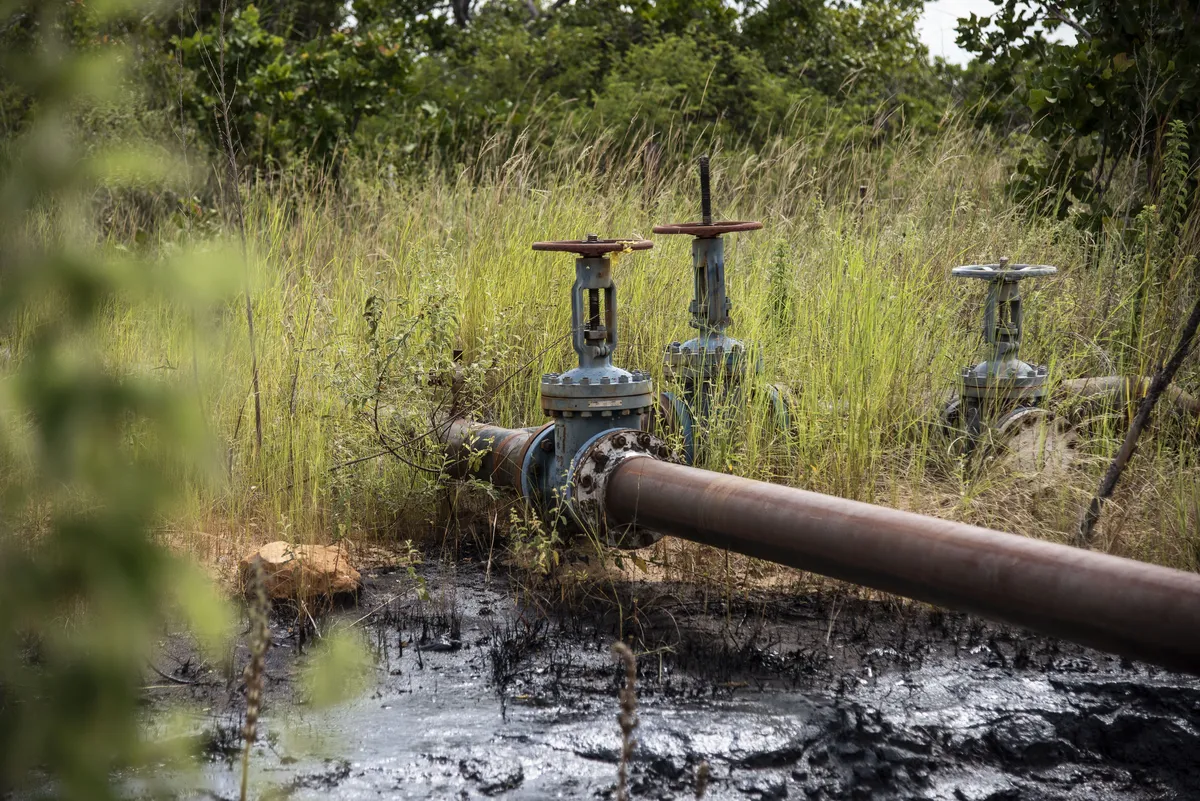
According to the article for Foreign Policy, Professor David Smile from the University of Tulein, Louisiana, “Venezuelan oil could be the perfect replacement of Russian oil because Russian oil was the perfect replacement of Venezuelan oil.” Most of the US oil refining industry on the coast of the Gulf of Mexico is “sharpened” for heavy raw oil (these are the hydrocarbons produced in Venezuela), and some enterprises, for example, the Citgo oil refinery in Lake Charles, Louisiana, were generally built specifically for Venezuelan oil. They cannot work at full capacity, producing gasoline and other oil products from light varieties of oil, which are produced by shale drillers in the United States.
When sanctions were imposed against the Venezuelan oil industry, the sudden supply of supplies to American refineries was replenished at the expense of Russia. The supply of Russian oil to the United States has doubled since the introduction of Washington’s oil sanctions against Venezuela in 2019.
On this, "geopolitical exchanges" do not end. American "Kremlinologists" note that one of Putin’s motives in deepening relations with Venezuela in recent years was the desire to balance the support of Ukraine by the United States and Europe. As the former high -ranking official of the National Security Council Fion Hill, the main adviser Trump in Russia, "Russians at one time even offered the Trump administration to exchange Venezuela for Ukraine." That is
Trump was supposed to abandon the help of Ukraine, and Putin would then “forget” about Venezuela.
The Americans' visit to Karakas was secret, the American media noted, the negotiations have already become known "post -facts." The trip with the assistance of the Swiss diplomats was attended by Juan Gonzalez, senior director for the Western hemisphere in the US National Security Council, Roger Karstens, a special representative for hostages, and Ambassador to Venezuela Jimmy Story. They conducted negotiations directly with Maduro.
Until the “special operation” of Russia in Ukraine, the Biden administration constantly proposed negotiations not with Washington, but with the Venezuelan opposition. But the intovenceael political dialogue, held in Mexico, came to a standstill. In the case of weakening, Maduro’s sanctions can not only return to the negotiation process, but also take into account some of the opposition’s requirements led by Guydo. This is said in Washington supporters of the transaction with the dictator. They hope that the relief of sanctions will give a chance to democracy.
Observers suggest that the US delegation expressed their willingness to provide American and European companies working in Venezuela, licenses that provide greater flexibility in operations and access Venezuela oil and natural gas. As two unnamed sources told Reuters, the American side asked Venezuela to supply at least part of the oil to the United States as part of any agreement on the weakening of sanctions.
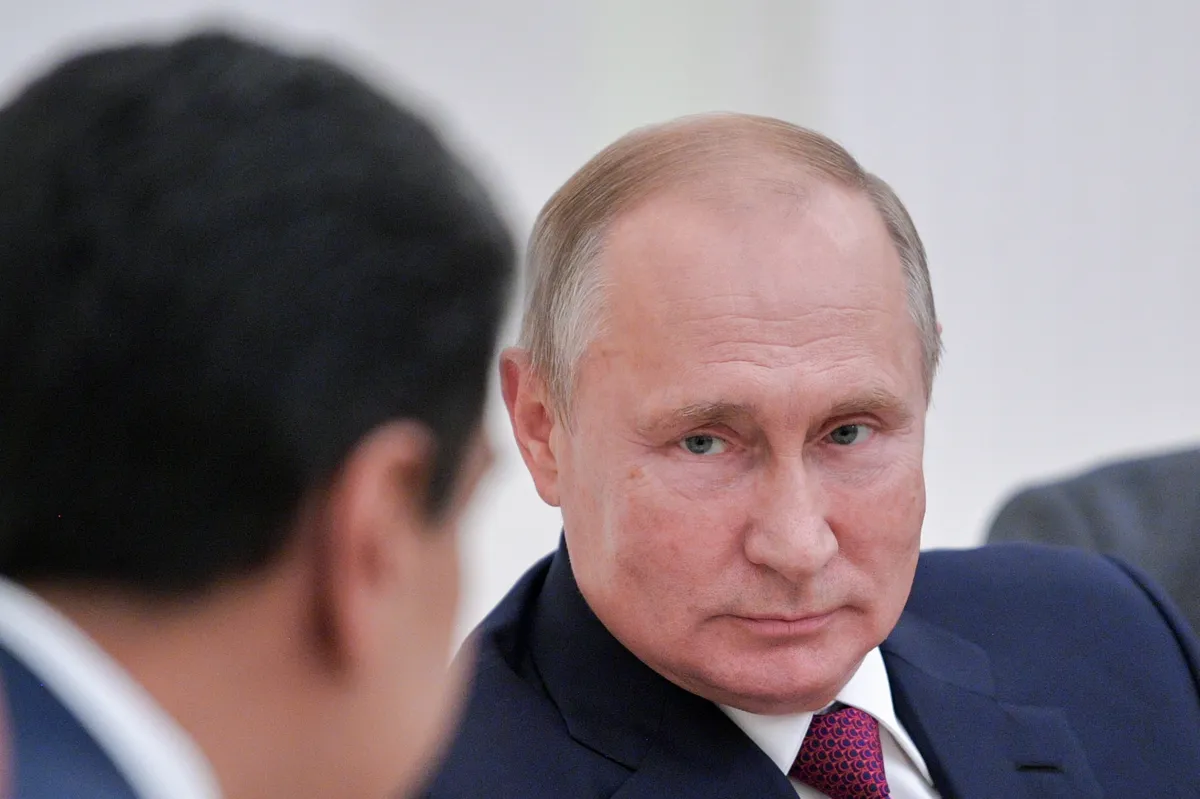
Interaction with the United States takes place against the background of weakening of the financial relations of Karakas with Moscow due to anti-Russian sanctions. Venezuela assets in Russian banks brought in the blacklisted by Washington are frozen, the American media note. And this may be another reason why Maduro went to “respectful and heart” negotiations with the Americans.
Chevron Corp, the only American oil producer who is still working in Venezuela, can be the first beneficiary if a deal with the Maduro administration is reached. Chevron is prohibited from supplying Venezuelan oil from its joint ventures since 2020, and it insists on the cancellation of the ban. The company from California has a special license, which allows it to maintain a “low -level” presence in the country - only to ensure maintenance and security of its facilities. The validity of this license expires in June, Chevron requested permission from the US Department of Finance for Venezuelan oil trade. According to the Reuters source, if Washington decides to weaken the sanctions, Chevron will be able to resume export to oil refineries of the Gulf of Mexico, replacing Russian deliveries.
But one Venezuelan oil will not be enough.
Her production in Venezuela last year was an average of 636,000 barrels per day. About the same amount of the United States received from Russia. According to Sol Kavonik, an analyst with Credit Suisse, a potential reduction in global supplies due to sanctions against Russia will require the exit “far beyond Venezuela” to compensate for the deficit. American diplomats are looking for energy carriers around the world that could help compensate for the failure in the export of Russian oil and gas, caused by a “special operation” and hype in the market. In line - Saudi Arabia, Iran and others. New geopolitical plots await us.