
Translated material
Tint in fakes
"Chronicle of current repressions." Issue 12. The first cases under the new article of the Criminal Code, the trial of Safronov and again Ovsyannikov
On March 4, criminal liability was introduced for the distribution of “knowingly false information about the use of the Armed Forces of the Russian Federation” in Ukraine. Almost instantly the Investigative Committee began to actively run into this article. The Chairman of the TFR, Alexander Bastrykin, in an interview with TASS, said that the department is already investigating more than 10 such criminal cases. And this is only for the current month. In addition to criminal prosecution, a huge number of administrations have already been instructed and large fines were assigned for the slightest manifestation of disagreement regarding the actions of the authorities in Ukraine.
Read more who is pursued for “fakes” and who fell under politicalPressing in other matters, read in the next issue of “Chronicles of current repressions”.
Fake for fake
About real criminal cases under Art. 207.3 of the Criminal Code of the Russian Federation (public distribution of knowingly false information about the use of the RF Armed Forces) became known in mid -March. The first defendants were the inhabitants of Tomsk and Seversk. Both allegedly wrote about the actions of the Russian military in Ukraine from the words of "eyewitnesses from the places of events." A resident of Seversk is charged with messages in the messenger, published in the period from March 4 to 15, and a resident of Tomsk - posts on a social network from March 5 to 12. The SK did not bring other details.
Both cases were aroused on the basis of materials from the regional department of the FSB. The detainees at home conducted a search, the courts appointed them a ban on certain actions as a preventive measure.
Later, information appeared about the initiation of another case, only on the village of “D” of Part 2 of Art. 207.3 of the Criminal Code of the Russian Federation (public distribution based on political hatred or enmity under the guise of reliable messages of knowingly false information about the actions of the RF Armed Forces - imprisonment of up to five years), against Belotserkovskaya blogger for posts on Instagram*. The agency charges her of March messages, in which, according to investigators, there were "deliberately false information about the use of the Armed Forces of the Russian Federation to destroy cities and the civilian population of Ukraine, including children."
Another thing appeared in the Crimea, where an employee of the Ministry of Emergencies by the name of Samodurov was brought to criminal liability.
As Baza reported, he walked around an apartment building in Yalta, urging residents to urgently evacuate.
Residents of the house did not believe Samodurov and talked about his inappropriate behavior to law enforcement officers. The man was detained three days later. The FSB took him from the police department, and then the man was taken to the local department of the Investigative Committee.
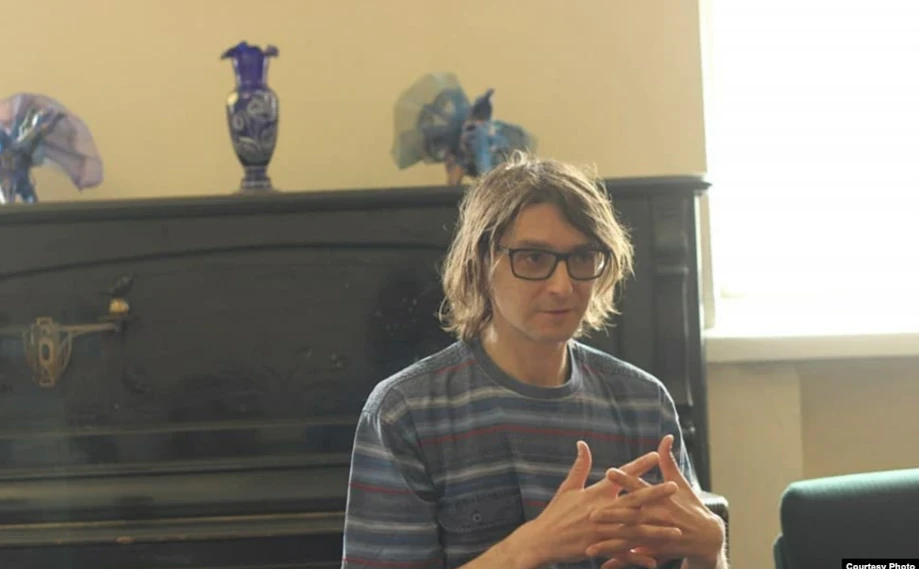
March 21 in Kemerovo detained the journalist Siberia. Raali ** Andrei Novashov. He was also presented with an article about “fakes” for repost on the VKontakte network of articles by journalist Victoria Ivleva. The investigator invited Novashov to “apologize to the armed forces”, but he refused, reports the Telegram channel “Network Freedom”.
Another defendant was the Ukrainian journalist Dmitry Gordon. The TFR opened a criminal case against him at once under three articles. Investigators found that he was in the live television of “called for an armed attack on Russia and unleashing an aggressive war against it using nuclear weapons.” Gordon was charged with Part 2 of Art. 354, p. "B" of part 2 of article 282, p. "A" part 2 of Art. 207.3 of the Criminal Code of the Russian Federation (public calls to unleash an aggressive war; actions aimed at initiating hatred or enmity on the grounds of nationality; public distribution under the guise of reliable messages of knowingly false information about the actions of the RF Armed Forces).
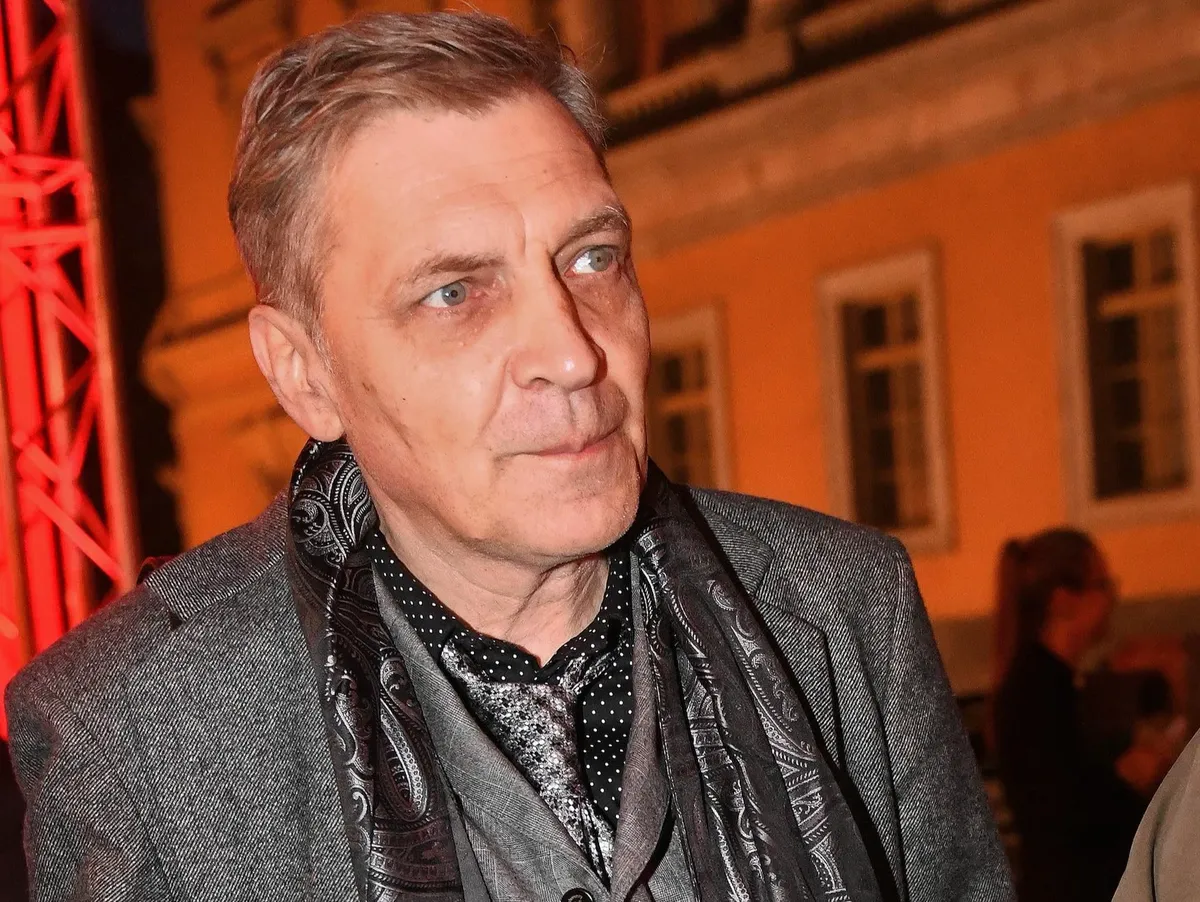
Another famous journalist who came into the sight of the UK was Alexander Nevzorov. Claims to him at the investigation caused his publications in social networks about the course of the "special military operation".
“It is not entirely clear how new articles of the so -called one can get along in one legislation. "Fakes" with the law of the media and with the 29th article of the Constitution of the Russian Federation. A funny dissonance arises. The law of the media and the Constitution grant me the full right to have my own opinion about what is happening now in Ukraine. The new article of the Criminal Code - this is the same categorically forbids this. At the same time, no one announced the suspension of the law on the media and the Constitution of the Russian Federation. Agree, the situation is strange. Something will have to get rid of. As I understand it, it will be the law of the media and the constitution. As soon as you eliminate these little things, I admit myself to a criminal. But not earlier, ”Nevzorov published an open letter to Bastrykin in the networks. Now the journalist is outside of Russia.
Arrest for the conversation on the phone
The case of the spare point of the Main Directorate of the Ministry of Internal Affairs of Moscow Sergey Klokov became the first publicly known when the defendant of the criminal case for the so -called "fake" was sent to the pre -trial detention center. He was charged that he allegedly distributed deliberately false information about the actions of the RF Armed Forces in Ukraine during telephone calls from his numbers to residents of the Republic of Crimea and the Moscow Region.
Klokov is accused by paragraphs “A”, “B”, “D” of Part 2 of Art. 207.3 of the Criminal Code of the Russian Federation (public distribution of knowingly false information on the use of the Armed Forces of the Russian Federation by a group of persons using an official position with the artificial creation of evidence of the prosecution). The man was arrested on March 22. Prior to this, the accused was elected milder preventive measures.
Later, Klokov’s lawyer Daniil Berman, after getting acquainted with the case file, said in his Telegram channel that the security forces allegedly listened to his client’s phone. Although, according to the defender, there is no permission to wiretap in the documents.
Berman added that the mother of the suspect asked him to join the case, but when he came to the IVS and tried to get to know the investigator, he was refused a lawyer Vladimir Makarov, who had already entered into business.
The defender was told that Klokov refused his services, but Berman himself did not see a written refusal.
The lawyer specified that Klokov denied guilt during interrogation, but already in court, as he was stopped, he pleaded her. Berman admitted that pressure could be on the suspect. In addition, the defender claims, after the arrest of Klokov, his wife and mother blocked the cards, and his mother threatened as if a criminal case.
“Klokov was arrested for two months for talking on the phone. He did not disseminate this information through social networks, which he does not have, or in some other public way, ”said Berman.
The case of Safronov
In the Moscow City Court, the process began in the case of journalist Ivan Safronov, accused of Gosizman. What exactly is accused of him is still unknown. In early March, the Prosecutor General approved the indictment of the journalist. The details of the prosecution in his case are not disclosed.
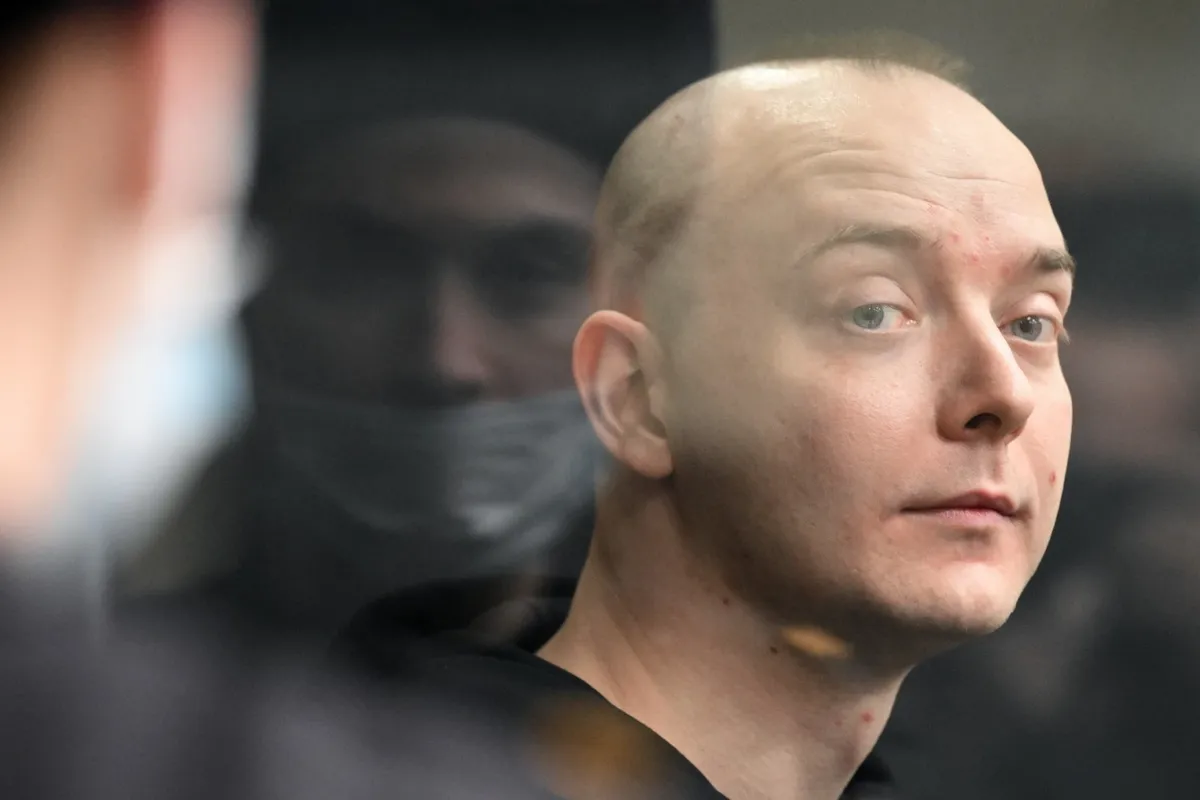
To get acquainted with the case file, which consists of 22 volumes, Safronov’s defenders were given only two weeks.
At the same time, they were forbidden to make notes and remove copies of materials.
The state prosecution in court is represented by the prosecutor Boris Loktionov, who worked on the processes of the former top manager of the Inter RAO company Karina Tsurkan and a senior employee of the Investigative Committee Mikhail Maksimenko.
On March 21, a preliminary meeting was held, at which Safronov’s lawyers tried to return the case to the prosecutor’s office and the call to the process of witnesses who refused to cause the charge. However, all their statements were rejected. The consideration of the case will begin on April 4, chaired by the three professional judges in closed mode due to the secrecy of the case.
Another administrative Ovsyannikova
The Ostankino court of Moscow received a second administrative case against the former Channel One editor Marina Ovsyannikova, who, during the evening broadcast of the Vremya program, launched a poster with pacifist slogans.
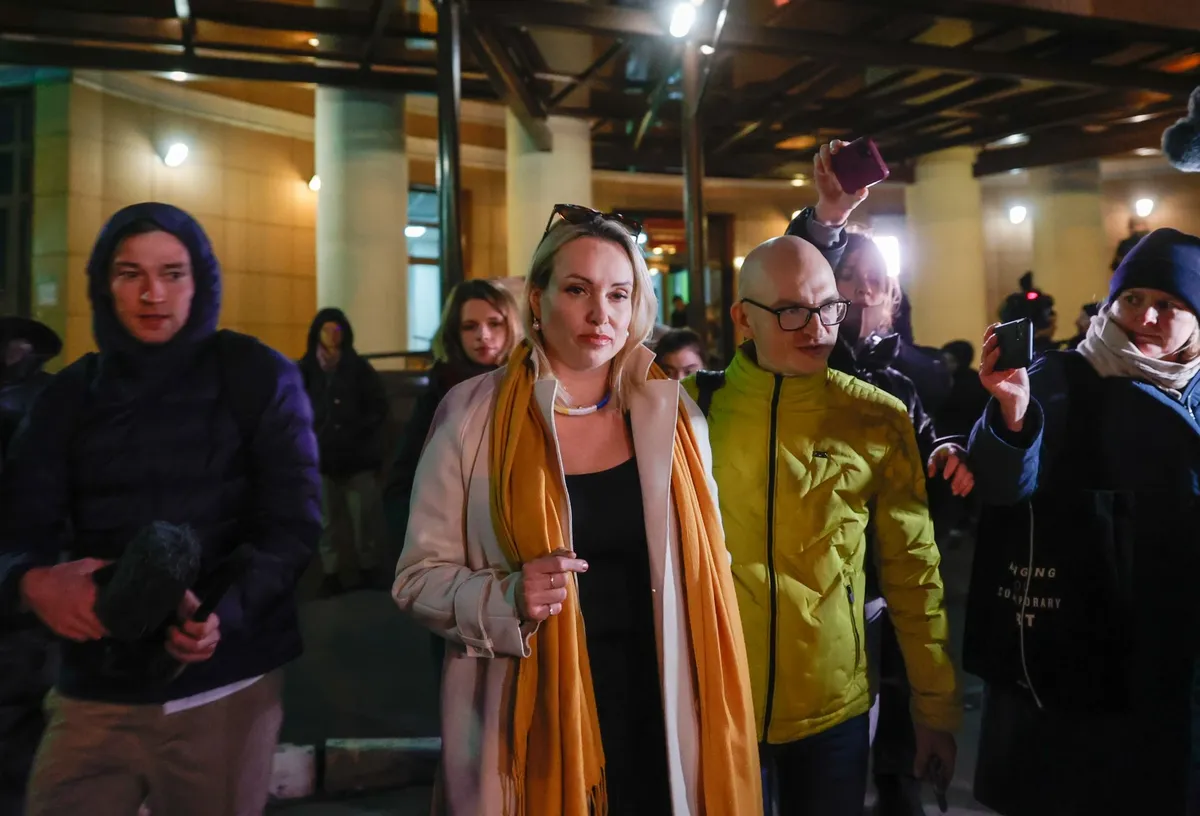
As follows from the court of the court, this time it is held accountable for public actions aimed at discrediting the Armed Forces of the Russian Federation (part 1 of article 20.3.3 of the Administrative Code of the Russian Federation). The material was registered on March 24, the hearing on it was scheduled for April 14. Ovsyannikova faces a fine of 30 thousand to 50 thousand rubles.
Earlier, the court had already fined a journalist for 30 thousand rubles. Then she was found guilty under Part 2 of Art. 20.2 Administrative Code of the Russian Federation due to a video message about military operations in Ukraine, published after the action on the air.