
Translated material
They took into a free circulation
How publishers and bureaucrats experience a shortage of paper that arose due to sanctions
In Russia, there is not enough paper: under the threat of publishing books and document management in institutions. It turned out that even Russian paper manufacturers used imported chemicals and are now experiencing difficulties in production. Employees of government agencies are asked to save on paper, verification work is transferred in schools, and the price of a pack of office paper has increased several times. The correspondent of Novye spoke with book publishers, printers, domestic manufacturer and distributor to understand the situation in the Russian paper market.
In early March, several large paper manufacturers announced the suspension of their activities in Russia. These included the Finnish-Swedish Stora Enso, the Finnish UPM and the Polish-Swedish Arctic Paper, which produce coated paper, most of which in the country are imported.
In addition to the departure of foreign manufacturers and suppliers from Russia, domestic companies leave Western investors. So, the other day it became known that from the Ilim group-the largest Russian producer of pulp and paper goods-the American company International Paper, which owns a share of 50%, comes out.
Western companies massively suspend activities in Russia after the beginning of the “special operation” in Ukraine. In the case of a pulp and paper industry, this can threaten the increase in prices for all paper products-from books to packages-as well as a shortage of various goods.
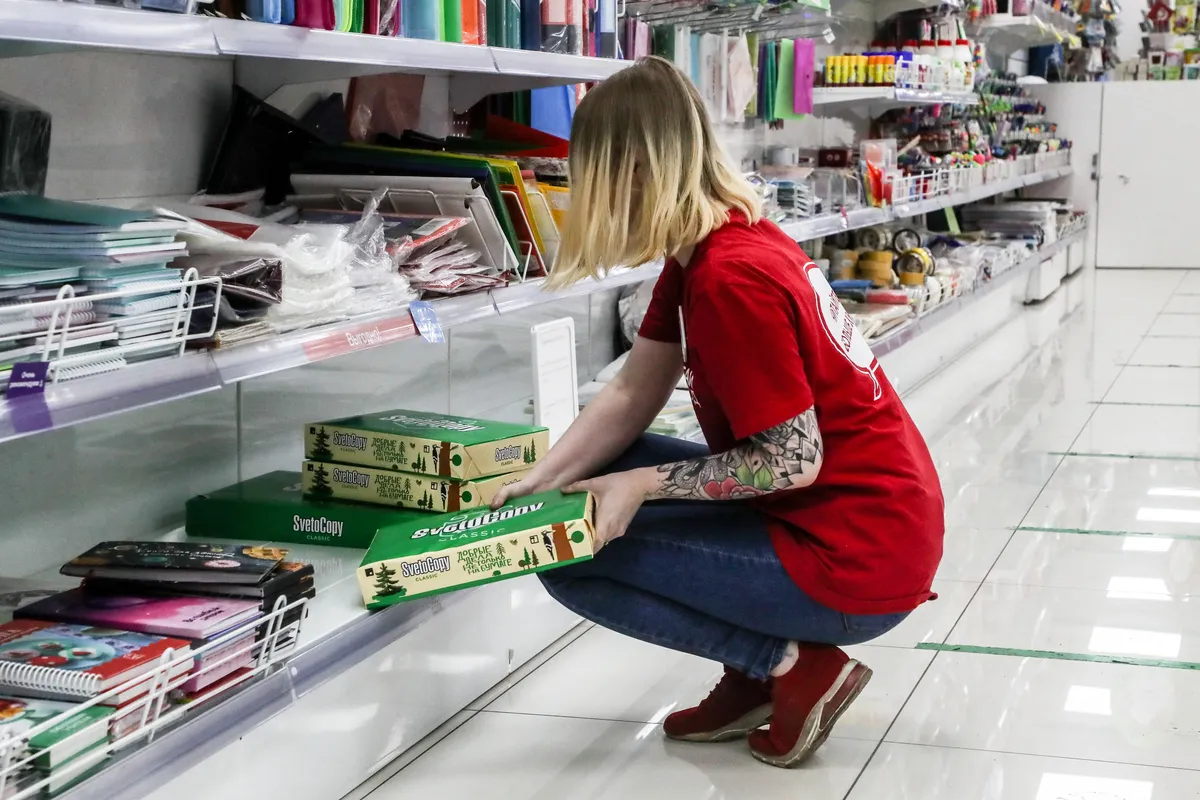
The first thing that the correspondent of Novye heard was calling for a chancellery store was “format paper is not available.”
Residents of the regions complain about taking off the prices of office paper, and some schools in St. Petersburg transfer verification work due to the lack of A4 sheets.
Problems in the industry are now changing the usual life of Russians; Especially those whose work involves the constant use of paper - in offices, government agencies and education. So, the Council of Deputies in Novosibirsk issued a special order “On Saving Paper ...”. Now local officials should carefully spend those stocks that are, and, printing documents, use both sides of the sheet.
This situation is now a new routine. The leadership of the Russian Economic University named after Plekhanov also asks to “consider the possibility of maximum savings and reduction of office paper costs,” and instead of new sheets, when they are not so important, use drafts.
Irina Prokhorova - the head of the New Literary Review Publishing House - believes that "the paper crisis is approaching." “While we have a small supply of paper that we bought, suspecting complications. But in the near future, the publishing world will encounter a shortage of paper. ” This is due, the publisher believes, with the fact that a very large part of the paper for books in Russia is imported, since domestic cellulose plants specialized in goods that were more profitable to sell abroad - on cardboard, for example.
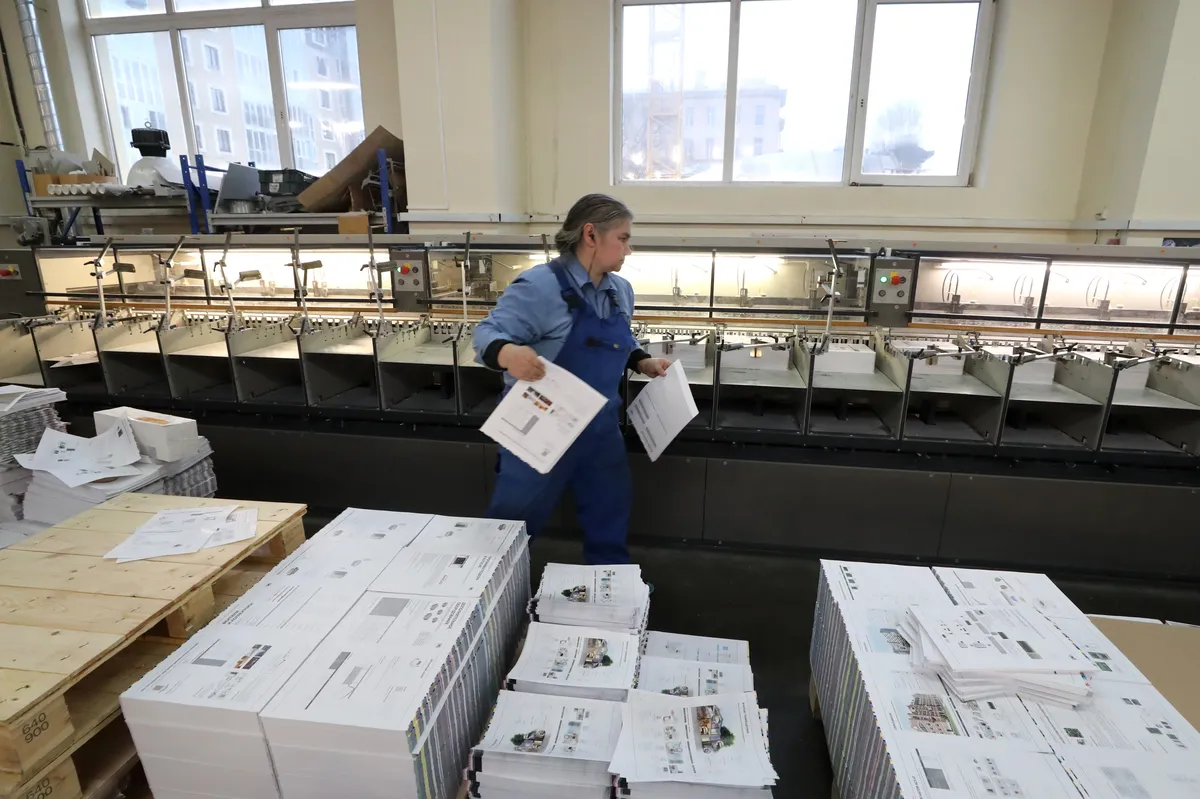
Due to the sanctions, in principle, the whole chain of book publishing was complicated, Prokhorova believes. Panton colors, glue and a lot of other components necessary for the production of the book, as well as machines and their details - all this either went up or disappeared from the market.
The increase in paper prices now provokes a decrease in book circulations, and printing houses at once raised prices for all products. This situation is stated by the Executive Director of the Young Guard Publishing House Roman Kosygin. At the same time, according to the speaker, after some time the situation should be straightened, and now a transitional moment has come.
“Russia did not provide itself with paper by 100%, a lot of it came from Finland, Poland, so now, when deliveries were interrupted, people from the industry are looking for suppliers from other countries,” Kosygin says.
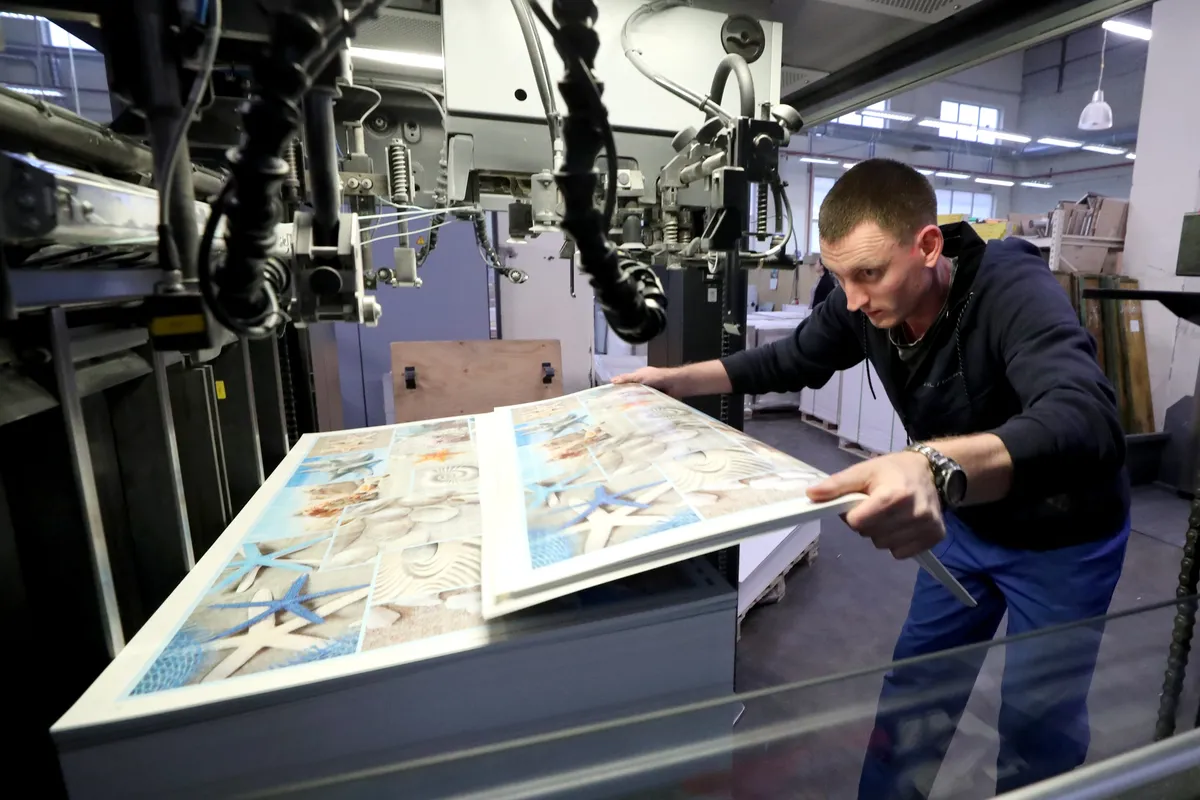
One of the largest printing houses of the country of Novaya said that the situation also varies from one type of paper to another. For example, coated paper, designed for magazines, booklets and other goods where a beautiful picture is important, will not be enough. Many industries have to switch to cheaper species, or abandon projects for which coated paper is needed, almost completely imported from abroad.
At the same time, with book paper - most often offset - everything is not so bad, and
The main problem in this sense is to recover from economic shock, establish a supply chain and get the missing elements in those places where it is still possible.
Printing houses also state both the fall of circulations and the quality of the final products, and the inevitable increase in prices for them. This is explained by the fact that printing is extremely dependent on the import of the industry, and the ongoing economic processes affect it directly.
We talked with the domestic manufacturer - a representative of Kama, which produces coated paper and cardboard, about 220 thousand tons per year. There, changes caused by sanctions and the departure of Western companies were called "non -critical." The main problem now is adaptation to new conditions in which there is no way to build production chains with Western partners.
The volume of consumption in the country, as was the case during previous crises, according to the company, will also decrease. Therefore, it is possible that the demand indicator in this industry will not clearly be ahead of the proposal.
The explosive increase in paper prices in some regions is temporary, and it is caused, as the company believes, it is precisely by this transitional moment when the market adapts to new conditions.
About the same opinion is shared by a representative of one of the largest Europeer distributors in the country of Europapier, with whom the "new" said. “The situation is as follows: both imports are not delivered now, and the plants in Russia [Syktyvkar and Svetogorsky] do not work at full power - one has prevention, and the other has chemistry.”
In early March, the Svetogorsky cellulose-paper plant suspended work on the production of certain types of paper. In particular, due to the lack of chemical components for bleaching,
The machine necessary for the production of Svetocopy - the same office paper in green packaging, familiar to many Russians, stopped working.
Both largest plants belong to foreign companies. Syktyvkar - English Mondi, and Svetogorsky in the Leningrad region - American Sylvamo. At the same time, both companies, judging by the press releases , are not planning to suspend work in Russia. They substantiate such a decision, among other things, for example, at the Sylvamo enterprise, according to official figures, 1,700 people are working, whose income directly depends on the decision made by foreign management.
“And crazy excitement appeared on this wave, prices for paper are downloaded madly. A package, which used to be conditionally 200 rubles, is now worth a thousand. But, ”the representative of Europapier believes,“ in April, the situation should more or less straighten up, [when they solve problems with the supply chain]. Already in early April, prices will come to their senses, and the numbers of the seventh-eighth, I think, will be normal. ”