
Translated material
"Mom, what happened to dad?"
People who have lost loved ones in past wars - about what feelings they met with a new war
Tens of thousands of Russian inhabitants lost relatives during the wars that the state led in the last 50 years. Only during the Afghan and Chechen campaigns, according to official figures, more than 26 thousand Soviet and Russian troops were killed. “Cold” talked with people who lost relatives in those wars, about how they took the decision of the Russian authorities to introduce troops into the territory of Ukraine.
“I ask them:“ Where is dad? ” And adult men who went through hostilities begin to sob. "
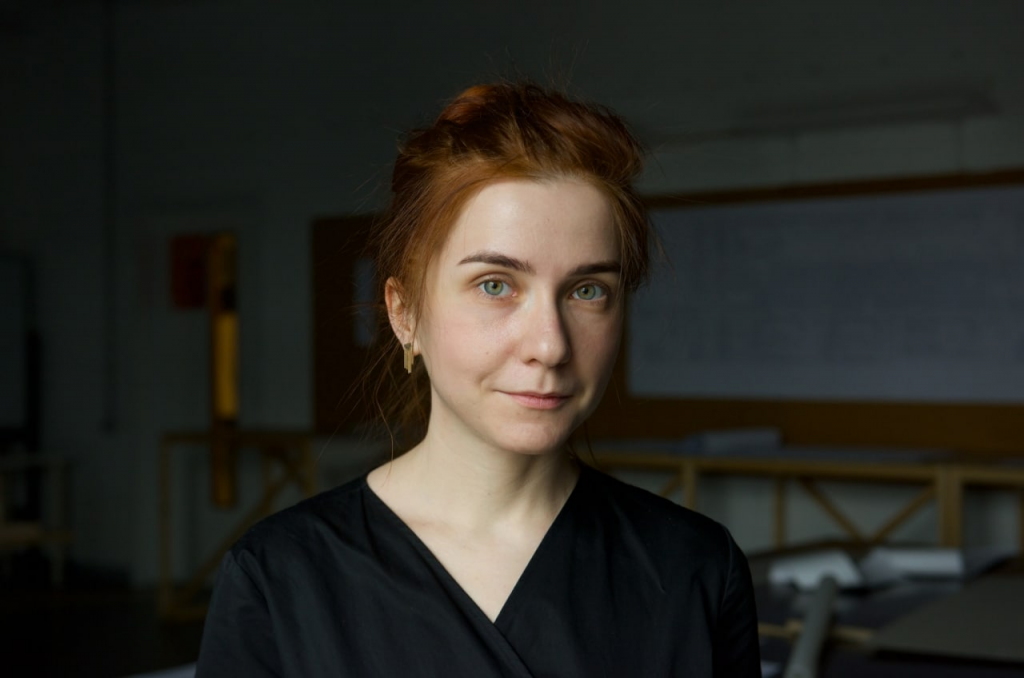
Asya Zolnikova, 29 years old, Moscow - Tallinn
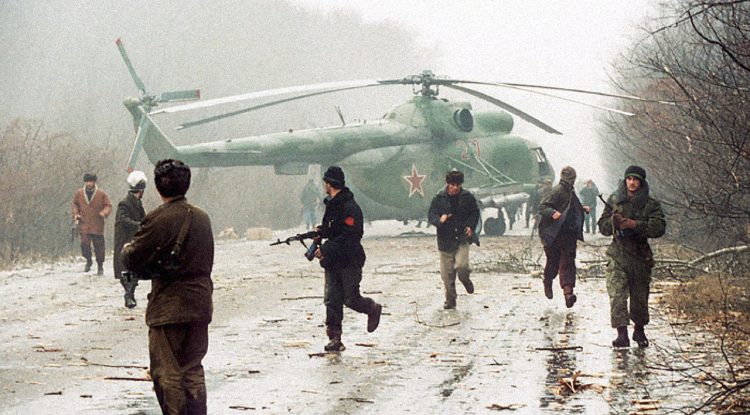
The first Chechen war is an armed conflict that lasted from December 1994 to August 1996. It began three and a half years after the unrecognized Chechen Republic of Ichkeria formed on the territory of Chechnya, which proclaimed independence. For a year and a half, Russian troops fought with the separatists. During this time, according to data called in the State Duma , 5042 people were killed on the Russian side. According to the calculations of the Russian military, Ichkeria lost 17391 people. The conflict has ended with the Hasavyurt agreements on a truce, according to which Russia withdrew its troops from Chechnya, and the parties postponed the decision on the status of the republic for five years.
When my father died, I was three years old. This happened on August 24, 1995, during the First Chechen War. Despite the fact that I was small, I remember my father well and I remember that at some point he was gone. Once his colleagues came to our house - apparently to support his mother. They all sat in the kitchen. I ask them: "Where is dad?" And adult men who went through hostilities begin to sob.
They explained to me that dad went on a business trip. The word "business trip" was a spell for me, but I quickly realized that he would not return. The concept of death at three years old was not yet clear to me, but the idea that we would not see each other sat in my head.
Mom in direct text told me that he died only when I was seven years old. Before that, she avoided this conversation: I think, for herself, it was very traumatic. We were in the country and went to wash in the bathhouse. We were together. I asked her: “Mom, what happened to my dad?” She replied: "He died." And I blurted out: "Did they shoot him?" Mom said: "Damn, how do you know?"
And for me it was just logical - the war and Chechnya were all the time discussed in our family. It was also the topic of news reports. I am from Moscow, and terrible terrorist attacks at the beginning of the zero: the explosions of houses, and the Nord-Ost, and the metro-I remember all this. Therefore, I did not even assume that other options were possible.
By that time, my mother was already married again - she went to her father, his friend. Both the father and the stepfather had amateur cameras, and they took them with them to Chechnya. Therefore, we still have a huge video archive of personnel right from there at home. And sometimes these cassettes revised these adults. They had a favorite thing - to roll up and begin to review it all, to remember the past, to regret themselves.
On these cassettes there was a bombed formidable, some tanks, shots where the military sit on a halt, bite, drink. Nothing special. War is not very spectacular, it is not a militant. All in the mud, some people around the poorly dressed go, and the broken guns are standing.
I also watched these videos with a child. When you are a child, you have no choice on how to perceive it. And there is no experience that could suggest that this is some kind of unhealthy garbage. Only then, when you grow up, you understand that not all children live like that. And that it can be traumatic for the child, even if he himself does not suspect about it.
I don’t remember very well how my mother coped with the loss. This part is erased from my memory, despite attempts to restore at least something. I have been going to psychotherapy for a very long time, because these and some subsequent family events left a very big mark in me. I remember that my mother was washed down after the death of her father - all my conscious all her life she had a slight alcoholism.
When I was three years old, after my father died, I got very sick. I was made an incorrect diagnosis - I was sick with the flu, and the doctor in the clinic considered that it was SARS, did not prescribe the necessary drugs to me, and I developed pneumonia. It was necessary to take me to the hospital. I well remember how I am lying and almost cannot breathe. And my mother sits nearby and just looks at me, absolutely motionless. Grandma and grandfather began to push her and say: "Well, come on, call an ambulance as much as you can." Years later, I looked at the notes in my children's card and found that I had blood poisoning. I discussed this with a doctor who said: "This is what condition you need to start a child so that he has a sepsis." In general, my mother coped poorly.
I talked about my father with a stepfather. I remember that he always said: your dad loved you very much. And I don’t remember anything else.
My father did not kill people: he did not participate directly in hostilities, he was a programmer. He and his mother met at the faculty of automated control systems, that is, where they taught to work with old computers. And dad - judging by what they told me about him - was a companion, cheerful and smart, endlessly did all the work in physics, was very passionate about his profession. After his studies, he was recruited at the Ministry of Internal Affairs, in the Office, which is now engaged in cybercrimination.
In Chechnya, he tuned in touch. The minibus on which they carried the equipment was tracked. At some point, his father and his colleagues entered a minute in Grozny in the square-there was a spontaneous market, they wanted to become stagnated with something. They came out - and the father shot a direct hit in the head. After that, he lived for another ten hours, he made a trepanation of the skull, tried to pull out a bullet. Nothing happened, and he died.
Since childhood, I had a persistent aversion to the official cheers-patriotism that the Russian authorities promoted-to the solemn state rhetoric about the Great Patriotic War, in which there was less and less space for sorrow every year. I was disgusted with resentment. After the Great Patriotic War, there were a lot of other military conflicts in which Russian soldiers died. There was Afghanistan, there were operations in Vietnam, in Korea, two Chechen campaigns. And about this no word anywhere in state rhetoric.
My God, we really really have no memorials that would help to remember the dead in these wars. There is only Stella on Tsvetnoy Boulevard in Moscow: "Grateful Russia for the law enforcement soldiers who died in the performance of official duty." But people did not invent a clear language in which one could talk about this. But this happened no more than 70 years ago, as the Great Patriotic War, this is what my life consists of right now. And what, it turns out, as if I were not? There is no grief? There are no problems? The consequences that caused the Chechen wars, as if also not - all in a half -whisper, the memory of this bashfully covers endless carts about the fought grandfathers.
It is clear why the state pretends that there are no wars of the wars of recent years and those who died in them - because it is a fucking shame: the way they carried out operations, how hard they tried to storm the formidable. By the absence of some formulated position on the part of the authorities, it is clearly read that they are ashamed of it.
And now, with all these vile euphemisms of the type of “special operation”, the same thing happens. We do not know how to talk about this war, and did not talk about the past in the same way, and all this goes somewhere in the shadow.
When my father was killed, they first wrote in the documents that he died in the exercises. And only due to the fact that my family had good relations with the leadership of the Department of the Ministry of Internal Affairs, where my father served, we managed to achieve the proper formulation and payment of compensation. As my mother explained to me, the record about “teachings” was also related to the fact that they did not want to pay this amount. Mom spent compensation to cure me from the terrible inflammation of the lungs that happened due to the fact that she could not cope with grief-everything was closed.
After the war with Ukraine began, my mother wrote to me that she seemed to be in 1995 again, everything was repeated so. And the fact that they underestimate the number of dead, and the fact that the dead are not taken from the battlefield - and in the Chechen war this was also a big problem. Mom, although she tries to move away from what is happening, is now hard. As far as I know, the stepfather supports the war - but he welcomed the accession of Crimea, and we have not communicated for many years. It seems to me that some people who remember the previous wars who have lost loved ones on them sometimes want to join the “strong”, be on his side and try to heal the injury, make up for what they lost in the past, take revenge.
Waking up on February 24, I experienced unforgettable flashbacks. On February 23, the groom and I came to Tallinn to celebrate my colleague's birthday. I woke up at 9 in the morning, because I began to call the bell in the church next to the house. She opened the phone and saw strange monosyllabic messages from friends in Telegram: “Fucked”, “Well”, “He did it all the same.” I opened the news, I understood everything - and two days later the groom and I decided that we would not return home.
Because a person who once lost a loved one in the war, one way or another, runs from this all his life. It seems to me that a sane person will never be able to justify other people's deaths by any power pathos. Human life should be above all, and if the state considers otherwise, then we are not on the way with this state. I will better wash the floors somewhere in another country than to contact the state, which began another war.
For me, the consequences of the war were not only that I grew up without a father. My mother’s second husband was also a military man, and he had a fierce “Chechen syndrome”, hellish post -traumatic disorder. He was an aggressive alcoholic. All my childhood in my house was a brawl, screams, drunken threats.
When his stepfather got drunk, he forced him to talk with him, as in the army: for example, instead of “yes” to answer “so for sure”. Once in the country, he had a fight with his neighbors. He had a combat grenade, and he threw it into a section of the neighbors. No one died - there was simply a dent on Earth. The neighbors called the cops. The cops arrived, he poked Xiva to them, and he was nothing for him.
Therefore, when I was 18 years old and I had the opportunity to run away from my family, the first thing I ran. And on the basis of my life experience, I conclude that the only way to cope with the violent tyrant that my country has now turned into is to run. Unfortunately, there are no other ways.
The death of each person in war is not only one interrupted life. These are also many other lives associated with the person who also breaks. And this is a huge collective injury, a huge pain. I just don’t understand how the state that sent people to Chechnya and Afghan decided to do it again - in Ukraine.
"Everyone walks in the nose, and I have a machine gun, dirt and shit."
Igor Bugaev (the name of the hero changed), 37 years old, St. Petersburg
The Afghan war is an armed conflict that lasted from 1979 to 1989. After the Civil War and the armed rebellions of the opposition supporters began in Afghanistan - they were called by the Mujahideen - the authorities asked the Soviet Union to introduce troops into the country, and the USSR leadership took advantage of this as an excuse for the overthrow of Hafizullah Amina, hoping to lead to power more loyal councils of the leader. For ten years, the Soviet armed forces fought with the Mujahideen, who, in turn, supported the United States and China. According to official figures, 15 031 citizen of the USSR died in this war.
My father died in Afghanistan in 1987, when I was very young. I do not remember myself at this age. I learned about the circumstances of his death when I was a teenager at 14 years old.
From the war, his father sent an audio cassette to his mother - he dictated his letters on them. When I first listened to these notes, the impression was strong. There was a desire to record something in response. On one cassette, he answered his mother’s complaints that I behaved badly in the kindergarten. I wanted to tell my father that now I behave well.
The father did not tell anything about the war on the cassettes. On one side, he handed over the greetings of his mother, to me and my sister. And on the other side he recorded songs under the guitar, which he sang with his colleagues.
At the same age, I read the letters that my father's colleagues sent to my mother. They told how he died. The father commanded a part that covered the departure of refugees between cities in Afghanistan. Dushmans attacked the column, and the father in the battle group went to the rescue. He was injured. Being wounded, he pulled a sanitary instructor out of the lined armored car, and a driver from a truck. He dragged them to his armored personnel carrier, received another serious wound and without one hand brought this armored personnel carrier in the field. There they were picked up by a helicopter, taken to Kabul to the hospital. But the father did not survive.
He was an officer - he graduated from the Higher Command School named after Kirov in Peterhof. He first served in the GDR, then in the Kaliningrad region. And from there I went to Afghanistan.
Father asked himself in the fighting zone. We discussed this with my mother - she certainly believed that her father did not need to make this decision. He wrote reports three times to be sent to the army - but he was refused because there was such a policy: who has children, they send him to the combat zone last. But in the end, he achieved his. Unfortunately, before the end of the service life in Afghanistan, he did not have enough months.
Mother knew who she married: they got married when he was still a cadet, and after he graduated from the school, they went to Ulan-Ude, to some steppe, they lived in barracks. Therefore, she understood everything about the profession, understood that if you were an officer and there was a need for the armed forces, then this is your job. But from the awareness of this fact, of course, it was not easier for her.
I was proud of my father in childhood and are proud now. He received posthumously the Order of the Red Star. In Afghanistan there is a stele with his name, in Kaliningrad - a sign on the house where he left. At the Kirov school on the memorial, where the dead graduates are listed, his name. Due to the fact that I almost don’t remember my father himself, in my childhood I had some kind of collective image that I was guided by. In our family, all the men were a success, they did not disappoint anywhere. The father became a military man because his father was a military man, his grandfather was a military man. In good ranks - that grandfather, that father had been rose to the colonels. And the father’s younger brother is also a military man.
We have a dynasty. I am not a military man, but also in uniform. For the past 19 years I have been working in the police.
When I was a teenager, I wanted to go to the Suvorov school. Mom was not against it - on the contrary, she really wanted me to go there. Probably believed that for a man this is a good direction. She brought me to the military registration and enlistment office in advance so that I would go through the medical board. But it turned out that my vision problems and Suvorovskoye does not shine for me.
I believed that going to Suvorovskoye is the right step. The father served, which means to be a military man is a worthy profession, prestigious, male.
In addition, at that moment the Chechen war was going on. My uncle, his father’s younger brother, fought in Chechnya. He returned from there with injuries. About the war told: blood, shit. What else to tell.
But I made the decision to become an officer not because of his stories-I looked at him as a person: a healthy stately man, officer, chest in medals.
When a guy at the age of 18 goes to a cadet at the school or makes a choice to put on shoulder straps, he does not think that he will have to collect guts. He thinks first of all about heroic deeds, about the protection of his homeland, about the image of an officer, a man of honor and words. So for me the very image of the military, respect for my father, that for my uncle was stronger than thoughts about the horrors of war. Because they are here and now, and the war is somewhere there.
Since I did not get to the Suvorovskoye, I entered a pedagogical university. Then he worked in a tobacco factory. But in 2003, production was suspended, employees were sent to sit at home. They paid two -thirds of salaries. And then a relative who worked in the police department told me: "Come on to us."
I was then 19 years old. I asked: will they give a machine gun? They told me: they will give it. I did not ask any more questions. Romance, interesting - so I went. Everyone walks in the nose, and I have a machine gun, dirt and shit.
Of course, they did not give me any machine gun, deceived. He sat for the first one and a half years, some water utility guarded. Then he showed himself there, he showed himself here. Put in the capture group. He entered the University of the Ministry of Internal Affairs, received the second higher legal. Officer title. He transferred to another unit. There he began to grow.
Mother now says that he is proud of me. Everything turns out in the service, family, children, everything is fine.
When I chose a profession, I had no thoughts that being an officer means to risk repeating the fate of my father at some point and leave his wife and children alone. My mother knew who she was married; My wife also knew where I was working and what I was doing.
After the death of my father, my mother, of course, was grieved and cried. And then she cried, and then, when she told me about his death, when she gave his letters. В ее рассказах об отце слышалось много обиды на его решение отправиться в зону боевых действий. У меня, конечно, тоже были такие чувства. Когда подростком поругаешься с отчимом, в первую очередь думаешь: был бы отец, было бы все по-другому. Но юношеский максимализм проходит, и с возрастом начинаешь действительно понимать: раз он принял такое решение, значит, были на то причины, значит, ему было виднее.
Думать о том, что он сглупил и отправился в действующую армию зря, мне лично не хочется. Он не был срочником, не первый год служил, понимал, что происходит. И кто мы такие, чтобы говорить, что он в чем-то ошибся?
Если ты надел погоны, называешь себя офицером, то будь добр не просто казаться, а быть им. Ты уже сделал выбор. У моей знакомой муж — военный, лет 15 служит под Питером. They have three children. И сейчас отряд с его участием собираются отправлять на Украину. Знакомая говорит: муж не находит себе места, не знает, как увольняться, как сделать так, чтобы не взяли по здоровью. This is not clear to me. Если ты в свое время выбрал для себя эту профессию, то не так себя нужно вести в критический момент. И вроде бы я его понимаю: жена в панике, дети. Но он же детей растил на зарплату военного, жена у него никогда не работала. Военный — это что? Военный — это и есть война. И вот когда она случилась, будь добр исполнить свой воинский долг.
Сейчас, когда началась спецоперация, я, конечно, подумал: хреново. Будут гибнуть люди. Это именно тот момент, когда война перестает быть где-то далеко. У моего отчима родственники в Мариуполе, бабка в подвале пряталась, связи не было, мы две недели все как на иголках подпрыгивали. Но в итоге, когда наши войска мимо них прошли по городу, они смогли выехать в Донбасс, все живы-здоровы. Страшно и болезненно, конечно. Но так уж сложилось. Значит, такие есть обстоятельства.
Разве кто-то войну обожает и любит? Нет таких людей, я считаю. Но есть люди, которые понимают ее необходимость.
Я считаю, у этой спецоперации есть причины. И если там сейчас события именно так развиваются, значит, по-другому было никак. Потому что ситуация в Донбассе уже дошла до апофеоза. У меня там есть знакомые и друзья, которые много кого потеряли из гражданских. Люди в Донецке не могут продолжать так жить. Раз политики не договорились, значит, надо решать войскам.
Я доверяю действиям российских властей. Я считаю, что необходимость этого решения была очевидна для тех, кто его принимал. И значит, других вариантов разрешить эту проблему не было. Но это не перестает делать происходящее трагедией каждого отдельного человека, который сейчас там — живой или уже неживой.
Я не допускаю мысли о том, что это решение могло быть неправильным. Потому что это, в первую очередь, обесценит жизнь всех, кто там погиб. За что они там воюют — просто так?
Я считаю, что у нас в правительстве неглупые люди сидят, и на такие шаги просто так никто не пошел бы. Рано или поздно мы узнаем, почему никак иначе решить этот конфликт было нельзя. Я доверяю нашему главнокомандующему, президенту. Я считаю, что это не тот человек, который пошел бы на такой серьезный шаг необдуманно и необоснованно.
Я, конечно, в свое время думал, была ли оправдана война в Афганистане, на которой погиб отец. Но большая геополитика — это не для средних умов. Причинно-следственные связи выяснять, размышлять, кто за счет этого конфликта свое влияние развивал, кто рынки забирал, — это все очень глобальное. Мы-то здесь, мы-то снизу. Тот же мой отец — он же не думал, что для человечества значит приход советских войск в Афганистан. Он военнослужащий, он солдат Советской армии. Армия пошла воевать в Афганистане, все. И он туда, так как он военнослужащий и офицер.
Очевидно, война в Афганистане была оправдана для страны. Не думаю, что в Советском Союзе у власти дураки сидели — и, прекрасно зная, сколько это будет стоить жизней, времени и денег, влезли в конфликт без причины. Официально — одни причины, полуофициально — другие. А может, есть еще третьи, о которых мы не знаем.
Тут проще надо быть: приказы выполняются, а не обсуждаются. Если каждый будет на своем месте углубляться в проблему, то мы так далеко не уедем.
«Нас так воспитывали: служить, воевать, погибать — такова мужская доля»
Илья Шестериков, Ярославль, 42 года
23 февраля я вместе с друзьями отмечал праздник. Мы обсуждали с ними возможность войны с Украиной — и все сошлись на том, что этого не произойдет.
На следующее утро я проснулся, и первое, что почувствовал, было неверие, нежелание верить, что это правда. А затем — бессилие от того, что не знаешь, что сделать, чтобы это остановить.
В 1995 году, когда мне было 16 лет, мой старший брат поехал добровольцем на войну в Чечне. Поехал по контракту, после того как прошел срочную службу. Брат считал, что погибают в Чечне совсем необстрелянные ребята — срочники, которые не умеют воевать. А он уже отслужил и понимал, что и как. И поехал — чтобы молодые парни не гибли.
Брат расценивал это как долг: он планировал связать свою жизнь с воинской службой. Наш отец не военный, но тоже служил во время Даманского конфликта на китайской границе (в 1969 году между войсками СССР и КНР произошли вооруженные столкновения на реке Уссури. — Прим. «Холода»). Он воспитывал нас с братом так: «Прежде думай о родине, потом — о себе».
Очень быстро, за несколько дней, брат прошел медкомиссии и уехал. Страшно мне не было: мы попрощались с ним на вокзале, он был одет в гражданское, ощущение было, что он едет в отпуск или в командировку. Никто не думает в такие моменты, что человек едет погибать — люди едут не погибать, а побеждать.
Через два месяца мой брат погиб.
Он служил не один, а со своим другом Лешей. Они оба родом из Ярославля, знали друг друга еще с детского сада.
Как мы узнали потом, после одного из столкновений в Чечне костромские солдаты поехали забирать своих убитых. Трупы. А когда приехали, им сказали: тут еще двое ярославских — вам по пути, возьмите их тоже. Это были мой брат с его другом. Они погибли в один день.
Солдаты, которые забирали брата, видимо, где-то обронили его военный билет. Он служил в части ФСБ, и сотрудники ФСБ этот билет нашли — и начали выяснять, что и как. Поэтому сперва нам даже не говорили, что брат погиб — фсбшники приходили к нашим соседям, спрашивали, когда он поехал, кто отправлял, на чьей стороне воюет.
Это не вызывало у нас вопросов или подозрений. Не было недоверия к системе: приходят, спрашивают, значит, зачем-то надо. Пока брат был на войне, в семье не было страха. Это был период затишья, столкновений было немного.
А потом пришла похоронка. Бой, в котором погиб брат, был 12 июня. Но эту местность смогли отбить только недели через три. Поэтому никакого опознания уже не было. Привезли закрытый цинковый гроб.
Я не могу сказать, что после этого возненавидел войну. Потому что нас так воспитывали: служить, воевать, погибать — такова мужская доля. «На службу не напрашивайся, но от службы ты не отказывайся».
Вскоре после гибели брата мне исполнилось 18 лет, нужно было сделать личный выбор: поступать учиться или идти служить. Я решил пойти учиться. В военкомате спрашивали: «Неужели ты не поедешь мстить?».
Мстить я не хотел. Я поехал поступать в милицейское училище, потому что считал, что порядок нужно наводить здесь, на месте. Но не поступил, отучился на педагогическом, а после этого пошел служить в милицию, психологом в отдел кадров. Пошел в милицию, потому что с детства хотел, как и брат, служить. Закончил службу через три с половиной года, в 2005 году, преподавателем учебного центра МВД. Ушел, исчерпав свои возможности, чуть-чуть не дождавшись реформы милиции. Да и если бы дождался, служить бы не остался — потому что сейчас, с моей точки зрения, люди в форме вместо того, чтобы защищать граждан, выполняют функции жандармерии.
Я по-прежнему считаю, что защищать родину надо. Но родина — здесь, вот она. Это твой долг: защищать семью, родителей, жену, детей, землю свою. Но — здесь. На территории Украины-то что мы защищаем? Объясните.
Мой отец умер, а мама жива. Она перенесла инсульт, поэтому сейчас не в полной мере осознает происходящее. И я думаю, что сейчас это ее в какой-то мере оберегает.
Есть люди, которые помнят прошлые войны, люди, которые потеряли близких на войне и все-таки сейчас поддерживают действия российской армии. Эта поддержка — из-за страха. Этот страх тиражируется везде: всеми средствами массовой информации, действиями силовиков, которые приносят людям повестки, запугивают невозможностью высказывать свое мнение, преследуют активистов и людей, у которых есть какая-то позиция.
А когда вокруг страх и неизвестность, люди ориентируются на официальную позицию. Выступать против государства, где ты живешь, — это сложный моральный выбор, и многие не хотят его делать.
Я знаю, что будет происходить дальше. Родители, которые потеряли своих детей, начнут приходить в военкомат, чтобы получить компенсацию, а им скажут: «Мы ваших детей туда не посылали». Это было после Афганистана, после Чечни, это будет и сейчас.
Меня поражает, когда в соцсетях я вижу женщин, которые поддерживают [действия российской армии], прямо топят за них. Думаю, пропагандистская машина работает прицельно на эту аудиторию. Ведь это их сыновья и мужья.
Чем дольше сопротивляются украинцы нашим несправедливым действиям, тем больше времени будет у нас для осознания. Ура-патриотизм матерей и бабушек, которые это поддерживают, кончится, когда начнут приезжать гробы. В каждой семье, куда придет похоронка, появится дата, которая станет для этой семьи вечной. А 23 февраля перестанет быть номинальной датой, став последним мирным днем перед началом войны, и тогда люди, наверное, начнут думать лучше.
Фото на обложке: Михиал Евстафьев, Wikimedia Commons