
Translated material
5 years after the terrorist attack on the subway
Federal Law-35 “On Countering Terrorism”. Article 18. “Compensation for damage caused as a result of a terrorist act”:
http://www.consultant.ru/document/cons_doc_LAW_58840/d0a0e8215c3f67389a2fe3fdd5832f47f72b473b/
“Interrupted Flight” is a St. Petersburg-based charitable organization helping victims of plane crashes. It was created by relatives of those killed in the Tu-154 plane crash near Donetsk in 2006. After the terrorist attack on the metro, the organization took on a significant portion of financial assistance to the victims.
Emergency reserve
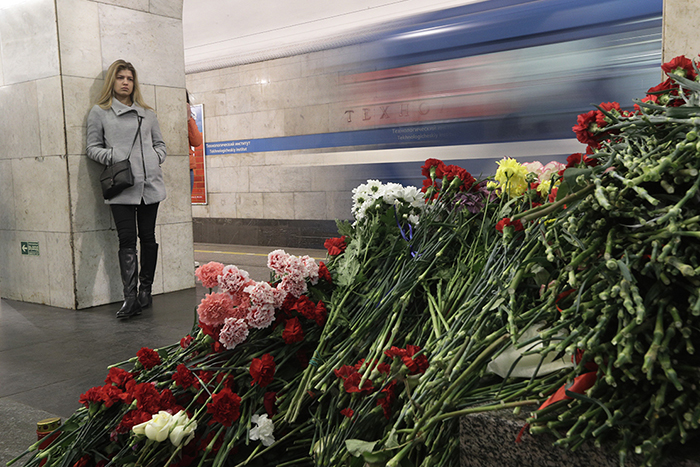
Five years have passed since the terrorist attack in the St. Petersburg metro. On April 3, 2017, in the stretch between Sennaya Square and the Technological Institute, 16 people were killed, including the suicide bomber, and more than a hundred people were injured.
“Paper” tells the stories of four participants in the events. Three victims and a volunteer recall the explosion, hospitals, aid groups, courts, and share the consequences for which there is no compensation in Russia - from burnout to panic attacks and PTSD.
Terrorist attack
Electromechanic Ruslan Tarasenkov is a metro employee himself. April 3 was his last working day before vacation. He stood at the end of that carriage.
“Everyone started going out through the windows.” I didn’t even really know what I was supposed to do in such a situation. Probably help, pump out - as some instructions say. But let those who write the instructions themselves be in my place. At that moment, my psychology said that an explosion had occurred. I saw that those who were able came out, and those who were lying in an incomprehensible position, I thought they were dead. And I feared for a second explosion. I looked around the carriage, saw that I was the last one, and that’s it - I went out through the window.
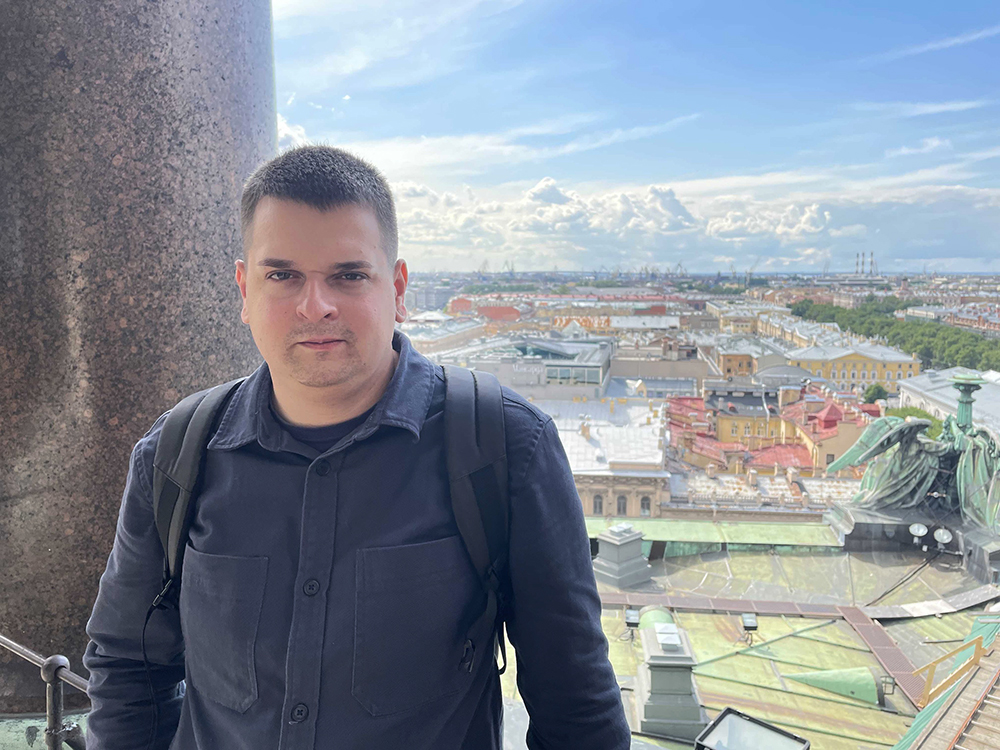
Marina Kochunova, a logistics manager, was sitting not far from the suicide bomber. She was then 29 years old. She was running errands during her lunch break.
“I plugged in my headphones, just drove calmly and looked at the phone screen. Well, then - nine days... darkness, probably. I didn’t hear or see the explosion itself at all.
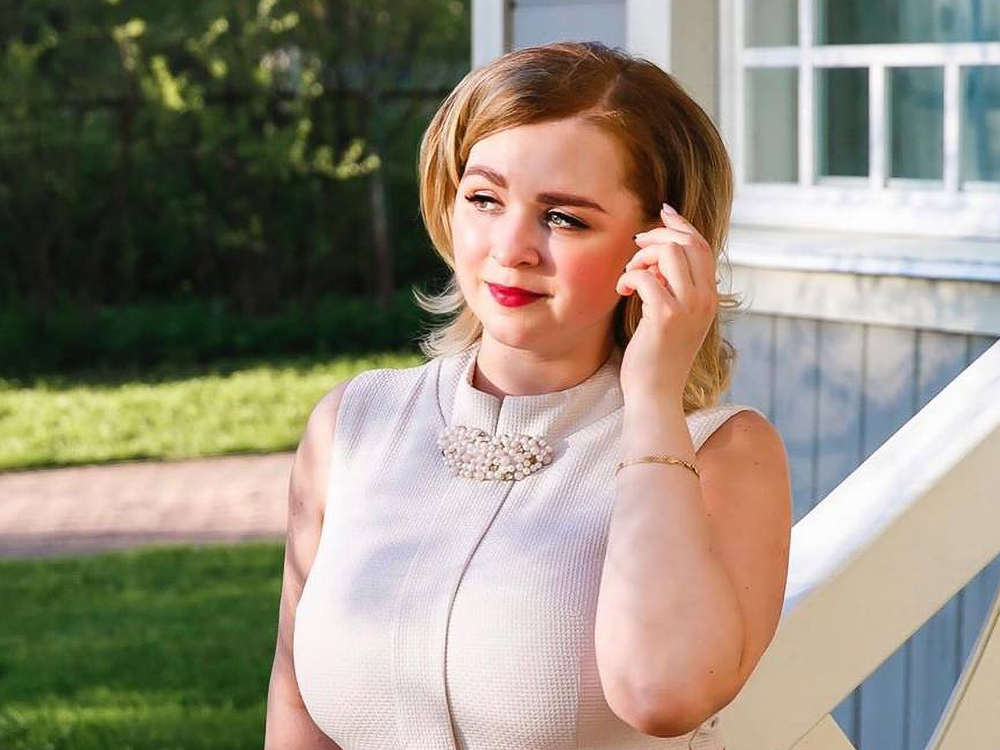
Student Tatyana Smirnova was returning from study. The blast wave knocked her laptop and phone out of her hands.
- At first there was a misunderstanding that this happened at all, what you were faced with. The last window there was broken, and in the dark we climbed out onto the platform through it.
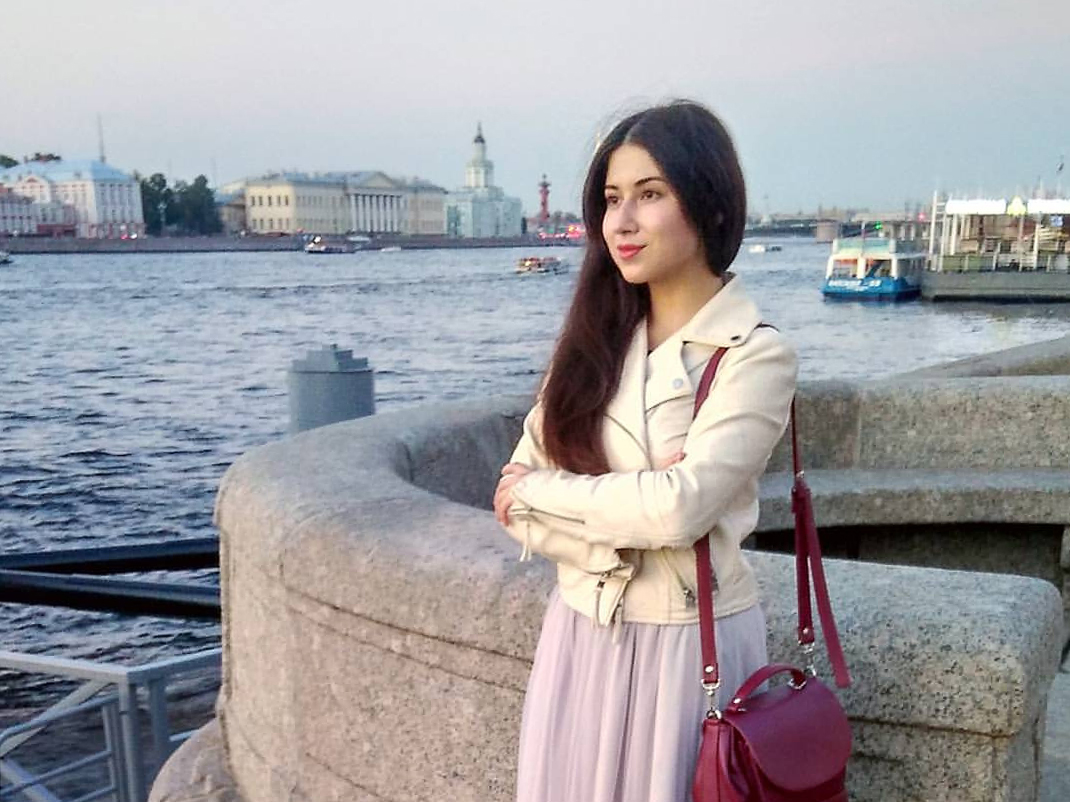
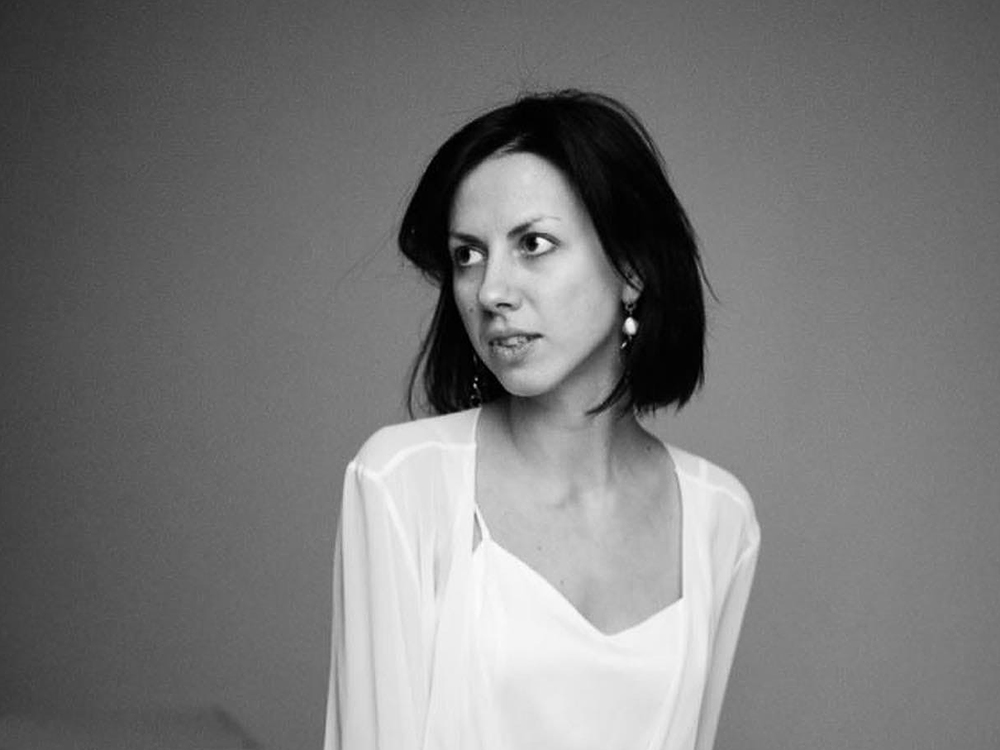
Lawyer Alexandra Shnaidruk learned about the terrorist attack at work.
“Anyone could have ended up in the carriage—either one of my relatives or me.” Our couriers deliver documents - we immediately started calling couriers. Because they could also end up on the subway. They found out that everything was fine with them. Then we all sat until late [at work]: the metro was closed, transport was overcrowded, it was impossible to leave. We read the news, worried, and I was consumed by this state.
The first weeks after the explosion
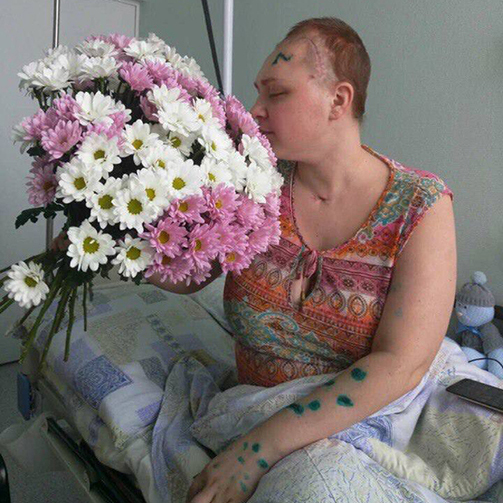
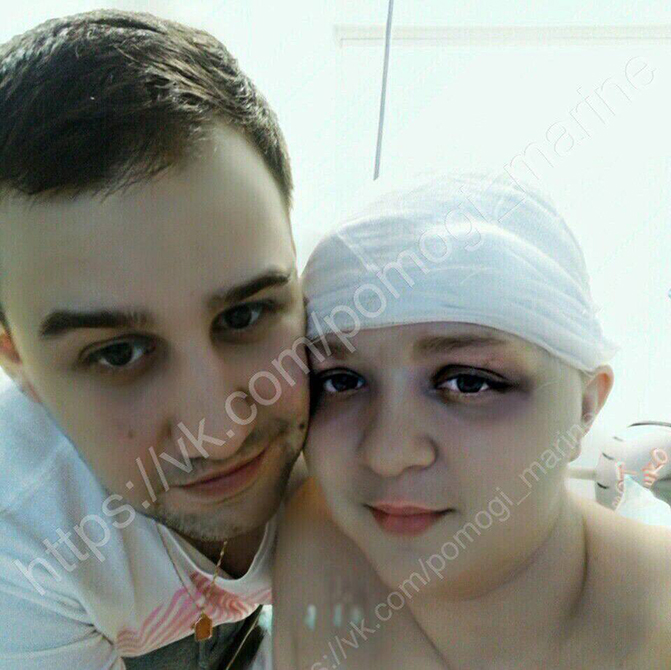
After the explosion, Marina Kochunova lost consciousness: she received an open head injury. The girl was taken by helicopter to the Dzhanelidze Research Institute of Emergency Medicine. She lay in a coma for nine days and underwent several brain surgeries. The forehead bone had to be replaced with a titanium plate.
“When I woke up in the hospital, I didn’t understand what happened at all. I understood that I was in the hospital, but why? My mother slowly explained to me what happened. I began to have some kind of, I don’t know, problem with the perception of reality: I was absolutely sure that I was in Arkhangelsk. I don't know, I've never been there. This is probably an attempt by the brain to take me away from the event that happened. Then I realized that they had shaved my head, I was lying covered in green paint, part of my forehead was missing - I tried to accept it.
Marina was also worried about her husband’s reaction - they got married in 2016:
“I thought: how will my husband behave?” Our men are like: “Oh, did something happen to you? When you get better, let me know.” But he was there all the time - both in the hospital and when I went to the sanatorium, and continues to support me in terms of health. And he simply understands many things.
In the first days after the attack, friends and relatives of several seriously wounded people organized groups to collect donations on social networks. Alexandra saw the groups of Marina Kochunova and Evelina Antonova - a girl who sat opposite the suicide bomber and received severe injuries and burns: social network users donated 3 million rubles for the operation to restore her face.
— First, I transferred 500 rubles to Marina Kochunova. Then I found out that there were more seriously injured people, older ones. And they don’t have friends or relatives with social networks to quickly create help groups. Antonina Iosifovna is the age of my grandmother, with whom I live, and Natalya Mitrofanova is the age of my mother. I created a general help group for them. In the first days, everyone was shocked, people said: “We want to help everyone, just tell us where to transfer. Either for treatment or for something else.”
Alexandra went to the hospital every day to help along with other volunteers. Over the next year, she coordinated the work of the social policy committee with the victims - so that everyone received rehabilitation and payments - and continued to lead support groups.
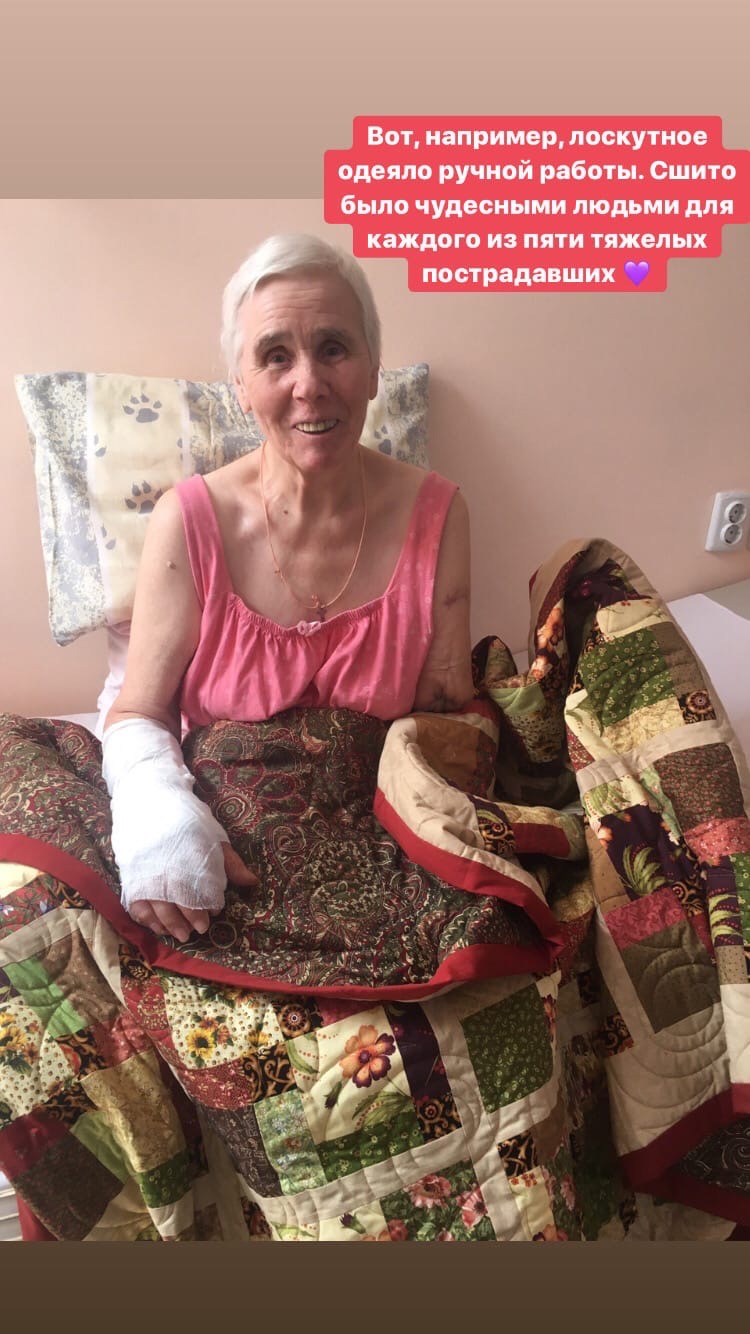
- It was a madhouse. There was practically no sleep, the child faded into the background. I took time off from work and rushed to the hospital. I walk around the floors and talk to each one: what’s going on, what kind of help is needed. And the gifts: someone sewed a patchwork quilt for each victim - we, the volunteers, gave them everything. They came up with gifts for birthdays - they met them in hospitals. We collected money and made postcards.
Marina spent four months in the hospital and still remembers with surprise the support from the townspeople:
— A lot of strangers came. It was a shock for me, because at that time I did not understand that this whole story had received such a resonance. One day a girl came to me who had come from Moscow on a business trip and came to visit me. The children wrote me some notes, they brought me gifts and flowers. The whole window sill was just filled with gifts.
Tatyana was not physically harmed by the explosion; her clothes were only slightly burned. But she stayed in the hospital for ten days.
— I was treated in the neurosis department. There was also post-traumatic disorder - like almost everyone who gets into such disasters.
The explosion in the subway affected Ruslan's vision. But he left the hospital on the second day - under his own responsibility.
— There was a shock wave, a concussion. Apparently, something had shifted in my eye: I began to see worse, there was blur in my eyes. Some medications were prescribed, and I took them. I mainly had my head treated by a neurologist. As I understand it, there was an unspoken instruction from St. Petersburg that the victims be provided with all medical services to the maximum. Because the doctors almost led me by the hand without queues. I liked this help, it was necessary. There was a comprehensive examination that revealed my personal ailments that needed to be corrected. “ Interrupted Flight ” provided me with financial assistance: they paid for expensive medications when my own funds were already running out, and there was still a long time before my salary. Thanks to them and those who donated money.
The first funds raised, according to Alexandra, went to “consumables” and became a financial cushion “for the future.” Volunteers collected donations - from diapers to gifts - throughout the city. "I I met people and took these bags to the hospital,” recalls Alexandra.
The same funds were used to pay for a nurse for the victim Antonina Iosifovna. “Her daughter lives in Gatchina with her disabled son,” says Alexandra. “She [the daughter] couldn’t go to St. Petersburg every day. And care was needed from morning to evening - the elderly man was left without an arm.”
Alexandra believes that it was important to organize help groups as quickly as possible - payments from the state need to wait for several months, but people, on the contrary, are ready to help while the tragedy is being heard:
— If at first there is increased attention, then everything is forgotten a little, the media stop writing. Although the problems for the victims are just beginning, in fact.
Reactions and payments
“In 2017, I was very infuriated by what people wrote in the comments,” recalls Ruslan. — Let’s say there’s a news article, a photograph of a torn carriage, and people there start writing that it’s fake, actors, some kind of training. I began to answer: “I got out of this carriage, my hair was burnt, my jacket was torn. Meet me and I’ll tell you what kind of actor I am.”

Marina’s support group received many similar messages. At first, the husband did not show them to the girl, so as not to upset her.
— When I found out about this, I was indignant: do you mean it’s fake? I'm lying with a hole in my head, what are you guys even talking about? How much did I have to pay to get my head smashed?
Immediately after the terrorist attack, the government of St. Petersburg announced the payment of material assistance to the victims: the families of the victims - 1 million rubles each; for those who received severe and moderate injuries - 500 thousand rubles; lightly wounded - 250 thousand rubles. In addition, according to the law, the victims were supposed to receive approximately the same amount from the federal budget. The metro assigned its own payments to the wounded separately.
But two problems arose with all this money, summarizes Alexandra Shnaidruk: it took months to process it, and the victims were not entitled to it at all.
— They said on TV that all payments had been made before they reached people: regional payments arrived in May-June, federal payments in July. Until they arrived, we continued collecting on social networks. We simply needed money for diapers. And they wrote to us: “You are scammers! They said on TV that everything has already been paid!”
To receive compensation, it was necessary to undergo a forensic medical examination. It is she who assesses how seriously a person has suffered. In Ruslan's case, the expert concluded that as a result of the explosion he suffered minor health damage - concussion.
Tatyana Smirnova and many other passengers of that train who submitted documents for compensation were not recognized by the examination as victims.
“Another woman and I were denied all compensation,” says Tatyana. “The examination did not reveal any damage to my health, despite ten days in the hospital and a course of psychotherapy. We have a huge gap in legislation. Harm caused to physical health is considered damage, but damage caused to mental and mental health is not considered. In this I felt injustice and disrespect for myself.
“I was amazed: there were people in that carriage who were officially recognized as victims in a criminal case,” recalls Alexandra Shnaidruk. — Some, for example Nadezhda Sosedova, Tanya Smirnova, were in the hospital for a week, but no harm to their health was established. Abrasions are taken into account, and a week's stay in the hospital does not even amount to minor harm to health.
Four months after the terrorist attack on the metro, Alexandra organized a petition demanding compensation for 25 passengers who needed medical assistance, but the examination did not recognize them as victims:
— To get psychological harm, it is enough to be in this carriage, to see everything. The victims told terrible details. But here, according to the law, this is not taken into account in any way, and this is strange. Because there is such a thing - “post-traumatic disorder”. On a psychological level, trauma can emerge in six months, in a year.
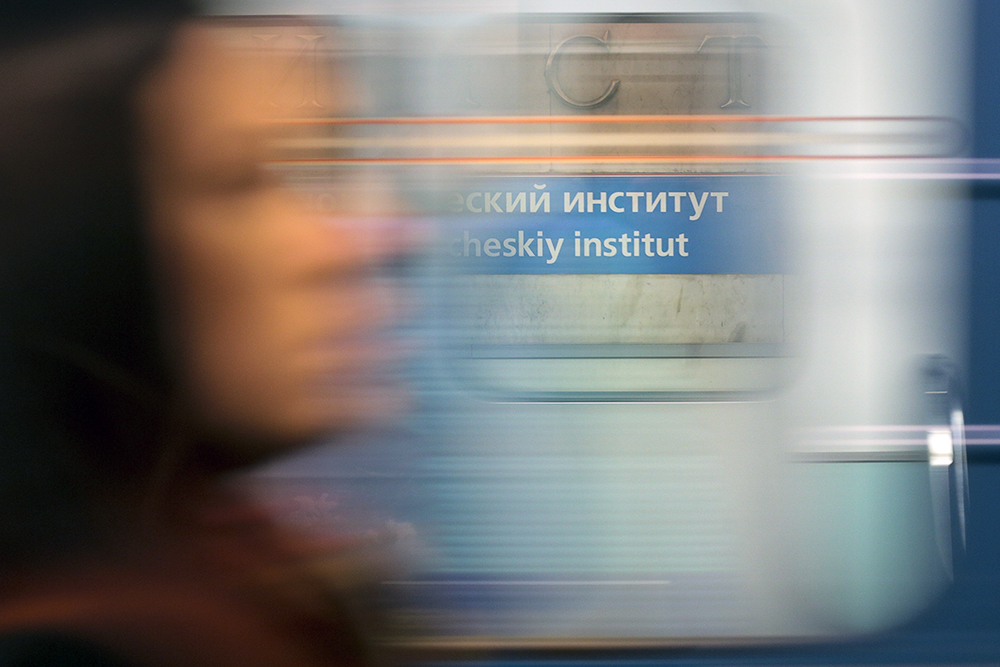
After being discharged from the hospital, Tatyana worked with a psychotherapist and learned to control panic attacks:
— An acute reaction occurs: your heartbeat quickens, a lump comes to your throat, you want to cry, it’s unclear why. You simply experience an overwhelming feeling of fear, panic and as if death is approaching. Everything is blocked for you - and your body becomes very, I don’t know how to say... heavy.
The petition attracted attention: it was signed by almost 160 thousand people. Alexandra, as the girl says, received a call from Smolny and was offered a compromise: the St. Petersburg Social Policy Committee agreed with the Interrupted Flight charity organization that they would hold a separate collection and pay everyone who was rejected from 50 to 150 thousand rubles.
“In September 2017, Interrupted Flight paid us compensation,” confirms Tatyana. - Many thanks to them. But this is not exactly the goal we set. I don’t think that special funds should be entirely involved in this.
Some of those seriously injured in the explosion, compensation and donations, were allowed to undergo cosmetic surgery, undergo rehabilitation in the best sanatoriums without a queue, and get the most modern prosthesis. Marina Kochunova was treated for free, she was able to recover from her injuries in four months and saved the money for new housing.
— The money that I received in the form of compensation served as a kind of emergency work , which allowed my husband and I to buy an apartment, some was left for furniture. They contributed to our improvement.
Life after the attack
“I’m lucky that I didn’t become a “vegetable” after a traumatic brain injury, that I can communicate, connect sentences,” says Marina. “When I was in the rehabilitation department, not a single doctor could give any prognosis.
In addition to the head injury, Marina had an open fracture of the tibia - at the age of 29 she had to learn to walk again.
“I understood that I had to [step], but fear arises: you are afraid to step on your injured leg, because it is, in general, immobilized and has forgotten some functions. I walked on crutches; for a long time I could only move in a wheelchair.
After treatment and rehabilitation, Marina never returned to work - she could not bring herself to take the metro from Pushkin, where she lived, through the Technological Institute and Sennaya.
“I just had something squeezing inside me, a bundle of nerves... But at one point I had to run errands, and I went into the subway. And off she went. My husband was just at home, I said: “Can you imagine, I just drove through the Technological Institute alone!” He’s like: “What, were you worried?” - "No!" This was in May 2019.
Now Marina, despite her disability, does not feel any physical limitations. She still has scars, traces of bedsores, her facial features have changed, but she considers herself lucky - that she did not see the explosion and its terrible consequences, and did not have time to get scared. In the fall of 2021, Marina sued the St. Petersburg metro for another 1.5 million rubles: compensation for moral damages and a fine for improper performance of official duties by metro employees.

Ruslan did not sue the metro:
“I think the state is to blame. Now we all see how our frames squeak and [passengers] are constantly jerked. I receive moral humiliation that they force me to walk in this frame.
The mechanic filed a claim for compensation for moral damages against the defendants in the terrorist attack case. But the court left it without consideration.
“I filed it [the lawsuit] along with my appearance in court. I asked the court secretary to be called to the announcement of the verdict to all persons. As a result, they forgot about me, a month later they told me that the trial had already passed.
After a year of volunteering, Alexandra helped victims in the courts for free as a lawyer. She fought three cases of moral damages against the metro - she won all three.
— In Russia there is a rather sad practice of collecting compensation for moral damage. Usually these are insignificant amounts: you can claim any amount, but the court reduces it to ridiculous amounts. But we collected more or less [suitable] for our realities: for injuries of moderate severity - 300 thousand rubles. I believe that if there is a legal opportunity, you should go and get this money. You can spend it on anything: if you don’t need it for treatment, you have every right to spend it on yourself.
After the trials, Alexandra burned out and stopped monitoring the fate of the victims of the terrorist attack.
“I had to keep myself in good shape.” If we cried about the serious condition of each victim, it would be impossible to help them. At some point I seemed to burn out. Over time, I moved away from all this a little, now I am only ready to provide legal assistance - I just ran out of resources, I started having nervous breakdowns. I tried to return to my life, to normal. It's very difficult.
But Alexandra remained in warm relations with those whom she helped and whose interests she defended: “We are now happy for each other, congratulations on their weddings, on the birth of children.”
Tatyana Smirnova became a teacher. She wrote her master's thesis on global practice of supporting victims of terrorism - she hopes that the best examples can be applied in Russia.
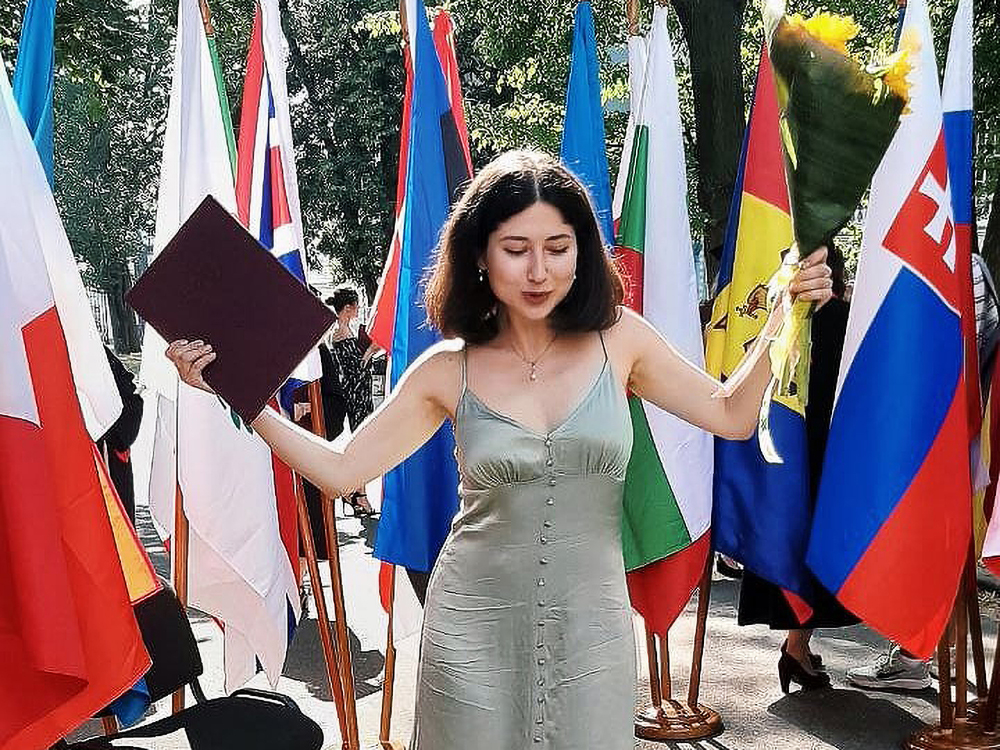
“We want that, according to the law, any person who has suffered harm to their health, both physical and mental, can receive all the necessary help and support from the state,” says Tatyana. — It is necessary to supplement the Federal Law-35 and take into account the experience of other countries, for example France, where the legislation takes into account the complex concept of health.

We worked on the material
The author of the text is Ekaterina Alyabyeva, the editor is Tatyana Ivanova, the visual producer is Maria Slepkova.
Cover photo: Dmitry Lovetsky / AP Photo
What else to read:
- How St. Petersburg lived the first year after the terrorist attack on the metro. Special project "Papers" .
- “They missed a terrorist, but they blame us!” How the defendants were sentenced in the case of a terrorist attack on the St. Petersburg metro - in the report of "Paper" .