
Translated material
“From the very beginning, you foresaw the coming horror. The nightmare that tormented you was stronger than all of us. ” As a satirist Karl Kraus became a chronicler of German shame
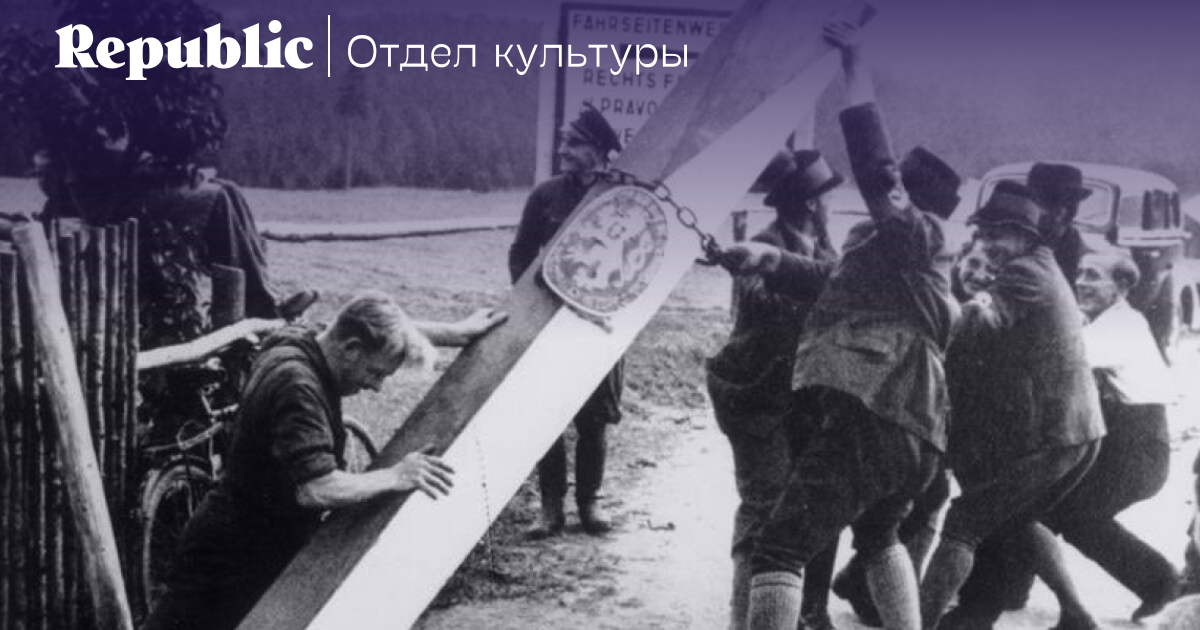
An irreconcilable fighter with Nazism and a stinging satirist, Karl Kraus was a brilliant writer-playwright, poet, lecturer and tireless polemicist. His works are considered one of the highest achievements of German -language literature and journalism of the first half of the twentieth century. The Viennese scandalist meticulously recorded that nightmare and shame in which the German -speaking world fell through at the beginning of the twentieth century. He was the best chronicler of this world and almost the first to foresee the catastrophe who suffered the culture of Goethe and Schiller.
Karl Kraus was born in 1874 in the Czech Republic, which has long been part of the Austro-Hungarian Empire, in the wealthy Jewish family of the owner of the paper manufactory Jacob Kraus and Ernestina Kraus, in the girlishness of Cantor. In 1877, the family moved to Vienna. Mother died in 1891. The next year, Karl entered the University of Vienna, but two years later he was disappointed in jurisprudence and switched to the faculty of German literature, where he immediately found himself. True, he did not hold out to the end and quit his studies to become a civilian worker of the pen.
He began his career in the newspaper Vienna Literary Review, and a little later he began to work as a metropolitan correspondent at Breslaueer Zaytung. He was attracted by journalism on the anger of the day, and his inclined to notice small details of a sharp eye and no less sharp tongue longed for worthy use. In 1896, Kraus joined the group “Young Vienna”, which included the most progressive writers of the capital of the Empire of the FIN de Siècle era, such as Peter Altenberg, Arthur Schitzler and Hugo von Hoffmanstal, which later became legislators of the Vienna literary fashion. But a year later he broke with them and ridiculed them in the essay “Literature for Demolis”, which brought him first fame. The metropolitan public did not cease to admire the authors from the “young vein”, who boldly overthrew the petty -bourgeois foundations, but appreciated passion, irony, ulcerativeness and possession of the word of young talent, which soon became a lady.
"Torch" and murderous aphorisms
In 1899, relying on his father's capital and his own dexterity, longing for an independent statement and recognition, Kraus founded his own magazine “torch” , which became the hand of his ideas, and he - his irremovable leader. It was a tendentious and subjective publication, but this was his highlight. The “torch” was one of the most independent (except for its full dependence on the tastes of the editor-in-founder) Vienna editions, interest in it was huge, its individual circulations reached 40 thousand copies.
On the pages of “Torusla”, Kraus ridiculed the hypocrisy of politicians, denounced corruption at the top and bottoms, nationalism of compatriots, even then taking quite dangerous forms in the form of Pangermanism and non -Suscoming anti -Semitism. And also mercilessly criticized the tendentious journalists who do not report the information impartially, but presenting it under some sauce. Crowning and dependent journalism became the main enemy of Krouse, he was seriously worried about the “black magic of the press”, which he very correctly evaluated the influence of which on society. The Viennese public also got - for her philistinism, poor taste, excessive sensitivity, love for new -fiber psychoanalysis and other "innocent" sins.
Kraus turned out to be very perspicacious: it is this audience in 40 years that will screech with delight at the sight of Nazi young people entering their city.
Subscribe to read the whole
Make a subscription Redefine.media to read Republic
Subscribe [you can pay for a Russian or foreign card. The subscription is extended automatically. You can unsubscribe at any time.]
Where are the money subscribers going