
Translated material
Rape as a weapon of war
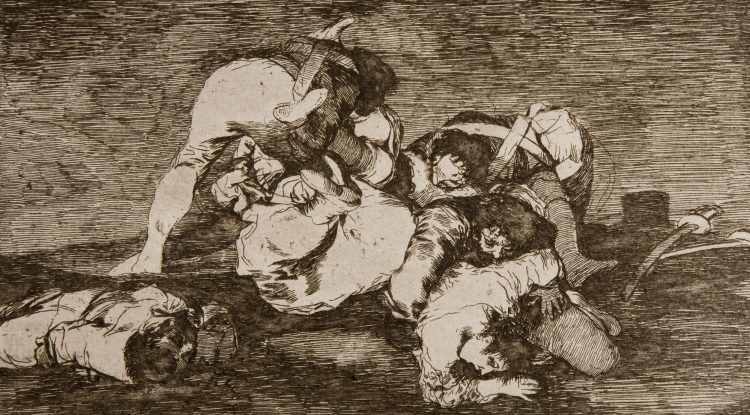
Why during armed conflict women are more often subjected to sexualized violence
Why does sexualized violence against women become more during wars, how does this affect the physical and psychological health of women and is there a punishment for this? "Cold" studied studies of international human rights and public organizations.
Events in Ukraine
After the retreat of the Russian troops from the Kiev region in Buch-a small satellite of Kiev-dozens of murdered civilians were found, which is confirmed by numerous photographs and videos of international journalists, recordings from drones.
Talking about the details of life during the occupation, the locals spoke not only about the murders and torture of people by the military, but also about the rape of women. According to the Prosecutor General of Ukraine Irina Venediktova, in other cities of the Kiev region, which were controlled by the Russian military, there may be even more cases of violence.
The international human rights organization Amnesty International has presented evidence of more than 20 residents of settlements in the Kiev region who talked about extrajudicial executions, violence by the Russian military, including sexualized, and intimidation of civilians. For example, a woman from an unnamed village near Kiev reported that on March 9, two soldiers shot her husband, and she was raped several times. The report of Human Rights Watch also shows the story of a resident of the village of Malaya Rogan of the Kharkov region, who said that on March 13, a Russian soldier beat her, raped and cut her face and neck several times.
How many women have already suffered from sexualized violence during the military conflict in Ukraine is unknown. But the longer the war is, the more the facts of such crimes are revealed.
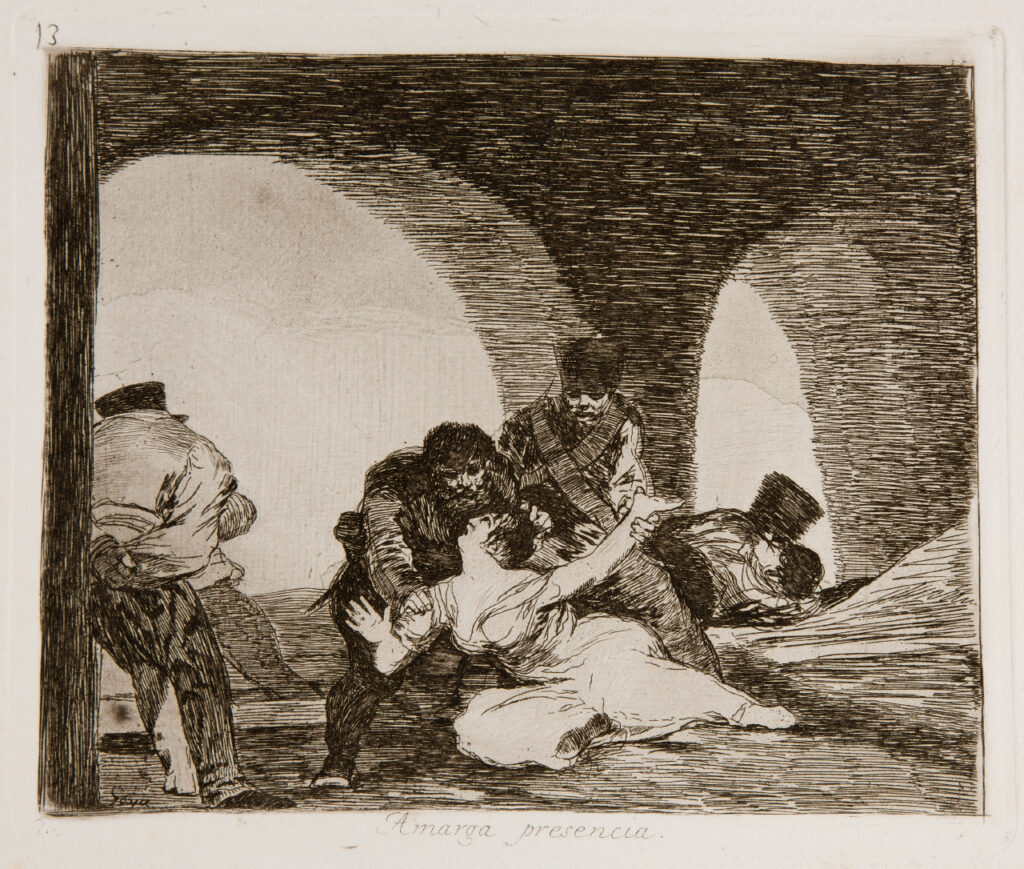
Rape during past wars
Women and girls during military conflicts are in a particularly vulnerable position. During the war, the concept of masculinity is often associated with aggression and femininity - when a woman and her body become a “territory of conquest,” the Unicef report says . Sexualized violence in wartime is much more cruel, it is often connected not with sexual desire, but with the desire to demonstrate power and dominance.
According to the report of the Geneva Center for Democratic Control over the Armed Forces, armed conflicts in any part of the world, whether it be Africa, Asia, America, Europe or the Middle East, continue to be accompanied by sexualized violence against women. Deliberate rape as part of hostilities was used in conflicts in Korea during the Second World War, in Bangladesh during the war for independence, as well as in armed conflicts in Algeria, India, Indonesia, Liberia, Rwanda and Uganda, the World Health Organization writes in his report. In Bosnia and Herzegovina, during the conflict from 1992 to 1995, according to various estimates, from 10 to 60 thousand women were raped.
One of the high -profile precedents in the history of modern Russia was the events of Chechen wars. For example, on February 5, 2000, during the second campaign, the Russian troops conducted a “cleansing” in the village of New Alda: eyewitnesses said that in the morning the police of the police were included in the village. According to them, more than 50 people became victims of extrajudicial reprisals. Human Rights Watch human rights activists also collected evidence of women's rape, in their report they cited data about six victims. This is what women said:
“Aina Mezhidova helped to wash the bodies of some women who died during massacres in Alda on February 5 and when shelling the village. She informed the representatives of Human Raits Voch that 19-year-old Zina (the name was not disclosed), who helped her to wash one of the dead, told her that she was raped “many times”, leading “from the yard to the yard”. According to A. Mezhidova, the girl lived in Alda with one of her male relatives, who was not at home when soldiers came. "
“According to her, when Y on February 9 went to Alda to visit relatives, she found one of them in the basement near their house in a completely depressed state. She was told that around noon on February 5, her relative with three other women went to check their homes in the upper part of Alda and were captured by Russian contractors, who allegedly raped them alternately; The soldiers were 40-50 years old, they were with shaved heads and wore beards, two had bandages on their heads. There were 12 soldiers, and “many” raped. Y said that women were also forced to sex. ”
Women are raped in their homes, on the street, in captivity, during the loeces, attacks on civilian objects, the Geneva Center for Democratic Control of the Armed Forces points out . They are attacked even at that time, while they are doing ordinary household chores - they collect water or collect firewood in the courtyard of the house, cook food.
Violence happens inside communities and refugees communities. According to the report of the World Health Organization, among those who fled from Vietnam by the sea in the late 1970s and early 1980s, 39% of women were abducted or raped by pirates, and this figure is most likely underestimated. Inside the communities of refugees in Kenya and Tanzania, rape still remains a big problem. Also, refugees are often forced to engage in sex work to earn money or get food, housing or “protection”, noted in the Unicef report .
Sexual slavery is another form of gender violence that women and girls face during armed conflicts. In some countries, they were abducted and transferred to the fighters as “wives” as “reward”. And in Guinea and Liberia, humanitarian workers and peacekeepers resorted to the sexual exploitation of women, girls and boys, exchanging their “services” for food. During the Bosnian war in the vicinity of the city of Vishegrad, Vilina Vlas Hotel acted , where the military kept in prison, beat, tortured and raped mainly young girls.
Why during military conflicts women are subjected to violence
For a long time it was believed that the military perceive the woman and her body as a trophy and a military award. However, over time, rape began to be used as tactics during the conflict, so that:
"Blur" an ethnic group. In some cases, forced pregnancy is a deliberate strategy of the armed forces to destroy ethnic groups, when women and teenage girls are held against their will and are repeatedly raped until they get pregnant. This was , for example, during the war in Bosnia and Herzegovin: women were raped, kept in sexual slavery and tortured in the so -called “rape camps”;
intimidate the civilian population and force to relocate from their territory;
Get the necessary information. The Nobel Women's Initiative provides data on the rape of women during the disarmament of the population - to find out where the caches with weapons are located;
Strengthen the connections within the military unit. During a series of military conflicts, recruits were forced to perform unlawful or prohibited actions, in particular rape, as a certain rite of “initiation”. In order to rally fighters, the practice of group rape was also often used - in this way, soldiers decrease the sense of personal responsibility for the crime, and the victim has less chance of identifying criminals.
The causes of rape, as the International Red Cross indicates , can also be the general environment of impunity and the lack of clear orders or instructions.
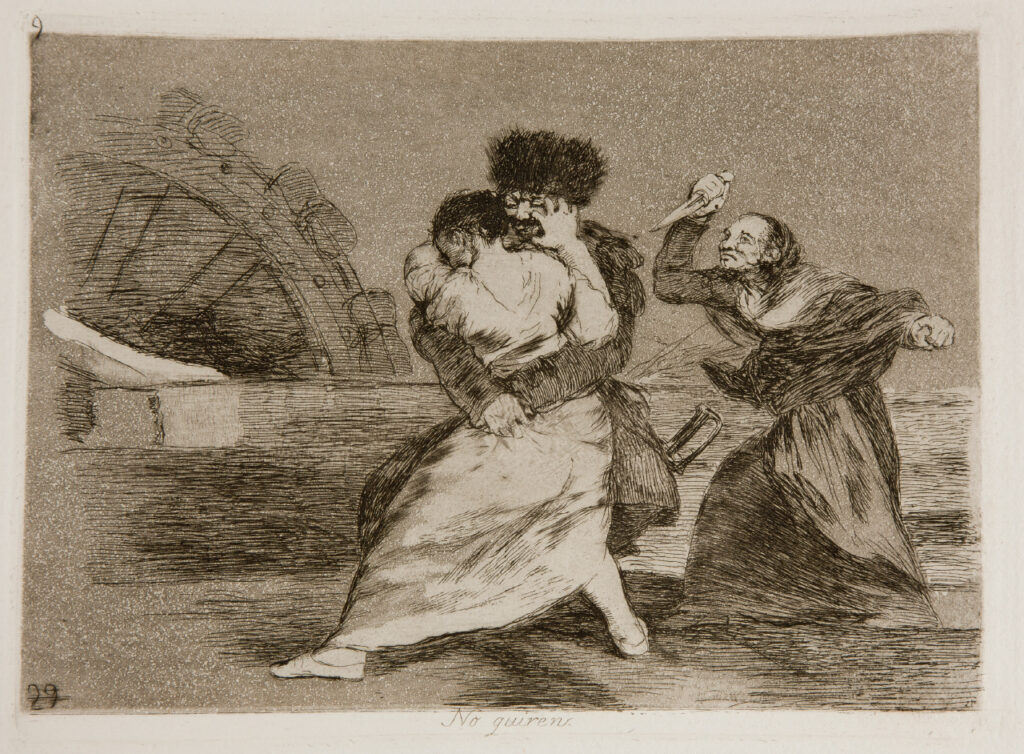
Is it possible to hold guilty accountable
Rape during armed conflicts are considered a war crime. Article 4 of the protocols of the II conventions prohibits “at any time and anywhere <...> abuse of human dignity, in particular, humiliating and insulting treatment, rape, coercion to prostitution or obscene encroachment in any form.” At the international level, the sentences for war crimes are senten by the International Military Tribunal. Depending on the severity of the crime, the court may be sentenced to 30 years in prison (in exceptional cases - lifelong opinion), a fine or confiscation of property received by criminal means.
For war crimes in Russia, punishment is provided in accordance with the Criminal Code. For example, for brutal treatment of prisoners of war or civilian population, the deportation of the civilian population, the looting of national property in the occupied territory, the accused can receive up to 20 years in prison. However, there is no separate mention of rape during a military conflict in Russian legislation.
In practice, an investigation of cases of rape of women during armed conflicts and bringing cases to the sentence to the accused is a rather difficult practice. As the International Red Cross indicates , it is often impossible to identify such crimes, as well as to collect confirming evidence. Another reason is that international courts and tribunals usually judge high -ranking officials. It is difficult to prove their responsibility for the crimes that committed their subordinates, especially if the bosses did not give orders on this subject and simply tolerantly treated sexualized crimes.
In addition, crimes against sexual integrity often remain “invisible”. The victims rarely talk about them because of guilt or shame, fear of revenge or because this topic is taboo. So, for example, Human Rights Watch in his report on violence against women in the village of Alkhan Yurt during the Second Chechen War write about the difficulty of receiving certificates:
“In Chechen society, there is a strict taboo on the disclosure of cases of sexual violence. Muslim culture and national traditions of Chechens strictly regulate relations between men and women, and inappropriate behavior is subjected to strict, often physical punishment; The use of a clearly obscene language in the presence of women is considered a serious insult. The unmarried victims of the rape, most likely, will not be able to get married, and with married women who have been raped, husbands will most likely divorce. These factors make it difficult to document rape and sexual violations in Chechnya. ”
Comments of local residents confirm this. “Many women were raped, but our people will not talk about it - these women still need to get married,” one of the witnesses of events told human rights defenders.
“Seven contractors raped a woman from our village. It was cruel. Her family lives next to the cemetery; There are few people left in that part of the village. They (soldiers) pulled her husband out into the street and raped her. The woman is not young, she is forty -two or forty -three. I know what her name is, but this is against our tradition - to call her, ”said another local resident.
The consequences of sexual violence
Cruel rape can lead to various kinds of injuries, tears of tissues and organs and infertility. Some women are infected with sexually transmitted diseases, including HIV. Moreover, in some countries, women do not have access to quality medical care and therapy or this access is limited.
Also, as a result of rape, serious psychological problems, such as depression or suicidal behavior, may appear.
Sexualized violence has serious social consequences. Often raped women, as well as children born as a result of rape, are subjected to stigmatization. They can even kill their family members for the “shame” and “tarnished reputation” brought to the family - these are the so -called “murders of honor”, common in some regions, for example, in the North Caucasus .
Physical and psychological injuries are rarely completely cured at the end of the military conflict, the Unicef report said, and the victims of sexualized violence return to normal life with difficulty.