
Translated material
"The rookie's room looked at the muzzle of the tank" in the window of the room "
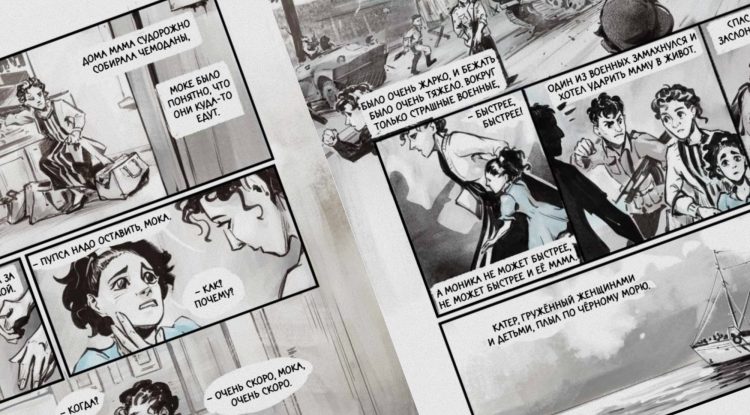
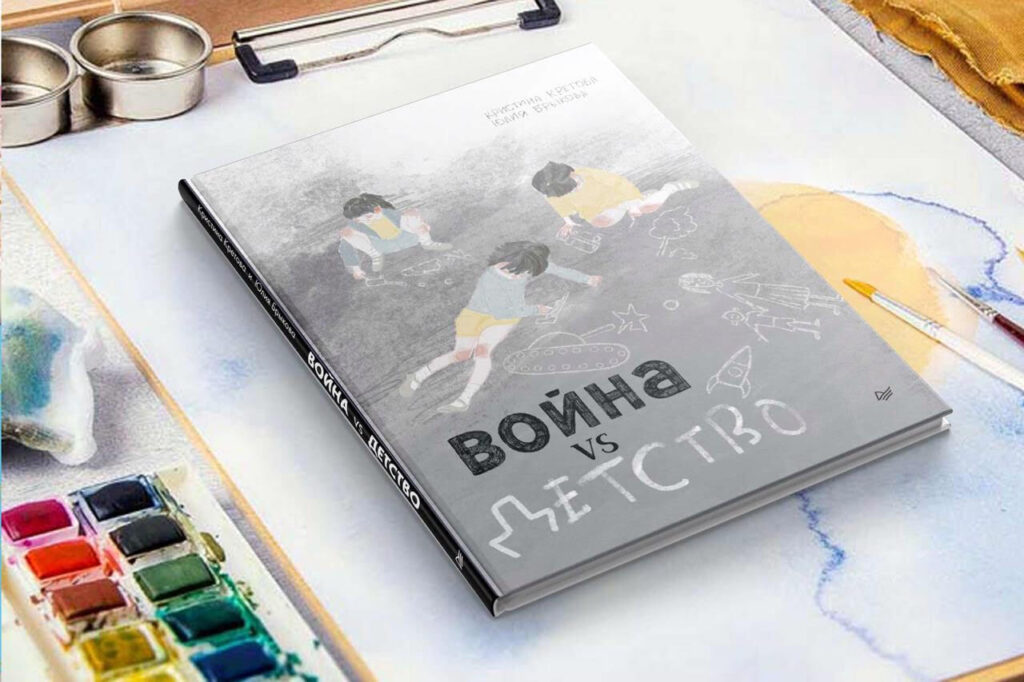
The graphic novel “War VS Childhood” shows the war through the eyes of children. This is how it looks like
In early April, the second circulation of the graphic novel “War VS Childhood” Christina Kretova and Julia Brykova was released at the Publishing House of Peter. In it, the wars of recent decades are shown through the stories of children who experienced these events from different sides of the conflict. "Cold" publishes one story from the book and an interview with her co -authorship Christina Kretova.
Chapter from the book “War VS Childhood”: the war in Abkhazia through the eyes of the Sukhumian girl Monica
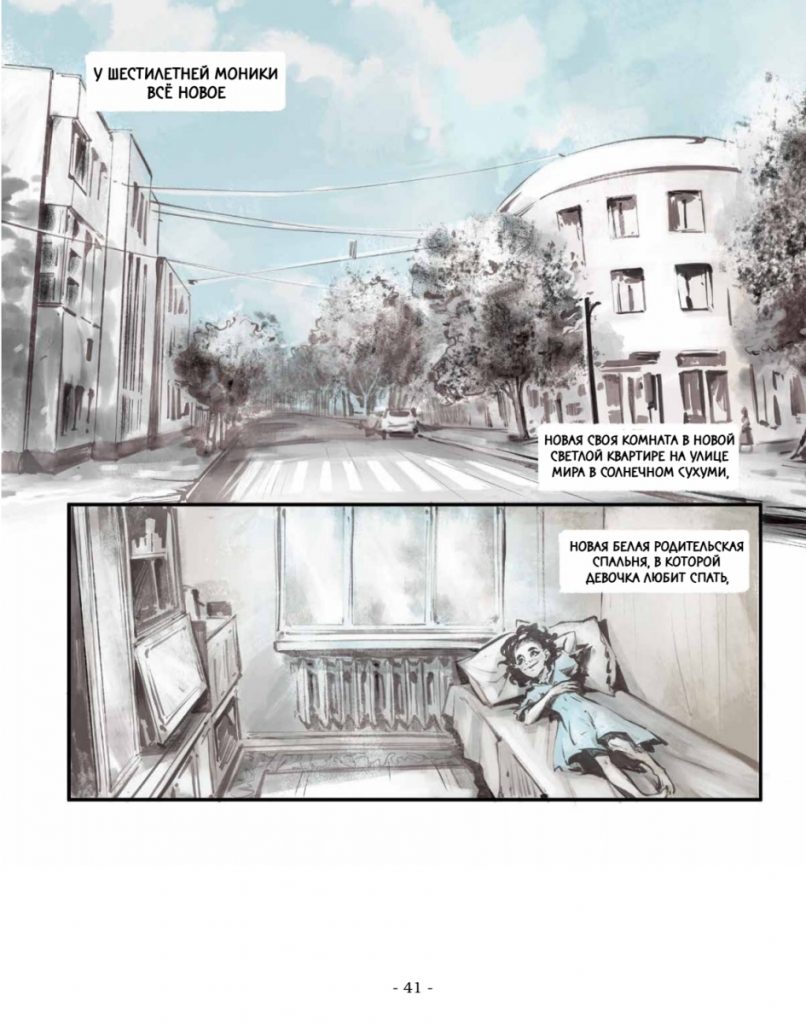
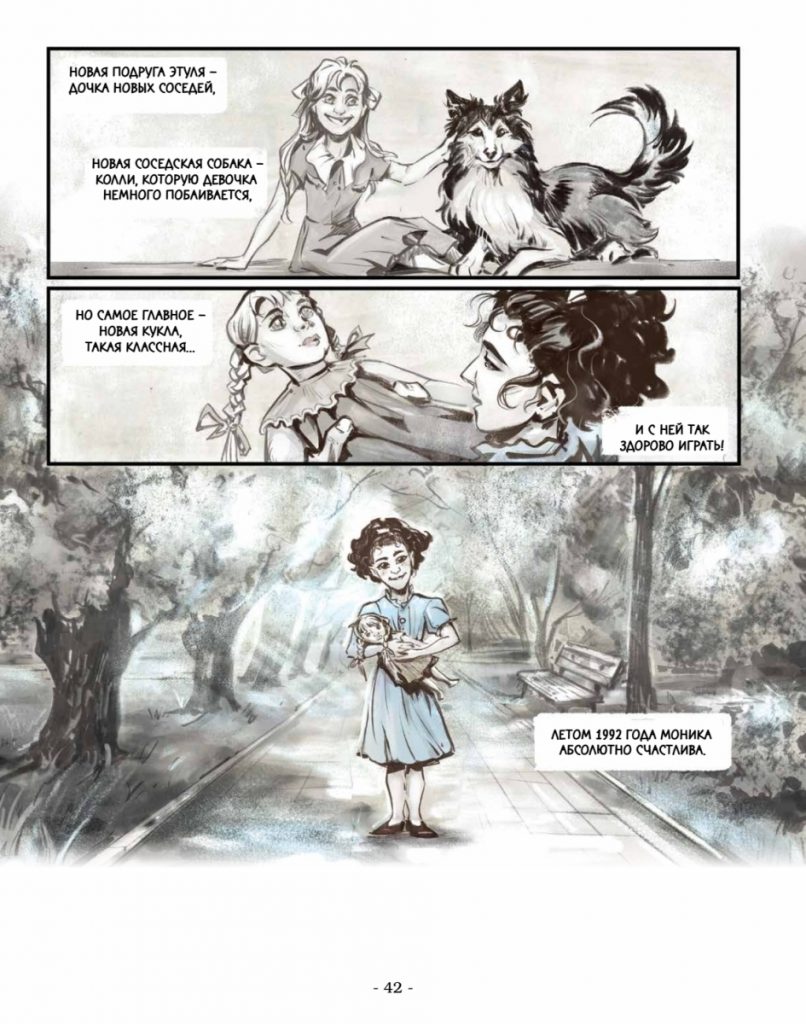
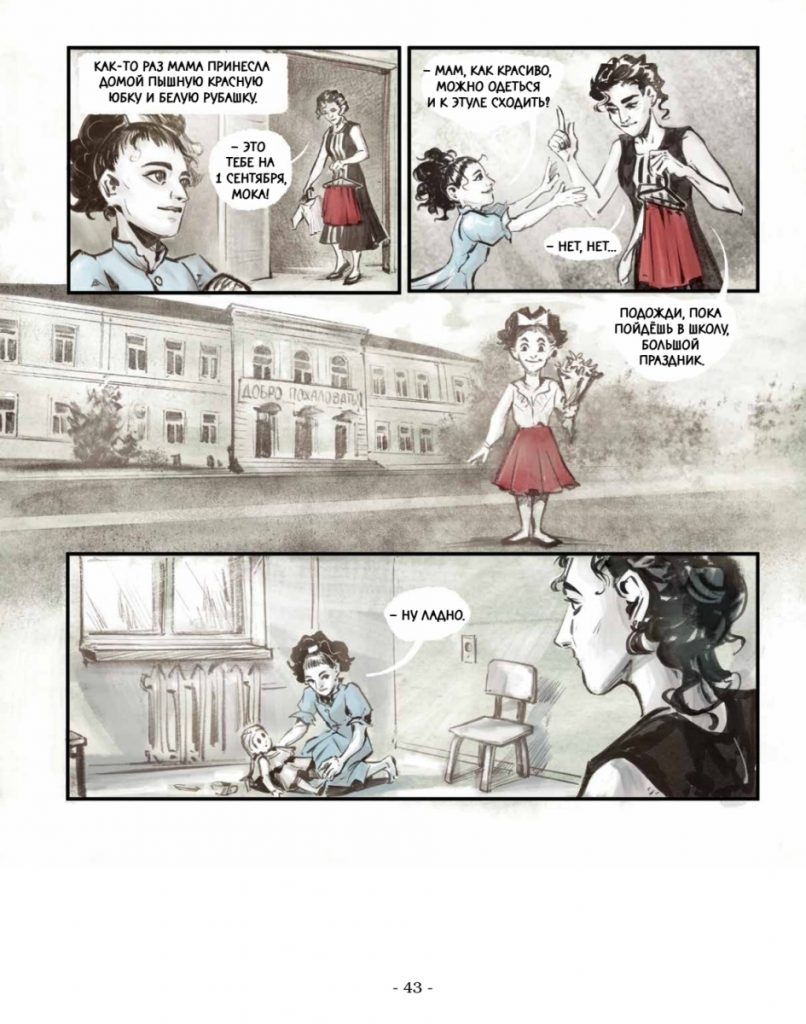
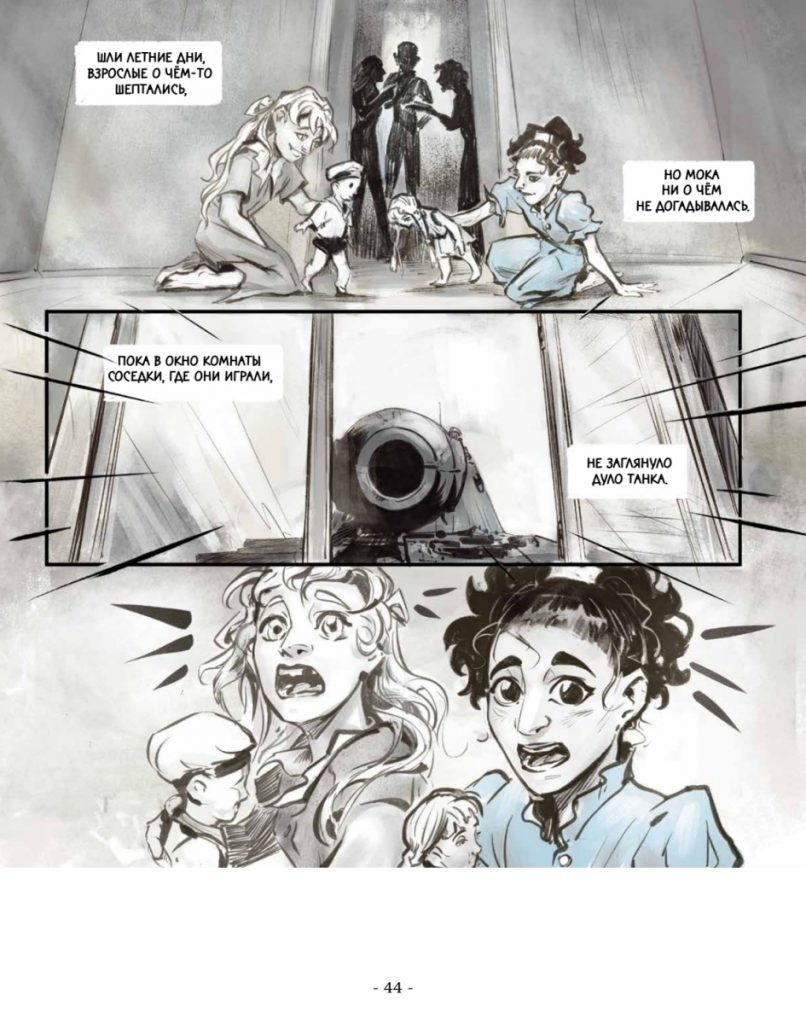
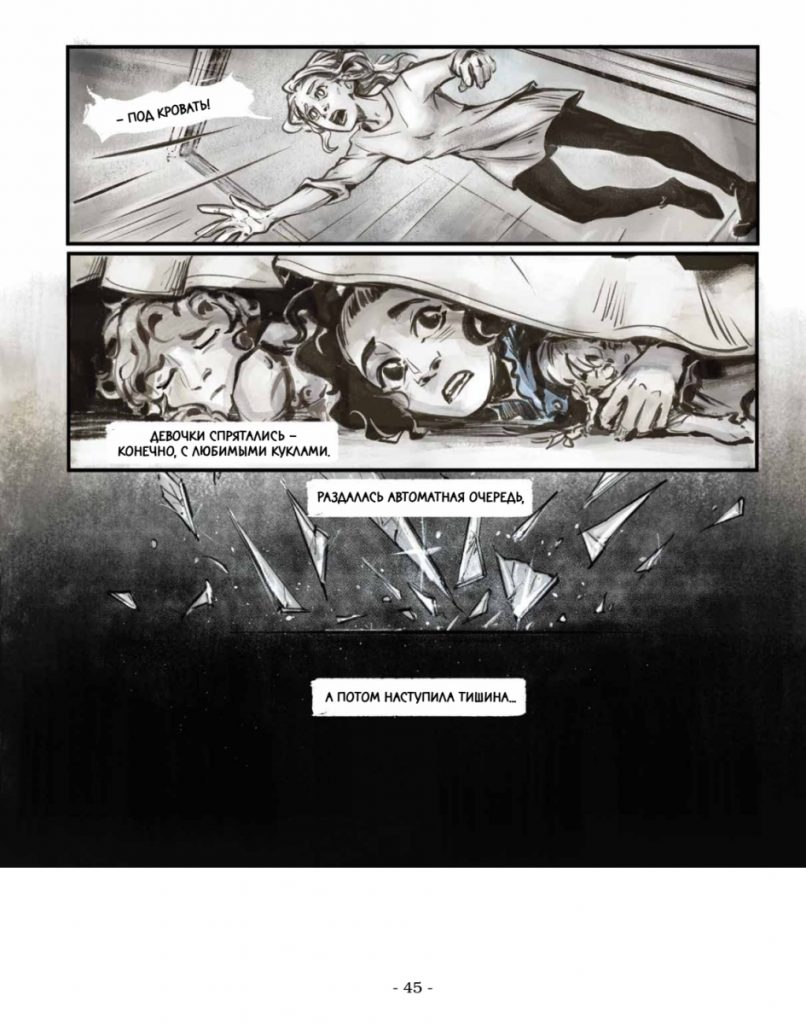
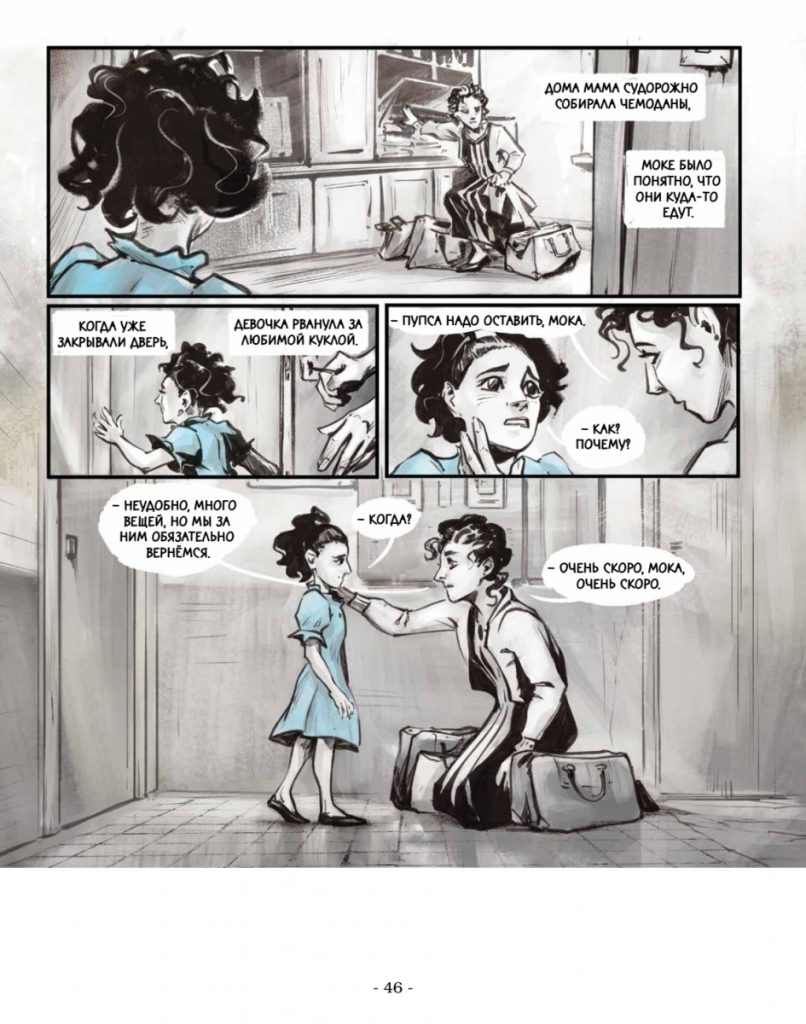
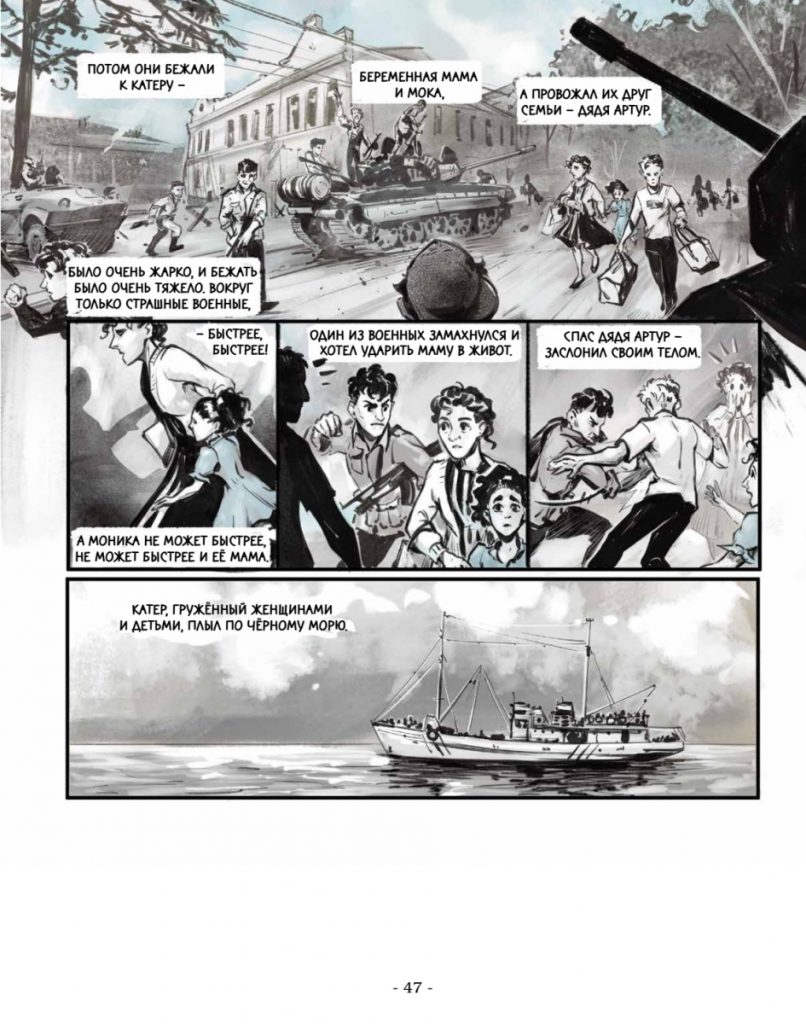
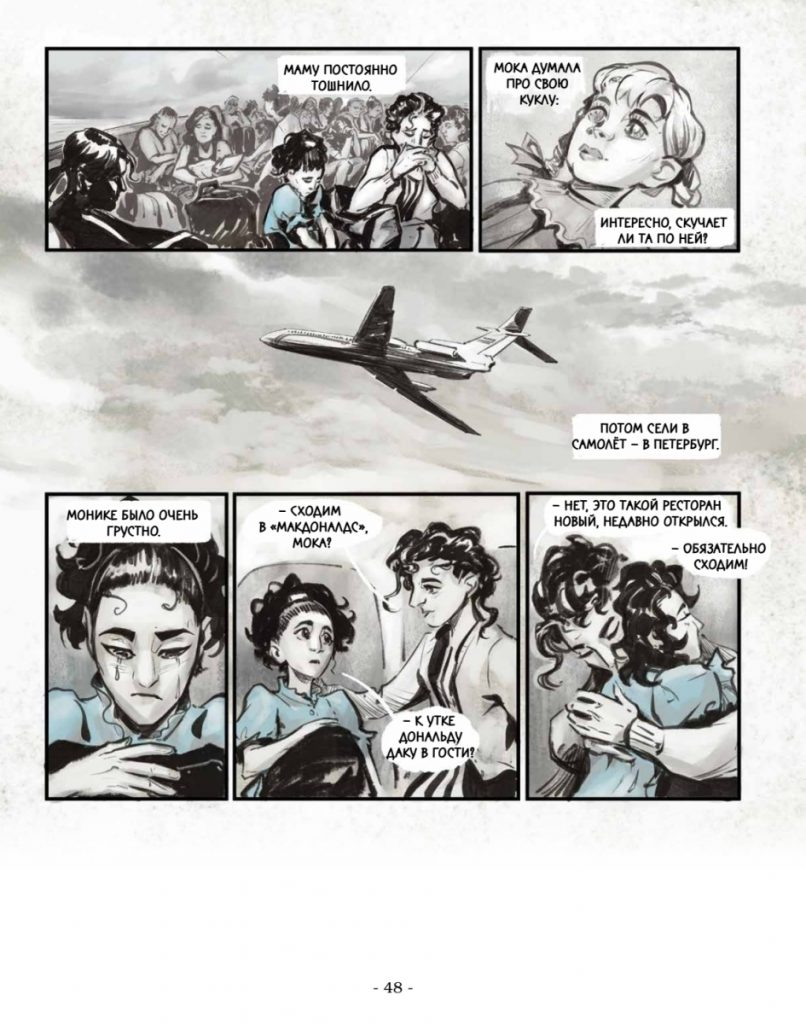
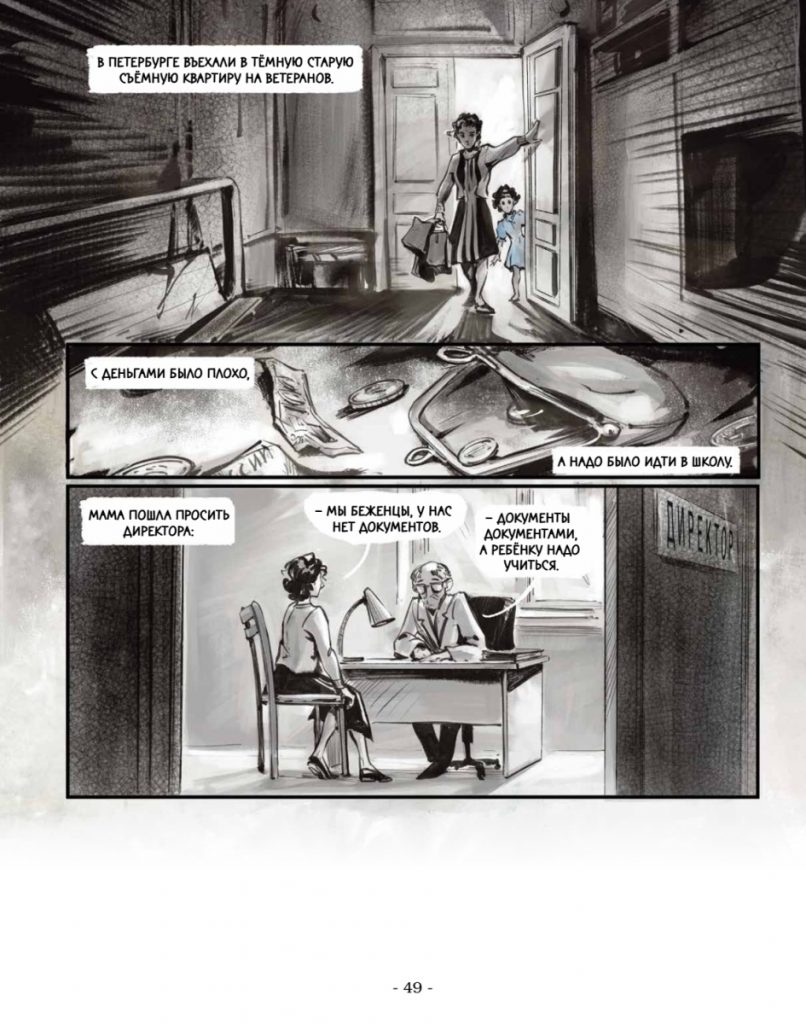
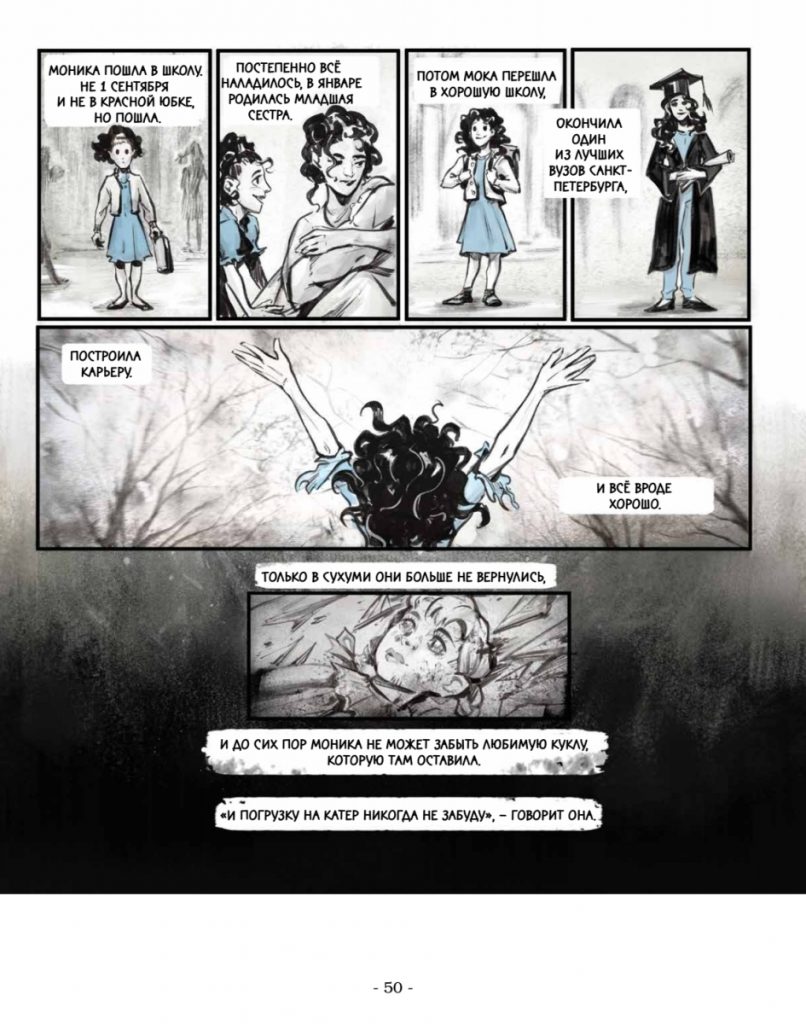
***
You wrote books about cats and hare - good fairy tales. How did it happen that in the spring of 2021 you suddenly published a book about the war?
- I was in Ireland, and two similar stories fell on me: the daughter of an Irish nationalist and an English policeman. Their dads were participants in the conflict from different directions, and the stories of girls were similar. It dawned on me: this is exactly what we need to talk about military conflicts, showing that it does not matter who is right, who is to blame. Children's fate is always destroyed the same.
I was also shocked by the fact that these women who have already grown up are my peers. While I went to school through the wasteland and was afraid of darkness, they were afraid of shelling, mined cars and that their dads could be killed.
The book includes 13 stories told by people from Georgia, Northern Ireland, Yugoslavia, Israel, from eastern Ukraine. By what principle did you select them?
- There were two criteria: the conflict that occurred after the Great Patriotic War, and the symmetry of the stories found. It seemed to me important to collect stories from two sides of the conflict in order to show that historical background and politics are not important for a child fate.
Absolutely all stories in the book are highlighted by the main sides of the conflict, but not all of them are paired, because there is a Balkan bloc where many countries were injured at once.
How did you work with the heroes?
-In different ways: personal interviews, skype conversations, texts. The most difficult thing was with people who did not speak Russian. Many of them gave an interview that we turned into a coherent text in Russian, then translated into the hero’s tongue, received remarks, ruled the original text in Russian, and coordinated the final version.
These were people from 14 to 40 years old. It took us more than five years to collect stories.
What story hooked you more than others?
- The story of a boy from Palestine. We understood: it is impossible to write about modern conflicts and not write about Israel and Palestine. And if we found a story from Israel quickly, then it was much more difficult to find a hero from Palestine.
We were looking through the community of graduates of universities and acquaintances. At some point, I accidentally started talking about this with my brother’s university friend. It turned out that he studied with a refugee from Palestine.
This story is one of the most difficult in the book: bombs flying to school with children, the death of classmates, the death of a best friend, uncle, and an flight to nowhere.
Now this guy is a military correspondent in Africa. He says that he writes with a pencil: “So that the descendants can erase our story, full of hatred and evil. So that she was without a killed uncle, without the dead students and teachers of the school, without Hussein’s grave, without goodbye forever with my friends, without sleepless nights and nightmares of memories. ”
For me, his story is especially emotional, because this young man is a peer of my younger brother, studied with him, walked along Peter's streets, carrying this memory and not having the opportunity or desire to talk about it with friends. Neither my brother nor his friend knew the details of the past of his classmate.
The book was illustrated by 14 artists from Russia and Ukraine - why of these two countries?
- It was our decision with Julia. After 2014, the tension between Russia and Ukraine grew, and it was an opportunity to do a common cause and convey to people our common important idea.
You were born in St. Petersburg, you spent early childhood in Belarus, and probably heard military stories from older relatives.
- All my grandparents, great -grandmothers went through the Great Patriotic War. There are many stories, but there is one that does not let me go since childhood-because of it, I partially decided on this book. My grandmother, who was then 8 years old, was evacuated from Murmansk along with other children on two barges of the Red Cross. At some point, the barges began to bomb German planes, and fell into the neighboring one. Grandma saw how other children drown. Then there was a lot of everything: she ended up in an orphanage, her father died, hunger, lice, returning to Ukraine to her mother. But this is still with her, and she is 91 years old.
What struck you the most while working on the book?
- On the one hand, there is a depth of injury and how people see the world through the prism of horror experienced in childhood, even becoming successful, creating happy families and being safe.
On the other hand, how else do children see the horror of war. They perceive a lot through the prism of parental emotions, and if parents manage to remain calm, they often see what is happening the same way. For example, in one of the Balkan stories, a little boy blew a candle in the basement during shelling and sang “Happy Birthday”.