
Translated material
"We are counting on the creativity of the German economy." How Germany will live without Russian gas
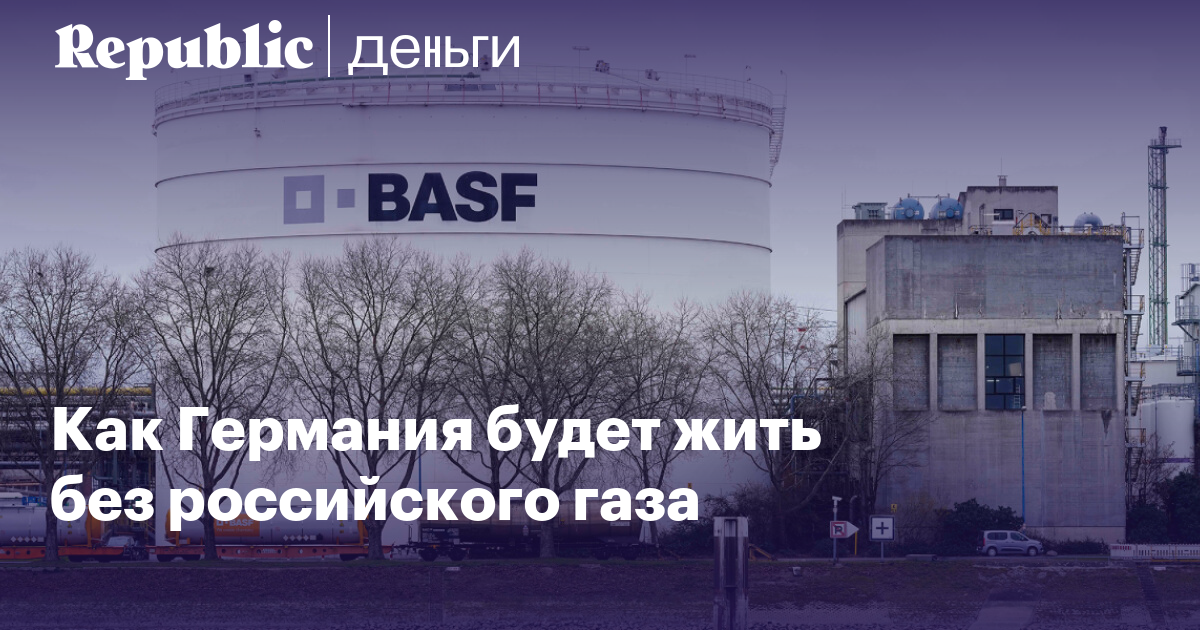
Germany was firmly hooked on natural gas. Of the 40.6 million buildings in the country, almost half is heated by gas. Gas is an indispensable source of energy for many industries of Germany. Last year, Berlin adhered to a plan that further increased this dependence. Gas was supposed to become the main source of energy in the transition to pure energy and a complete rejection of coal and atomic energy. They were going to abandon him, in turn, only after this allowed the development of renewable energy sources - primarily chickenpox and sunny. All these plans confused the battles in Ukraine.
The Germans now live in the mode, so to speak, delayed punishment. At any time, Germany can be left without Russian energy, and primarily gas. The overlap of the gas valve will mean a recession for the first economy of Europe. This is evidenced by many German economists and politicians, including Chancellor Olaf Sholts and Minister of Economics Robert Habek.
It is necessary or not to turn off someone from gas, is no longer discussed. Now on the agenda is another question: who will have to be disconnected in the first, and whom in the second place? At the moment, it is obvious that priority will be for consumers, industries that produce vital products, as well as public infrastructure. First of all, of course, behind the hospitals. What will happen to the rest, is now the subject of hot disputes and discussions.
Obviously, one more thing - Germany was extremely poorly prepared for the worst scenario of the development of events, which every day is more and more in the category of real and seemingly inevitable.
Emergency plan
Subscribe to read the whole
Make a subscription Redefine.media to read Republic
Subscribe [you can pay for a Russian or foreign card. The subscription is extended automatically. You can unsubscribe at any time.]
Where are the money subscribers going