Date
Source

Preserved copy
Translated material
Night is the worst time of the day
Russian soldiers left the beard. Now the dead are buried there. Report of Taisiya Bekbulatova
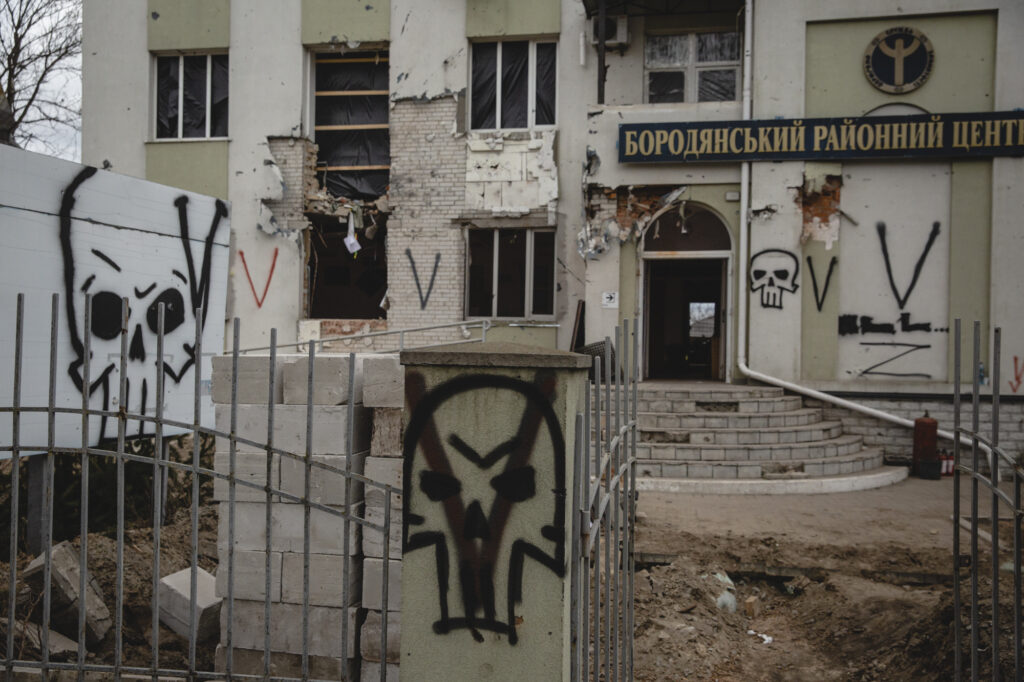
Borodyanka is a quiet village of urban type in the Kyiv region, located near Buchi. In the very first days of the war, he was occupied by Russian troops; They remained in the village for more than a month. Now, instead of houses, there are ruins, and the number of civilians who died during the Russian invasion of civilians is already calculated in dozens. Taisiya Bekbulatova visited Borodianka - and talks about how mass graves are digging here, looking for missing and trying to establish life after occupation.
Young seedlings of trees bloom at the hospital building in a boorus. A black dog peacefully dares in the grass.
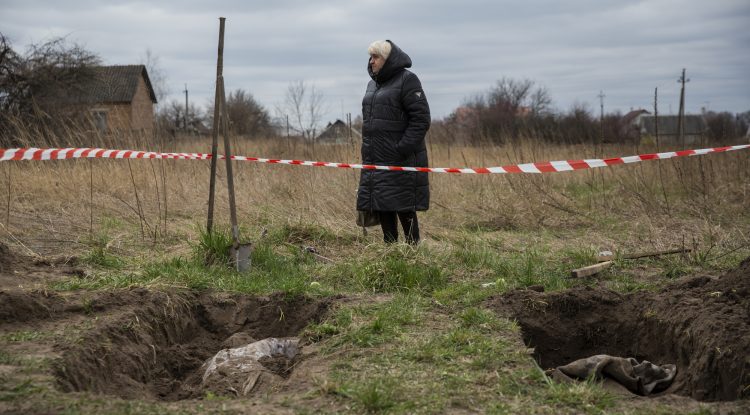
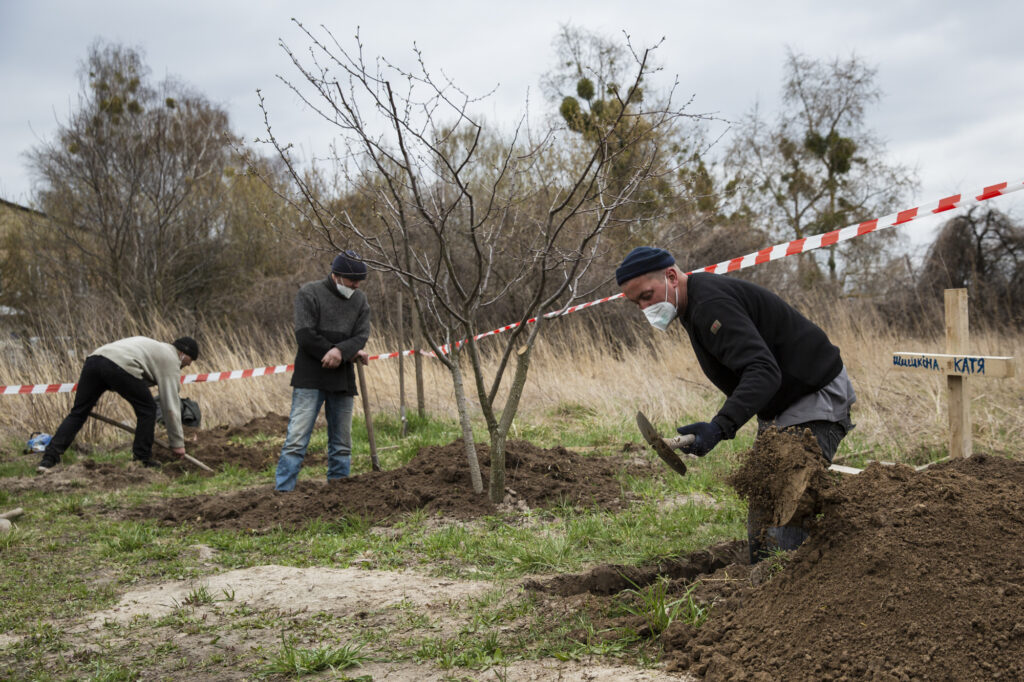
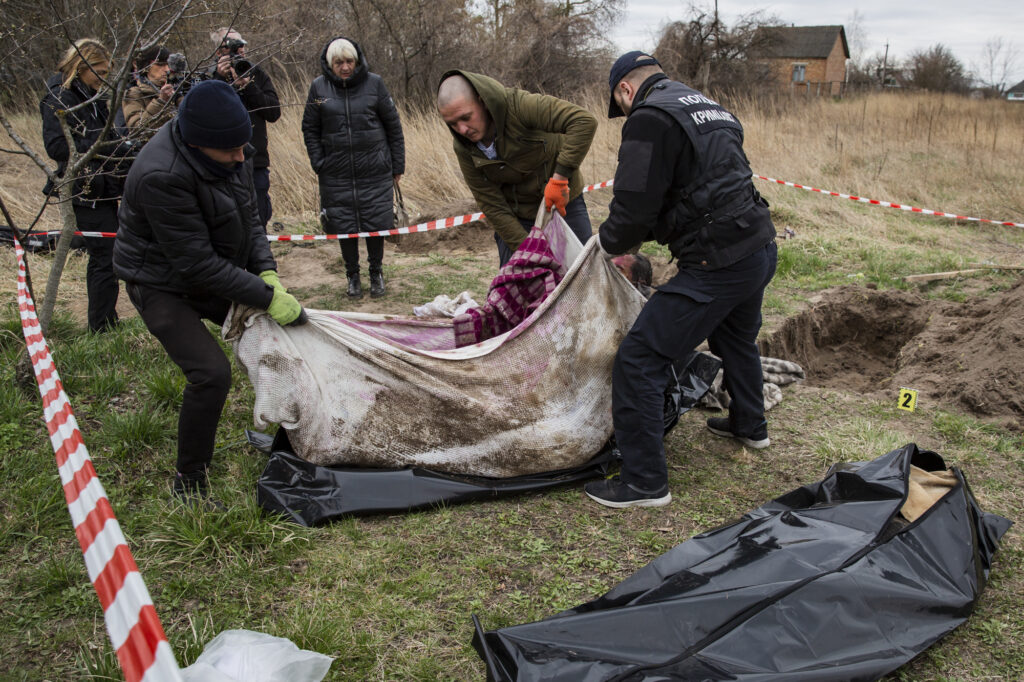
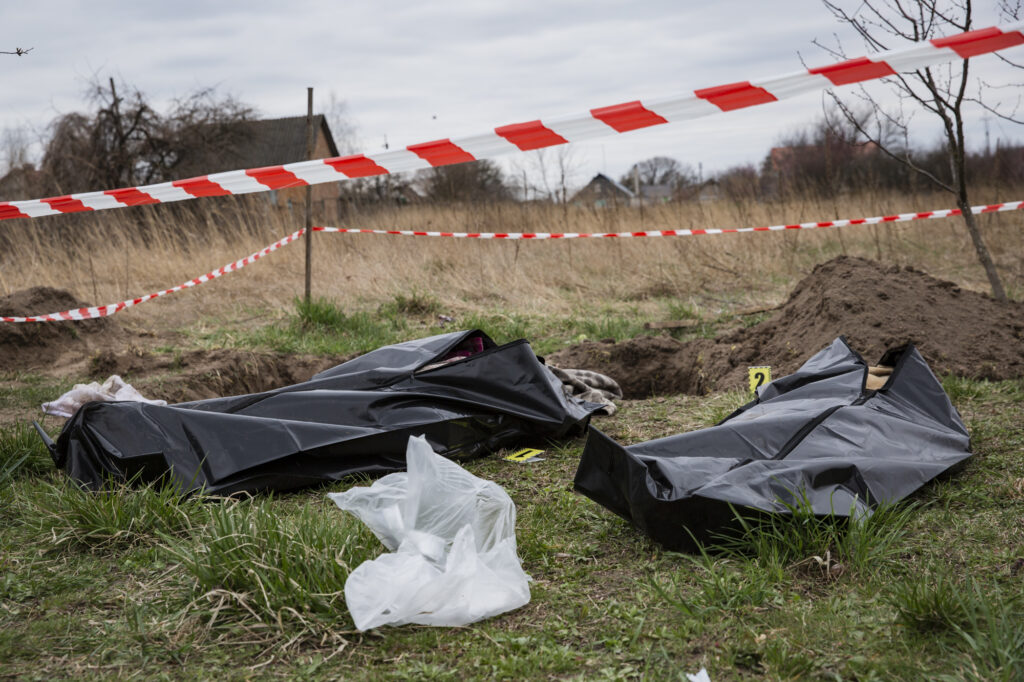
Not far from the reception of rest on the ground, there are five bodies wrapped in colorful blankets and sheets. The sixth corpse has not yet been dug out of the ground. Locals buried the dead here during the Russian occupation. Now they are getting to conduct examinations and reburied in the cemetery.
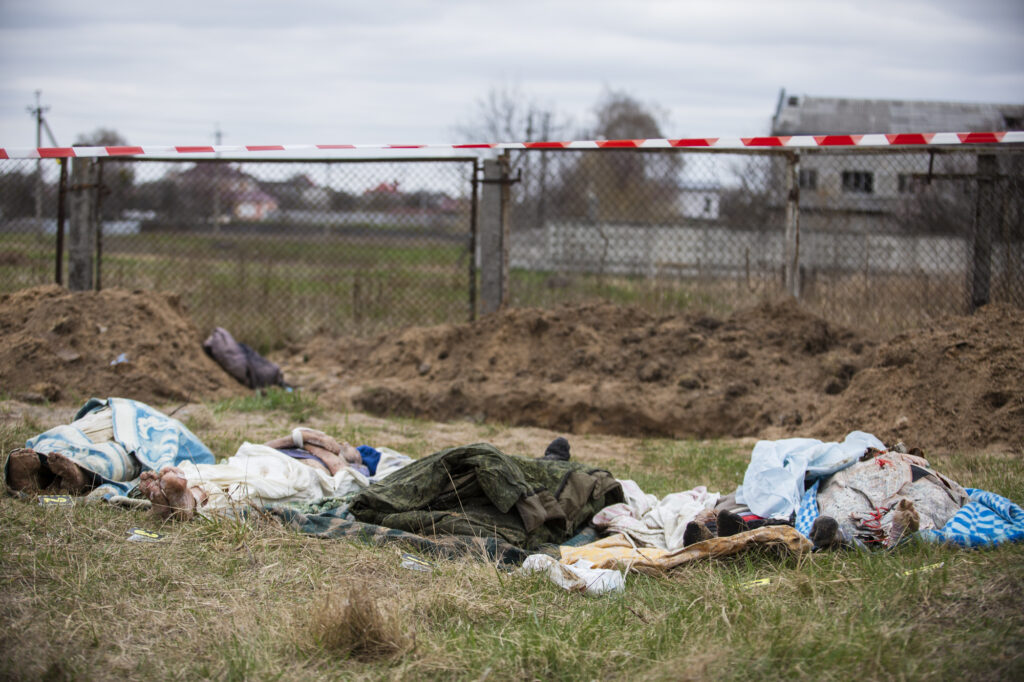
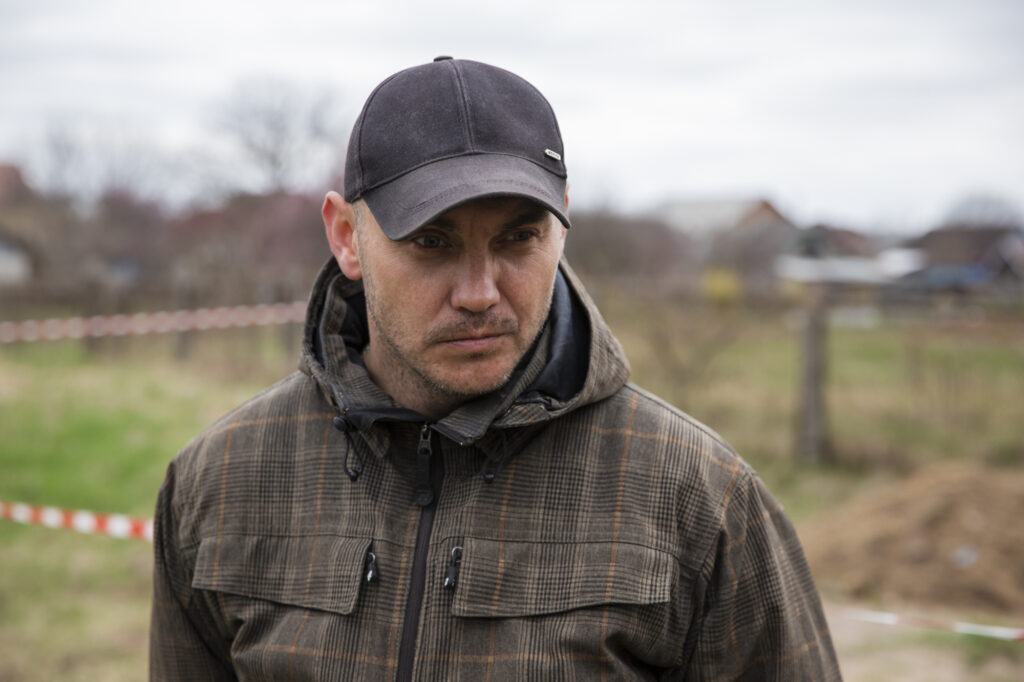
The mass grave has a young man in a gray cap - Alexander Salov. “My father,” he says briefly, nodding to the body in the middle. From under the tissue of Khaki, legs in black sneakers are visible. The corpse has no head. “The Russian BMP moved the Russian,” says Alexander.
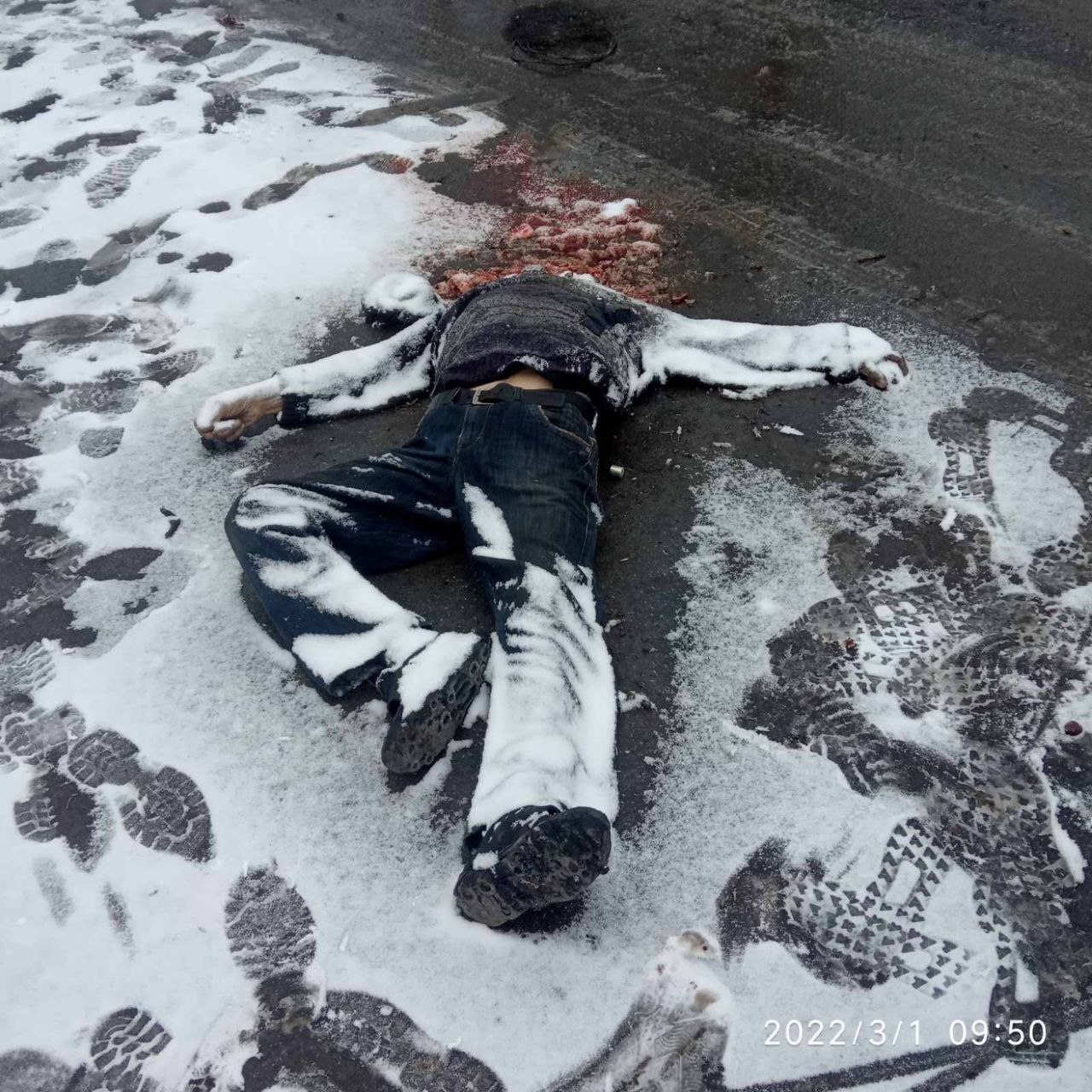
His father Sergei Salov was 64 years old on the first day of the war. He came to Ukraine from Russia, his sons were born here. On February 28, Sergei left the house to stop the column of Russian military equipment. “He was not even in the army, he went with his bare hands,” says Alexander. - We found him on the street. There was just a break, the columns did not go, and we went to look for it. They took from the road and brought here. "
Alexander shows a photo from the phone taken on the morning of March 1, when he and his brother found the body of his father on the road. In one of the pictures - the body of Sergei with his hands spread to the side. It has already been sprinkled with snow. In place of the head - bloody mess.
Caution, frames contain violence scenes and can shock.
***
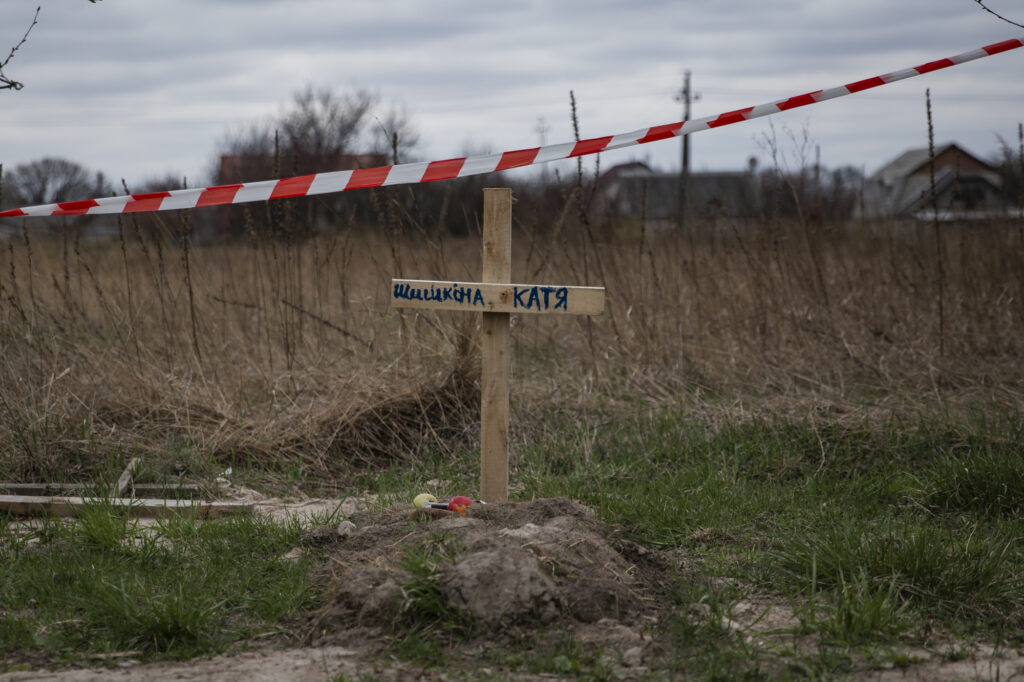
The mass burial is located next to the Borodiana morgue. A few dozen meters from it are three more fresh graves with home -made crosses. It is displayed by hand: Boyko Kostyk Anatolyevich, Melnichenko Yura, Shishkina Katya. In the heads of graves are chocolate and green apples.
Nadezhda Boyko, the mother of 34-year-old Konstantin, on the evening of February 28, the godfather called her son and said that "Kostya is considerable." The Russian military shot him when he crossed the road. The husband of Hope went behind his son’s body, was able to drag him out of the highway and bring him to the morgue. Doctors buried him nearby, in the hospital. According to the stories of local residents, Boyko and Melnichenko were killed on one day and in one place - at the intersection of the bank; They buried them nearby.
“You have such a short life,” Nadezhda cries, standing at the edge of the grave. “I realize that you will not return to me.” But all the same, if it was possible for the Lord to raise you ... ”She promises her son to take care of his beloved Pitbul and shows a photograph on the phone where he is with the dog.
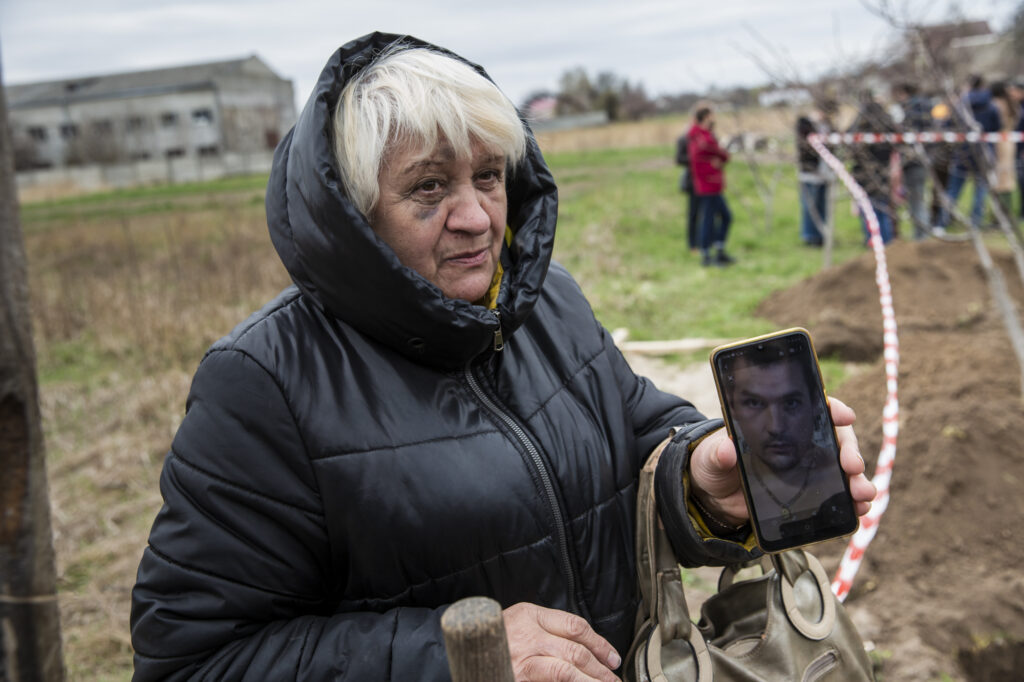
Konstantin Boyko was a beautiful man. “Ninety -meter, the girls went crazy behind him. True, I did not want to marry, ”his mother says, and she even succeeds in laughing. - [Says:] I, mother, do not want a burden to take on to myself, I will marry at the age of 40. Well, it did not work at 40. He is a car mechanic himself, worked on construction sites. At 4 in the morning I went to work in Kyiv, I am a cook. He accompanied me, heated my car. “Mom, I'm sorry.” For the last month he apologized. It is not clear, felt his soul? .. ".
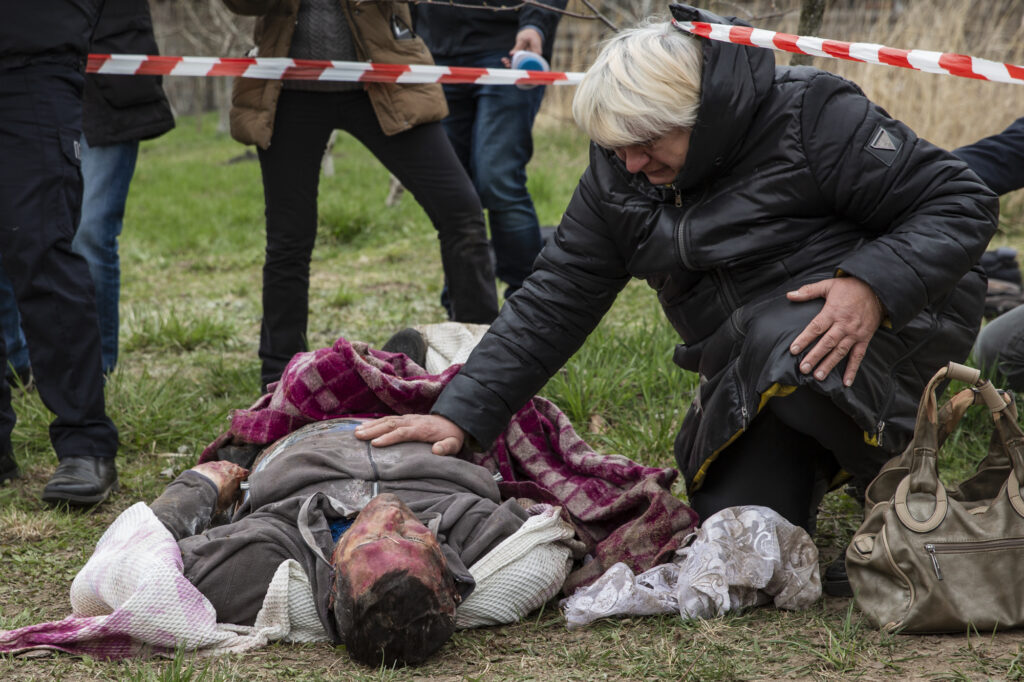
Employees raise a heavy, chopped corpse from an excavated grave, wrapped in a white lace curtain; It is removed to shift the body into a black bag, and a heavy smell rises from it. The stomach of Constantine was exposed, the spread fingers stiffed, his face froze with his mouth open. Hope sobs and strokes the body of his son.
***
The Russian military appeared in Borodianka, located an hour riding from the capital, on the first day of the war, February 24. Columns of military equipment went through it to Kyiv. They could not capture the city, and in the early days of April the Russians left the village. The occupation of the beard lasted more than a month. In the early days of the war, the residents of Buchi and Gostel, who were located closer to Kyiv, went to the village - they hoped that it would be calmer there.
So did the parents of the 15-year-old Katya Shishkina. The family lived in GOSTOL, and Katya studied at 10 "B" schools in Buch.
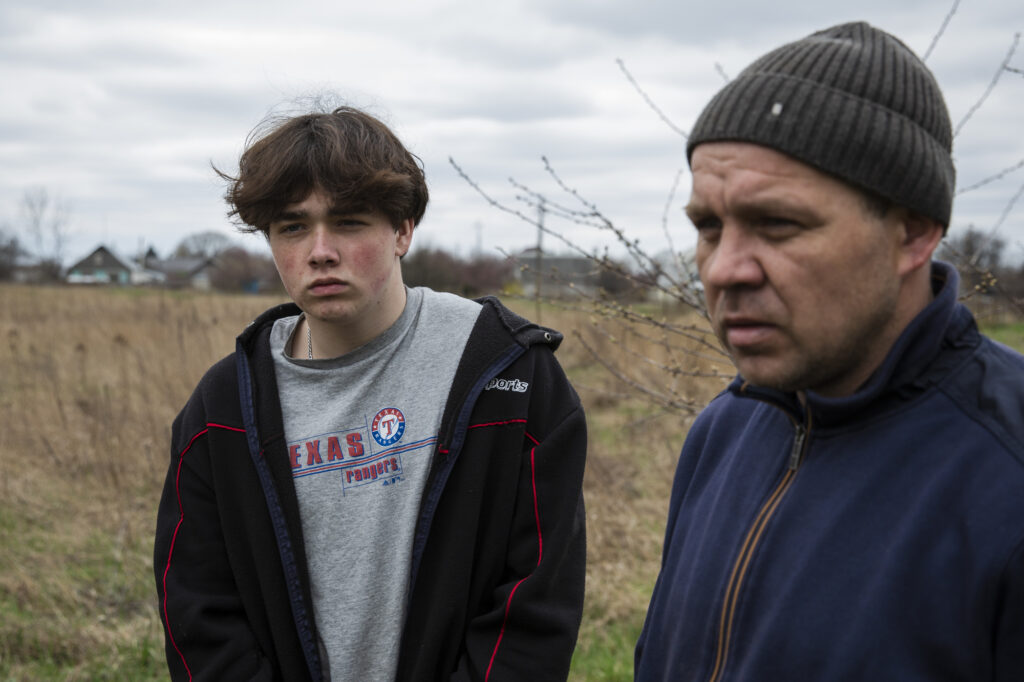
The 16-year-old Vanya, who studied with Katya in a parallel class, says that at the entrance to the Borodianka, the Russian military fired at the Shishkin car. Father and mother were injured, but survived, and Katya the Shard hit the lung. The surgeon in the local hospital operated on the girl, but could not save her. Now her little pike body, wrapped in a blue blanket, lies on the ground next to the large bodies of men. “Beautiful, kind,” says Vanya about her.
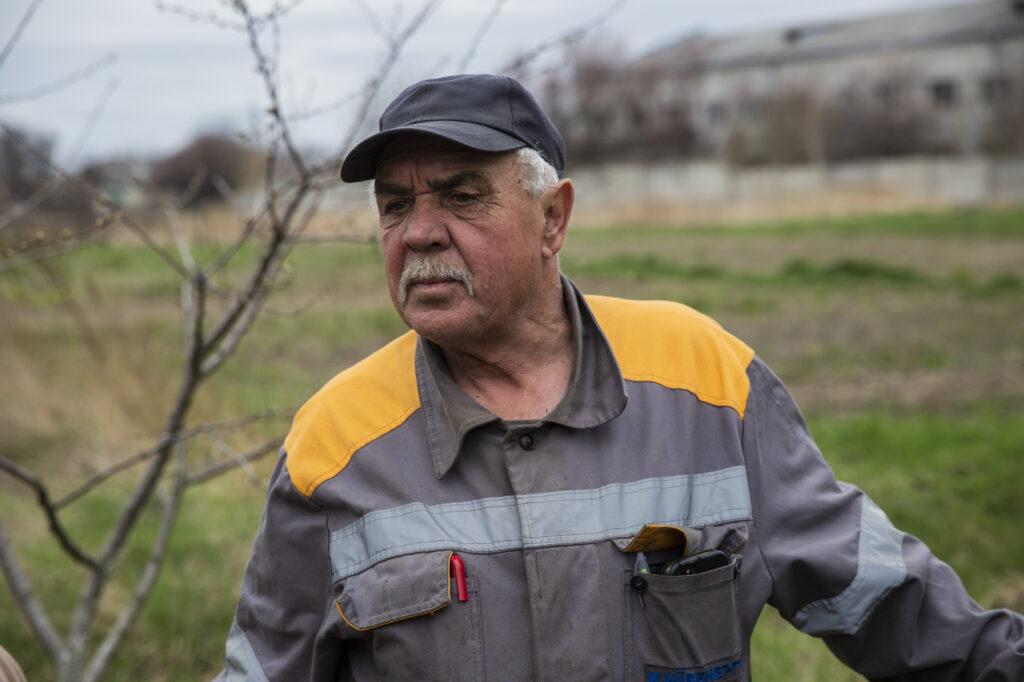
There are private houses next to the hospital, dogs bark. Sergey Ivanovich, an elderly local resident, comes out of the yard. He wants to say something, but he cannot-there is enough air, trying to suppress the approaching sobs.
“I buried the girl,” he says with difficulty. - The doctor came here from the hospital. Says to bury the girl. They gave me a shovel, two more lads dug this hole. Then they brought her in a blanket. ”
Sergei Ivanovich and his family spent more than a month in the occupation. His son Sergei Onofreichuk says that he came with his children to his parental house from Buchi on the very first day of the war. The Russian military came to the yard twice. “They searched, checked his hands, fought - did not fight. I did not fight, did not serve, ”says Onofreichuk. - On the first day, there were forty people, probably. Around the house they got up. There were a lot of technology. Two tanks were laid on the hut from the side of the road. I was scared, of course, well. Not as for yourself as for children. Then the second time they came, two hundred people. In every courtyard, every gate [entered]. We checked us, they said from the yard not to leave. We will go out - there will be aggression, they will shoot. ”
Kum Onofreichuk with two daughters came to Borodianka. As a result, ten people lived in the house, four of them are children. “They said - you can throw children on a bus, and let them leave. And adults remain at all at home, - continues Sergey. “I haven't given children anywhere.”
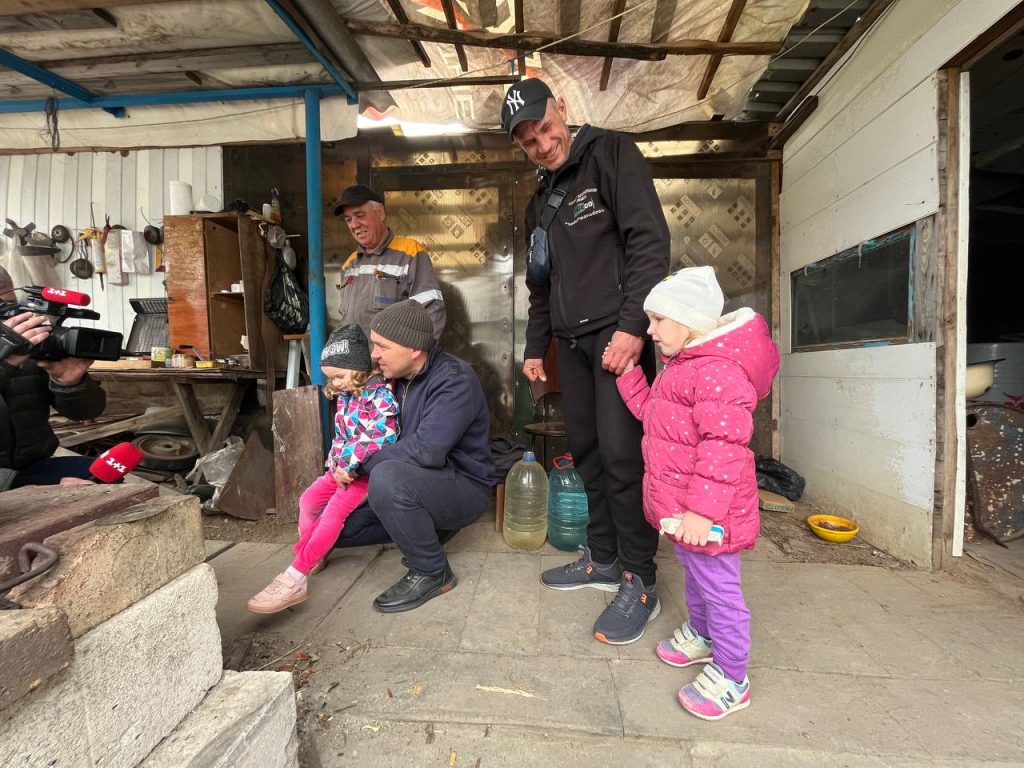
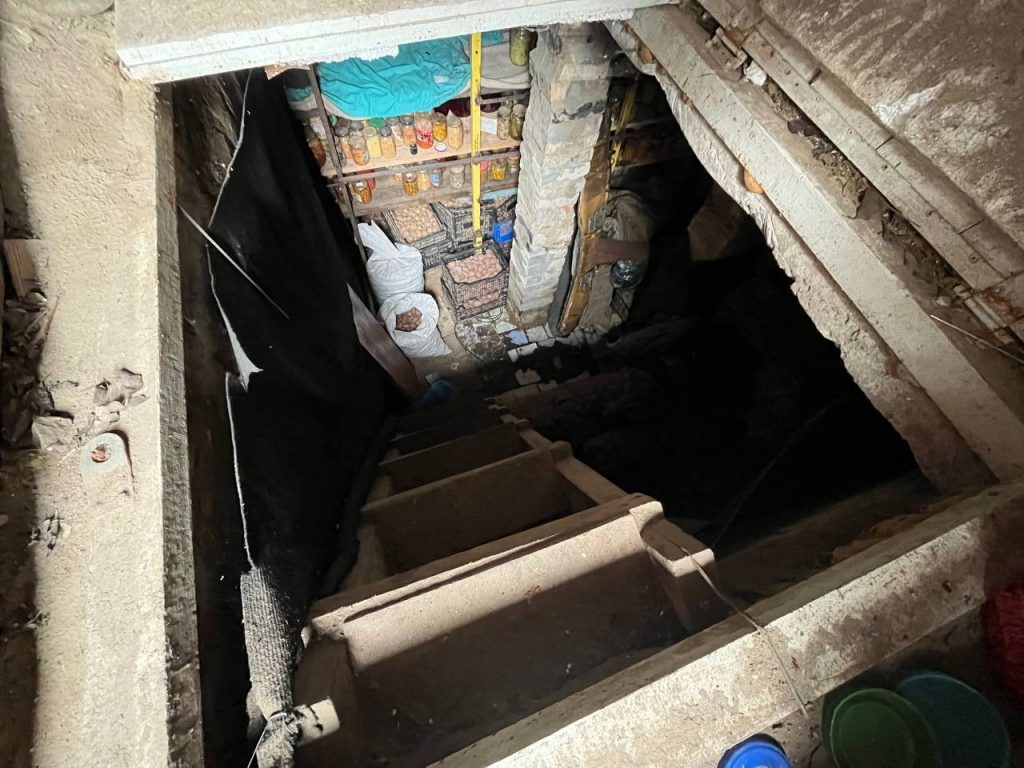
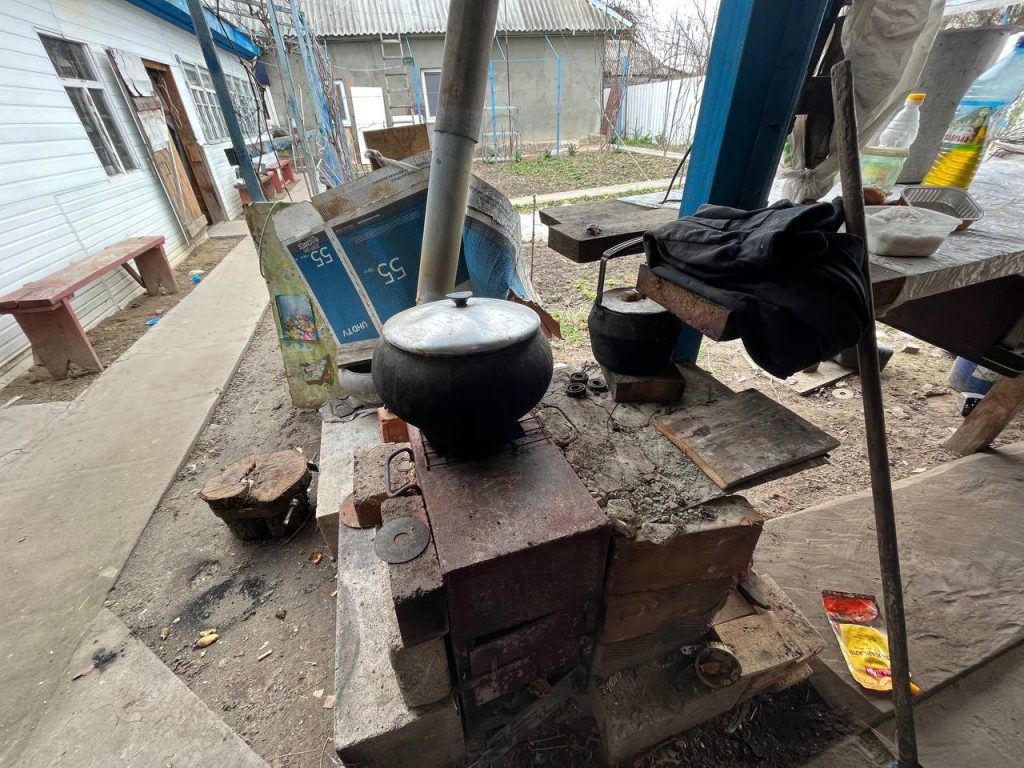
The occupation lasted 38 days. The family spent most of them in the basement, where potatoes are usually stored, fleeing shelling and explosions. There were such a force in the village that the door jumped into the basement. Cooked in a bourgeoisie. The bought food in the house was enough for a week and a half - then with the help of a hammer and coffee grinders the grain that was usually fed chickens and baked cakes from this flour. Stranger local people also helped, who learned that children were in the house. “They really carried the liver under the bullets, then ... - Sergey's voice breaks away from tears, he begins to cry. -Either a piece of fat, then a piece of meat, then some flour will bring. And so, every day, slowly. We no longer ate, we left the children. ”
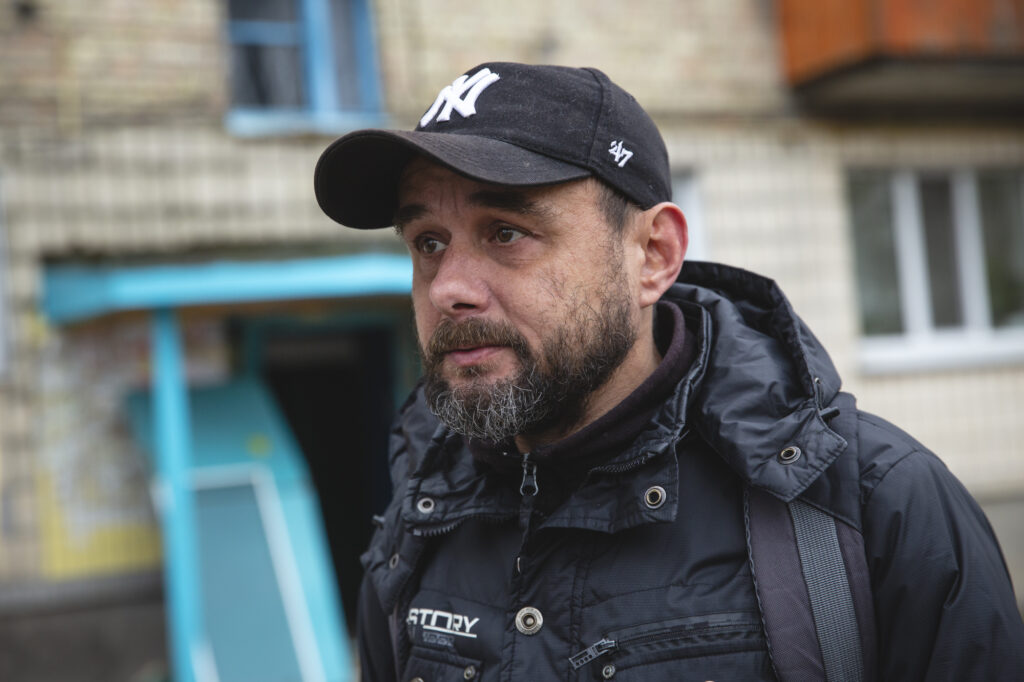
A bearded dark -eyed man in black clothes is suitable for Onofreichuk. This is Yuri - one of those people who dragged food into the house. “I myself was a humanitarian,” he says, grinning. - While the shops were, we hacked them. There was no other option. ”
- You were not afraid that they would kill you?
- Gorilka saved him! - laughs Sergey Ivanovich.
- There would be brave water, do not care! - confirms Yuri himself. - It was rich in the brave of water.
For younger children, adults tried to explain what was happening so that it was not very scary, says Sergey Onofreichuk: “What did we say? Bandits, we must hide. ” The family noticed that the younger girls are now playing in the occupation: “Oh, the bandits will come now, run to the cellar.” And under the table. "
On March 12, when the Russian military came to the house for the last time, Onofreichuk tried to talk to them. “I am a Russian -speaking person, I have been born in Crimea, here since 2000 I have been living in Buch. I say - guys, how long can this happen? He recalls. - When will it end, what is happening at all? We have no connection, nothing. "It does not depend on us." They turned around and left. ”
Father Sergei Onofreichuk lives in Crimea in the Crimea. A man describes his conversation with aunt: “” You don’t understand anything, you have come to save you. ” I say why save us? Are we drowning? We are free people. "
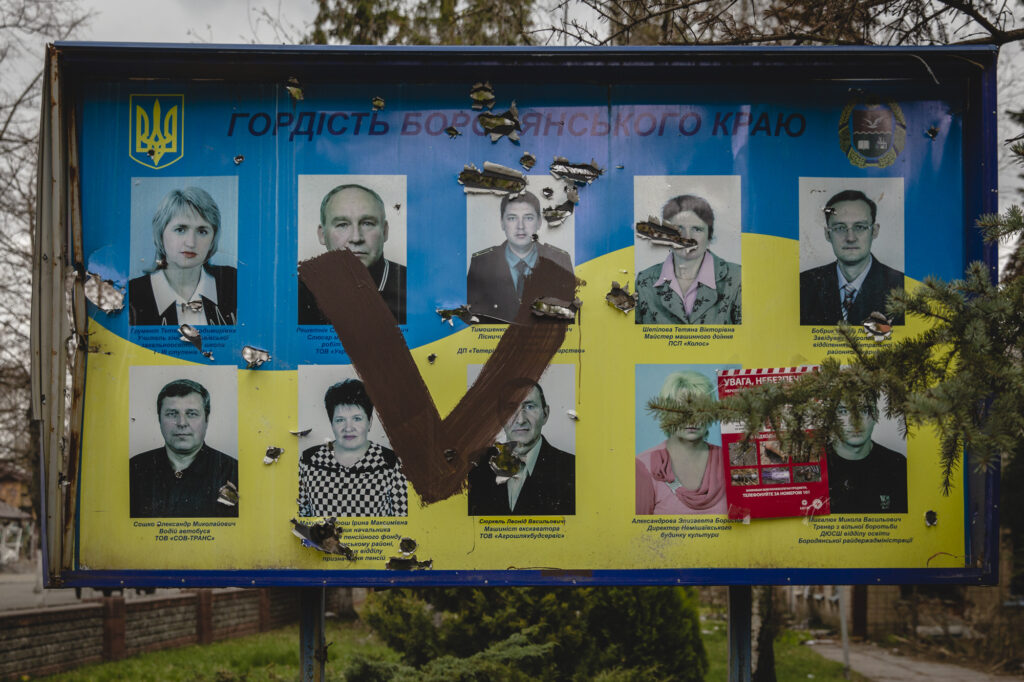
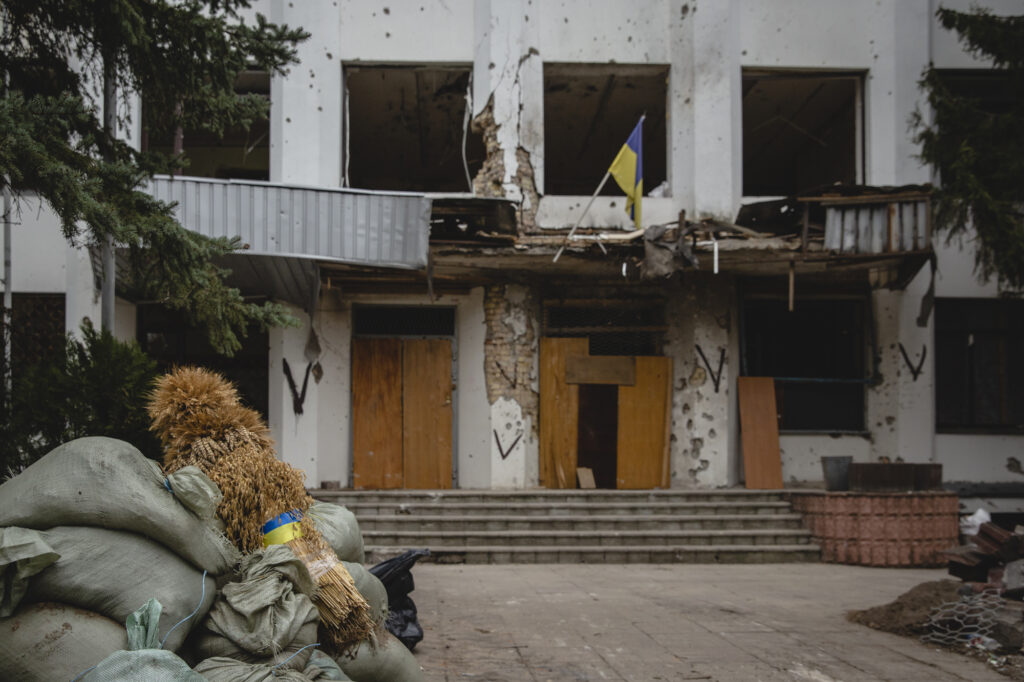
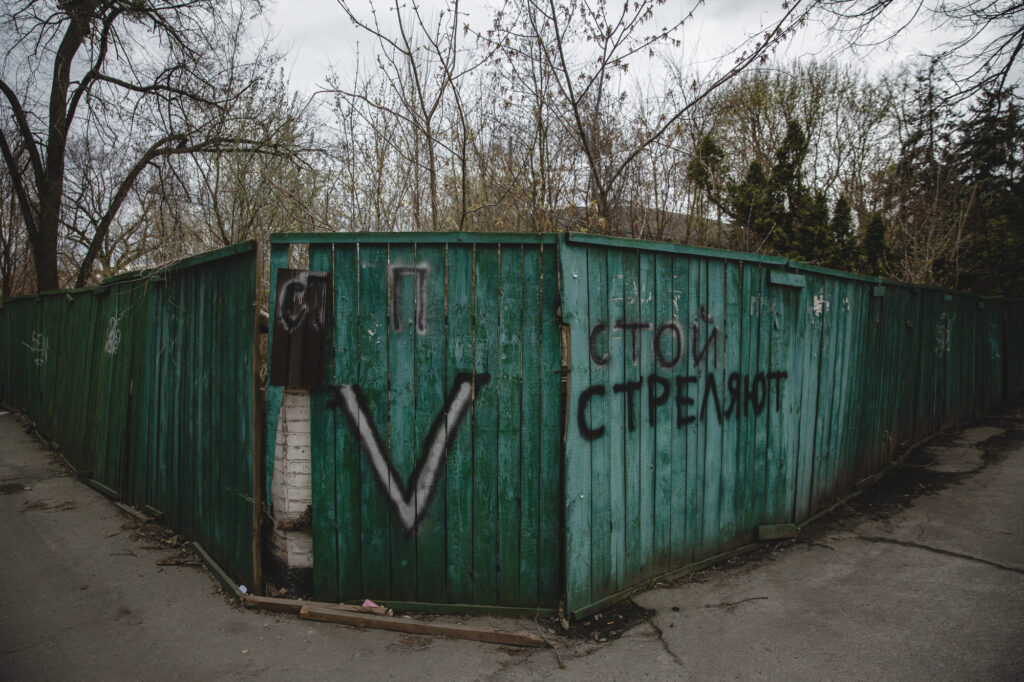
***
The head of the regional police Andrei Nebytov says that the bodies of 1045 civilians have already been found in the Kyiv region. Most of them - 908 - were discovered in the territory of the Buchansky district, which includes the beard. “These are civilians who had no relation to territorial defense or military units,” Nybytov emphasizes. -Most of them, 50-75%, are shot from automatic weapons or machine guns. There are others who died from mines and explosions, shelling “grades”. ”
The deputy chief of the police department No. 2 of the Buchansky district Vadim Chernyshuk with colleagues works in a local school building. He says that in Borodyanka there have already been issued directions to open 80 corpses, most of the bodies - about 60 - has signs of violent death. I.O. The heads of Borodyanka Georgy Erko told the “cold” that 41 bodies were found under the rubble, and another 20 people were discovered by gunshot wounds.
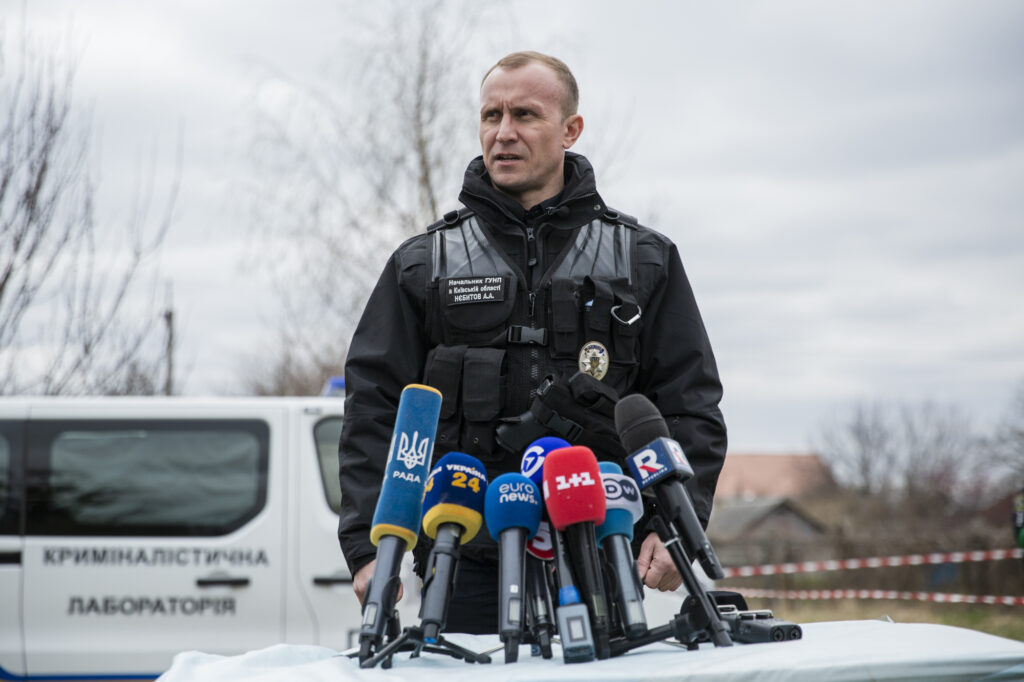
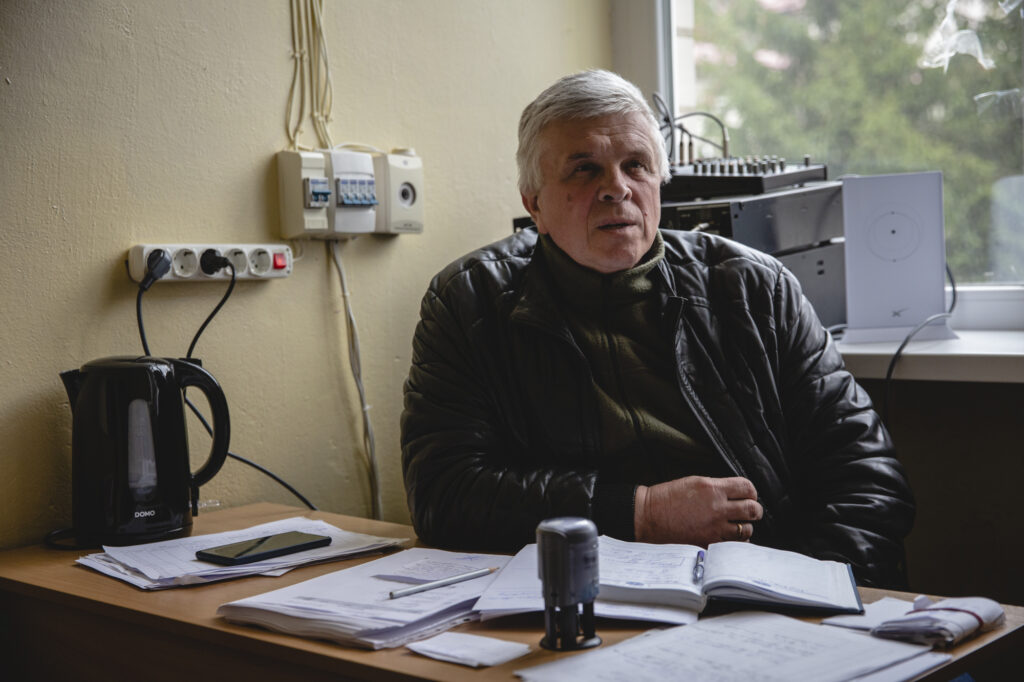
Nebytov is sure that the mass burial in the hospital in Borodyanka is not the last. “[Residents] returned, visited their homes, looked at their cellars, to their wells,“ and there are people, ”he says. “Every day we receive messages every day: they found bodies there, there is a burial, there is only [pit] with license plates or signs.”
Work on the search and identification of all those killed can take more than one year, the policeman admits. “The army did not have the need to kill such a number of civilians,” he adds. - They did not pose any threat, they did not give any resistance. They were simply shot for the fact that they are Ukrainians. ”
***
On the streets of Borodyanka, apricot trees and apple trees bloom. Branches dotted with pink flowers stand out against the background of two blackened heights on the main street. In fact, this is one house - he just does not have the average section: March 2, it was destroyed by a rocket released from a Russian aircraft.
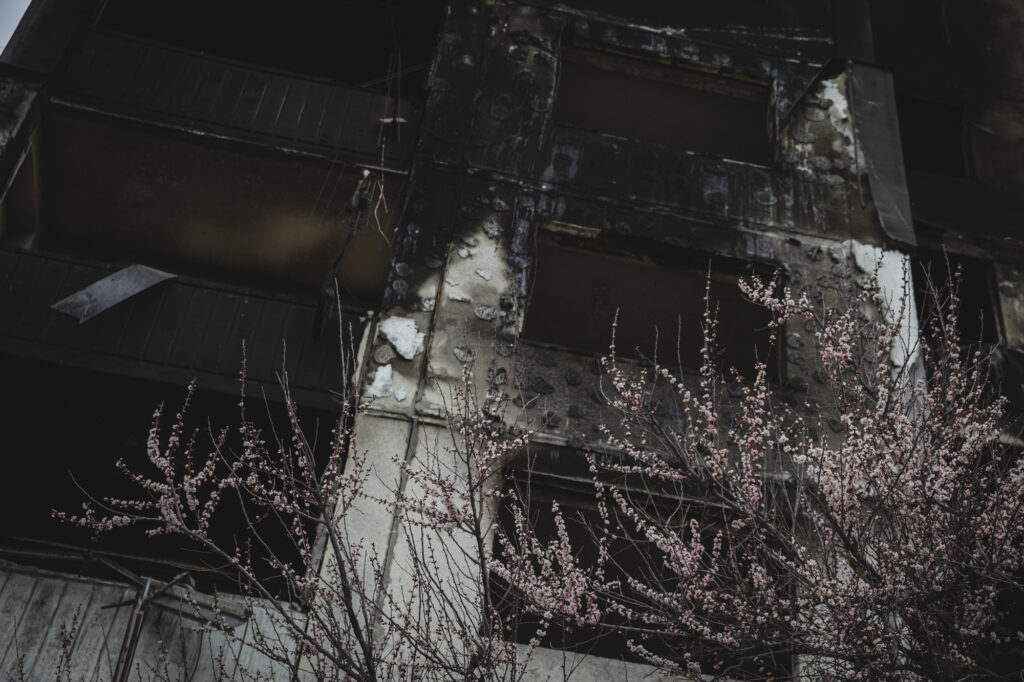
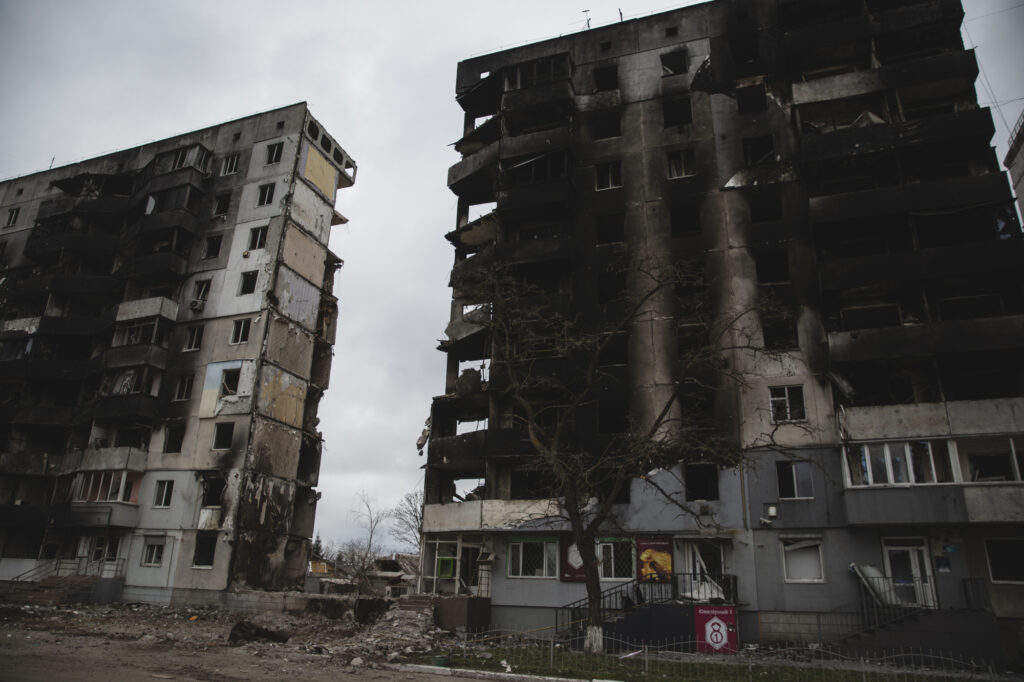
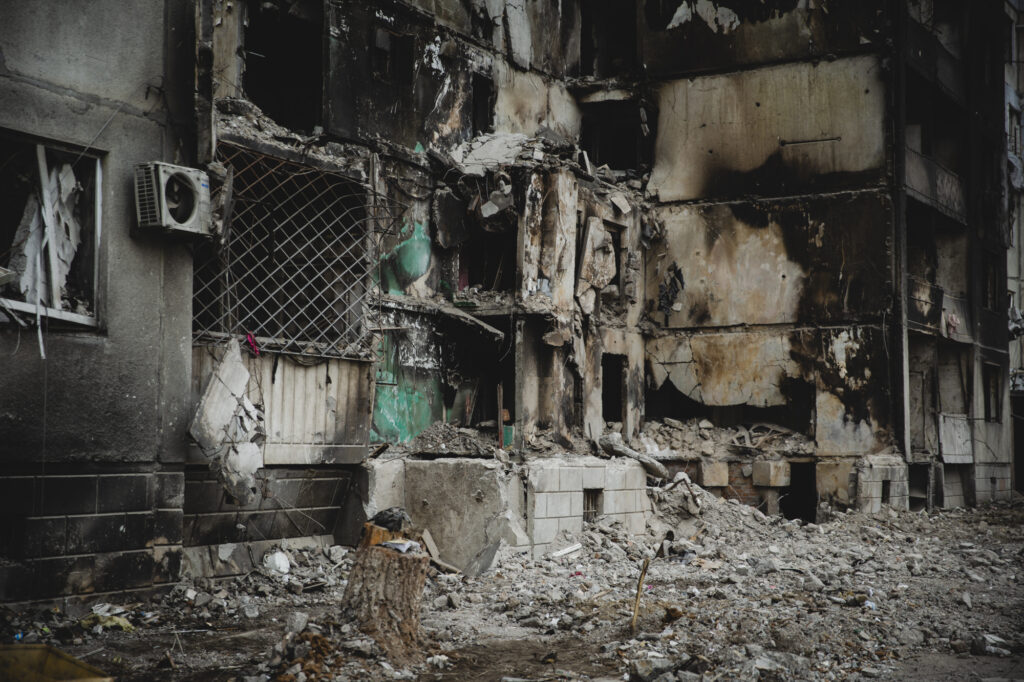
Dmitry Sadofiev, a lean man in a gray cloak, works concentrated on a flowerbed by the house. His family lived here for many decades - he remembers how one of the apricot trees was planted by his grandmother, when he himself was still a teenager. Now he collects in a heap in the courtyard, wreckings showered to the ground after a airstrike. On the face of Sadofiev, anger and confusion at the same time. “Well, who will clean up? There, you see, flowers, ”he shows to the daffodils, blossoming in the midst of fragments in the flowerbed. Then he lifts a piece of stroke metal lying in the grass: “Shard”.
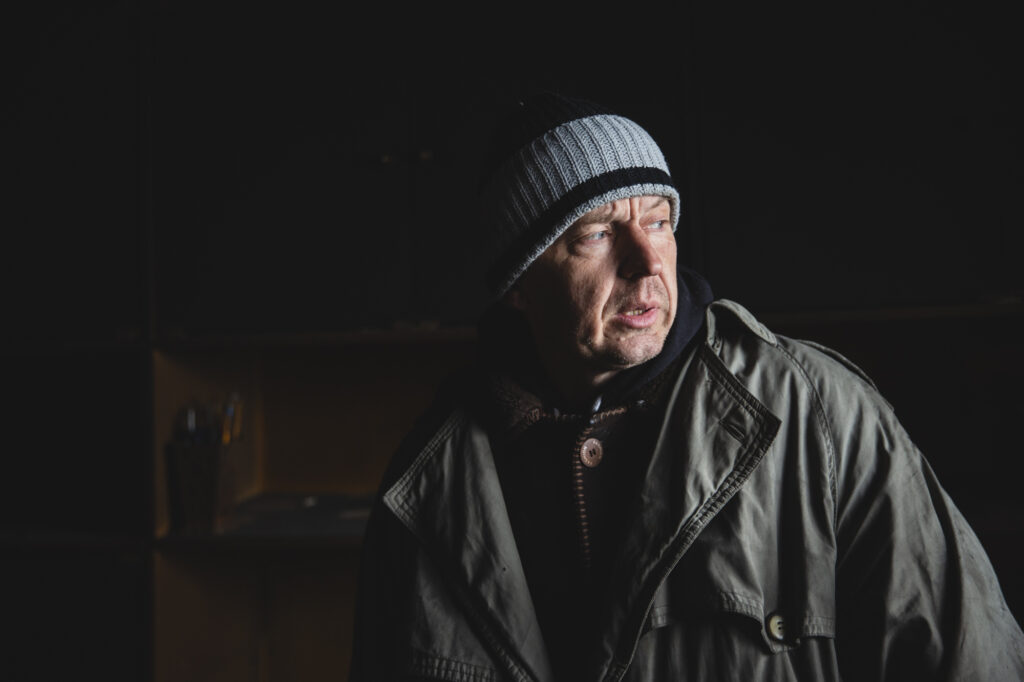
On March 2, at the eighth in the morning, Sadofiev heard a long whistle, and then the sound of an explosion in a neighboring house - and immediately ran down the stairs. The whistle repeated. The blow caught his floor below. The door in front of the elevator was knocked out by an explosive wave, and she covered it from the wreckage - unless a piece of concrete flew into the back, and then she was sick for a long time.
At that moment, his blue “Volkswagen” with things and three cats was already parked at the entrance: on it he was going to leave the beard. By that time, the daughter was already in a safe place. Shards got into the car, but did not damage the gas tank and wheels. But the two neighboring cars were divided into trash, so five people from the apartment opposite, who were also going to evacuate, had to take to me. Two more comrades of Dmitry from another entrance and the family of pensioners and a daughter from the eighth floor were placed in the car: “They sat there, some on the floor, some on things, some on cats. So they drove - there are no doors, the rear hangs. This is later I attached them. ”
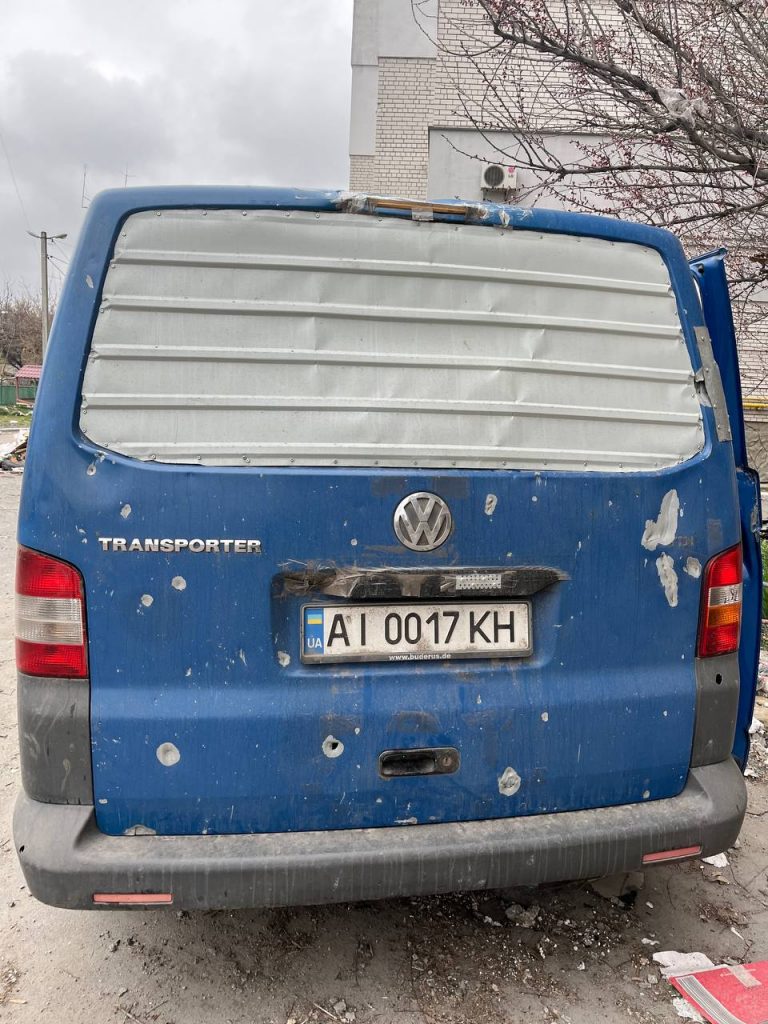
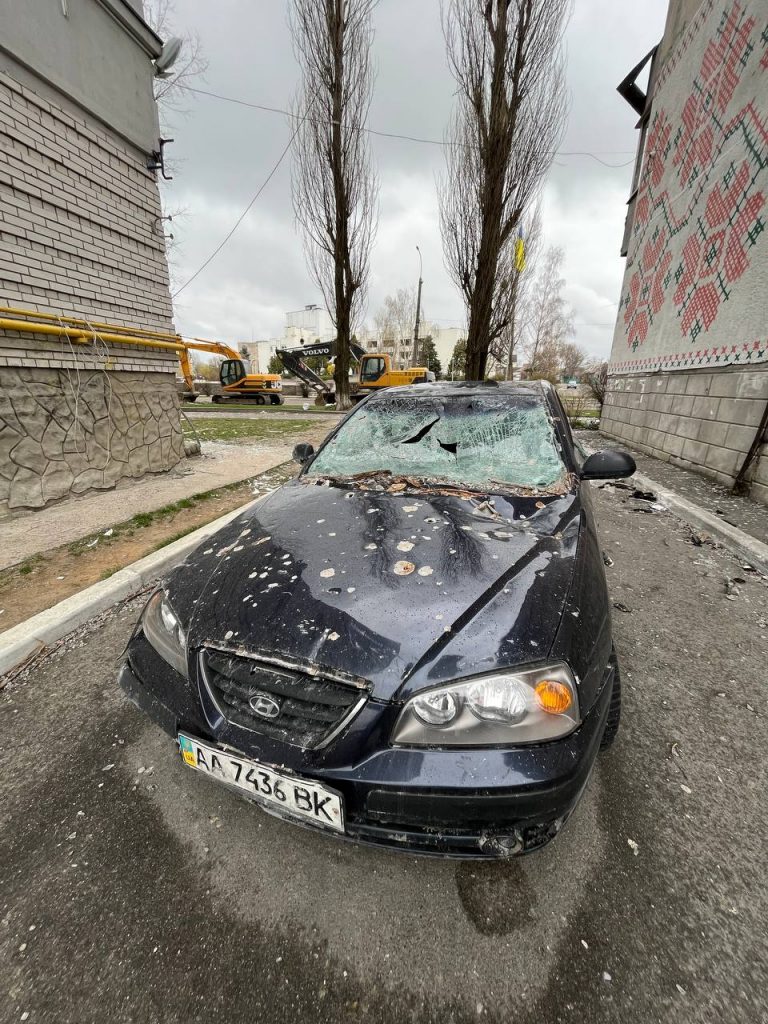
Dmitry believes that he and his neighbors were lucky: no one died during the air strike, and after that everyone managed to go down. Even the cats were not injured, despite the fact that the fragments sewed the car through.
Now the blue "Volkswagen", the whole in the holes and with the windows made by foil, is again parked in the yard. Dmitry takes out on him what survived in the apartment where he lived for 38 years.
***
At the entrance of the house on Central Street it smells of Garya. The stairs are strewn with broken glass and concrete crumb, the ceilings and walls are covered with a dense layer of soot. As if they had taken out the core from the house - on each floor, terrible openings gap on the right side, through which the charred boxes of apartments in the last entrance are visible.
Dmitry Sadofiev’s apartment is located on the fifth floor. “There was a mother’s room once. And my room was there, ”he shows. The room where his daughter-student lived was completely burned out. Dmitry enters her and guesses objects from what remains of them: metal springs on the floor - a sofa, a layered rectangle of ash - TV. There was nothing left of the expensive easel in the corner.
The kitchen and living room were injured less. The bombardment was survived by a service, banks with dried mushrooms, a collection of vinyl records from the USSR and a little clothing. “It smells - I hung it up. Waping. If there is light, you can turn on the machine and cross everything, ”says Sadofiev. He is firmly intended to eat mushrooms: he was not looking for them in the forests in order to throw them now.
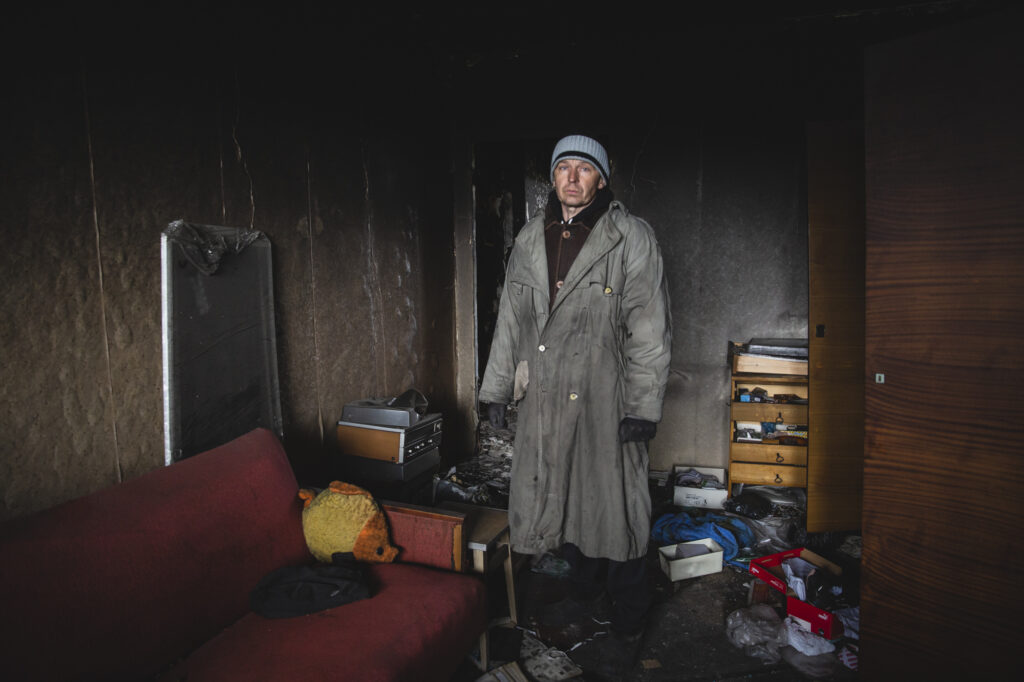
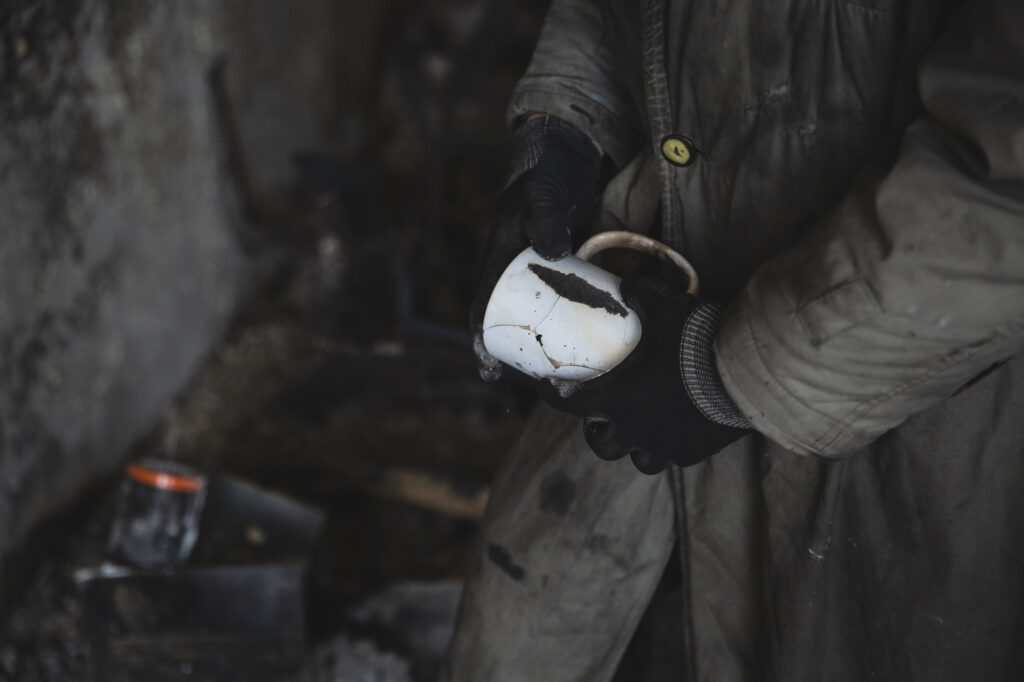

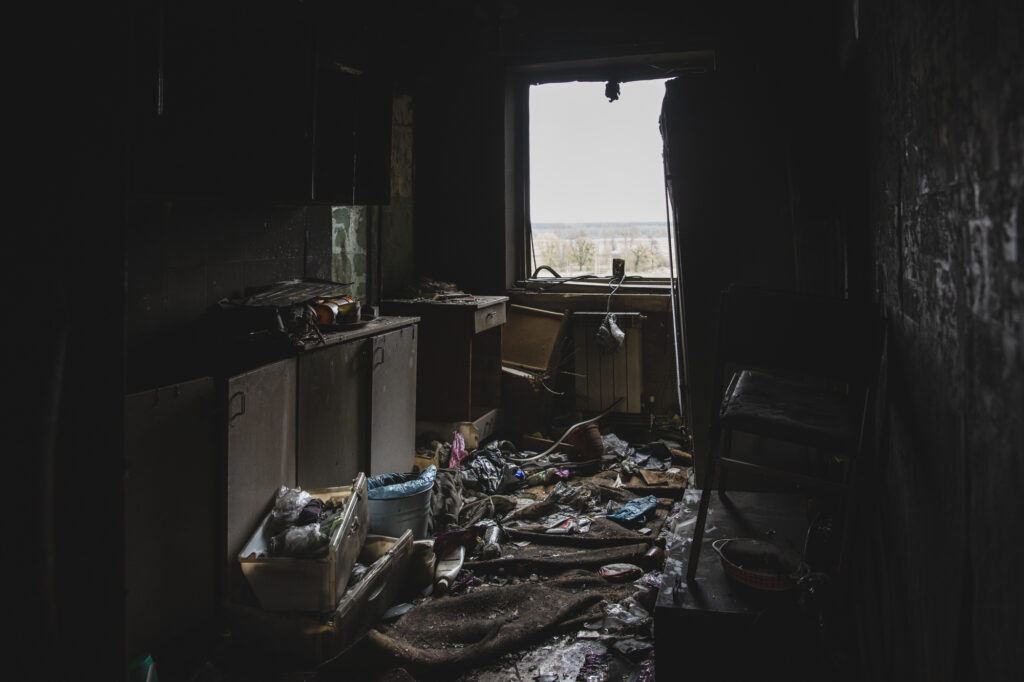
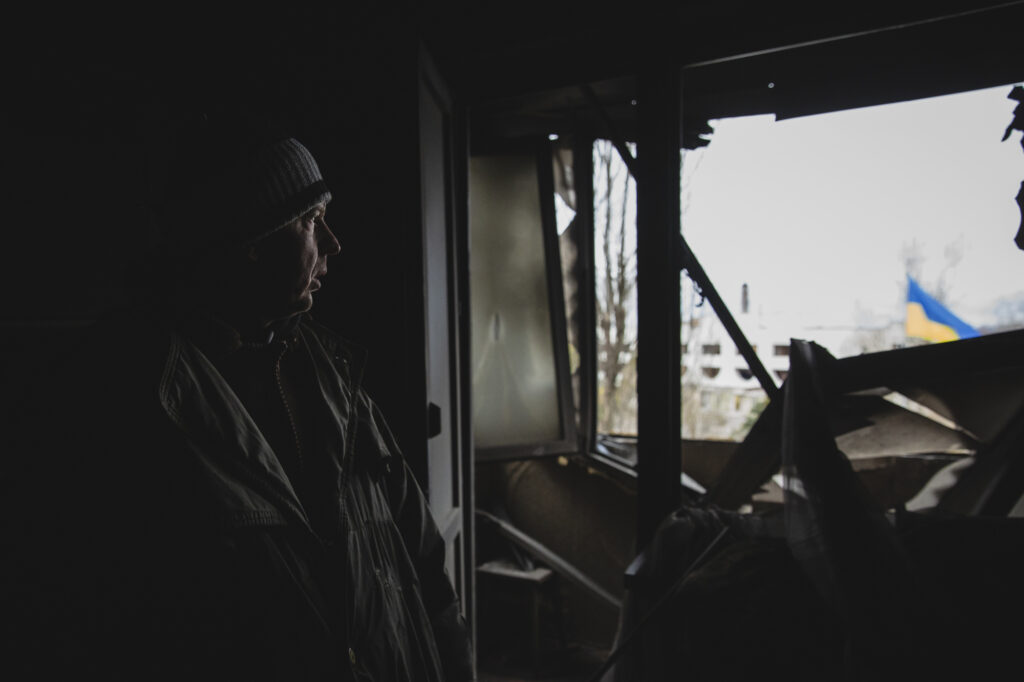
By education, he is an electromechanical engineer, earns an installation and repair of air conditioners-and he especially sorry for the special working tools that were carried out of the garage during the occupation by the Russian military: “One word is orcs”.
Dmitry is 50 years old, and he spent the first six of them in Russia. In Omsk and Moscow Region, he has relatives. Recently, a cousin called him. “He says - I don’t believe you, all of yours do it,” says Dmitry. - Well, what to communicate about? They all say that. Even those who ours were born here, remained there, they are influenced by propaganda, TV. There the brains are so butt that people simply do not believe their sisters, brothers, children. ” The Russians deliberately approved air strikes in residential buildings, Sadofiev is sure: “They deliberately kill the people to wipe Ukraine from the face of the earth. Because they cannot cope with us. ”
He describes a peaceful life in Borodanka with regret: “It was comfortable, nice. The city is small, almost everyone knows each other. Kievans came, many bought summer cottages from us. That is, civilization, but at the same time quiet. There is no such noise as in Kyiv. It was good to live. "
He approaches the opening in the wall, where there were once windows, and shows: "The sun rose and so passed in a circle." The center is visible in the opening, where a new blue-yellow flag fluttered-the old military was torn off the old one. Opposite a high -rise building, through the square, is a culture house with knocked out glasses. On the square - a monument to Taras Shevchenko with a shot head.
***
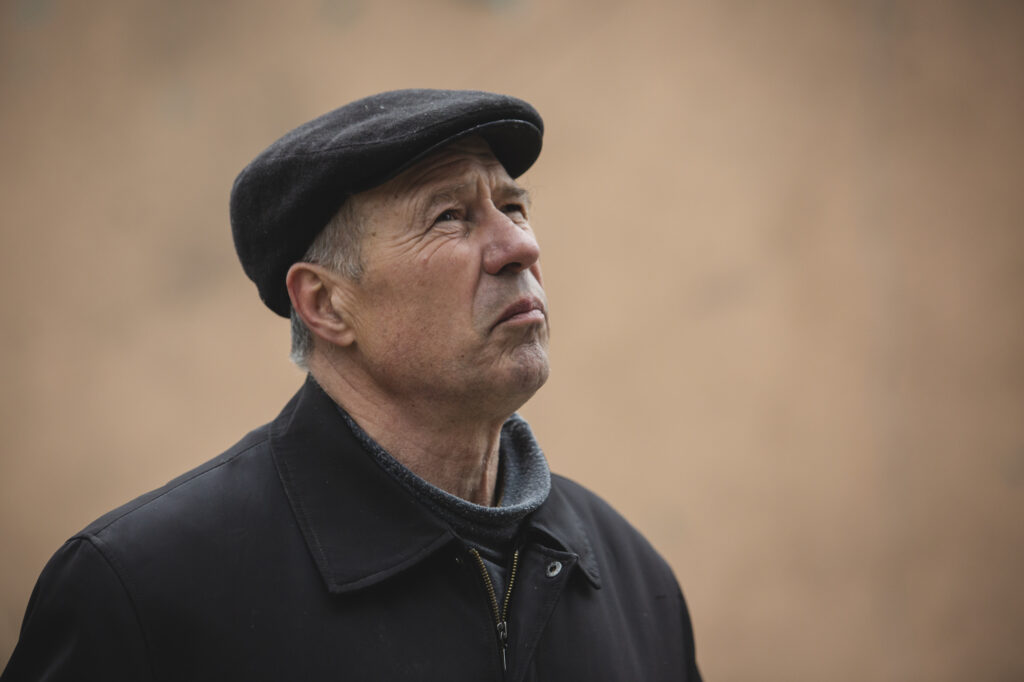
At the entrance of another high -rise building on the main street, which also got a Russian rocket, there is a pensioner in black clothes and looks up. The 69-year-old Mikola today came to his destroyed house for the first time. “They never thought that Russia would attack Ukraine,” he says in a lifeless voice. - All were brothers and sisters. In our house, there were richly Russian, Belarusian people. ” Mikola cannot climb into his apartment - the leg hurts. The man sighs and slowly goes away without turning around.
27-year-old Nikolai Ponomarenko also lived in this house. Together with his wife Julia, they bought an apartment a year ago and only finished repairs. Julia is his classmate, they are married from the age of 18, but this was their first housing: the wife chose the design herself. Now Julia and the Cat Marquise are far from Kyiv, and what happened to the apartment, I saw only in the photographs. “I would not let her go here just,” says Nikolai. He talks about his wife with tenderness. In their bedroom, soft toys are everywhere - now they are in black soot. In 2022, the couple planned to have a child.
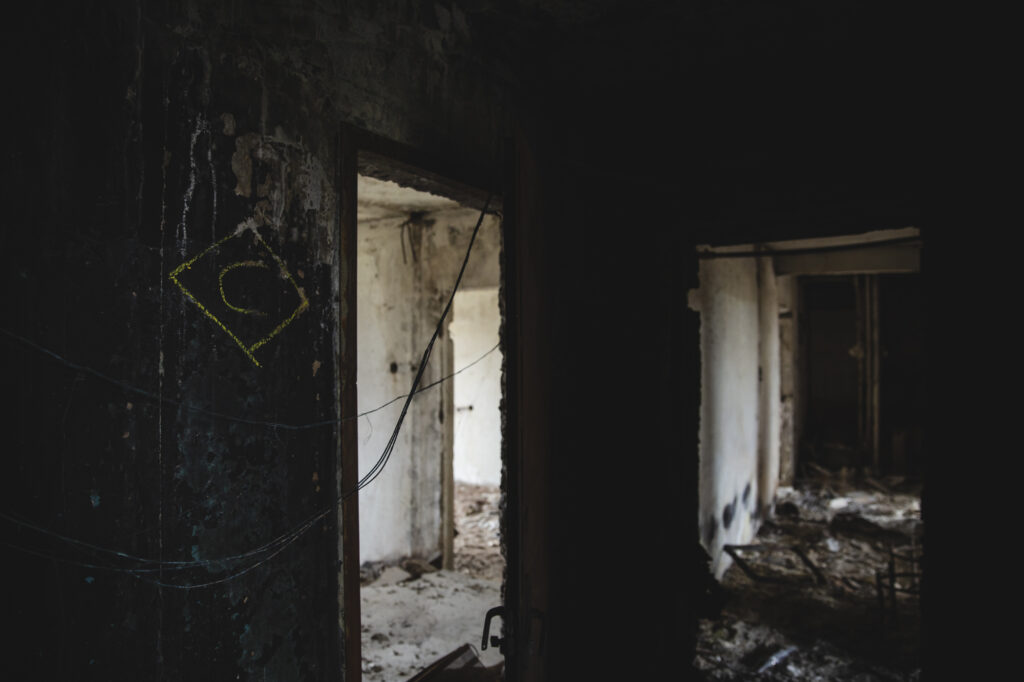
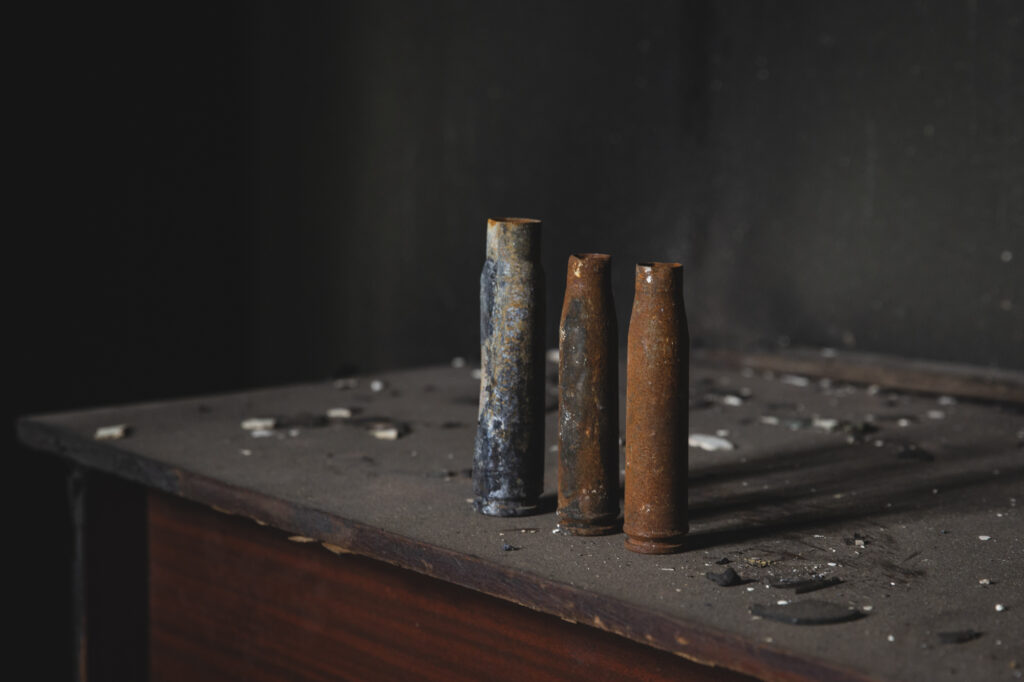
In peacetime, Nikolai, in his expression, “delivered happiness to people” - spent the Internet to apartments. Now he is in the Borodan Terborne, signed up there on the first day of the war, although he did not even serve in the army. He believes that Russian snipers were located in his apartment: the walls on different floors are marked with the letter “C”, and on the floor he found several sleeves from large -caliber weapons. “Here a beautiful view opens from the window. Everything is visible, ”he explains.
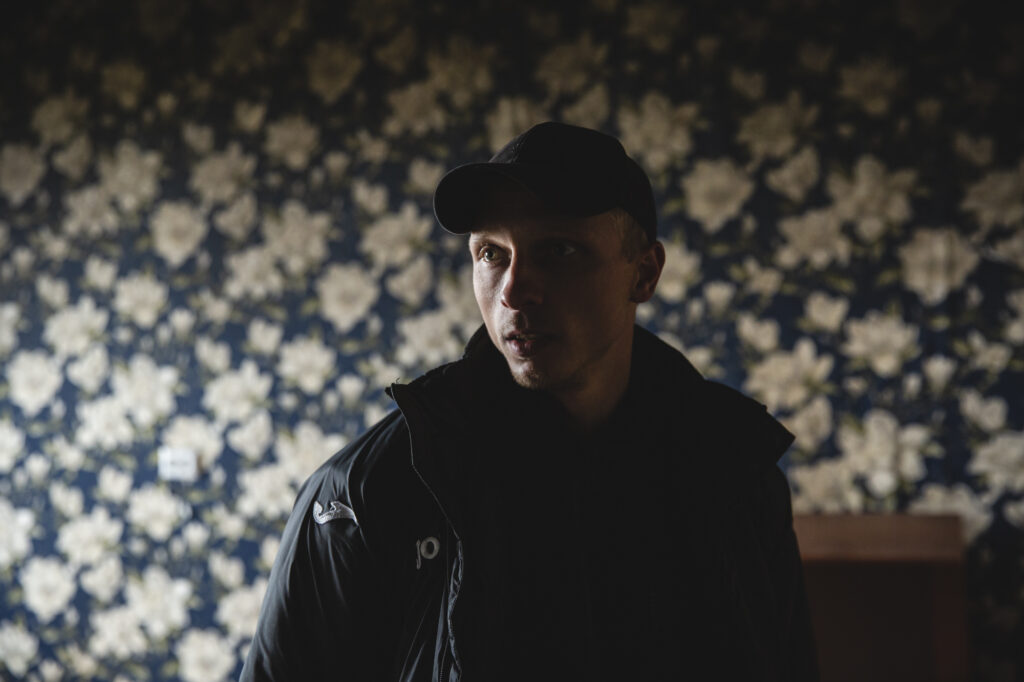
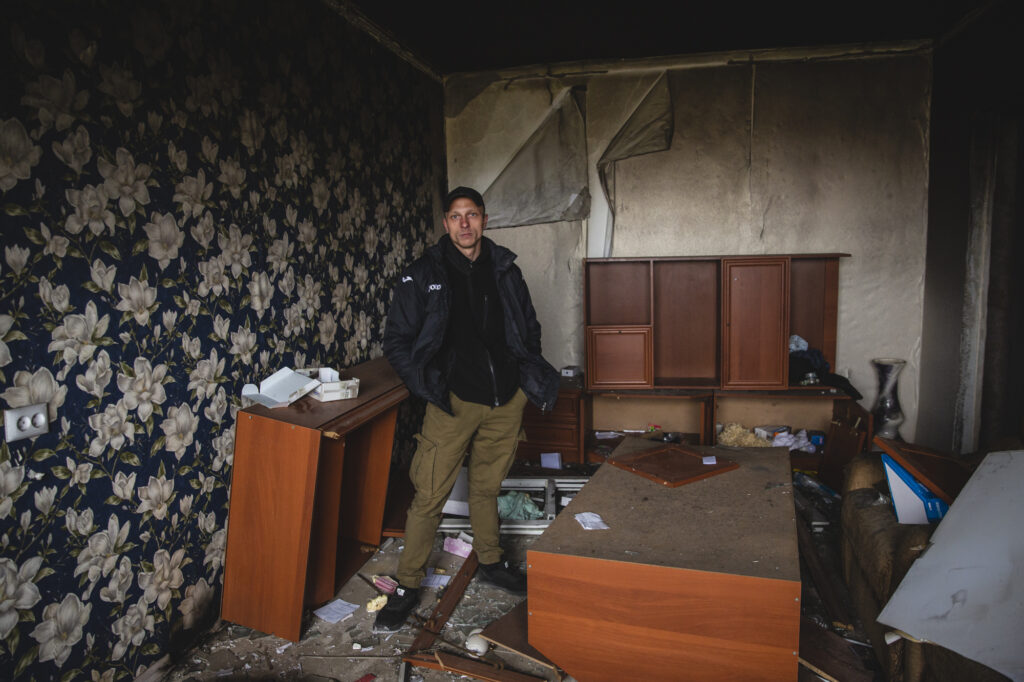
Many residents died in Nikolai's house. “I think it will be right that they feel that we,” he discusses the punishment that would be fair for those who wage war with Ukraine. - devastation. The unknown, what will happen next. And so - let's hope for the best. I'm generally an optimist. " The man smiles and lit a cigarette.
***
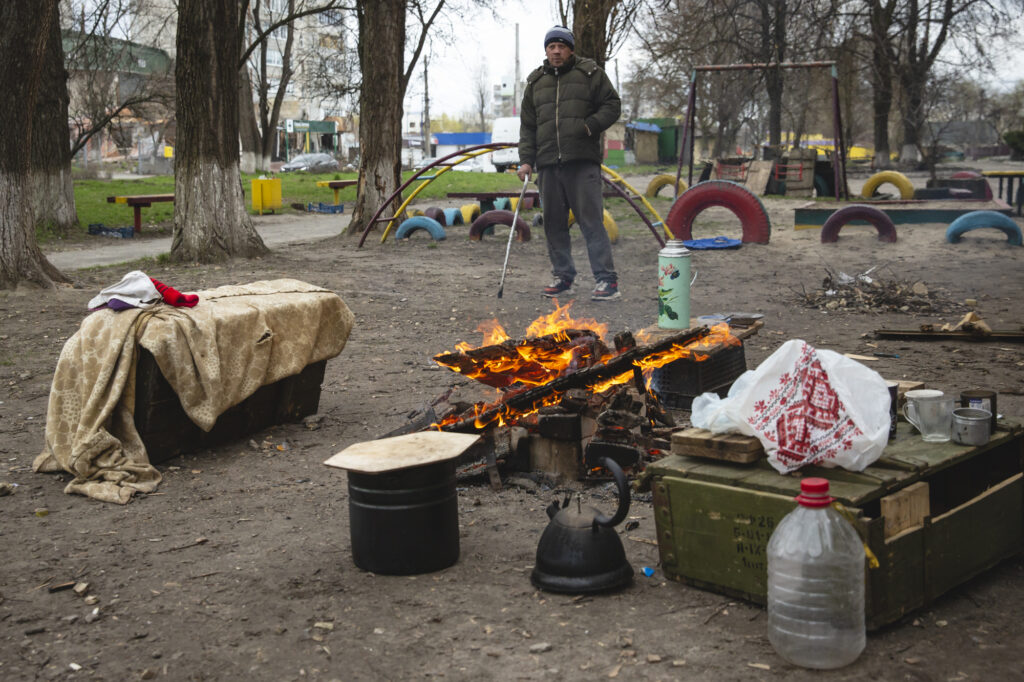
The company is in the center of the beard: Sergey Yarmoshchenko, his wife Natalya and their friend Vladimir burn a fire from army wooden boxes remaining from the military. At the stake, soup in an enameled bucket is boiled. When asked what he is, Sergey answers - from everything that they found.
Sergey and Natalia are now living in the apartment of friends. Своего дома у них больше нет — его расстреляли из танка. Трое их сыновей сейчас не в Бородянке — их вывезли в в безопасное место. «Соседка с первого этажа как раз стояла готовила кушать, ей ногу оторвало, — говорит Сергей. — Без ноги завезли ее в больничку». Но он все равно считает, что им повезло: «Сначала в подвал хотели пойти, потом решили туда не идти. После этого оттуда 29 человек достали [мертвыми]. Там и деток много было».
На жизнь компания не жалуется: гуманитарка есть, воду можно брать из колодца. Когда пропало электричество, Сергей с Натальей стали жечь свечи, используя в качестве подсвечников найденные гильзы. «Водочки выпьем, тоже не без этого. Потому что стресс, сами понимаете, — оправдывается Ярмощенко. — Хоть поспать можно. Буквально месяц я вообще не спал. Наступает ночь — это самое плохое время суток, не знаешь, куда себя деть. Тишина сплошная».
Его друг Владимир время оккупации описывает просто: «Мне на них было насрать, блядь. Я себе огород удобрял, хозяйство куриное завел. Стиралку старую разломал — мангал придумал сделать».
Какое-то время они с женой провели в соседнем селе Дружня, рассказывает Сергей: «Выхожу на улицу покурить, а там они дома шмонают, машут: иди сюда. Открывали дверь и вперед меня пропускали. Чтобы, если будут стрелять, попали не по ним, а по мне. Я походил, провел их в пару домов, а что делать. А Наташка давай у них автоматы из рук вырывать: “Какого хера вы сюда пришли?”. Но они спокойные были, такие, человечные нам попались». Сергей говорит, что военные «учили его жизни»: «Типа это не они Бородянку расстреляли, а это наше СБУ. А они нас пытаются спасти. Рассказывают вот такую хрень».
С его тестем из села Загальцы, по словам Ярмощенко, военные обошлись хуже. «Наташин отец к своим родным ездил в соседнее село, обратно на свою улицу заезжает — и русские стоят, — пересказывает он рассказ родственника. — Говорят: чего ты тут ездишь? Ты наводчик. Раздели догола, автомат к виску приставили, говорят: расстреляем тебя. Он попросил попрощаться хотя бы с женой. Повели его домой, пришли, посмотрели, что ничего, все спокойно там, сказали — ладно, живите. По всей улице его голым провели под автоматом».
Самой Наталье говорить трудно — она сразу начинает плакать.
***
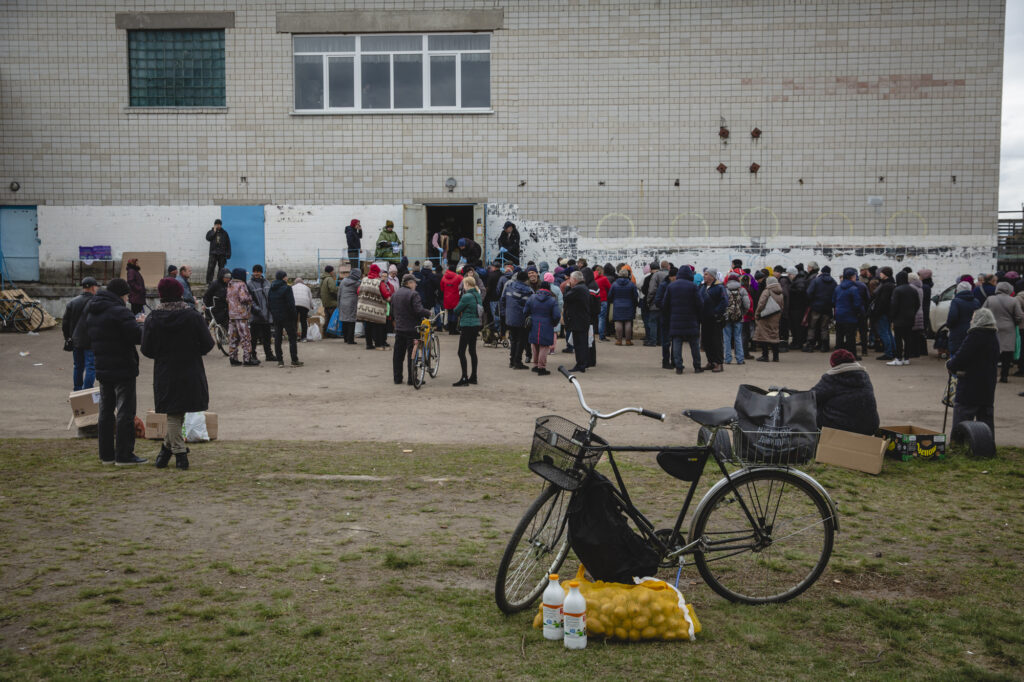
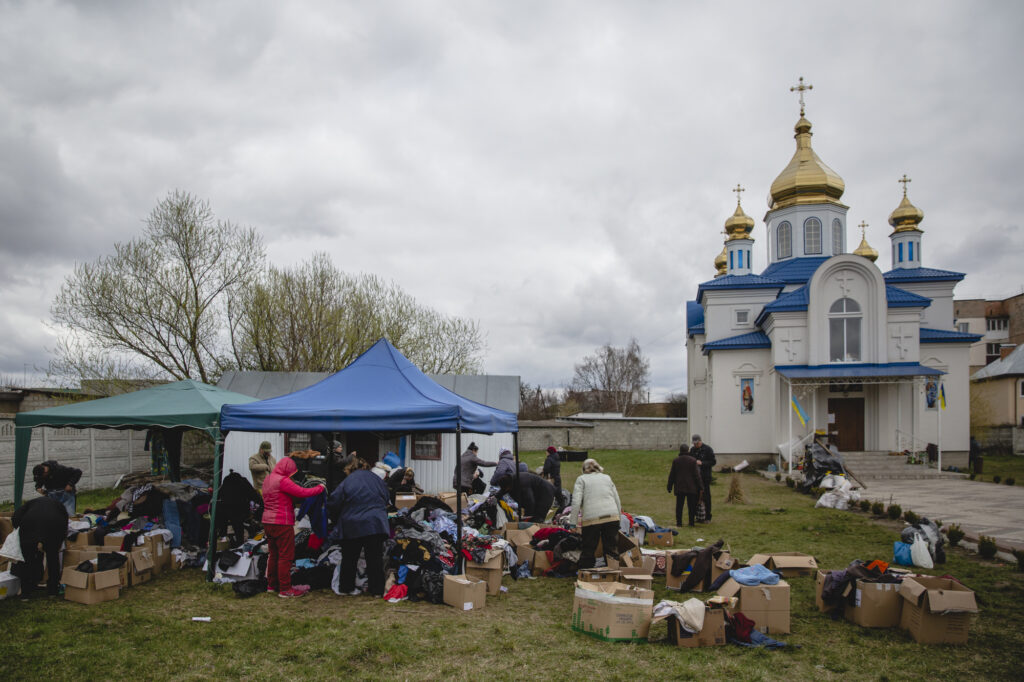
«Мой крестный умер, а каким образом, мы не знаем. Похоронили сначала прямо под домом, а потом перехоронили», — рассказывает 16-летняя Лиза. Вместе со своим старшим братом Сергеем она стоит в очереди в школу, где раздают гуманитарную помощь. Это та самая школа, где она училась в мирное время. Теперь здесь каждый день собирается очередь из нескольких сотен людей: магазины не работают, еды достать больше негде.
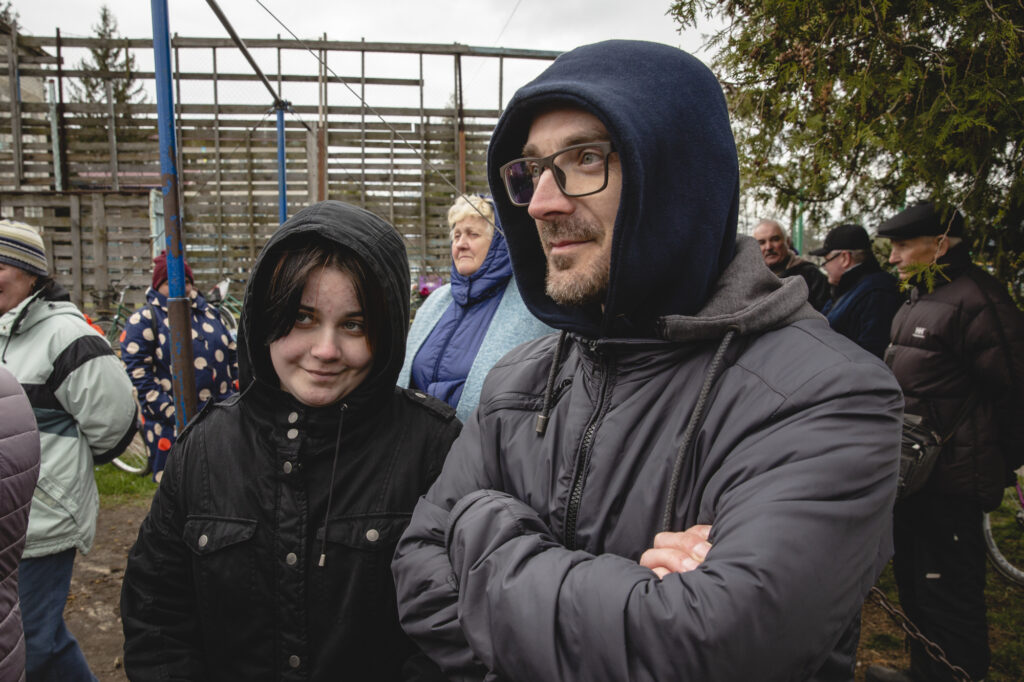
«Нам не дозволялось выходить никуда, расстрел на месте. We went home. Шукали оружие. Бандеровцев шукали», — вспоминает, посмеиваясь, 63-летняя пенсионерка Анна, которая приехала за гуманитаркой на велосипеде. Это сейчас основное средство передвижения в Бородянке, бензина ни у кого нет. Анна знает, что в центре поселка убили ее соседа — 42-летнего Андрея Быкова.
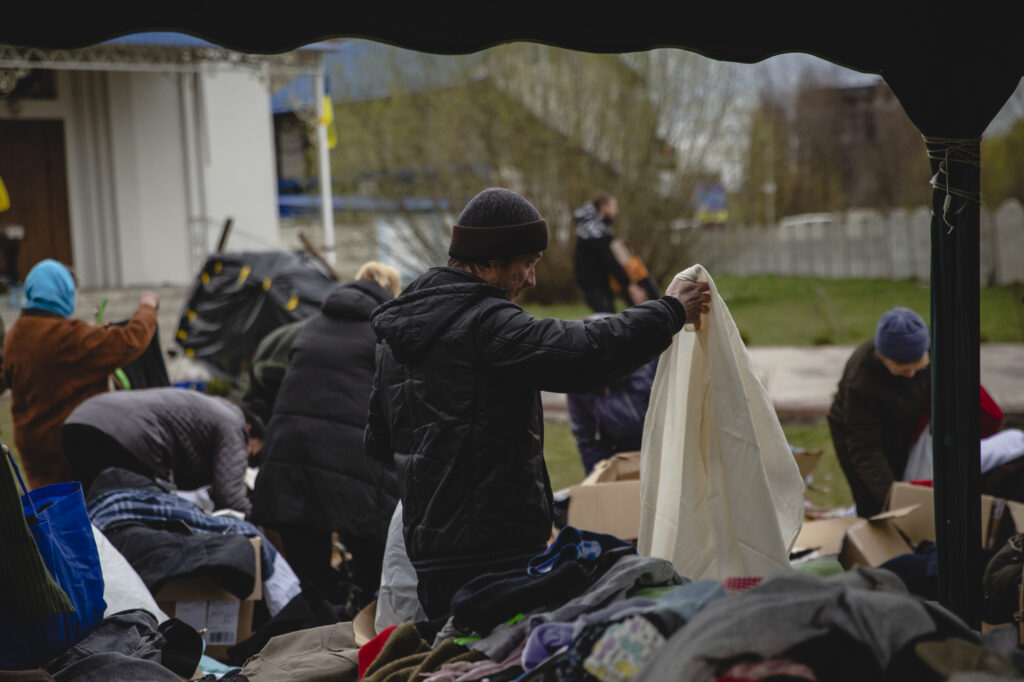
В другой школе Бородянки располагались российские военные. Теперь ее территория перекопана: повсюду траншеи и землянки. Есть даже окоп для отдыха — там стоят школьные стулья и вырванные из машины кресла. Под ногами всюду валяются упаковки от армейских пайков.
Мимо окопов идет местный житель — 72-летний Валерий Николаевич. Говорит, что российские военные, придя в дом, отобрали у него мобильный телефон и разбили его. Потом попросили воды. «Я говорю: у меня воды нет, компот есть несладкий. Вынес им компот. “Мы такой компот пить не будем”. В конце подходит их командир: я тоже хочу попить воды, дай я компот попробую. Говорю: кислый компот, без сахара, потому что сахара уже нет. Он говорит: “Ну, я такой компот пить не буду, ладно, дед”. Думаю: сволочь ты такая! Разбил мобилку, попросил воды! Да иди в болото, напейся воды из болота», — злится пенсионер.
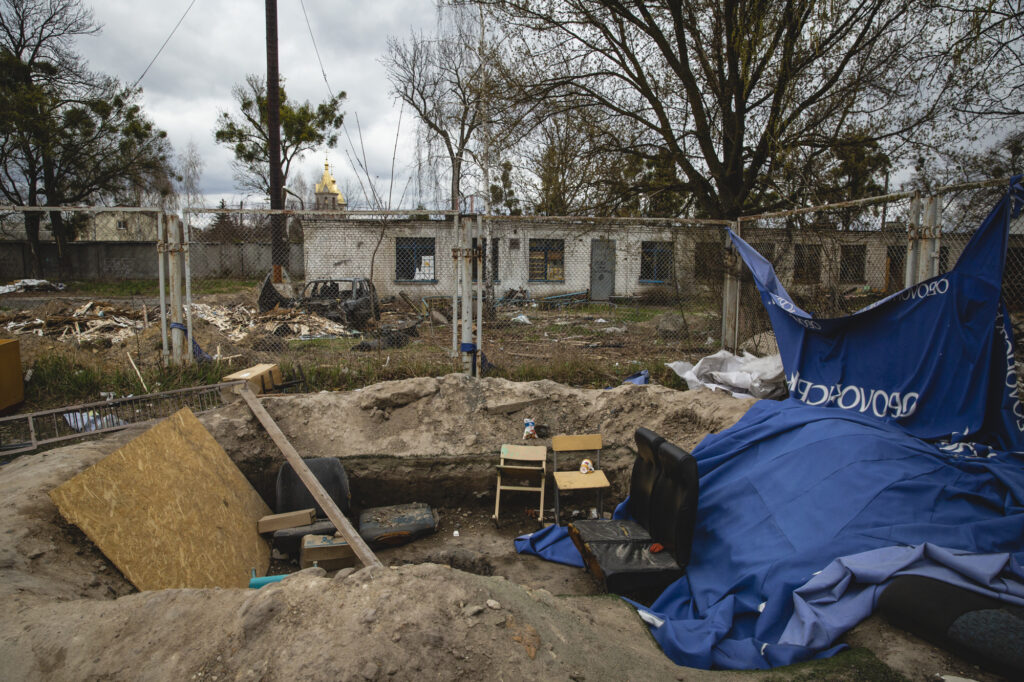
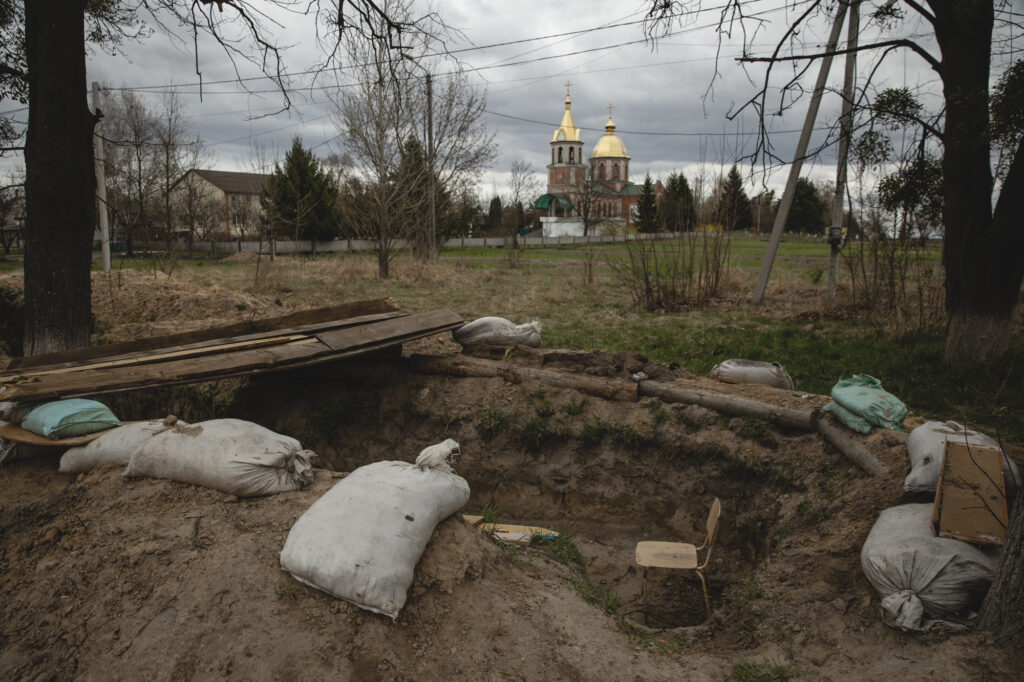
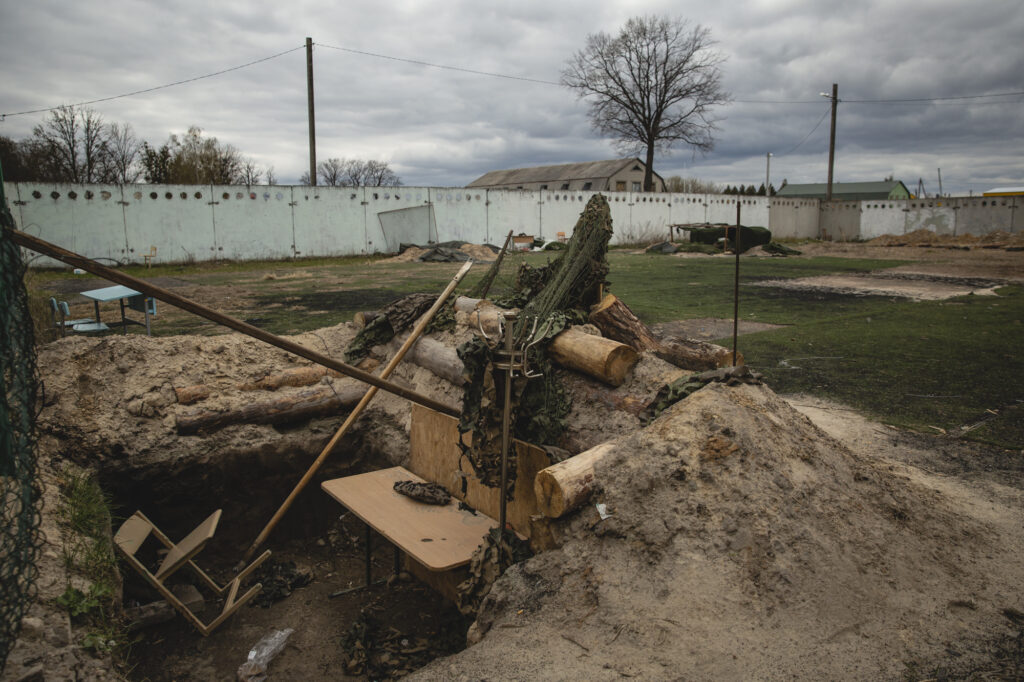
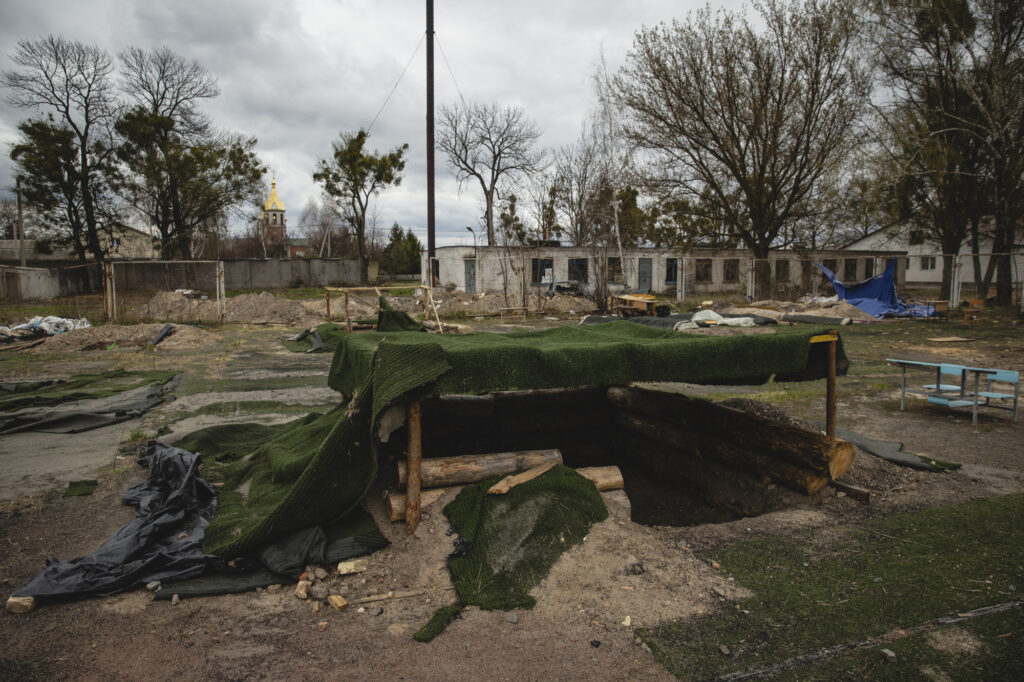
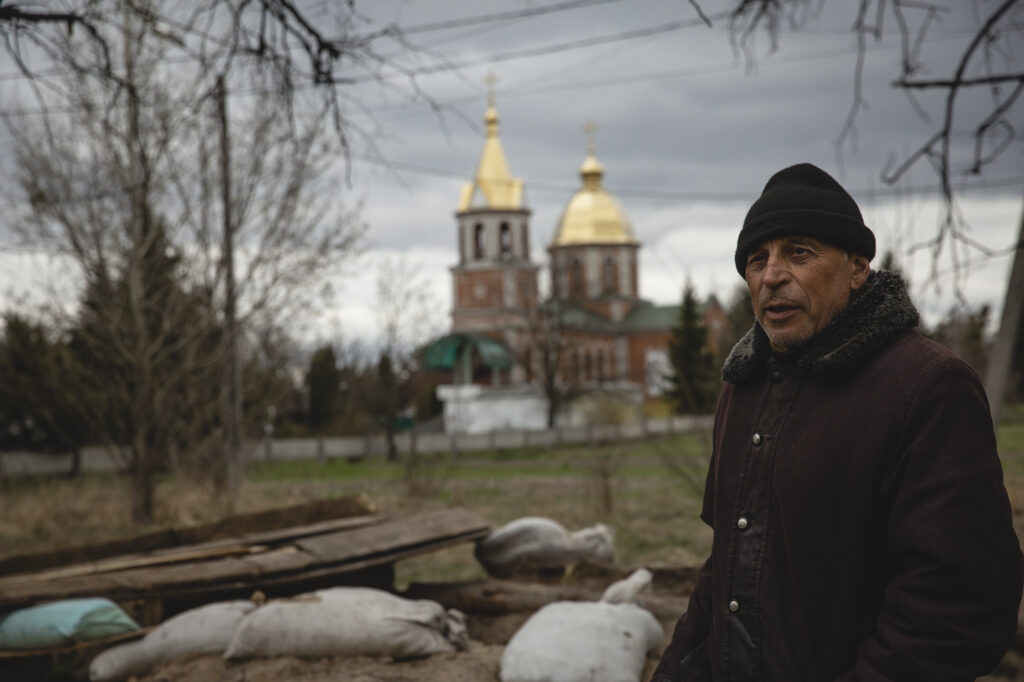
«У моей соседки хорошая козка была, она мне часто козлиное молоко давала, — продолжает он. — Вечером 12-15 человек [с территории школы] выходят и говорят: мы кушать хотим, яички свежие давайте нам, мясо... И, короче, он [российский военный] вывел эту козку и просто за этими мусорными контейнерами пустил на шашлыки. Думаю: ну твари — они и есть твари. Жалко козку».
***
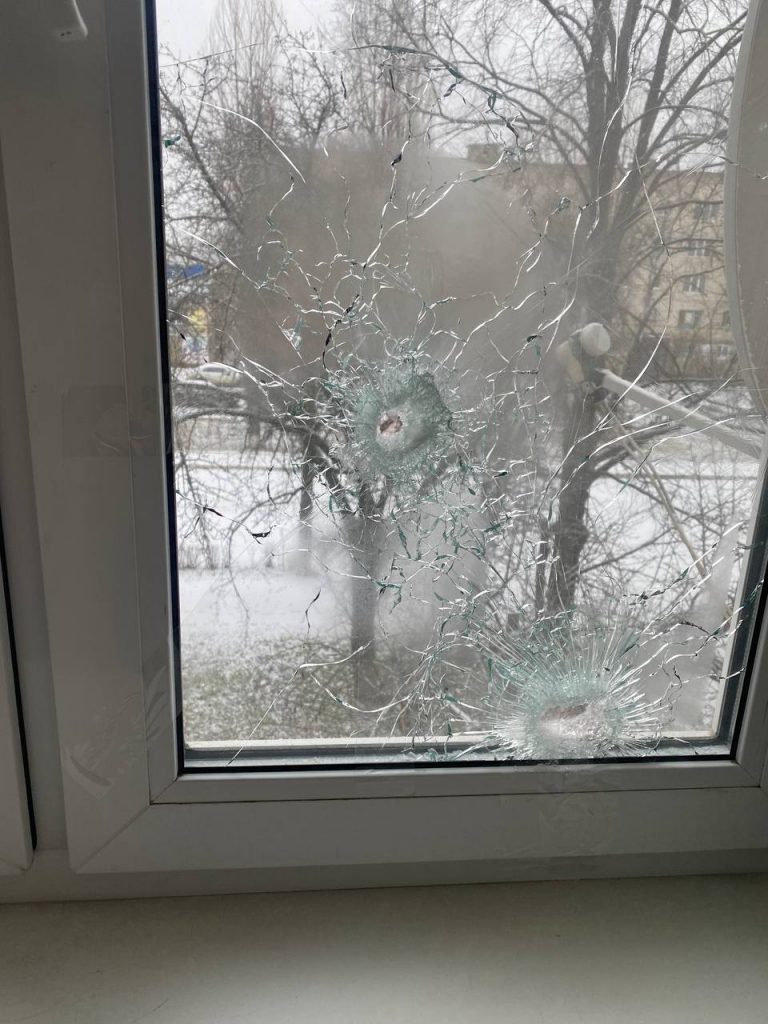
В начале войны 34-летний Максим Ковалев снимал из окна своей квартиры в Бородянке, как мимо проходит колонна российских войск. Военные его заметили. Максим сначала показывает с телефона видео с колонной, потом указывает на висящую у окна спутниковую тарелку. Сбоку у нее теперь круглое отверстие. Максиму повезло — пуля из автомата прошла мимо него.
«Он не попал в меня. Я голову поворачиваю и вижу — чувак сидит и в меня целится. Я успел упасть назад, — рассказывает он. — И спустя примерно час они, я так понимаю, передали информацию следующим колоннам: что вот такой-то дом, посреди дома две спутниковых тарелки — как ориентир, тут только у меня так. Я стоял здесь — и слышу, как херачат с пулемета по дому. И потом меня как оглушило!».
По словам Ковалева, пуля пробило окно, и осколки разлетелись по комнате. В этот момент ему повезло во второй раз — осколок попал ему в шею, но не задел сонную артерию. «Помню, встал над ванной, кровь херачит, но я себя нормально чувствую. У меня шок, наверное, был, мне вообще не больно было. Потом брат взял бинт, обмотал. Хорошо, что больница у нас здесь, а не через дорогу, потому что [по дороге] колонны идут, — вспоминает он. — Мы побежали в больницу, меня как попало зашили. Части кожи не было, она оторвалась. Сейчас я поворачиваю голову, у меня пол-лица натягивается».
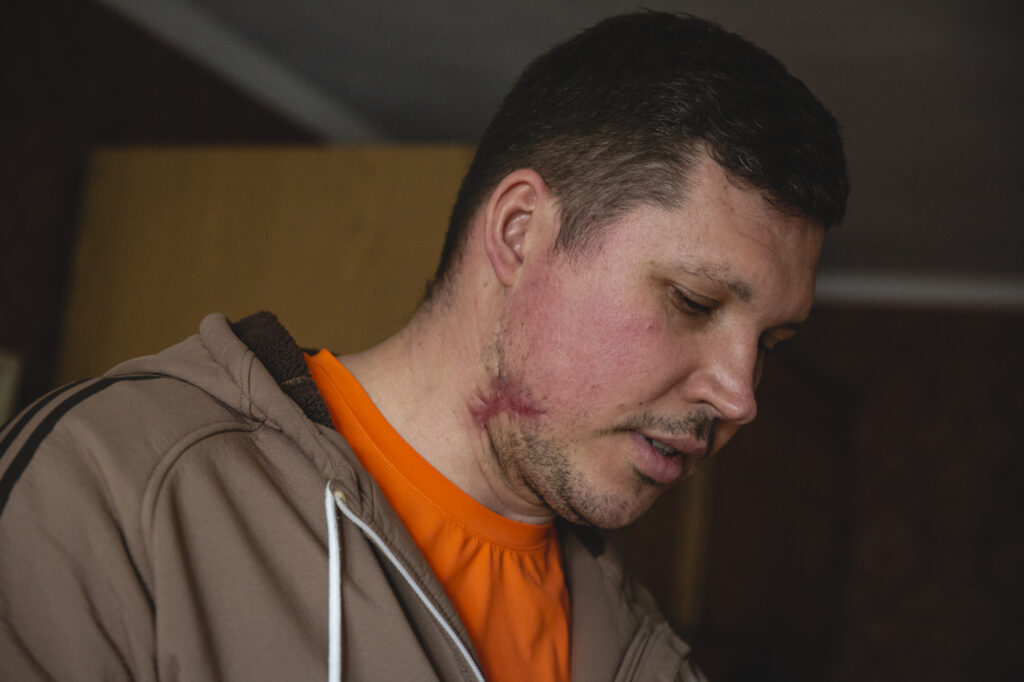
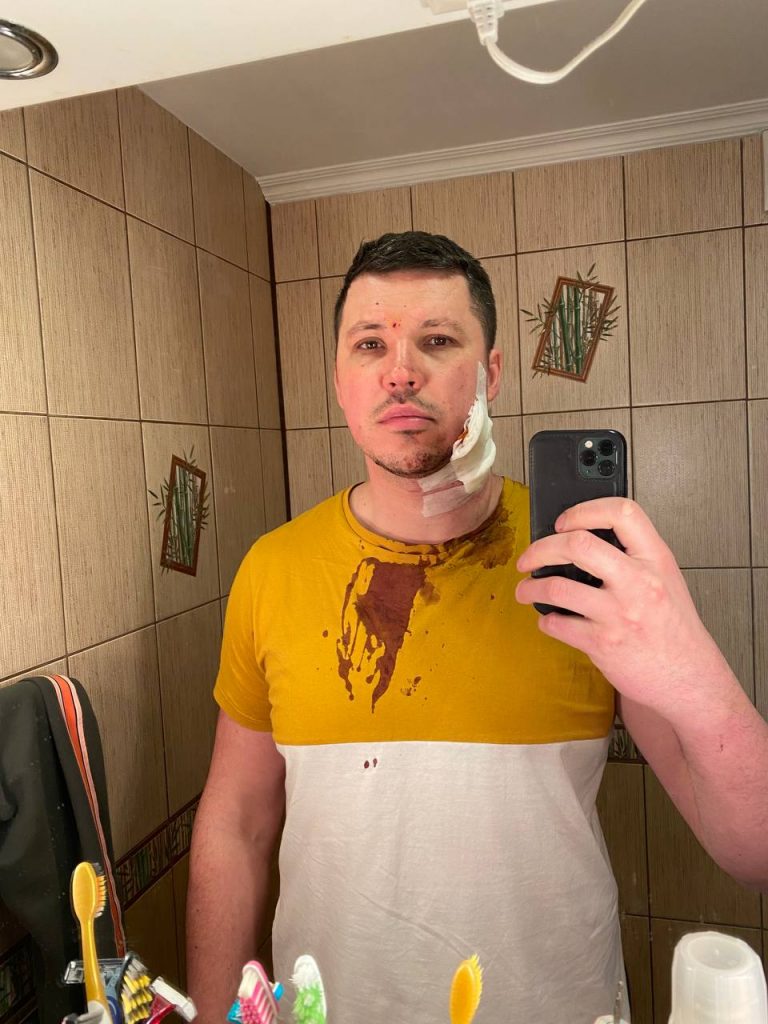
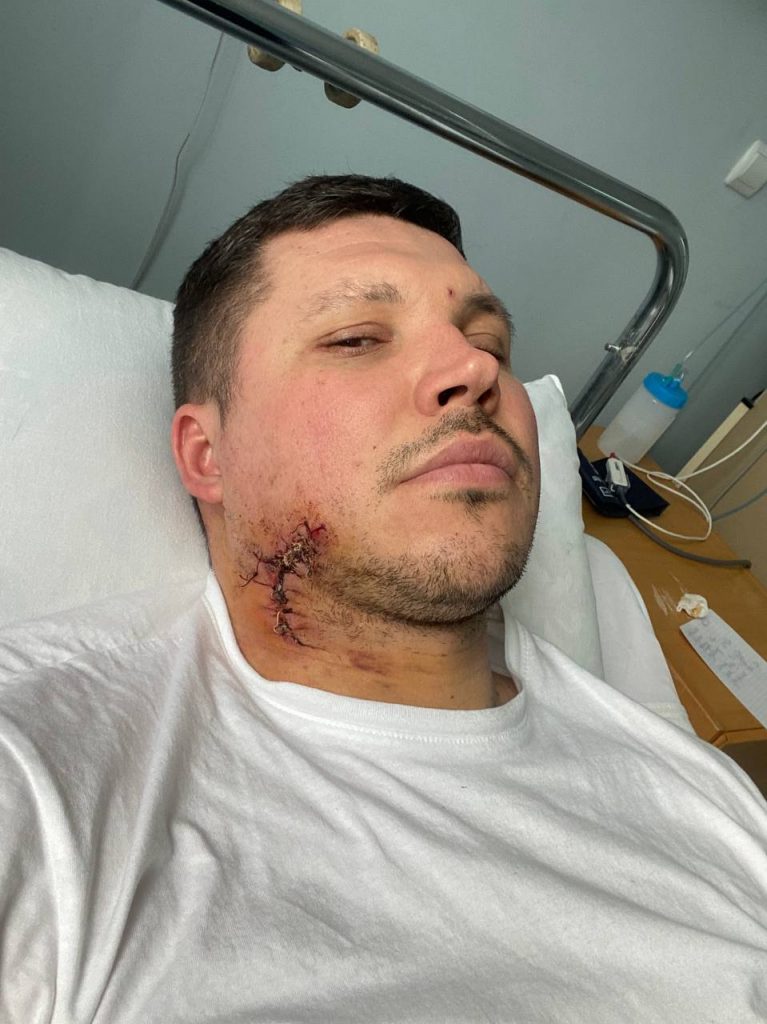
Родители Максима переехали в Украину из Брянска, сам он родился уже в Бородянке. «Я прошел то, что прошли все, кто имеют родственников в России, — рассказывает он. — Тетя моя звонила. Я ее искренне люблю, она хороший человек, но телевизор для нее, как для большинства этого стада, иначе не назову, — это как Библия. Набирает в слезах, потому что узнала, что меня поранили, говорит: „Они просто там бомбят военную часть“. Да нет у нас военной части. Говорю: „В меня стреляли целенаправленно. Я буду носить этот фейк, как вы его называете, на своем лице“. Она говорит: „Блин, да ты не понимаешь, давай к нам“. Да я лучше под танк пойду».
Максим говорит, что даже его отец остается «пророссийским до мозга костей», несмотря на то что сам оказался в оккупации в своем доме в частном секторе: «Его не трогали, не били — молодцы. А Зеленский, извините, пидорас для него». Максим говорит, что он «в шоке от того, насколько у Путина получается зомбировать свой народ». Сам он сейчас развозит по соседним селам гуманитарную помощь.
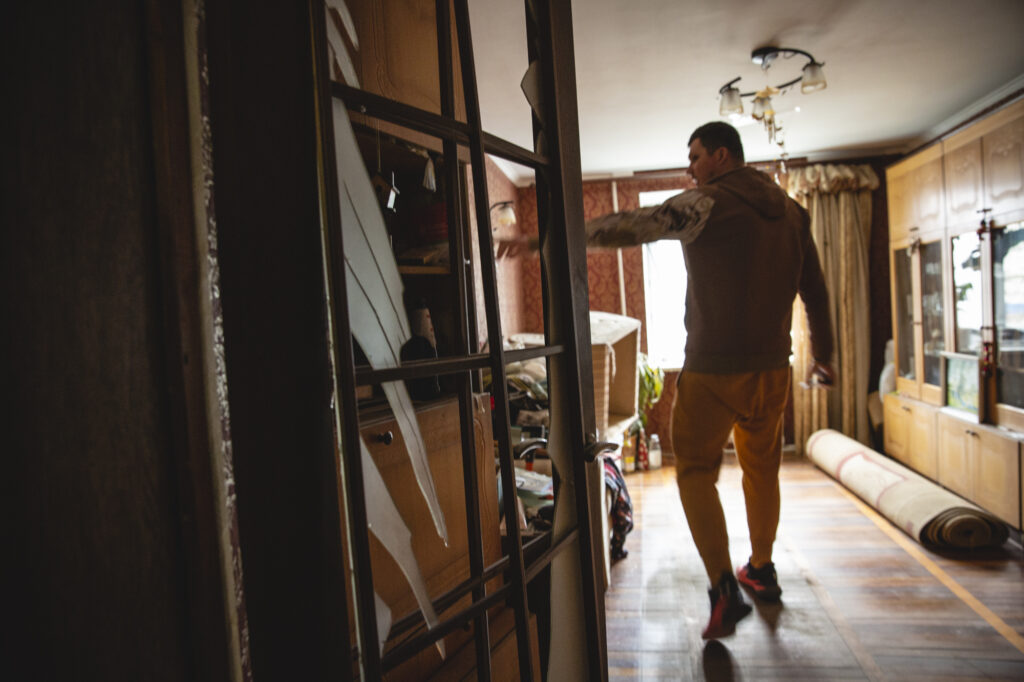
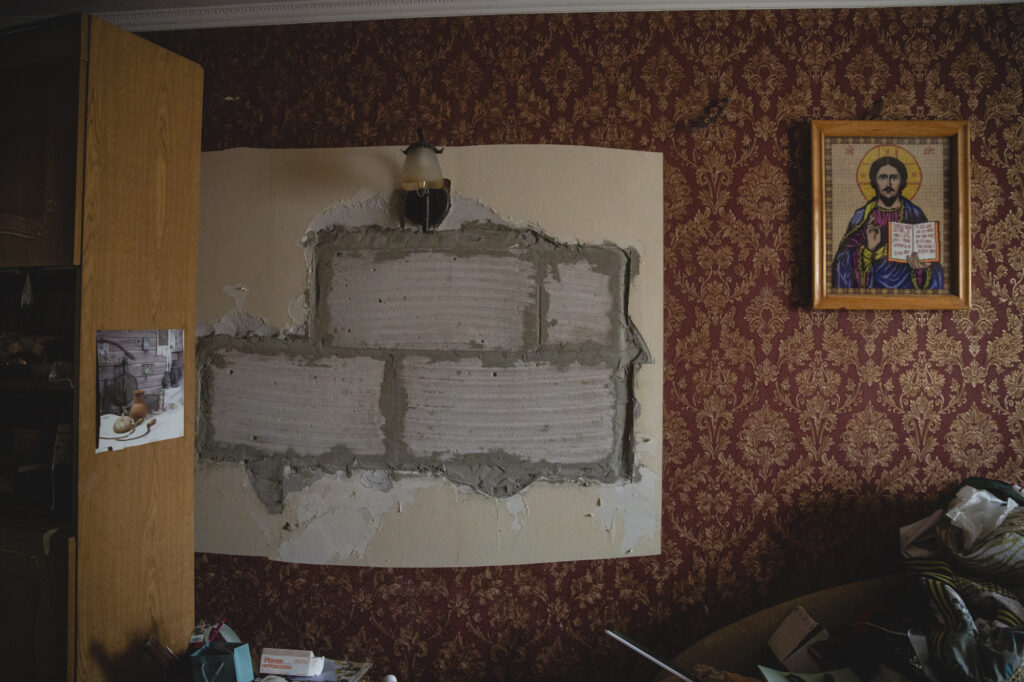
Под конец оккупации квартиру, в которой Ковалев жил с матерью, ограбили. «У меня очень хорошая дверь стояла, они ее долго насиловали — не получилось, но они сделали ход конем — через соседей зашли. Взломали соседнюю дверь, разломали относительно слабую стену и зашли через нее. Вынесли кальян дорогой, бутылку Jack Daniels, которую мне друзья в 2009 году подарили, — я ее держал для особого случая. У мамы в этой тумбочке было золото — цепочка и маленький кулончик. Found. И забыли у брата в комнате». На тумбочке мародеры оставили букву V.
Самой большой загадкой для Максима остается инцидент с кастрюлькой гуляша. Перед тем, как выехать из Бородянки, семья съела половину супа и убрала его в холодильник. Когда после окончания оккупации Максим вернулся, грязная кастрюлька стояла на балконе, а гуляша в ней уже не было. Ковалев не может понять, кому и зачем понадобилось есть его суп, которому было уже несколько недель.
***
9 марта жителю Бородянки Олегу Стукалову исполнилось 45 лет. В этот день он виделся со своей матерью Галиной. «Сказал — береги себя. Я сказала — а ты себя», — вспоминает Галина Стукалова и плачет.
Когда российские войска ушли, обстрелянную и сгоревшую машину Олега нашли в поселке недалеко от кладбища. Внутри никого не было. С тех пор мать ищет сына повсюду. 20 апреля она пришла на вскрытие могилы у морга, но Олега в ней не оказалось. Галина Стукалова продолжает искать.
Некоторые фразы в тексте переведены с украинского на русский.