
Translated material
A little different Russia
Pomors and Cossacks, Kaliningrad and the Urals. How the regions fought for autonomy and how they lost it
The attempt on the territorial unity of the country is one of the most difficult accusations that the Russian authorities can bring to anyone. However, until recently, in Russia, regions fought for independence from the center, and this did not immediately immediately become a sulfur and threat to the unity of the country. Moreover, the desire for independence in the field was manifested not only on a national basis. "Cold" tells how the Ural, Pomeranian and Don republics were created in the 1990s, and Kaliningrad and St. Petersburg tried to re-find European identity.
Ural Frank
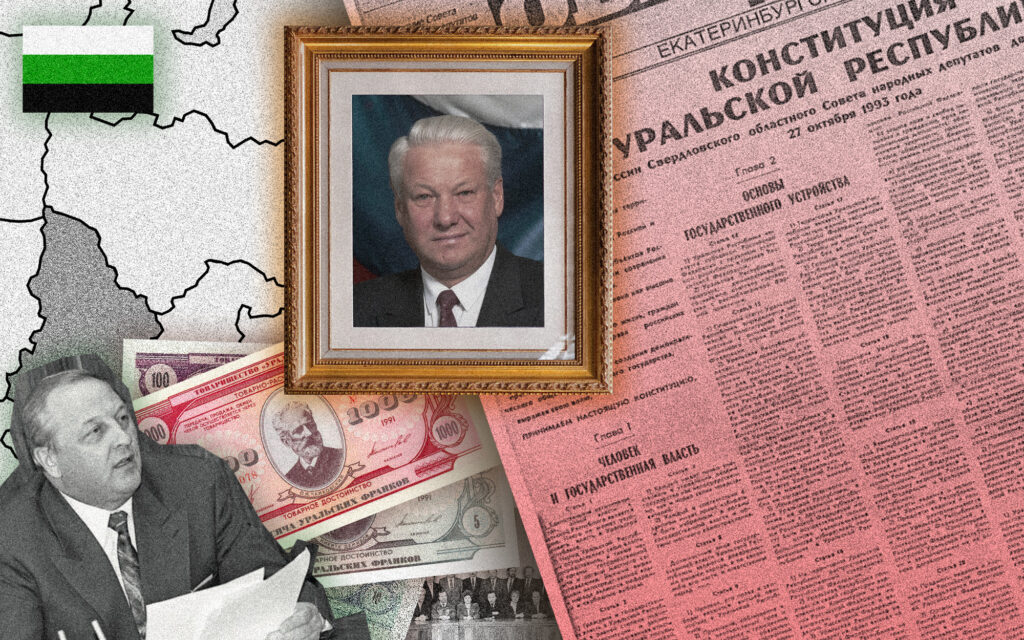
In the summer of 1993, the Ural Republic was proclaimed in the Sverdlovsk region, and a little later, quietly and without resistance, was liquidated by Moscow.
For the independence of the region, which did not have an autonomous status in the Soviet period, its nomenclature decided to fight. The idea of the Urals Republic is associated with Eduard Rossel - a bright local politician and many years of the head of the region. However, he is not the first to whom such an idea occurred. The movement “For the Ural Republic” appeared in Yekaterinburg (then in Sverdlovsk) at the end of 1990. Anton Bakov participated in it-at that time a young entrepreneur, who in the late 1980s created the first private tourist firms “Kedr” and “Malachite” in Sverdlovsk.
Eduard Rossel, in his book of memoirs, is somewhat condescendingly calling Bakov "Eternal Boy, a Sunny, Sunny Guy." Bakov himself in the book “Democracy in Russian” describes how, back in 1990, on nomination of candidates for people's deputies of the RSFSR (it was the congress on June 12, 1990 that will proclaim the sovereignty of Russia) firmly defended the idea of dividing the then RSFSR into five major formations that should independently enter the USSR. One of these formations was to become the Urals.
The idea of dividing Russia into several new republics of tanks, according to him, gleaned from the reasoning of Gabriel Popov, an influential figure in the democratic movement of the times of perestroika, the future first mayor of Moscow. Popov in 1990 released the brochure “what to do”, in which he talked about the ways of transforming the USSR, which is threatened with collapse. One of Popov’s proposals was to equalize the rights of autonomous and union republics and turn former autonomies into new subjects of the Union, which should independently resolve their relations with the Union republics in which they included.
Popov assumed that after the formation of a new federation in Russia, new "federal lands" may appear - that is, large regions with their self -government - Northern Russia, Southern Russia, Urals, Siberia and so on. Bakov, apparently, was carried away by the idea of creating new regional “lands”, which should be replaced by the RSFSR and thereby allow to preserve the Soviet Union, albeit in an updated form.
In 2012, in an interview with Kommersant-Vlast magazine, Anton Bakov half-noisy said that separatism in the Urals would take place if the separatists were available-he evaluated the support of the republic’s post-factory rather modestly. However, in the early 1990s, the idea of the Urals of the Urals was seriously interested. Eduard Rossel, a large manufacturer, heading in Soviet times the construction associations of the Sverdlovsk region, and in 1990, elected by the chairman of the local regional executive committee, turned out to be an ambitious politician.
In August 1990, when, during a trip around the country, the chairman of the Supreme Council of the RSFSR (the highest body of state power of the RSFSR in 1937-1990) Boris Yeltsin, who had already entered the Supreme Power Mikhail Gorbachev, drove into his native Sverdlovsk, Rossel said that he wanted to get more powers for his region, according to the model of American. states. In Sverdlovsk, Yeltsin then arrived from the Volga region, where he uttered the famous phrase, which was in an inaccurate version: "Take as much sovereignty as you can swallow." And the republican movement of the Urals has become a convenient tool for the games of the regional nomenclature.
Rossel himself in his memoirs said that his transformation into “Republican” was facilitated by the case of the reception of the Minister of Finance of the RSFSR, when, after a long wait, he was not allowed into the office, where the Minister of Finance of Tatarstan went without line. Rossel was wounded that in the official hierarchy, the Minister of Autonomous Republic had a higher status than the head of a large neighboring region that did not have autonomy. And he decided to support the idea of the republic and use the hardware for its implementation.
Rossel took advantage of the struggle between the Yeltsin and the Hasbulatov Supreme Council, led by Ruslan Hasbulatov, which weakened the center and gave the regional authorities the opportunity to hold their own initiatives. When in 1993, Yeltsin initiated a referendum on trust in his own political course, a public opinion survey in Yekaterinburg, where residents had to say whether the region needed to seek equality with the republics. For "voted 83%.
On July 1, 1993, the regional council announced the creation of the Urals of the Republic of Ural, and Rossel soon stated that its constitution was being prepared. Then it was quite in the mainstream of general political processes: it was at this time against the backdrop of the confrontation of Yeltsin with the Supreme Council in Moscow that work was underway to create a new Constitution of the Russian Federation (the very one that was adopted at the referendum in December 1993 and formally continues to operate now).
The lack of general rules of the game and the free action of different forces-that reality of the early 1990s, which is difficult to imagine 30 years later-made almost incredible ideas possible. One of them was the emergence of regional money - the so -called “Ural franc” - physically existing, but never launched into circulation, a monetary unit.
Frank was the idea of Anton Bakov, who continued independent activities in support of the republican idea. In 1992, the Ural entrepreneur ordered a batch of new monetary units at the Perm factory of Goznak. In his memoirs, he calls the release of money a “advertising” gesture. At the same time, according to Bakov, he achieved official permission to issue “francs” from the then head of Yegor Gaidar, who was then headed. Rossel recalls at the same time that Bakov told him about the permission received, and the head of the Sverdlovsk region personally called Gaidar and found out whether he was parallel to walk in the new currency region. It was Gaidar's readiness to allow Frank that made the experienced apparatchik Rossel suspect here a dangerous intrigue, threatening him as the head of the region with serious consequences up to a prison term. As a result, the Ural Frank remained a ghost currency.
Perhaps even more dangerous for Moscow than regional money was supported by Rossel of the ideas Gabriel Popov: in September 1993, at the regional meeting, they expressed ideas not to limit the Ural Republic of the Sverdlovsk region, but to include neighboring regions in it.
Boris Yeltsin, apparently, was forced to tolerate claims of regional chapters, while he was busy with the struggle for power with the Supreme Council. After the Supreme Council was shot from tanks on October 4, 1993, and the president received full control over the central authority, he no longer had the need for excessive flexibility. On November 9, 1993, by decree of the President, the Sverdlovsk Regional Council was dissolved, his decision to create a republic was declared unable to force, and on November 10, another decree “For Excess of Powers” Eduard Rossel was removed from the post of head of the region.
None of the 1993 voted in a referendum for the creation of the republic went to defense.
Russia behind the Baltic Sea
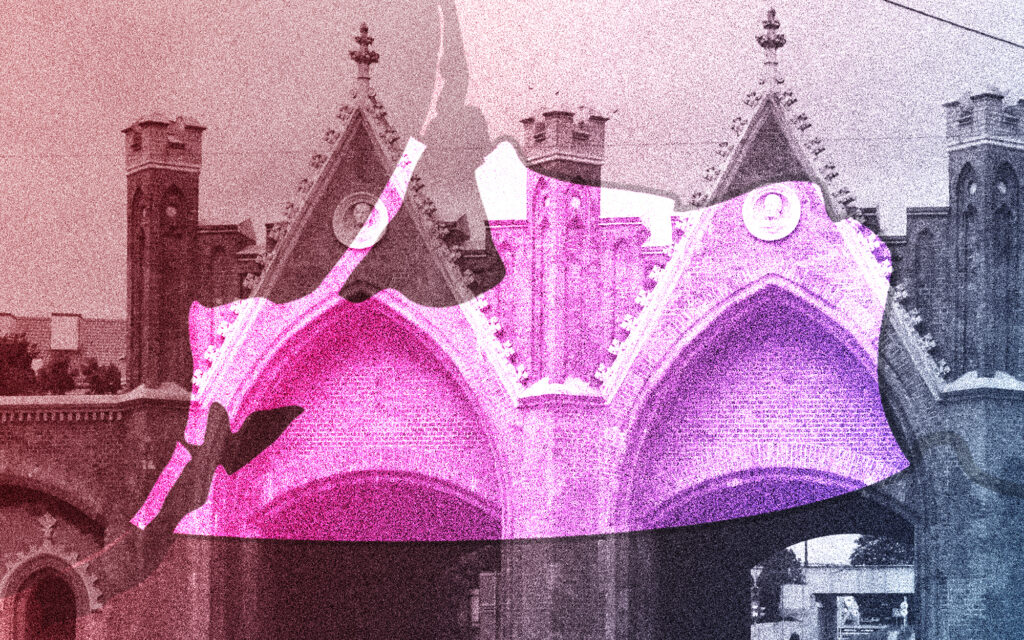
The Kaliningrad region, after the collapse of the USSR, was cut off from the main territory of Russia, was a “natural candidate” to a special position. However, the first post-Soviet leadership of the region decided to achieve a special economic and legal status of the region, without raising the issue of the republic.
“The fate of Rossel was not accidental,” says Solomon Ginzburg, who in 1991 became an adviser to the first governor of the region Yuri Matochkin, and later headed the region’s information and analytical department. -While we were working with Moscow in the early 1990s to recognize the special status of the region, I had to be a lot in the Kremlin, to talk with the then influential Gennady Burbulis or Sergey Stankevich , who was an adviser to Yeltsin. I did not have doubts that Matochkin will immediately lose his position as soon as he utters the word “republic”. After all, the governors of the regions were then appointed president. ”
By the middle of 1990, the Kaliningrad authorities managed to convince the center of the need to provide the region with the status of a special economic zone, which greatly simplified the influx of investment and the import of European goods into the region. “In the 1990s and in the early 2000s, there were many logical reasons in Kaliningrad to strive for integration with Europe,” says Alexey Milovanov, former editor-in-chief of the New Kaliningrad publication. - Investors came here, our officials constantly wandered abroad, funds from the West came to various infrastructure projects. So many thought: why not become closer to Europe, since we are already separated from Russia by borders. ”
Solomon Ginzburg says that in the second half of the 1990s, the regional authorities sought to include a special paragraph on the Kaliningrad region in an agreement between Russia and the EU. And in 1993, the Baltic Republican Party, headed by Sergei Pasko, arose in Kaliningrad, in the program of which there was a demand to provide the region with autonomy with the status of a republic within Russia. However, this slogan in the region did not enjoy support, and the party itself has never been represented in the regional parliament.
According to Ginzburg, public opinion polls conducted in the first half of the 1990s showed that the support of the Autonomy of the Kaliningrad region grew when the situation was a difficult or fraught with surprises in the “Big Russia”, for example, in the fall of 1993, when in Moscow the supporters of the president and parliament began to shoot at each other-however, there were never more than 10%supporting autonomy.
In the 2000s, the political climate in the country began to change, and they began to look at any signs of the regional “self” with suspicion. In 2001, regional parties were banned in Russia (which, after a series of trials, led to the liquidation of the Baltic Republican Party in 2003). Also, with increasing suspicion, the central authorities began to look at people and organizations fond of the history of the region until 1945 for many centuries by the former part of East Prussia.
Since the 2010s, materials about the “threat of Germanization” of Kaliningrad began to appear in the media. According to Alexei Milovanov, REGNUM published a large role in the campaign against “Germanization”, which (after returning to the leadership of him by the historian and former official of the Presidential Administration, Modest Kolerov, who once founded REGNUM), began to seek out hidden separatist threats in the Russian regions. “After falsification of the elections to the State Duma in 2011, protests in Bolotnaya in Moscow and Putin’s re -election in 2012, it was impossible to think about any European vector, our region was more and more bristled by the“ Iskanders ”,” Solomon Ginzburg sums up.
Free Don
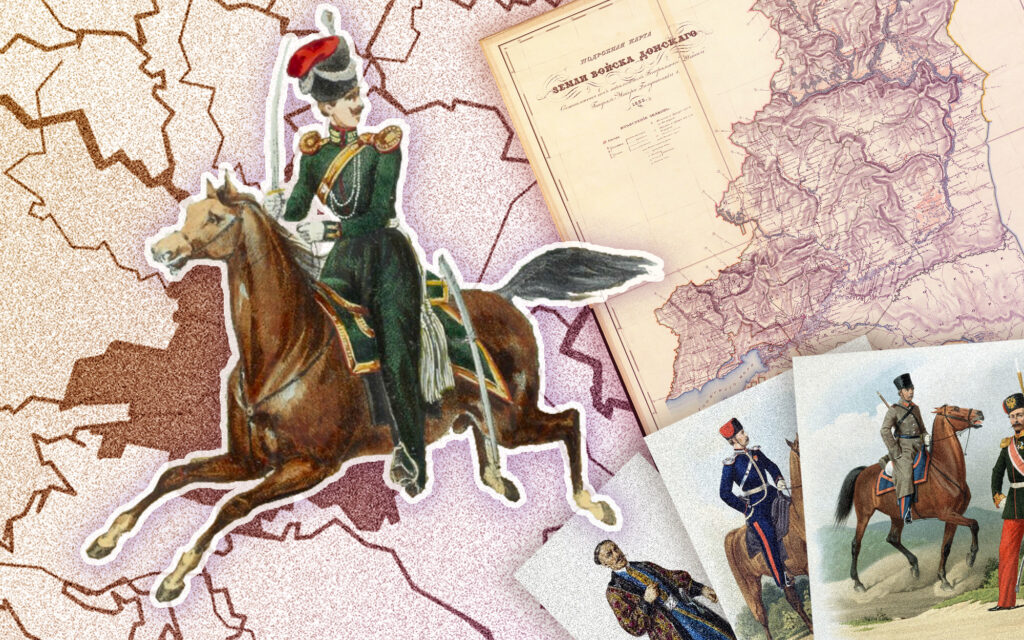
The regions could claim to be a special status and simply because these lands were once self -governing, and their indigenous residents differed from the main population of the country. So it was, for example, with territories in which many Cossacks lived - although many researchers do not believe that the continuity of the current Cossacks in relation to pre -revolutionary is real.
“Modern Cossacks are rather neo-Cossacks, which has almost no continuity with the pre-revolutionary Cossack layer. The former Cossack regions have long been divided between different subjects, and the specific traditions of military service and land use, on which the Cossack community, of course, was not preserved, ”explains the regionalist and specialist in modern Cossacks Sergey Markedonov.
According to him, the new Cossack movement has been formed in the last years of the existence of the USSR, and different directions have been determined quite quickly in it. “Somewhere in 1990-1991, the Cossacks, oddly enough, tried to use the local party authorities. For example, in the Rostov region, the Cossack movement was led by the son of the writer Sholokhov Mikhail, who had previously taught at the Department of Philosophy of Marxism-Leninism in a local police school. ” In the Kuban, according to Markedonov, in the late perestroika, the Cossack traffic was supervised by the local chief of the CPSU, who in those years was considered a stronghold of a conservative opposition as Gorbachev and Yeltsin.
In the late 1980s, the novel “Red Days” of the hereditary Cossack and the former prisoner of the Stalinist camps Anatoly Znamensky was released. He was dedicated to the fate of the commander of the Second Horse Army of the Red Army Fedor Mironov, a bright representative of the “red” Cossacks of the Cossacks of the Civil War, who conflict with Trotsky and killed by sentence after the arrest in 1921. Znamensky, according to Markedonov, became the expressor of the idea of the new “Red Cossacks”: “Briefly this position can be formulated as follows: the Cossacks were generally ready to support the Bolsheviks and advocate a“ new truth ”and a single red state, but“ bad ”Sverdlov, Trotsky and the company ruined everything.”
In 1991, they more boldly began to talk about the heritage of the White Cossacks. And some Cossack organizations took anti -communist positions and began to support the leadership of the RSFSR led by Yeltsin. One of the expressions of these sentiments was Sergey Meshcheryakov, elected in the 1990 ataman of Volgodonsk. In August 1991, Meshcheryakov took part in the defense of the White House from the State Emergency Committee. In Rostov-on-Don, part of the Cossacks also made the support of “democratic Russia”.
In October 1991, Meshcheryakov elected the Union of Cossacks of the Donskoy troops ataman. The Cossack Circle, where he was elected, said that their goal was the restoration of the Don Republic - anti -Bolshevik education from the time of the Civil War, created on the Don in the spring of 1918. Supporters of Meshcheryakov believed that the Don Republic should be recreated within the boundaries of the former region of the Donskoy (ATS), which included a significant part of the current Volgograd region, as well as the Donetsk and Lugansk regions of Ukraine. On December 3, 1991, the regional council of Rostov supported the appeal of the Cossacks on the creation of the Don Republic as a subject of the RSFSR.
The basis for this decision was indicated by the Law of the RSFSR on the rehabilitation of repressed peoples . Article 2 of this law, adopted on April 26, 1991, really recognized not only peoples falling under it, but also
"Other historically formed cultural and ethnic communities of people, for example, Cossacks." And Article 3 gave the repressed peoples the right to restore "territorial integrity." However, the decree of the Council for the next day was appealed by the prosecutor's office, and the regional authorities did not return to it more.
Meshcheryakov conflict with the authorities of the Rostov region and the first governor of the region Vladimir Chub. Several times the Cossacks subordinate to him held armed shares to the administration of the region. In 1992, the conflict began in Transnistria, in which the Cossacks took an active part. This provided an influx of weapons in Cossack structures. Later, the Cossacks from different regions fought in the Abkhaz war. Their allies were units of the confederation of the mountain peoples of the Caucasus , where Shamil Basayev played a prominent role.
According to Markedonov, Cossack and mountain fighters during that war had normal relations: “The formation of the Cossacks then combined Caucasophobia and Caucasophilia in various proportions. For example, in August 1994, the Don Ataman Nikolai Kozitsyn, who was among the “opposition” Cossacks, concluded an agreement with the Donaevsky Republic of Ichkeria on behalf of the all -like army of the Don. ”
Since the mid-1990s, the state has gradually controlled the Cossack movement, leaving someone with the possibility of a register service and making it unpromising, and over time, an open confrontation with the local and, especially, federal authorities. In the 2000s, it was already impossible to talk about the independent role of Cossacks in the south of Russia. “Now the Cossacks are not a political force, but rather a regional surroundings,” Markedonov concludes.
On the Pomeranian shore
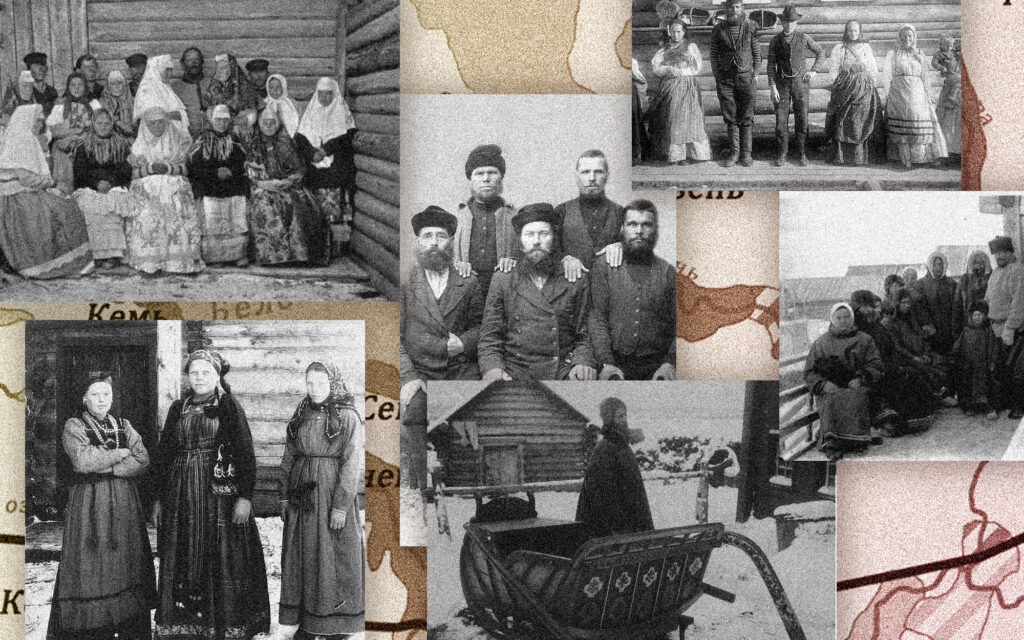
In 1987, in Arkhangelsk, the Pomeranian Renaissance organization was created, which began to advocate the independence of the region, emphasizing that Pomori - a special ethnographic group (it is often considered a sub -ethnographic group or an ethnographic group within the Russian people), descendants of medieval Novgorod and Pskov settlers, who traditionally engaged in the sea and the ethnographic group on the White and the Social Revolutionary Barents seas.
В это время Советский Союз трещал по швам, и «Поморское возрождение» вспомнило об опыте самостоятельного существования региона во время Гражданской войны. «С 1918 по 1920 гг. северная Россия была фактически автономной областью, управляемой собственным правительством, — рассказывает Анатолий Беднов, архангельский журналист, участвовавший в поморском движении. — К тому же мысль о том, что повышение самостоятельности региона поможет преодолеть экономический кризис, что регионам нужно больше прав на управление собственными ресурсами, тогда была популярна во всем СССР. Архангельская область находится между двумя республиками — Карельской и Коми. У нас спрашивали: чем мы хуже?».
Тем не менее, как вспоминает Беднов, поморское движение в области развивалось без особых прорывов. Внимание к поморскому вопросу резко возросло уже в 2000-е годы, когда глава области Анатолий Ефремов неожиданно совершил яркий публичный жест в сторону местного субэтноса: во время Всероссийской переписи 2002 года губернатор записал свою национальность как «помор». Как обычно бывает в подобных случаях, многие региональные чиновники тоже немедленно «стали» поморами. С этого времени в области начало действовать несколько поморских организаций.
Традиционная область расселения поморов не ограничивается Архангельской областью: она включает в себя побережье Белого моря в Карелии, а также Мурманскую область. В 2000-е годы стали проводить межрегиональные поморские съезды. Беднов вспоминает, что в эти годы говорили и про объединение «поморских» муниципалитетов — то есть городов на побережье Белого и Баренцева морей, — однако в итоге идею так и не воплотили, во-многом из-за отсутствия реальной связи между прибрежными городами и деревнями разных регионов.
Поморы боролись за включение их в группу коренных и малочисленных народов — коренным народам по закону полагаются льготы, если они занимаются традиционными промыслами, в данном случае, особые условия для рыбной ловли или охоты на морского зверя.
Несмотря на то что поморы не стремились получить полноценную автономию региона, с начала 2010-х годов их движение стали атаковать в СМИ. Как и в случае с борьбой с «германской угрозой» в Калининграде, большую роль здесь сыграло издание Regnum, где с 2011 года появлялись публикации о финансировании проектов «Поморского возрождения» из норвежских источников, а также о том, что они расшатывают национальное и территориальное единство России.
Беднов полагает, что триггером послужил проведенный в сентябре 2011 года IV межрегиональный съезд поморов, в работе которого участвовали представители Норвегии. На сотрудничество с приграничными регионами других стран в те годы в Москве смотрели с пониманием, а Архангельская область вместе с северными территориями Норвегии, Швеции и Финляндии входила в организацию «Баренц-регион», призванную развивать межрегиональные контакты. Однако некоторые контакты, очевидно, начали казаться в Москве неприемлемыми. В 2013 году основатель «Поморского возрождения», а к тому времени президент Ассоциации поморов Архангельской области был осужден по 282 статье за разжигание экстремизма — поводом стала сказанная им в сетевой полемике о поморах фраза «Вас миллионы быдла — нас две тысячи людей». Суд счел, что под «быдлом» имелся в виду русский народ.
Сейчас поморские организации в Архангельской области продолжают свою работу, однако занимаются лишь хозяйственными проектами на беломорском побережье и развитием фольклора. «О каком-либо подчеркивании этничности речи идти не может», — говорит Беднов.
Виртуальная Ингрия
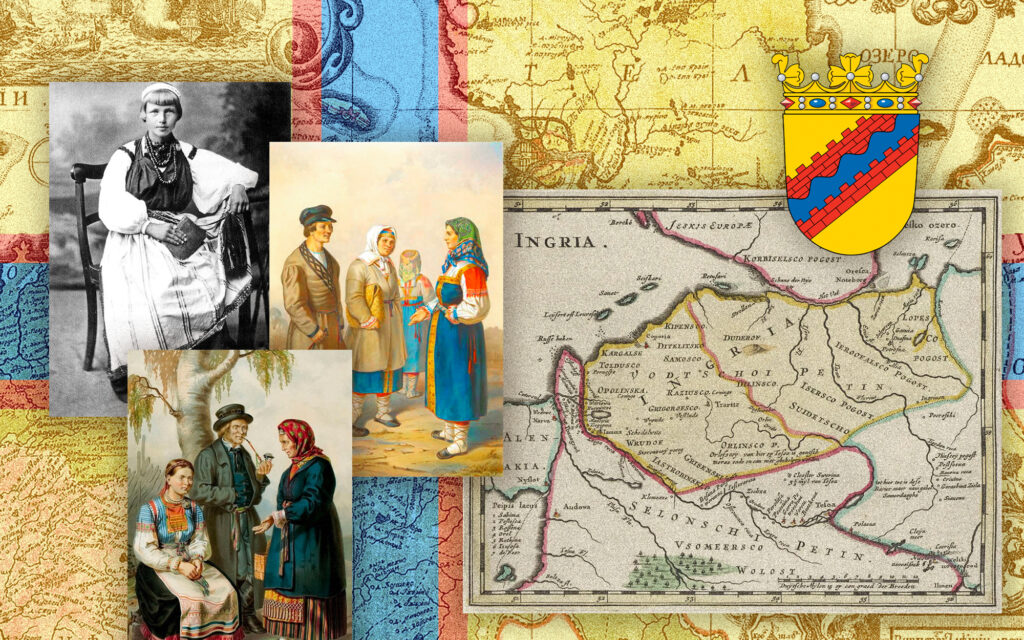
Были и довольно парадоксальные проекты по поиску самостоятельности региона. Например, проект Ингерманландии, или Ингрии, подразумевавший обособление Ленинградской области вместе с Санкт-Петербургом.
Название «Ингерманландия» («Ингрия»), отсылает к наименованию территории вокруг современного Петербурга, когда эти земли принадлежали Швеции. По одной из версий, оно происходит от жившего на этих землях финно-угорского народа ижора. C XVII века на этих землях расселялись финны, также получившие название ингерманландцев (в советское время финское население было почти полностью выселено с мест проживания).
Об Ингерманландии в Петербурге вспомнили в 2000-е годы, причем сразу по разным поводам. «Ингрией тогда увлеклись некоторые петербургские правые — от умеренных до крайне правых», — объясняет Владимир Серебровский, один из ингерманландских регионалистов, известный по сетевому нику Rotten Kepken. Эта часть «политических ингерманландцев» так же, как и регионалисты в других частях России, апеллировала к эфемерному государственному образованию времен Гражданской войны — Республике Северная Ингрия, существовавшей в 1919-1920 гг. на территории нескольких деревень в районе Карельского перешейка и ведшей борьбу с большевиками.
Хотя население той республики составляли ингерманландские финны, по словам Серебровского, этническая составляющая мало интересовала новых сторонников движения. Для них «Ингерманландия» означала, что земли вокруг Петербурга — регион «большой» Европы. Другие же «ингерманландцы», наоборот, интересовались историей финнов, пытались изучать ингерманландский диалект финского языка и в целом общались на виртуальных ресурсах, посвященных краеведению. Одним из их центров стало издательство «Гйоль», печатающее книги о финской истории региона.
Как объясняет Серебровский, эти две «ингерманландские» субкультуры не перемешивались, но с симпатией относились друг к другу. Обе избрали своим символом военный флаг республики Северная Ингрия — сине-красный скандинавский крест на желтом фоне, который использовался на уличных акциях, однако чаще — в сети. По мнению Серебровского, бренд «Ингерманландия» оказался удачным: «Идея, что Петербург — не Россия, и тем более не Москва, что мы — космополиты, живущие почти в Европе, в городе присутствовала всегда. А Ингерманландия — это что-то отдельное, при этом название звучит свежее, чем скучная Ленинградская область».
«Свободная Ингрия», впрочем, не вышла за пределы сетевых форумов и тематических страниц. Объединенные общим лозунгом кружки энтузиастов, обсуждающих в сети идеи новой, не связанной с Москвой региональной идентичности, — это уже явление эпохи 2000-х, когда Рунет оставался пространством, где разрешалась относительно безобидная имитация политики, уже недопустимой вне сети. Тематические паблики, посвященные Ингерманландии, существуют и сейчас . Однако их наличие лишь напоминает нам, что на Петербург можно смотреть не только через призму имперской оптики.