
Translated material
"Previously, it was called smuggling." Will Sapsans remain and swallows remain?
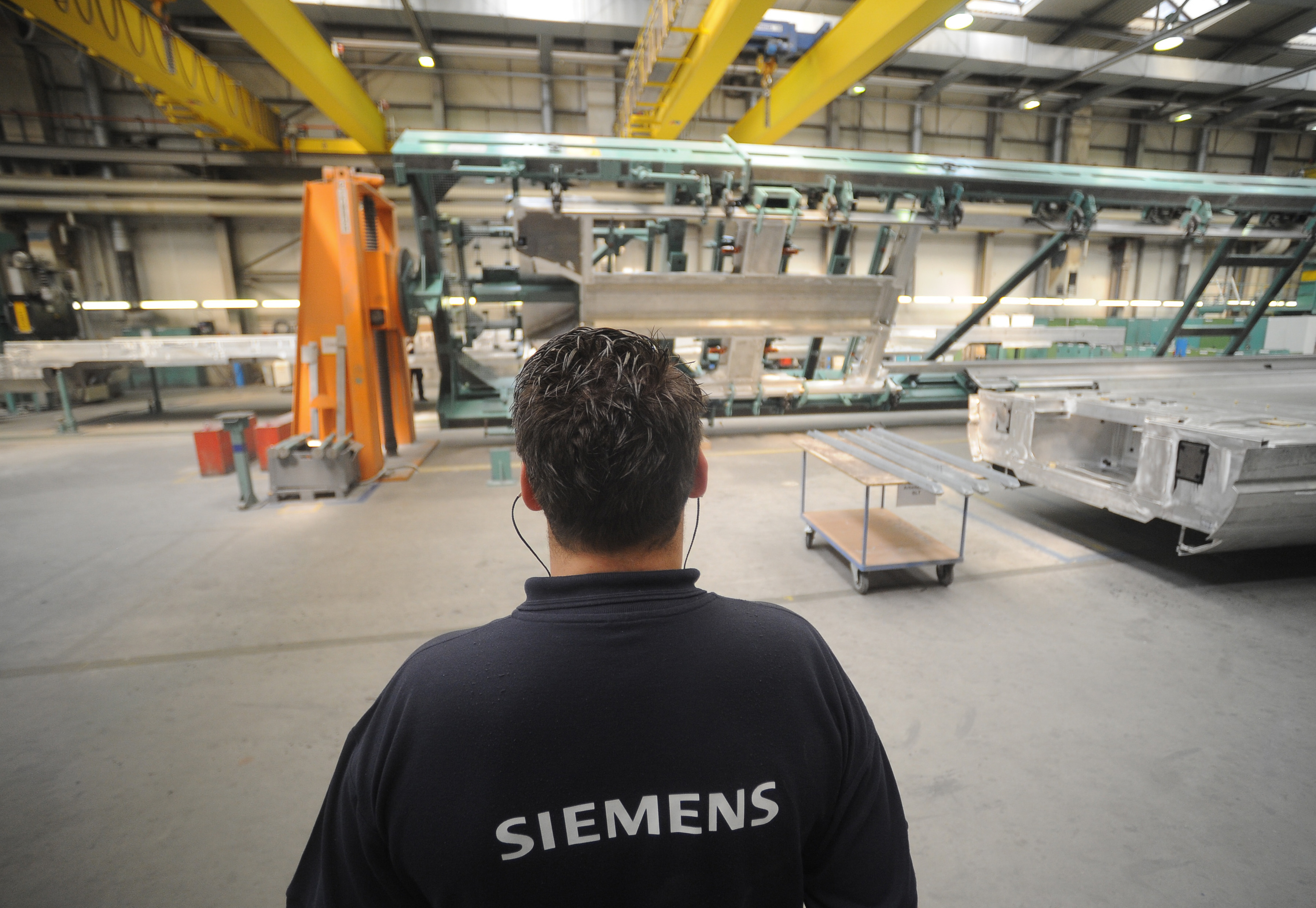
The German concern Siemens leaves Russia. This means that the company stops the production and maintenance of the Sapsan and Swallow high -speed trains. Whether the train in Russia will stop because of this and how the import substitution in this case will be the correspondent of the North. Reali was explained by the economist Vladimir Gryaznevich.
The Siemens concern announced that he has terminated maintenance contracts with Russian Railways since May 13. These service agreements include the supply and maintenance of the Sapsan and Swallow trains. The press service of Russian Railways has already said that the Sapsan and Swallow train maintenance will continue within the framework of the current Russian legislation under the guidance and control of Russian Railways holding. "

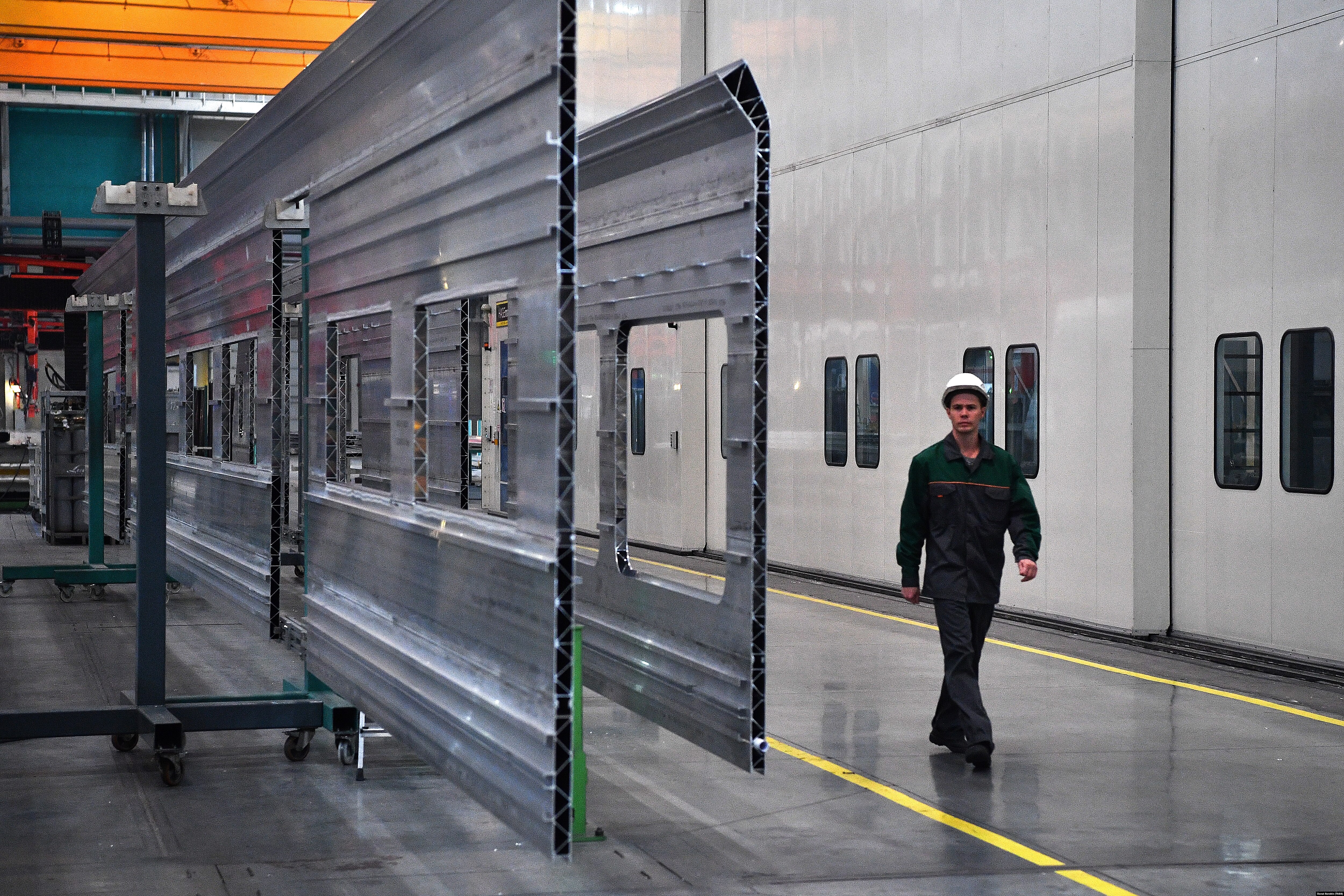
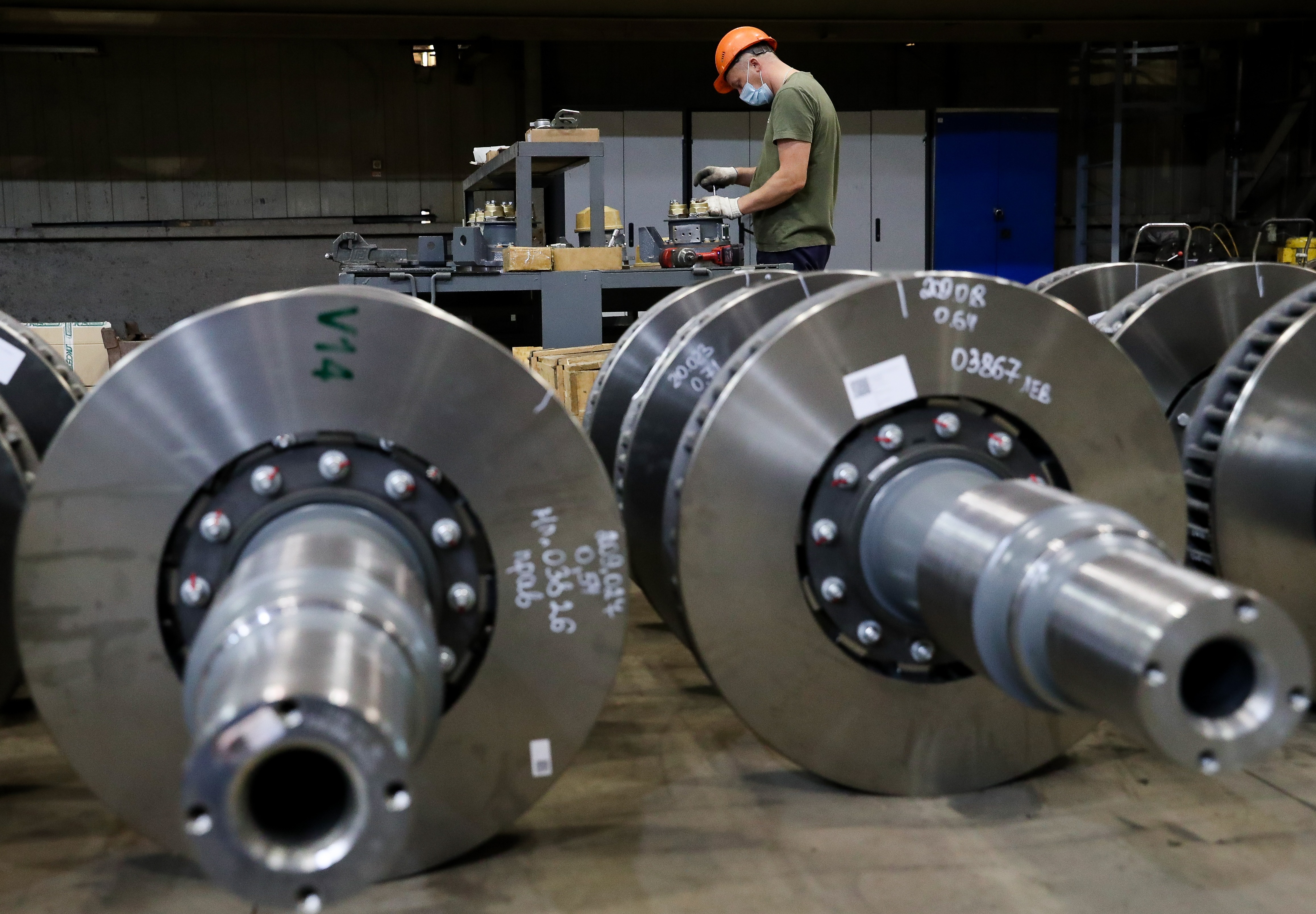
- The main part of the Sapsan and Swallow is already made in Russia, for example, wheeled vapors produces the Tver Carbon -Building Plant, and the wagons themselves are made in Russia, but, of course, as usual, the key components, mainly electronics, still supplied Siemens, explains the economist Vladimir Gryaznevich . - Without them, trains will not go. But, as it turns out, this problem exists not only in Russian Railways, but by many Russian manufacturers. All of them say-you know, we already took place in 2014-2015, and we already have an approximate way to get around the prohibitions. First of all, this is a parallel import that the state allowed back in March.
Parallel imports are the supply of goods to Russia without the permission of the manufacturer and copyright holder of these goods. This import is in parallel to the one that the manufacturer itself is carried out.
- This is done as follows: Siemens works around the world and supplies analogues of Sapsanov and Swallows to Africa, Latin America, to Asian countries, and Russian Railways purchases these components in countries that do not support anti -Russian sanctions, and thus compensates for Siemens departure. Previously, this method in Russia was prohibited and was called smuggling, and now the government has lifted this ban. In fact, the import of goods contrary to the will of manufacturers is common throughout the world. It has long been used by the United States, European Union, Australia, Canada and other developed countries, it is not considered a violation of the rights of the manufacturer and copyright holder, because the most important thing is freedom of trade. Especially the Americans object to the prohibition of imports, they say: the manufacturer sold their goods legally, and the further fate of the goods should not worry it. And if he further commands where his goods should go, then this will violate freedom of trade. The WTO with this according to and therefore does not regulate the parallel imports, it is regulated by the countries themselves.
- This system seems very convenient - why was it before prohibited in Russia?
-Because since the beginning of the 2000s we had an installation to attract foreign investors, automobile concerns persuaded to build their factories in Russia. They said - we will build them, but you will prohibit the parallel import of our products, otherwise you will get unscrupulous competition. If you import our products from African and Latin American countries, greatly criminalized, our reputation will suffer. And the Russian authorities went towards them, banned parallel imports. Now, due to sanctions, the plants are closing, there is no need to wait for the investment and they were allowed.
On May 6, 2022, the Ministry of Industry and Trade approved a list of goods "in respect of which the requirements for the protection of intellectual rights by copyright holders (patent holders) of products, which were introduced outside the territory of the Russian Federation, are not applied. The list of goods in relation to which the mechanism of parallel import will include "products both necessary for the functioning of production capacities and a wide range of consumer sector goods." It is specifically stipulated that the resolution on parallel import does not mean permission to import conrafact into the country of cavalry.
- Manufacturers care about their reputation, and parallel imports are a very risky thing. You brought the products of a large world company with a famous brand into your country. But you say this at customs, and you bought the goods without control of the manufacturer, somewhere in an African country. Yes, Siemens sells its components for trains there - but where is the guarantee that this is not a fake? - argues the dirt. - Control is very weakened with this option. Parallel imports are fraught with counterfeit, so manufacturers are very sharply opposed to it. If Russian Railways bought in some African country the key components for Sapsan, supposedly produced by Siemens, and then it turns out that this is a fake and they are of poor quality. And this applies not only to trains, parallel imports are a way to get prohibited key components for aircraft with which we have the same problems, all kinds of generators, turbines for all high -tech Western equipment.
- The manufacturers probably raised with a resolution of parallel imports?
- On the one hand, yes, on the other, it’s not easy: it is one thing to repair one train, and another is to establish supplies in volumes, the same as Siemens did for Russian trains. After all, “Sapsanov” and “Swallows” we have a lot, many railway lines have opened, not only Moscow - Petersburg, they go to Nizhny Novgorod, and Veliky Novgorod, and Pskov, and for everyone it is necessary to purchase details in industrial volumes. Some are already talking about the revival of "shuttles" - but in the shuttle Baul you will not bring components for all trains, you need to establish mass imports, and not fakes, but real details - and this requires tremendous efforts. And the channels must be sought. It is easier for a medium -sized manufacturer - if you need to put 10 thousand details, they can be brought for a year, and if a million, here you already need to establish large deliveries. How real it is, practice will show.
- But will those who imposed sanctions pay attention to this - after all, then it turns out that these sanctions do not work?
- Now more and more experts are appearing, both Russian and Western, who say that all these sectoral sanctions, that is, sanctions are not personally against Putin's associates, but market prohibitions are ineffective. They do more harm to the population, which still supports Putin. Other sanctions are needed, but these must be canceled, because they harm the countries themselves, which these sanctions use, destabilize the world economy. For example, the transport collapse that arose on the border of China and other countries of Southeast Asia is generated by sanctions: Europe closed the transport routes to Russia, and all ships rushed to China, Iran and Iraq. And this created the problem to all, even American automobile plants: the port has been banned by Russian courts, and American ships cannot get there. This is ineffective, these are carpet bombing, but pointed ones are needed. It is necessary to prohibit not millions of supplies that officials cannot control, but to hit the most sore spot. For example, to prohibit the supply of one key component for space or military industry - one, not several. There are 10 thousand details on the tank, but without this one it will not go, it should be prohibited, and now officials of the European Union and America want to ban everything. This is ineffective - both for tanks and for trains. But, prohibiting the key detail, it must be strictly monitored. For example, a special chip is hung on the part, by which you can find out how this one travels around the world. Everything has been worked out, and in some areas this method has long been used.
As for the price, in which Russian Railways and other Russian companies will cost the purchase of the necessary details, then, according to the economist, it, oddly enough, may even be lower than the one that they paid for them earlier, said Gryaznevich. Because Siemens and other companies of this level often in underdeveloped countries set prices several times lower for their products than in Russia, and now the components for trains purchased in these countries will even be cheaper than when buying from a supplier.
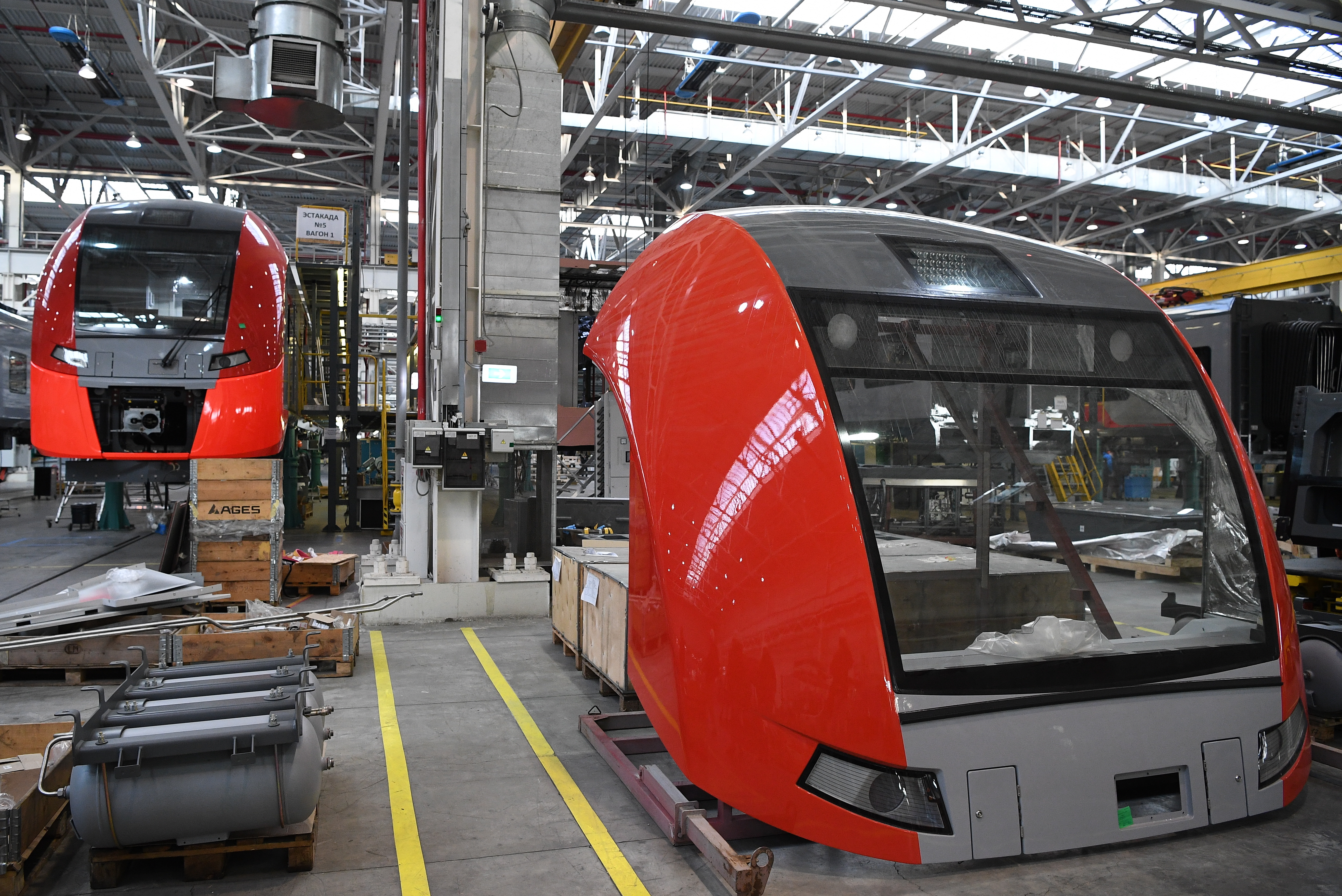
"Sapsan" is the longest and high -speed train in Russia, in dual compositions running between St. Petersburg and Moscow, 20 wagons, their length is 500 meters. The regular movement "Sapsanov" between Moscow and St. Petersburg began at the end of 2009. Now Russian Railways has 16 Sapsans, until 2023 the company was supposed to receive another 9, but deliveries were suspended due to sanctions. The "swallows" produced by the joint venture of Siemens and the Ural locomotives are much more, they are easier to maintain, but for them the control systems and traction systems were supplied from Germany. Experts do not exclude that if it is not possible to establish the supply of components, then over time - as the missing details are rearranged from old trains to new ones, the number of Sapsans and Swallows in the Russian Railways park will be reduced.
In total, about three thousand people work on Siemens in Russia, according to Reiters. There are about 450 of them to maintain Swallows and Sapsanov in the field : there are basic and additional depots in Moscow, Yekaterinburg and Adler. What will happen to them is not yet clear. Expert Mikhail Burmirstrov told BBC that it is the most difficult thing with the departure of Siemens from Russia will replace the automation system, a life cycle control system and complex sensors.