
Translated material
"They threw tens of millions of their users"

Interview of the ex-head of Yandex.NOVOSE Lev Gershenzon on the launch of a new uncensored aggregator
Leo Gershenzon headed the Yandex.NOSIS service from 2005 to 2012. In February of this year, after the Russian attack on Ukraine, Gershenzon called the current “Yandex.NOVOS” “the most important tool to continue the war”, since there were no news about bombing and the death of civilians on the main page. He called on former colleagues to bring to the main news about the war or to remove them at all. After that, the Yandex top manager Tigran Khudardyan wrote on Facebook that the company "cannot climb onto the armored car." Then Gershenzon decided to create an alternative news aggregator uncensored. Taisiya Bekbulatova talked with him about a new project and how Yandex.No -nobility turned into a propaganda tool.
What is the idea of your service? How will it differ from Yandex.No -News?
- The service that we are doing now is a kind of logical continuation of those “Yandex.No” that I stopped doing 10 years ago. These are those “Yandex.No” that could be in a normal situation now.
In my opinion, the serious victory of the Putin regime is that it was possible to convince the mass of citizens, that faith is much more important than the truth. And in general - “there is such a truth, there is a certain truth”, “there are a lot of fakes on the Internet”, “not everything is so clear”, “everyone is lying, we are not time”, “try to prove” and so on. Here is such a narrative formed.
This is directly related to the service that we want to do. Firstly, I believe in science and that the truth exists, although this is a complex concept. At the same time, we have no ambition to tell what is true, and this is not true - therefore, we do not make the media. We make an aggregator.
How will it be arranged?
Its main product is the page "The plot". It is easiest to imagine as a Wikipedic article dedicated to some news event. Firstly, it should contain a dry presentation of facts-what is it about in general. Secondly, this is a collection of the most relevant pre-training ( built by relevance and values.-approx. "Cold" ) materials. First of all, textual - but also videos, photos, cards.
I would like in the future we could also show a variety of opinions, forecasts or assessments on this page. For example, the German parliament discusses the issue of the supply of heavy weapons to Ukraine: Scholz said this, the foreign minister of Annalena Berobok said something else, the head of free democrats Lindner said something third, Lavrov and Baiden commented on this.
We do not swing to automatically separate the right position from the wrong one. We want to show diversity. So that each user is forced to make a choice - where to click, with which heading to read the news, on which resource. When we manage to make a story with different opinions, a person, reading them, will be forced to include at least a very simple process of analysis and comparison. To understand what is closer to you, you must see what is next to you. People will click a little more consciously, their horizons will expand.
The problem of the information bubble in which people find themselves is not only Russian. Just in Russia, unfortunately, the state is actively engaged in disinformation, calling for the rejection of critical thinking, and this is terrible. People are told not to participate in political life that politics is a dirty business. And what is politics in the normal world? Politics is when people themselves take responsibility for their lives, when they themselves decide how they will live, how their children will live.
In the next versions, we will try to make neat personalization - so that everyone can put hearts to the resources that he trusts. This is important for our relations with publications. So that in every plot a person sees not only the main thing, but also a tab of his favorite sources.
And finally, I really want to focus on searching for the primary source of any information - who said this first, where it came from. One of the most powerful types of manipulation and disinformation is when something is thrown out, and then begins to live its life. We will try to ensure that each fact, ideally, each proposal, is equipped with the original source. This is a huge, ambitious task.
You can call it information hygiene, teaching to a critical perception of the news stream, we can call it a long -term vaccination against misinformation. If we are very lucky, then maybe after three to four years, when this service is popular, the world's population will be better prepared and better protected from manipulations.
I won’t lie, it is very difficult and the likelihood that it will not work is always high. But now is the time that you need to try.
The project is designed for the whole world, and not just for the Russian -speaking audience?
- A short answer - yes. Moreover, in the beginning I did not want to make Russian release at all, since in Russia there is a lot of difficult. For example, a huge number of media in reality are means of mass misinformation, subordinate state structures. This is not the task of algorithms to deal with this. But after my post , there was such an interest in this service by Russian -speaking media that we decided to include Russian release in the first version. In principle, this is right, since all of us, who are working on it now, are vividly interested in what is happening in Russia and read Russian -speaking publications, for us this is not an abstraction.
In parallel, we want to launch the English-language release of world news-based on 150-200 sources from a dozen English-speaking countries-and see what happens. It will not be a very usable thing, but it is important for us to have a prototype in English so that the world can see and test it.
I faced the great interest of the world press in the story with Yandex.Nomas and their connection with the war. My hypothesis is that in fact this problem is much wider. She is on a par with stories such as Trump, who won the elections using targeting tools as the spread of wild theories of conspiracy, fakes about Covid, as far -right politicians in democratic countries, such as Marin Le Pen, who almost come to power. And, in fact, that's why I thought that such a product is necessary.
Before the war, I expected someone a big one would do it-Google, Twitter, Telegram. The plot page is on Google News, but, as it were, such a powerful company and such a modest product. There is no presentation of the event, there are just links. If we can’t do it, but one of the big guys will do it, I will assume that this is also a success.
We expect that our primary audience will consist of people who need more. They want to have a convenient interface and see different sources. According to my assessment, such people who consume news content from at least 4-5 sources-5-7% of all news consumers.
In the Russian -speaking service will only Russian media or publications from Belarus or Ukraine too?
- The country is more important than language. So far, there will be no Ukrainian and Belarusian publications in the Russian issue. But we will work out some technological things and, I hope, Ukrainian and Belarusian issues will appear very quickly. And we will figure out how to unite them into one.
How will you cut off propaganda?
-When you have no largest IT company behind you, there are some disadvantages in this, but there are pluses. At the start, I should not prove anything to anyone, I will not get involved in disputes, how honest selection is there. We will try to collect all living and half -dead independent publications - Russian and foreign, which write for Russia in Russian.
Well, there will be some very limited representation of official Russian publications so as not to pus out in its information bubble: two or three main agencies-RIA Novosti, TASS-and more or less decent publications such as RBC, Kommersant, Vedomosti with some residues of business reputation. They will be represented, but in a limited volume. That is, the problems that Yandex.No -News had, when Sobyanin brought hundreds of pseudo -publications, we will not have, because we will not have these hundreds of publications.
This is such a white list, selected by hand, it turns out.
- Yes, this is a white list, selected by hand. Look, they have Yandex, they have VK, they have no problem with the spread of their propaganda. And we need to try to help independent publications, real media, which are difficult and dangerous, to strengthen their voice, try to reach a wider audience.
How many publications are there?
- All the living that we will find, we will try to take. Now, I will honestly say, a hundred in Russia is not gaining.
When can you see the first version of the aggregator?
-I wanted to make MVP ( Minimal Viable Product, a minimally viable product in a one and a half to two months.-approx. "Cold" ). A month and a half has passed, probably, for two more weeks I definitely won’t have enough. But the good news is that the promotion is very good, especially if you take into account the fact that the project is volunteer, without a dedicated team. These are very cool people, they are busy with this part-time in parallel with their main activity. By the beginning of July, we will try to release the first version in order to start using it, curse, throw it with tomatoes, offer improvements and so on.
How many people are working on the project now?
-Now, to one degree or another, about 20-25 people work on a news project. These are engineers - about two -thirds are people with whom we worked together in Yandex, they have experience working in fashion startups and world companies like Facebook or Microsoft, and editors, media managers, all with experience in large Russian media in the past.
All while working for free, right?
- Yes, there is no money in the project now. I think we will reach the prototype in this mode. I am sure that I will be able to find funding. On one enthusiasm it is difficult to do. A startup in Europe with a compact team for 25-30 could live with a budget in the region of 3-3.5 million euros per year.

Will your service be able to become an alternative to Yandex.Ween, which, apparently, will go to VK soon? Can he break this propaganda machine on the Internet in the future?
-Too unequal conditions and unequal forces to talk about some kind of competition.
But it is believed that the state does not know how to engage in creative technologies.
- Yes, but it knows how to add to an ax, a chipper, a prison, a manual court and other tools. Let me say that. I was born and went to school in the Soviet Union. I remember what an iron curtain is. Even now in Russia there is no iron curtain. I remember how my parents, grandfathers, grandparents with transistors caught drowned enemy voices. Now it is much easier to reach the source of information. The question is not in technical difficulties, but in ensuring that a person has a need to figure out something in his head. And there were some questions to which he would look for answers.
In this sense, I think that our service has good chances as an alternative to Yandex.NOVISTS, because since the beginning of the war there is a multiple growth in traffic for all news resources, including blocked in Russia. This means that a huge number of people ask these questions and try to look for something. Millions of people in Russia set themselves a VPN: so far not tens of millions, but this is already a lot. Therefore, over the year, reaching the 5-10 million monthly Russian audience, I think, is quite real.
How will it be legally designed by what you create?
- While we are making the product, it will be visible there. There are different options.
But not in Russia?
- No, this is definitely not in Russia. I also do not plan to take into account the moronic repressive Russian laws in relation to the media.
You live in Berlin, but before you often flew to Russia. You will not be?
“I don’t know, but now yes, I don’t go yet.” I had a ticket for March 15, but also the airline that I was going to fly canceled the flight, well, I also get without it without it.
Why do you think such a service did not make such a service before, although the idea begged? Maybe large companies simply understand that news is always political hemorrhoids?
- News are politics, politics - hemorrhoids, news is hemorrhoids. But from this no one cancel policy. Someone is engaged in her, people go to the polls, vote, parties collect money, other people sacrifice this money, and so on. Education of children is also hemorrhoids, but you have to do this, and you can have fun from this. Like politics, as well as from news. Here you are the chief editor of the publication - this is probably also hemorrhoids. Why are you doing this, Taisiya?
“Cold” is still difficult to call a business, and you think a service that should make a profit.
- There is a difficult story. I believe that the social significance of this project, if it is possible to make at least part of what we plan, will become visible much earlier than the business. On the other hand, we plan and hope to make business out of this, at least so that he can feed and develop himself. If you bring all kinds of immodest comparisons, then, for example, Wikipedia is a business or not a business? Wikipedia is not a business, but at the same time a very important and powerful story that collects rather big money and lives for many years.
How would you evaluate the reaction to your post about Yandex ?
- Of course, none of those to whom I addressed was personally answered. Neither Tigran, nor Lena Bunin, nor Andrei Suskin, nor Roma Chernin ( high -ranking employees of Yandex. - Approx. "Cold" ). I noted the people with whom I worked, whom I personally knew. They are not my friends, but I hoped that they could do something. Or at least answer.
Some people told me that I am a traitor, a scammer, I have a white coat, but it is not white, it is also all in shit. I guess I underestimated the damage that a person causes 10-year communication and gradual fusion with the state. He underestimated what happens to a person, how people convince themselves there.
They say: we feed you, carry you, but here - well, it happened, it is not us. There is one simple thing-a public company cannot afford non-public agreements, some agreements that it cannot talk about. You can’t sit on two chairs, you can not live in Putin’s Russia according to Putin’s rules and at the same time be a fashionable international company.
I’m not saying that everything is white and fluffy there, but if you look at how Facebook Google, Amazon answer questions from both politicians and journalists, you will not see how, I don’t know, [Google InC. General] Sundar Pichai says that he is forced to “stand on the armored car”.
I watched comments on this post with interest, and many people there very calmly said: Tigran, and what has a taxi? And what does the market have to do with it? It's actually talking about news, can you say about news? And I did not hear the answer to this question, and, apparently, many people inside Yandex did not hear.
Why did the Yandex.NOVISU not dare to close?
- In the presidential administration, no one would be glad if Yandex closed the news. If from the tool that strengthened the media's voices, the service was transformed into a tool that enhances propaganda, who wants to refuse it. The Yandex.NOVIST service has always been political. When I led them, the main decisions on it were always made by the narrow composition of top managers: Arkady Volozh, Ilya Segalovich, Elena Kolmanovskaya, Mitya Ivanov. At some point, there was a meeting with the [former head of AP Alexander] Voloshin, a member of the board of directors, at which he seemed to be friendly about his claims to the service.
That is, it was unpleasant with me, but it still seems to me that we managed to keep the situation under control. We did not get into the pose, we talked with the presidential administration, we listened, explained, answered questions. But maybe our mistake was that we agreed to introduce this list of 50 sources for the main page ( we are talking about the fact that Yandex limited the list of media outlets whose news could be on the main page. - approx. “Cold” ). But for me it is fundamentally important that this was never a secret agreement, we talked about it. We said: ok, it will be the top 50 in citation of publications with registration of the Ministry of Justice.
There is a fundamental difference between this and the situation that is described in the article by Sveta Reiter -there are anonymous sources, but, in my opinion, it is like the truth-when they left 15 of these 50, and this is not the top 15, but "please add these, we are very friends and remove these." And there is still no official comment from Yandex about this agreement. This, in my opinion, cannot be this in a public company - that there is a service with tens of millions of daily audience with such opaque rules and here with such a critical component that no one talks about.
How did Yandex come to this state?
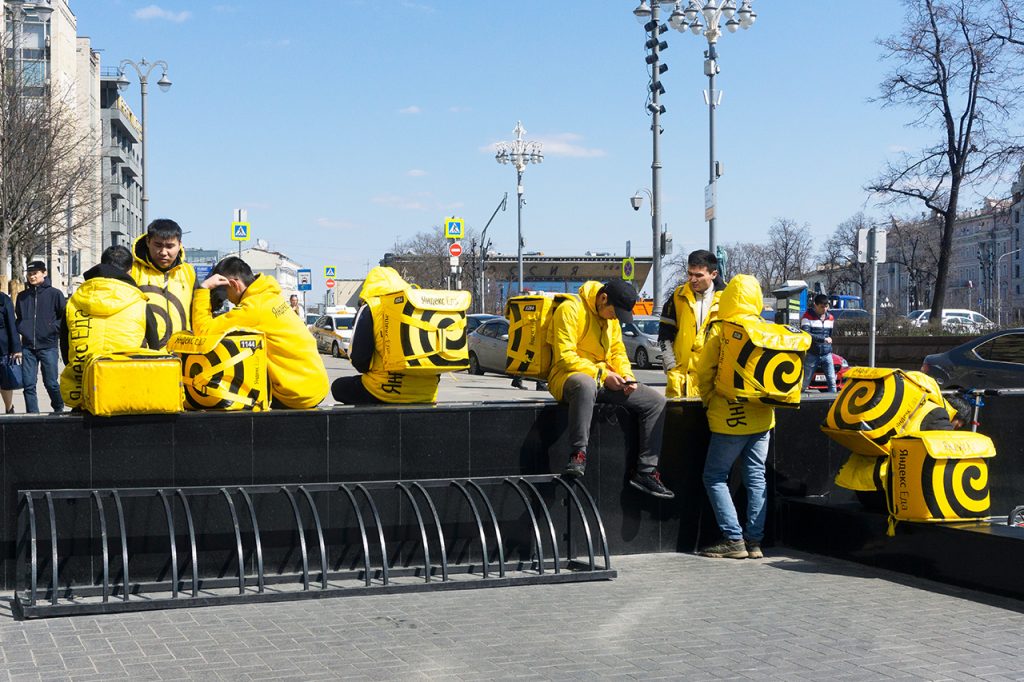
- I can say as a third -party observer that Yandex, on the one hand, decided that he would powerfully go into an offline business. When I worked there, it was still an IT-INSTRUMENT AND ENDERTION. Now Yandex has more than half of the turnover is generated by tens of thousands of not particularly qualified, low -paid people. These are taxi drivers and couriers.
Такой бизнес гораздо больше зависит от отношений с государством: мы вам даем режим максимального благоприятствования в России, помогаем, ну, или не мешаем, выигрывать антимонопольные процессы против Google, включаем вас во всякие списки системообразующих предприятий… Но вы взамен тоже что-то должны нам дать. И ребята даже не понимают — а что такого? Мы же вот так и живем. Это же часть сделки, что вы вдруг сейчас-то всполошились?

В 2014 году после аннексии Крыма, войны в Донбассе и усилившегося давления уже всем все было понятно. С точки зрения бизнеса, владельцы могли
принять разные решения. Они могли начать гораздо активнее инвестировать в технологии и выход на зарубежные рынки. А могли принять решение доить эту Россию дальше, укреплять связи с «Иннополисами», министерствами, издательством «Просвещение» под контролем Ротенбергов и так далее.
И в этом смысле я не могу разделить это «ой-ой-ой, мы совсем не знали, что это будет». Они к этому шли последние восемь лет уж точно. Когда ты здесь сотрудничаешь, здесь у тебя от 50 источников остается 15, тут ты про это не можешь сказать, про то не можешь сказать... Ну не знаю, кем надо быть, каким наивным глупым ребенком, чтобы сказать: ой, мы совсем не ожидали, к чему это придет.
Говорить, что у них не было другого выбора… Есть известные компании из постсоветского пространства — Jetbrains, EPAM. Можно посмотреть, как они поступили ( объявили о прекращении работы в России — прим. «Холода» ). И оценить их стратегическое видение, где они сейчас находятся, что у них с капитализацией и вообще с лицом. Я не покупаю эту историю про то, что «у нас не было выбора». Был, конечно же, выбор.
То есть фраза про заложников у вас сочувствия не вызывает?
— Смотрите, я лингвист и немножко филолог. Для меня слова имеют значение. Если действительно у кого-то держат родственников и говорят: если ты не сделаешь этого и этого, мы их посадим в тюрьму или убьем, — то это, конечно, называется заложником.
Но действительно ли это риски свободы, безопасности? Или это риски немножко недополучить опционов и денег? I can only guess.
То, что я предлагал делать, — это были варианты, которые формально не нарушали никакой закон. Ну и потом, уж у топ-менеджеров было достаточно возможностей и средств эвакуироваться из России. Как мы теперь знаем, многие это сделали.
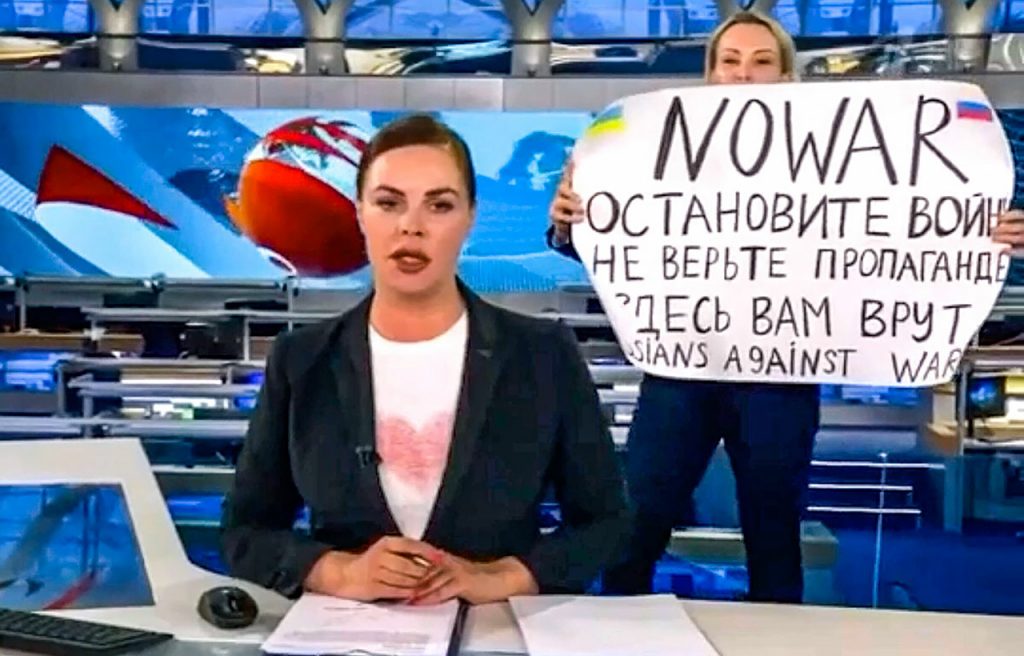
Опять же, у нас были разные примеры — типа Овсянниковой в телевизоре . Мне вообще не интересно, хороший она человек или плохой. Это действие имело значение и резонанс , круто, что это было. Или редакторы «Ленты.ру», которые саботировали работу , это свежая история.

Почему вы ушли из «Яндекса» в 2012 году?
— Было несколько причин. Поворотным моментом была Болотная площадь — я понял, что изменилась реакция властей. Суркова уволили, пришел Володин, совершенно поменялось взаимодействие АП со СМИ. Они просто не отвечали, не комментировали то, что им было неважно.
Было такое мероприятие — праздник «Яндекс.Новостей», мы звали туда наших ключевых партнеров — пару-тройку десятков СМИ. Это было время, когда еще Галина Тимченко была в «Ленте.ру», когда еще «Коммерсант» с «Ведомостями» могли позволить себе конкурировать и выяснять, кто из них более эксклюзивное деловое издание.
И я тогда им говорил: ребят, смотрите, сейчас самое важное — это Болотная. «Яндекс.Новости» сделали прозрачный усилитель вашей коллективной редакции, но, чтобы он нормально работал, вы должны не выяснять отношения, а смотреть на это все немного сверху — риски сейчас всей индустрии грозят. Но, мне кажется, тогда меня никто не услышал. Я говорил — ребят, смотрите, вот «Новая газета» опубликовала расследование про то, как уже после смерти Магнитского продолжает применяться схема, которую он раскрыл. И Лиза Осетинская мне говорит: да, супер история, я про нее написала. Я говорю, где? У себя в фейсбуке, говорит Лиза, которая тогда была шеф-редактором Forbes. Никакого виктимблейминга, я не говорю о том, какой я провидец, но я как бы немножко с ними разошелся. Я не мог это до них донести.
Была и моя личная история — я придумал новый поисковый продукт, активно его продвигал, и мы почти про это договорились, но руководству «Яндекса» нужно было сказать: да, ок, мы в эту рисковую историю идем. Но мне не удалось его убедить. У меня тогда была резкая реакция: мне это настолько важно, что, раз вы против, я ухожу. Вы сами меня так научили, я готов за это заплатить — оставить опционы на несколько сот тысяч долларов, выйти из этой зоны комфорта.
Еще момент — мне было 30 с небольшим, и я понял, что я могу превратиться в такого пенсионера: вообще ничего не делать, — и никто этого не заметит. Ну, не знаю, ходить на встречи. Сейчас некоторые яндексовские менеджеры почему-то не стесняются говорить о том, что это они формально еще сидят, а так-то они уже несколько месяцев ничего не делают. Для меня, конечно, это дикая история. Come on, ребята. Как их коллеги это воспринимают, не знаю. А, чуваки высиживают опционы, просто получают свою небольшую зарплату, пока мы тут пашем.
Так что это была комплексная история, я не буду целиком это вешать на кровавую гэбню и звенья гребаной цепи. Но, поскольку Новости были важной частью моей рабочей жизни, изменение ландшафта тоже свою роль сыграло.
С другой стороны, не страшно биться с внешними силами, если ты внутри компании чувствуешь тыл. А я его перестал чувствовать. Я чувствовал раздражение — всякие слова о том, что я негибкий, недоговороспособный. Я понял, что сначала они немножко держались за меня, а потом и рады были бы, чтобы я свалил и не мешал им договариваться дальше.
То есть одна из главных сложностей развития «Яндекс.Новостей», когда я еще там работал, была в том, что никто от них ничего не ждал хорошего, они даже в те времена были головной болью. Все время были претензии, и чем громче или влиятельнее человек или организация, тем больше головной боли.
То, что вы придумали, в итоге превратилось в «Детектум»?
— Да, я горжусь этим проектом. Это не суперуспешный бизнес, но он до сих пор жив. Нам удалось сделать продукт, которого не было, мы помогли сформировать рынок. Когда мы начинали, никто не платил за поисковые системы — в России, по крайней мере.
Вы продолжаете работать с российскими клиентами?
— У нас есть клиенты российские, есть клиенты европейские, были и есть клиенты украинские. В первый день войны мы написали в украинские магазины со словами поддержки. Я написал от своего имени, что мне как российскому гражданину очень стыдно и больно, а как компания мы продолжим оказывать им услуги, сколько сможем, просто перестали выставлять им счета.

Ответственны ли компании вроде «Яндекса» за ситуацию в стране?
— Конечно, в этом есть их ответственность. Вот эти слова, что мы просто должны были договариваться, а иначе мы не могли бы запускать такси и делать доставку, — оно к такому и приводит. Почему эти люди говорят: мы отвечаем за то, чтобы людей безопасно довозить из точки А в точку Б, — но это не распространяется на то, что они должны им говорить правду о том, что происходит вокруг? What is the difference?
Вообще-то, если называть вещи своими именами, есть закон о цензуре, и, если ты препятствуешь «Новой газете» и «Эху Москвы» в распространении информации и предпочитаешь другие источники, на которые тебе показали пальцем люди из АП, то, подозреваю, в этом есть состав уголовного преступления. Или ты не знал, что есть закон о цензуре?
Конечно, я считаю, что взрослый человек отвечает за свои поступки. А чем больше твоя аудитория, чем больше эффект, чем больше людей подпадает под действие твоих сервисов, тем больше на тебе ответственности.
Мне смешно слышать, когда люди оттуда повторяют как мантру, что, если бы они что-то сделали, то «Яндекс» бы национализировали. А он не национализирован, если вы в своем сервисе не властны на главной странице — не то что поставить, убрать ничего не можете без разрешения? Это значит, он ваш или не ваш? На самом деле это значит, что вам разрешают зарабатывать на населении, возить его на такси, продавать ему товары и доставлять их. Когда вы говорите, что иначе его национализируют, вы имеете в виду, что у вас эти потоки отнимут, а не что вы лишитесь самостоятельности. У вас ее давно нет.
Как вы думаете, что будет с «Яндексом» дальше?
— Я думаю, «Яндексу», конечно, ужасно жалко все заграничные технологичные пилоты, и они попытаются каким-то образом разделить эти два бизнеса. Чем больше они говорят, что не делают этого, тем больше это свидетельствует об обратном. Ну, это разумная история. Я бы сказал, что у них были бы хорошие шансы, если бы они начали это делать хотя бы после 2014 года. Сейчас — я не знаю. Зависит от их будущих партнеров и коллег, насколько они будут щепетильны.
Понимаете, это не вопрос белого пальто. Это по бизнесу тоже история. Если ты с такими людьми имеешь дело, ты должен быть готов к тому, что у них будут какие-то непубличные договоренности и они тебя в угоду этим интересам кинут. Как, на мой взгляд, они кинули десятки миллионов своих пользователей.
Если б они сказали, что на главной странице «Яндекса» могут быть новости только от 15 источников, это была бы гораздо более честная история. Но никто не предупредил.
Когда Мишустин стал главой ФНС, от него к нам приходили пиарщики и требовали, чтобы мы вычищали подсказки в поиске, где было написано даже не помню что — «Мишустин вор» или «Мишустин дурак». Мы бились, бились, потом плюнули и что-то чистили там. Я говорю — ну хорошо, давайте скажем [об этом публично]. Не-ет, мы как бы не чистим, не цензурируем, а мы добавим слово «вор» в список обсценной лексики и вообще не будем его показывать в подсказках.
Когда ты говоришь «да, меня нагнули», это лучше, чем если ты говоришь «нет, не меня нагнули, а я так нагнулся, потому что как раз давно думал, не нагнуться ли мне, и, в общем, не больно совсем и даже приятно».