
Translated material
Dance with "calibers"
How corrupt special services and the military -industrial complex failed a plan for a crazy "special operation"
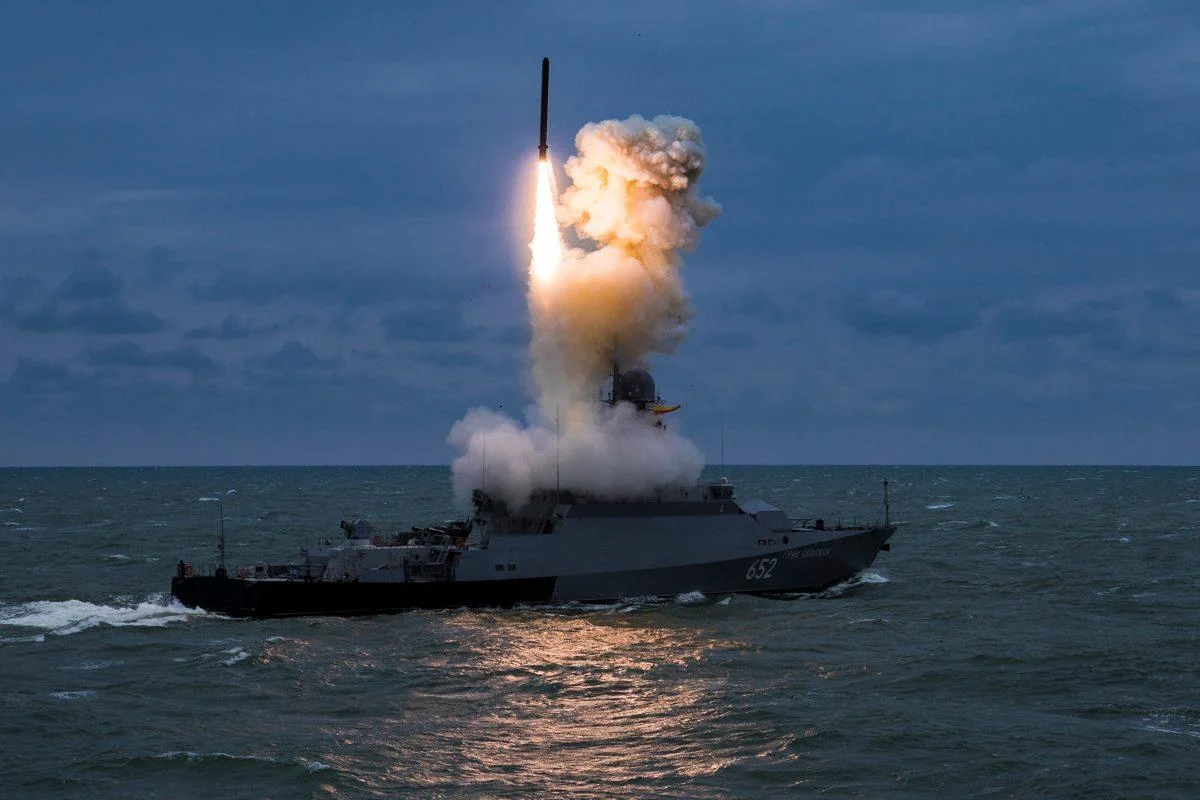
The history of Putin’s war with Ukraine is not only madness. But also a riddle.
How did it happen that Putin himself believed that he has an army? What can Ukraine win? How in Russia at the state level the doctrine of an unbelieving nuclear blow was adopted, which was completely seriously proceeding from the fact that if we decide to win someone, and the West will be dissatisfied, then we will explode a nuclear bomb and these Western weaklings?
And in general - as a person who came to power and asked himself a palace and a yacht, from a kleptocrat turned into a kleptopashist who dreams of world domination?
In this cycle of articles, I will try to show that in all this, in addition to Putin’s personal psychological characteristics, a terrible historical pattern played a huge role. The Putin’s military-police state is an ineffective social structure unable to win in the war, but capable of arranging mass terror and impede the modernization of Russian society.
I am sure that Russia will be able to preserve itself only on condition of demilitarization and the dissolution of the FSB. Just like the dissolution of the Janissaries was once the only way that the Ottoman Empire could be saved.
In this text, we will begin by analyzing how corrupt special services, the military leadership of the Russian Federation and the Russian military -industrial complex failed the “special operation”.
Burns's visit and Putin's illusions
In November 2021, the director of the CIA Berns visited Moscow. Immediately after his return from Moscow in the American media, numerous leaks appeared that Putin was planning an attack on Ukraine.
It seemed that the CIA was very cool. They managed to find out Putin's plans! True, it was not clear why the CIA analysts were so overestimated by the Russian army and believed that Kyiv would be taken for several days.
Now we know the answer to this question. On April 14, the head of the CIA William Burns spoke at the Georgia Technology Institute and spoke about the content of the conversation. As it turned out, that Putin was going to attack Ukraine, Putin informed the director personally.
Putin outlined Bersu his reasons. Putin believed that the “window” in order to change the development vector of Ukraine would soon collapse.
He believed that:
Zelensky and people are unlikely to effectively resist;
The Russian military is capable of winning a short decisive victory for the minimum price;
Europeans are passionate about their own policy and are not prone to risk;
Winter is a good time;
Russia has huge reserves, it is protected from sanctions.
So the question of the unusual insight of the CIA was clarified. The American Stirlitz had all their information right from Putin. Putin personally said this to the head of the CIA Berns. That he will fight and that he will win Ukraine at 48 hours. And this invaluable information, without introducing something of their own and extra, the giants of American intelligence were leaked in their own media.
But the most important thing here is different for us. Namely. Burns's words are an important evidence that the war in Ukraine was planned by Putin based on the most fantastic introductory ones. He really believed that he would be met in Kyiv with flowers.
The fact that Putin believed in a quick victory is evidenced by the mass of other details.
The offensive was carried out by forces of 180 thousand people. At the front of 3 thousand km. The columns went without covering from the air, like a parade, along the main roads. There was no reserve.
The Russian Guard with batons and autosaks attacked Kharkov, in the luggage of parts broken under the GOST, a front -line form was discovered, and among the dead the regimental orchestra turned out to be.
Konstantin Nemichev, one of the Azov commanders, told me about the fight that the regiment on the third day of the war led a man of 150-200 on the small sabotage group on the streets of Kharkov. In response to my question: “And how can a sabotage group in 150 people. plan to take a city with a population of 1.5 million? " Nemichev replied that
The prisoners told them that this was the order of the Russian command: “We just need to break through the APU defense line, and there will be your supporters in the city.”
Christ Grozev and Bellingcat call us the reason for this unprecedented mistake. Putin was misinformed by his own FSB. The 5th FSB Service (operational information and international relations), headed by Colonel General Sergei, spent gigantic money on “agent work”, fed Putin with stories that a huge network was created with this money, recruited agents in “classmates”, and most importantly spent money to the left.
It is easy to assume that those of these agents who really existed were employees of the SBU. So when the FSB wanted to “activate the Zelensky liquidation team,” which the Times newspaper wrote about, it actually informed the SBU itself about the date and time of the expected liquidation.
What we are now discussing is not part of the propaganda disinformation campaign. This is self-dezformation. In the evening he sent himself a telegram, read and believed in the morning. Putin and his closest environment were actually believed that they were already controlling the situation in Ukraine. They built a military campaign on this. Putin even managed to convince the head of the CIA of this.
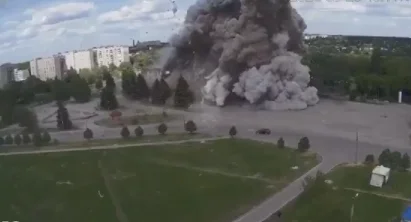
Shock, but not awe
In 1991, in the Gulf War, the US military for the first time in history used the concept of the doctrines of point blows (Effects-Bassed Warfare ). This is a strategy in which the attacking side inflicts massive point blows to command posts, supply lines, runways and highways, destroying the enemy’s ability to command, keep in touch and move troops, and saving at the same time most of the civil infrastructure. In 1991, only 9% of shots , but 75% of the affected goals, had a high-precision weapon (Precision-guided munition.
The theoretician of this war wasthe Air Force Colonel John Warden . Unlike carpet bombing of the Second World War, the spotlights of John Warden completely destroyed the supply, communications and the troops control system, leaving the civilian infrastructure untouched.
In 2003, in the development of this strategic concept, the coalition troops during the first 7 hours of invasion of Iraq destroyed 70 strategic targets, completely disorganizing the Iraqi army and depriving it of resistance to resistance. Almost simultaneously, at the time of air strikes, a land invasion began throughout the border of Iraq with Jordan, Saudi Arabia and Kuwait and the landing of sea and air landing in the Umm-Kasra, Rumile, Najfe. The new strategy was called Shock and AWE - shock and awe.
It is interesting that the attack included a blow directly to Saddam Hussein-on March 19, 2005, in the first minutes of the war, at 5.30 in the morning, the American F-117 struck four high-precision anti-bunker bombs GBU-27, where, according to intelligence, at that moment Saddam visited two of his sons. All four bombs missed the bunker. They killed one civilian and wounded fourteen civilians. Saddam Hussein, as it turned out later, has not been in al-Dore since 1995. Even the most accurate war involves errors, it is important that the number of these errors is not critical.
As it is easy to notice, the operation of Putin, which began at 4 in the morning on February 24, 2022, was supposed to be complete tracing paper from the 2003 war.
It also provided for high -precision strikes that would destroy the radar, aircraft and command posts of the enemy, plus landing in GOSTOLA and the probable destruction of Vladimir Zelensky at the very beginning of the campaign. The only thing that Zelensky was supposed to be eliminated not by smart bombs, but by the “fifth column” with the support of paratroopers.
Unlike the American, the operation failed.
Old rockets fly past targets
The density of the Russian “exact” fire was much less than American. In 2003, the United States used 2000 missiles and smart bombs during the first four days of operations. Russia used about the same amount - 2, 215 missiles - but in 80 days of war.
Two main types of missiles used by Russia were the Kaliber winging of the sea base with a firing range of about 2 thousand km and the Iskander's land ballistic missiles up to 500 km.
Let me remind you that cruise missiles are, roughly speaking, a small plane that flies 10-50 meters from the ground at a low speed of about 900 km/h, unlike missiles that use a ballistic trajectory and can develop a speed of up to 6.4 km/s on its fastest site.
Now it is impossible to say exactly how great the damage was caused by “calibers” and “Iskander” in the early days of the war, but it is easy to notice that it was not critical. The Ukrainian army, unlike Iraqi, recovered from him, the adviser to the President of Zelensky, Alexei Armorovich, claims that "full control over the troops was restored on 3-4 days of the war."
Colonel of the Armed Forces of Ukraine in reserve and a former military pilot Roman Svitan claims that the damage that was caused by “calibers” to airfields was insignificant. If you imagine an airfield, you will understand that it is difficult to miss it - it is large. But at the same time in this large space there are not many critical objects that can be hit. Most of the airfield is the land around the runway and buildings.
According to Svitan, the Russian “calibers” very confidently fell into this land and made many large holes in it, and some even fell through the concrete of the runway. There were few on airplanes, because the Americans warned Ukrainians, and the planes were dispersed. Svitan believes that the main result of this massive shelling “calibers” was a radical decrease in the number of “calibers”.
“It is very good that Russia has released so many“ calibers ”in airfields,” says Svitan, “she spent a lot of them.”
The Ukrainian army, unlike Iraqi, did not run away, and
It quickly became clear that Russia did not have enough “calibers” and “Iskander”.
Russia began to use the much more old cruise missiles “X-101”, “X-55” and even “X-22”. These missiles are launched from the Tu-160, Tu-95 and T-22 strategic bombers and are originally designed to deliver nuclear weapons. Each take -off of a strategic bomber and the use of such a rocket costs a lot of money. Already in March, military observers began to record an amazing picture: the strategic Tu-95 appeared above the Kyiv sea, flying from Belarus, let the missiles in Kyiv, unfolded and left. From a military point of view, this looked wild, especially when the electronics of the 70s were found in the fragments of the X-22.
The same thing happened with the Iskander. Instead of the latest Iskanders, Russian troops quickly switched to an outdated “point-u”, its ancient prototype.
Theoretically, the goals for these missiles were to be infrastructure objects, both military and civilian (unlike operation in Iraq): substations, elevators, and especially, starting in April, railway units, according to which Western equipment was supposed to go to Ukraine. However, a) the missiles constantly missed, striking instead of them residential buildings and chicken coins and b) the goals introduced into them were often outdated.
For example, on April 23, the rocket hit Odessa a residential building and killed Valery Glodan, her mother and a three -month -old daughter. Apparently, the rocket flew to the neighboring Odessa airfield.
However, the airfield 30 years ago was turned into a clothing market. There could be no military goals on it. All this did not prevent the Russian Ministry of Defense stubbornly declare that his missiles were struck by the "logistics terminal at the military airfield in the Odessa region, where a large batch of foreign weapons received from the United States and European countries was stored."
“The K-22 missiles were designed to deliver a nuclear strike and therefore, in principle, they cannot be high-precision. Their designers did not care, three hundred meters to the left or to the right would fly a rocket, ”recalls Oleg Zhdanov, a colonel of the Armed Forces of Ukraine, a former employee of the General Staff of the Armed Forces of Ukraine and a military expert. But even the accuracy of the "calibers" leaves much to be desired.
In the end, people who are responsible for launching missiles found a way out. On May 15, Russian missiles struck the Yavorovsky training ground on the border with Poland. The blow was probably inflicted by “calibers” launched from submarines on the Black Sea. Formally, the Yavorovsky landfill is a military goal: this is the most modern training ground in Ukraine, and it was on it that Canadian instructors trained Ukrainian troops before the war.
However, Roman Svitan believes that this is not the point. “The Yavorovsky training ground is simply very large,” he says, “it is difficult to miss it. After each rocket that impresses the residential building, noise rises, and the rocket launchers get thrashed. So they found a way out. They shoot at an object that it is impossible to miss even an old “hut”. The authorities can be reported that they hit, and that all the damage is a hole in the ground, whom it cares? ”
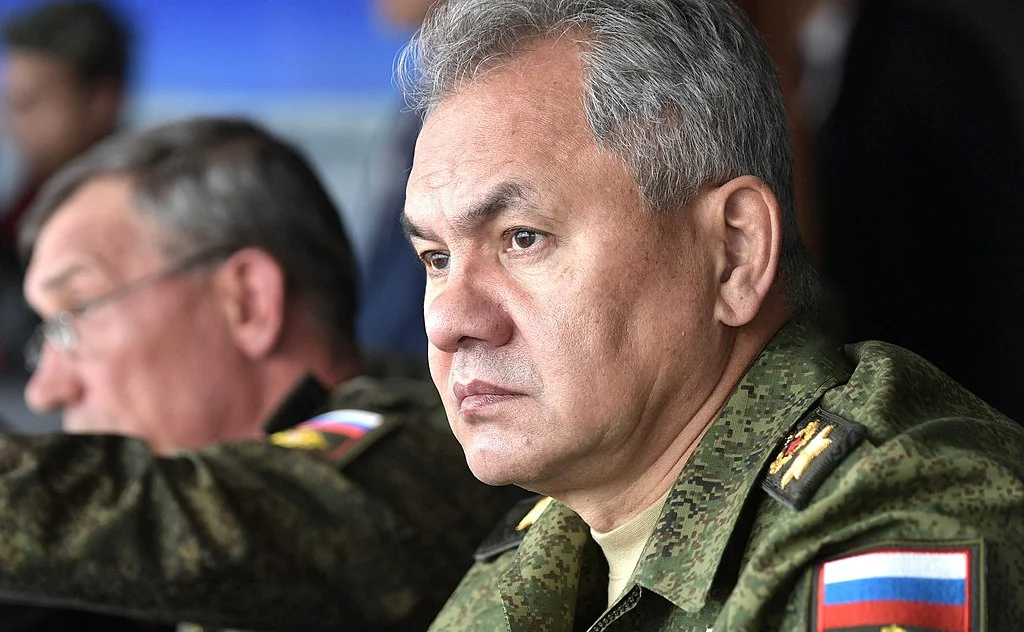
Public the Russian military continues to put dust in the eyes. Defense Minister Sergei Shoigu, for example, recently stated that “any transport” of NATO weapons that has arrived in Ukraine is considered by Russia “as a legal goal for defeat”. For experts, this statement sounded somewhat comical, because Russian "high -precision" missiles are also never trying to hit moving targets. “I am unknown to such cases,” says Oleg Zhdanov. Their guidance systems are unsuitable for this, and the low level of use of the UAV does not allow to adjust their flight in real time.
Such a degree of lies and unprofessionalism seems almost unbelievable. However, as we will see with other examples, for the current Russian army it is the norm.
Ultra -modern weapons for parades and exhibitions
The latest Russian Armata tank was first shown to the general public at the military parade in 2015. Then it was announced that by 2020, 2300 Armat would enter the troops. The tank had to have an armored capsule for crew members and a uninhabited tower. He had to be invisible to the radar.
However, not a single Armata tank in Ukraine was noticed.
If Armata exists differently than in cardboard, then it exists in several copies that were collected personally for Putin and presented to him to further receive money for the project.
On March 22, 2022, the Russian Ministry of Defense proudly reported on the use of the latest Russian Kinage hypersonic missile.
The Ministry of Defense reported that the “dagger” has no analogues that, thanks to his achievement of hypersonic speeds, he cannot be intercepted, that he overcame more than 1000 km in 10 minutes, moving at a speed of 10m, and struck a ware of ammunition in the village of Delyatin near Ivano-Frankivsk.
As evidence, the Ministry of Defense posted a video with a blow to the large industrial chicken coop in the southeast of the Kharkov region. Residents of Delyatin reported that they had not heard any strokes and did not see any smoke.
The confusion with the video is, however, another halfway. Where the most subtle moment is more important.
The “dagger” is indeed a hypersonic rocket in the sense that after a reset from the aircraft it flies at a hypersonic speed.
However, as a rule, when engineers talk about hypersonic aircraft, they talk about ScramJet-hypersonic direct-flow air-reactive engines. ScramJet, unlike a regular missile engine, does not carry an oxidizing agent (like an ordinary jet engine). And unlike the reactive engine, he does not need either a compressor or a turbine - the fuel is burned right in the supersonic air flow.
But the "dagger" does not have a scrub. The “dagger” is the same Ballistic “Iskander”, only suspended under the belly of the MiG-31 fighter-interceptor. MiG-31, of course, can inform the additional acceleration of the rocket. But the MiG-31 was created in Soviet times for completely different-it must intercept the strategic bombers of the enemy.
“To use a moment as a carrier for Iskander is like taking a racing car and harnessing it into a cart,” says Roman Sydan. The racing car in the cart is inconvenient, and it is no coincidence that one of the first mits, on which the "daggers" were suspended, had suffered an accident while trying to take off .
At the same time, the use of "daggers" quickly stopped. Whatever they strike-in a warehouse in Ivano-Frankivsk or a chicken coop near Kharkov, Russia was clearly a little more than the Armat.
It was again an exhibition weapon produced in a small number of copies personally for Putin. And the manufacturers of these weapons were fooling the head of the head. They called a “hypersonic” ordinary ballistic missile and in order to do this, they used for other purposes a good plane.
Bayractar effect
Disruptions become an important part of the war. Do not overestimate their meaning. “Russian troops carry the main damage from artillery and MLRS, and the main benefits from the UAV are reconnaissance and guidance of artillery,” recalls the famous Israeli military expert David Gandelman.
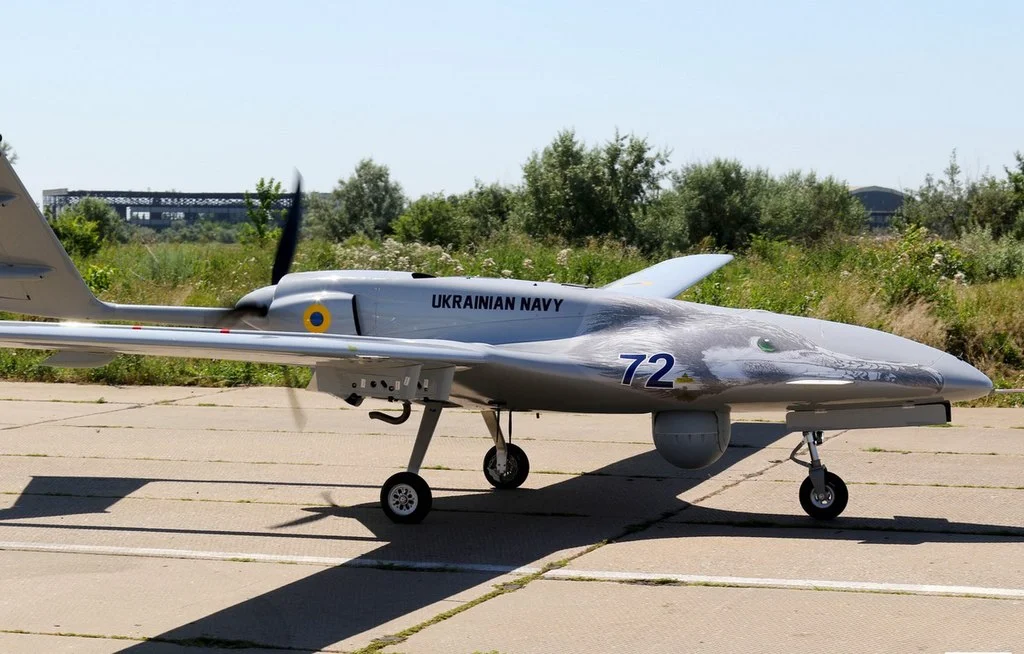
But still, it will not be an exaggeration to say that one of the important media, psychological and military heroes of this war, the Turkish drone of Bayractar.
В чем эффективность «Байрактара»?
Прежде всего в том, что его уничтожение не влечет за собой человеческих потерь.
Сбитый «Байрактар» — это все равно, что гибель в компьютерной стрелялке. Можно перезагрузить программу и начать снова.
При этом шесть полностью вооруженных «Байрактаров» обошлись Украине в 69 млн. дол . Для сравнения: четыре израильских Heron TP обошлись Индии в 200 млн. дол. а один американский MQ-9 Reaper стоит 100 млн. дол.
Одинокий «Байрактар» без вооружения и соответствующей станции управления стоит, по разным оценкам, от 2 до 5 млн. дол. Это, конечно, дороже компьютера, но даже не самое богатое государство может себе позволить его потерять.
Но потерять «Байрактар» довольно сложно. Его потолок — 8,2 км, что делает его недостижимым для большинства ЗРК. На этой высоте в 8,2 км он может висеть 20 часов, высматривая вражескую технику, как снайпер может днями сидеть в засаде. С этой высоты в 8,2 км «Байрактар» запускает управляемую бомбу или ракету, которая поражает сопровождающий колонну комплекс ПВО, после чего колонну можно расстреливать дальше. Как и снайпер, «Байрактар» многих не убьет, — но он убьет тех, чье поражение весьма критично. Сделан «Байрактар» из пластика, отражается на радаре очень плохо.
Самое главное в беспилотниках — это то, что они делают бесполезной существующую систему ПВО.
Все комплексы ПВО ближнего действия — «Тунгуска», «Оса», «Тор», «Стрела» и пр. против «Байрактара» бесполезны, — они просто работают ниже, чем он летает. «Буки» и «Панцири», как показывает боевой опыт, «Байрактар» не видят.
С-300 способна заметить и поразить «Байрактар», но, как показывает опыт, «Байрактар» поражает С-300 гораздо чаще, чем С-300 поражает «Байрактар», а стоимость обоих видов вооружения несопоставима. Дивизион С-300 стоит 250 млн. дол.
В России есть гигантское военное лобби, которое заинтересовано в производстве очень дорогих и становящихся на наших глазах бесполезными комплексов ПВО. Поэтому российские военные врали — в буквальном смысле. Так же, как они врали про «логистические склады, пораженные в Одесском аэропорту».
Годами они уверяли, что против российского ПВО беспилотники бесполезны. Некий военный эксперт Владислав Шурыгин договорился до того, что, цитирую «Байрактар можно сбить даже обычным ПЗРК».
Well, yes. Certainly. Теоретически аппарат, который летает на высоте 8200 метров, можно сбить комплексом, который бьет на 3500 метров, если этот аппарат снизится до 3500 метров. Только это нечасто, мягко говоря, происходит.
Но бывший пресс-секретарь Минобороны России, полковник в отставке Виктор Баранец переплюнул даже эксперта Шурыгина. Он заявил , что в Сирии «Панцири» сбили 50 «Байрактаров», а в Нагорном Карабахе 15 «Байрактаров» были обезврежены российской РЭБ.
И хотя «Байрактары», конечно, сбивают (по оценкам Давида Гендельмана, Украина за эту войну могла потерять до 7 «Байрактаров», цифры Баранца — из области фантастики.
Армия без ударных беспилотников
Как обстоит дело с производством ударных беспилотников в самой России?
В 2011 году — одновременно с разработкой турекцкого «Байрактара» в России начали разрабатывать ударный беспилотник «Альтаир». Работы начались одновременно с разработкой турецкого.
В 2016 году нам объявили, что беспилотник начал летные испытания, и “Российская газета” намекнула , что на борту его может быть установлено ни более ни менее как лазерное оружие и СВЧ-пушки.
А в 2018 произошло чудесное. 22 апреля 2018 года разработчик «Альтаира», гендиректор ОКБ имени М. П. Симонова Александр Гомзин был арестован . Ему предъявили обвинение в хищении 900 миллионов рублей, выделенных на разработку беспилотника. Премьера тяжелого беспилотника с потолком до 12 км и лазерными и СВЧ-пушками не состоялась.
Другой российский ударный БПЛА назывался «Корсар». Контракт на его производство был заключен аж в 2009-м году, т.е. до того, как турки задумали «Байрактар».
Никакого сравнения с «Байрактаром» «Корсар» не выдерживает, потому что, как говорят злые языки, «Корсар» — это копия AAI RQ-7 Shadow, который состоит на вооружении США аж с 1991 года.
В 2018 году «Корсары» провезли по Красной Площади Москвы в рамках Парада Победы 9 мая. В 2019 году комплекс можно было увидеть в открытой части экспозиции Международного военно-технического форума Армия-2019. Но где они на полях сражений — неясно. Как и большая часть российских вундервафель, они существуют, по-видимому, то ли в картоне, то ли в единственном выставочном экземпляре.
Ну и, наконец, российская суперзвезда — беспилотник «Орион», он же «Иноходец». Контракт на его производство заключили аж в 2011 году, и он отстает от своего американского аналога MQ-1 Predator на 15 лет. Он вдвое тяжелее «Байрактара», а несет столько же вооружения.
«Орион» действительно летает в Украине. Более того, — он был там сбит. Виктор Кевлюк, полковник ВСУ в запасе, который в 2014 году воевал в Луганске, а сейчас занят производством беспилотников «Посейдон», утверждает, что «Орионов» у России был один комплект. В комплект БПЛА обычно входят два или три беспилотника. Если это так, то один сбитый «Орион» означает потерю 50% российских ударных БПЛА.
Двигатель у «Ориона» — австрийский Rotax 914, так что больше двигателй «Орион» не получит. Разрабатывает «Орион» компания «Кронштадт», которая прославилась разработкой другого беспилотника, который она продемонстрировала на форуме «Армия-2021» и сообщила, что это ее новейшая разработка, но оказалось, что « новейшая разработка» незадорого была куплена на «Алиэкспресс» .
«Гермес» не придет на помощь
Для полноты картины давайте приведем еще один пример.
На вооружении армии обороны Израиля состоит ракета, которая называется Spike NLOS (Non-Line Of Sight — «За пределами прямой видимости»).
Ракета была разработана концерном Rafael и принята на вооружение в 1981 году. Разработка оказалась настолько удачной, что официально о ее существовании было объявлено только в 2010 году, когда Rafael стал ее продавать, и эту ракету стали расхватывать, как горячие пирожки.
Один из главных способов использования Spike NLOS — на вертолетах. Ракета весит 75 кг, имеет длину 1,5 метра, подвешивается под вертолет в транспортно-пусковом контейнере и поражает цель на расстоянии до 25 км. Стреляют ей по принципу «выстрелил и забыл»
Самое главное в Spike NLOS — это то, что вертолетчик, использующий ее, может поражать объекты, которые находятся вне зоны его прямой видимости. Как без «спайка» работает любой вертолет? Летчик поднимается, видит цель, стреляет по ней и ведет ракету. Тем самым цель тоже видит вертолет и может его поразить. «Спайк NLOS» — это революция, которая позволяет вертолету уходить от ответного удара.
Еще с 2016 года российская патриотическая пресса была полна победными реляциями о том, что российские вертолеты Ка-52 испытают в Сирии новейший «аналоговнет» под названием «Гермес», который бьет на 30 км. То есть — российские «спайки».
Мы не знаем, что случилось в 2016 году с уникальными «Гермесами», но мы можем констатировать, что характер повреждений, наносимых российским вертолетам в Украине, необратимо свидетельствует о том, что их сбивают тогда, когда они стреляют в то, что они видят. То есть они пользуются старыми ракетами. Никаких «Гермесов» у них нет.
Если российский аналог «спайка» действительно испытывался в 2016 году в Сирии, то либо он не прошел испытания, либо это была опытная партия для втирания начальству пыли в глаза.
Провалившийся ВПК
Иначе говоря, мы видим стабильную картину, которую описывает еще в 2019 году в своем докладе о российском ВПК Владислав Иноземцев.
Namely. На Западе цикл производства любого оружия заключается в том, что государство выкатывает техническое задание, а компания после ряда доработок начинает производить это оружие. В России последовательно, на каждом этапе, для каждого рода вооружений, как стратегических, так и тактических, мы видим одинаковую картину. Путину представляют разработку, сообщают, что у нее «нет аналогов», после этого на нее выделяют деньги, после этого разработка или не производится вообще, или продолжает существовать в количестве нескольких опытных образцов.
Иначе говоря, эти разработки не предназначены для того, чтобы быть оружием. Они в принципе не предназначены для поля боя. Они предназначены для одного — для того, чтобы потешить самолюбие диктатора и получить под это деньги. Если посмотреть на российский ВПК с этой точки зрения, то он успешно функционирует.
Он функционирует, чтобы получать деньги путем втирания очков одному человеку.
Кроме этого, как обращает внимание Иноземцев, между российским и, к примеру, американским ВПК есть еще одно важное различие.
В Америке десять главных оборонных подрядчиков занимают только 45% рынка. Those. меньше половины. Остальные подрядчики — это маленькие и средние компании. И оборонный заказ обеспечивает только 46% доходов этих 10 крупнейших подрядчиков. Остальные их доходы — это обычные товары, которые они продают на рынке.
Таким образом, американский военный подрядчик по определению оперирует в рамках рыночной экономики. Ему нет смысла для рынка поставлять одно, что выдерживает рыночную конкуренцию, а для государства разрабатывать что-то, что ее не выдерживает. Его оборонные разработки не хуже рыночных. Это — сообщающиеся сосуды, и, как правило, если раньше многие технологии сначала применялись в оборонке, а потом переходили на открытый рынок, то в в 21 веке мы видим другую тенденцию. Гражданские технологии, которые оказались конкурентными — переходят в оборонку.
Но в России ситуация совершенно другая.
В России еще в 2017 году десять крупнейших оборонных подрядчиков занимали 82 процента рынка. И они при этом 86 процентов своих доходов получали от продаж государству.
Более того, ситуация ухудшилась, а не улучшилась даже по сравнению со временем СССР.
Потому что в СССР конструкторские бюро конкурировали между собой, — это была единственная отрасль экономики, где конкуренция была, и была жесточайшей, а теперь все они объединены в «Объединеную Авиастроительную Компанию», или в «Объединенную судостроительую компанию», или в «Ростех».
У этих компаний нет мотивации для модернизации. Их наилучшая стратегия — это внерыночным способами сохранять свою прибыль (ну, например, рассказывая путину про военную угрозу Запада и аналоговнет), и для них, как и для всякой монополии, логично производить как можно более плохой товар по как можно более высокой цене.
В идеале их деятельность должна сводиться к тому, чтобы купить на Алиэкспресс товар за двести долларов и показать его Путину как наш «аналоговнет», разработка которого стоила миллиард.
С этой точки зрения ситуация, которую мы подробно разбирали с «Кинжалом», — когда берут «Искандер», подвешивают его под брюхом спроектированного совсем для другого истребителя-перехватчика и продают Путину и ватнику как «не имеющую аналогов» гиперзвуковую ракету, — это еще самый мягкий случай.
Есть случаи гораздо более вопиющие, — например, вся концепция российской РЭБ, радиоэлектронной борьбы, которая является настолько фантастической аферой, что мы здесь просто не будем о ней говорить, а отсылаем читателя к отдельному тексту, посвященному этой проблеме.
Люди, близкие к Путину, рассказывают, что в начале 2000-х, когда Путину на выставках выкатывали на полосу макеты нелетающих самолетов, Путин очень рассвирепел. Он понял, что его обманывают. И после этого он на всякой выставке требовал, чтобы заявленный образец летал, стрелял, или выполнял заявленный круг функций. Судя по всему, Путин искренне не понимал, что там, где речь идет о сложной военной технике, можно легко представить образец, который будет выполнять все заявленные цели, но который на самом деле будет абсолютным фейком, — как «гиперзвуковой» «Кинжал» или «опытный» образец РЭБ, который действительно будет приземлять гражданский квадрокоптер, но никогда не сможет приземлить военный БПЛА. Российские «новейшие разработки» представляли из себя индустрию по варке золота из свинца для Путина, который, похоже, искренне верил, что его стрельцы вот-вот получат самые современные царь-пушки и не имеющие аналогов мангонели и требушеты.
***
Впрочем, вы можете возразить, что наличие или отсутствие новейших вооружений было не очень важно.
«Ставка в войне в Украине вовсе не делалась на новейшие образцы вооружения, часть которых ВС РФ имеют в малом количестве, а часть реально еще не завершила разработку и имеется больше в пропаганде, чем на вооружении, — говорит Давид Гендельман, — ставка была на то, что после создания «шока и трепета» после первого удара, десантов у Киева и прорывов к нему централизованное управление страной и армией рухнет. Не в технических новинках тут проблема, а в старых добрых военных истинах: количество личного состава и техники, оперативные плотности на километр фронта, и т.д. Готовились к одной войне, а получили другую — это всегда приводит к очень большим проблемам».
Совершенно точно: то очковтирательство, которое происходило с российскими вундервафлями, было не причиной плохого состояния российской армии — а лишь симптомом. А к тому, как дело обстояло со старыми добрыми военными истинами, мы и обратимся в следующей части этого обзора.