
Translated material
"The fact that I am Russian does not make me a bad person"
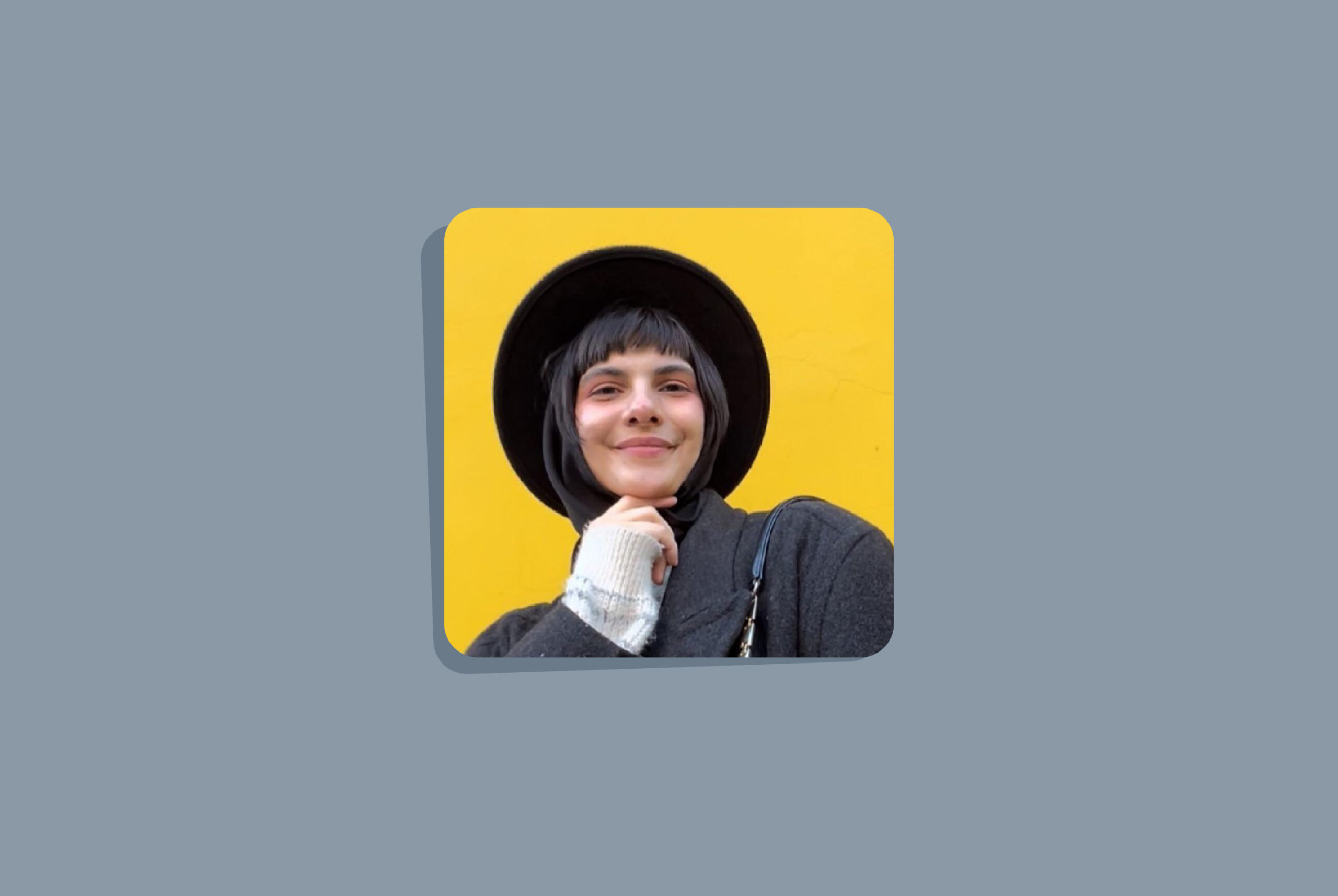
Sveta Maslov
Volunteers Tbilisi project volunteer
In March, the Petersburger Sveta Maslova moved to Tbilisi, where she began to work in a volunteer project that helps Ukrainian refugees, Volunteers Tbilisi .
Now she is the coordinator of the humanitarian aid item. In an interview with the “paper”, she told the light why she decided to become a volunteer, which she was afraid of communicating with refugees from Ukraine and how this work helped her overcome depression.
- What does Volunteers Tbilisi do?
- In total, Tbilisi is now several points of assistance to refugees from Ukraine. We are one of them: Grishashvili, 20. It was founded by Masha Belkin from Russia. Her parents have a hostel in the center of Tbilisi, and from the first days of [war] they decided that there would be a item of issuing humanitarian aid. Now there are many children from Russia, Ukraine, Belarus. Everyone helps together.
There are other projects, “we help to leave” (read the history of this project here - approx. “Papers” ), a point on Paliashvili, 60. We are in touch with each other. For example, in our point there are a lot of medicines, but in some few and we coordinate among ourselves.
Our point works daily from 15 to 19. To receive help with you, you need to have a Ukrainian passport and foreign. If there are no documents, we need the date of entry: we help everyone who arrived in 2022.
The item provides hygiene, medicine and food. We have a standard set: stew, cereals, vegetables, tea, coffee, sugar, razor machines, shampoo, diapers. We ask volunteers to bring something for children, for creativity.
Grishashvili, 20 works completely due to the donates and the help of people who bring products, hygiene products. Once, a soloist of the Nerves group came to us with packages.
- How did you get into this organization?
- I saw a post about Volunteers Tbilisi back in St. Petersburg - a friend laid out in history. Then I thought that I would really like to volunteer.
Before that, I was in a very poor mental state for about two years. I had depression. Until February 24, everything only began to improve a little: I began to take drugs, slowly get out of bed. And then it seemed to be poured out on me to a cold water. This news seemed to finish me - with a knife in the back.
My boyfriend is a historian, he said this: “Please, let's remember the beginning of the 20th century and immediately decide for ourselves that we are leaving.” I agreed. In March, we moved to Tbilisi.
And I decided that I would go volunteer. I could not do it differently. I probably felt guilty and shame. For the fact that I did not go to rallies, because it was not only apolitical, but I began to get into politics a little only two years ago, when I met my young man who understands it. I wanted to at least do something to contribute and help.
- Arriving in Georgia, did you immediately go to work as a volunteer?
- After arrival, I had an adaptation period. I exhaled, I realized that more or less safe and fell into a state when I slept 18-20 hours a day. And then I saw a cry in Telegram that volunteers needed at the Humanitarian aid at Grishashvili 20, and responded.
I was called to be supplied for an hour on a convenient day, look at the point, understand whether I like it or not, it’s hard or not. I liked everything. I said that I can come at least seven times a week, since I do not work now.
After a few weeks of volunteering, I was offered to become a coordinator. The coordinator is in the point 5-6 times a week and manages the work of other volunteers. I am doing this now. I still work for free, like a volunteer-we live on the income of my young man.
- How many people work in Volunteers Tbilisi and how are the processes organized?
- We have a very large team: there are guys who are engaged in procurement, there are guys who are engaged in media, media and communications, there is a hot line, there is a team of leaders. For example, five people travel on purchases on a schedule. In the number of centers-15 girls, they work 24/7, answer calls.
At the Humanitarian Assistance at Grishashvili, 20 work two, three people per day. There are only 11 volunteers, and there will be 17. Now I am gaining new people, I will intervene them so that three volunteers per day, plus me, go out. Therefore, help is needed more. Today I should bring deodorants, hand creams. We do not buy this, since it is expensive, in theory we have only essential goods, but it is very pleasant for people to get it. And if there are volunteers who buy it, we give out.
- And who usually comes for help?
- Many women, children, families, grandparents. Someone comes with whole families, someone alone. A lot of people from Mariupol.
Over the past week, about 600 people came for humanitarian aid. This is about 80 people a day, but it happens that on one day we accept 130 people, on the other - 40. Plus on the hotline we are constantly engaged in resettlement, now we already have four houses where refugees live.
- In what condition are these people?
- Everyone has different condition. Some are very active: they say where they live, what they do, where they go, share with us the fact that they try to live and get out of all this. And someone is very depressed and crying. Grandmothers are usually very emotional. They ask valerian, they tell how they could not sleep under bombing. Different moods, but they are all very grateful - both Georgia for their help and volunteers.
- And how do refugees from Ukraine relate to the fact that you are Russian?
-I had a fear that I speak Russian and I could not speak Ukrainian. It seemed to me that, most likely, because of this, it would be uncomfortable for people. We have a few vulture guys who speak Ukrainian, and I see that the refugees are more comfortable with them. It probably went due to the fact that I was ashamed that I was Russian. I was afraid that people would not want help from Russian. But this did not happen.
I recently talked with a girl, if I am not mistaken, from Kherson. It comes regularly, because we can come for help once a week. She asked where I came from. And, when I answered, she even looked at me somehow sympathetically and said that she realized that in Russia many people are subject to propaganda and believe in what they say on TV. In Georgia, Russian television channels show, and she saw there stories about how Ukraine is bombing itself.
Now I am starting a conversation in Ukrainian: "Good day, I will be finished?" And then I move into Russian. Everyone reacts normally. Someone continues the conversation in Ukrainian, I understand them and answer in Russian or asking for, if not clear.
- What are loved ones and friends think about your work in a help point?
- My young man is very happy. Since I had depression for almost two years and I almost did not go anywhere and did not work - there were attempts, but unsuccessful - he is very happy for me now. As they say, when you feel bad, try to help another. It really works.
Mom is proud of me - he is afraid, however, for me, but is proud.
- What did volunteering taught you?
- Before that, I have not volunteer anywhere and never. Volunteering taught the fact that among everything that was happening around shit there are a lot of good people. I was not disappointed in humanity.
And I also realized that it is normal to make mistakes. Since I am the coordinator of the item, for me this is all in the new product: leadership, the collection of the team. I am a lot of mistaken, and since I am still a narcissist, a perfectionist, I inspire myself that making mistakes is normal, and I try to treat it more responsible.
- Was it less ashamed to be Russian?
- Yes. I realized that there is nothing shameful in this, since I do not choose where to be born, I do not choose who I am by nationality. Although Ivan Dorn chose to be a Ukrainian (the singer said this in an interview with Ekaterina Gordeeva - approx. “Paper” ). But I do not choose where to be born. And I always tried to be a good person. This is a big step against the regime. The fact that I am Russian does not make me a bad person.
Get the main news of the day - and a story giving hope 🌊
Subscribe to the evening newsletter of "Paper"
SubscribeWhat else to read: