
Translated material
Quiet dispatch
One of the founders of Depeche Mode, Andy Fletcher, died, is the most inconspicuous and mysterious member of the group, without which it is impossible to imagine
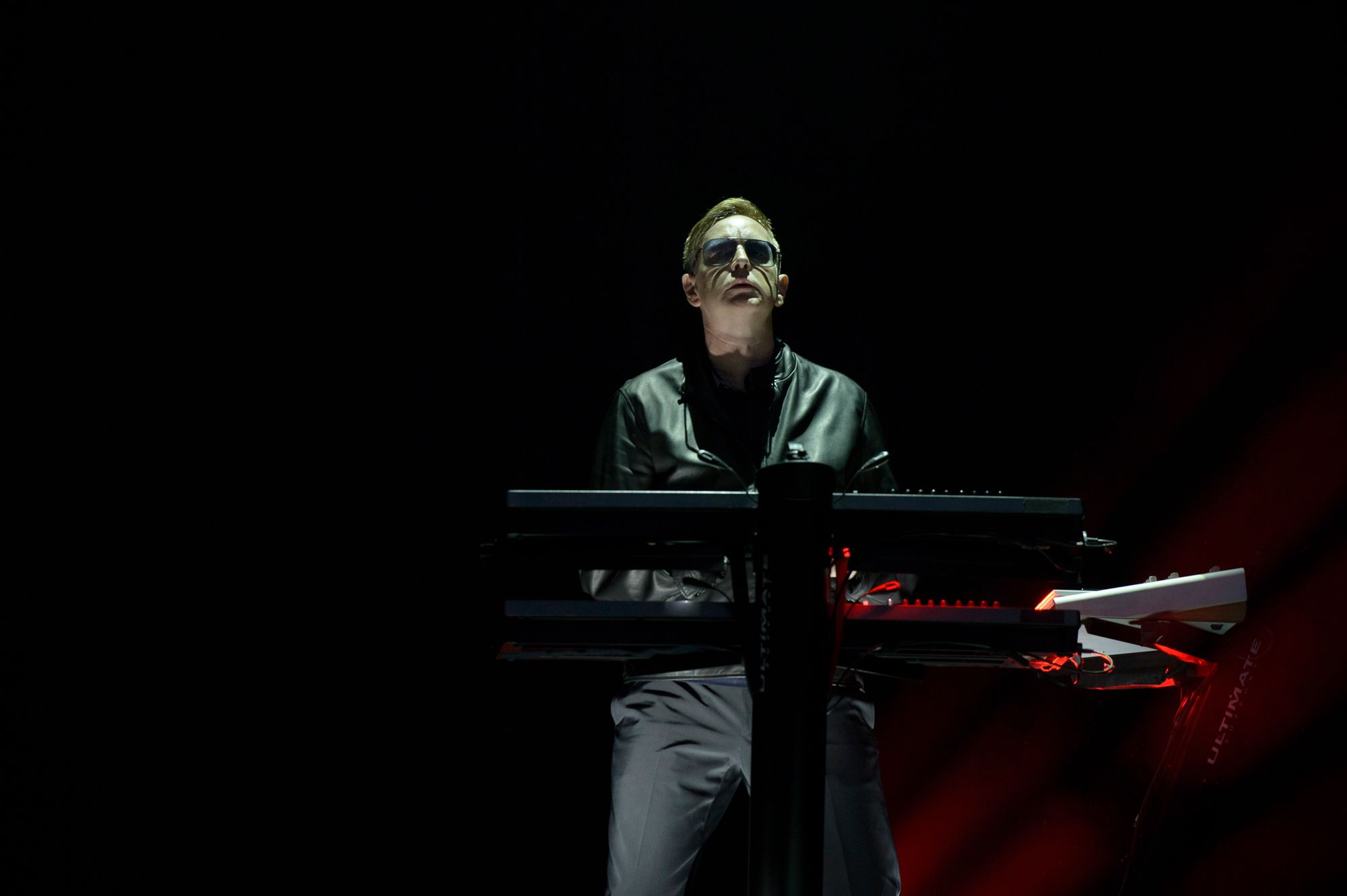
Andrew Fletcher, one of the founders of Depeche Mode, died at the age of 60. He played in the group on the keys - however, some fans suggested that his synthesizers were not always connected. He did not write songs and said about himself that his role in the group was “just to wander idle”. But it is impossible to imagine Depeche Mode without Fletcher. The music journalist Denis Boyarinov says about how he influenced the sound of the group and its safety.
Despite the superiority of growth, Andrew Fletcher was the most inconspicuous participant in Depeche Mode. The attention of the public was always riveted to the frontmen - the guttaper vocalist Dave Gaanu and the author of most songs to Martin Gorus. Fletch, as he was called by friends and fans of the group, was in their shadow: modestly stood behind the synthesizers at concerts and sometimes dancing with delight.
But without him, who lived life under the motto “reliable and devoted”, there would be neither Depeche Mode, nor the 40-year history of the group, which has gone from Tin-Pop-Band to the Hall of Glory of Rock-n Roll. Fletch himself described his role in one of the interviews: "That tall guy in the background, without which the International Corporation Depeche Mode would never have earned."
Andrew Fletcher stood at the very origins of Depeche Mode. It was he with his school friend Vince Clark in the late 1970s gathered the No Romance in China group, which was later joined by Martin Gore and Dave Gaan. Taking a course for electronic sound, the quartet chose a new name in honor of the French fashion magazine-it went down in the history of pop music.
Having debuted in 1981 with the album “Speak & Spell”, Depeche Mode-four youths from a distant London suburbs-used only the synthesizers and tape recorders that reproduced the predicted rhythm track. At first, critics and the future permanent co -author of the group Anton Corbine took Depeche Mode with skepticism. “We were called a group of hairstyles,” Fletch chuckled, recalling the early period when the participants experimented with the image. He, however, had a hairstyle as if the most unsuccessful.
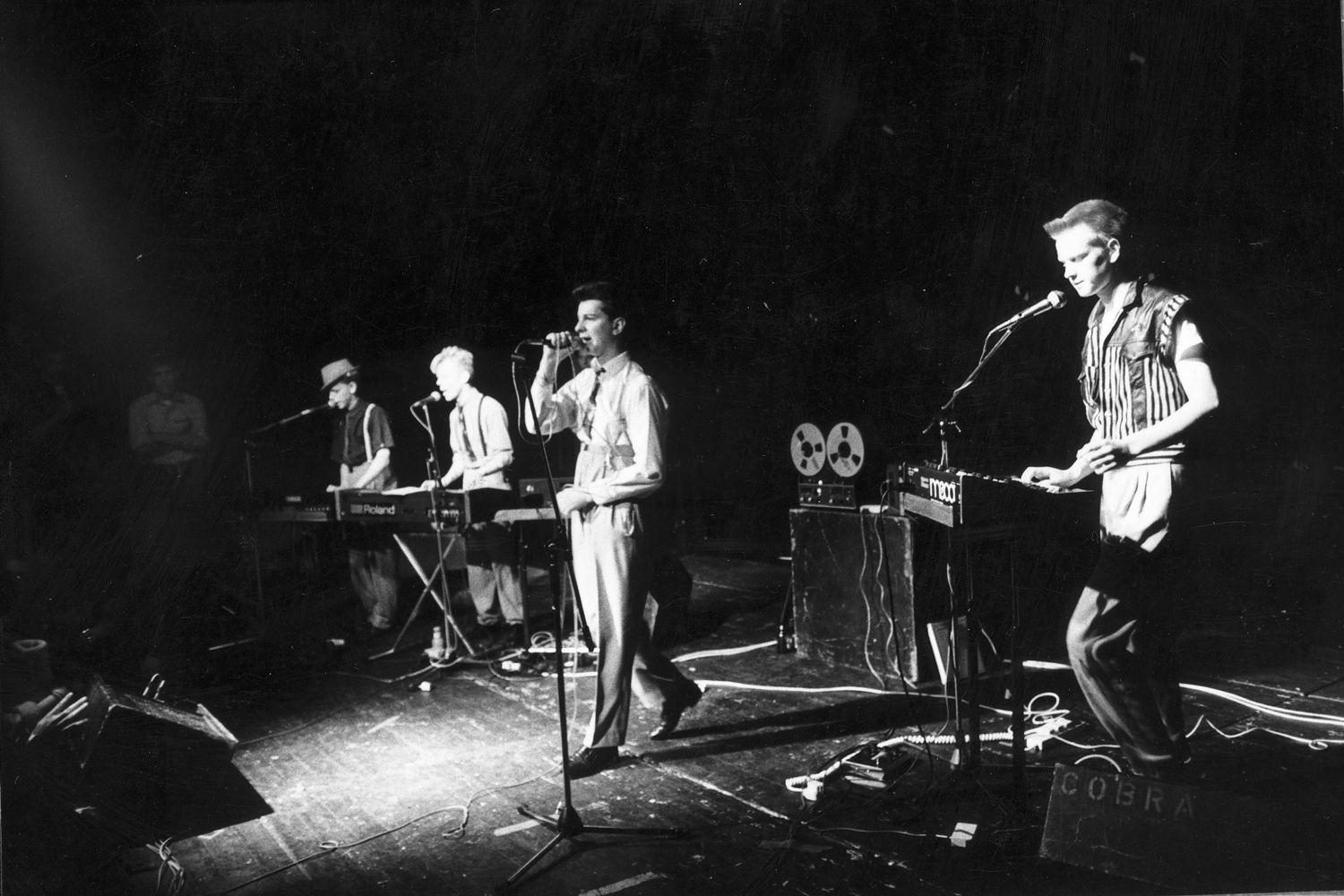
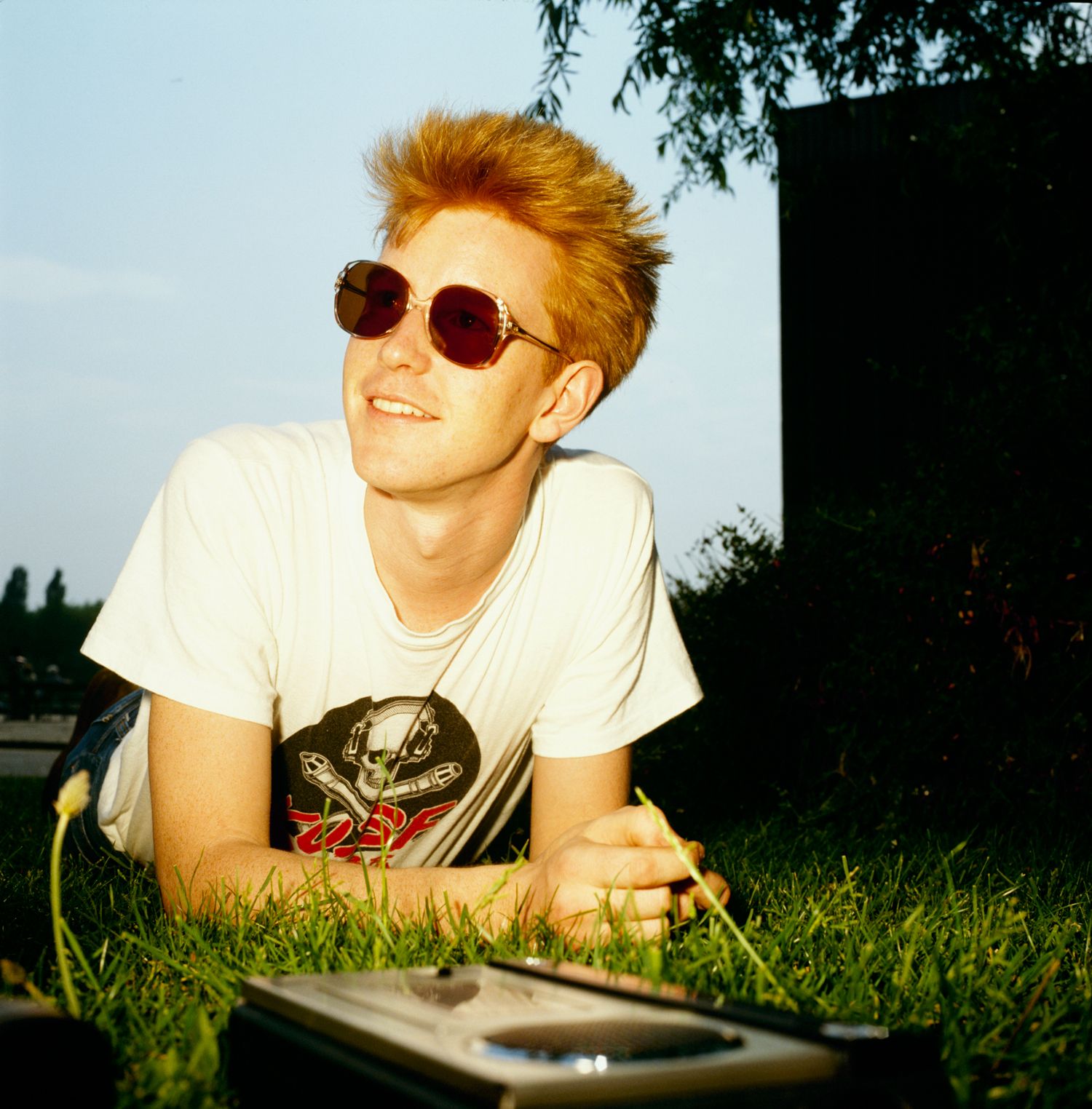
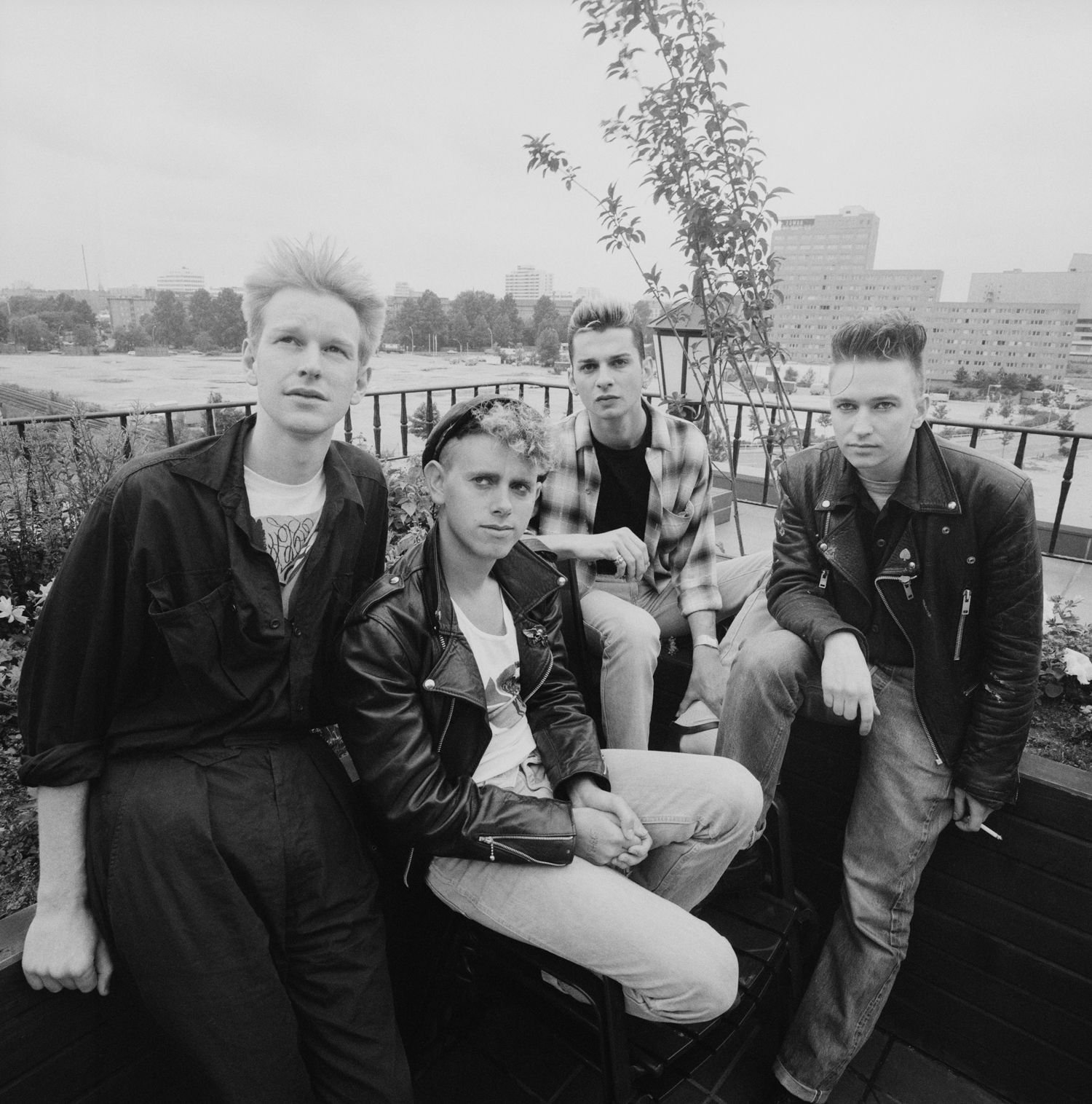
However, by the mid-1980s, after the release of the first hits that crushed British and American charts, the group toured the world-from Southeast Asia to North America. In 1985, Depeche Mode had a tour of Eastern Europe, during which they were going to perform in the USSR, but did not receive permission from the authorities. By this moment, the country was already originating in the country-the Moscow informals of the 1990s celebrated on May 9 (Dave Gaana's birthday) at the Monument Mayakovsky. After several decades, at the penultimate concert of the British in Moscow in July 2017, both Alexei Navalny and Vladislav Surkov were in the auditorium.
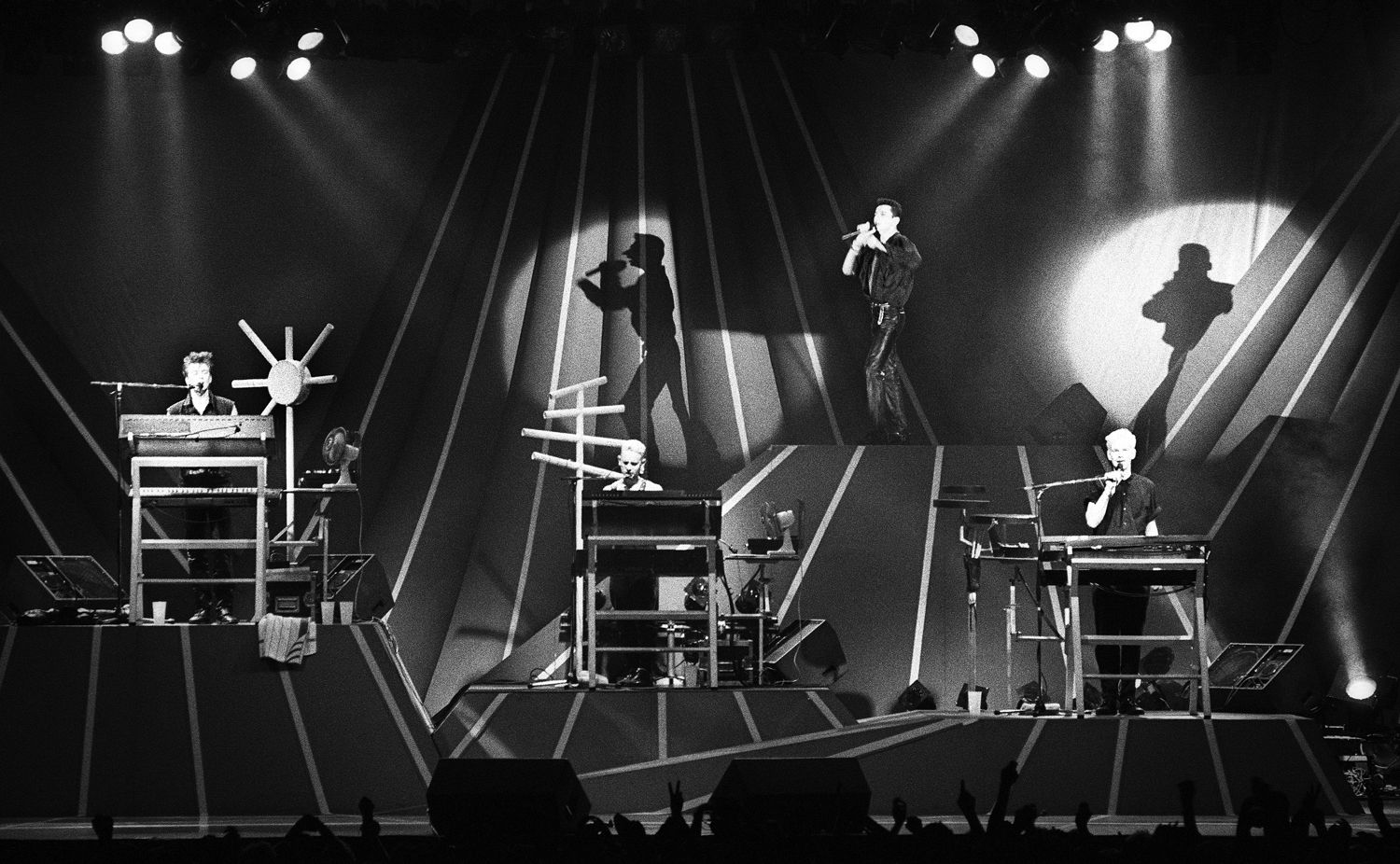
The degree of influence of Andrew Fletcher on the music of Depeche Mode is a discussion question. On the one hand, he did not write songs - his name cannot be found in loans of any of the compositions of the group. For decades, many fans wondered what exactly Fletcher does during concerts? Anyway, are its synthesizers connected? Speaking of the role of “quiet dispatches”, they often recall his own joke that sounds in the documentary “101”: “Martin writes songs, Alan [Wilder is a multi -instrumentalist, a participant in Depeche Mode until 1995] is a good musician, Dave is a vocalist, and I just wander idle.” Among the musical benefits of Fletch, only two are remembered: he screams “crucified” in the “Crucified” instrumental from the Violator album-blockbuster; In addition, he plays a bass player in the song “A Pain that I`m Used To”, while in the video the tool was given to Martin Gora.
On the other hand, the Flatle Love for synthesizers and electronic sound determined the DePeche Mode development vector, formed its recognizable sound and eventually made one of the most influential British groups - their authority is recognized by rockers, electronic producers, and DJs. The amazing availability of Depeche Mode songs is also the merit of a modest flile. In his own words , he brought the desire for pop music to the group: “Martin Mountains, who wrote most of the songs, loves American blues and country. And Dave discovered jazz for himself. I probably will always be faithful to simple melodies and lightness that they embody. ”
More similar to a clerk than to a pop star, Fletchu had to take on unattractive at first glance, but vital functions in the group. In the early period of Depeche Mode, he was her manager and agent. In the stormy and complex-in the late 1990s, when the group was on the verge of collapse-became a diplomat, which brought bridges between Dave Gaan and Martin Gorus. And at all times, Andrew Fletcher was the most devoted fan of Depeche Mode, an unstoppable engine that encouraged the group to sign up and speak, no matter what. In addition to Depeche Mode, he loved his wife and children, chess, ale, Chelsea football club and sardonic humor - simple interests of a native of the working class. In most photos of Depeche Mode, he looks like a former classmate who accidentally closed into the company of rock stars.
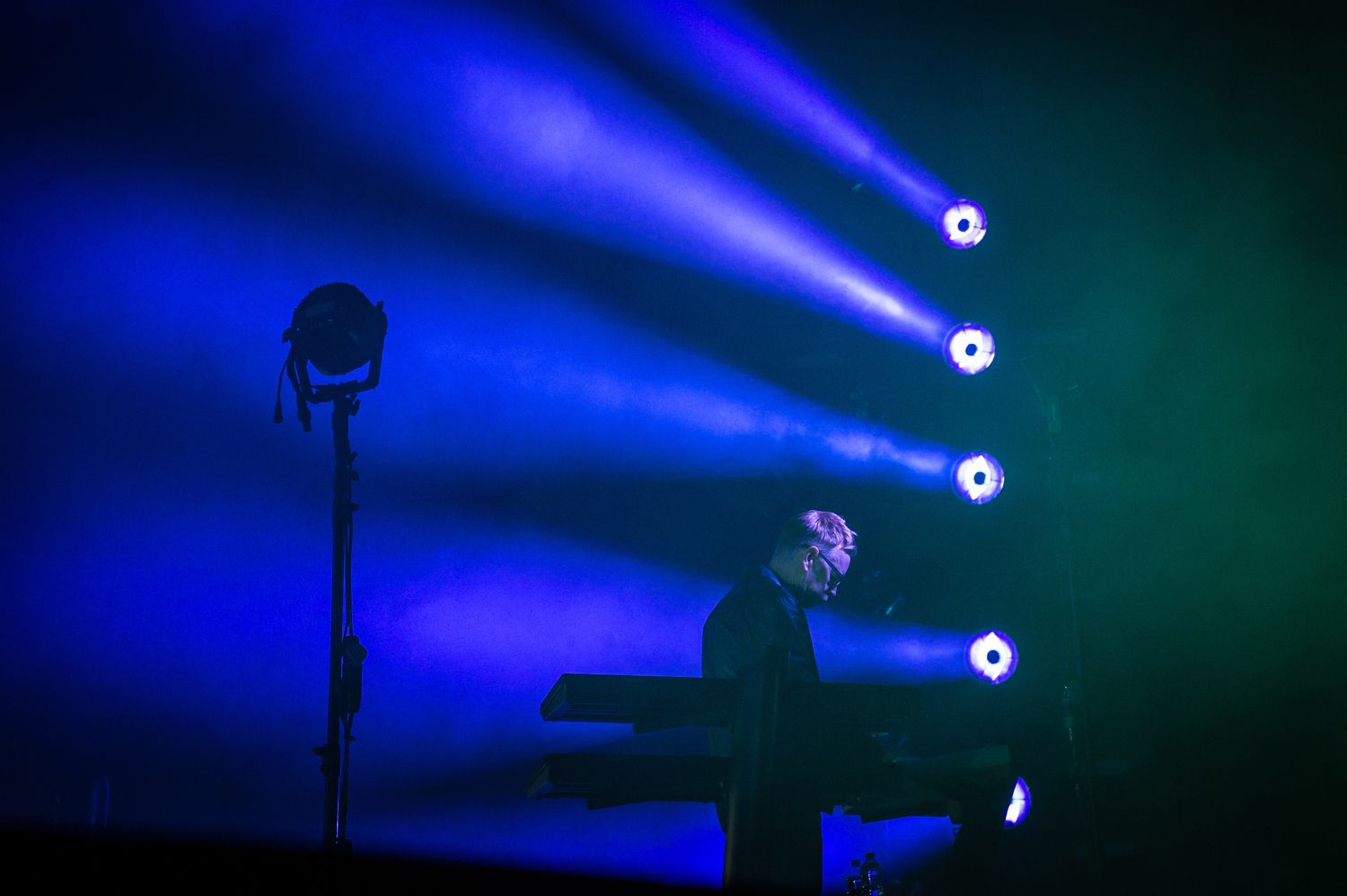
I happened to interview Andrew Fletcher and to experience his charm of a simple, pleasant person. In the fall of 2016, Depeche Mode talked with the press on the occasion of the next world round and the upcoming release of the Spirit album. We met in the luxurious Milan Hotel Four Seasons - the huge room was packed with crystal and exotic colors and looked like a greenhouse. Catching my slightly amazed look, Fletch grinned and said: “Yes, this is not my number. And not even Dave. " After this phrase, the tension disappeared and our conversation went so smoothly, as if we were long -standing acquaintances who accidentally met in a pub.
They say that a good person is not a profession; However, people like Fletch - reliable, modest and reliable - are invaluable and indispensable. At the same time, Andrew Fletcher was far from only an employee of the International Corporation Depeche Mode. Saying goodbye to him, Dave and Martin wrote in social networks that they lost their native soul and a family member: “Fletch had a golden heart. He was always there when there was support, a lively conversation, a kind joke or a cold pint of beer. ”
Denis Boyarinov