
Translated material
"I asked to remove the chain from my mother, but they refused"
Ethnic Kazakhs in China are sent to the same “re -education camps” as Uygurov. Here are ten stories
Since 2014, the world began to learn about what was happening in the Xinjiang-Uygur Autonomous District of China. Since then, the media and human rights activists regularly tell how Uyghov is massively placed in the “vocational training centers” - and in fact, in concentration camps. You can get there for the slightest manifestation of religiosity, and go out - only after "re -education" (or never return). In addition to Uyghurs, these camps also contain representatives of other nations of Sinjiang - mostly Kazakhs. Since February 2021, relatives and friends of the Kazakhs, located in the Sinjani camps, every day enters the protest of the Consulate of the PRC in Almaty. Medusa publishes the project “Near” by the photographer of Ophelia Zhakaeva about Chinese Kazakhs and their lost connection with relatives in the camps of Sinjiang. She captured the protesters of the consulate with objects that remind them of relatives, and recorded their stories.
"Take me from here, save me"
Gulpia Kazybek

For more than five years, I have been separated from my mother. During that mother’s niece in the village of Karasu, the Kuldje district of Kulja, she was detained and taken away for interrogation. My younger brother waited for her on the street for seven hours, but he was told that today my mother could not go home. After that, she disappeared for several months. We searched and searched until through friends and employees we found out that she was in the camp.
Then they called me and said that my mother was in the hospital, she needed treatment and needs to be paid. When I arrived at the Kuldzhinsky district people's hospital, there were iron doors and bars everywhere. After the search, they let me into the ward to my mother, and I saw her - an emaciated, with blindfolded eyes and chains on her arms and legs. A surveillance camera was directed at it. Mom told me that she ended up in the hospital after she had stumbled into her chest during the interrogation and she lost consciousness.
“Take me out of here, save me,” she whispered when I left the ward. Some time after that I managed to get to my mother again. I asked the guards to remove the chains from her, but they refused.
Then my mother disappeared again. After eight months of silence, court workers came to his brother and said that his mother was convicted of 12 years: five years in prison and seven years in the camp.
They take [to the camp] under various pretexts. Hold the Qur'an at home - they take it. [Visiting the mosque] is also prohibited. Only then they are charged. Relatives have already been five years old, since 2017 [when the mother was detained], they don’t live normally: they sleep in clothes, because they can come and almost get out of the blanket at any time.
Once they gave me to look at my mother through a video camera: my mother's long hair was shaved off, on the arms and legs of the chain, behind - two women with machine guns. With a blow to her shoulder, they put her in a chair and gave her five minutes to talk to me. All that I could cry from what I saw.
Now rumors are reaching that she does not walk. Even before the detention, my mother had health problems: she found a tumor.

At some point, I no longer knew what to do, where to go. But one woman called and said that they were going to the Chinese consulate [in Almaty], offered to join them. So I got to rallies, it was February [2021].
After I began to go to stocks and give interviews, they called me from the International Human Rights Organization, my mother was put up among more than two thousand missing people. But relatives from China reported that after that they began to come to the father, threaten the family. Representatives of local administrations told them that I joined foreign terrorist organizations. My father was offended, the brothers too - they believed in it. They asked me to no longer go to rallies. But I continue.
I'm very afraid that my younger brothers and sisters will be in the camp. Their life is in danger. After the mother was convicted, the children of my brothers and sisters have no right to study at universities, work in good places. If they work, then only with the permission of the government. They are just children, but already without the future.
Even when I got married, my mother gave me her scarf. Then she said: “Take care of him. When you see him, when you take it in your hands, feel: I'm near. ” Now, looking at him, I want to cry endlessly. While the scarf is in my hands, I hear her smell.
What is the difference between the camps of "re -education" and prisons in China
Back in the 1950s, a Laogai camp appeared in China-“Correction by Labor”. We fell into such places only according to the court decisions. At the same time, there was Laozzyao - “re -education with the help of work”. It was used already with administrative, softer, violations - for example, petty hooliganism, but political and religious dissidents and protests also entered the Laozzya camps. By 2013, the Laozzyao camp was dismantled.
But this is where the story of the “Campaign camps” in China did not end. Since 2014, reports about specialized camps in Sinjian-Uyghur Autonomous Region began to appear in the Western media. At first, the PRC authorities categorically denied their existence, but in 2018 they officially announced that, in order to combat extremism, “centers of vocational training and advanced training” were created in Xinjiang. As follows from the messages of human rights defenders, the investigations of the media and the stories of the Uyghurs themselves , who survived the conclusion in these camps, “professional training” mainly consists of strict political indocation in camp conditions: many hours of lectures on the greatness of the Communist Party of China, “self -criticism” and “exposure” of relatives living abroad and participating in the actions of the protest against the oppression Uygurov. Any manifestations of religiosity - for example, prayer - are strictly prohibited in such camps.
Uyghura (as well as representatives of other Turkic minorities of Sinjiang - Kazakhs, Kyrgyz in China) can get to such a camp for a variety of “offenses”: visiting the mosque, storing the Koran’s House (despite the fact that around 2013 the Chinese authorities did not prevent this), wearing a beard for men and hijab for women, visiting the mosque, hajj - as well ascommunication with relatives abroad or generally foreigners. At the same time, Islam in China is not officially banned: the PRC authorities constantly emphasize that the freedom of religion is fixed in the Constitution. Other people of China, professing Islam - for example, Hui , practice their rites and traditions relatively free, although under the patronage of the Chinese Association of Islam, controlled by the state.
In a practical sense, clarifying a clear difference between prisons and camps in Xinjiang and the rest of China is difficult because of the closed position of the Chinese authorities in relation to the press and international human rights defenders. The latest investigations show that this line is often foggy. According to eyewitnesses, the camps are sent to the camps with the right to free themselves ahead of schedule - for example, with a sufficient assimilation of the “political program”. At the same time, according to eyewitnesses, former prisoners and human rights activists, the conditions in prisons and camps are not very different: the most basic human rights are violated in both types of institutions.
"He believed that if not noise, it would be better"
Baybolat Kunbolat

When in 2011 my brother graduated from school in Shanghai, I invited him to Kazakhstan. He arrived, entered the university here. After the first semester, during the winter holidays, he went back to China to his foster parents - he was adopted by the sister of my father, who had no children. But he could not return to Kazakhstan, because his parents began health problems, he decided to stay.
In 2017, he was hired by the police. But then I learned from relatives that he was taken to the camp. At first they said that for a month, then for a year. The deadline has passed, but the brother never came out. A year and a half later, I found out that he was convicted of 10 years.
When my brother was just detained, I did nothing. He believed that if he did not make noise, it would be better, he would not be harmful and released faster, but his relatives would not be touched. Now I regret this decision so.
In the end, I decided to act. Since November 2019, he turned to the presidents of [Kazakhstan] several times - both the past and the current one, wrote to the Ministry of the Interior, to the Chinese Embassy in Kazakhstan, to the UN, and representatives of the European Union. And I continue to write, but no answers, no results (in an interview with the Kazakhstani edition of Vlast, Baibolat said that after one of the actions in Astana he was accepted by the representative of the PRC Embassy. He said that his brother was immediately sent to prison. The reason was Baybolat’s brother in the BAIDU social network, which, according to the embassy employee, incurred international disorder, approx. "Medusa").
Then I wanted to get to the Chinese consulate, but they did not let me go. Now I go out to the pickets with a photograph of my brother every day.

In March 2020, I constrained myself in chains and went to the consulate. I wanted them to understand the state of the brother. I was warned several times, but it was a single picket - I did not violate anything. However, in February 2021 I was detained for six hours. I got a warning then.
Then three women went to the consulate, demanded to free their relatives in Xinjiang. The next day, the consulate already had 20 people. After this protest, the police came for me. Planted for 10 days. But people did not stop: they continued protests.
And I continued. But he just decided to change tactics: he began to shoot on the video protesters, distribute notes on social networks. Do everything so that people's stories become known. We turned to the akim [mayor] of the city all year in order to go to pickets and rallies completely legal, agreed. Constantly wrote statements. But we were refused, they referred to the fact that consulates and embassies are specially protected zones, which means that there can be no stocks.
In July this year, while I went to visit my parents, people in civilian clothes suddenly caught me. At first I thought that these were Chinese agents, scared: now they would take away and kill. I was put in the car by force, they did not show any documents - they just dragged them, twisted their hands, put on handcuffs. They did everything very rudely and painfully. I could not break out. The wife and neighbors ran out, tried to help, shot what was happening on the video. At that moment, people came up, said that from the police, and they took to the station. They kept it until night, not only me, but also relatives. Employees also came to his wife, but after they detained me. They said: come to the police department now and we will let your husband go. So the wife, children and my mother fraudulently ended up in the site for the whole day. Then, as it turned out, many who regularly reached protests were detained. There was a holiday in China-they celebrated the 100th anniversary of the Communist Party.
After that, I wrote a statement to the prosecutor’s office, he was transferred from there to the security department. And only then I received the answer: no violations from the police were committed. For which they detained me and my family - they did not explain.
So from China there are no answers. For four years now, we have lost touch with my brother. Because of this, the father began to hurt: the heart was weakened, one eye stopped seeing. Mom has constant pressure and headache. We are in big experiences.
"The grandson said that he did not want to do nothing but a meeting with his parents."
Kenzhegul alkak

In March 2017, a daughter with two children came to visit us here, to Kazakhstan. At this time, her husband in China began to threaten with detention, demanded that her daughter return. When she nevertheless returned to China, she demanded documents and asked why she went to Kazakhstan, why she was married to a mullah and for what purpose [commits] prayer.
The son -in -law was held in August of the same year, then the daughter itself. The son -in -law was condemned for 25 years, my daughter was 18. The reasons are unknown how and where they are now and what is happening to them. The son -in -law was an imam in Mongolkur . The Chinese authorities themselves taught him for this work, sent him to study - he even received a red diploma, and then he was detained. Five years have passed, complete ignorance and grief. We can’t go to the living relatives to meet, or to those who left for wires on the last journey.

At first I went to the protest, but now I have been completely ill, and my husband is sick. All because of this tragedy. We are now constantly sick. In addition to relatives, no support from anyone.
Three years ago, he managed to contact his grandson [in Xinjiang], then he had a birthday. He cried without ceasing, he said that he did not want anything but a meeting with his parents. After this call, he was included in the black list, his number was blocked. Now there is no connection with him.
"Daughters are now five years old, and she does not know what" father "is"
Bikamal is like

In 2016, the husband, due to health reasons, refused to work in China, transferred to his pension due to illness, he has a lumbar hernia. These are all echoes of hard work in an oil company: it steamed solid oil, launched steam into the wells.
In the same year, we decided to move to Kazakhstan. We received all the documents, permits and crossed the border without problems. In August, we arrived in Astana, then in Almaty - there was little work, but she saved her husband’s pension. Meanwhile, we were about to apply for citizenship. In December, we had a second daughter.
In 2017, in May, their husband called from the old work from China, they said that there would be some kind of meeting and that it was necessary to come to it, otherwise they would stop the payment of pensions. He believed and decided to go without suspecting anything wrong: the husband is not a criminal.
I began to wait for the news. Relatives [in Xinjiang] said that he did not come home. I was worried. Three days later, her husband’s sister called and said that her husband was still not there. I immediately called the driver of the bus in which my husband rode. He said that he remembers my husband - as soon as the bus crossed the border, he was taken away by the police to several questions as soon as the bus crossed the border. After 20 minutes, the husband never appeared, the driver left. While I found out all this, local from the police of the city of Karamia came to my sister. They brought her a bag with her husband’s things and reported that he was in prison, but did not say why.
It turned out that he was there on the border after the interrogation and was detained, not calling the reason. Five years have passed since then. At first he was shown to the relatives of her husband, they met two or three times, then talked about the video, but these meetings also stopped. Until March 2021, he was kept in prison of the city of Karamia, and since March 2021 they say that he was transferred to prison in the east of Sinjiang.

When we married in 2013, we had a traditional wedding ceremony “Some”. Mullah performed him, as expected. During the search, the wedding video was found and brought to the husband that he invited Mullah to the wedding and kept the Qur'an at home. Although then it could be free to take it in the library or buy in the store - many did so. In addition, he was accused of moving to Kazakhstan. This was reported to me by our former fellow villagers. I got in touch with them, because I could no longer talk with relatives in China - they were intimidated by arrests.
[When we still talked] My relatives asked me to stop, they were offended that I was looking for my husband, I go everywhere and write statements. The authorities of China learned about the statements in Ata-Jurt -and there relatives began to threaten the arrests even more actively. Because of all this, they are not given permission to date with her husband. Previously, at least sometimes they gave.
It’s hard to live. I survive only thanks to friends, fellow countrymen, neighbors - and the charitable foundation. For five years now, two girls have been growing without a father. They constantly ask when dad returns. Especially the eldest: she remembers him. I say that he will come soon. I myself believe in it, I hope. But the character changed on the nerves, I began to break into children. They were deprived of his father's guardianship, our family was destroyed. When her husband was imprisoned, the youngest daughter was only four months old. Now she is five years old, and she does not know what "father" is.
"If I do not look for it, then who will be?"
Almakhan Myrzan

In the early 1990s, my brother [in China] studied at Imam, the authorities did not resist this, they even issued a diploma. In 2004, a year after me, he arrived with his family to Kazakhstan. Around the same time, the father received disability, and his brother returned to China. In 2012, the father died. A few years later my mother died. Having lost his parents, his brother in China was left almost alone. Together with his wife, he decided to return to Kazakhstan and apply for citizenship.
But they were prevented: three policemen arrived, one of them was a Kazakh, and their brother was detained right in the house. They said there are several questions. First, they detained and put in the camp, after - they were convicted by 14 years for working as an imam. As far as I know, they went to prison in the [capital of Sinjiang] Urumchi.
He had two children, wife, grandchildren. The eldest son works. Младший сын окончил учебу, но его нигде не зачисляют в вузы, не берут на работу — все потому, что его отец сидит в тюрьме.
Брата я ищу уже четыре года. Сперва давала интервью в [организацию, занимающуюся защитой прав этнических казахов в Китае] «Ата-журт», потом их офис [в Алматы] закрыли. Результатов не было, и я решила выходить [на митинги] перед консульством Китая. И так уже целый год.
Помощи [от властей Казахстана] никакой нет. Нас задерживают на несколько суток, штрафуют, говорят, что мы вышли на несанкционированный митинг, но это не так. Наша цель — просто спасти своих родных. Поддерживают только родные.
Сейчас доходят новости, что здоровья у брата совсем нет: высокое давление, больные почки и сердце. Говорят, что у него рак. Он инвалид II группы: у него нет одной руки. Ему уже 60, когда выйдет из тюрьмы, будет больше 70 лет. Боюсь, что он там уже не выживет, умрет, а я его больше никогда не увижу. Не сплю, не смеюсь, скачет давление, болит сердце. От переживаний схожу с ума. Он мой единственный родной человек, если я его не буду искать, то кто будет?
«До этого слышали про такие места только хорошее»
Турсынгуль Нуракай
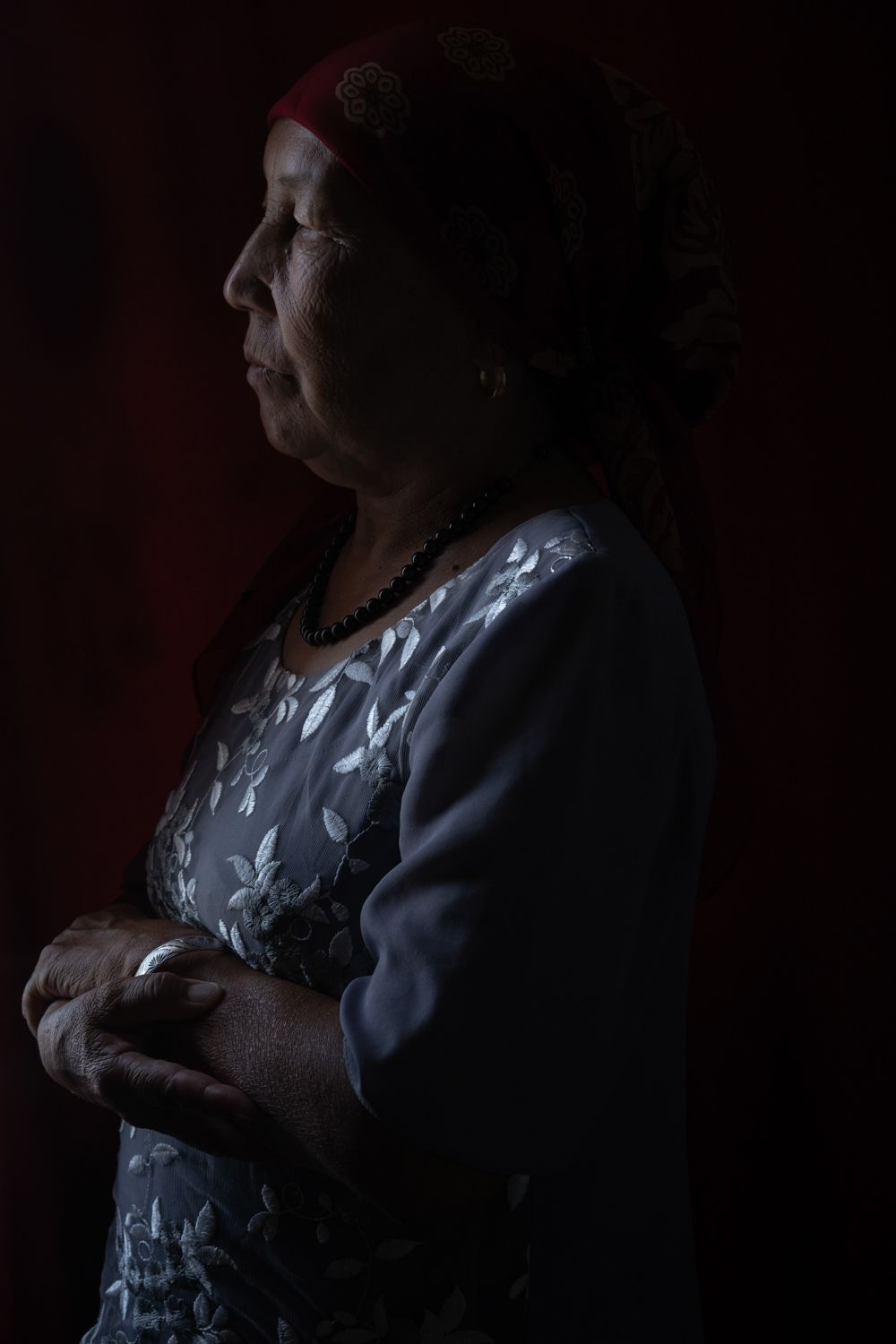
В 2015 году, после 34 лет работы учительницей китайского языка, я вышла на пенсию. Через три года мы с мужем решили переехать в Казахстан к детям, которые здесь занимались бизнесом.
В мае 2017 года у мужа закончилась [казахская] виза. Он уехал, чтобы заново ее открыть, но спустя месяц связь резко пропала. Поехать за ним я не могла, так как сдала свой паспорт — подавала на статус оралмана (казаха-репатрианта, — прим. «Медузы» ). Детям как-то удалось узнать, что его забрали на «политическое переобучение».
Мы даже подумали, что это хорошо. До этого слышали про такие места только хорошее: как туда забирают всех, даже самых старых, обучают, кормят три раза в день. Но вскоре и дети потеряли с ним связь, телефон был постоянно отключен. Спустя два месяца мы узнали, что его осудили на 10 лет. But for what? He did nothing. Тридцать шесть лет работал, вышел на заслуженную пенсию, никогда не нарушал закон.
Потом мы услышали, что ловили всех, кто собирался переехать или бывал в Казахстане. Ходили слухи, что их пытали, заставляли подписывать [самооговор]. Ловили и тех, кто ходит в мечеть или совершает намаз.

Уже четыре года, как я ищу супруга. Стою перед консульством Китая, обращаюсь за помощью в разные ведомства. За это время не получила ни одного серьезного ответа. Наша семья разделилась на два государства без каких-либо причин. Права моего супруга растоптали.
«Связаться с родными невозможно — иначе у них будут проблемы»
Кумысхан Бабан

В 2018 году я от друзей брата, которых в Казахстане много, узнала, что его и жену задержали. Они верующие, совершали намаз — за это и задержали. Брата выпустили через два месяца, а сноху через год.
Брат продолжил работать певцом. В марте 2019-го его задержали снова. Все из-за песни « Қазақ мұңы » ( «Печаль казаха», — прим. «Медузы» ), которую он исполнил в 2010 году. Она активно распространялась в интернете. Брат был популярным певцом : выпустил более 60 песен, участвовал в конкурсах. Насколько знаю, он сейчас в тюрьме в городе Куйтун [Или-Казахского автономного округа Синцзян-Уйгурского автономного района КНР].
В этом году его сыну исполнится пять лет. Сейчас он растет без опеки родителей. Связаться с родными невозможно — иначе у них будут проблемы. Родственники под наблюдением, телефоны на постоянных проверках — откровенно поговорить не выходит. Их запугивают, что если что-то расскажут, то и их посадят. Поэтому все, что можем, — просто поздороваться.

Я не могу сидеть сложа руки. Каждый день с 8 февраля [2021 года] выхожу к консульству Китая, после чего нас задерживают, штрафуют. Мы предупреждали, что будем выходить, но наши заявки в акимате не принимали. Хотя это даже не митинги: мы просто ждем ответов.
Наши полицейские запрещают появляться здесь. Некоторые из них нас жалеют, но говорят, что указ свыше, у всех семьи, дети, — против пойти не могут. Тем не менее не все так говорят — другие очень жестоки. Но наступит завтра — я опять выйду. И буду выходить, пока не освободят родных.
«Днем лишилась смеха, ночью — сна»
Халида Акытхан

В 2016 году я поехала в Китай. Сперва сомневалась, ехать ли: уже слышала про давление на этнические меньшинства. Но сыновья, которые жили там, успокоили, сказали, что у них все нормально. В 2017-м я вновь собралась в Китай, но супруг меня не отпустил: сказал, что сейчас там у всех отбирают паспорта, людей забирают в тюрьмы.
В феврале 2018 года мне позвонила жена одного из сыновей и сказала, что их всех троих забрали на четырехмесячное «обучение». Я тогда не поняла, отнеслась спокойно — подумала, что это какие-то обязательные курсы. На следующий день она позвонила еще раз, чтобы сказать: жен тоже забирают.
В промежутке с 2017 по 2020 год забрали всех моих сыновей и снох. Четырнадцать детей остались без родителей. За детьми старшего сына присматривала родственница его жены. Детей второго сына забрали в детский дом. За детьми третьего сына смотрела мать одной из снох. Она же и смогла забрать детей старшего сына из детского дома.

Перед консульством я плачу, кричу, падаю в обморок. Каждый день выхожу из дома в шесть утра. Практически не ем, только воду пью — только на дорогу уходит тысяча тенге ( около 150 рублей, — прим. «Медузы» ), поесть — еще тысяча. Где мне брать каждый месяц 60 тысяч? Недавно помог один человек, дал 20 тысяч, из них 13 ушли на лекарства.
Домой только к вечеру приезжаю, а если задерживают, то и вовсе к утру — в 3–4 часа. У консульства ежедневно собирались около 15 человек, потом 10, сейчас меньше — по 6–7 человек. Болеют потому что, устают. Но я до самого конца жизни буду выходить.
Знаю, что отпустили двух снох. Третью, старшую, осудили на 11 лет. От самих сыновей не было никаких вестей. Здоровье мужа резко подкосилось от переживаний за своих родных. Он сильно заболел и умер.
Спустя год после смерти мужа я узнала, что наших сыновей осудили. Младшему дали 10 лет, двум другим — 11 лет. Какое-то время у меня была связь с акимом Карагаша — нашего родного села в Синьцзяне. Он и рассказал об осуждении, но не ответил, за что. После того как я вышла к консульству Китая, аульный аким перестал брать трубку, отвечать в мессенджерах, потом вообще заблокировал меня. Снохам тоже запретили со мной говорить, пригрозили тюрьмой.
Мне уже 68 лет. Днем лишилась смеха, ночью — сна. Все, чего я сейчас хочу, — увидеть сыновей, обнять и поцеловать. Хотя бы перед своей смертью. А после, надеюсь, они положат горсточку земли на мою могилу.
«Громко объявили: „Дочь Ермекбая выступает против нас“»
Нурзат Ермекбай
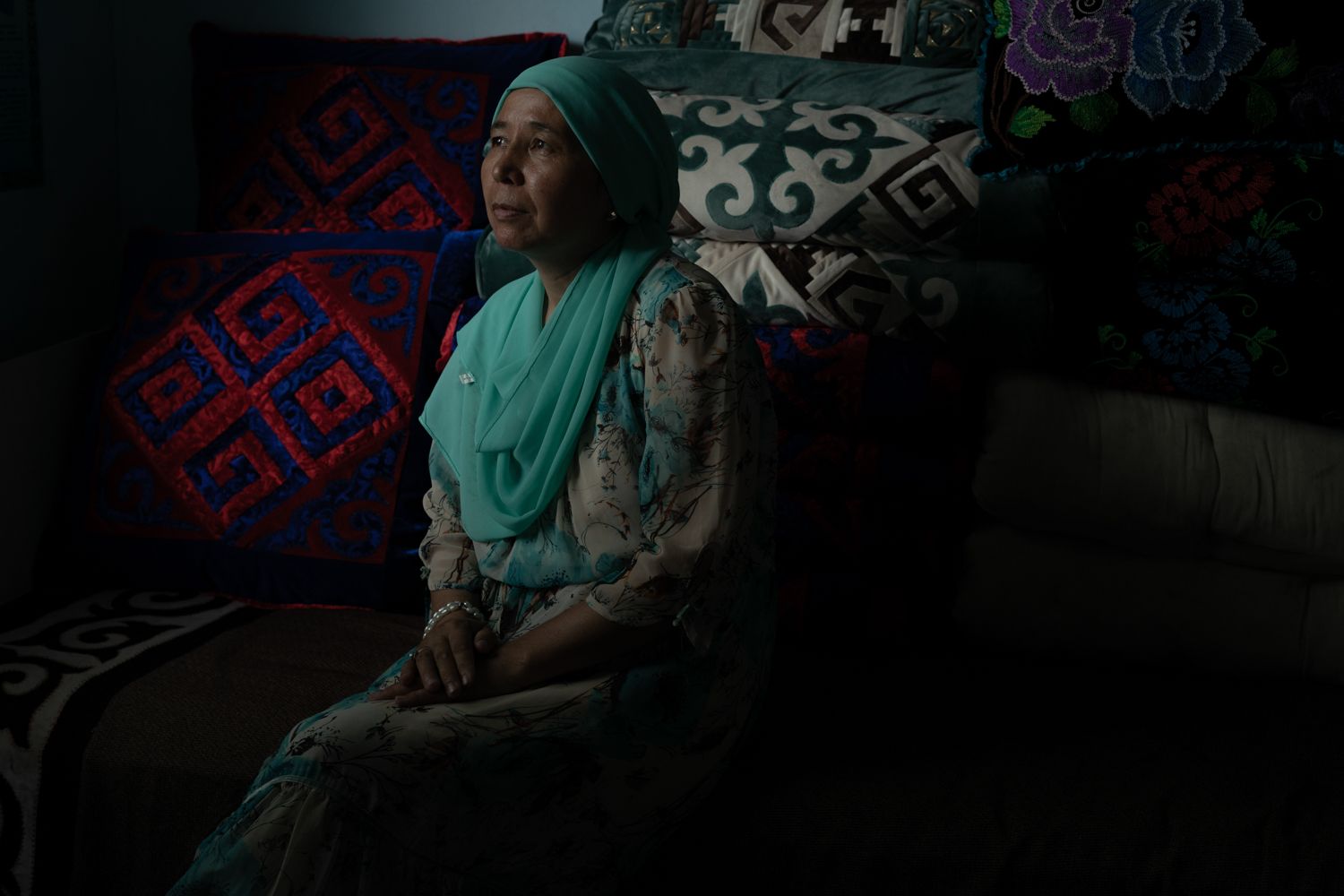
Мы переехали в Казахстан в 2011 году: решили, что это наша историческая родина, родной народ, Казахстан с Китаем — друзья. Отец и три брата остались в Китае. Думали, что будем тесно с родственниками общаться, будем ездить друг к другу, думали, что все будет хорошо.
Но в октябре 2018 года я узнала, что брата задержали. К нему домой пришли ночью, надели черный мешок и увезли. Сказали: «Четыре месяца будешь учиться, потом выпустим». Но так и не выпустили. Через девять месяцев его осудили на 12 лет. Сейчас уже четыре года, как он в тюрьме. Насколько знаю, в городе Куйтун [в Или-Казахском автономном округе Синьцзяна].
Я очень переживаю за брата и его здоровье. Он не преступник, на нем нет никакой вины. На протяжении 20 лет он просто был имамом. Все детство мы росли вместе: вместе играли, веселились, сидели за одним дастарханом [столом]. Помню себя с ним рядом как за каменной стеной, ни о чем не переживала. Не могу забыть его заботы и любви.
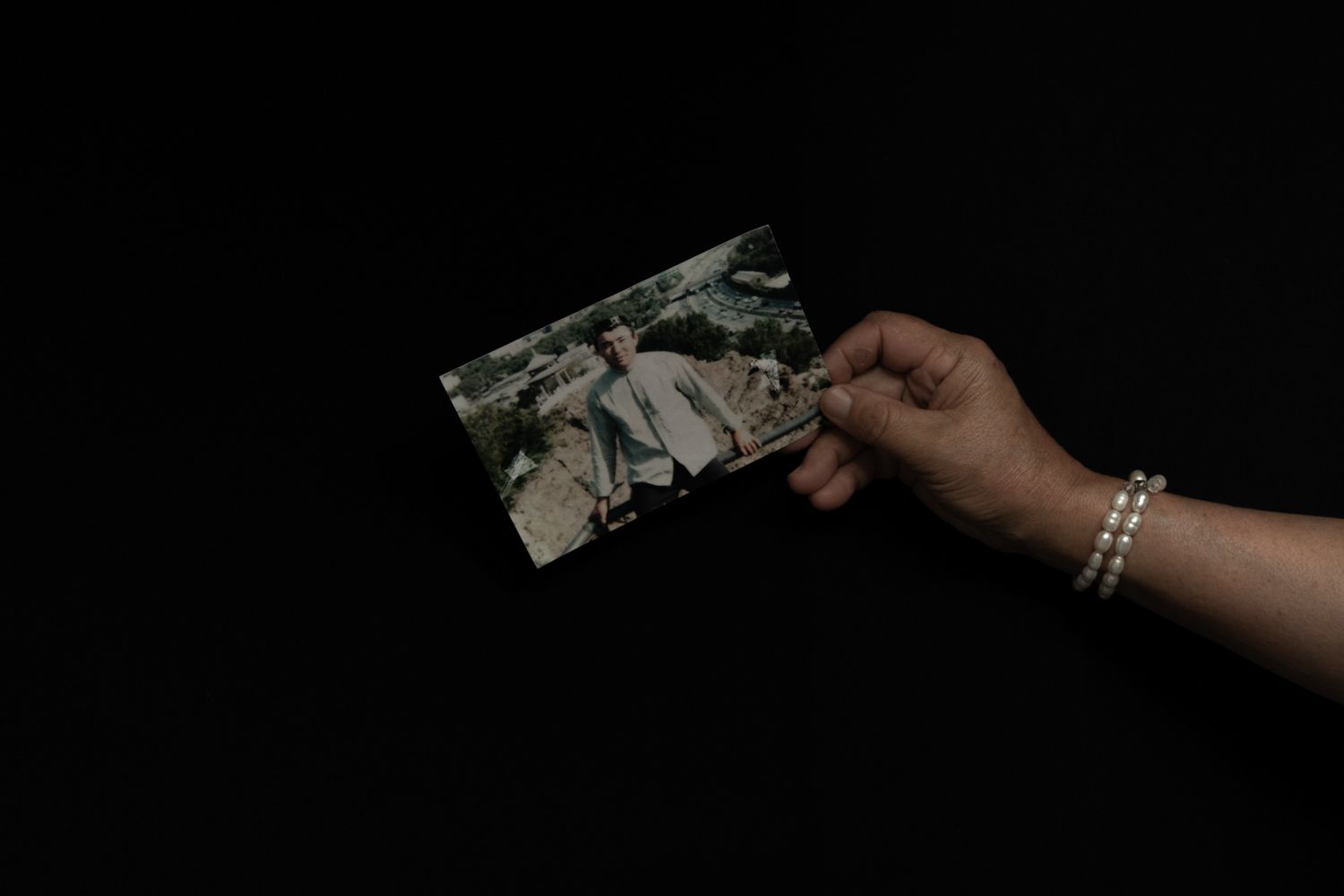
После задержания брата, в 2019 году, я обратилась в организацию «Ата-журт», они собирали подобные заявления и отправляли по разным ведомствам в Казахстане, Китае. Но никаких ответов не поступило.
Потом я увидела эфир с Байболатом Кунболатом (активист, который в 2020 году вышел к консульству КНР закованным в цепи; его история выше в этой статье, — прим. «Медузы» ). Смотрели его вместе с другими женщинами, с которыми я познакомилась в «Ата-жұрт». Мы плакали, жалели его, когда узнали, как грубо задерживали полицейские. После увиденного мне стало так жаль, что я женщина. Подумала, если крепкого мужчину так хватают, то что будет со мной? Но я прогнала такие мысли прочь: мы, женщины, объединились и тоже стали выходить перед консульством. Постепенно наши ряды увеличивались. Представители властей стали заявлять, что это митинги, но мы просто ищем своих родных.
После появлений в прессе я узнала, что меня показали в нашем родном селе в Китае во время утренних народных сборов. Сперва подняли флаг [КНР], спели песню на китайском, а потом на экране телевизора появилась я. Громко объявили: «Дочь Ермекбая выступает против нас, показывает нас в неприглядном виде, сама живет в Казахстане». Односельчане тогда сильно испугались. Об этом мне рассказали родственники мамы, чья дочь живет в Китае, а ей все передал мой отец. Просил, чтобы я закрыла рот и перестала выступать, потому что их ущемляют. Но я не стала слушать его, не остановилась, до сих пор делаю заявления.
Уже год выхожу [на акции протеста] перед консульством Китая [в Алматы]. Не знаю, что сейчас происходит с моими родственниками. Нет никаких новостей и ответов. Обращалась в ООН, МИД [Казахстана] и другие организации, к президенту — но ничего.
В сентябре мы, десять человек, которые тоже ищут пропавших родственников, поехали в Астану. Встретились в министерстве иностранных дел, там нам говорили, что была отправлена нота с вопросами: за что осуждены наши родные, по какой статье. И мне сказали, что брата осудили за работу имамом. That's all. Только родственникам запретили со мной поддерживать связь. А я по ним очень скучаю. Хочу лишь, чтобы брата отпустили и он был вместе со своей семьей.
«Детям говорю, что отец уехал в гости и скоро вернется»
Джамиля Макен

Мы с мужем занимались торговлей. В начале 2017 года муж решил съездить в Китай. Там у него отобрали все документы и поместили сначала в тюрьму, затем в лагерь. С тех пор у нас с ним нет никакой связи. У нас остались два сына. Младшему, когда отца посадили, было около года. Они постоянно спрашивают, где их отец, вернется ли он. Мечтают о встрече с ним. А я даже и не знаю, жив ли он. Всю печаль и тоску я прячу: не хочу показывать детям. Говорю, что отец уехал в гости и скоро вернется.
Мой младший брат тоже пропал: у него просто отобрали документы по приезде в Китай, а наутро увезли из дома. С тех пор от него нет никаких известий. Я лишь слышала, что его переводят из одной тюрьмы в другую, из одного лагеря в другой. Куда я только ни обращалась, но ответа нигде нет.
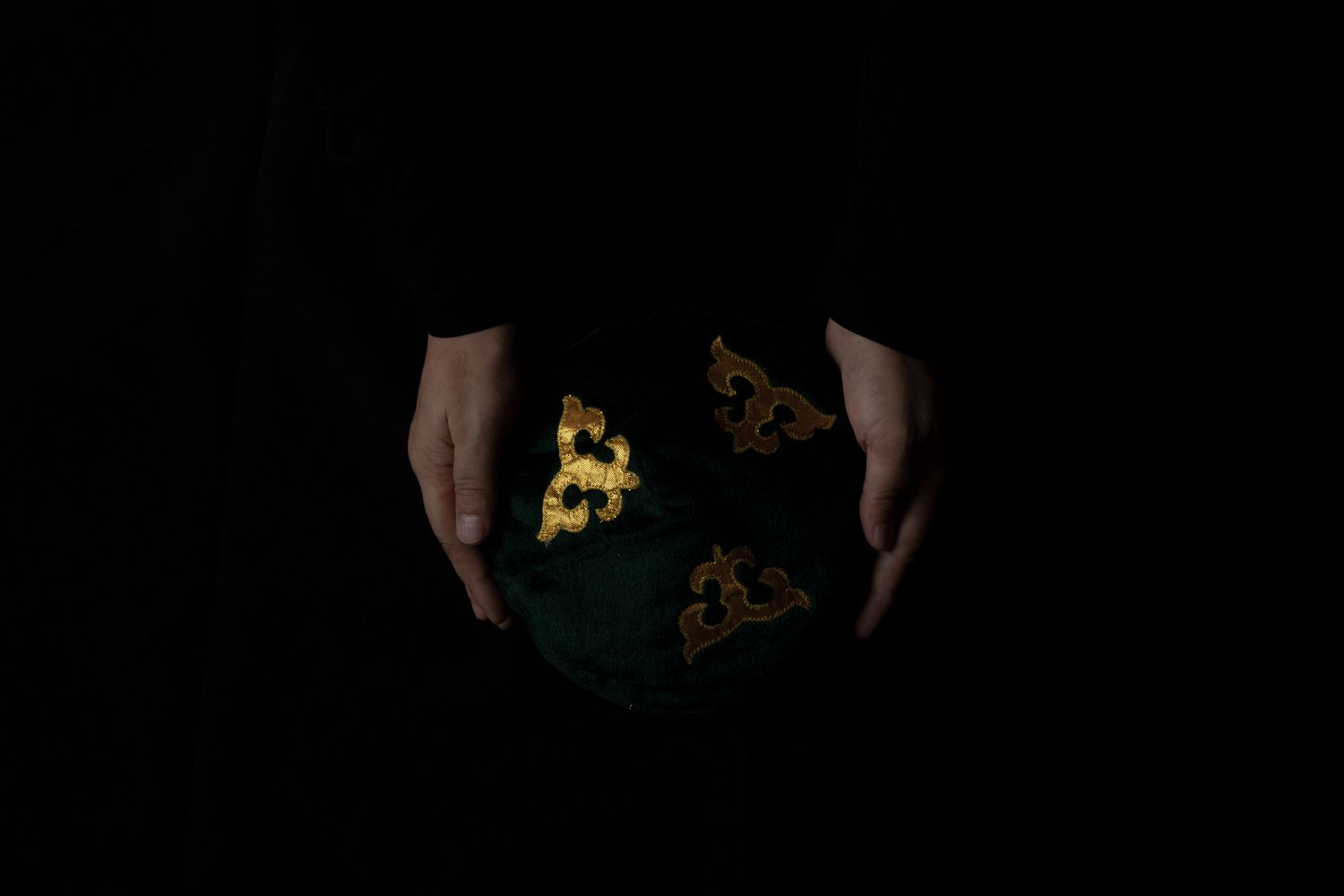
Все, что осталось от мужа, — его головной убор. Он его постоянно носил. Куда бы я ни поехала, всегда беру с собой и вешаю его на видное место. Мечтаю, что муж скоро вернется и наденет его обратно.
Фотографии — Офелия Жакаева , истории героев — Офелия Жакаева при участии Кирилла Каргаполова