
Translated material
Digital transformation of the prison. The IT management appeared in the FSIN
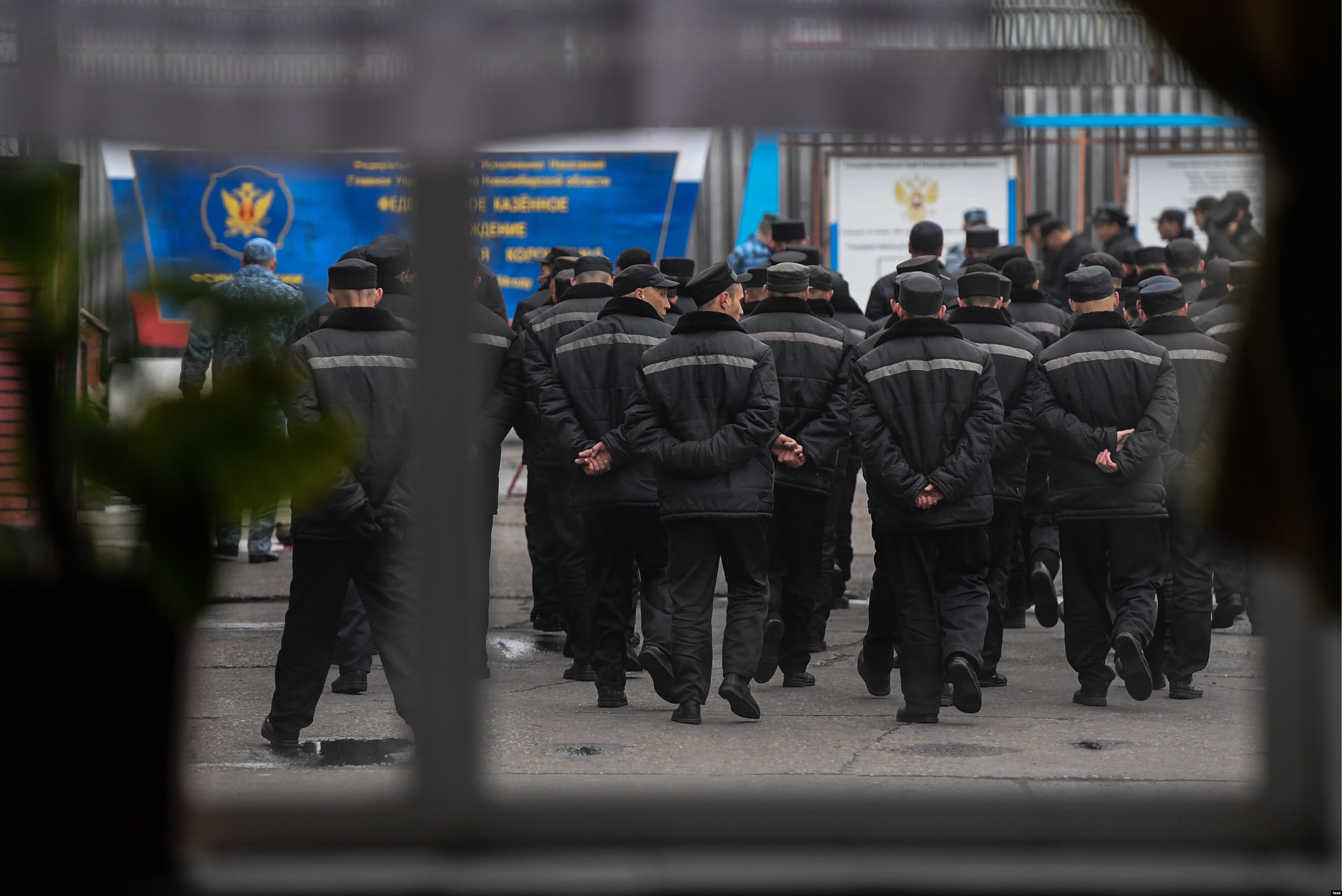
The structure of the Federal Penitentiary Service (FSIN) creates a digital transformation department, which should be introduced into the work of the IT technology department. The acting head of the digital management was the ex-head of the GUFSIN Kuzbass Konstantin Bereznev. Radio Liberty tells how the “digital transformation” of the prison department takes place and why the authorities need this.
Electronics behind bars
In 2021, the FSIN digital transformation program appeared . By 2023, the introduction of digital document management in correctional institutions, digital profiles of prisoners, the creation of video cameras with the face recognition function, and equipment for blocking mobile communications were planned. This provided for 22 and a half billion rubles. In April, Kommersant reported with reference to its sources about the temporary freezing of the FSIN digital transformation program - due to the lack of money from the state at that time.
Nevertheless, on April 11, Vladimir Putin signed a decree on structural changes in the Ministry of Justice. Including in the Federal Penitentiary Service (accountable to the Ministry of Justice), the Office of Digital Transformation should be created.
The decree comes into force from the day of publication, is emphasized in the document. Almost two months have passed, and only on June 3 the official website of the prison department appeared that the duties of the head of the new department were temporarily performed by the general of the Russian internal service lieutenant Konstantin Bereznev.
Bereznev has nothing to do with it: a lawyer by education, since the 1990s he worked in the colonies of Kuzbass, in 2019 he headed the FSIN Office in the region, and since 2022-temporarily acting deputy director of the FSIN.
There are no other information about the activities of the new management headed by Bereznov. At the time of publication of the text, the press service of the FSIN did not answer the question of Radio Liberty about the timing of the creation of a new structure of the department.
In May 2022, the Russian Prosecutor General’s Office demanded, within the framework of the digitalization of the FSIN, to provide prosecutors with a round-the-clock online access to video cameras in pre-trial detention centers and colonies. Member of the Presidential Council of Human Rights Igor Kalyapin skeptically responded about this initiative in a conversation with Radio Liberty. The FSIN, according to him, has a long -standing practice of good relations with the prosecutor's office, access to video cameras should be provided at least for public supervisory commissions.
Heavy heritage
The manager of the Gulag.net project Vladimir Osechkin noted in a conversation with Radio Liberty that providing the Federal Penitentiary Service with electronic devices and software in the 2010s was a very corruption sphere. There were cases of the FSIN of the FSIN of a deliberately non -working or not meeting the requirements of equipment, demo versions of computer programs instead of full -fledged, competitions without competition, purchases of low -quality equipment that did not fit the Ministry of Internal Affairs.
Alexander Reimer, the head of the FSIN in 2009-2012, received eight years of colony for multi -billion dollar thefts during the purchases of electronic bracelets (for house arrest contained).
In 2017, the employees of the Main Center for Engineering and Communications (GCITOIS) of the FSIN opened a case for violations during the purchase of computers. In 2018, criminal cases due to contracts for the purchases of radio and routers for connecting to the Internet.
In 2020, one more thing was instituted for employees of GCITOS because of the contracts for the introduction of biometry in places of imprisonment. The investigation considered these contracts corruption and non -relevant needs of correctional institutions. According to contracts that became the subject of criminal proceedings, hundreds of millions of rubles were spent.
In 2018, the County Chamber of Russia announced the unprecedented inefficiency of expenditure of funds for informatization of the prison department: out of 9 billion money allocated by the state, about 3 percent were effectively used.
Vladimir Osechkin claims that from November 2021 to January 2022 from France, where he is now due to persecution in Russia, he could connect to the FSIN video cameras.
“There was an opportunity to open electronic locks and provoke the apocalypse, but we did not, we [“ Gulag.n ”] about good,” he says.
Hold the information
Last year, the former prisoner Sergey Savelyev published on the Gulag.NE website the video archive torture of prisoners from the departmental computer system. As a result of the scandal, the FSIN leadership changed.
Vladimir Osechkin noted in a conversation with Radio Freedom that torture in the Savelyev video archive was shot on four different types of DVRs. According to Osechkin, some of the DVRs sent to the FSIN institutions are defective. The leaders of the pre -trial detention center and colonies cannot be declared about marriage, as this will indicate corruption schemes. Therefore, video recorders in correctional institutions, he says, buy employees, extorting money from prisoners for this.
- It is possible that the management of digital transformation is created to strengthen control over information in the FSIN system. As a rule, in the colonies there are no special employees involved in information technologies that monitor the conservation and transmission of information. Usually all this is engaged in convicts who worked in the field of IT. As it was in the case of Sergei Savelyev. In IK-15 (Norilsk), IK-17 (Krasnoyarsk Territory), where I was serving the deadline, all this was done by prisoners. The administration has neither knowledge nor staff. Reinstall Windows to the chief of the detachment calls the convicts, ”says human rights activist and former prisoner Ivan Astashin.
A possible reaction to the scandal with Savelyev was the state contract concluded in March 2022 for the supply of the Accord software for protection against external penetration for 10,769 FSIN computers.
The contract for 250 million rubles was signed with Modern Technologies LLC. According to the Contour. Focus base, the company has existed since 2018, during which time I won four state contracts for 320 million rubles. Two of them - with GCITOS FSIN for 311 million rubles.
-Foreign analogues would be two to three times more expensive. I can’t say anything about the quality, but the interface, of course, is terrible . It also draws attention to the fact that the supply of the FSIN is carried out by the non -manufacturer, but a third -party company, ”said Radio Liberty interlocutor working in one of the Russian government agencies in the field of IT.
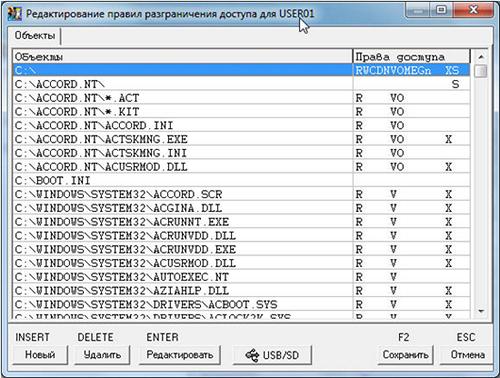
At the time of publication of the text, "Modern Technologies" did not provide a commentary on Radio Liberty.
Commercial electronic services for prisoners are developing without corruption scandals. The deputy leader of the company "Special Electronic Systems" Alexander Polkin told Radio Liberty that since 2008 the system of electronic correspondence "FSIN-Pisemo" has been working: more than 15 million letters have been sent through it. Since 2018, the FSNET communication system has been working: prisoners-users can talk on the phone with relatives and send, receive video messages with a length of a minute.
In 2018, an electronic entry system appeared on dates to correctional institutions.
Other systems for correspondence and calls to places of imprisonment, online stores through which products, households, electrical appliances can be ordered in the facilities of the FSIN. Senator Lyudmila Narusova noted in a conversation with Radio Liberty that it is still impossible to order medicines through online stores for prisoners, although Internet trade in medical products in Russia is allowed.
Many commercial Internet services use the FSIN abbreviation in their names: the department does not resist this.