
Translated material
"The persecution will intensify." What will turn out to believers the decision of the Eurosud
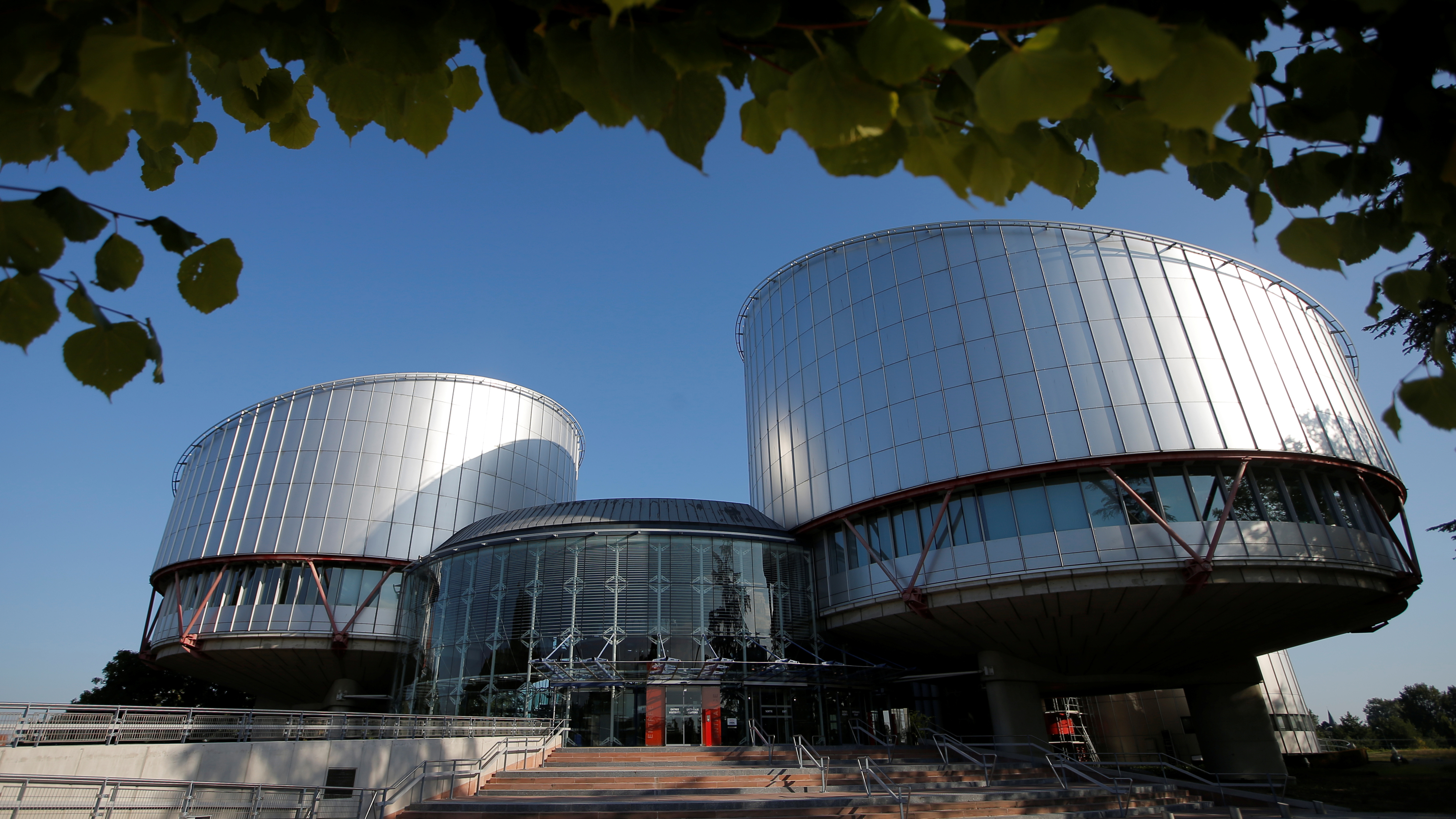
On June 7, the European Court of Human Rights recognized the pursuit of Jehovah's witnesses in Russia illegal. Since 2017, believers receive real terms for reading the Bible and singing prayers, as Russian courts have interpreted this as the activity of the organization’s extremist. By the decision of the ECHR, the recognition of the organization of an extremist must be revised, all criminal cases against believers were terminated, compensation was paid and the property was paid. But the State Duma on the same day adopted a law on non -fulfillment of the decisions of the ECHR and now lawyers, Jehovists and human rights activists are afraid of a demonstrative strengthening of repression.
In 2017, at the request of the Ministry of Justice, the Supreme Court of Russia recognized the “Jehovah's Witnesses Witnesses” management center and liquidated it and 395 of its regional branches. The court explained his position by the fact that believers read prohibited books in which Jehovah's Witnesses of the others write about the superiority of religion. After that, the organization seized property, and regional FSB officers began to track the believers. Their joint Sunday meetings with the Bible, tea drinking and singing prayers, the security forces declared "a continuation of the activity of the forbidden organization." Donations became the financing of an extremist organization, and believers of different ages throughout the country became criminals. Some were put in a pre -trial detention center at once, others were before the court under house arrest, but more than half of the accused received real prison terms.
From 2017 to 2022, in Russia, Jehovah's Witnesses, according to the Siva Information and Analytical Center, were instituted more than 600 cases, in 2021 there were 142 new affairs. Special services with believers do not stand on ceremony: they burst from the house with riot police, put their faces on the floor, carry out long searches. Each case turns into a “witness” entering “extremist-terrorists” and blocking accounts.
The decision of the ECHR states that Russia violated the right of believers to freedom of religion (Article 9 of the European Convention), freedom of expression of opinions (Article 10), freedom of assembly (Article 11), as well as the right to respect property (Article 1 of Protocol 1 to the European Convention).
“An extremely wide definition of“ extremist activity ”in [Russian] law“ on countering an extremist of activity ”, which does not imply the presence of violence or hatred, makes it possible to persecute people or organizations on extremist articles for exceptionally peaceful forms of expressing opinions or religions, as in this case,” it is written in the decision of the HOVO on the complaint of Jewish witnesses.
The court ordered Russia to pay the victims 3,447,250 euros for intangible damage: 15 thousand euros to believers who were criminal, 7.5 thousand euros to liquidated departments and people who had administrative protocols. The court also decided to return the seized property to believers or pay 59,617,458 euros of compensation for it.
The court directly indicated the need to revise the court decisions on the ban on SI organizations, both the local and the administrative center prohibited by the decision of the Supreme Court of the Russian Federation.
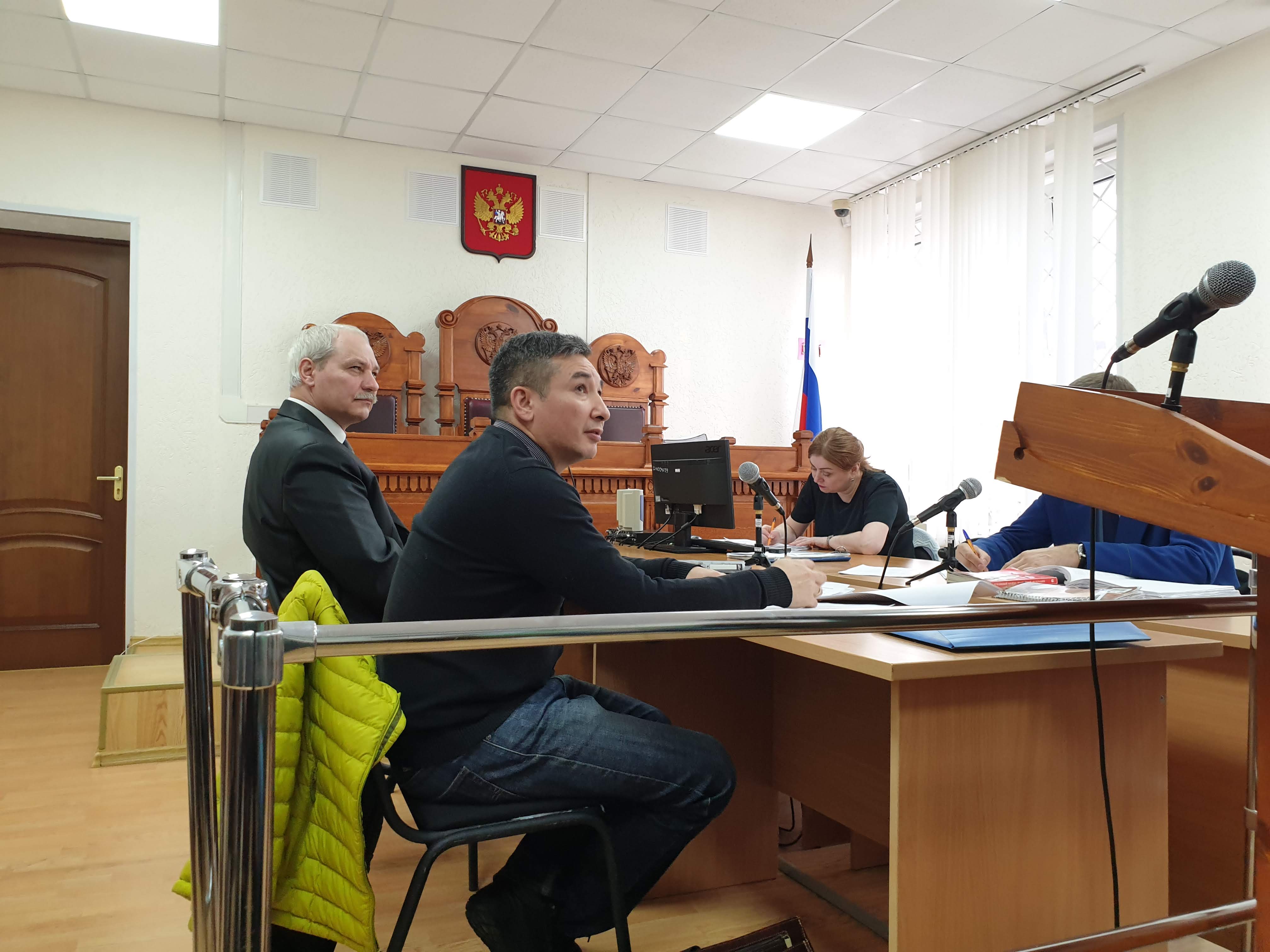
- I welcome this decision. As the Bible says, a good name is better than an expensive suit. For me, as for Jehovah's witness, a good name is the most important thing. Compensation and other things do not matter, but I would like it to happen much earlier. You know, it is not very pleasant to hear the word "extremist" addressed to you. I never felt them, but people pay attention to this, ” says 64-year-old Gennady Shpakovsky . On June 9, 2020, the Pskov city court sentenced him to six and a half years in a general regime colony. Judge Galina Belik found him guilty of organizing the activities of the local cell of Jehovah's witnesses (part 1 of Article 282.2 of the Criminal Code of the Russian Federation) and financing an extremist organization (part 1 of Article 282.3 of the Criminal Code of the Russian Federation) because he met like -minded people, read the Bible and collected donations for the needs of other believers.
Almost a hundred people came to the sentence of the sentence, despite the height of the coronavirus epidemic.
“I consider myself innocent, ” Shpakovsky told the court. “ I have not committed any crime against people, or against the government, nor against the state and the existing system. There is neither damage nor the victim in the indictment. I am persecuted for faith.
Two months later, in August, the court changed Shpakovsky’s prison term to the conditional. But he may again turn into real if, during the punishment, Jehovah commits a crime of the same orientation. Shpakovsky, however, said that the Bible tells him to preach among people throughout his life.
- I do not know how law enforcement agencies will continue to act, in which they will look for the essence of my criminal acts. But I want to assure you that, in principle, I am ready to return to the places of imprisonment, I am not going to abandon my faith, ” he said.
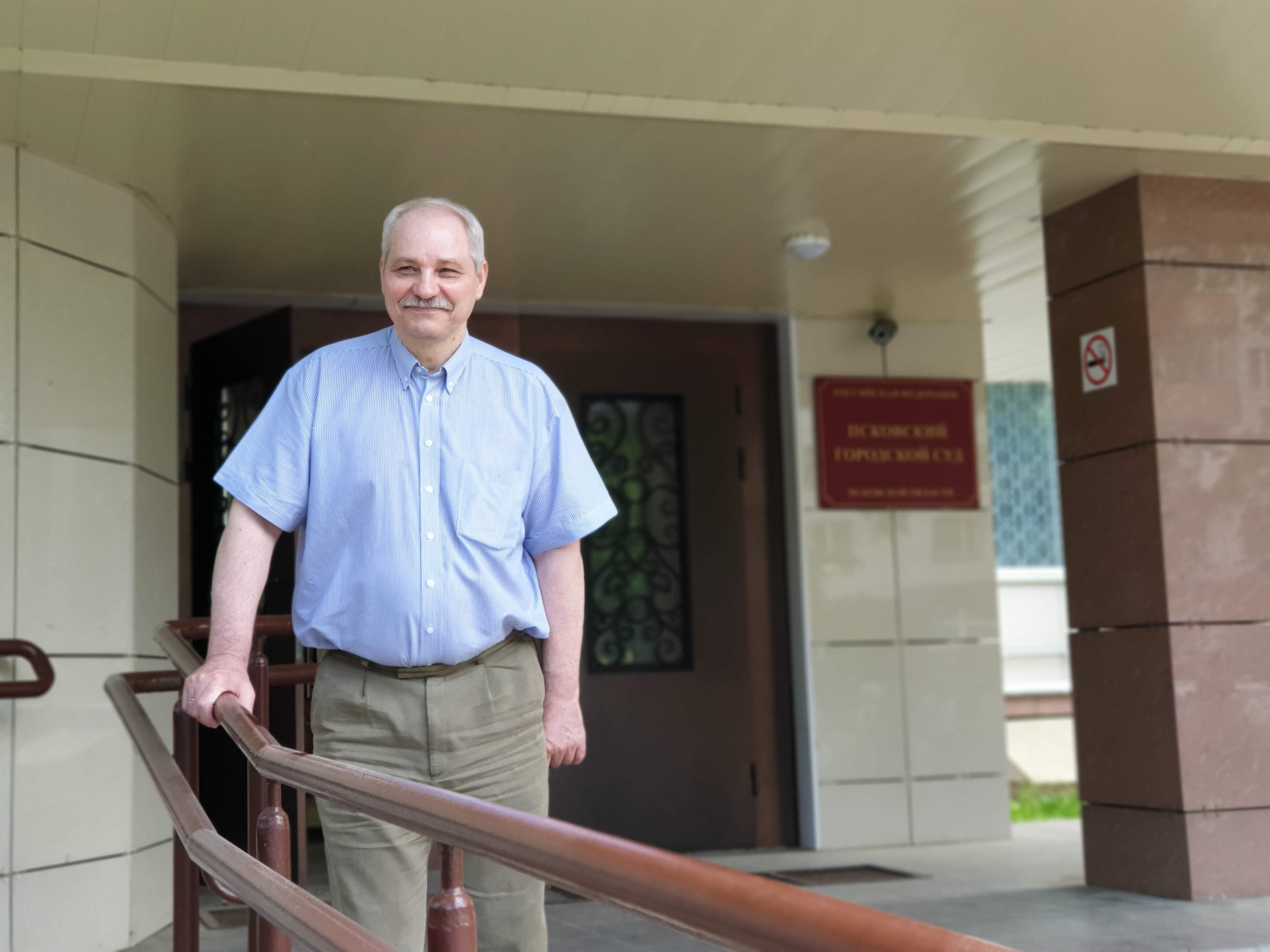
Now Shpakovsky is still in the status of a convicted person, he has left for two out of six and a half years. He regularly goes to be celebrated in the FSIN. The Russian court forbade him to occupy leadership positions in public and religious organizations.
“ It is a pity that the decision of the ECHR, probably, will no longer affect what is happening today in Russia with my advisers, ” says Shpakovsky. - As practice shows, the decisions of European instances are not taken into account by Russian courts. I admit that now Russia can respond differently,
In his opinion, his religion was banned because of it emphasized a peaceful nature. Believers are even forbidden to pick up weapons.
- I have been studying the Bible for a long time, Jesus Christ warned that there would be persecution of His followers. Most likely, in the highest echelons of power there is some category of people who are subject to third -party influence and is very aggressive in relation to the pacifist position of Jehovah's Witnesses. I think this happens somewhere upstairs, ” says Gennady.
A human rights activist from St. Petersburg Andrei Kalikh, together with the "Committee in Defense of Conscience", publicly advocated believers in Jehovah. Their dogmas about the world in modern warring Russia sound in a special way, he believes.
-After the ban on the “witnesses” by the Supreme Court, their members began to be especially persecuted due to the refusal to serve in the army. In their faith, a ban on wearing weapons, a ban on serving in the army are registered. Enractions, bitterness to Jehovah's Witnesses is irrational. But they are religious pacifists, and this could cause persecution, - T -Kalikh is more noticed. He calls the decision of the ECHR a deferred measure. - This is very true for people who innocently suffer for faith. But this is the deferred justice. Any solutions to our legislators are negligible. But we will hope that they will still be performed once later. This decision will not affect the situation of the convicts. The repressive system is launched, there is a war. But judges who have yet to make decisions can look around and slow down. Lawyers will refer to this decision, and perhaps this will work at least indirectly.
- The decision of the ECHR of stone on the stone does not leave the Russian authorities from the position of Russian witnesses from the position of Jehovah's Witnesses. After him, there was simply no reason to recognize believers with extremists, ” says Arly Chimirov, lawyer Gennady Shpakovsky and other witnesses of Jehovah. - The Eurosud explained that people have an integral right to confess their religion. As a lawyer, I constantly cited the same arguments in the courts: that any believer recognizes his best religion, that there were no offensive and derogatory statements to others. But they did not hear us: the state artificially created accusations, and in court everything turned into a between the prosecutor and the judge.
From the point of view of law, Russia's position on failure to fulfill the decisions of the ECHR is vulnerable, Chimirov believes.
- Nobody deoonons the European Convention. She continues to operate in relation to Russia until September 16. If there are violations now, they are subject to the Convention. And Russia adopts a law that says that we will not fulfill anything. According to the Convention, they do not have the right to do so. It is noteworthy that Russia does not recall his judge from there, ”says the lawyer. - In the 1969 Vienna Convention, which Russia also ratified, it is also directly said that no internal right can serve as a basis for non -fulfillment of international treaties. Russia will then be very difficult to refer to its right. I am not waiting for an affection in connection with the decision of the ECHR. I think that, on the contrary, there will be tightening. The "witnesses" themselves also believe that persecutions will intensify. When something happens in the European Court, sometimes we begin to tighten the nuts even more. I will not be surprised if this time the same thing happens: they decide to show that we are going with their course and no one decree.
The lawyer of the Agora human rights group Kirill Koroteev notes that the ECHR in this decision spoke in detail about the criteria of extremism in Russia.
- The court first said that it was clear when the law on extremism was still adopted in 2002. That the definition of extremism is incredibly wide: it does not allow distinguishing violent actions from non -violent, does not limit the persecution by real calls for violence. The ECHR also criticized Article 20 29 of the Administrative Code of the Russian Federation on the spread of extremist materials: the composition of the offense prescribed there is very formal: it is only necessary that the published material is on the list of extremist, while neither intent, nor context, nor possible damage are taken into account, Koroteev comments.