
Translated material
Forgotten Italianist
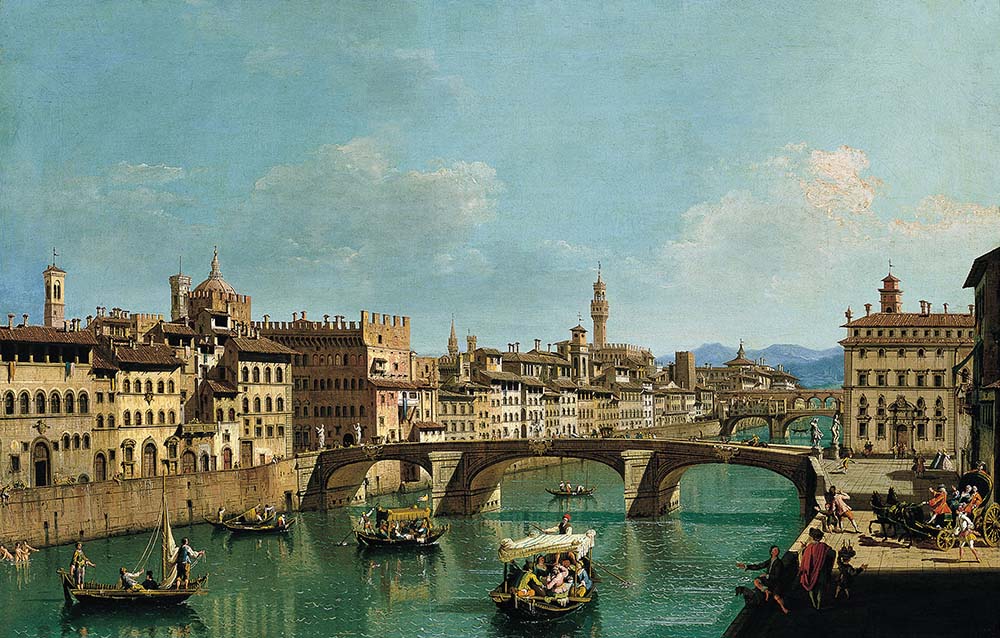
Historian Mikhail Talalay restores the fate of the St. Petersburg scientist, a specialist in the European Middle Ages, who ended his days in exile

How to get around the lock?
Read>Ivan Tolstoy: We are talking with the historian of Russian-Italian cultural ties Mikhail Talalai. Today we agreed to talk about Nikolai Petrovich Ottokar, whose name comes across when reading all memoir literature, diaries, records of intellectual, academic life of St. Petersburg and pre -revolutionary Russia from the times of light, and then when reading emigrant literature. Nikolai Petrovich Ottokar was a cultural, famous medievalist, specialist in medieval France, first of all, Belgium, and then, as it turns out, he also wrote about Italy. But all this is just known to the reader unprofessional, interested in memoirs, all kinds of collections like the "past".
So, Mikhail Grigoryevich, that you tell us the new one about Nikolai Petrovich, what did he manage to become famous, if you speak professionally, academically? What will he go down in history and why is his new book now published now?
Mikhail Talalay: I'll start with your last question. Why only now, 40 years after the opening of the borders, the fall of the iron curtain, Nikolai Petrovich Ottokar comes to us with such a full -fledged, full -fledged book? This is, first of all, because he is a historian, not a fiction writer - it was easier with them: the finished text, obvious advantages and shortcomings, and readers could immediately get to know them. It is more difficult with historians. The historical text can be appreciated by another historian. Moreover, he wrote about the Secondary, for the most part about Italian, about which so much has already been written, new schools and names arose, and it would be wrong to publish his monographs without a certain comment and discussion. Therefore, we took a different course. I have long wanted to introduce him to our reader and for his “return” I proposed his three popular science excursion work: these are three great Italian cities-Venice, Florence, Siena. Although, first of all, he was an expert and description of the great city of Florence. Even my afterword to this book, where I told about the history of this project, I called the Florence Office. Many years ago, I came to the Florentine Evangelical cemetery, saw this Italian epitaph "Fiorentino di Elezione" and when I told my friends about this in Florence, and among them there were many English and Americans, they were surprised and said that this is a strange expression, not entirely correct. Everyone knew another expression - Florentine by Adoption, and "Reception Chado of Florence."
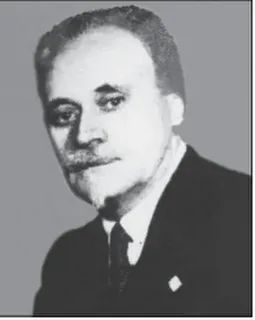
I think that Ottokar himself composed the epitaph and chose his adoptive mother himself. It was his very accurate and for many decades a calculated choice at the moment when he did not know that he would become an emigrant. It was the medieval Florence Nikolai Petrovich who chose as a Petersburger, a student at the Histress, a student of Ivan Mikhailovich Grevs, a participant in the famous "Russian caravans" in Italy, where Grevs carried his students. At that moment, Nikolai Petrovich took the medieval Florence for himself, especially the era of the XIII City Association. All this was not without the influence of the Silver Age, a special love for Dante. Nikolai Petrovich begins to dig a Florentine XIII century very successfully, writes articles, lives in Florence, teaches Italian, is engaged in archives and publishes truly innovative, even for the Florentines themselves. In Florence, he meets his cosmopolitan wife, an American of Norwegian origin, marries there in Florence in a Protestant church. And after the revolution and the Civil War, after his wandering in Rus' (he even visited the rector of the University of Perm), as soon as possible, he went back to Italy in 1922. He has an official business trip from the Soviet Academy of Sciences and he, like many at that time, leaves already not to return. Another part of his life took place in Florence.
Ivan Tolstoy: Mikhail Grigoryevich, I am completely not a professional in this area, but when I read memoir and epistolary literature associated with the circle of Russian Italian-Medievists, with the Grevs circle, I met such soft ironic, and sometimes satirical arrows with Ivan Mikhailovich Grevs, who spoke about the rather significant romance of his nature, somewhat exaggerated And a funny (for someone) love for Italy, which caused a smile behind him. It was said that Ivan Mikhailovich is not so much a professional in his field as a lover, such a groom of Italy, who would dream of dissolving in her air and her culture. And to what category of people was Nikolai Petrovich Ottokar, was he a Grevsky romantic, or was he a more academic scientist?
Nikolai Petrovich eventually entered into some conflict with his teacher, with Padre, as his students called
Mikhail Talalai: This is a very interesting topic, because, being a student of Grevs, Nikolai Petrovich, thanks to his more realistic specific approach to Italian history, eventually became a certain conflict with his teacher, with Padre, as his students called, and the eyewitness of this conflict Nikolai Pavlovich Antsiferov, who participated in the “caravan” movement very well. Once, together with Grevs, they arrived in Florence, where Nikolai Petrovich Ottokar was waiting for them. Upon learning that Grevs, along with the students, was going to walk to some Tuscan city on foot, in order to absorb impressions along the way, the ototokar boiled and in front of the dumbfounded students quarreled with Padre, calling all this "lunatism". Imagine, venerable Padre, say such a word! By the way, Antsiferov himself very well described this in his memoirs about the Italian trip, about this "Russian caravan."
Ivan Tolstoy: From the book "The Fatherland of my Soul" by Nikolai Pavlovich Antsiferov:
"The name of the outcare was increasingly appearing on the lips of our girls. It was a young scientist, a specialist in the history of Florence, a student of Ivan Mikhailovich Grevs, one of the participants in the first trip to Italy organized by our Padre.
I remember then one phrase that portended a little good. "How long will you have to wash your hand to the poor Nikolai Petrovich after he rings with all of us."
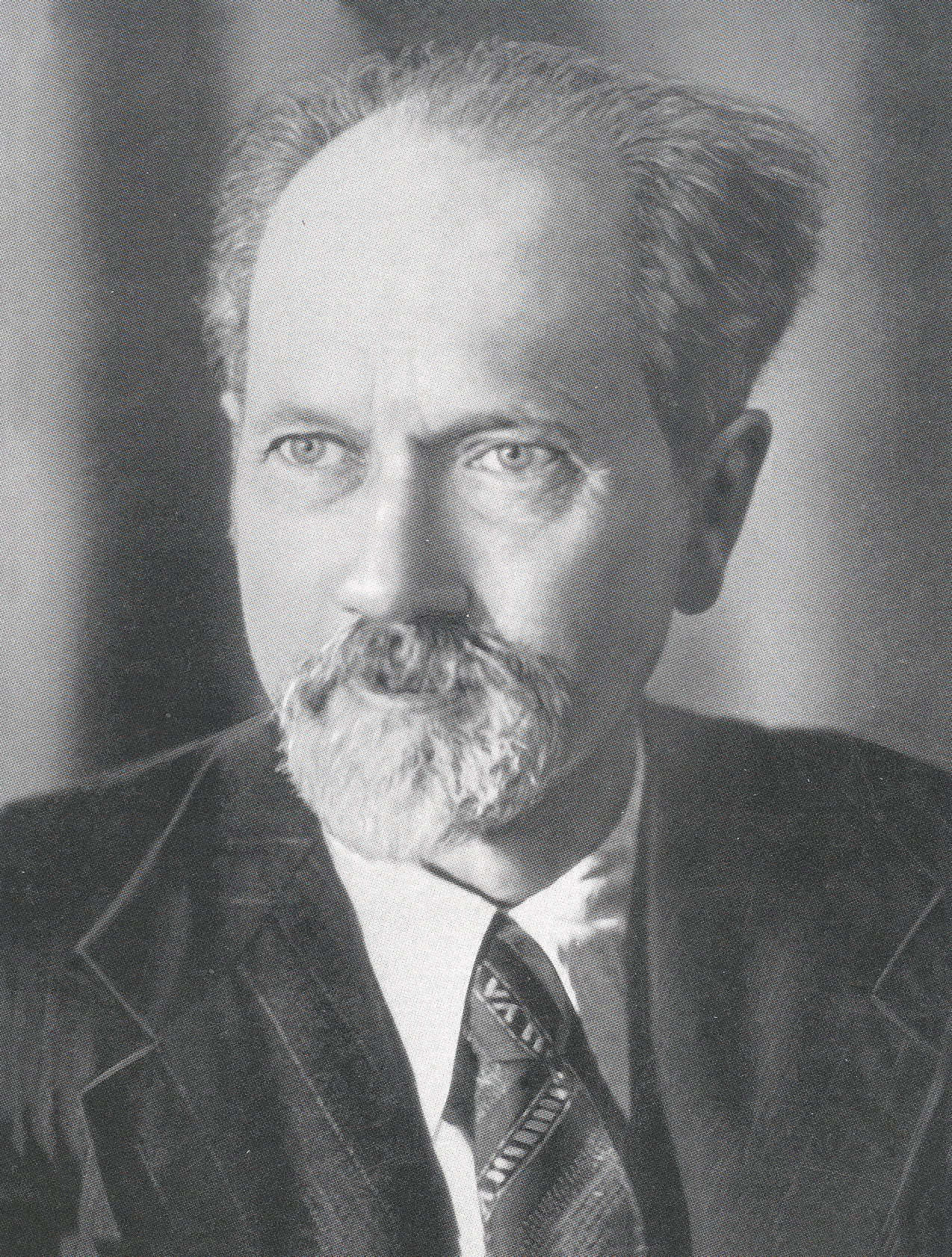
At the station we were met by Ottokar. I did not expect to see the student of Professor Grevs. He was dressed "from a needle." The magnificent panama, a gray suit with all the folds (as if caring hands just ironed it), a tie with a butterfly, sparkling shoes could replace a mirror. On the hands of an extraordinary color of the glove (I remember, lilac). Smoothly shaved, strong chin, black sleek, somewhat protruding lips (teeth were slightly given) and deeply sitting, bright, shiny eyes.
"What a stranger he is!" -I thought, and I was somehow uncomfortable because of the interest that the girls showed in him.
N.P. Ottokar slowly, lingeringly, pressing strongly on separate words, as if listening to his weighty word. “Like a Frenchman,” I thought. But Ivan Mikhailovich Grevs met him cordially. Well, maybe he will not spoil our common system. "
Mikhail Talalaya: But Antsiferov did not stop there and after the first rejection from Ottokar nevertheless managed to correctly evaluate this conflict between Padre Grevs and Figlio as a trowel.
Ivan Tolstoy:
"That evening, Ottokar gave us his first lecture on the history of Florence, about the brutal struggle with his neighbors, about the violent struggle of its classes. And Ottokar conquered me. Among the students of Ivan Mikhailovich he belongs to a special place. This is a realist historian, and, moreover, a realist who does not seek in historical facts nothing to be a loved one, for whom he is substantial-to know reality, hidden behind the widow But the historian is not free from her and othtokar Ottokar is a historian-artist, with remarkable skill, recreating the harsh picture of the Middle Ages, with all its details discharged with the thorough of the quatrocentist. "
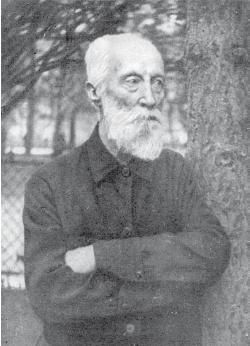
Ivan Tolstoy: I understand that these are three small brochures, small little books of Ottokar, released in the time in Italian. How did the idea arise them into one book and who translated these texts into Russian? Are you really?
Mikhail Talalay: I got to this book for a very long time. The first time I heard the name of Ottokar in 1988, thirty -four years ago, when I was going to Italy for the first time. Then trips abroad were rare, they acquired the character of some missions, numerous acquaintances and friends with all kinds of requests turned to me, and one of my friends, student of the Eastfaca Svetlana Rumyantseva said: “Mikhail, you go to Florence, find out something about Ottokar. This is a wonderful historian, but you remember the medieval kings so much. The Czech Republic you must know for sure. "
On the first trip, perhaps I did not learn anything about the outrun, although I was then invited to Florence by the Friends of Friends of Giorgio La La Pira. This is the charismatic mayor of Florence in the 1950-1960s, the surface Catholic, who traveled to Khrushchev, prayed for peace in the Kremlin, met with Kennedy. In general, a wonderful, interesting person. Then I did not know that he was the godfather of our Ottokar, otherwise I could learn something about this extraordinary friendship between the mayor of Florence and the Russian emigrant on the first trip from this fund. But then I found the son of Ottokar, it was simple, earlier in the telephone booths hung thick telephone books, I also found recommendations, called him, met. The son did not have many materials, because the archive, unfortunately, died - the widow passed it to the University of Florence, and then there was a notorious flood of 1966, when many books and papers simply died.
But the main impetus for approaching this interesting figure was to get acquainted with Nina Adrian Kharkevich. This is the matriarch of Russian Florence, she was born here at the beginning of the 20th century, she knew perfectly the outflow himself, was friends with his daughter, knew all the details of his biography, and she gave me a book in Italian, the translation of which we now included - an essay on Florence of 1940 with a gift inscription to Nina Adrianovna Kharkevich. She said: “Michael, you are going into Florence, here you have a key - translate into Russian and it will be the most classic, verified, correct immersion in the Florentine reality for you” (by the way, “Florentine”, “Florentine”). I sat down for the translation, but my spirit was enough for literally a few pages.
Ivan Tolstoy: Nikolai Ottokar "Florence. Essays on the history and culture of the city", 1940, translated by Mikhail Talalai.
The name "City of Stone" would suit it as a definition of it as a definition
"The city of flowers is so often called Florence, although this is really true. It’s not so much flowers in Florence, and this is not the main feature of the city. It would be best as a definition of the" City of the Stone. "The abundance of stone is the very first impression of a look at Florence, but the stone determines some essential characteristics of the spirit of the city. We, of course, are not talking about the hardness of the stone, but about its density, but about its density, but about its density, but about its density, but about its density, but about its density, but about its density, but about its density, but about its density Strength and strength, strength, persistence, weight and, above all, is the real spirit of Florence that manifests itself in the culture of its inhabitants. For example, in Florence, a measure reigns, order, restraint and completeness, which we prefer to call the Classical style, Florentine art does not rush into unknown heights, but develops within its own limits, striving for the essential perfection of Gothic art. As a divine manifestation, they express themselves perfectly, and therefore the Florentine way of thinking is alien to Gothic, he does not refuse self -affirmation, ultimately, does not refuse the classical spirit of immanent perfection. The time when fashion persistently prescribed the appeal to Gothic. "
Mikhail Talalaya: But this is where my translation ended, then I encountered such a thick historical prose that, I admit, I just retreated, read the book, it was, but I did not translate it, not imagining why this work, and Florence waited thirty years.
These are small but unique memoirs of the Florentine student about Nikolai Petrovich
At the same time, some interesting information about Nikolai Petrovich went to me. At one conference, I met one Florentine historian, already older enough, I introduced myself that I was a Russian historian, and he said: "My teacher was a Russian historian." - "Ottokar?" "Yes, of course, othtokar!" -His name is Sergio Jensini, I began to just demand memoirs on him, saying that he remained almost the only student of Nikolai Petrovich, he lies a historical duty, he must write some memories. I pressed it for a long time, and in the end a text appeared that came out in Italian and which we translated for our new book. These are small but unique memoirs of the Florentine student about Nikolai Petrovich.
Ivan Tolstoy: Sergio Jensini, "notes and memories of the student", translated by Artem Klyuyev.
"When I entered the university in the 1943-194444 academic year, the othtokar was already the shadow of the brilliant Signor that was remembered at the university. His lectures became irregular, and the consultation schedule for students often changed. Therefore, when I needed to offer him the topic of his dissertation, I went to his house. But I had to deal with my visit. The bell, after a while I hear how the lock turns and in the door, still closed by a chain, first a small woman, indefinite age, and then a German shepherd appear.
- What do you want?
- I would like to talk to the professor.
- The professor accepts at the university - two figures, a woman and a dog, disappeared and the door suddenly closed.
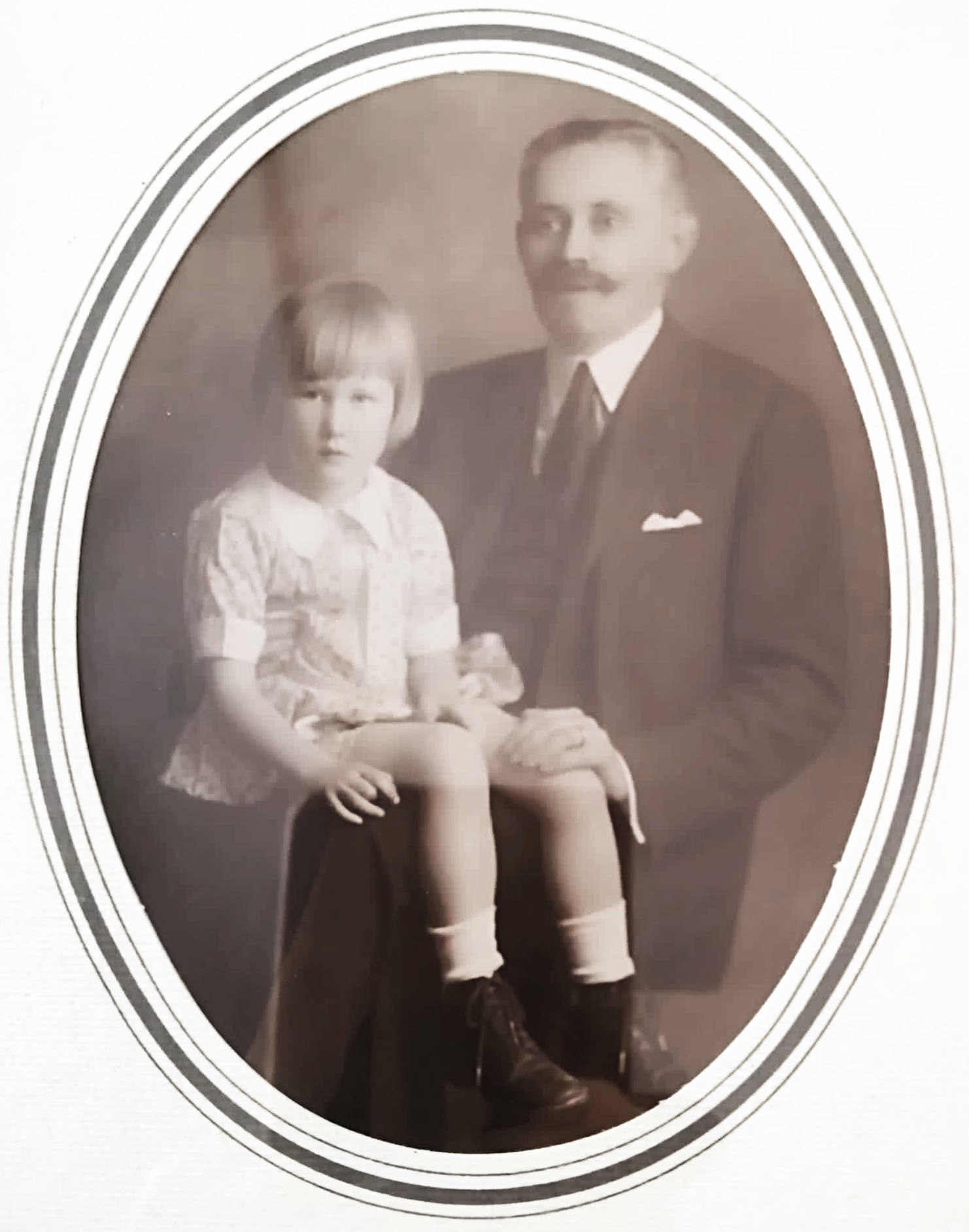
Retelling this scene at the university, from one teacher who took care of students and even knew even the family secrets of professors, I heard: "Are you talking in French? Return and talk with the sister of Ottokar in French."
I followed his advice. The same scene, only now that has already begun my timid "Bonsoir, Mademoiselle". After that, Signorina Sofia's hand Ottokar pushed back the dog's face. Then, I could not finish my Je Voudrais Parler Avec because she removed the chain and said politely: "Entrez. Je vous en prie." She had a weakness for the French language, which she previously taught, and then we became friends.
Ottokar was always very kind with me. Once, during the June exams, given that he was already a very late evening, he asked me how I would return home, because I lived far from Florence. When I answered him that I had rented a room for this, he objected: "Oh, no! From September you will be my guest." Once, he insisted that my wife came to me, who remembered this meeting, because This was the only time in her life when she kissed her hand. "
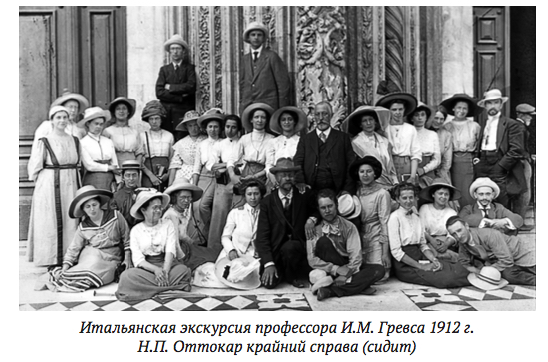
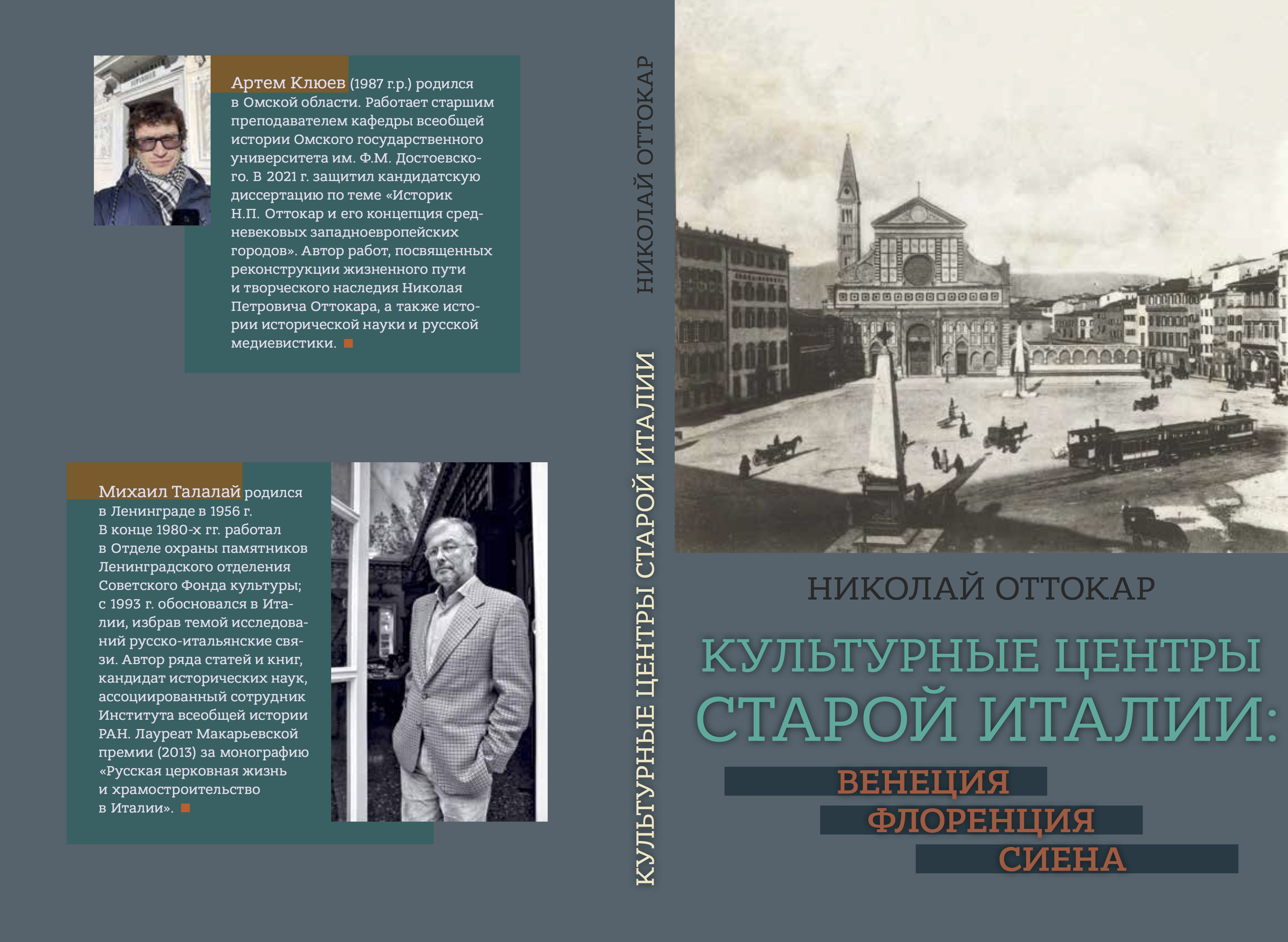
Mikhail Talalai: The key name has just been sounded for this project, this is my compatriot-historian from the University of Omsk, who is engaged exclusively from a outflow. As you remember, it was somehow dotted with me, albeit for a long time, 34 years, and Artem Igorevich is engaged in purposefully, he writes exclusively about Ottokar. This is a whole series of articles, this is his dissertation, he is looking for his letters, photographs and so on. When I learned about the existence of the only outocated world, I wrote to him, offering to combine our efforts and the following plan: not to write a monograph that only our historians would read, but having told, of course, about Nikolai Petrovich, outlining his contribution to historical science, to offer our reader these three brilliant essays so that people get acquainted with this beautiful historian, but also writer-stylist. This is a man of the Silver Age, his essays lie in the bosom of that era, the era of Vyacheslav Ivanov, Muratov, Grevsa. Artem Klyuyev made up a deep biographical essay, found rare photos.
Let me remind you of the fate of the texts of the Ottokar. The first essay on Venice was not transferred from Italian, his Ottokar wrote in Russian before the revolution, in 1915, he was published and safely forgotten because he went out in one almanac and was not reprinted. We reprinted him with comments. Then there was a big break associated with his final choice of Florence and a career at the university, and in the late 1930s-early 1940s he creates two other essays already on Italian, but in the same excursion vein under the sign of Grevs, despite all their controversy. This is the same approach: the large image of the city from which the essay begins, and then the “needle method” (this is the term born in an excursion environment) approach to the most important symbolic points. Therefore, these three essays are perceived as a whole. Thanks to the brilliant translation of the essays “Florence” and “Siena”, made by the translator-italist Svetlana Yakovlevna Somova, who was saturated with the first Venetian essay, the reader who will take our book and begin to read it with a context, will not even notice where the Ottokar-Russian Russian ends and the outflow of the reduced, so it is all professionally and perfectly done. For her, this is the last job, and we are very grateful that she took up this most important, difficult work.
Ivan Tolstoy: And in Soviet Russia were people who remembered the kind word of Nikolai Petrovich, did he not had any, albeit half-time or conspiracy, correspondence with the remaining in the USSR?
Mikhail Talalay: No, there was no correspondence. Although Ottokar did not engage in politics, did not participate in some socio-political movements of Russian emigration, he was still an anti-Marxist and his approach to history completely eliminated the Marxist vision of the class struggle as a motor. This was a diametrically opposite approach of a historian, whom in the Soviet Union they could not accept both because he was an emigrant, and because of his position, which, I must say, anticipated the development of European history of the late XX century, because Nikolai Petrovich developed his methodology-this is a very attentive attitude towards microdetals (perhaps also from Grevsa and from this “needle method”), he chose mycarros. And, knowing the context excellently, from these small plots he constructed a large medieval history, what we already associate with the concept of French and Italian (Karl Ginzburg) microistory. Of course, with the Soviet Union, the communications were torn off, the Ottokar for the sake of teaching had to accept not only Italian citizenship: it is known that under Mussolini, in order to teach, you need to be a member of the fascist party. Ottokar, being far from politics, was still recorded in the Italian fascist party. All of this was hesitated with the Soviet historical school.
Ivan Tolstoy: Is there something new in medieval Italy, what does today's reader learn by reading this book?
Mikhail Talalay: These three cities - Venice, Florence and Siena - are three huge countries, three cosmos. I’ve been reading for thirty years and have been discovering something new for myself all the time. Once again, I repeat that this is a text written by a man of the Silver Age, a writer, an artist, but with the baggage of a professional historian. And he, of course, tells the michetic in a new way. Even if someone heard about certain things, he will learn about them in a new way. It seems to me that an article about Siena will be a special revelation, because Siena is poorly described in Russian literature, we know her thanks to Muratov, but basically he has the same poetic text - the beautiful text of the city admired by the preserved medieval appearance, plus Siena painting, which Muratov knew well. I think that our Ottokar first gave, albeit in a popular style, a historical serious canvas of Sienna medieval life. I advise this text precisely about Sienna, which was previously missed by the tourists of the big round - they went from Florence immediately to Rome, but in recent years they began to understand that it was necessary to call in Sienna and, I hope, now - with the text of Nikolai Petrovich.