
Translated material
The female face of the war
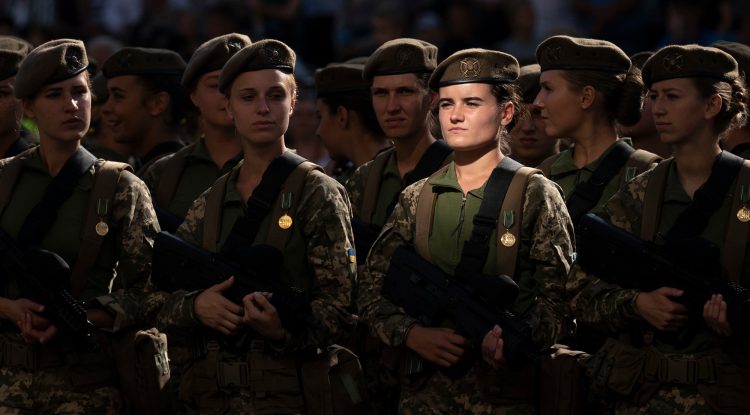
Journalist Farid Bektemirov - about why war is a feminist and gender issue
Interview with the President of Ukraine Vladimir Zelensky by the Russian media, which he gave in The end of March, despite its symbolic importance, caused an ambiguous reaction even in the opposition environment. One of the main claims that made to journalists and the editorial offices organizing the conversation was an obvious gender imbalance among the interviewers - there was not a single woman among them. Farid Bektemirov understands why Roman Dobrokhotov and Mikhail Zygar, who have not seen problems in this situation, and is it possible to fight for the world, not to mention gender and other types of discrimination.
Purely male interview
In an interview with Zelensky, the editor-in-chief of Medusa Ivan Kolpakov, the editor-in-chief of the Rain television channel Tikhon Dzyadko, journalist Mikhail Zygar and special correspondent of Kommersant Vladimir Solovyov discussed the issues of the war, peace and relationships of the two countries in a purely male company, as if the conversation organized not real socio-political publications with millions of audience, but Fictional sexist society without women under the leadership of Gena Bukin from the series “Happy Together”.
The reaction to the criticism of the chief editor of another opposition Russian media The Insider Roman Dobrokhotov and a participant in an interview with Mikhail Zygar turned out to be curious. Both did not see the problem in the situation, although they chose different protection strategies.
The first began with standard arguments about the irrelevant experience of any gender experience in journalism and the inappropriateness of representation in principle (“I never thought that male or female experience has any significant influence on how a person takes an interview with the president”, “the representation of groups is only important when there is reason to believe that it is poorly affected by the result or on the groups themselves”, and he ended up completely with the groups ”)) The dubious statement is that "men on average <...> show more efforts to achieve such an interview for themselves." Which, apparently, needs to be interpreted as "meritocracy reigns in our journalism, and women simply did not earn an interview with Zelensky."
Zygar tried to explain what happened with a pure accident, but also did not do without depreciating the problem of comments in the spirit of “it is inappropriate to talk about representation - war now” and “we have in journalism and so matriarchy”:
“We painfully selected the composition of the participants. I talked with many: both women and men, some could not take part - and I understand all of them. If now, after the interview, someone is swearing due to the gender, then the cheers, the war in Ukraine is probably over, you can deal with other problems. (No, not over).
And in general, we all know that Russian journalism is the country of the victorious matriarchy. The fact that by chance there were no women among the interviewers is a strange misunderstanding, and no tendency, everyone understands this perfectly. If four journalists suddenly talked with Zelensky, no one would be surprised. Because in Russia there are really magnificent strong journalists - and they do not need any quotas. In the end, Ivan Kolpakov and Tikhon Dzyadko turned out to be the chief editors of their media precisely because they were chosen by their bosses Galina Timchenko and Natalya Sindeeva. ”
These statements were unexpectedly consonant with the already established neglect of the problems of women and other discriminated groups, which are expressed by speakers on the other side of the political spectrum. Let's say the blogger Natalya Radulova, who laughed at how on Twitter they were surprised that women were not represented in peace negotiations.
On the less -known users of the network, at any attempt to discuss the specific problems of women during the war responding with indignation - they say, "there is no time to talk about gaskets now", "Can you even here without your feminism?" Or “What, the war has already ended?”, Perhaps it is not worth saying. There are thousands of them on both sides of the conflict.
Hereinafter, the term "women" we use conditionally to simplify the text. Depending on the context, not only women (transgender), but also transmuccins, as well as some non-warn people, may be included in it .
One gets the impression that many people who are privileged in one sense or another perceive the war as a kind of indulgence, the opportunity to no longer pay attention to boring, uncomfortable and often not directly related to the problems of discriminated groups.
However, are the commentators led by Dobrokhotov and Zygar, considering the war a certain “separate” evil, in no way related to gender issues? Does the war have the same consequences for representatives of different genders? Was matriarchy true in Russian journalism? And most importantly-is it possible to effectively fight for the world, not to mention sexism, racism, and the rights of LGBTK people and not attracting women to the peace process?
The answer to all these questions, of course, is “no”, and now we will try to explain why.
Why war is a gender question
You will have to start with the very basics.
It is very difficult to find in the modern world the area of life more prone to gender separation and stereotyping than the army and military affairs. The war was historically considered a male occupation, in all cultures from archaic times it was associated with men and masculinity.
Professor of the University of Massachusetts Joshua S. Goldstein in the book “War and Gender” writes that with the exception of certain examples of female warriors, such as Jeanne d'Arc and Rani from Jhans , “there were only two documented cases of significant and sustainable participation of women in military operations. This is the famous Amazon Corps of the Dagoma Kingdom and 800 thousand women-soldier of the Soviet Union during World War II. ”
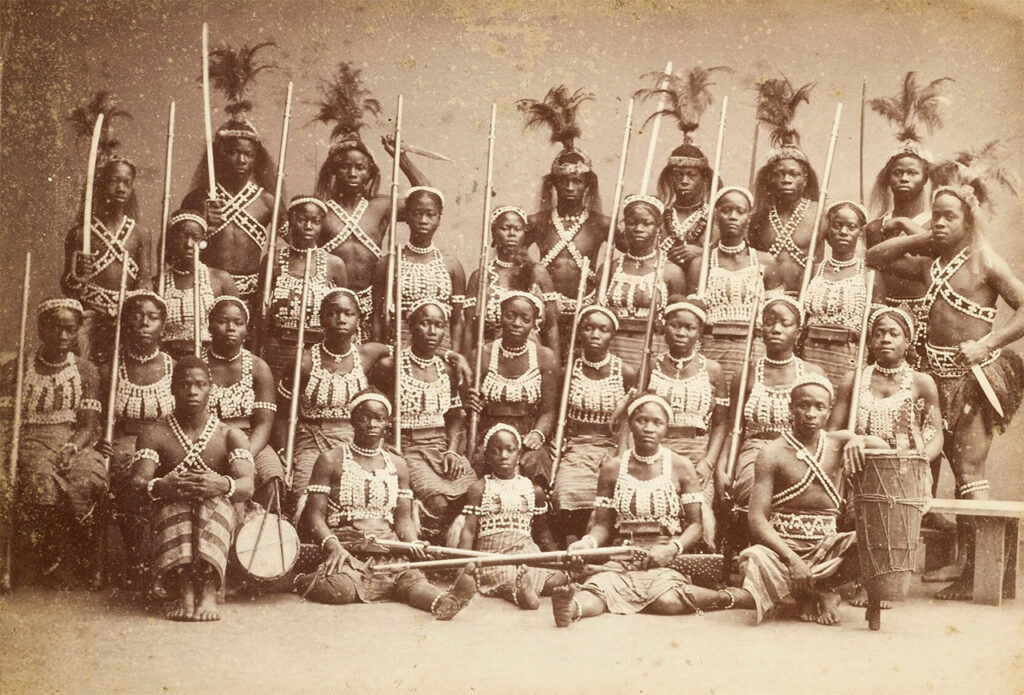
Less large -scale examples of women in the army, of course, were much more, which did not cancel the evidence of gender skew in this area. Although ideas about men and women in different cultures could take shape in different ways, men almost always prevailed as part of the armed forces of any countries.
Until the 20th century, the predominance of men in the army was a reflection of the general patriarchality of society and the lawlessness of women. The same can explain the almost complete absence of women in the armies of the modern Islamic republics. However, in the global West, even the emancipation of women in most areas of life failed to largely divert archaic ideas about the masculinity and femininity that developed in the armed forces. The army in Europe and the United States is still the sphere of life where sexism and misoginia are perhaps the most obvious and institutionalized.
The historical advantage of men in the armies has become one of the main pillars of a cultural understanding of masculinity as something related to aggression, strength and rationality, and femininity-as, respectively, weakness, passivity and irrationality. To be a man meant to take on the role of a defender, and the war, according to the apt expression of the same Goldstein, was considered as an "act of licensed feminine."
This is a vicious circle: the more men went to war, the stronger the stereotype of the war as a masculine was strengthened, which made it possible to recruit men into the army.
It is important to note that people associated with military affairs are associated with masculinity regardless of their gender. Women who participated in the wars, both directly as fighters (Jeanne d'Arc) and as military leaders (Elizabeth I, Margaret Thatcher, Hillary Clinton), were often described by historians and contemporaries in terms of “masculinity” and other qualities related to traditional masculinity. For example, Clinton’s behavior in the situational room during the murder of Osama Ben Laden was evaluated as “male firmness”.
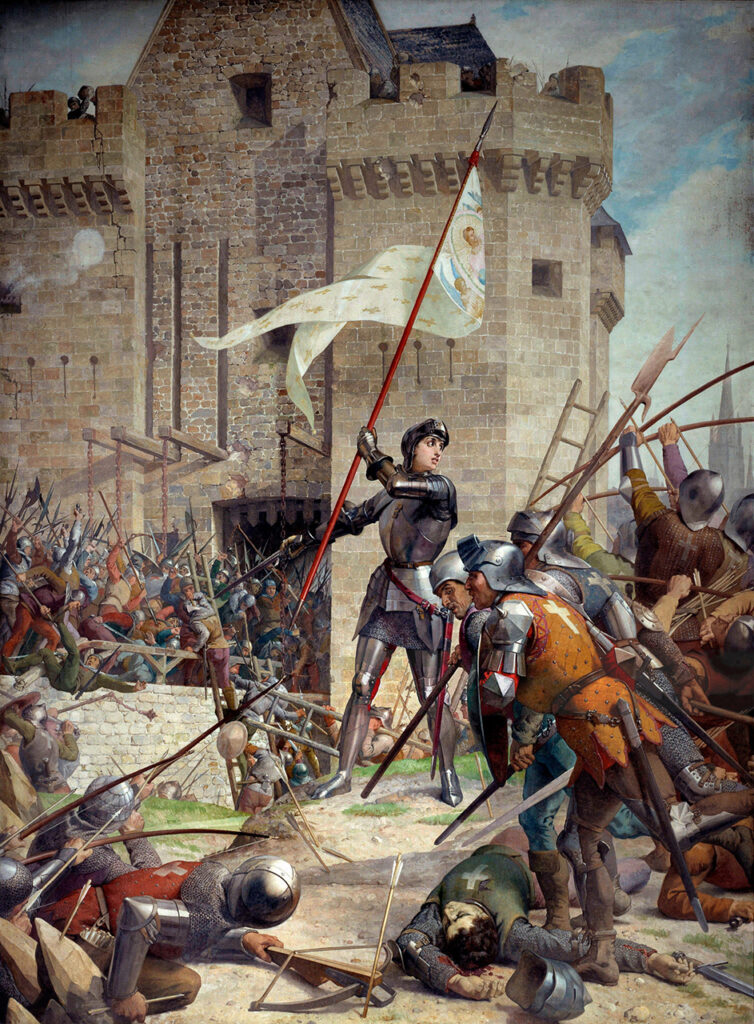
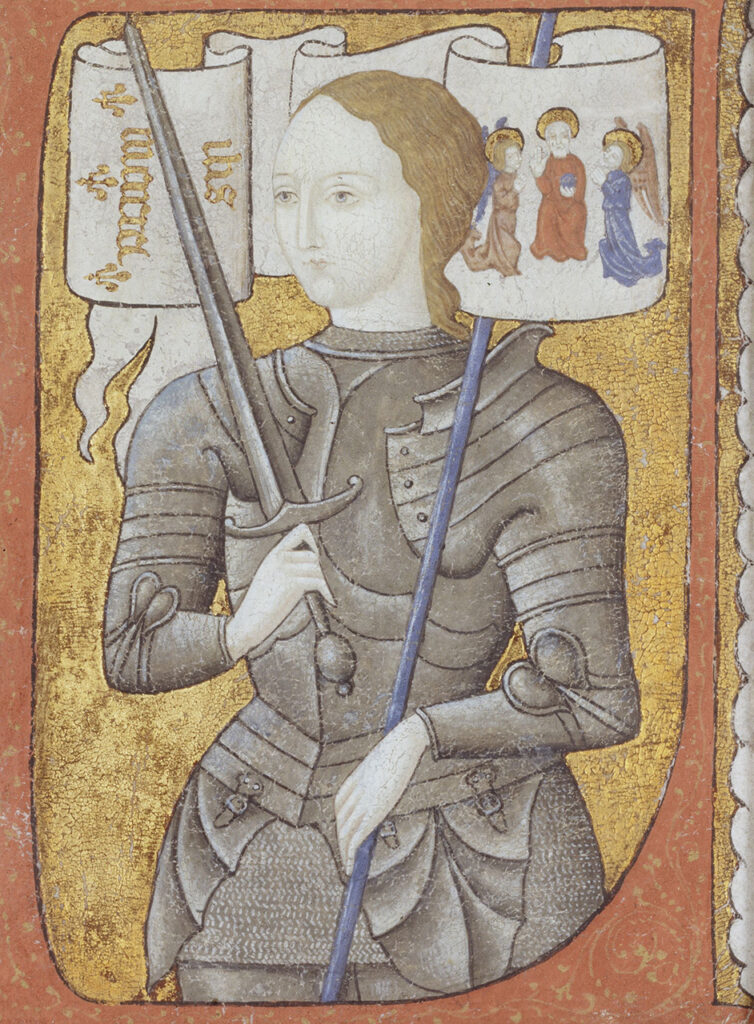
Even an increase in the number of women in militarized structures in the 20th century did not change militarism as such. “The adoption of a militarization means that women should take signs of masculinity and“ power policy ”where they cannot be considered equal to men on their own,” writes Indian researcher Anuradha Chen in the article “Gender and International Politics: Points of the Patriarchate and Militarization”.
Men are not predisposed to war biologically
The gender nature of the wars, namely the undesirable of the so -called "female" behavior, emphasized by the various campaigns to recruit soldiers. You can recall the “ white feathers of cowardice ”, which during the First World War British patriots distributed to men who did not go to the front, or the nickname “Bracelet carriers”, who were received by Indian men who refused to participate in the mass killings of Muslims in Gudzharat in 2002.
The same applies to military training, which in most armies of the world traditionally includes grandfathers and training camps designed to harden the "masculinity" of fighters. The researcher Jill Steins notes that the men in the army are programmed to become the same soldier , receiving misogyne labels, such as “ladies” or “girls” - for beginners and “real men” - for the training of fighters.
The stereotypes of traditional “masculinity” are connected and the exclusion of openly non -metrose -male men from the armed forces in most countries of the world.
Despite the fact that the idea of the war as a masculine affair has deeply penetrated into human culture, in reality, of course, there is no biological predisposition of men to war and aggression, and women to softness, compromise and non -power. And it is easy to prove this: in almost every armed conflict are both thousands of men who avoid calling or protesting against the war and thousands of women insisting on a power resolution of conflicts.
The American journalist and female Barbara Erenraich in the article “Men hate the war” ironizes that “it is impossible to imagine that a certain natural instinct forced men to en masse of the house, briefly cut themselves and march under the scorching sun.”
It is important to understand that militarism is not an essentialist inevitable evil, but a construct created by hierarchical institutes of oppression, based on gender stereotypes and, in turn, fuel these institutions, strengthening and exacerbating the gap between the “female” and “male” in society.
Militarism normalizes hyperbolized forms of masculinity and femininity, which in turn normalize militarism.
Why war is a feminist question
So, militarism is based on gender inequality, which he simultaneously uses and strengthens. But how in practice this inequality affects the life of women (and in general people who can be identified as feminine) during the war?
Of course, women are experiencing all the same injuries associated with the war as the rest of the population: bombing, mass killings, hunger, epidemics, torture, illegal imprisonment, forced migration, ethnic purge and intimidation. Moreover, in many cases they experience them sharper and larger, since they have less resources for self -defense.
The idea that mostly men suffer in the war is hopelessly outdated. In modern wars, according to the UN , most of the victims fall on civilians (although specialists vary in specific assessments, calling numbers from 50 to 90 percent), and most of this civilian population are women and children.
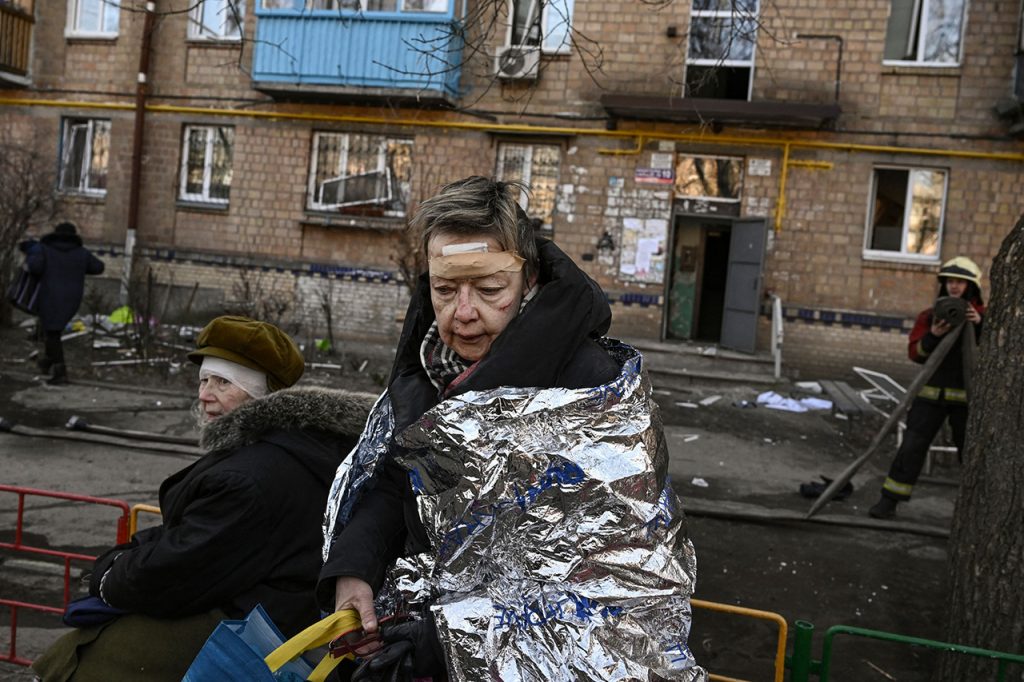
However, in addition to these “universal” problems, women and girls in the war massively become objects and specific forms of violence and cruelty, in particular, sexualized violence and exploitation.
In the war, the number of cases of such violence increases exponentially, and the war in Ukraine has no exception . Rape is used as a way of symbolic conquest of another people, and as a method of torture, and as a form of genocide.
“The invader in the captured territory convinces himself that in front of him is not just a woman - this is a mother, the wife of the enemy, she also gives rise to enemy soldiers. “Let it give birth to better from me”: in military conflicts, rape is a symbolic consolidation on foreign land, ”says Olga Shnyrova, director of the Ivanovo Center for Gender Research, in an interview with the“ line ”.
Rape in the war becomes a sophisticated form of patriarchal control over women and the way to demonstrate their dominant masculinity to men fighting on the opposite side. A stereotypical binary idea of male as active and aggressive and female as a passive and weak makes the female bodies another battlefield in the war.
The famous feminist researcher, professor at the University of Michigan and Harvard Katherine McKinon in the book "Women are people?" He writes : “Rape in war is a rite of humiliation of enemy men who, in terms of masculinity,“ failed to protect ”their women. Often such actions turn female bodies into a means of male expression, the means by which one group of men tries to transmit information to another. ”
Another form of sexualized violence during the period of conflicts is a sex puncture when participants in the confrontation abduct women and girls to use them as maids and sex rabies. It is worth noting that not only representatives of the warring parties often use the vulnerable position of women during this period, but also those who are supposed to protect the civilian population - for example, the peacekeepers of the UN.
According to the report “Women, War and Peace” made by independent experts for the UN, the level of sexualized violence and prostitution, including children's, in hot spots may increase with the arrival of peacekeepers. Experts note that women are more likely to be among the forced residents during the war, and often they have to take care of children and other family members alone, and in conditions when their own rights are limited, which forces them to provide sex services in exchange for resources and protection.
Moreover, sexualized violence and exploitation are traumatic not only at the moment when they occur. Often they entail severe consequences: an unplanned and undesirable pregnancy, long -term problems with physical and mental health, which is especially difficult to fight with a lack of resources and qualified medical care, including sexually transmitted infections.
“When sex is perceived as a product, women and girls do not have many opportunities to insist on using condoms - and a proposal of money from men who do not want to use protection is too difficult to reject,” the report says.
Armed conflicts, according to research , also lead to an increase in domestic violence, the victims of which are primarily women and children. A particularly strong surge in such violence occurs after the war, when soldiers who survived the traumatic experience and accustomed to living in military conditions, return home, do not receive the necessary psychological assistance and become a potential threat to loved ones.
For partial emancipation you have to pay
Even if the country wages the war in foreign territory, the position of women (like any other discriminated groups) in it noticeably worsens. State resources are redistributed in favor of the army, and social programs on which women in patriarchal societies depend more men are reduced, which, according to researchers , only strengthens gender inequality. For the war, the most needy pay.
Some historians believe that wars contribute to the emancipation of women, and there is a certain logic in this. War requires the mobilization of all state resources, and women who can replace men in the rear are a valuable resource. Military conflict can change traditional gender roles: women acquire mobility, independence and opportunities for leadership, which they did not have in peacetime.
However, this positive trend has the opposite side. Firstly, in most cases, the responsibility that appeared in women does not remove traditional patriarchal duties from them, which turns into another instrument of oppression-it is enough to recall the famous “second shift” -a situation where, in addition to the main work, she almost completely takes on the household.
And secondly, even this partial emancipation inevitably causes a conservative reaction, from the ban on abortion to discrimination in workplaces. «Большие потери, серьезный демографический кризис, как следствие, женщин призывают восполнить эту дыру, рожать как можно больше. <…> Выжившие мужчины возвращаются с фронта и начинают претендовать на рабочие места, которые они занимали до войны. С одной стороны, после войны начинается эмансипация, с другой — патриархатный ренессанс», — отмечает Ольга Шнырова.
Женщины недопредставлены в мирных переговорах
Хорошо, мы выяснили, что женщины в массе переживают военные конфликты не так, как мужчины, и у них есть ряд специфических проблем, которые требуют отдельных действий и решений. Но, может быть, они сами не хотят принимать участие в искоренении этих проблем? Может быть, прав Доброхотов, считающий, что женщины слишком мало проявляют себя, чтобы их заслуженно пригласили на интервью с президентом Украины в такое время?
Реальность скорее опровергает эти тезисы. На протяжении как минимум всего последнего века женщины, часто феминистских взглядов, играли активную роль в миротворческом процессе. Еще в 1792 году писательница Мэри Уоллстонкрафт, выступая за равные права, подчеркивала, что не советовала бы женщинам «менять прялки на мушкеты». Вирджиния Вульф отвергала войну, потому что считала ее формой угнетения, подобной угнетению мужчин над женщинами. Похожей логики придерживались и суфражистки, и группы британских и американских феминисток, протестовавших против распространения ядерного оружия и войны во Вьетнаме.
В России во время Чеченской войны заметную роль в налаживании диалога сторон играл Комитет солдатских матерей , в Израиле до сих пор действует выступающее против милитаризма движение «Женщины в черном» , в Колумбии как минимум две большие женские организации (Национальная женская сеть и REPEM) внесли значительный вклад в прекращение боевых действий между правительством и повстанцами в 2016 году. А пятью годами ранее Нобелевская премия мира была присуждена активисткам из Африки и Азии Тавакуль Карман, Лейме Гбоуи и Элен Джонсон-Серлиф за «за ненасильственную борьбу за безопасность женщин и право женщин на полноценное участие в миротворческой работе».
Эту традицию продолжает и Феминистское антивоенное сопротивление, появившееся после начала так называемой «спецоперации» российских войск в Украине. В самой Украине при этом женщины принимают участие в защите своей страны как непосредственно с оружием в руках, так и в качестве военных корреспонденток: одной из трех (на момент написания текста) убитых украинских журналистов была Александра Кувшинова. Также стоит упомянуть, что под ракетным обстрелом погибла журналистка российского издания The Insider Оксана Баулина .
Из этого не стоит делать вывода, что женщины в целом и феминистки в частности — прирожденные миротворцы и никогда не хотят войны. На протяжении всей истории находилось достаточно женщин, активно принимавших милитаристскую риторику, женские образы чрезвычайно широко используются в военной пропаганде, а некоторые феминистские организации, скажем, Фонд феминистского большинства в США, активно поддерживали экспансионистские войны своих стран, из-за чего даже появился термин « встроенный феминизм ».
Мы говорим лишь, что какого-то особого недостатка женщин в низовом миротворческом движении не наблюдается — во многом потому, что женщины чаще всего прекрасно понимают, насколько ужасные последствия несет для них война. А вот где они действительно недопредставлены, так это в статусных мирных переговорах на высшем уровне. По данным ООН , с 1992 по 2019 год в крупных миротворческих процессах женщины составляли лишь 13% участников переговоров, 6% посредников и 6% от числа людей, подписывавших документы.
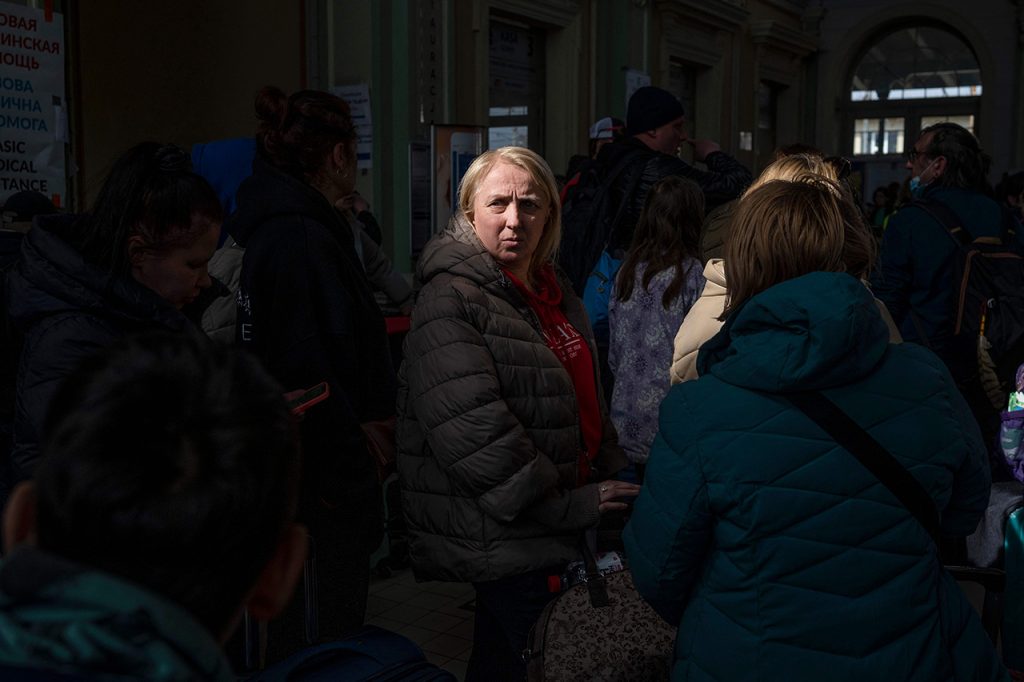
Мало того, женские голоса остаются заглушенными и в политических СМИ. The Global Media Monitoring Project, крупнейшее международное исследование гендерных вопросов в медиа, дает такую статистику :
с 2000 по 2015 год в мировых СМИ 31% политических статей было написано женщинами, при этом о женщинах с 1995 по 2015 год рассказывали лишь от 6% до 20% (в зависимости от года) таких статей;
национальная оборона, мирные переговоры и война находятся в числе тем, где женщины наименее представлены в СМИ;
на 2015 год женщины составляли лишь 24% персон, о которых писали или снимали новостные сюжеты крупные мировые медиа.
Зачем включать женщин в мирный процесс
Политики, формальные лидеры и участники мирных переговоров — в подавляющем большинстве мужчины. Женщины чаще всего просто не получают права голоса в миротворческом процессе. При этом важность и необходимость их участия, может быть, неочевидна Роману Доброхотову, но зато очевидна экспертам и общественным организациям, изучающим миротворческие процессы.
«Когда женщины не исключаются из переговоров, характер диалога меняется. Женщины исходят не только из их собственного опыта, но и из укорененности в своих сообществах. Они представляют разные области, затронутые войной: те, что нуждаются в образовании, здравоохранении, рабочих местах, земле. <...> Их опыт войны отличается от опыта политиков-мужчин», — пишут в уже упоминавшемся выше докладе независимые эксперты ООН.
«Женщины, участвующие в мирных процессах, как правило, меньше сосредоточены на военных трофеях и больше на примирении, экономическом развитии, образовании и переходном правосудии — всех важнейших элементах устойчивого мира», — отмечают в свою очередь ученые Института мира США в докладе «Неотъемлемая роль женщин в миростроительстве».
Да что там независимые эксперты и ученые! Сам Совет безопасности ООН в революционной резолюции 1325 , принятой аж в 2000 году, признает диспропорциональное и особое влияние войны на женщин и девочек и призывает к расширению участия женщин и учету гендерной перспективы во всех усилиях по обеспечению мира и безопасности.
«Попытки разрешить [военные] конфликты и устранить их первопричины не увенчаются успехом, если мы не уполномочим всех тех, кто пострадал от них, особенно женщин. Только если женщины будут играть полноценную и равную роль, мы сможем построить основы прочного мира. В зонах конфликта по всему миру женские движения работали вместе с ООН над восстановлением мира и безопасности, примирением общества, защитой беженцев <...>. Внутри ООН интеграция гендерных аспектов в области мира и безопасности стала центральной стратегией», — заявлял тогдашний генсек ООН Кофи Аннан.
Кто-то, конечно, может сказать, что интервью журналистов одной воюющей страны с президентом другой формально не считается «мирными переговорами», но вряд ли даже этот буквоедский «кто-то» будет отрицать, что это интервью — часть миротворческого процесса в более широком смысле.
Для любителей сухих цифр есть и они. Статистический анализ Лорел Стоун из Университета Сетон-Холла показывает , что полноценное включение женщин в мирный процесс повышает вероятность соблюдения мирного соглашения в течение хотя бы 2 лет на 20%, а в течение 15 лет — на 35%.
Также есть данные , что агрессивное поведение стран коррелирует с уровнем гендерного насилия и представленности женщин в правительстве. Чем ниже уровень насилия и выше — представленности, тем меньше вероятность потенциальной войны.
Решением этих проблем может стать только уничтожение их основного источника — патриархата, а не попытки устранить лишь наиболее заметные и болезненные симптомы. Пока протестующие против войны не убьют патриархат в себе, их усилия будут тщетными, а возможные успехи — краткосрочными. Проще говоря, война не закончится, пока существует патриархат.
Женщины дискриминированы в журналистике
Напоследок хотелось бы ответить Михаилу Зыгарю, считающему, что в российской журналистике победил матриархат и никакой дискриминации или недостаточной репрезентации женщин в этой сфере не существует.
Начнем с того, что в мировой журналистике, в том числе в странах, где в целом гораздо больше заботятся о гендерном равенстве, есть очевидный недобор женщин-медиаменеджеров. В исследовании Reuters Institute , проведенном в 12 странах на четырех континентах, отмечается, что только 22% из 180 главных редакторов в 240 изданиях — женщины.
По российскому медиарынку точных данных нет, но, несмотря на общее прискорбное положение дел с правами женщин в России, есть основания считать, что отечественные показатели несколько лучше. Во всяком случае, за последние пару десятилетий нетрудно вспомнить несколько десятков имен как влиятельных журналисток, так и женщин-редакторов во главе больших изданий, в том числе перечисленных самим Зыгарем Галину Тимченко и Наталью Синдееву.
Однако это не значит, что в этой области совсем нет проблем. Та же самая Галина Тимченко, например, в интервью Forbes говорила о сложившейся в российских СМИ «маскулинной культуре», долгое время не дававшей женщинам пробиваться на руководящие посты: «У нас в медиа давно установилась маскулинная культура, поэтому каждый раз, когда я вижу, что женщина становится главным редактором, я радуюсь. У женщин совершенно другой взгляд, стиль руководства. Я ужасно устала от этих Журналист Журналистычей — мощных мужиков с трубкой во рту, которые вроде как на войне».
Основательница The Bell, в прошлом главный редактор Forbes Russia и шеф-редактор РБК Елизавета Осетинская замечала, что представленность женщин в руководстве российских СМИ может быть лишь кажущейся: «Мы ведь говорим об очень небольшой фракции. Если посмотреть на весь спектр медиа, от телевидения до новостных агентств, газет, веб-сайтов, там нет какого-то перекоса в сторону женщин. Думаю, мы просто имеем дело с нормальной репрезентацией. Есть несколько ярких фигур, которые видны за счет медийности».
Главный редактор The New Times Евгения Альбац рассказывала, как сложно ей приходилось пробиваться сквозь сексизм в журналистике: «В России, хотя декларировалось равноправие и женщины работали на асфальтоукладчиках, считалось, что у мужчины прав больше. Убей бог, не понимаю почему».
Экс-главный редактор журнала «Коммерсантъ Weekend» Елена Нусинова и вовсе прямо говорила об отсутствии равенства: «Никакого баланса по-прежнему нет. Женщине надо работать заметно лучше мужчины и быть более яркой и одновременно более договороспособной личностью, чтобы занять то же место, что мужчина».
Наконец, кое-какие статистические данные, чтобы лучше представить масштабы проблемы. В прошлом году «Репортеры без границ» опубликовали исследование «Журналистика перед лицом сексизма», охватившее 112 стран. Около 40 из них сочли «опасными или очень опасными для журналисток». И хотя Россия не попала в число «опасных», она оказалась одним из государств, где журналисткам в работе «приходится приспосабливаться к определенным ограничениям из-за гендера», а также сталкиваться с насилием, домогательствам и угрозами в интернете и на рабочем месте.
Впрочем, и без этого исследования можно вспомнить историю нынешнего главы ЛДПР Леонида Слуцкого, целую серию обвинений российских журналисток в харассменте со стороны коллег, обвинения сразу семи так или иначе связанных со СМИ девушек в адрес кинокритика Егора Беликова или даже кейс одного из участников интервью с Зеленским — Ивана Колпакова.
Такую ситуацию определенно не назовешь «матриархатом».
И в этом смысле реакция Зыгаря и Доброхотова показательна. Даже если предположить, что в этой конкретной истории все интервьюеры оказались мужчинами случайно, эта случайность могла стать отличным поводом для разговора о более масштабной проблеме сексизма в России и в российской журналистике, а может, и для поиска решения этой проблемы. Но вместо этого один влиятельный журналист говорит, что женщины просто не заслужили такой чести, а другой отмахивается от этой темы словами, что есть дела поважнее какой-то там репрезентации.
Чем оба, кажется, только подтверждают наличие проблемы.
The author’s opinion may not coincide with the opinion of the editorial office.