
Translated material
USSR by 1984. Lost time
In the late 1950s and early 1960s, a decline in the pace of economic development of the USSR was clearly indicated. The growth of national income slowed down, in 1961–1965 it grew by only 5.7% - much less than in the previous five -year plan. This was clearly not enough to solve aggravated socio-economic problems. According to official statistics, 62% of the growth of industrial products were obtained due to the growth of labor productivity, and 38% - due to the rapidly increasing number of employees. Since labor productivity statistics were calculated in monetary terms based on gross production indicators, and the prices for produced products Goskocen were revised in the direction of increase in any cosmetic innovations, it is clear that the real increase in labor productivity was much less. Enterprises were not interested in the effective use of fixed and working capital, in the introduction of achievements of scientific and technological progress.
Economists have been searching for a new economic model since the beginning of the 1960s, when the first signs of a decrease in economic growth were discovered. The Soviet leadership also felt the need for changes. The Hungarian uprising and the Polish events of 1956 unequivocally warned against inaction.
N. S. Khrushchev was looking for a scheme capable of ensuring the functioning of the Soviet economy without shouting from above. Without a general plan for reforming the economy, with the exception of some ideas on agriculture, Khrushchev wanted to stop the increase in negative trends in administrative methods. Its actions were determined mainly by the reaction to the crises and moves of opponents. The reform of the management of the national economy that he had begun in fundamentally did not improve the situation, but only gave rise to conflicts in the party-economic elite. The resource intensity of the economy increased, and its efficiency fell. There were no serious structural changes. The main export goods of the USSR still remained oil and other raw materials.
Faced with growing difficulties in the economy, manifestations of social protest, Khrushchev was close to recognizing the situation of a dead end [91] . He tried to save the position of communist rhetoric, promising that "the current generation of Soviet people would live under communism." In September 1962, Khrushchev drew attention to the Kharkov economist E. G. Lieberman, who published in Pravda the article “Plan, Profit, Prize” [92] (with the addition “Pravda”, it published it on October 20, 1964 under the name “Once again about the plan, arrived and award”). Lieberman was the first to openly openly stated in the press about the negative consequences of the plan of the plan and violated the taboo to discuss the role of profit. However, like other Soviet economists, he was not able to seriously substantiate its significance, because political censorship did not allow to affect the topic of private property. Apparently, for the same reason, he bypassed the problem of market pricing, that is, “underestimated prices, the price should be determined not by an abstract scheme, but in the market” [93] . Nevertheless, Liberman's articles played an exceptional role in the formation of public opinion. For the vast majority of Soviet economists, his ideas were revolutionary.
An active discussion on economic problems has launched, challenging many “sacred cows” of the Soviet system [94] . The authors of publications avoided direct attacks against the system, but they were easily visible for harmless formulations. Academician V. S. Nemchinov in the magazine "Communist" argued that the system of material and technical supply in the USSR impedes the country's economic development. And one of the first in 1965 said that “a system that is so constrained from top to bottom, entangles with ties technological and social development ... Sooner or later it will break under the pressure of real processes of economic life” [95] . None scientists proved the need to transition to economic management methods, activation of commodity-money relations.
It became clear to many economists and production managers that the current economic mechanism is ineffective in principle. Practice constantly questioned the “fundamental” provisions of the official political economy of communism. Life required other methods of managing the economy, other incentives for growth. The development of mathematical methods of optimization, the appearance of computers gave rise to a new direction of economic theory-economic and mathematical modeling. The mathematical school (L.V. Kantorovich, V. S. Nemchinov, V.V. Novozhilov) focused on finding algorithms for optimal planning of the national economy, the previously rejected “utility”, “marginal costs” returned to scientific circulation.
But it turned out that even theoretically, it is impossible to calculate the optimal plan for the entire national economy from the center, since the number of possible options would be close to the number of atoms in the universe. But the main thing is that the directive optimal planning did not take into account the probabilistic nature of any production processes, rejected the initiative and enterprise of the planners of the plan not places. For scientists, it became clear that, managing, using orders from the center, tens of thousands of enterprises and organizations, it would not be possible to achieve the desired economic efficiency.
Increspectful, chaotic reforms of N. S. Khrushchev did not laid the political and legal foundations for the modernization of the country. But, having received a negative result, having “worked out” the dead end models of improving the Soviet model, he made it relevant to search for other ways of modernization, including the way out of socialism. Thanks to the Khrushchev’s “thaw”, domestic economic science has received a chance to break out of the plate of communist dogmas.
The organizers of Khrushchev’s displacement from the post of first secretary of the CPSU Central Committee did not turn out to be his intelligible ideological and political platform. Its formulation was started only after his resignation. The economic discussion caused a creative explosion in the social sciences, jurists and sociologists spoke about the need for reforms. The sixties insisted on democratizing the system in all azimouth. According to A. E. Bovin, L. I. Brezhnev first treated this topic seriously [96] . Judging by the recently declassified documents, until 1968 he was configured for changes, he thought about reforms [97] . Brezhnev understood that the Soviet economic system worked poorly, on manual management. But he understood this poorly, at the level of individual examples - “pieces” [98] , in its expression. On the Old Square, there was even talk about the need to prepare the Plenum of the CPSU Central Committee on the problem of "further democratization of intra -party life, as well as the democratic norms of the state."
However, events in Czechoslovakia crossed out all the hopes for democratization [99] .
As for economic reforms, the September (1965) Plenum of the CPSU Central Committee set the task to significantly change the ratio of administrative and economic management methods in favor of the latter. On October 4, 1965, the Decree of the CPSU Central Committee and the Council of Ministers of the USSR was adopted “On the improvement of planning and strengthening the economic stimulation of industrial production” [100] , which launched the Kosygin reform. The chairman of the Council of Ministers A. N. Kosygin [101] was a careful and ideologically devoted socialist system. He was well aware of the need for reforms, but his plans were not radical [102] .
The main idea of the concept of reform coincided with the initial position of the Yugoslav model of socialism: to expand the economic independence of industrial enterprises and at the same time increase their responsibility for the effective use of financial, labor and material resources allocated at their disposal [103] . But if in Yugoslavia the main regulator of economic ties, proportions and production was the market and competition, then in the USSR it was supposed to leave a five -year state plan in the foundation of the system. Decree of October 4, 1965 involved the expansion of enterprises; an increase in the amount of funds left at their disposal for the development of production and incentives of workers; development of direct relations between manufacturers and consumers; Strengthening the role of profit in stimulating employees.
However, the reform did not affect the basis of the administrative-command system, targeted directive planning was not eliminated. Instead of 30 indicators, 9 were left, including the volume of products sold, the wage, profit, profitability, etc. Fulfillment was now expressed not in gross indicators, but in the volume of products sold, that is, only what was indeed sold. Enterprises received unprecedented freedom: they could independently plan the growth rate of labor productivity, reduction in costs, establish an average wage, more freely dispose of profit, in particular, use it and to increase salaries. All this was supposed to strengthen the interest of enterprises in profitable work and improve economic indicators.
The development of a new economic mechanism was dragged on for many years. In the fall of 1965, in the order of the experiment for new business conditions, 43 enterprises of light and food industries were transferred. Only by 1972, about 90% of industrial enterprises were transferred to the review. But even the slow and partial reform of industry gave certain results. The eighth five -year plan (1965-1970), coincided with the beginning of the reform, turned out to be the best in all the post -war years. According to official (high) data, the gross public product increased by 43%, national income - by 45, industry products - by 50%. True, the industry received the greatest momentum of acceleration in the first year of the mass implementation of new forms of management, and then their effects began to weaken. During the three previous five -year plans, a decrease in production growth rates was suspended for a while. Since the late 1960s, a group of scientists and specialists from the State Planning Commission under the leadership of A. N. Kosygin was engaged in the study of the second stage of the reform, which has not occurred.
At first, trying to strengthen his own power, Kosygin's plans supported Brezhnev. In one of the notes, he even suggested “not to put small patches, but to create a new management system that would fully correspond to the modern stage of economic development” [104] . Subsequently, as his matingled personality is approved, the Secretary General, according to the reviews of the environment, “not loved” Kosygin, lost interest in reforms. The most conservative part of the supreme leadership took advantage of the events of 1968 in Czechoslovakia to finally curtail economic reforms, since, as the Czechoslovak experience showed, the next step in the liberalization of the economy was inevitably the liberalization of politics. With the onset of illness L. I. Brezhnev (1976), party officials removed the theme of economic reforms from the agenda.
The reform “went into the sand”, failed, because she attempted to “basics”, which was then politically unacceptable. The country's highest leadership intuitively felt: let's start real reforms, swing the system, everything will collapse [105] . In addition, even extremely moderate, evolutionary reform was opposed by real forces - the control apparatus and the overwhelming economic thinking. Many business leaders have a neglect of economic science in general and the theory - especially not so much for scholastic theorizing, speculatively constructed laws, but for the inability of scientists to find a magical tool that would improve everything without changing anything [106] . Official science was able to fulfill only the only function - the apology of the prevailing model of socialism [107] . The very formulation of the question of the connection of material incentives with the action of the law of value caused objection of traditional economists. After all, they associated material incentives only with the distribution of work, with a centralized planning, but not with commodity-money relations and the market [108] .
Conservative forces were relatively easy to let the Kosyginsky reform under the slope due to its incomplete nature: they tried to change the microeconomic mechanism without changing the macroeconomic, upheld a bulky bureaucratic apparatus, numerous industry ministries and departments [109] . The limitations of the reform plan soon led to the fact that the enterprises, taking advantage of even a small expansion of independence, began to underestimate planned tasks, chose easier solutions for themselves. As a result, the increase in salary was ahead of the growth of labor productivity. A. N. Kosygin had to go to a temporary, as it seemed then, borrowing funds to cover the budget deficit from the funds of enterprises.
Directors of the enterprises were interested in the independence of enterprises when this concerned determining the volume and range of products, the establishment of prices for it, and profit disposal. But in conditions of universal deficit, they advocated the preservation of guaranteed supplies of raw materials, fuel, electricity and other resources at solid planned prices. The nomenclature was quite satisfied with such a slow course of reform. The ministries and departments worked in the old way, their apparatus increased, new heads arose.
The discussion of the reform and the general situation in the country in the press and scientific discussions led to the understanding of the scientific community and the active part of the society that the capabilities of the Soviet system are not unlimited. The first considerations appeared about how and in what areas it would be good to reform. In March 1970, in a letter to the Soviet leadership, physicist A. D. Sakharov, mathematician V.F. Turchin and historian R.A. Medvedev warned that if political reforms, that is, the danger of turning the USSR into a secondary state lingers for a long time. Pointing to the threatening signs of discord and stagnation in the country, the authors proposed a serious lag behind the Soviet economy from the American economy, while maintaining the leading role of the CPSU and under its leadership to conduct a radical democratization of society. With their letter, his authors wanted to “contribute to a wide and open discussion of the most important problems” [110] . In those years, many letters came to the CPSU Central Committee about the need to reform the Soviet system. “If exclusive cases were reported,” said A.E. Bovin, “their good impulses were blocked by the healthy instinct of the ruling“ class ”, understanding, often intuitive that they are trying to deprive power or significantly limit it. And then you have to stand to death. Up to the "extreme measures". And a huge array of optimistic information going from all sides, against which all the shortcomings were exclusively “separate”, and difficulties were “temporary” [111] , also worked against any kind of reformers. Therefore, both the highest leadership and their intellectual “service staff”, even agreeing in principle with the authors of such letters, did not think about impasse and disaster.
In the 1960-1970s, despite resistance, scientists were looking for ways to improve the Soviet system, and criticized its shortcomings. Representatives of all generations of reformers-N.P. Fedorenko, S. S. Shatalin, A. N. Ya. Petrakov, A. G. Aganbegyan, E. G. Yasin, E. T. Gaidar [112] participated in the preparation of a comprehensive program of scientific and technological progress. In the Ministry of Institution, in the construction complex of Moscow, at the Sumy Machine -Building Plant and others, “real” economic experiments were conducted.
Economists-“sixties”, accepting the inviolability of socialist property, saw their task in developing such a mechanism of management, which would combine centralized management of the economy with operational economic independence of enterprises. The maximum that some researchers decided on was to form a question of the admissibility of real cooperative property under socialism.
The logic of the concept of “improving the economic mechanism” was based on the thesis about the impossibility of solving all socio-economic problems from the “Unified Center” and proceeded from the need to stimulate the manufacturer to develop production and update products [113] . It was assumed that through improving the economic mechanism it is possible to reach the optimal combination of the plan and the market while maintaining the fundamental foundations of the Soviet economic system. Therefore, it will be possible to sharply speed up economic growth and increase the efficiency of state -owned enterprises. Consent to a similar approach gave a certain freedom of analysis, but also imposed tough and potentially dangerous restrictions that were inevitably had to affect the future [114] .
Practice of the subsequent restructuring showed that within the framework of the concept of “improving the economic mechanism” it is really impossible to solve the problems of socialism. Во-первых, концепция была преимущественно микроэкономической, ограничивалась активизацией деятельности предприятий и работников. Общая макроэкономическая, сбалансированная, своеобразная инерционная устойчивость советской экономики считалась данностью, независимой от микроэкономических и институциональных факторов. Не подвергалась сомнению необходимость Госплана и других директивных органов, административно обеспечивавших эту сбалансированность, от которой никто не собирался отступать. Во-вторых, программа обходила молчанием вопрос о реформе собственности [115] .
В 1983 году в Новосибирске прошел закрытый («для служебного пользования») семинар, посвященный социальным механизмам развития экономики, на котором ученые открыто говорили о наболевших проблемах. Наибольший резонанс получил доклад социолога Т. И. Заславской [116] , подготовленный в Институте экономики и организации промышленного производства СО АН СССР в Новосибирске. В нем впервые в советской обществоведческой науке был сделан вывод о том, что назревший системный кризис экономики обусловлен не технико-экономическими, а прежде всего социальными причинами — отсталостью общественных отношений, существовавший хозяйственный механизм бесперспективен и необходима кардинальная перестройка социально-экономических отношений.
На семинаре обозначились две достаточно проработанные линии совершенствования системы. Первая — значительное расширение сферы рыночных отношений, тогда оно мыслилось в форме последовательного хозрасчета, экономической ответственности предприятий за результаты, значительно большей свободы в выборе форм и способов оплаты труда и в ценообразовании. О полностью свободном рынке речь, конечно, не шла. Вторая — политическая демократизация общества, уход от единой идеологии, свобода научного поиска, выступлений, свобода печати [117] .
Широкую известность доклад получил благодаря публикации в США и Германии под названием «Новосибирский манифест» [118] . Затем он был переиздан во многих странах. Западные ученые назвали его «редким примером применения критического марксизма к функционированию советской системы».
В условиях сползания страны в пропасть, ощущения «тупика» власти были вынуждены прислушиваться к советам ученых, предлагавших «поднапрячься и улучшить хозяйственный механизм» [119] . К началу 1980-х годов для наиболее дальновидной части политической верхушки стала очевидной безотлагательная необходимость серьезных реформ. Но по-прежнемуне было единого понимания их характера и содержания, интеллектуальной и политической основы назревших изменений.
Как свидетельствует запись в «Дневнике двух эпох» А. С. Черняевана следующий день после смерти Л. И. Брежнева (11 ноября 1982 года) партийный аппарат мог предложить новому лидеру страны Ю. В. Андропову, чтобы «накормить народ, восстановить интерес людей к труду и возродить моральные права лидера», очень ограниченный круг административных мер, не идущих далее ликвидации «брежневской инфраструктуры — всех родственников, прихлебателей, любимчиков, всяких притащенных из Молдавии и Днепропетровска и увольнения на пенсию 70–80% министров» [120] . В 1983 году Андропов признал: «Мы не знаем общества, в котором живем» [121] .
доктор исторических наук, ученый секретарь Института российской истории РАН
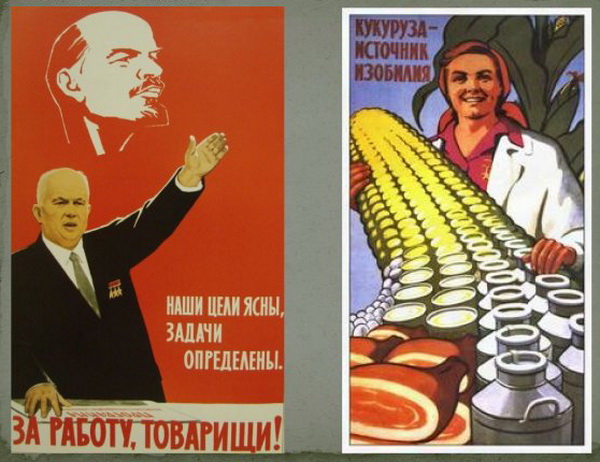
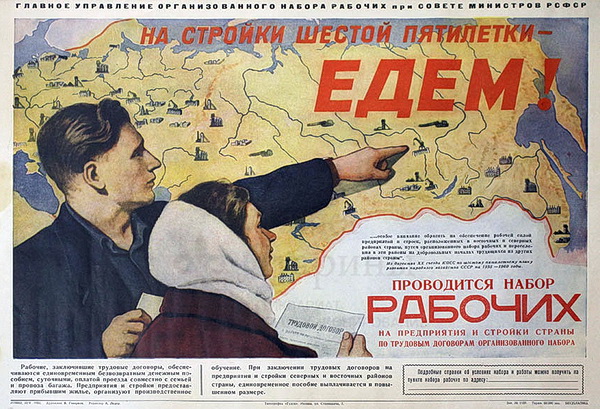
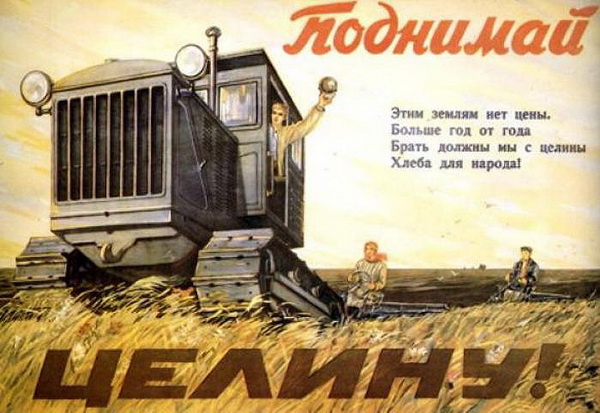
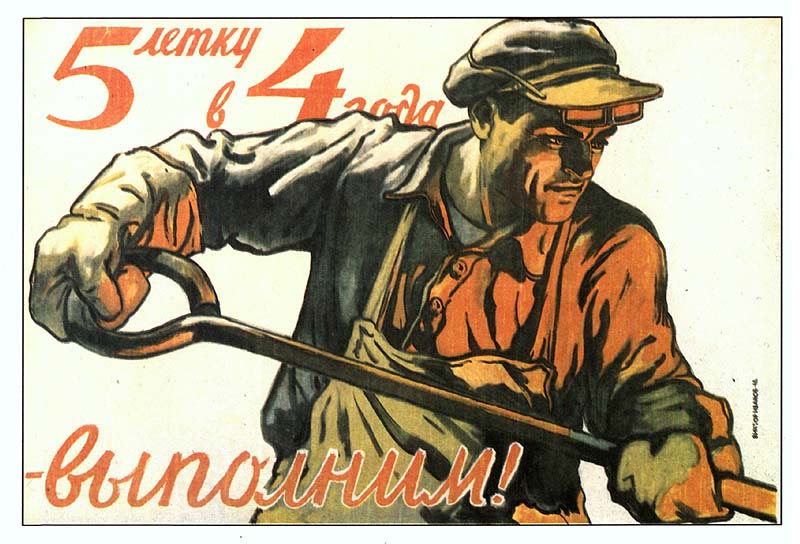
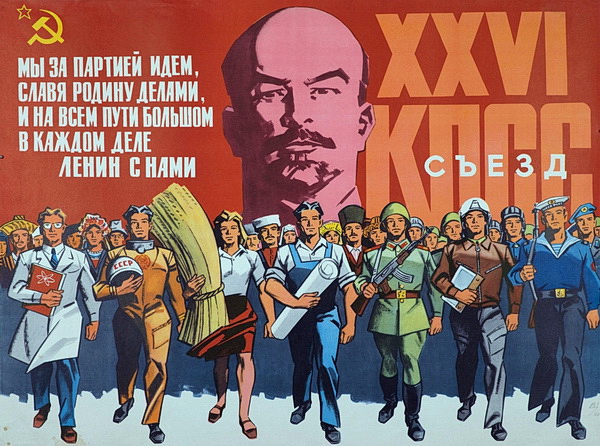
Фото: Советские агитационные плакаты 1950-е - 1980-е гг. Фото из открытых источников.
_______________________________________
[1] Амальрик А. Просуществует ли Советский Союз до 1984 года? // Погружение в трясину (Анатомия застоя). М., 1991. С. 646. Автор заменил «круглую» дату 1980 на 1984. Именно так называлась известная книга Дж. Оруэлла.
[2] Гайдар Е.Т. Государство и эволюция. Как отделить собственность от власти и повысить благосостояние россиян. СПб.: Норма, 1997. С. 90.
[3] Согласно ленинской теории в силу «неравномерности развития капитализма» мировая революция могла начаться в самом «слабом звене» в цепи капиталистических стран и лишь потом перекинуться на более развитые страны. После того как развитые страны последуют примеру России, они облегчат победу социализма и в странах «второго эшелона».
[4] Гайдар Е.Т. Государство и эволюция. С. 102.
[5] Гимпельсон Е.Г. Советские управленцы. 1917–1920 гг. М., 1998. С. 194–195.
[6] Гимпельсон Е.Г. НЭП и советская политическая система. М., 2000. С. 331.
[7] Коржихина Т.П., Фигатнер Ю.Ю. Советская номенклатура: становление, механизмы действия // Вопросы истории. 1993. № 7. С. 29.
[8] Джилас М. Беседы со Сталиным: Лицо тоталитаризма. М., 2002.
[9] Гайдар Е.Т. Государство и эволюция. Глава IV.
[10] Там же. С. 104.
[11] Сахаров А.Н. 1930: год «коренного перелома» и начала Большого террора // Вопросы истории. 2008. № 9. С. 40–41.
[12] В современной политологии под авторитарным понимается режим с неограниченной властью одного или нескольких лиц, не допускающий политической оппозиции, но сохраняющий автономию личности и общества вне политических сфер. Под тоталитарным понимается режим, когда государство стремится подчинить себе все общественные институты и вмешиваться во все мыслимые и немыслимые вопросы общественной жизни.
[13] Гайдар Е.Т. Аномалии экономического роста. Т. 2. М.: Евразия, 1997. С. 383–385.
[14] Экономика переходного периода. Очерки экономической политики посткоммунистической России. 1991–1997. М., 1998. С. 43.
[15] Там же. С. 46.
[16] Ленин В.И. Полн. Sobr. Op. М.: Политиздат. Т. 34. С. 203–204.
[17] Леше П. Советы // Политология. М., 1995. Вып. 3. С. 39.
[18] Бирюков Н.И., Сергеев В.М. Становление институтов представительной власти в современной России. М., 2004. С. 62.
[19] Там же.
[20] Леонов С.В. Рождение советской империи. М., 1997. С. 177, 186.
[21] Бирюков Н.И., Сергеев В.М. Указ соч. С. 62.
[22] Медушевский А.Н. Демократия и авторитаризм: российский конституционализм в сравнительной перспективе. М., 1997. С. 509.
[23] Ленин В.И. Полн. Sobr. Op. Т. 38. С. 170.
[24] Во время дискуссии о профсоюзах в 1920–1921 годах Ленин резко и определенно поставил вопрос о неспособности рабочих в массе руководить сложными процессами жизни государства, назвав это сказкой // Ленин В.И. Полн. Sobr. Op. Т. 42. С. 253.
[25] Там же. Т. 41. С. 24, 102–103.
[26] Там же. Т. 42. С. 48.
[27] Шишкин. V.A. Power. Policy. Economy. Послереволюционная Россия (1917–1928 гг.). СПб., 1997. С. 16.
[28] Бирюков Н.И., Сергеев В.М. Указ соч. S. 66.
[29] Если Хрущеву еще приходилось вести дипломатическую борьбу – причем без особого успеха – за статус главы государства, то во времена Брежнева Генеральный секретарь ЦК партии признавался таковым независимо от того, занимал он государственный пост соответствующего ранга или нет.
[30] Шестаков В.А Социально-экономическая политика советского государства в 50-е – середине 60-х годов. М.: Наука, 2006. С. 33–36.
[31] РГАСПИ. Ф. 82. Оп. 2. Д. 147. Лл. 82–83.
[32] Президиум ЦК КПСС. 1954–1964. Черновые записи заседаний. С. 511.
[33] Конституция (Основной закон) Союза Советских Социалистических Республик. М., 1988. С. 63.
[34] Сырых В.М. История государства и права России. Советский и современный периоды. Textbook. М.: Юрист, 1999. С. 387.
[35] Найшуль В.А. Высшая и последняя стадия социализма // Погружение в трясину (анатомия застоя). М.: Прогресс, 1991. С. 31.
[36] По справедливому суждению Е.Т. Гайдара, строй был разъеден изнутри его собственным правящим классом. См.: Гайдар Е.Т. Государство и эволюция. S. 109.
[37] Шкаратан О.И., Фигатнер Ю.Ю. Старые и новые хозяева России (от властных отношений к собственническим) // Мир России. Т. 1. 1992. № 1. С. 72.
[38] Гимпельсон Е.Г. Советские управленцы. 1917–1920. С. 198.
[39] В конце 1920-х годов «партмаксимум» был отменен.
[40] Ленин В.И. Полн. Sobr. Op. Т. 38. С. 15–16.
[41] Там же. С. 267, 271.
[42] Там же. С. 209.
[43] Гайдар Е.Т. Государство и эволюция. С. 123–124.
[44] Там же. С. 120.
[45] Брутенц К.Н. Несбывшееся. Неравнодушные заметки о перестройке. М.: Международные отношения, 2005. С. 19.
[46] Сунгуров А.Ю. Функции политической системы: от застоя к постперестройке. СПб., 1998 С. 36–37.
[47] Гайдар Е.Т. Государство и эволюция. С. 132–133.
[48] Брутенц К.Н. Decree. Op. С. 24.
[49] Отменены секретные акты // Известия. 30 ноября 1990 года.
[50] Яковлев А.Н. Записка М.С. Горбачеву «Императив политического развития» о необходимости всестороннего реформирования советского общества // Александр Яковлев. Перестройка: 1985–1991. М., 2008. С. 34.
[51] Всего с 1934 по 1953 год за контрреволюционные преступления в ГУЛАГ НКВД было заключено около 6,9 млн человек. Многие из них были осуждены « тройками » и Особыми совещаниями , помимо органов суда и прокуратуры. (См.: Смыкалин А.С. Колонии и тюрьмы в Советской России. Екатеринбург: УрГЮА, 1997. С. 132; Кудрявцев В.Н., Трусов А.И. Политическая юстиция в СССР. М., 2000. С. 305, 346).
[52] А.Н. Шелепин в 1958–1961 годах возглавлял КГБ СССР.
[53] Президиум ЦК КПСС. Т. 1. С. 525–526.
[54] Государственная безопасность России: история и современность / Под общ. Ed. Р.Н. Байгузина. М.: РОСПЭН, 2004. С. 639.
[55] Общество и власть. Российская провинция. 1917–1980 годы (по материалам нижегородских архивов.) Т. 5. М., Н. Новгород, 2008. С. 75.
[56] Яковлев А.Н. Decree. Op. С. 34.
[57] Сунгуров А.Ю. Decree. Op. С. 75–76.
[58] Государственная безопасность России: история и современность / Под ред. Р.Н. Байгузина. С. 656.
[59] Там же. С. 694.
[60] Государственная безопасность России: история и современность / Под ред. Р.Н. Байгузина. С. 655.
[61] Лубянка. Органы ВЧК-ОГПУ-НКВД-НКГБ-МГБ-КГБ. 1917–1991. Directory. М., 2003. С. 9.
[62] РГАНИ. Ф. 89. Оп. 33. Д. 16.
[63] Козлов В.А. Неизвестный СССР. Противостояние народа и власти 1953–1985 гг. М., 2006. С. 413.
[64] Там же. С. 427–429.
[65] Козлов В.А. Decree. Op. С. 422.
[66] Там же. С. 434.
[67] Сунгуров А.Ю. Decree. Op. С. 64.
[68] Ленин В.И. Полн. Sobr. Op. Т. 6. С. 232.
[69] Орлов Б.П. Истоки перестройки // ЭКО. 1989. № 5. С. 11.
[70] Симонов Н.С. Военно-промышленный комплекс СССР в 1920–1950-е годы. М., 1996. С. 33.
[71] Орлов Б.П. Decree. Op. С. 15.
[72] Гордон Л.А., Кабалина В.И. Заработная плата: вчера, сегодня, завтра // Общество в разных измерениях. Социологи отвечают на вопросы. М., 1990. С. 85.
[73] РГАСПИ. Ф. 82. Оп. 2. Д. 167. Л. 9–10.
[74] Речь Н.С. Хрущева на заседании Генеральной Ассамблеи ООН 18 сентября 1959 г. // Жить в мире и дружбе. Пребывание Председателя Совета Министров СССР Н.С. Хрущева в США. 15–27 сентября 1959 г. М., 1959. С. 167.
[75] Хрущев С.Н. Никита Хрущев: кризисы и ракеты. В 2-х томах. Т. 1. М., 1994. С. 409.
[76] Абрамов Ю.А Основные направления «хрущевской» военной реформы (1953–1964) // Россия в ХХ веке. Реформы и революции. В 2-х томах. Т. 2. М., 2002. С. 496–497.
[77] Симонов Н.С. Decree. Op. С. 295.
[78] Советская социальная политика. Сцены и действующие лица. 1940–1985. М.: Вариант, ЦСПГИ, 2008. С. 18.
[79] Народное хозяйство в СССР в 1980 г. Стат. ежегодник. М., 1981. С. 387.
[80] См.: Замечания Н.С. Хрущева к записке о проекте основных направлений развития народного хозяйства СССР на 1966–1970 гг. // Source. 2003. № 6. С. 184.
[81] Хрущев С.Н. Указ соч. Т. 2. С. 427–428.
[82] Капитанец И.М. Битва за мировой океан в «холодной» и будущих войнах. М.: Вече, 2002. С. 200.
[83] Спеклер М., Ожегов А., Малыгин В. Конверсия оборонных предприятий: выбор стратегии // Вопросы экономики. 1991. № 2. С. 13.
[84] Гонтмахер Е. Социальная защищенность: от иллюзий к реализму // СССР: демографический диагноз. М., 1990. С. 471.
[85] Активная социальная политика: поиски, находки, решения. М.: Мысль, 1986. С. 8–9.
[86] ЭКО. 1988. № 7. С. 17.
[87] Лопатников Л.И. Pass. К 15-летию рыночных реформ в России. М.–СПб.: Норма, 2006. С. 52.
[88] Римашевская Н.М. Народное благосостояние: мифы и реальность // ЭКО. 1988. № 7. С. 17.
[89] Общество и власть. Российская провинция. Т. 5. 1965–1985 гг. (по материалам нижегородских архивов). С. 400–401.
[90] Социальное развитие СССР. Стат. Collection. 1990. М., 1991.
[91] Президиум ЦК КПСС. 1954–1964. С. 484, 486.
[92] Либерман Г.Е. План, прибыль, премия // Правда. 9 сентября 1962 года.
[93] Бирман И.С. Я – экономист (о себе любимом.) М.: Время, 2001. С. 179–180.
[94] См.: Зверев А. Против схематизма в решении сложных вопросов // Вопросы экономики. 1962. № 1;Федорович М. Надо смотреть вперед // Экономическая газета. 1962. № 45; Федорович М. Не прибыль, а снижениесебестоимости // Правда. 20 сентября 1962 года; Воробьева А. Исходной базой стимулирования может быть только план // Вопросы экономики. 1962. № 11; Бор М.З. Внутренняя противоречивость предложений проф. E.G. Либермана // Экономическая газета. 1962. № 46; Гатовский Л. Создать новую систему планирования // Там же; Сухаревский Б. О совершенствовании форм и методов материального стимулирования // Там же. Илюшин С., Рушенбур А. За более эффективные методы хозяйствования // Плановое хозяйство. 1965. № 1; Петраков Н.Я. Некоторые аспекты дискуссии об экономических методах хозяйствования. М. 1966.
[95] Немчинов В.С. О дальнейшем совершенствовании планирования и управления хозяйством. М., 1965. С. 53.
[96] Бовин А. ХХ век как жизнь. Memories. М.: Захаров, 2003. С. 204.
[97] Л.И. Брежнев. 1964–1982 // Вестник Архива Президента РФ. М., 2006.
[98] Там же. С. 130.
[99] Бовин А. Указ соч. С. 204.
[100] Решения партии и правительства по хозяйственным вопросам. М., 1968. Т. 5. С. 658–685.
[101] На Западе эта реформа именуется «либермановской».
[102] По оценке А.Е. Бовина, в понимании политики Косыгин и Брежнев были «два сапога – пара». (См.: Бовин А.Е. Указ. соч. С. 140).
[103] Белоусов Р. Экономическая история. ХХ век. Prince. 5. М.: ИЗДАТ, 2006. С. 39.
[104] Брежнев Л.И. 1964–1982 // Вестник Архива Президента РФ.
[105] Бирман И.С. Decree. Op. С. 254.
[106] Некипелов А.Д. Очерки по экономике посткоммунизма. М.: ЦИСН, 1996. С. 61–62.
[107] Там же.
[108] Медведев В.А. Реформы 1965 и 1987 гг.: борьба за выбор пути // Ольсевич Ю., Грегори П. Плановая система в ретроспективе. М.: Теис, 2000. С. 75.
[109] Там же. С. 78.
[110] Сахаров А.Д. Воспоминания в 2-х томах. Т. 2. М.: Права человека, 1996. С. 661.
[111] Бовин А.Е. Decree. Op. С. 212–213.
[112] Ольсевич Ю., Грегори П. Указ. Op. С. 74.
[113] Экономика переходного периода. Очерки экономической политики посткоммунистической России. 1991–1997. С. 63.
[114] Мау В.А. Экономика и власть: политическая история экономической реформы в России. 1985–1994. М.: Дело, 1995. С. 11.
[115] Там же. С. 63–64.
[116] http://www.unlv.edu/centers/cdclv/archives/articles/zaslavskaya_manifest.html
[117] Заславская Т.И. Мы не знали того общества, в котором жили // Пресса в обществе (1959–2000). Оценки журналистов и социологов. Documents. М.: Институт социологи РАН, 2000. С. 334.
[118] О совершенствовании производственных отношений социализма и задачах экономической социологии // Заславская Т.И. Российское общество на социальном изломе: взгляд изнутри. М., 1997.
[119] Пресса в обществе (1959–2000). Оценки журналистов и социологов. Documents. М.: Институт социологи РАН, 2000. С. 335.
[120] Черняев А.С. Совместный исход. Дневник двух эпох. 1972–1991. М.: РОСПЭН, 2008. С. 516–517.
[121] Теоретические взгляды Андропова и поныне не очень ясны. Поэтому неизвестно, как далеко он мог пойти в реалистическом переосмыслении коммунистической общественно-экономической формации, даже оставаясь в рамках ортодоксальной марксистской теории.