
Translated material
In the world - Russian, in Russia - a traitor, in Ukraine - an enemy
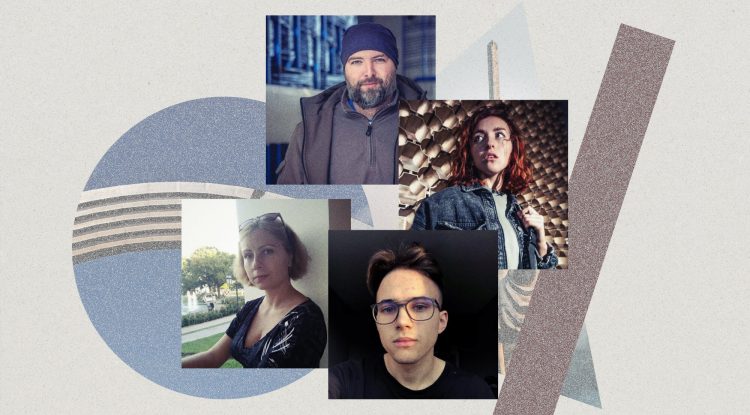
On the eve of the war, thousands of people with Russian passports lived in Ukraine. Now they do not want to be Russians, but Ukraine does not accept them
Since July 1, Ukraine introduces a visa regime for Russian citizens. Meanwhile, before the war, tens of thousands of people with Russian passports and permits for living in Ukraine lived in Ukraine. After February 24, their legal status is formally “frozen”, however, in reality, those who end with the validity of the documents are facing deportation - and they refuse to extend them in the migration service. "Cold" tells the stories of Russians who came to Ukraine to create families and do business, but in the end turned out to be strangers for both countries.
On the night of February 22, 2022, the 26-year-old Nina Avdeeva ( the name was changed at her request.-Approx. “Cold” ) flew with a large suitcase wrapped in film from her native Khabarovsk to Kiev to get married and stay in Ukraine.
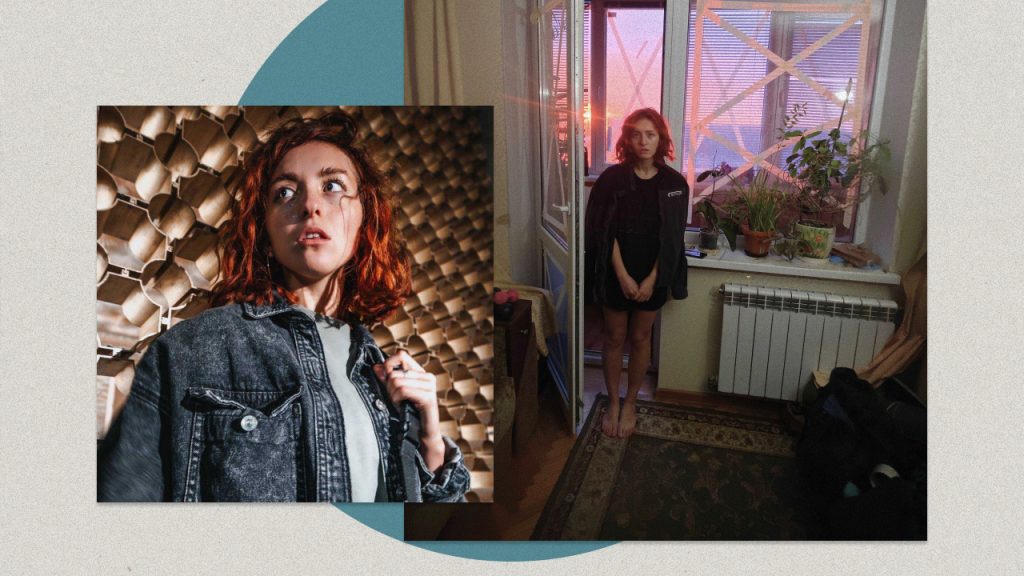
With Yaroslav ( the name was changed at his request. - Approx. “Cold” ) from Vyshgorod, a small town in the Kiev region, they corresponded for a long time on the Internet, and last summer Avdeeva came to visit him. “Looking at Kyiv, I realized that I have nothing to do in my native Khabarovsk,” the girl says. “We decided that I would return [to Ukraine], and we will get married.” Avdeev’s move was planned for February - in January she wanted to “from the principle” in Khabarovsk, the birthdays of her closest relatives.
In the summer of 2021, on the border near Avdeeva, the documents were simply checked and missed. Six months later, everything was different: the girl waited several hours while she was called for an interview. In a conversation with the border guard, she honestly admitted that she was going to get married in Ukraine - and received a refusal at the entrance: in her invitation the purpose of the trip was tourism.
Avdeeva spent the next day at the airport in anticipation of a free reverse flight to Warsaw, from where it flew to Kyiv. From Poland, she wanted to try to come to Ukraine again in a few days. The girl did not fit on the plane, which flew on February 23, and she again spent the night in the waiting room: besides her, there were several more people there. At five in the morning, an employee of the Zhulyany airport approached Nina and said that her plane turned around and was flying back to Poland. Avdeeva opened the news on the phone - and found that Vladimir Putin announced the beginning of a “special military operation” in Ukraine.
“After a few minutes, 12 fighters with machine guns ran to our floor,” recalls Avdeeva. - The military put us in the center of the hall so that in which case fragments of windows would not fly to us, but they themselves began to prepare the airport to prepare. The fighters and border guards treated us carefully, distributed water, one even handed me an painkillers of a pill when he noticed that I was tormented by a headache. ”
Having made sure that the airport has not yet been sheated, the border guards put an Avdeeva stamp about entering Ukraine, gave the passport and said "run as far as possible." After some time, a boyfriend came behind her. When they drove into Vyshgorod, fighters flew over them.
The next few weeks of Avdeev and his future husband spent in constant fear. “Something was flying all the time, and it was not clear whether it was our shells or enemy, Russian,” the girl says. - Having read about Buch in early April, I caught a panic attack - it seemed that I was suffocating. Every morning, getting up at six o’clock, I sent SMS to my parents that we had experienced night. ” At the very end of February, Avdeeva decided to send a donation to the Armed Forces through the Sberbank application, after which the bank blocked its account.
On May 29, when the day of Kyiv was celebrated, Nina and Yaroslav went for a walk to the capital. At one of the checkpoints they asked for documents, and then they got it out of the minibus. It turned out that Avdeeva exceeded the short -term stay limit in Ukraine (for people from countries with visa -free entry it is 90 days). The girl was detained and taken to the police station.
It's time to give birth to a child
According to the Ukrainian Migration Service, about 150 thousand Russians who view the temporary or permanent residence are in the country. Those of them who have the validity of the documents expired after February 24, now found themselves in an incomprehensible status: they have ceased to accept Russians, like Belarusians, in the migration service. The Russian authorities did not conduct mass evacuation from Ukraine; Some Russians tried to use the Foreign Assistant application and reach hot lines, but they worked badly .
23-year-old Julia moved to Kyiv last year-simply because she liked the city, and in Russia she did not hold her (according to her, she works as an English and assistant tutor at various projects). In January, the girl received a temporary residence view - it is valid for a year. At the end of February, she began to be afraid to leave the house alone and began to avoid the metro, where she could ask her documents. “Once, having come to the analogue of the MFC for a certificate of registration, I saw a grandmother who told the employees that she was a Russian woman, her children are Ukrainians,” recalls Julia. - She stopped receiving a pension and now did not know what she would live on. Her employees politely escorted her, explaining that she should contact her migration with her problem, and then laughed among themselves, saying that they sent her after the Russian ship. This is not enough, but it still is. You hear this on the streets, and therefore, to be honest, I don’t want to give myself out once again, say that you are Russian. ”
According to the girl, she began to feel that she had lost the right to “open my mouth”, to lead her blog, even just to go with someone together in the car due to the risk of problems at the checkpoint. “I was very driven very much, to such an extent that it was impossible to breathe,” she continues. -My status in the world was Russian, in Russia-a traitor, and in Ukraine in the worst case-the enemy and representative of the aggressor country. And in the best - just no one, because the migration service continues to be silent. "
In such a suspended state, many Russians who moved to Ukraine discovered in the last four months. Petersburger Vladislav Marev last summer opened a Chinese tea store with friends in Kharkov, and in January he himself moved to the city where his girlfriend lives. The first few days after February 24, they almost did not get out of a tiny basement in her house, and Harev was seriously afraid that he, as a Russian, could be captured. When it became clear that the war was for a long time, Harev began to administer the telegram chat “Russians in Ukraine”: at the end of June, 610 people are trying to jointly solve general problems.
According to Marev, who entered Kharkov as a tourist and only planned to legalize, at first, Ukrainian government agencies informed the Russians that “any periods of stay are frozen” - in other words, if a person was legally in the country as of February 24, then his stay remains legal now. However, on April 27, when Marev ended the limit of stay in the country, he found that everything was not so simple: in the migration service of Kharkov he was told that there was nothing to worry about, and in the central office of the department in Kyiv, where Vladislav called just in case, they said that he should urgently leave the country. The attempt to legalize through the marriage also failed: "All registry offices in which we were refused us, and one employee of the Kharkov registry office said that she did not even know whether she could talk to us."
On June 8, a petition was published on the website of the President of Ukraine on behalf of Russian citizens living in the country: the author demands to allow candidates for Ukrainian citizens to allow the citizenship of Russian aggressors and Belarusian citizenships without contacting their consulates. She has not yet received the move, and many chat participants believe that the text is written in a too ultimatical style. Now they make up their appeal to the Ukrainian authorities - to the migration service, the Ministry of Foreign Affairs, the National Bank - in which the whole set of problems that the Russians living in Ukraine are going to describe.
However, many relate to difficulties with understanding. “My country attacked Ukraine, and each of the Russian citizens may turn out to be a saboteur or collaborator, and there is not enough resources to check all the resources,” says Karina Molchanova ( the name was changed at her request. “Approx.“ Cold ” ), who married the Kharkiv citizen in 2021 and moved to Ukraine. The temporary residence permit given to her then recently expired, and in order not to complicate the life of herself and the state who accepted her, Molchanova left for Poland. It is not easy for her to have changes - the girl has work (since May she has been involved in a project related to cryptocurrencies), but without a husband who remained in Ukraine, is bad. According to her, at least a chat with other Russians helps not to desperate a little - in it she made friends with a Russian with the same problems that also left for Poland. “When I found this conversation in Telegram, I felt better,” says Molchanova. “[A new acquaintance] helped plan my departure, and indeed - our communication with her helps not to feel lonely.”
After Nina Avdeeva was taken to the police on May 29, she was interrogated for five hours, and then they were allowed to come to the migration service department the next day. There the girl was registered, a fine of 3,400 hryvnias was written to her and advised to try to get the status of a political refugee. “The police were very kind with me, they lamented that we could not get married,” says Avdeeva (like Harev with his girlfriend, he and Yaroslav in the Kyiv and Vyshgorod registry offices refused). - As a result, they invited me and Yaroslav to make a child and thus legalize. It's time to give birth to a child during the war. ”
Previously, a person could apply for international protection to the migration service - and get an answer within a few months. However, with the outbreak of war, all previous procedures stopped working. In case of all attempts to submit documents Avdeeva advised to wait for the end of the war. On the advice of a lawyer from the right -handed organization “Right to Zachist”, the girl filled out a questionnaire in which she justified why she could not return to Russia and needs to be defended (she indicated a story with a bank account blocking, as well as the fact that she voted in the elections through “smart voting”). Now she is going to send her by mail to the Main Directorate of the Migration Service. “All my interactions with them were oral until this day, and we need a specific document - whether they refused us or accepted the application for consideration,” Nina explains. - The lawyer told us that, most likely, now no one will give me the refugee status, but there is a hope that lists will form. Maybe in the summer something will move off the ground. ”
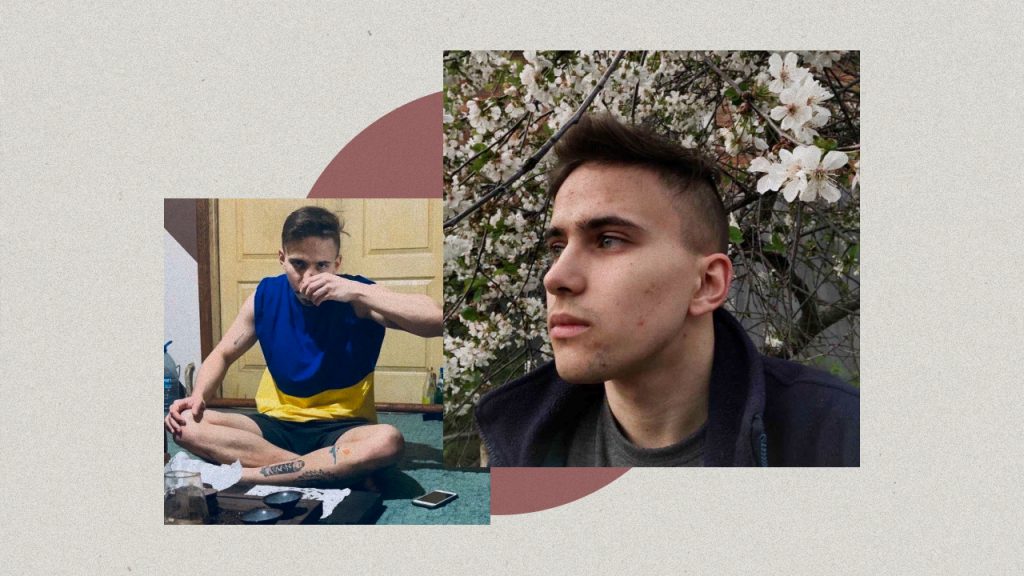
Vladislav Marev and his girlfriend are now going to get married abroad - and then arrange a marriage in Kharkov. Karina Molchanova and Julia left for Europe and do not yet know whether they can get back to Ukraine. As the Cold Coordinator of the Praise to Zachist, Svetlana Butenko, said, the organization does not yet know a single person whose migration service bodies of Ukraine would have accepted refugee status after February 24.
The war will never end
Many Russians who remained in Ukraine are more disturbing not even problems with the status. They do not understand how to deal with their own identity now.
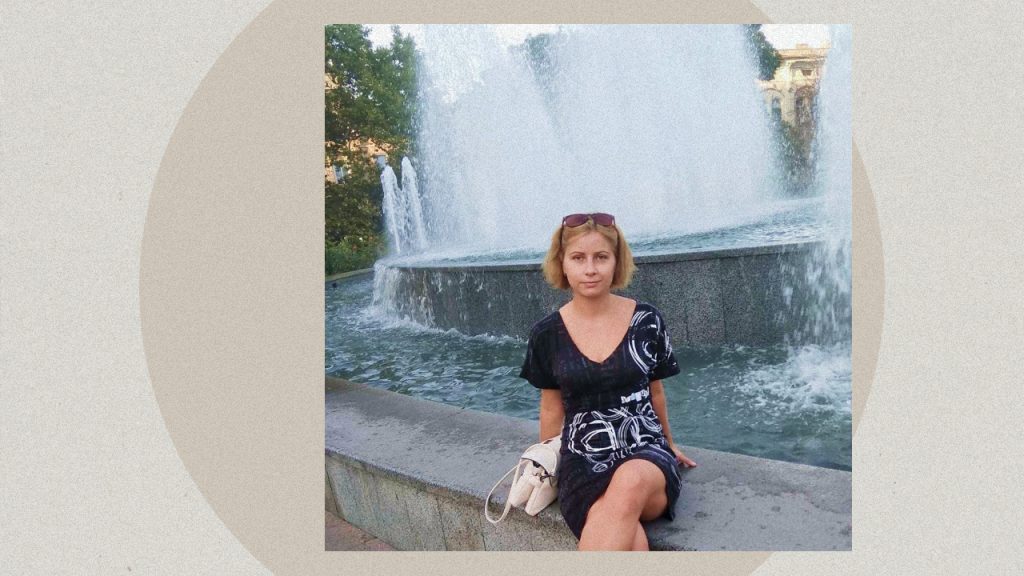
35-year-old Elena Popova moved to Odessa in 2013-even before the annexation of Crimea and the Russian Spring. For the past nine years, she tried to legalize in Ukraine, but did not succeed (Popova refused to tell the “cold” details). When the war began, Popova was left almost without money - because her bank card was blocked. Without customers-she worked as an Internet marketer and specialized in contextual advertising, and after February 24, the industry, according to her, is undergoing a deep crisis. In addition, she broke the latest ties with Russian relatives. But the most difficult thing was to cope with their own emotions. “I have never experienced such a terrible pain and such despair in my life,” she says. “I have to die in order to remain a person - this is the feeling that was born to me then.”
When Odessa expected the advance of the Russian troops, Popova tried to sign up in Terboron-but she was not taken there because of problems with documents. Now Popova helps Ukraine with the fact that he weaves camouflage networks for military equipment and sews camouflage robes for APU fighters.
“When the feeling of shock began to pass, I tried to figure it out and in my pain,” Popova continues. - It turned out that there are three components. Firstly, I feel the pain that Ukrainians are experiencing now: they came to kill, destroy cities, break a peaceful life. I feel hatred of Russia, empathize with all the dead and injured people. Secondly, I feel that Putin destroyed Russia in one day, deprived the future of all its citizens. It's beyond reclaim. Third: my personal situation. It is actually not important now, this is a grain of sand in the sea, you need to help others. But Personally, Putin, as a citizen of Russia, smeared the blood of Ukrainian children. I can’t raise my head and look into the eyes of others. Russian citizenship is a black shameful spot, it is a stigma with which I can’t imagine how to continue to live. The war will once end, it will certainly end with the victory of Ukraine. There will be a peaceful life, the wounds will drag out, Ukraine will be restored. And for me this war will never end. ”
The war forced to treat their homeland and other Ukrainian Russians-almost all of them talk about collective and personal responsibility for what is happening, and few are ready to compromise with compatriots. “The other day after three arrivals died down in the area, I came across a video on the Internet, where the locals of Belgorod from afar look at the rocket flying from their territory and say:“ Come on, winged, my good, fly to these Nazis, ”says Vladislav Harev. - At such moments, I want them to understand what this means when a rocket flies to you. Of course, in the society of such people I could not be. ” According to him, he knows that they were sent to Ukraine, including conscripts from his area in St. Petersburg, but for him it does not change anything: “They are military criminals and invaders for me, and where they come from, I am indifferent.”
“The fact that the Embassy of the Russian Federation evacuated their employees, and their citizens who remain in the territory that they do not stop bombing were abandoned to their fate, is meanness, like everything that this regime creates,” adds Julia. She, too, is not going to return to Russia, although she had friends and parents left there. Moreover: when Russian troops threatened Kyiv, the girl “fell” into the west of Ukraine. Including, she admits, because she was afraid that the Russian military could do with her if she finds out that she was a Russian woman living with a Ukrainian.
“If you could change my passport to Ukrainian, I would have used such a function for a long time. I finally said goodbye to Russia on February 24, ”says Julia. “I understand that from now on this is not my house, and I don’t want to feel Russian anymore.” “I try not to call myself Russians anymore and I don’t consider myself such,” Vladislav Marev almost repeats the words of a girl with whom they are not familiar. “The state in which I grew up killed in me patriotism, love for the Motherland, understanding what homeland is and how important it is.”
However, he is also not ready to call himself a Ukrainian - like other Ukrainian Russians. “To call yourself a Ukrainian, one must understand something about the history of Ukraine, know the language, and I do not possess this knowledge,” says Nina Avdeeva. “I felt shame when the Ukrainians provided me with some help,” Karina Molchanova recalls. “I was even ashamed to accept products from volunteers, although I was in the same conditions as the Ukrainians and was legally in Ukraine.”
Elena Popova is still in an incomprehensible legal status: she does not have a formal right in Ukraine and any check can lead to deportation. According to her, one of the few things that she can rely on is a visit to the colloquial club of the Ukrainian language, where she signed up in the spring. “Absolutely different people go there, but all these people are united by their patriotism,” says Popova. For her, citizens of Russia, this patriotism is now to abandon the language of the invaders and switch to Ukrainian.
All were outlawed
In 2006, when Maxim Goshovsky was 18 years old, he moved from his native Nizhnevartovsk to Dnepropetrovsk to study at the university and not go to the Russian army - his mother was from Ukraine, and in childhood he was often “called Khokhl”. He became a 3D visualizer, programmed sites, was engaged in the production of clothes, and also became noticeable in the Dnieper (as the city is called since 2016) zoo defender and activist.
«Когда в 2013 году начался Майдан, я сначала на него не обратил внимание: ну окей, люди вышли на улицу, они имеют право выражать свою позицию, — вспоминает Гошовский. — Но когда их начали избивать, я уже не смог сидеть дома и наблюдать за этим со стороны. Как зоозащитник я привык к крови, привык к жестоким ситуациям. Поэтому на Майдане я помогал медикам, прикрывал их собой».
До 2014 года Гошовский находился в Украине по виду на жительство, но после начала войны в Донбассе решил, что не может больше «находиться с двуглавым орлом за пазухой». Он получил гражданство Украины — но, чтобы оно стало постоянным, по закону он в течение двух лет должен был отказаться от российского. «[Чтобы это сделать,] мне нужно было выписаться из нашей с мамой квартиры в Западной Сибири и приватизировать ее. Дистанционно я провернуть это не смог бы, — объясняет активист. — Из-за того, что я был активным участником Майдана, был волонтером в зоне АТО, вывозил тела из-под Иловайска, я понимал, что в России могу быть задержан».
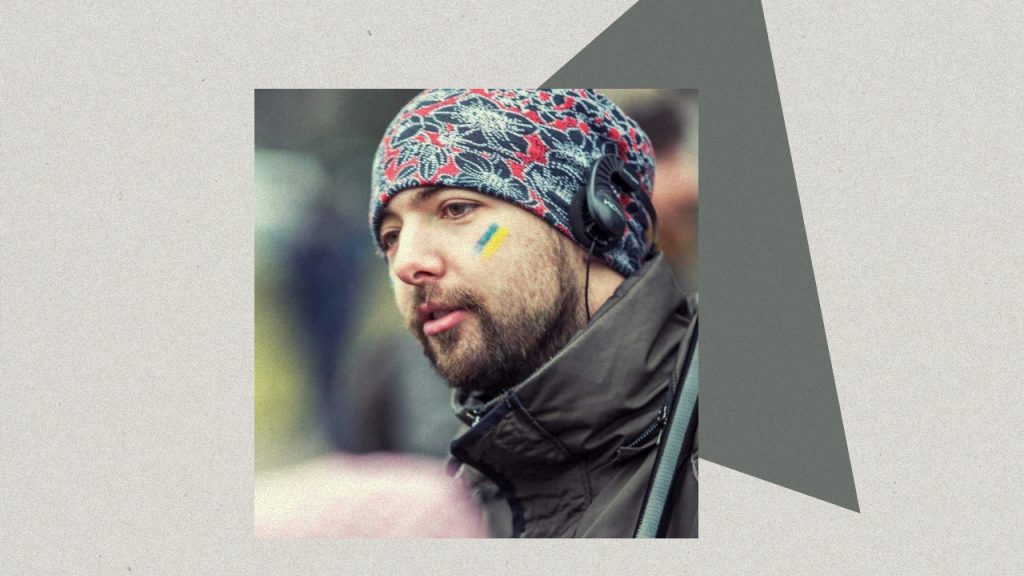
В миграционной службе, по словам Гошовского, ему посоветовали не рисковать — вместо этого можно было просто каждые два года выезжать из страны, заезжать снова и заново оформлять временное гражданство (оно дается как раз на два года). «Так я и делал, — вспоминает Гошовский. — В 2019 году у меня закончилось временное гражданство, я вылетел в Турцию, влетел в Украину, заново подал документы на получение гражданства, получил временную справку на два года». В следующий раз он отправился в Турцию в декабре 2021 года — а когда вернулся, оказалось, что приняли новый закон: «Если тебя лишили гражданства ( формально Гошовского дважды лишили временного гражданства. — Прим. “Холода” ), то ты больше не имеешь права подавать на гражданство Украины на том же основании, что в прошлый раз».
Объяснения активиста не сработали: его обязали покинуть страну. Гошовский улетел в Египет, потом снова приехал в Украину по российскому паспорту и начал собирать документы для вида на жительства, чтобы дальше судиться с миграционной службой и отстаивать право на получение гражданства. Чтобы получить украинские документы, ему не хватало только справки о несудимости. 26 февраля Гошовский должен был получить ее в российском консульстве в Харькове.
Когда началась война, Гошовский остался в Украине и полностью перешел в активизм: он занимается волонтерской работой, а его пошивочный цех теперь вместо поло и футболок шьет наколенники для бойцов ВСУ. Его легальный статус не определен — и в середине мая у него возникли проблемы. «На одном из волонтерских выездов, когда я из Киева вез гуманитарку для животных в Днепр, меня тормознули на блокпосту, пробили по базе миграционной службы. Раньше проблем не возникало: я выходил, рассказывал свою историю и меня пропускали, — говорит Гошовский. — В этот раз на блокпосту в Решетиловке [в Полтавской области] стоял очень правильный парень, который ни на шаг не хотел отступать от данных ему предписаний. Он сообщил обо мне в миграционную службу. Пока мы ждали приезда сотрудников РОВД, я рассказал ему свою историю, он погуглил мою фамилию и имя, и сказал такую фразу, которая меня очень сильно умилила: “Блин, Максим, честно, мне самому стыдно, что я тебя задержал. Можно выйти на одиночный пикет, чтобы тебя поддержать, чтобы ты получил гражданство?”»
Гошовского забрали в отделение полиции, где он пробыл четыре часа, объясняя, что давно живет в Украине, а его легальный статус сейчас «заморожен». Однако, когда ему вернули его паспорт, в нем Максим обнаружил штамп, обязывающий его покинуть Украину до 9 июня — под угрозой депортации в страну происхождения.
Гошовский не уехал — он пытается обжаловать решение полицейских в суде, и пока он не состоится, депортировать его не могут. В украинских соцсетях появились посты в его поддержку — их авторы сравнивают Гошовского, прожившего в Украине 16 лет, и журналиста Александра Невзорова, которому в начале июня дали украинское гражданство без всяких бюрократических проблем. С помощью знакомых народных депутатов Гошовский несколько раз обращался к главе миграционного ведомства Наталье Науменко и каждый раз получал один и тот же ответ: «На данный момент Гошовский Максим не предоставил документов по миграции».
«Это замкнутый круг: они пишут, что я не подал документы, а как я их мог подать, раз их не принимают? — возмущается Гошовский. — И я ведь такой не один! Cколько я читаю сообщений в телеграме от россиян в Украине, что они не могут продлить свой ВНЖ и не знают, как им быть! Сколько иностранных волонтеров и даже добровольцев в ВСУ сталкиваются с такой проблемой! По факту мы все оказались вне закона».
Гошовский продолжает помогать украинской армии поставками амуниции и жалеет о том, что не может быть ближе к боевым действиям. После эвакуации раненых и убитых из Иловайска в 2014 году у активиста развился посттравматический синдром. «Я физически не могу ездить в сторону Донецка, меня начинает, что называется, крыть, — рассказывает он. — Восемь лет у нас идет война, я продолжаю терять своих друзей… А я ведь жил в России, я видел изнутри, как наш город превращается в полицейский регион. Я хочу жить в правовом государстве, где не могут просто прийти и отнять твою жизнь, свободу, имущество. Я поэтому и вышел на Майдан — чтобы здесь не было, как в России».
Совсем недавно Гошовский узнал, что его фамилия происходит из села Гошев — оно находится в Ивано-Франковской области на западе Украины. Максим надеется, что суд закончится в его пользу — и он сможет туда попасть.