
Translated material
Regime format: if only they would not overthrow
Yashin was taken . Lobanov was taken . A person who is open to war has one road in Russia. In prison. Duma call anti -war views "anti -Russian." Equalized. And they offered all scientists and teachers with such views to quit themselves. And then, probably, also in prison, if they do not take the path of correction. Boris Johnson is already calling : let's go to us. And if they still want to stay at home, both politicians and scientists? In a conversation about this-political scientist Abbas Gallyamov , philosopher Denis Grekov and biochemist scientist Alexander Goldfarb . The program "Faces to the event" Elena Rykovtseva is conducting.
Video version of the program
Elena Rykovtseva: What are the events in Russia? Such that everyone who has not yet been drunk, will manage. We look at the plot of the latest landings.

Width PX Height PX
The url has been copied to your clipboard
No Media Source Currently Available
0:00 0:02:33Elena Rykovtseva: Abbas Galyamov is in touch with us. You remember, there were quite many times when we said: well, why the authorities are "New Gazeta", "Echo of Moscow"? All this was called "windows." Do you have the feeling that even now, they still left some individual opposition politicians as “windows”, and now you have decided to close the topic of “windows” at all?
A person who is open against war has one road in Russia - to prison
Abbas Gallamov: I agree in meaningfully what you said, but I think the word "window" is not very operating: from a technological point of view, it does not explain very well what is happening. The fact is that most of Russians really do not like mass repressions, including even supporters of the regime - it is very important to fix it. They do not like the opposition - this is understandable, but most of Putin’s supporters do not like them. The mode understands this perfectly, good sociologists are sitting in the Kremlin, they correctly interpret the data obtained and understand that it is impossible to make repressiveness the main characteristic of the regime. When a person begins to speak - “Putin”, “Kremlin”, the first thing that comes to his mind: there should be no word “repression”, suppression of freedoms, democracy, and so on.
Some other definitions should come to mind to the layman; Ideally, if the layman says - patriotic, cares about the people. Even if it’s not so positive, some more neutral characteristics, but most importantly, that a person does not say “repressive” on the move, because if the repressiveness becomes the main characteristic of the regime, it is goodbye to the legitimacy. The ratings are already falling, but then nothing will remain at all. It is possible to rule exclusively on a power resource, but not very long, historically it will still be doomed power. So that the authorities do not feel doomed, so that people do not feel that it is doomed, it should still have some kind of social base. In order not to lose her, I tried the regime; It is clear that he applied the authorities, applied repression, but still wanted this to be not his only characteristic. Therefore, they left people such as Ilya Yashin and Julia Galyamin, that is, bright opposition were left at large.
Elena Rykovtseva: The same Navalny was left free for a long time, not rolled up as his brother, for example, whom they knew less.
Abbas Gallamov: You are absolutely right, this is a very good example confirming my point of view: Navalny was planted only after it became clear that it could not be planted in any way. After all, if Navalny remained at large, he would have tore “United Russia” during the Duma campaign, no electronic vote and so on would save power, or these falsifications would lead to a real mass protest. He was imprisoned when it became clear that the Kremlin’s control over the State Duma was really threatened. The fact that before that was not planted, trying to leave him at large, just confirms my point of view that the Kremlin understands the danger of rolling into a frank dictatorship, in the eyes of people, his supporters, at least he tries to look strong, capable of applying power, maybe even too hard, but still not frank dictatorship, not frankly repressive.
Mass repressions do not really like most Russians, even supporters of the regime
Now the situation seems to begin to change. The most interesting thing is ... I still do not have an unambiguous answer that this is Putin Lee gave it good or the security forces, taking advantage of Putin’s weakening (and Putin is obviously weakening), have already begun an independent game, that is, they themselves moved in the direction that they consider it necessary, twisting the nuts, putting Putin before the fact, realizing that he could no longer play back. That is, they make it their hostage. While he is trying to rule, relying on two instruments: both on the power and political - Kiriyenko, Gromov, Media, federal companies - and the security forces are trying to push the political bloc and turn the entire policy exclusively into the function of themselves. Or maybe Putin himself frankly decided to move in that direction. So far, not enough textures to confidently say whether the first is an option or the second.
Elena Rykovtseva: It turns out that so far Ilya Yashin, Vladimir Kara-Murza, now we will talk about Mikhail Lobanov, our wonderful Gost, who also sat for 15 days-these names, which are by ear, is still few. Probably, passers -by in Moscow will say that they know Ilya Yashin, but they also plant and repress people about whom they do not know. This is not even called demonstrative flogging, this is the repression of people for some unfortunate reposts, for the slogan “There is no war on the balcony, for the Mir bank card, which the person publicly held in his hand. What does it give them? It is not even politicians - these are just people who do not want war, but they are really planted.
The Kremlin understands the danger of rolling into a frank dictatorship and tries to look strong, but still not frankly repressive
Abbas Galyamov: You are looking for a political meaning where it may not be in principle. These people are planted not because the Kremlin or someone else decided that it was objectively politically profitable. The Kremlin simply decentralized violence, transferred control over political violence to the security forces, to a large extent the security forces themselves took it to themselves, and now this is a consequence of just the fact that the security forces have too many power. That is, they plant themselves, and they think the least about the political component, do not think about political consequences. This is not the audience that operates with such concepts as ratings, legitimacy, election campaign, and so on. They just know that there are enemies, respectively, you get stars for struggling with these enemies. These arrests do not pursue some political goal, they were routine, turned into a consequence of what was happening in the country.
Elena Rykovtseva: Do you think that Putin may not take part in the decision to roll everything to the last grass or leave some other feathers? This, of course, is their work, the purpose of their whole life. So, if this decision to destroy all the living is transferred into the hands of the security forces, there is nothing to count on? So, everyone who is against the war should now make a decision, stay and be silent or really leave?
Abbas Galyamov: I cannot confidently say that Putin no longer takes part in all this. This is a very dynamic process, it unfolds right now. For now, no one can confidently talk about what is happening, including players, including Putin himself, Patrushev, Bortnikov, Tourchak, Kirienko and others like them. Now a new configuration is developing. It is clear that the whole system has set in connection with newly emerging circumstances. The most important component of this movement is the weakening of the role of Putin as a moderator in relations between elite groups. A new reality is formed.
Can we say that everything is hopeless? Of course not. If the security forces finally receive this power into their own hands, it is clear that a lot of people will suffer. In general, security forces are a leaving historical nature. The regime cannot endlessly hold on to bayonets. It can hold out for some time, maybe for several years, but in any case, the final thing. As Napoleon said, bayonets are good for everyone except one - it is impossible to sit on them for a long time. They simply destroy the economy, destroy their feed base, destroy legitimacy. Some election campaign will simply not survive the regime.
If you take out the fate of people as brackets, then, in fact, objectively speaking, to oppositionists, opponents of the regime, the final transition of the authorities to the security forces is historically beneficial, that is, this is already a doomed thing, this regime will collapse. Another thing is that, of course, a lot of people will suffer. You asked what to do? Of course, one must understand all the risks, they increase, will increase further, so the one who is not ready to take risks is probably worth leaving. Literally they just wrote to me that it seems like Ryzhkov left; I don’t know whether it is true or not, I have not seen confirmation in any media. It is difficult to condemn, left - well done, at least it will be alive.
The regime cannot endlessly hold on to bayonets, it will collapse
On the other hand, it must be understood that there are politicians (Aristotle has the concept of "political animal"), people for whom politics is so important that at some point it becomes more important for them even their personal well-being. Yashin did not leave, but went and sat down. In principle, this will contribute to its promotion, will contribute to the weakening of the regime. The same thing will happen as with Navalny, which before that happened to Mandelia. Objectively speaking, it is beneficial to Yashin, judging by the fact that he did not leave and took a chance (or Kara-Murza, or Navalny). My advice is to leave for someone, but no one. If you are ready to take risks, you are going with an open hare, honor for you and praise, such people are worthy of a final victory.
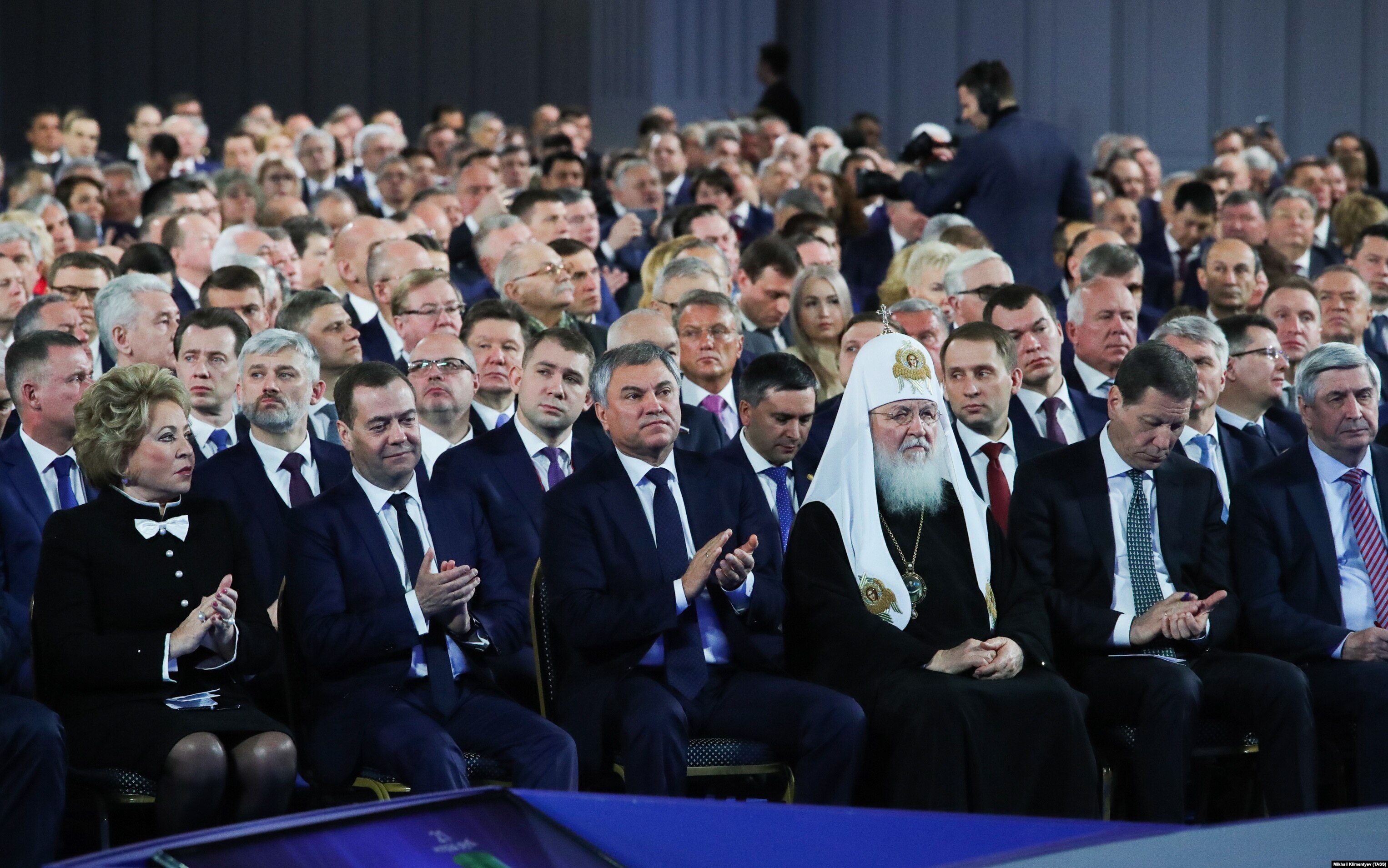
Elena Rykovtseva: This seems to be a large support figure: they call 80, 77, 65% of support for all this operation. But in fact, this is a pure truth: in real life, even in our polls, a stranger under a camera for public viewing, a lot of people say that they are against war. A mass of people against her, a lot of people cannot somehow not show their position. Now for the fact that a person is against, cannot accept this, the country is offered to clean the brains. Listen to the speaker GD Volodin.
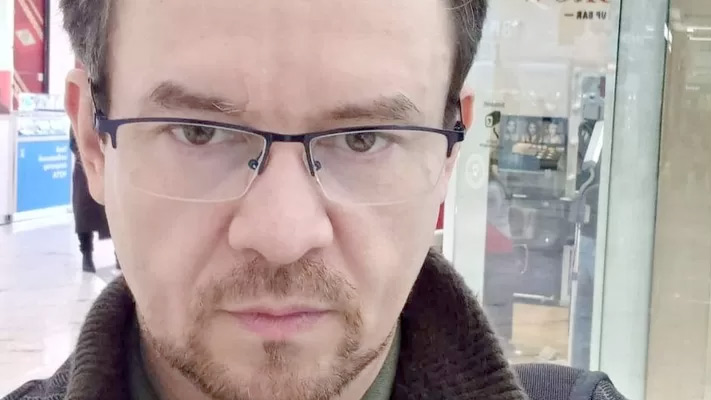
Elena Rykovtseva: Denis Grekov is in touch with us. Do you understand that it is you - a person who actually put a knife, that you, as a teacher, allowed yourself?
Denis Grekov: It was my Facebook post. I was always not embarrassed to speak out in social networks from my personal name, so I would not say that this post was some kind of special, he just cut it, it turned out.
Elena Rykovtseva: Our listeners simply do not know what the post was about. A post on the topic that there is no war.
Volodin clearly perceives the work of the teacher as the work of the propagandist
Denis Grekov: Yes, among other things, I opposed the war, although the general theme of the post was not entirely connected with the war. I analyzed how the war will affect certain propaganda strategies associated with the Second World War and the Great Patriotic War, which are used to control the mass consciousness. Including I spoke there about this war too.
Elena Rykovtseva: Then you cannot work with this position at the university, you are offered to leave, you leave, and then you also have to leave so as not to repeat the fate of the same Ilya Yashin.
Denis Grekov: Yes, that's right. The risk was too great, and I preferred to leave.
Elena Rykovtseva: You are not the only one. The rejection of this whole story is humanly more explainable than her acceptance.
Denis Greeks: This is an approach that can be called quite ideological, characteristic more for the era of totalitarian than modern states. In modern states, some kind of discussion is always acceptable, it is openly conducted, universities are generally free spaces for any scientific topics, for any reasoning, for conducting any discussions, including on the most controversial topics, and for a clash of various opinions on this subject. Therefore, what I heard from the speaker of the State Duma Volodin, I interpret as a return, in fact, maybe not to the totalitarian, but already to a completely Soviet system. He clearly perceives the work of the teacher as the work of the propagandist, only he must promote what Mr. Volodin needs, and not express his opinion about something else. Actually, this is the approach. He accuses teachers of propaganda in favor of some other states, but actually accuses them of that they are not propagandists of the regime. He perceives the education system exclusively as a brain flushing system.
This war is one of the largest betrayals of the national interests of Russia
Elena Rykovtseva: There he had the word "anti -Russian position". Have you noticed how dashing the "anti -Russian" equated to "anti -war"? What do you think is how deep it is now entering the consciousness of citizens, that anti -war is equal to anti -Russian?
Denis Grekov: I think this is a deliberate statement. It is designed to impose such an attitude that anti -war is equal to anti -Russian. Although, from my point of view, in fact, this war is probably one of the largest betrayals of the national interests of Russia.
Elena Rykovtseva: We will now see another sad story about the fate of teachers, scientists who allowed themselves to show their position.
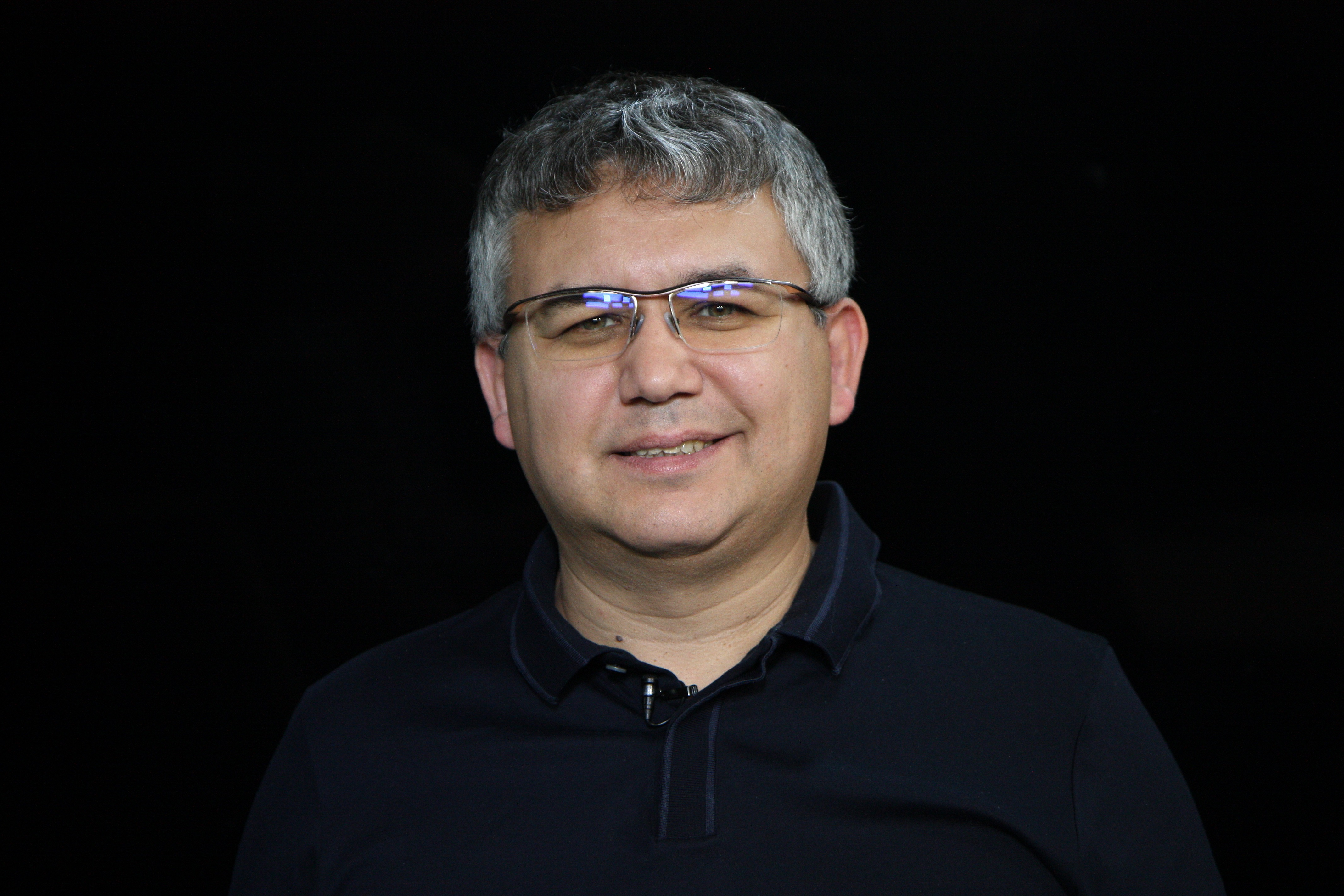
Elena Rykovtseva: Alexander Goldfarb , a scientist with us in touch. We just discussed the political part of the matter with Abbas. When they roll up the opposition, they probably think that this does not affect the economy, but when they roll up scientists for a position and squeeze out, it is unprofitable to the country already purely physically, economically. Do you feel in the words of the State Duma speaker the threat that the country is simply tanned by the mental, scientifically?
Alexander Goldfarb: I do not really understand what you invest in the concept of "country". In the eyes of Volodin and the entire ruling team they are a country. For them, the front of dissent in the current situation of death is similar - this is a direct threat of their power. These people will go not to overthrow them not directly, but indirectly, because people in universities and schools affect the mass public opinion of youth. For them, there is no concept of the interests of the country, for them there is a concept of interests of a political group, which constitutes power. Accordingly, for them this is an existential threat, and they will put it in every possible way until they have forces, resources and opportunities for this.
In the eyes of Volodin and the entire ruling team they are a country, for them the front of dissent in the current situation of death is similar
Elena Rykovtseva: That is, the power is primary, and everything else, what people live, is secondary. They provided themselves, but the rest does not matter. What would you say about literally yesterday Boris Johnson's offering: guys, in the end, let's accept you, come? Maybe at least this will stimulate them to stop repressions against scientists, at least out of jealousy so that they do not get to another?
Alexander Goldfarb: I have a very strong feeling of deja vu, because we were already going through all this in the 70-80s, when so many had the opportunity to leave along the Israeli line. But anyone could get there, people did not even leave along the Israeli line, they were actively squeezed out, starting with the writer Volodya Maksimov, and even sent them, like Solzhenitsyn. It was about those who influence public opinion. You won’t go - we’ll put it. I was also told so at one time, and I, of course, left, because sitting is wrong.
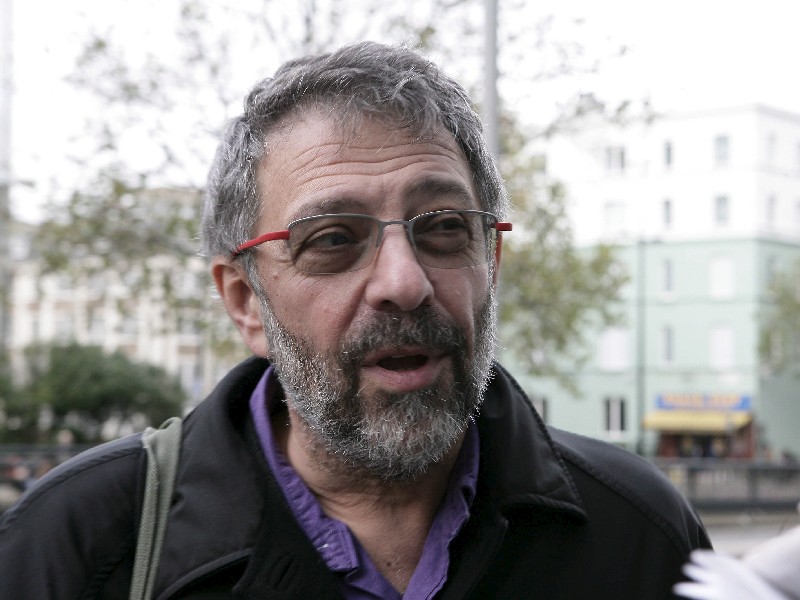
I do not agree with Gallamov that this is beneficial to any policy. For one Nelson Mandel, who in this way becomes a national leader, there are dozens of those who do not come out of there, and while they are sitting there, their effect is also quite small. There are people who think otherwise who cannot otherwise, such as Kara-Murza as Navalny, they could leave and did not leave, as Khodorkovsky before. I remember, somewhere in 1975, I walked along the embankment of the Moscow River with the founder of the Helsinsky group Yuri Orlov and said to him: "Yuri Fedorovich, you will be imprisoned." He replied: "No, when I understand that they are about to put me, I will take and leave." But he was imprisoned before he realized that they would definitely be imprisoned, and he sat for many years. Yes, there is such a line, it has always been to the Chekist estate - to squeeze abroad those who can form the foundation of another, alternative public opinion, because it is a threat to the power system. In this sense, it is a state threat, because they do not see the difference between the current system of power and the Russian state.
I have a very strong feeling deja vu, because we have already passed all this in the 70-80s
Elena Rykovtseva: Abbas, how do you explain this? Putin comes out, and all his speech-in some part of Ukraine, in some part-“America is to blame for everything, where they live badly and prevent us from living well”, but it is usually devoted to economics, prosperity, science, promises, and payments. Очень многое в том, что он говорит, строится на том, как заботятся об ученых, которые создают тот самый продукт, которым он так хвастается. Как будто бы вроде эти депутаты должны поддерживать этих людей. Они этого не делают, они им открыто предлагают валить, всем валить, кто не согласен. А поскольку несогласных много, они предлагают валить цвету российской науки. Вы не видите здесь противоречия – подрывать основы того, о чем Владимир Владимирович говорит, как о деле своей жизни?
Аббас Галлямов: Если Путин к чему-то нас и приучил, так это к тому, что верить тем словам, которые он произносит, это совсем дураком быть.
Елена Рыковцева: Они должны подыгрывать, или они не должны подыгрывать ему? Он играет в то, что он отец народа, но они же тоже должны подыгрывать: мы тоже за народ. А каким образом они могут быть за народ и за его процветание, если они отрубают огромный пласт ученых, преподавателей, лучшие мозги, которые двигают прогресс в Российской Федерации?
Аббас Галлямов: Вы поймали их на противоречии, которое объективно существует, с этим ничего не поделаешь. Две цели (одна долгосрочная, одна краткосрочная) действительно вошли в столкновение, оказались взаимоисключающими. Цели долгосрочного развития, конечно, требуют плюрализма мнений, расцвета дискуссий. Но эта цель противоречит краткосрочному интересу – интересу удержания власти. Путин, реализуя в своей реальной повседневной повестке вторую цель, тактическую, цель удержания власти, не забывает при этом время от времени проговаривать цель долгосрочную, пытаясь просто обмануть избирателя. Думцы вслед за Путиным тоже считают первую цель удержания власти главной, и они в данном случае ее реализуют. Они выдавливают из страны всех тех, кто угрожает, забыв о долгосрочных интересах.
Поскольку слова в российской политике ничего не весят, то, что они делают сейчас, совершенно не помешает им завтра выйти и на голубом глазу проголосовать за какое-нибудь постановление или даже придумать очередной законопроект о необходимости поддержки молодых ученых, и они снова будут говорить, что они за долгосрочное развитие, за расцвет науки, образования. Наличие противоречий между долгосрочными и краткосрочными целями как раз и говорит о том, что режим уже вступил в стадию упадка, заката. Когда цели входят в противоречие друг с другом, ты уже, в принципе, предпочитая краткосрочную цель долгосрочным, сам гробишь свое собственное будущее.
20 лет назад этого противоречия еще не было, режим был еще молод, свеж, у него было блестящее будущее. Сейчас это противоречие обозначилось, оно все более жестко встает в повестку. Теперь уже говорить о том, что у режима светлое будущее, не придет в голову никому, даже самым лояльным лоялистам. Поверьте человеку, который регулярно сверяет свою точку зрения с общественным мнением, проводя фокус-группы во время избирательных кампаний. Я вас уверяю, что последние несколько лет исторический оптимизм вообще исчез из тех формулировок, которые выдают избиратели, включая лоялистов. Еще пять-шесть лет назад они были полны надежд на то, что "с Путиным вместе мы построим светлое будущее, страна встанет с колен, сначала укрепим внешнеполитические рубежи, потом наконец-то наведем порядок в стране, все весело заживем". Вот сейчас этой надежды на то, что с Путиным весело заживем, вообще нет, даже у лоялистов, то есть у них мотивация уже не позитивная – "верим в светлое будущее", а негативная: а вдруг без Путина будет еще хуже? Они не верят в будущее, они его боятся. Это тоже говорит о том, что будущего у режима нет, потому что жить вчерашним днем, боясь будущего, до бесконечности невозможно, все равно в какой-то момент появится альтернатива, какой-то светоч, как, условно говоря, когда-то появился Ельцин на фоне Горбачева.
Наличие противоречий между долгосрочными и краткосрочными целями говорит о том, что режим уже вступил в стадию заката
Елена Рыковцева: Я назвала бы это белорусским синдромом. Много лет белорусы голосовали за Лукашенко (я не говорю о последних событиях двухлетней давности), лишь бы не было хуже: у нас есть маленькая стабильность, мы другого не хотим. Где-то россияне перешли к этому состоянию: нам хватит, нам достаточно.
Аббас Галлямов: На самом деле до бесконечности эта аргументация не работает. Люди по своей природе стремятся к счастью, они не хотят жить в ощущении постоянной боязни. Когда ты их постоянно заставляешь бояться будущего, в какой-то момент они бессознательно начнут искать альтернативы, в какой-то момент найдут их в ком-то, может быть, в несистемной оппозиции, в Навальном, может быть, в системной оппозиции, условно говоря, Зюганов сменится какими-то молодыми коммунистами, и там они увидят альтернативу. Может быть, даже в рамках самой системы родится какая-то альтернатива, как когда-то постфранкизм родился в рамках франкизма.
Стратегия запугивания будущим – это в любом случае стратегия временщика. Поэтому я и говорю об исторической обреченности. Режим сейчас уже функционирует в формате: нам бы день простоять, ночь продержаться. О долгосрочной стратегии речь уже не идет. День прошел, и слава богу, не свергли сегодня – дай бог, и завтра не свергнут, за эти два дня успеем что-то награбить, наворовать, а потом, может быть, удастся где-нибудь спокойно прожить старость: не в Швейцарии, в которую тебя не пустят, так, может быть, хотя бы в Геленджике.
Елена Рыковцева: Посмотрим опрос: что предлагают прохожие в Москве делать с теми учеными, преподавателями, которые против войны. Денис, кстати, там, где вы работали, вам предлагали как-то объяснять вашим студентам "правильные" цели и задачи этой "специальной операции"? У моей коллеги дочь учится в школе: им раздавали методичку, для чего нужна "специальная операция", семь пунктов, которые должны были усвоить дети. Для взрослых такое существует?
Стратегия запугивания будущим – это в любом случае стратегия временщика
Денис Греков: В моей практике этого не было, но руководство вуза собирало старост студенческих групп и стимулировало их доносить на преподавателей с антивоенной позицией. Студенты были в шоке.
Елена Рыковцева: Спасибо им за это.
Елена Рыковцева: Все время обращаю ваше внимание на то, что это люди, к которым подходят другие люди с камерой, и они не боятся высказаться на эту камеру. Вы можете себе представить: если эти люди находятся на очень небольшом участке территории за очень небольшое время, то сколько таких людей в реальной жизни! По-моему, много. Нам понятна мотивация политиков, которые знают, что их ждет, знают, какой срок их ждет, но они остаются, потому что все равно в любом случае это часть их политической карьеры. Знаете ли вы ученых, которые остаются не потому, что им некуда ехать: из принципа, занимая ту позицию, которую называют антироссийской, тем не менее, они остаются? Чем они при этом руководствуются?
Александр Гольдфарб: Трудно сказать. Каждый принимает решение в первую очередь в рамках своей собственной жизни, карьеры, личных обстоятельств и всего прочего. Если человек занимает четкую антивоенную – а это значит антигосударственную позицию, и он умный человек, то в нынешней ситуации ему ничего хорошего не светит. Либо он должен молчать, стараться пережить это время, либо он должен уезжать, либо он рискует. Поэтому всякие люди по-разному не хотят уезжать. Есть очень небольшое количество людей, которые считают, что они должны оставаться на своих местах вопреки своему конфликту с государственным курсом, из-за чувства долга. У одних это долг перед студентами, аспирантами, у других это долг перед наукой в высоком смысле, у третьих это долг перед семьей и так далее. А некоторые даже говорят, что у них долг перед Россией, что должны оставаться какие-то люди для того, чтобы это дело сохранить, чтобы огонь горел, тем не менее.
Исторически такие люди были и раньше, даже при нацистском режиме, и, естественно, при советском режиме. Это выдающиеся люди, некоторые из них пропали, некоторые смогли выжить, но режим из-за них не упал, потому что в те времена всех скрутили в бараний рог, и сейчас, видимо, будет то же самое. Этот режим упадет только в результате поражения в столкновении с коллективным Западом. Так что единственная серьезная надежда у этих людей – это дождаться этого дня.
Те, кто за войну, это в основном публика, не способная на личное политическое действо, на нее не положишься
Елена Рыковцева: Аббас, какие надежды мы должны вложить в то, что находятся люди, которые так себя проявляют? Не кажется ли вам, что, поскольку власть очень хорошо знает, сколько их, может быть, поэтому отменили "прямую линию" президента с народом? Если они знают реальное количество людей, которые против войны, может быть, они действительно не стали рисковать именно из-за этого?
Аббас Галлямов: По моей оценке, людей, занявших антивоенную позицию, сейчас примерно 32-36%, а людей, занимающих провоенную позицию, где-то 53-57%. Но надо принимать во внимание качество этих людей. Те, которые за войну, это в основном публика, не способная на личное политическое действо, они на улицу не выйдут, это в значительной степени конъюнктурная публика, на которую не положишься. Как только режим начнет слабеть, они побегут, как крысы с корабля. Те, кто занимает антивоенную позицию, несмотря на то, что их меньше, это, наоборот, как раз люди со стержнем, с характером, то есть это качественно другой электорат, это люди, способные к протесту, личному политическому действу.
В предыдущий год во время протестов, связанных с арестом Навального, казалось бы, протесту сломали хребет, очень жестоко с ним обошлись, не просто Росгвардия избивала людей, на протяжении месяцев участников протестов массово вылавливали с помощью камер видеофиксации и давали им реальные сроки. Но как только началась война, опять десятки тысяч людей по всей стране начали выходить на улицы, и в первые дни КПЗ были забиты людьми. Потом их опять силой выдавили с улицы, но протесты идут и сейчас: от почти каждый день проходящих одиночных пикетов до массовых расклеек, граффити и так далее, и заканчивая поджогами военкоматов. Протест меняет формы, будучи выдавленным с улицы, но он не исчезает в никуда, и эти люди настроены гораздо более активно и решительно, чем сторонники режима. Вы говорите о количестве людей, о том, много их или мало, а я все время призываю обращать внимание не только на количество, но и на качество.
Отмена "прямой линии" имеет несколько причин, и одна из них – та, о которой вы сказали. Безусловно, Кремль знает о реальных общественных настроениях. Другое дело, что он скрывает от нас эти реальные цифры, но сам он понимает, насколько сильно выражена антивоенная позиция. Конечно, он меньше всего хочет, чтобы Путин лично с ней столкнулся. И в первую очередь это все-таки связано даже не с тем, о чем вы сказали, а с тем, что Путин просто чувствует растерянность, ему по-настоящему нечего сказать. Нет военных успехов, хвастаться нечем. А лояльная публика – это та публика, которая любит и ценит его не за красивые глаза, а за политические победы. Акела, который промахнулся, это уже не Акела. Те, кто еще вчера послушно бежали за ним, после того, как он промахнулся, готовы ему глотку порвать. Путин сейчас явно промахнулся, видно, что он рассчитывал на блицкриг, но никакого блицкрига не получилось. И вообще, российская армия, от которой ожидали, что она за три недели дойдет до Ла-Манша, вместо этого через три недели вылетела из-под Киева и не может дойти до Харькова, какой-то Лисичанск у линии разделения захватили – и радуются этой великой стратегической победе.
Акела, который промахнулся, это уже не Акела. Те, кто еще вчера послушно бежали за ним, готовы ему глотку порвать
Это явное несоответствие тем завышенным ожиданиям, которые создавались на протяжении долгих лет. Это, конечно, ослабляет политические позиции Путина. Путин, безусловно, это чувствует, он, безусловно, растерян – это видно. Он не в состоянии регулировать конфликты элит, они уже выясняют друг с другом отношения в публичном пространстве. Недавно Володин с Турчаком друг друга публично, по сути, оскорбляли. При Путине, когда он был в форме, никто себе такого не позволял, все знали, что он может сурово наказать за такие вещи, когда элитное грязное белье тащат на публику и начинают при людях его демонстрировать и стирать. Если вдруг получится переломить ход войны и добиться каких-то серьезных успехов, конечно, он сразу же побежит с этим к народу, понимая, что успех легитимизирует. Но пока успеха нет, ни о какой легитимизации нечего и говорить.
Елена Рыковцева: Если это маркер, то мы надеемся, что этой "прямой линии" не случится никогда.