Translated material
"Now they are our gods"
In the Buryat city of Kyakhta, the military who died in Ukraine are ready to read for saints
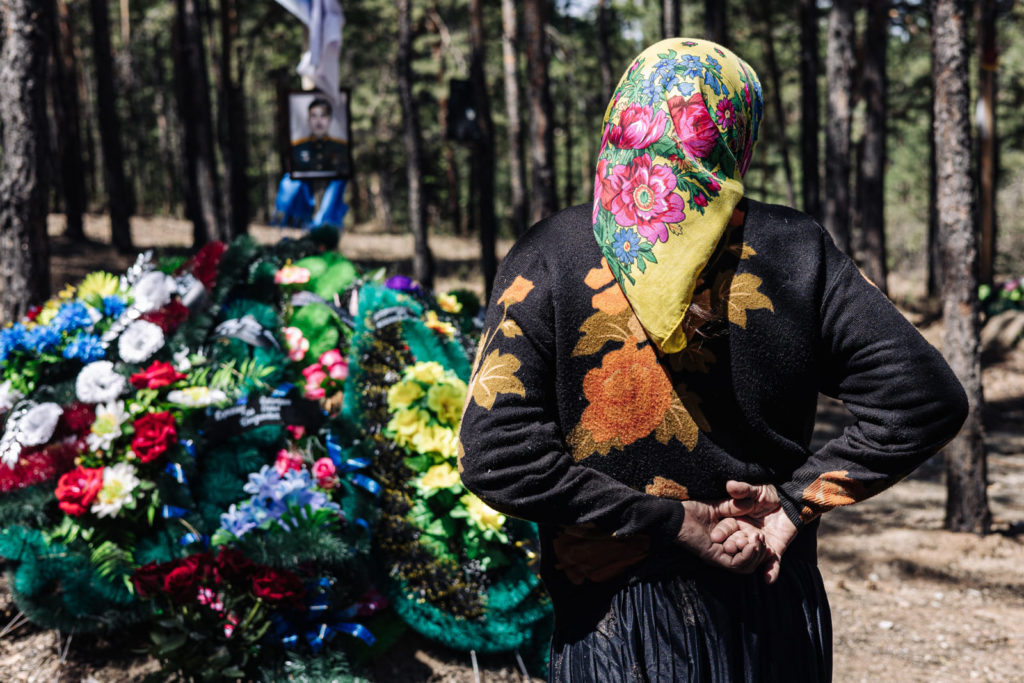
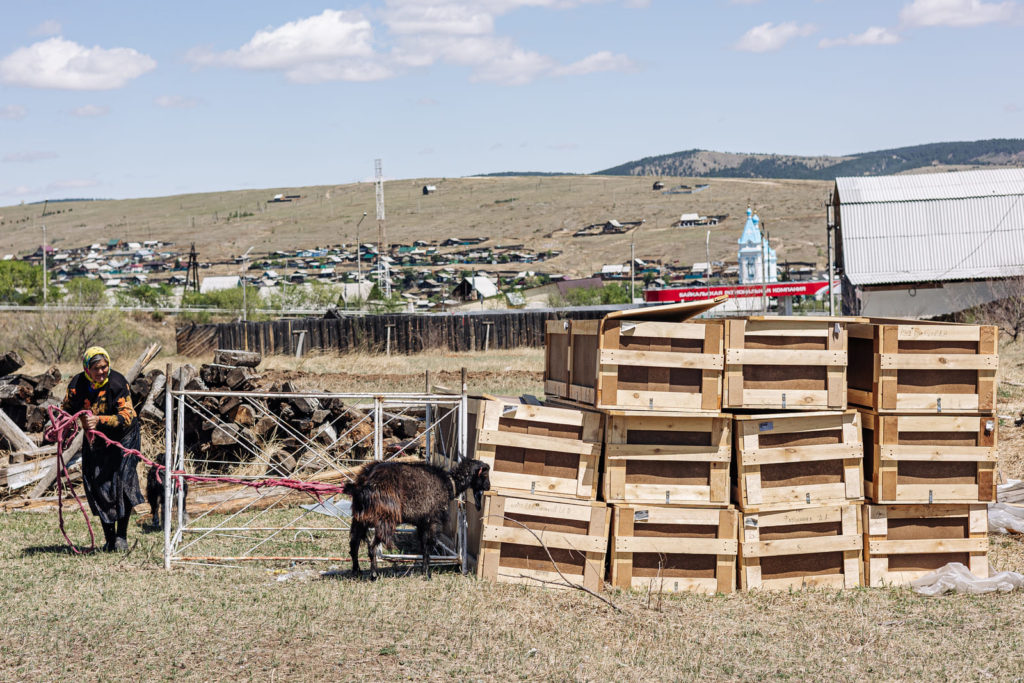
At the Kyakhta cemetery on the ground are eleven wooden boxes. They were carefully folded into several stacks. The names of the military who died in Ukraine are written on the boxes of the marker: Farzhnev, Tsybdenov, Agafonov, Shvetsov ... “Don’t be afraid, there is empty,” Elena Takhtaeva, the caretaker of the cemetery and reveals the lid. There is really nothing inside. Takhtaeva says that when a box is brought to the cemetery, inside there is a zinc coffin with the dead. “They got out zinc, taken to the morgue, there the boy is already transferred to another, beautiful coffin. And to us again - to bury, ”she explains. Elena baptizes empty boxes and sighs: “You will be in the sky, guys. That's the will of God. "
The caretaker of the Kyakhta cemetery in a bright yellow scarf and a black jacket with orange roses Elena Takhtaeva looks like a storyteller from Russian folk tales. Elena has been working in the cemetery for eight years: she was arranged here by the rector of the local church Oleg Matveev. Before that, she lived in a convent. Takhtaeva says that even in the pandemic "the people are not dead as now." She knows well where and when every Kyakhty military who died in Ukraine was buried.
“The first to Arutyun was brought, he was 18 years old,” Takhtaeva lists. - Such a brief boy was a believer. He went to the temple. Now mother and father are almost every day on his grave. Then Esipenko came. Then - Kozubenko, Stupin, Gromov, Tannyv, Agafonov. Then - Druzhinovich and Shestakov. "
Elena recalls who was in a closed coffin, and who was not. “Gromov was closed, Agafonov, too, Farshyov,” she lists. - Shestakov in the morgue made a little head. Agafonov, they say, the arms and legs were intact, only the head was damaged. And you can’t talk about Farshinov. But there was such a thing there! " After a moment of a second, Takhtaeva adds: "He burned."
Empty "Ukrainian" boxes lie on the ground near a metal fence to which the Kosel Yasha is attached. Yasha is confused in a rope and tries to free herself. He throws the rear hooves, getting on the fence or the boxes. “Take, cursed,” Takhtaeva shouts at him and warns the journalists of the LB. “You're more careful, you can fight.”
-And what will happen to the boxes?
“Maybe one of the rootless in them will be buried,” Takhtaeva replies. - Or tuberculosis (in the Kyakhtinsky district there is an anti -TB dispensary - LB) . You do not worry, everything will come in handy. I believe in it.
Tired of listening to a funeral orchestra
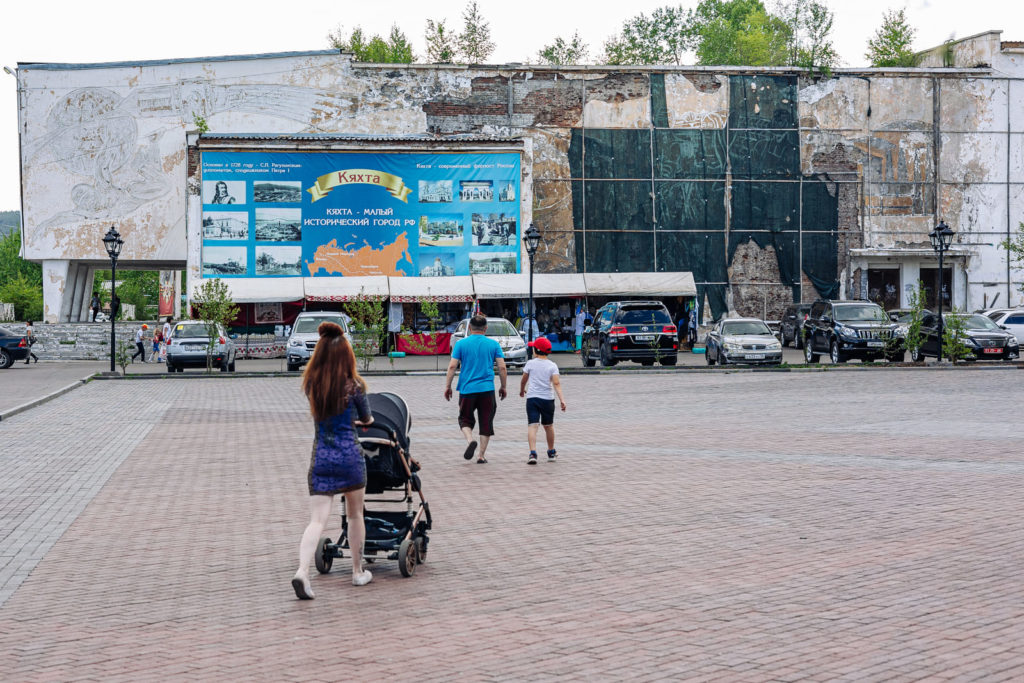
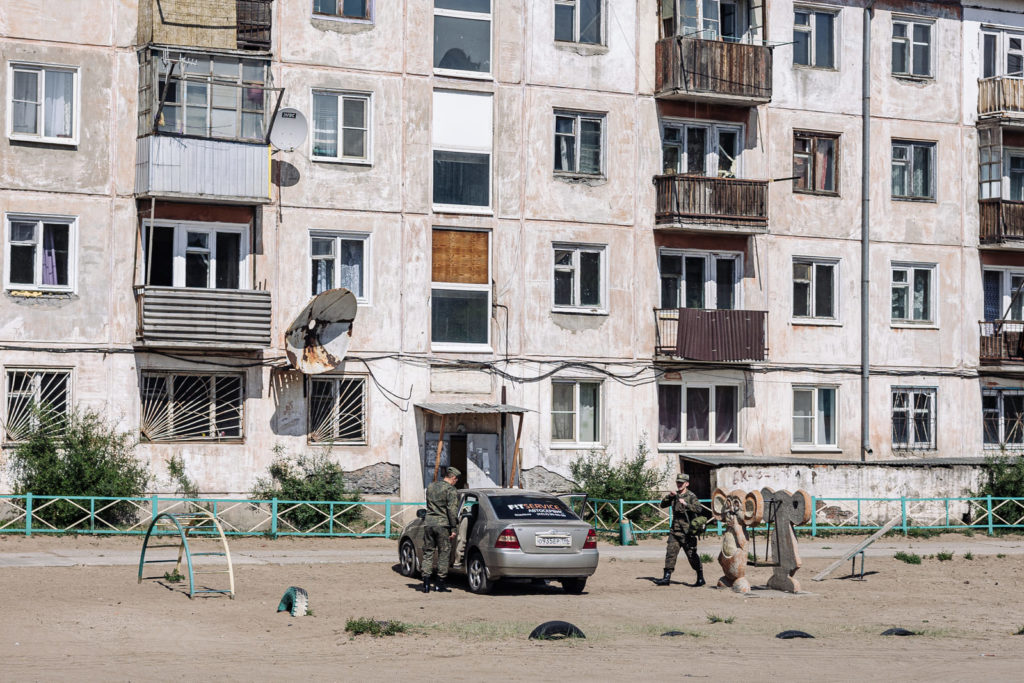
Kyakhta is a twenty -thousandth city in Buryatia. From the capital of the Ulan-Ude region to the city-only 230 kilometers. But you just won’t get there - a border zone with Mongolia. A couple of kilometers to Kyakhta - a border point. All motorists stop, check passports, some are asked about the purpose of entry. They trump, wanting a happy journey.
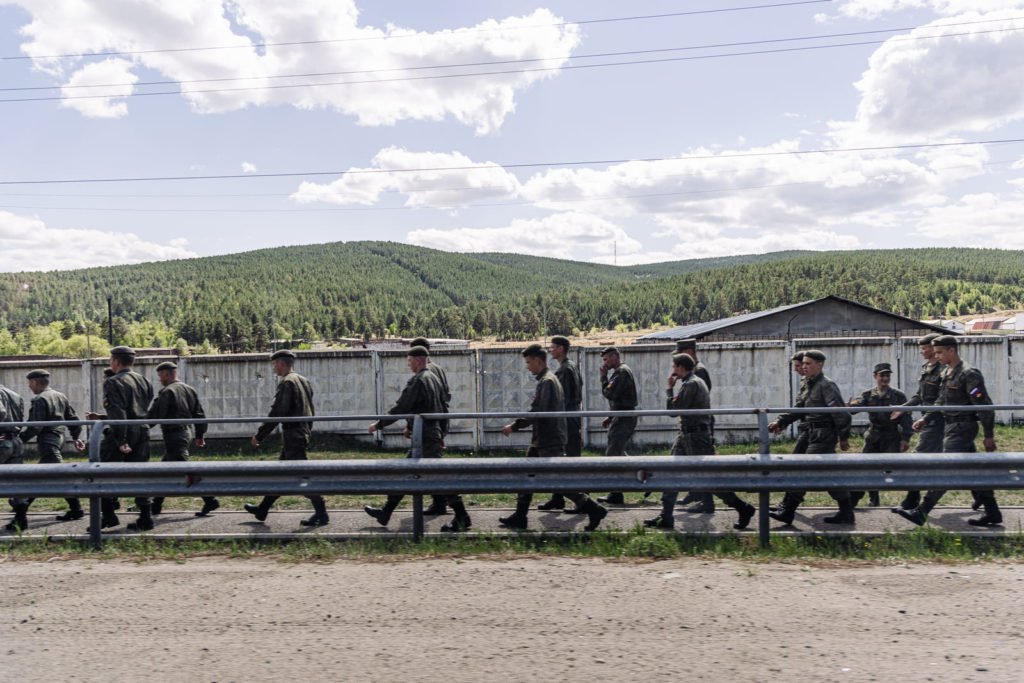
Already at the entrance to Kyakhta, gray concrete fences begin on both sides. Behind them are the barracks of the 37th Guards Motor Rifle brigade. “This is now the main thing is our city -forming enterprise,” the Kyakhtinsky local historian Alexander Kuzkin sighs.
The brigade stretched throughout Kyakhta, in its composition - several battalions, divisions and mouths. Already on the second day of stay in Kyakhta, it becomes clear: wherever you go - you will go into a fence, gates and prickly wire.
Since the beginning of the "special operation" in Ukraine, at least 45 military who served in Kyakhta died in Ukraine. They wrote about them in district public. Most of the dead - originally from the city or surrounding villages. Panichids on them most often take place in the Kyakhtinsky house of officers. A resident of the neighboring three -story building Elena (she asks to change her name) says she was already tired of listening to the funeral orchestra under her windows. “Whatever day, they play and play,” she says. “How many guys you can bury, God you are.”
Kyakhtinsky journalist Alexander Porfutdinov calls the mood in the city "depressed and no."
“Everyone has a reason for sadness and anxiety,” he says. “Ask anyone-everyone has anyone.” Farfutdinov is now working in the newspaper of the local military unit. “I miss everything through myself,” he says. - Recently, I go to the headquarters [parts] - a candle is also worth a portrait [the military who died in Ukraine]. I began to sob there. I know all of them. ”
Farfutdinov calls the Kyakhtinsky military "the best guys." The day before, Ukrainian publications reported the torture of the inhabitants of the city of Motyzhin, who accuse the five military military brigade. Alexander does not believe in this. “They can thump, they can tear themselves together, but to offend someone! How can I say that they participated in torture? " - argues Farfutdinov.
Alexander recalls that one of the contractors called his relatives in Kyakhta when, after the battle, he "rummaged through the swamps of the hungry." “He said then:“ Today I stole the products for the first time, I am so ashamed, ”Alexander reports. -Imagine, there was-and then he was embarrassed [to take something]. And to torture, rape - yes, no one will believe in it. ”
"Homeland in danger"
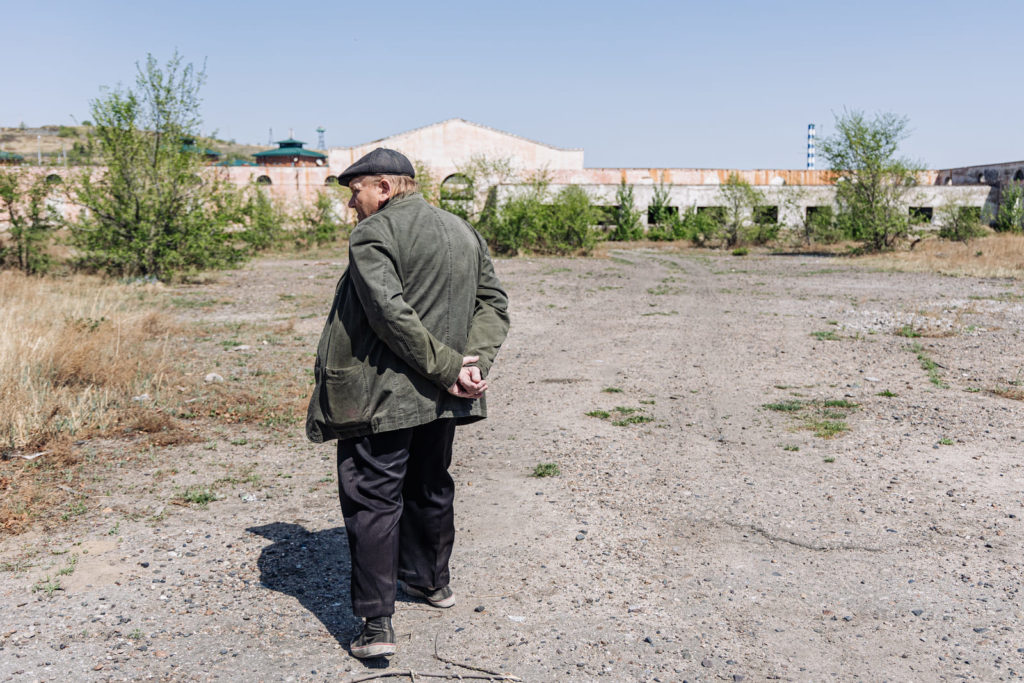
The local historian Alexander Kuzkin stands on the territory of the dilapidated Gostiny Dvor and reads the poems of his own composition about Kyakhta. Poems tell about the merchants who once lived here. There were so many money from China through Kyakhta to Russia - there were so many money that the place was called the “town of millionaires” and “sandy Venice”. Here, temples, schools, private theaters were built with might and main, there was even a planetarium. Now only Lenin Street resembles that Kyakhta (it used to be called large): here are still old merchant houses.
Kuzkin loves Kyakhta Non -Enhanced. He is not happy with the abundance of contractors in the city and says that he "parallel to the military units."
But the rest of the LB interlocutors do not believe that the military is “parallel” to Kyakhta. “Our people and the army are united,” says Bair Tsyrepilov, director of the Kyakhta Museum of Local Lore.
Tsyrepilov is a teacher of labor by education, although he dreamed of being a military man. At the request to show the most valuable in the Museum, Bair brings LB journalists to the hall dedicated to the Great Patriotic War, and rises near the Maxim machine gun. "This is our most-most!" He exclaims and circles the hall with his hands.
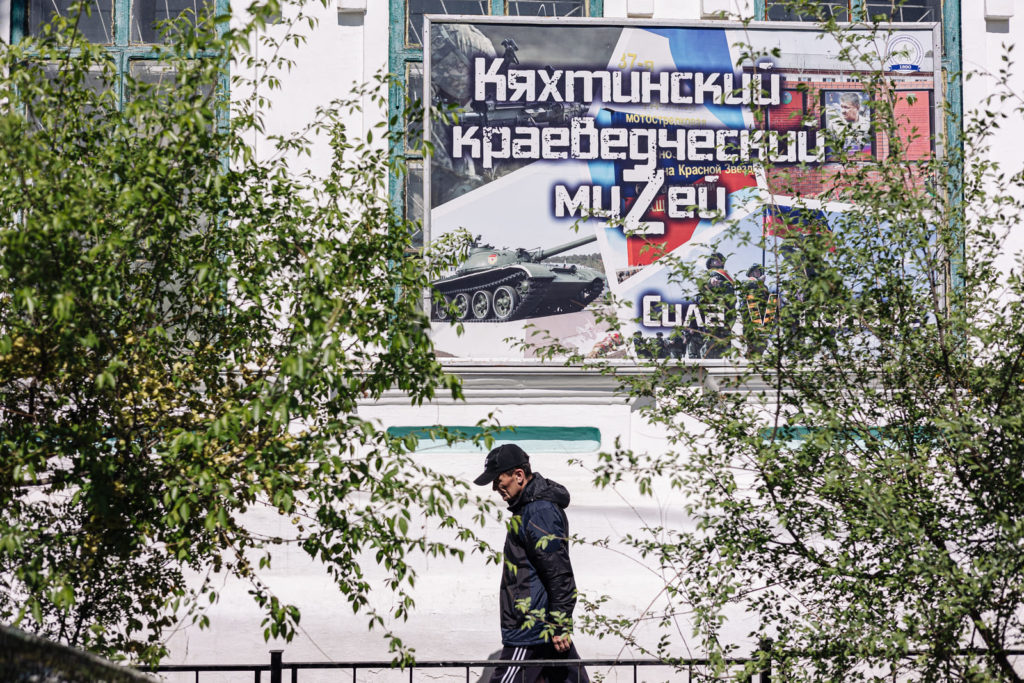
The museum building is pre-revolutionary, once there was a city school. Now a banner hangs on the facade, where, against the background of the military, it is written with the Russian flag: “Kyakhtinsky local history Muzy. Power V Pravda. " Bair Tsyrepilov decided to decorate the building. Hanged a banner in March. In the printing house, as the director recalls, they were surprised and clarified whether it was worth printing. “I tell them: the client is always right, do what I said. And that's it! " - Bair is getting excited.
Tsyrepilov argues that the attitude to contractors has now changed in Kyakhta. “Before that, we can say, we have not noticed the military:“ Well, they are traveling back and forth, ”the director explains. - And how they touched the protection of the homeland - the first they stood up. Now they are our gods. As in the pandemic gods were medical workers. ”
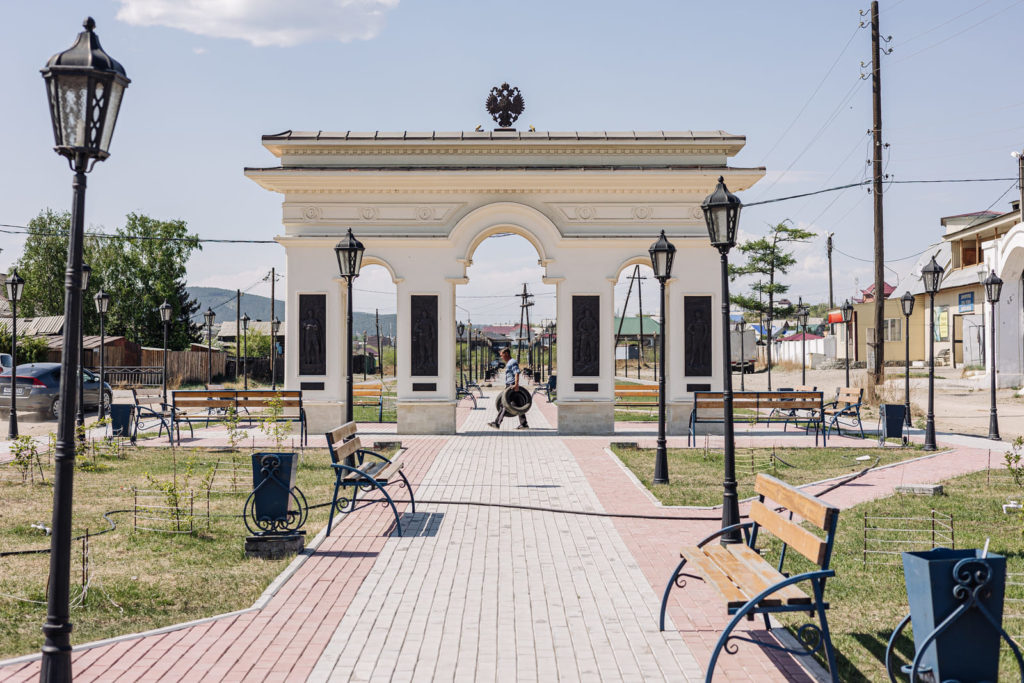
The director of the museum tells how he is expressed, "Divine History." On the night of February 24-25, alarm worked in the Orthodox hall of the Kyakhtinsky Museum. The Rosgvardeans came to the museum. They found that two ancient icons of the Savior of the Emergency fell onto the icon of the Virgin, because of which she was tilted. They did not find any signs of hacking. Director Tsyrempilov turned to the local priest Oleg Matveeva for a consultation with the local priest. He called the incident "mystical sign."
“As if they told us: well, be prepared, the homeland is in danger. Well, start there, ”Tsyrepilov interprets what happened.
Some museum workers skeptically took such an explanation and suggested that the icons were simply poorly fixed. But Tsyrepilov does not agree with them: “Why then the icons did not fall on February 22, for example?” - asks Bair a rhetorical question.
"Will be saints"
“This story with icons means: the truth is with us,” says Archpriest Oleg Matveev. He compares the case in Kyakhta with what happened at the end of April at the Vishnevsky hospital. Then, some darkening appeared on the door in intensive care, where the wounded Russian military. The priest, who visits the patients, said that this was the face of the Virgin.
“Yes, difficult times have come, but we need to invigorate,” says Matveev.
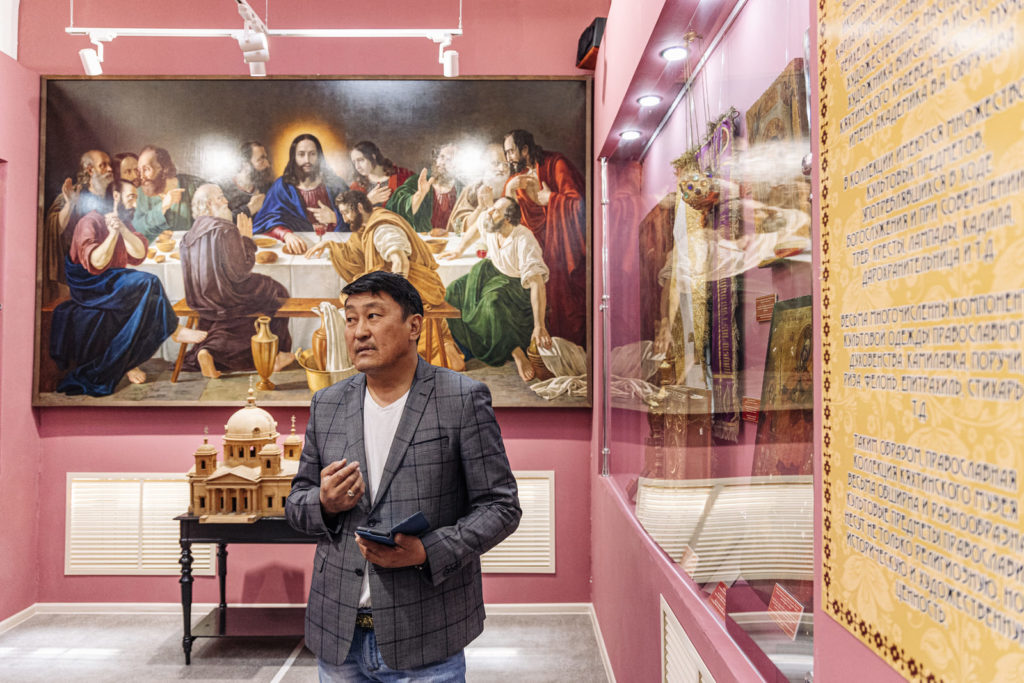
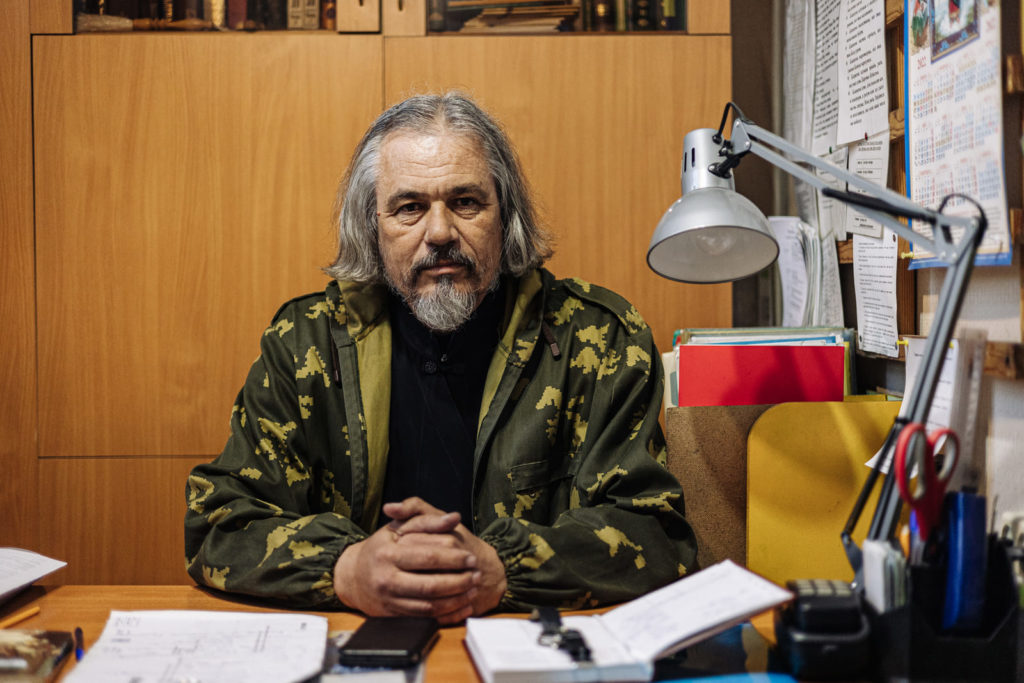
Oleg Matveev has been working as the rector of the Assumption Cathedral in Kyakhta since 1995. He meets LB journalists in a camouflage jacket, worn out of the cassock. “This is so, on the household,” he says, pointing to the jacket. It smells of paint inside the temple: the walls are tinted in white, and Matveev monitors the process.
The 61-year-old Matveev in his youth was an investigator of the police and a people's judge. It has not finalized 3.5 years before legal experience. “He did not wait, because the Lord called me,” says Archpriest. “Therefore, my pension is only 12 thousand rubles.”
From his judicial practice, Matveev recalls only one case - the woman killed the roommate. “He gave her five years conditionally. Then the relatives of the murdered come up, they say to me: right, he was such a fool, a villain, whipped her by booze, ”says the priest, smiling.
Matveev himself has been married for 34 years. His wife Svetlana is a native of Buryatia, from a shamanist kind. “In 1995, we arrived in Kyakhta and went hearing: we sent a priest, the cop and wife - a drill,” Matveev laughs again. -Namely, he will teach us. Well, he taught something. "
From stories about his life, Oleg Matveev moves to a “special operation” - the topic does not cause him any displeasure. The priest calls military operations in Ukraine "necessity." “The Lord, who sees the situation as a whole, went to this necessary project,” he says. “When neither diplomacy, nor logic, nor mind, no common sense, no prayer is enough, then it is necessary to [fight].”
Archpriest does not accept the argument that people are dying in the war.
- Are you serious, or what? He asks the journalists of the LB, hearing the question. - How can a person die? His soul is immortal, it is impossible to kill him.
- But what about the killed Ukrainian children?
- In Russia, parents kill a million children a year through abortion. We have the first place in our country in the country. This is yes, these are questions. The Lord lets it ...
- That is, these are incomparable things for you?
- Yes, not comparable.
Matveev is a funeral from all the baptized Kyakhti military who died in Ukraine. He says that before the funeral service cannot immediately tune in. “Such excitement, you almost cry,” he describes his feelings. - Here he is [military] in zinc, he is three times younger than me. He is without any stretch - likening to Christ. Christ died a young husband so that his early death show the level of evil that has accumulated in humanity. And death in such conditions - when really for the homeland, against Nazism - it forgives your sins. Of these military, part of the saints will be one hundred percent. ”
Archpriest notes that since the “special operation” began, more people began to come to the Assumption temple. They put candles, order prayers - ask for their relatives, who are now in Ukraine. “The war in material terms worked for us,” said Oleg Matveev. “We even paid payments to the diocese three months in advance.”
Coffin at the site of "Victory"
The dead military priest Matveev is not in the temple, but in their homes. So it was, for example, with 27-year-old Peter Agafonov. Peter's relatives drove off the rarity black “victory” from the yard and put a closed coffin in its place. To the left of the coffin were beds with onions and garlic, a little further - the greenhouses in which tomatoes grew.
Petra was brought at 10 in the morning, his grandmother Larisa Agafonova says. “Early, because the heat was in the afternoon,” she explains. - Therefore, they did not even enter the house. If they began to funeral later, there would be touched everything. And it would be unpleasant for everyone: both those who carry the coffin, and everyone else. ” The coffin with the body of Peter in his arms was brought to the house of officers, this is about three hundred meters. There, a civilian memorial service and a rally took place there: they were organized by officials and the military. Then Agafonov was already taken to the cemetery and buried.
72-year-old Larisa Agafonova cannot talk about the grandson without tears. She says: “Petya was born on September 13, 1994,” and immediately begins to sob. Wipes his face with a small terry towel. “The handkerchiefs have already done everything,” Larisa sighs.
Agafonova raised her grandson herself: when he was seven years old, his mother, daughter -in -law of Larisa, died. The son of Agafonova had another family. Therefore, she issued custody of Peter. Petya wanted to be a military man since childhood - strict wooden machines and pistols with his older brother. One such automatic machine is still a favorite toy of Agafonov’s courtyard dog.
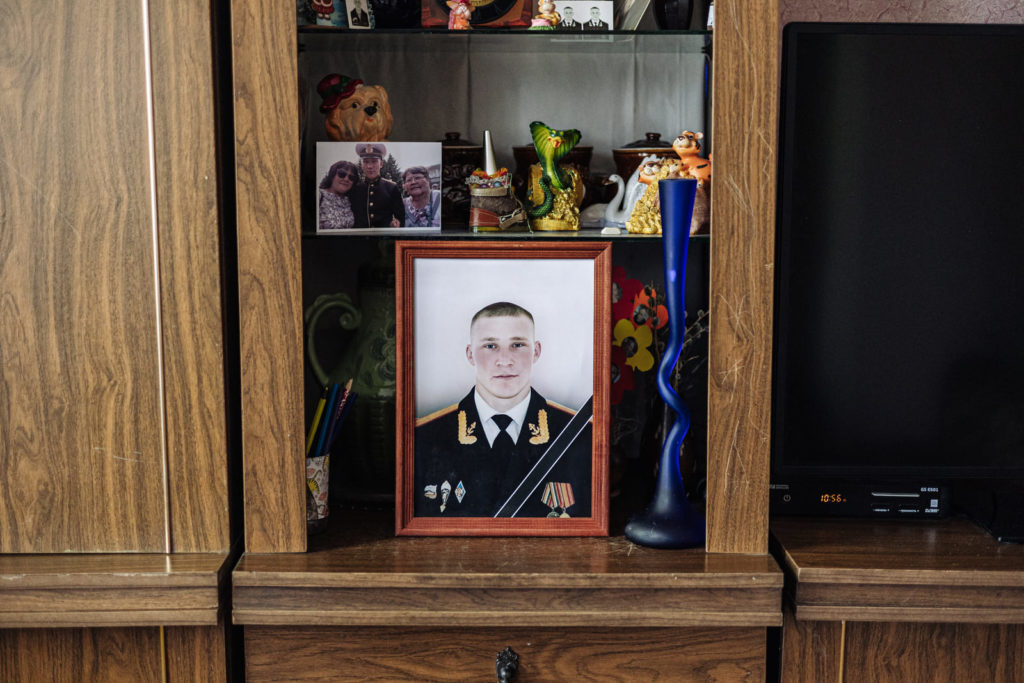
Pyotr graduated from the Annunciation Military School, served for four years by the Marine in the Crimea. Then he was sent to the "special operation". On April 24, Agafonov called and congratulated his grandfather and grandmother with Easter. And the next day he died near Kherson: BMP, where Peter was driving, was blown up by a mine. Of the 12 people, only Agafonov died. “It hurts, of course, but what to do,” his grandmother cries. “I asked my husband: Grandfather, I say, if you were young and not sick, I would go to protect [Russia]?” He says yes. So Petya did the right thing. He defended us. "
Larisa does not answer the question whether her grandson can be recognized as saints. “Well, he is a defender,” Agafonova repeats several times. “We raised him like that.” But Petya died martyrdom. He is a martyr. " Larisa approaches the closet, on the lower shelf there is a photograph of Peter, above it - ceramic snakes, a dog and a monkey, even higher - the icon of the Mother of God and five smaller icons.
"Death death is corrected"
Oleg Matveev does not happen at the funeral of the dead military, says that there are already enough cases. But easily agrees to conduct a lithium (short Orthodox service) at the grave of Peter Agafonov. “There will be no harm from this,” says Matveev.
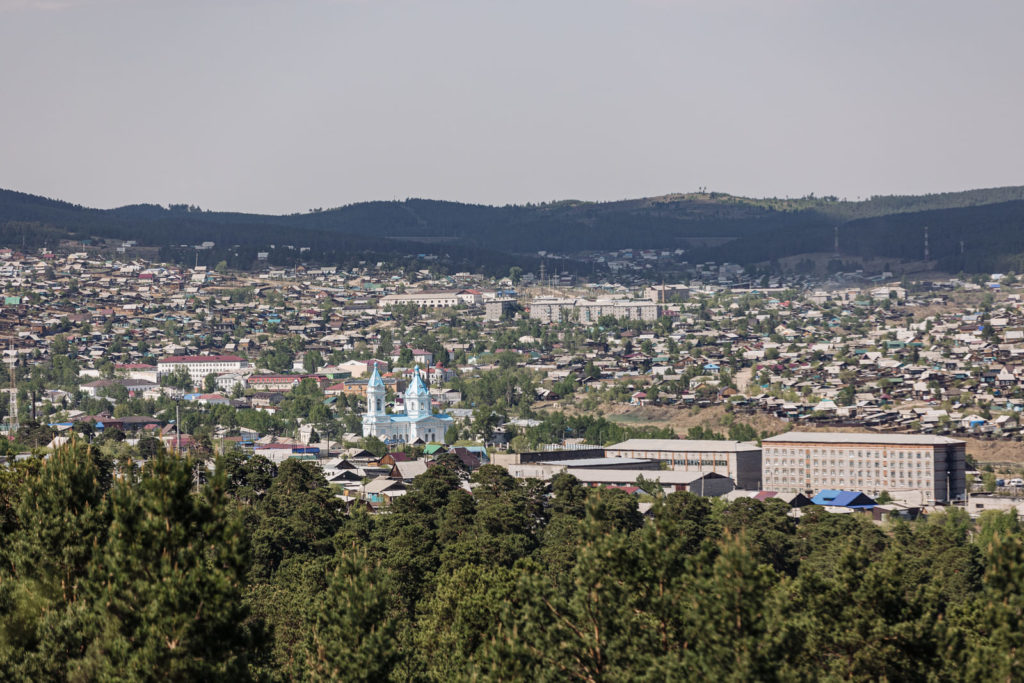
The Kyakhtinskoye cemetery is located on the hill. From there you can see the entire old part of the city. The Assumption Cathedral, where Archpriest Matveev serves, stands out against the background of dark houses with a bright blue spot. After a few hills from the cemetery are pillars with a stretched barbed wire. This is a border territory, you cannot go there.
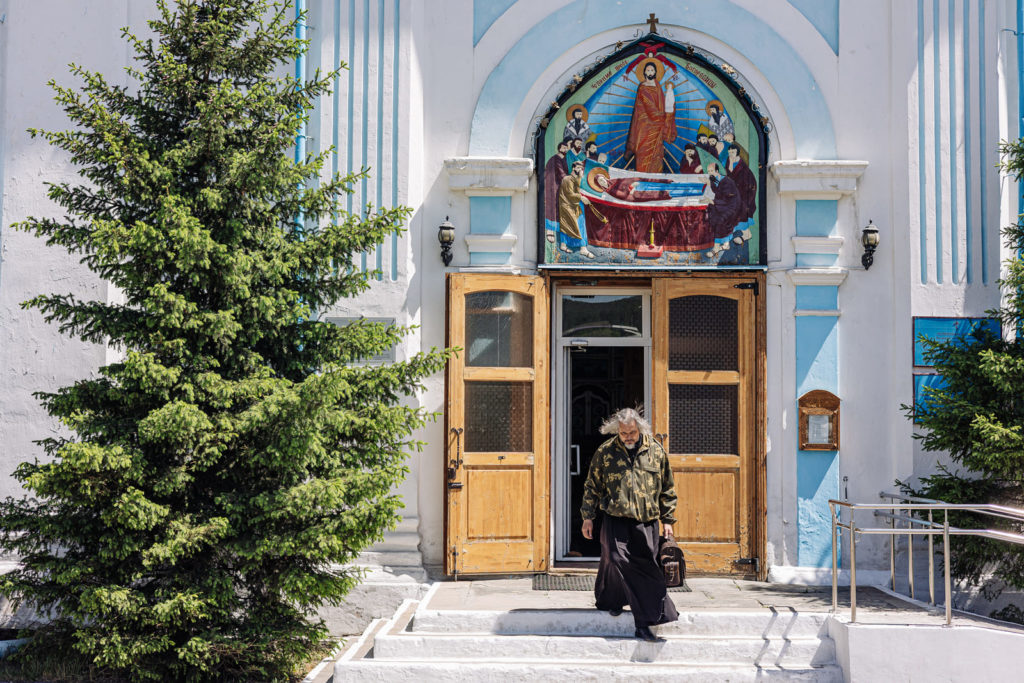
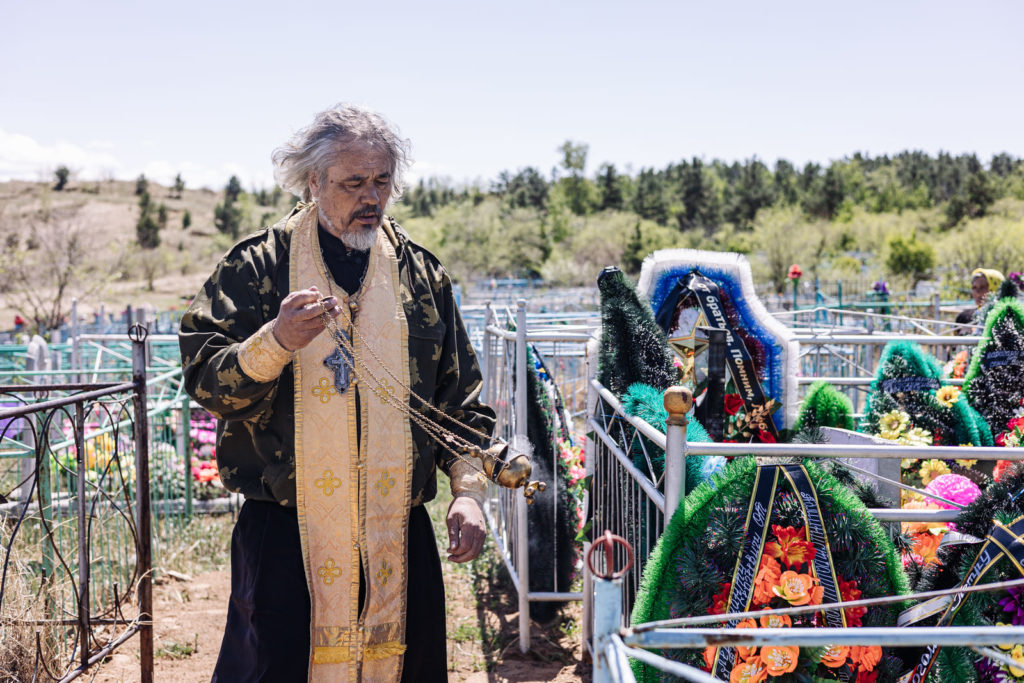
The priest comes to the cemetery in the cassock and everything in the same camouflage jacket. Several dogs run out of the caretaker’s house at once, they bark loudly. Between the graves, goats graze, lifting young grass.
-Where did you get goats? - Father Oleg asks the caretaker of the cemetery Elena Takhtaeva, while they go to the grave of Agafonov.
- In short, we bought these two. And this one was given to us, her mother, too, too: the owners of the hay have no hay to feed, ”Takhtaeva says quickly.
Matveev and Takhtaeva approach the monument to Agafonov. At the request of the relatives, Peter was buried next to the great -grandmother and great -grandfather. But there were so few places next to them that the grave was dug up to the next grave of ordinary Kyakhtinka. Peter and his involuntary neighbor made one metal hedge for two. Wreaths from the military, officials and native marines stand around the perimeter of the hedge.
The archpriest takes out a long golden ribbon from a leather bag - an epitrachil, puts it on top of a camouflage jacket.
- And what, give me a goat? - He turns to Takhtaeva. At the same time, Matveev puts burning coal in a censer, on top of it - incense. - My dogs suppressed all the dogs. And I haven't held goats yet. Although I know - the sheep is calmer.
The priest stands in front of the grave of Agafonov, who died in Ukraine. He picks up Kadilo. “Christ is risen from the dead, death is corrected by death,” he begins to read. When you need to go around the grave, the architect is carefully squeezing between the fences: there is very little space.
During lithium, goats are approaching Matveev and Takhtaeva. They come from several sides at once, eat grass near the graves.
- Sarah, where did you go! - shouts Elena Takhtaeva and throws a lump of land into the nearest goat. The gray Sarah runs away. Takhtaeva is baptized.
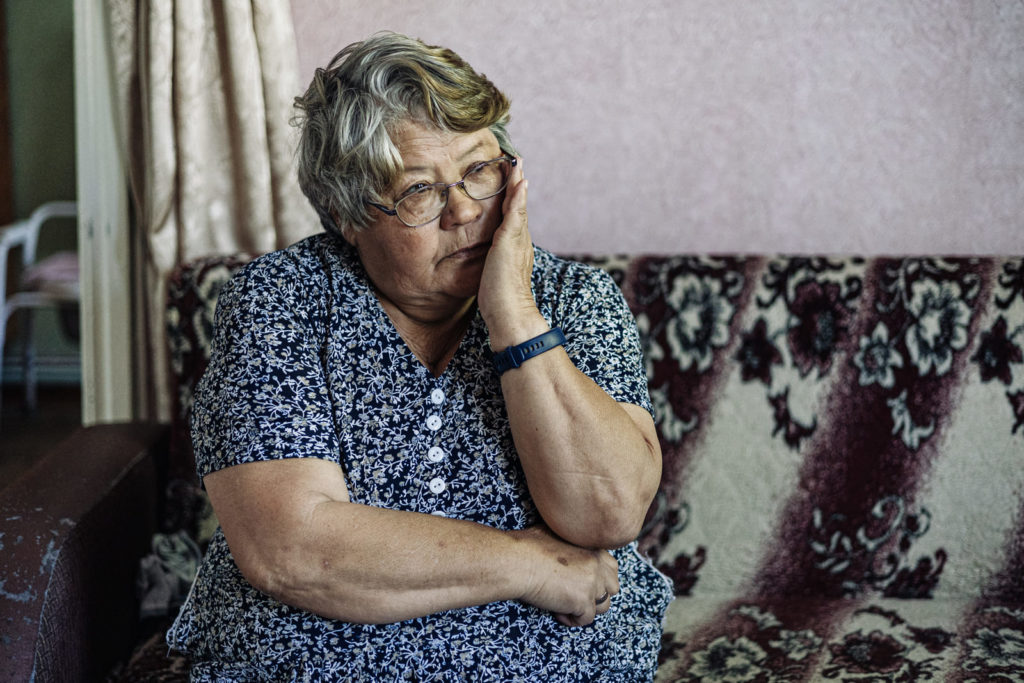
“Peter was dying honestly,” the father Oleg argues after the end of Lithuania, putting the church affiliations. - During the battle. He gave the last forces, did not betray, did not bite. Well, that's it. Это праведная смерть. От грехов она освобождает».
«Сын мой с напарником могилы военным копает, — тихо рассказывает Елена Тахтаева — то ли священнику, то ли сама себе. — Берут 6,5 тысяч за могилку. На 500 рублей поднял недавно, а больше не будет поднимать. Сказал: буду героям копать. Ну, а кто они? Конечно, герои».
Тахтаева крестит могилу Агафонова, потом — могилу его прадедушки и прабабушки, потом — его соседки по изгороди. Потом Елена осеняет крестом всё кладбище.
«С такой армией кого навоюешь»
Олег Матвеев про кяхтинцев говорит так: «Народ у нас крещёный, но верой шибко не вооружённый». Это же касается и военных. «Зашёл как-то в офицерское собрание, там четыреста офицеров сидело, — рассказывает священник. — Ну, спрашиваю, кто утром молился сегодня? Один только человек поднял руку скромно. И это офицеры! Вот материться — да. Заходишь в часть — матом все орут, не стесняясь меня нисколько». Матвеев вздыхает: «Я же тоже офицер милиции, тоже могу материться. Но я же сдерживаюсь!»
Встречи Матвеева с военными из 37-й бригады проходят часто. «Когда началась кампания и провожали первый эшелон [на спецоперацию] — освящали, благословляли, — вспоминает он. — Но тогда ничего не понятно было: вроде же поехали на учения. А вот когда боевые действия начались: Киев, Одесса, — вот это неожиданно было. И солдатики стали приходить: благословите. Постоянные молебны, огромные списки участников. Такая форма, так сказать, единства».
Матвеев не может сказать, приходят ли в церковь те, кто возвращается со «спецоперации». «Да как-то они пока особенно не возвращаются. Не видать», — разводит руками он.
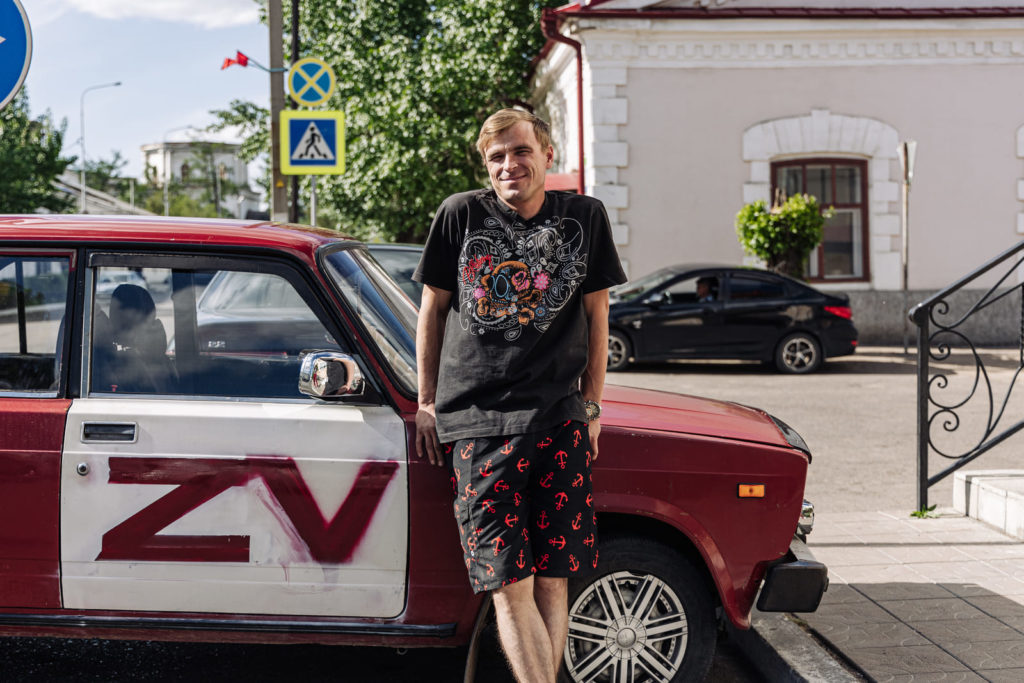
Священник рассуждает, что военные из Кяхты изменились за время «спецоперации». Он рассказывает, что быть контрактником считалось престижно — оклад составлял 50 тысяч рублей. Для Кяхты, где средняя зарплата — 15-20 тысяч, это очень хорошие деньги. «Ну что не пойти работать, в армию такую, — говорит Матвеев. — Но с такой армией кого навоюешь. Поначалу-то [в спецоперации] некрасиво пошло. Сколько у нас дезертиров убежало. Но сейчас три месяца прошло, и наши — уже воины, это серьёзно. Мы уже самая сильная армия, без всякой натяжки. Военные увидали то зло, которое там [в Украине] есть, и хотят против него выступить. Путин — защитник стопроцентный, хотя полмира говорит, что он фашист».
Протоирей считает, что после того, как военные всё-таки вернутся в Кяхту, многие «будут пить по-чёрному». Так же, как было после Великой Отечественной войны, после Афганистана, после Чечни. «Приходил ко мне как-то „чеченец“, рассказывал: вот там, говорит, хорошо было — вот враг, вот автомат, вот я выполняю задачу, вот моя медаль, всё понятно. А тут — я не знаю, где враг. И я пьяный в овраге валяюсь. Тут, на свободе, сложнее жить», — вспоминает Матвеев. И делает вывод: «Лучше погибнуть на фронте, чем на алкогольном фронте».
Хороший парень получился
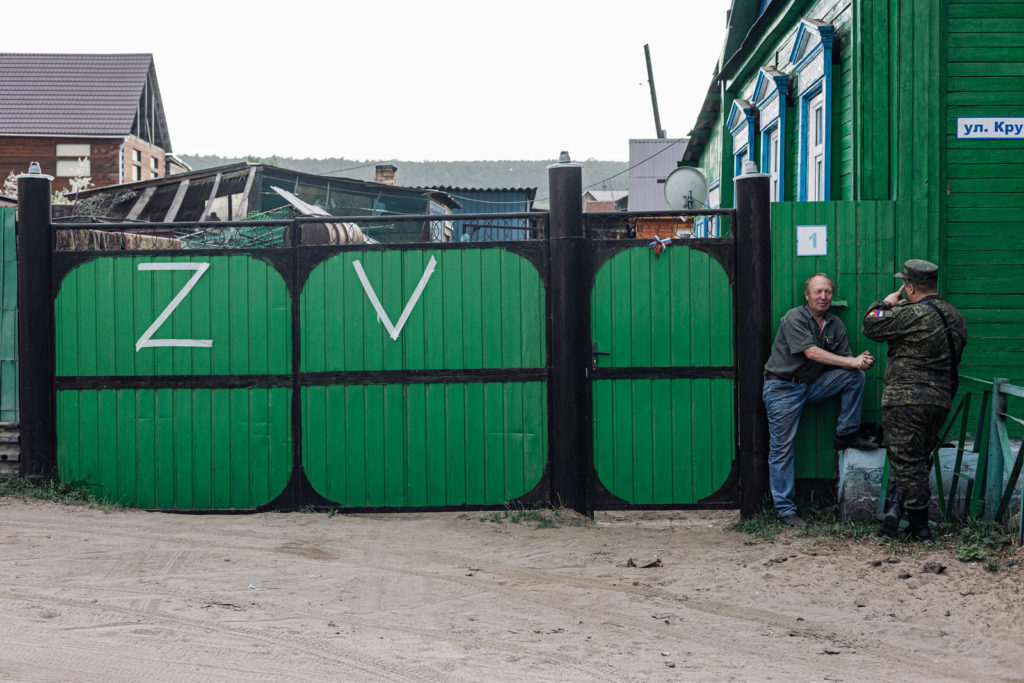
Напротив Успенского храма — частный дом. У зелёных ворот захлёбывается лаем дворовая худая собака. На каждую створку ворот бумажным скотчем налеплены буквы Z и V. «Ещё флажки российские на 9 Мая повесил, но их кто-то утащил», — смеётся хозяин дома Василий Паньков. Василий стоит у ворот уже несколько часов. Он ждёт сына Андрея. Андрей был на «спецоперации» в Украине, получил ранение и едет домой — на реабилитацию.
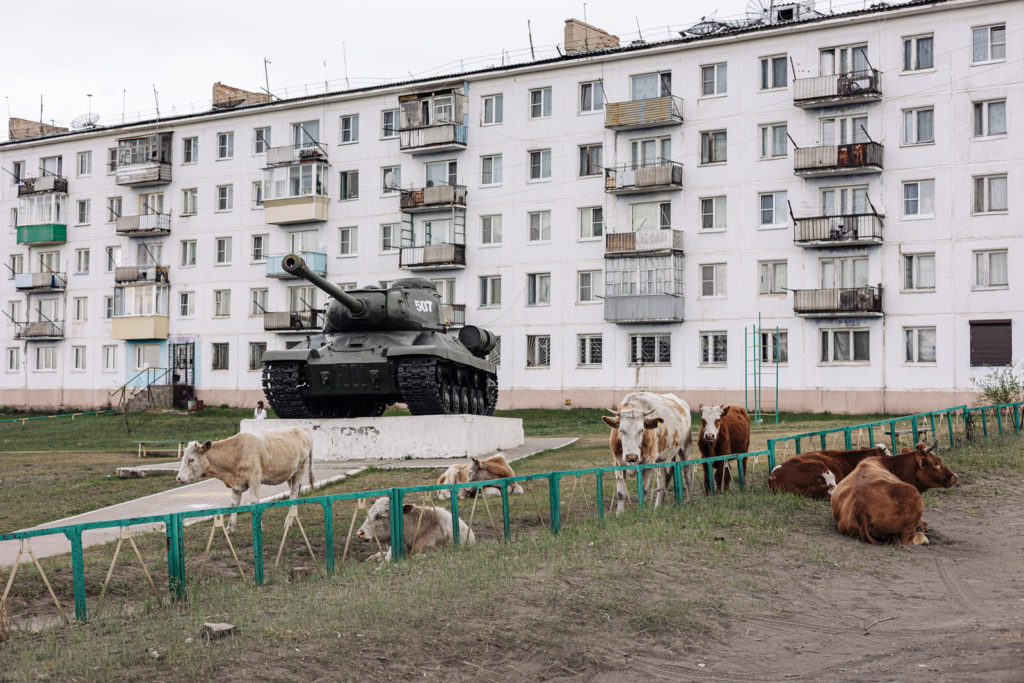
Все Паньковы — крещёные. Василий говорит, что вера ему «помогает особенно сейчас, когда трудно». Супруга Панькова ходила в церковь и постоянно ставила свечки за сына, когда его забрали на «спецоперацию». «И видите — живой», — улыбается Василий.
Сам Василий всю жизнь проработал водителем. «Но у нас всегда самой хорошей партией для девушек считались именно контрактники, — говорит он. — Многие выходят замуж ради денег, что уж. Всю жизнь так в Кяхте было».
Рядом с Паньковым стоит полный парень в военной форме. У него круглые щёки, голубые глаза и огромные ресницы. Когда он улыбается, на щеках появляются ямочки. Кажется, что такой человек вообще не способен взять в руки оружие. «Я скоро вот тоже собираюсь ехать на Украину, — говорит 25-летний Игорь (он просит не называть его настоящее имя). — Меня все отговаривают, но я рапорт уже написал. Потому что там все мои друзья. Поеду мстить за погибших».
Игорь — крещёный, хотя, по его словам, в храмы особо не ходит. «Но там-то [в Украине], наверное, буду молиться, вдруг поможет», — рассуждает он.
«Бог помогает русским»
Военных в Кяхте поддерживают всеми силами. Волонтёрский штаб «Прометей» постоянно объявляет денежные сборы «в помощь нашим ребятам». В начале июня волонтёры за сутки собрали 211 тысяч рублей на прибор ночного видения. С начала «спецоперации» жители района сбросились на уже шесть квадрокоптеров (один коптер стоит 200-250 тысяч рублей).
В открытой телеграм-группе «Прометея» кяхтинцы со знанием дела обсуждают, какие выбирать для военных тепловизоры и тактические очки. «Нам бы с противоосколочными пакетами, чтобы не только спереди, но и спина была с плитками, подешевле бы побольше взяли», — пишет про подходящий бронежилет руководитель волонтёров Оксана Герасименко. «Vместе мы можем Vсё», — добавляет в переписке один из участников после завершения очередного сбора.
По Кяхте ездит много машин с буквами Z и V. Кажется, их даже больше, чем в Улан-Удэ. Городская администрация повесила на входе баннер «Zа Россию. Zа президента», районный центр культуры и досуга — баннер «Za наших», детская библиотека — баннер «Сила V правде». Библиотекари собрали «V» из детских книг — в корешках, кроме «Байкальских рассказов» и «Словаря юного филолога», можно даже увидеть Жюля Верна.
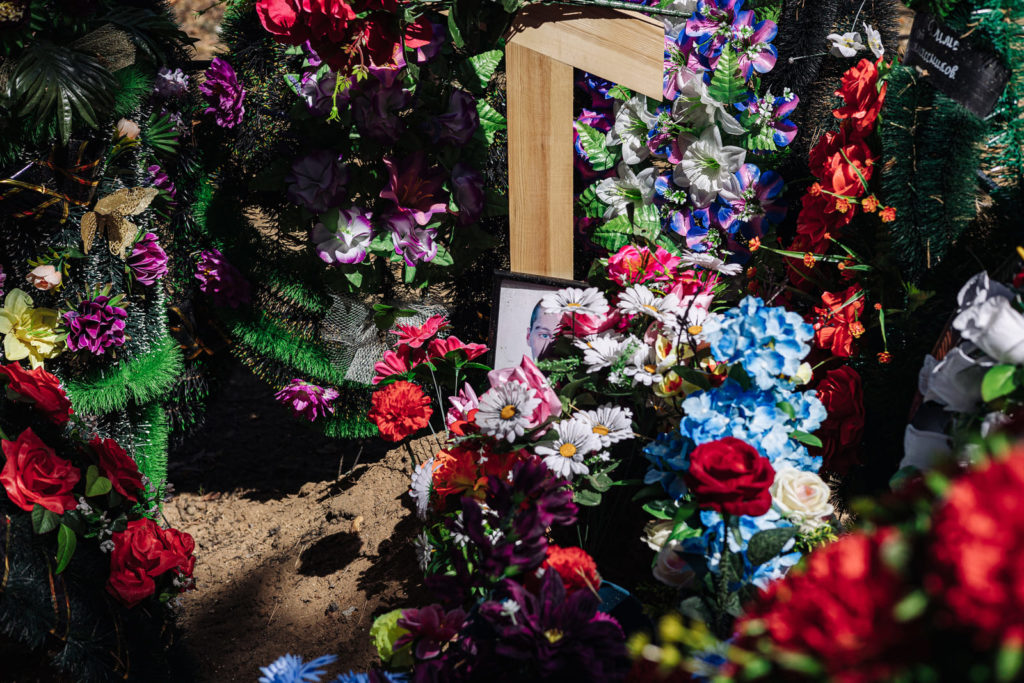
На Кяхтинском универмаге висит вертикальный баннер «Zнай правду. Vерь в победу». Возле магазина останавливаются красные «жигули»: Z и V — на всё правое крыло машины. Хозяин авто Сергей Игумнов специально выкрасил крыло в белый цвет через трафарет. Буквы немного растеклись, красное смешалось с белым, от того по краям V — розовые подтёки.
Игумнов гордится своей идеей украсить «жигули». Он работает вахтовиком, но знает многих кяхтинских военных. Был знаком и с погибшим Петром Агафоновым. Сергей называет его «спортиком». «Петя весь такой здоровый был, вкачанный, так сказать, целеустремлённый человек», — вспоминает Игумнов.
Сергей рассуждает, что «у него бывали мысли поехать туда [в Украину], но, наверное, рано ещё». «Бог помогает сейчас русским, иначе бы уже сгинули наверное, — говорил Игумнов, облокотясь на „жигули“. — Бог только нам и помогает. Молиться надо побольше».
Уровень патриотизма в Кяхте всегда был очень высоким, считает директор районного дома культуры Юлия Изосимова. «Мы живём в городе военных, у нас мужья военные, и мы всегда идём за нашего президента, за нашу Россию», — объясняет она.
Изосимова — дочь военного, в детстве она ходила в кяхтинский клуб «Юный пограничник». Там детей учили не только собирать автоматы, но и ездить на лошадях — даже без седла. «Муж был шокирован, когда на каком-то празднике я вскочила на коня и поехала», — смеётся Юлия.
Сейчас в Кяхте работают военно-патриотический клуб «Комбат» и клуб «Юный спецназовец». Туда принимают детей с шести лет. На 9 Мая «спецназовцы» поразили зрителей тем, что разбивали бутылки о свои головы.
«Я камни разбрасываю»
В трапезной Успенского храма — обед. Дают овощной суп, картофель с жареной рыбой, свекольный салат, напиток каркадэ. Кроме Олега Матвеева, обедают трудники — многие из них имеют алкогольную или наркотическую зависимость. Поев, священник задаёт вопросы. «Вот откуда картошка нам дана, Максим Геннадьевич?» — спрашивает он небритого мужчину в грязной синей рубашке.
46-летний Максим Матушор отвечает, смотря на стол: «Господь вырастил». Матвеев кивает головой и тут же спрашивает: «А наша главная какая забота?» «Поесть», — смеётся Максим и поднимает глаза. «Душу спасти!» — восклицает отец Олег. «Да шучу я», — отвечает Матушор и вновь опускает глаза опять на стол.
После обеда Матушор выходит в церковный двор. Одно его плечо поднято выше, чем другое. Он немного подпрыгивает при ходьбе. «Раньше я сильно употреблял спиртное, но вера меня изменила», — говорит Максим.
«Вы поддерживаете спецоперацию?» I ask. Максим поднимает глаза, смотрит в лицо, говорит чётко и раздельно: «Нет, я никак её не поддерживаю».
Матушор уходит. Я кричу ему вслед: «А что вы делаете тут сегодня?»
«Камни разбрасываю за церковью», — отвечает Максим.