
Translated material
The staircase in the ashes
About the "bomb" - the most reliable comic book about Hiroshima
Bomb is a Franco-Belgian graphic novel about the creation and first use of the most destructive weapons in the history of mankind. This comic, which has received many prestigious European awards, is now available in Russian through the efforts of the Polyandria publishing house and the House of Creativity Peredelkino, in which work was conducted on its translation. Eduard Lukoyanov says about this book, reporting a lot of a well -known and extremely tragic page of history.Starting from February 24, 2022, we were all in the face of the advancing barbarism, violence and lies. In this situation, it is extremely important to preserve at least the remnants of culture and support the values of humanism - including for the sake of the future of Russia. Therefore, the editorial office of Gorky will continue to talk about books, reminding our readers that the world remains in the world and fiction.
Alcanth, Laurent-Frederick Bolle, Denis Rodie. Bomb. SPb.: Polyandria noage, 2022. Translation from French Vitaly Nuriev
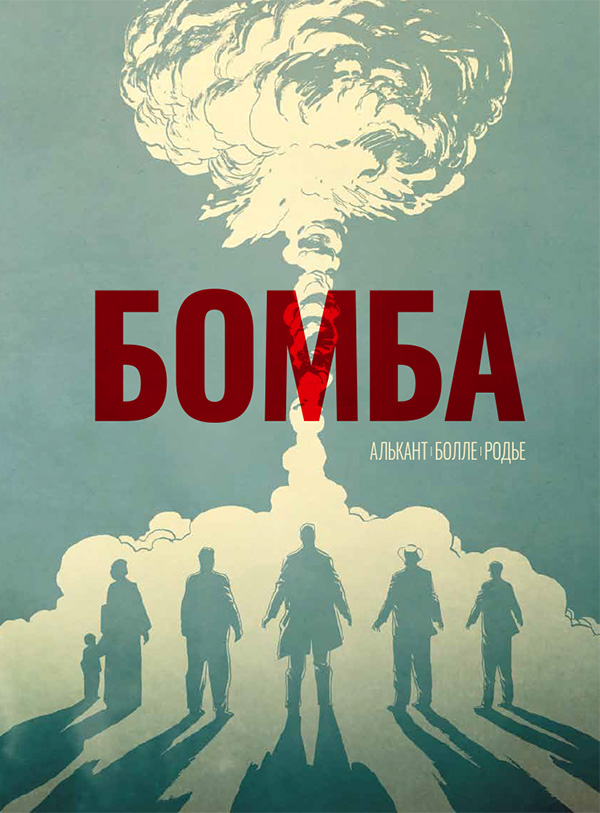 I have been repeating for several years : the dead will rebel from their graves and the sun will rise in the West, if in Russia about some comic book designed for an adult audience will not say that it looks like Maus of Arts Spiegelman. Fortunately, the graphic novel by Alcanth, Laurent-Frederick Bolle and Denis Rodye was no exception. “According to the degree of reliability and artistic study, the“ bomb ”is compared with the series of Craig Mazin“ Chernobyl ”, by the power of influence - with“ Mouse ”Arta Spiegelman,” the annotation reads the Russian publication of the comic book. Therefore, I would like to start a conversation about the “bomb” with gratitude to the publishers for the next delay in the end of the world. Now we can turn to the book, since it also deserves the highest praise.
The task of the creators of the Franco-Belgian comic book Bomb was, to put it mildly, non-trivial. What can be added to Hiroshima and Nagasaki, which is already extremely saturated and rooted in international historical memory? Documentary evidence of the nuclear bombing of Japan is more eloquent than any artificial images in this regard: “ Shadows of Hiroshima ”, the Genbaku dome , numerous stories of the survivors - all this has repeatedly understood and rethought in literature, cinema and music. For comics, this topic is also far from new-it is enough to recall the Kaeji Nakadzawa icon Manga “Brown Geng” or at least the recent “Trinity” of Jonathan Fetter-Vorma.
So it is quite logical that Alcant, Bolle and Rodier did not play innovators and chose a completely traditional epic form for their book. The all -seeing narrator here is Uranus - the substance is capricious, evil and incredibly conceited. The action takes place in the United States (mainly in Los Alamos), Japan, Europe, the USSR and even in the Belgian Congo, where the ore was mined, from which the “baby” was charged with uranium.
1/5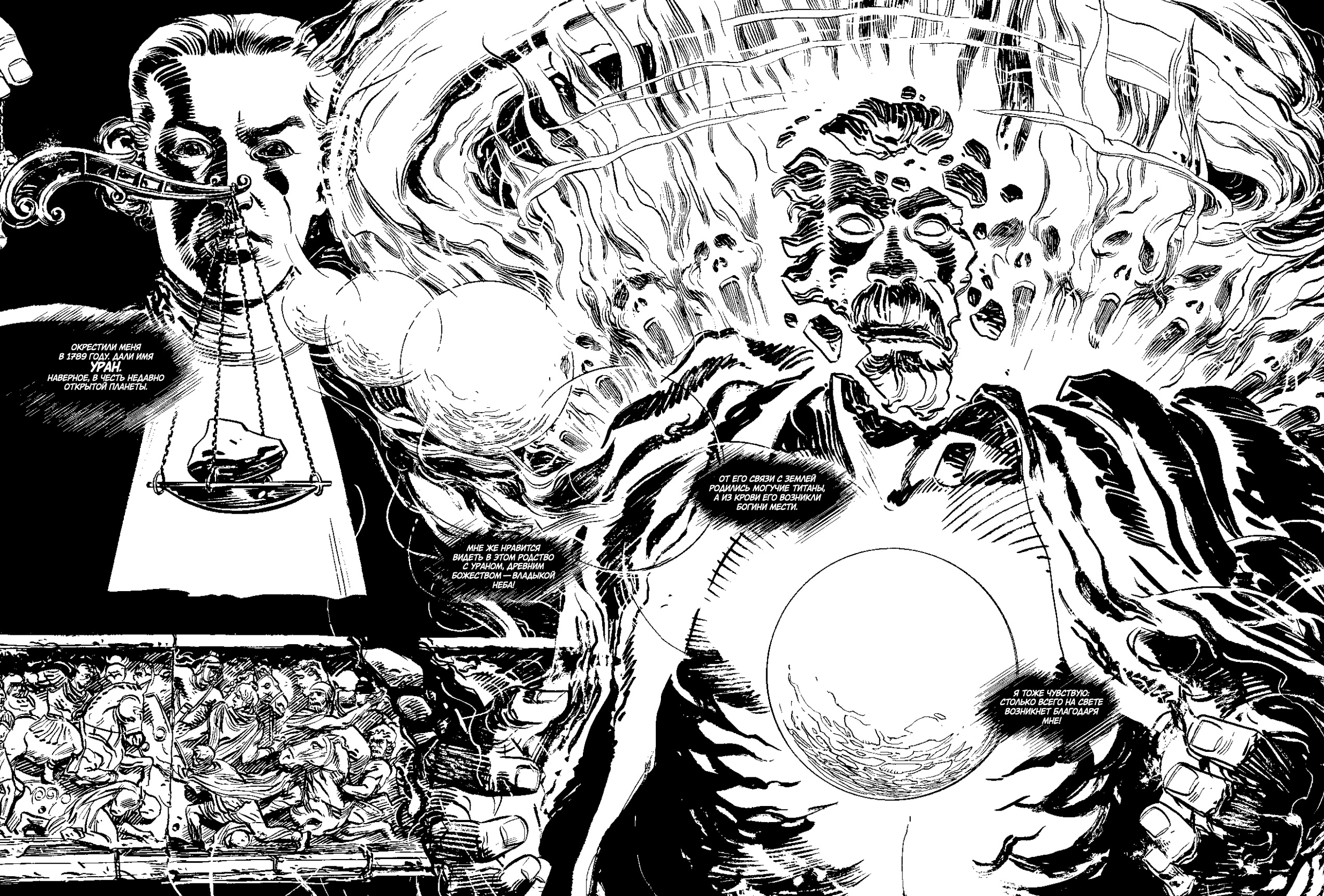 Illustration of Denis Rodier from the graphic novel "Bomb" 2/5
  Illustration of Denis Rodier from the graphic novel "Bomb" 3/5
 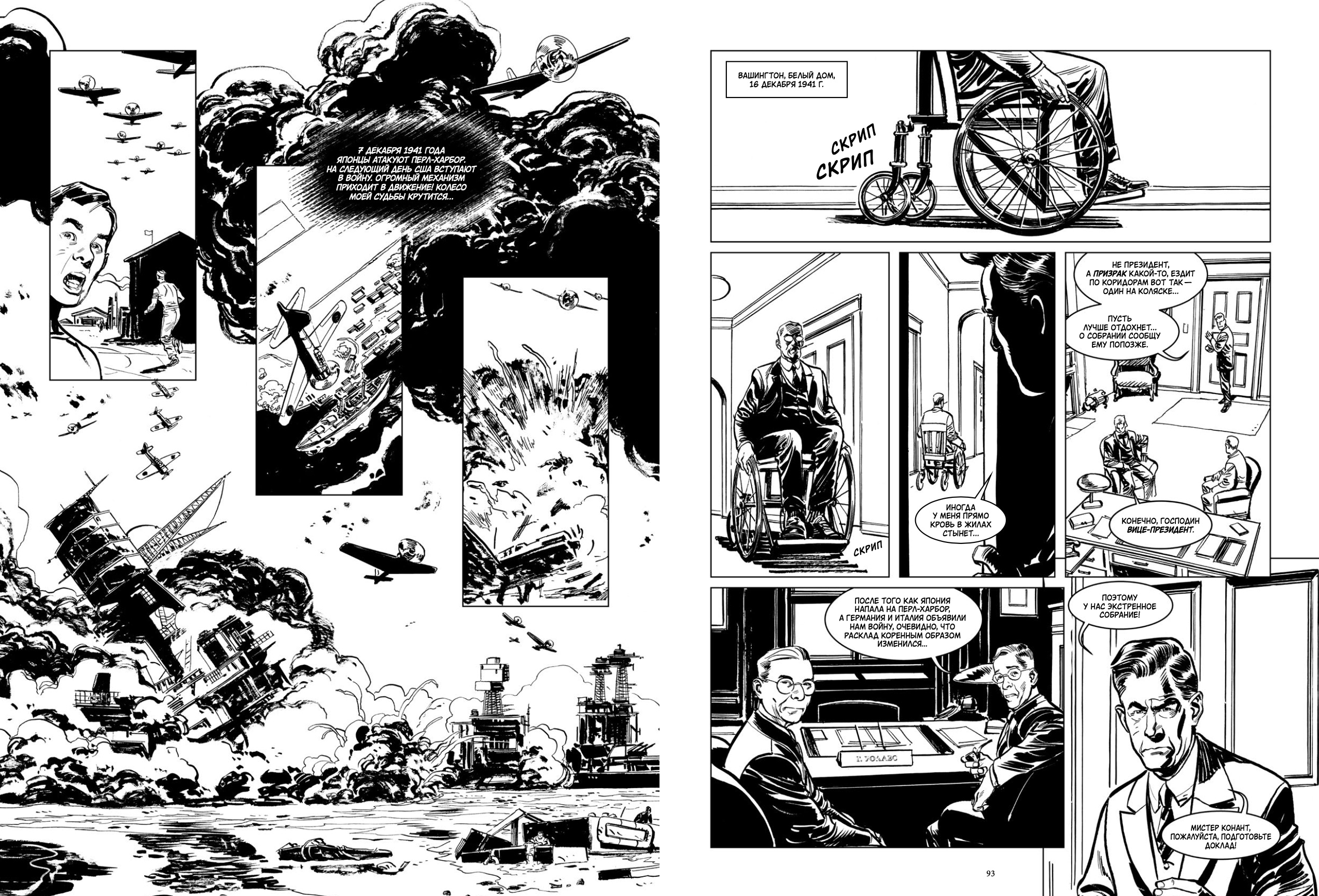 Illustration of Denis Rodier from the graphic novel "Bomb" 4/5
 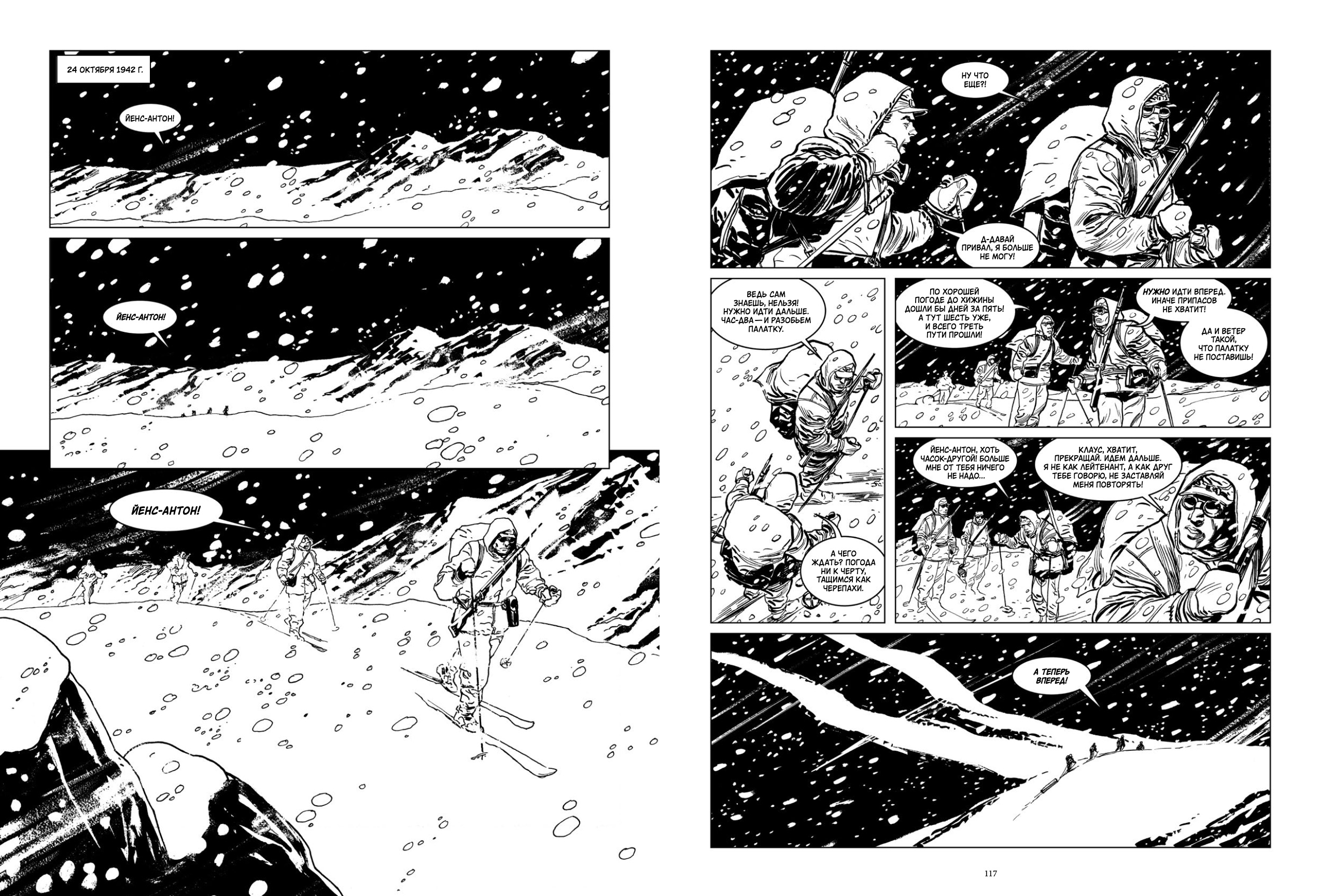 Illustration of Denis Rodier from the graphic novel "Bomb" 5/5
 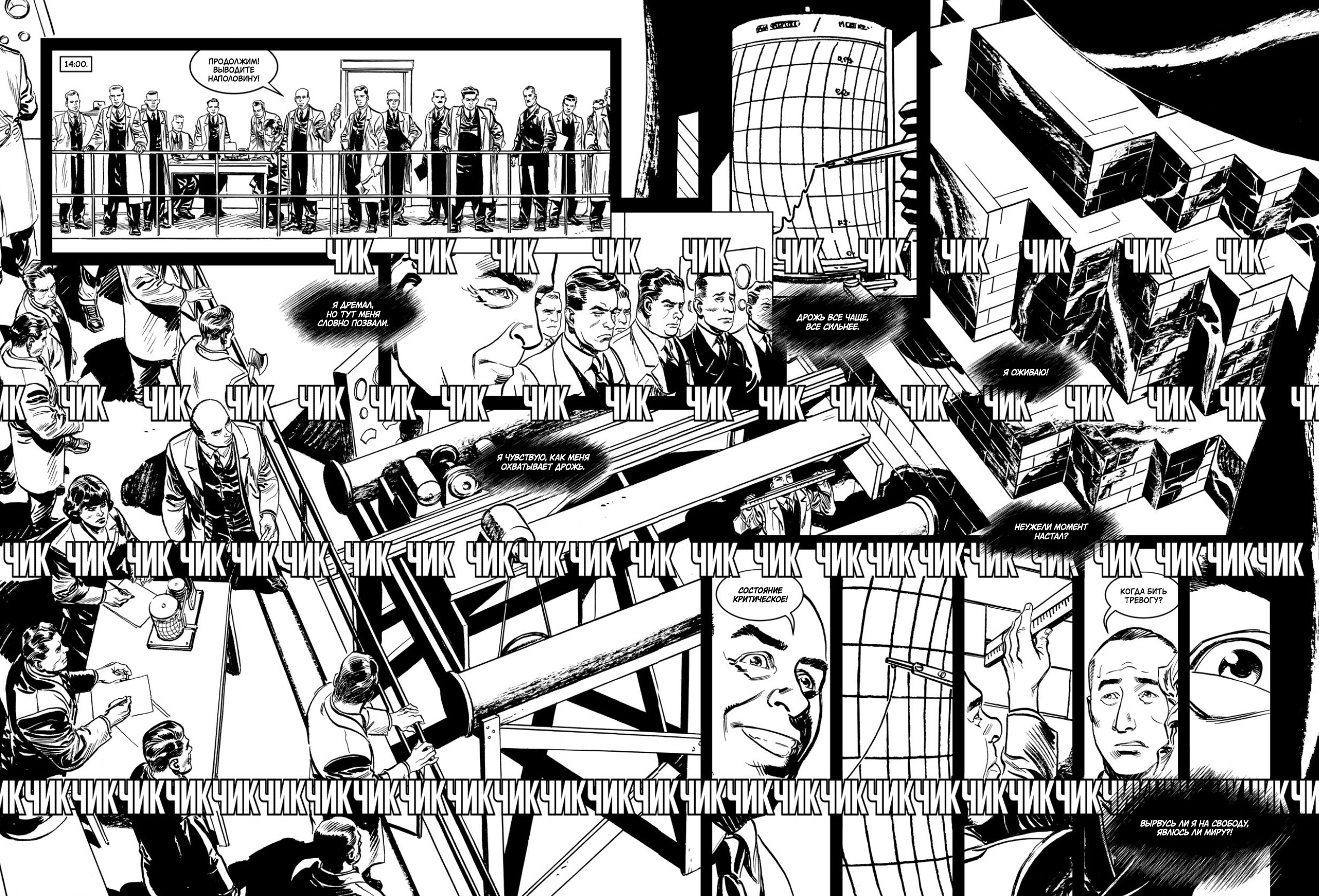 Illustration of Denis Rodier from the graphic novel "Bomb"
 "Bomb" is a documentary book. The only fictitious and therefore most convincing line of the narrative was the "Japanese". In it, we get acquainted with a typical family from Hiroshima: Father-Trudogolik, Soldat son and his younger brother, barely entering adolescence. This triad concerns the tragic ambivalence of Japan Emperor Hirochito concisely. On the one hand, it is inhabited by simple, but subtly feeling people who have suffered a lot in life. On the other hand, these same people turn out to be the bearers of the poison of militarism, the fanatical faith that there is not a war, but “the restoration of the world in Asia”, the faith that there was no Nanjing massacre, and if it was, then it was necessary and generally “let's not talk about it about it”. I believe that it will not be such a spoiler to report the predictable outcome of this attitude: the eldest son will become a “divine wind”, and his unfortunate relatives will “be concomitant damage”.
Another storyline transfers us to Los Alamos, where the main research and work of the Manhattan project was carried out. Here, not the most obvious figure of Leo Silaard - a brilliant physicist who fled from Germany immediately after the Nazis came to power. It was he who managed to convince his colleagues of the possibility of a chain nuclear reaction. He was the first to understand what his discovery would lead to, and his role in the Manhattan project was reduced, in fact, to the sabotage first development, and then the use of the bomb. The story of Sileard is very valuable, given how much the spiritual torment of Robert Oppenheimer, the character, of course, was much more charismatic than a modest Jewish scientist and fan of science fiction, drawing his apocalyptic visions from it in mass culture. Sileard Comic’s authors endow the prophetic gift: he alternately predicts Jewish pogroms, the launch of the German nuclear program and the post -war arms race. As in reality, no one listened to him, and the petition of Silaard and his colleagues demanding to cancel the decision on the indicative bombing of Japan remained dusting in the Pentagon, "accepted for attention."
1/6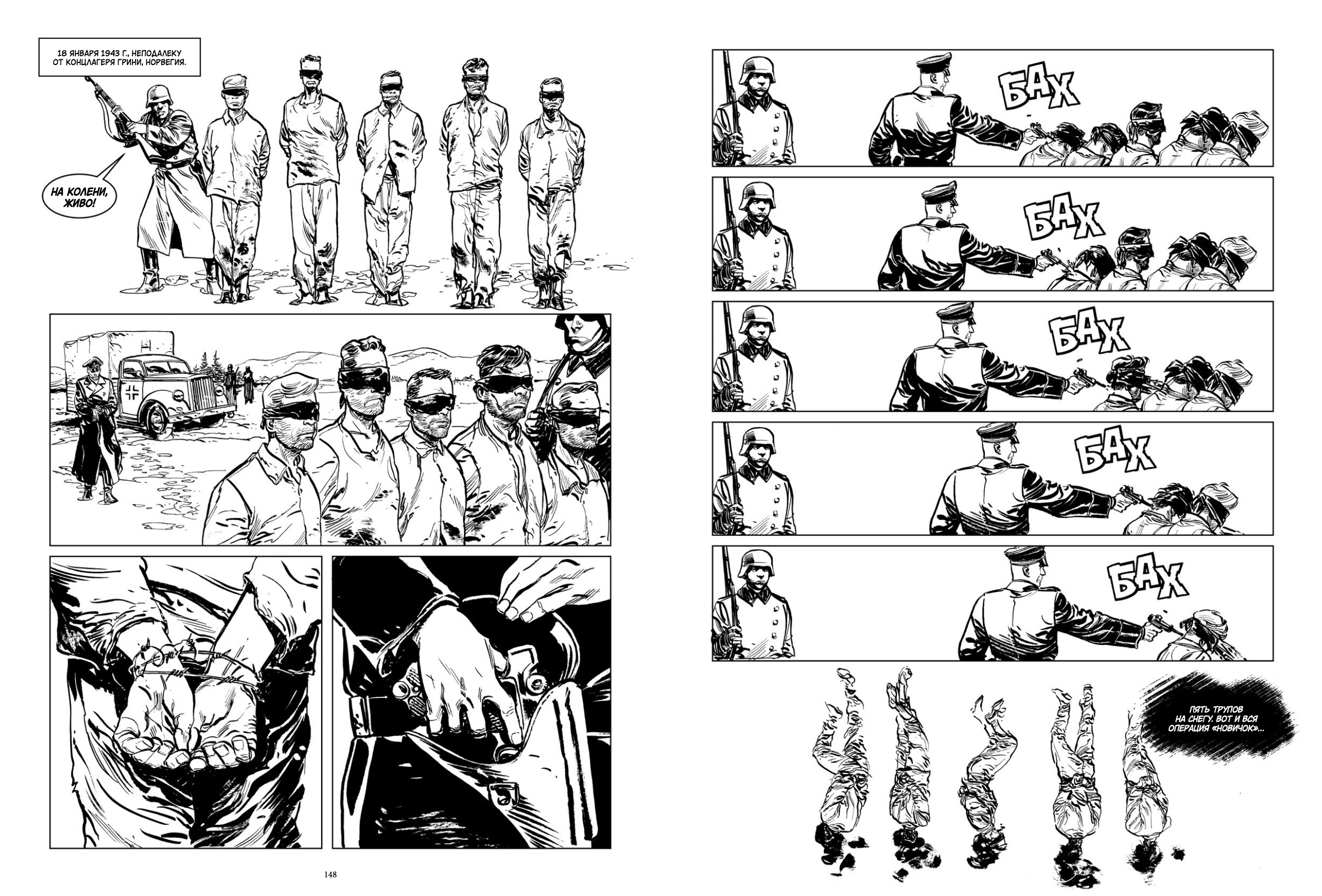 Illustration of Denis Rodier from the graphic novel "Bomb" 2/6
 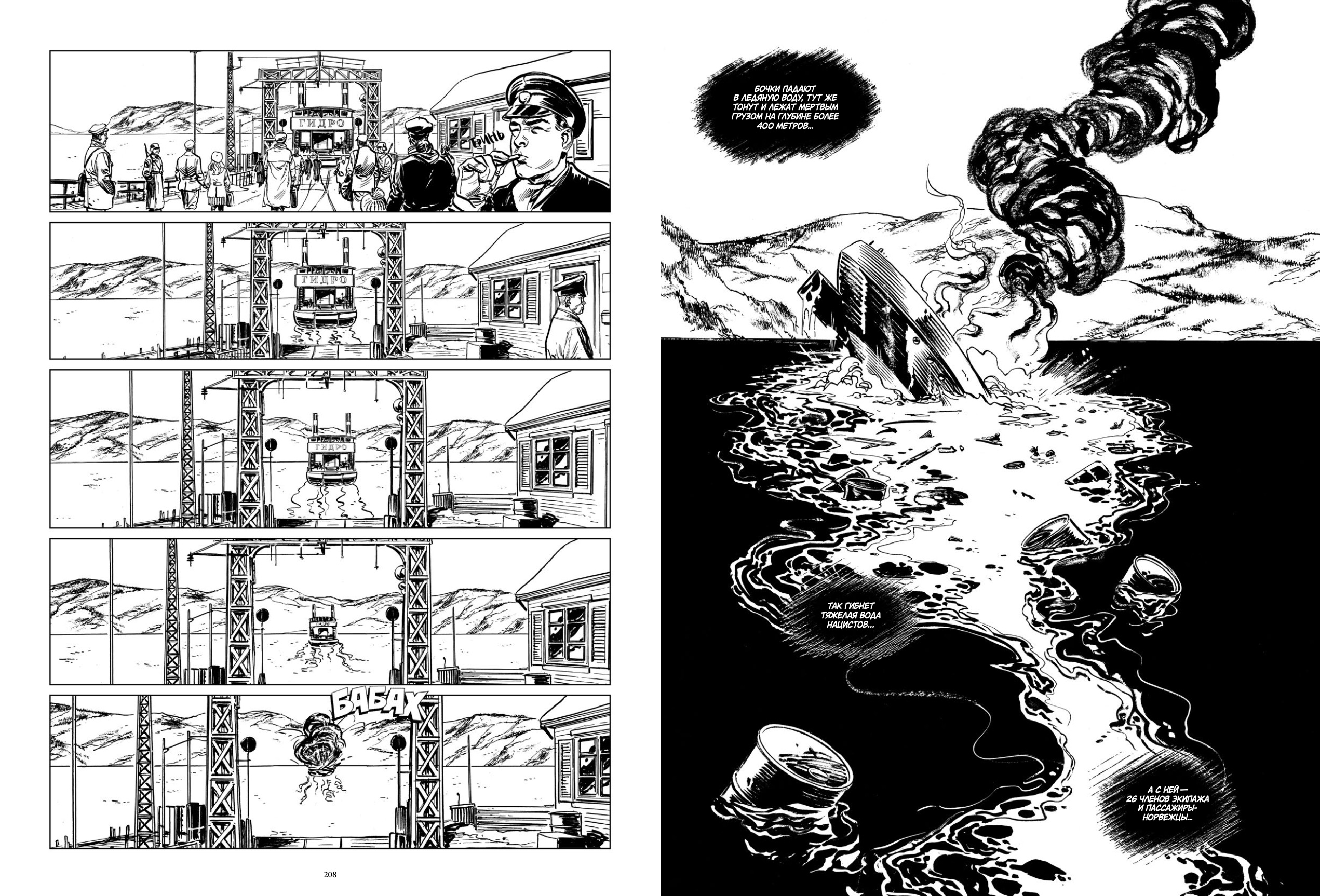 Illustration of Denis Rodier from the graphic novel "Bomb" 3/6
 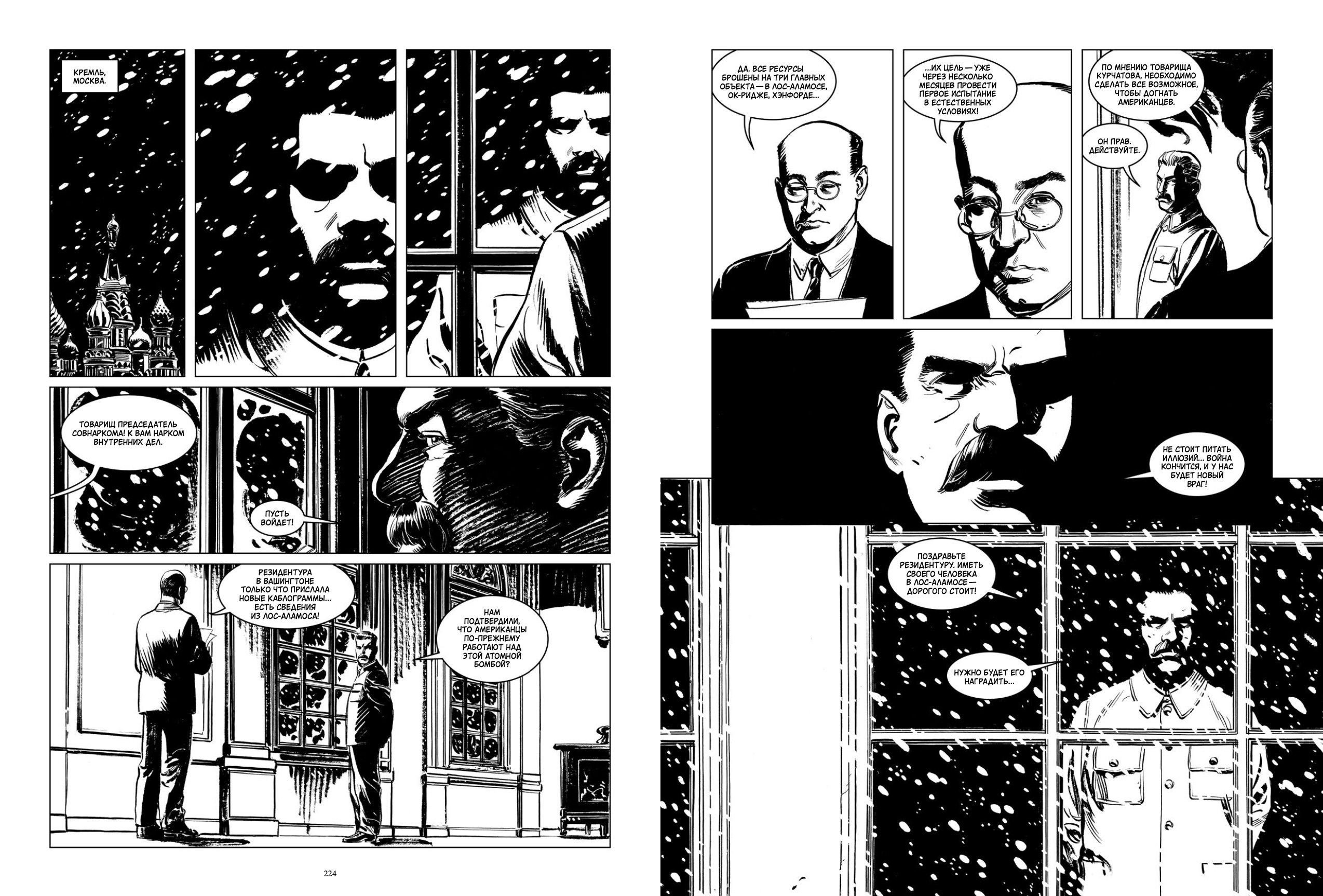 Illustration of Denis Rodier from the graphic novel "Bomb" 4/6
 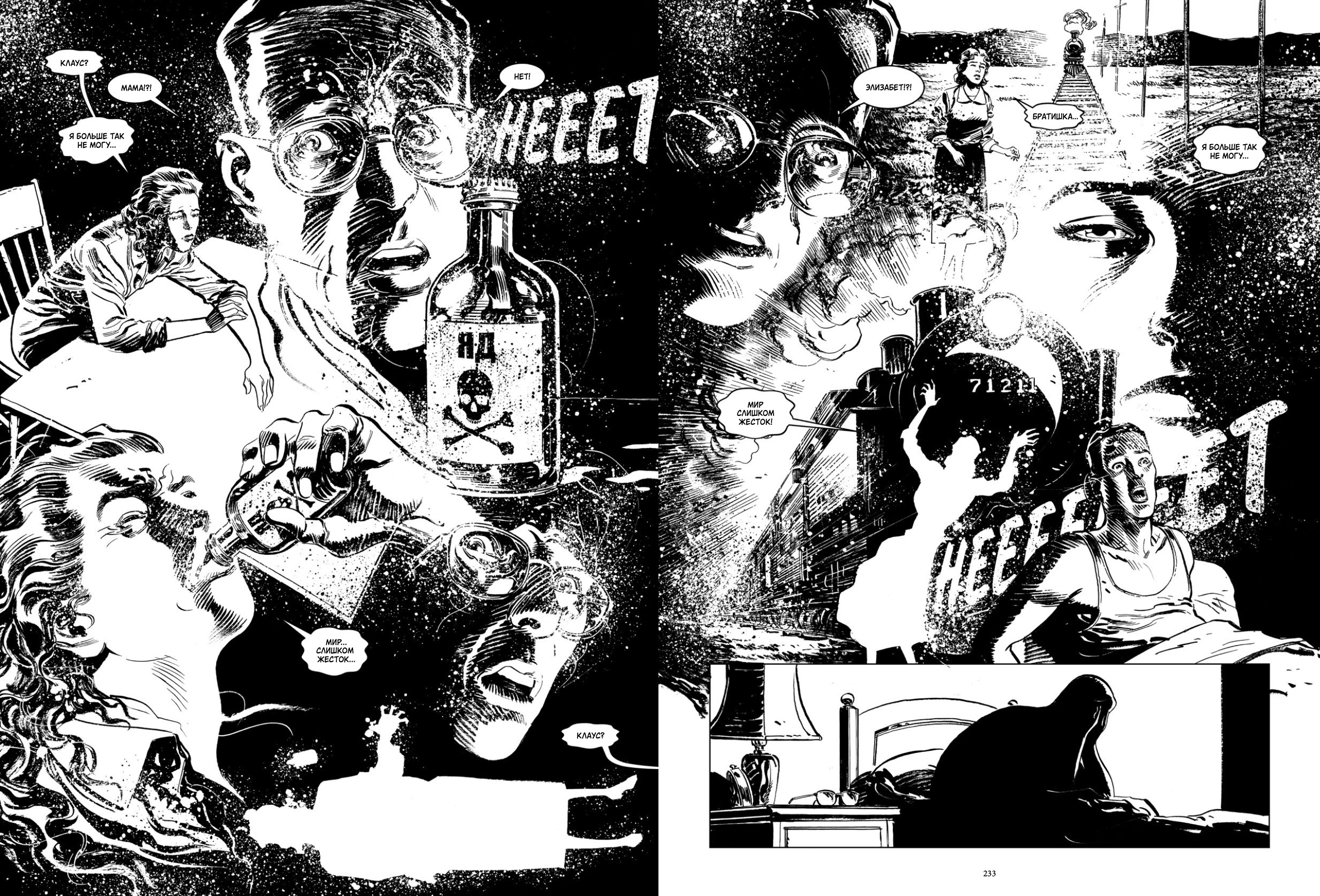 Illustration of Denis Rodier from the graphic novel "Bomb" 5/6
 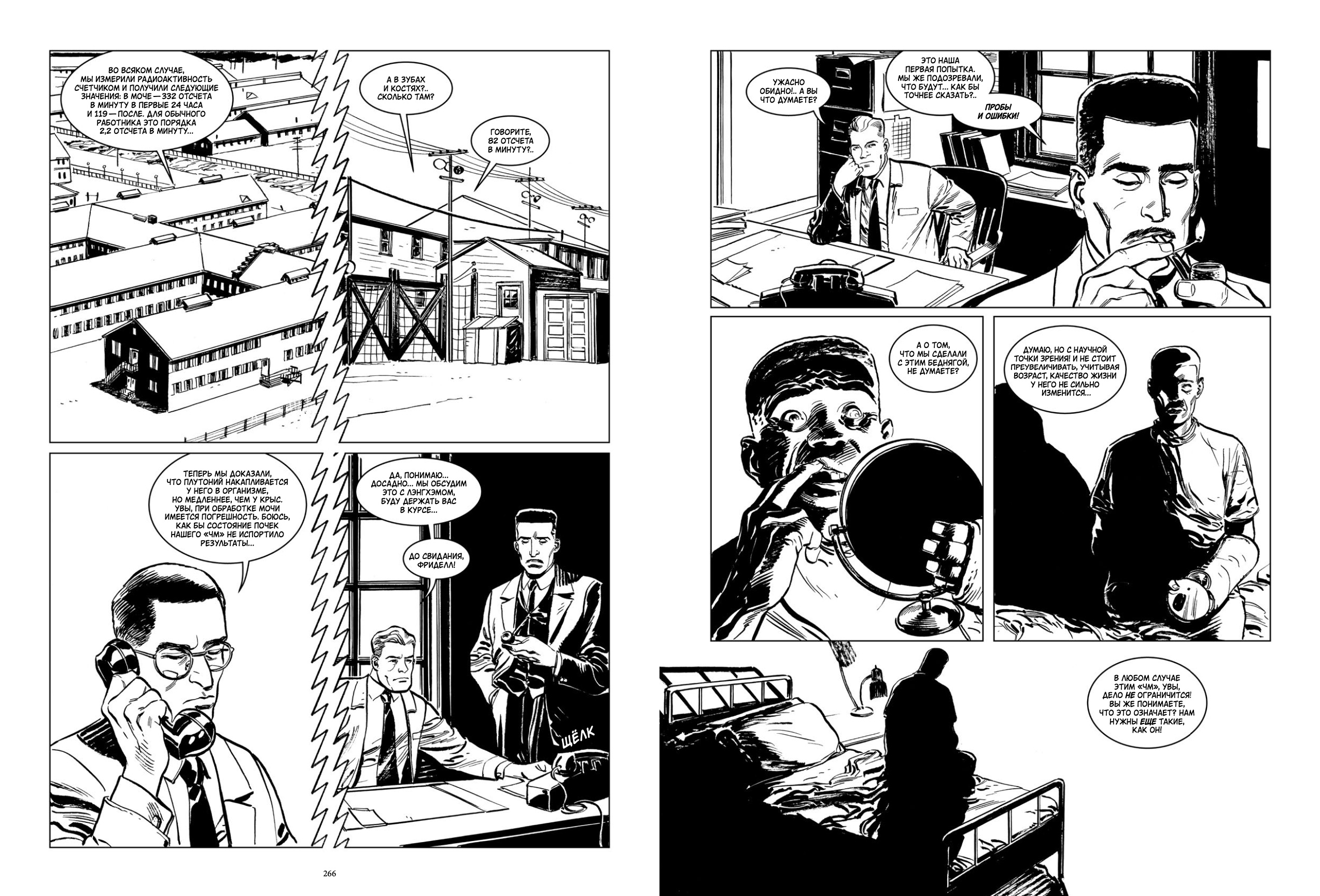 Illustration of Denis Rodier from the graphic novel "Bomb" 6/6
  Illustration of Denis Rodier from the graphic novel "Bomb"
 Another non -obvious (at least for the eastern reader) the plot unfolds in the occupied Norway, where underground, with the participation of British intelligence, destroy the heavy water production plant, which the Nazis used to create their project of the atomic bomb. Not all saboteurs will survive, but then about them they will be shot by the film “Heroes of the Telemark” with Kirk Douglas in the lead role.
Finally, for me personally, the discovery was the story told in passing, but at the same time forming a strong ethical rod on which the “bomb” is held. Her main character is the black worker EBB Kade, who had the misfortune of getting into a road accident in Los Alamos. He attracted the attention of scientists responsible for the medical part of the Manhattan project. Most of all they were interested in what purely physiological consequences are waiting for those who will use the most destructive weapons in history. To do this, EBBU (naturally, without his knowledge) introduced a solution of plutonium, and a few days later he was torn out fifteen teeth to see if the substance came out of the body. The experiment, like all studies in Los Alamos, was strictly classified, in the documents of the EBB, Kade was held as “World Cup 12”, where the “World Cup” means “Humanizing”. If you believe the authors of the comic book, after the procedures, the “Hummater” was very sad and lonely in the ward at the laboratory.
In total, eighteen people became victims of experiments with a solution of plutonium, the youngest of whom was four -year -old Australian Simeon Shaw, suffering from bone cancer. These experiments became known only in 1994 thanks to a journalistic investigation: then the White House had to apologize and even pay monetary compensation to the families of some victims.
Actually, this plot twist turns the narrative upside down: the epic about creating a bomb turns into a global history of division. Holocaust, Nanjing, Los Alamos finally come in complete harmony with each other. From now on, the question is not in the appropriateness of the bombing that already lived the last days of the Hirochito empire, but in who could be sacrificed to the god of this punitive action: a black builder, a child who will still die from cancer, or a player in baseball who became disabled after an accident on the field (he will be sorted out at all to the organs)?
1/3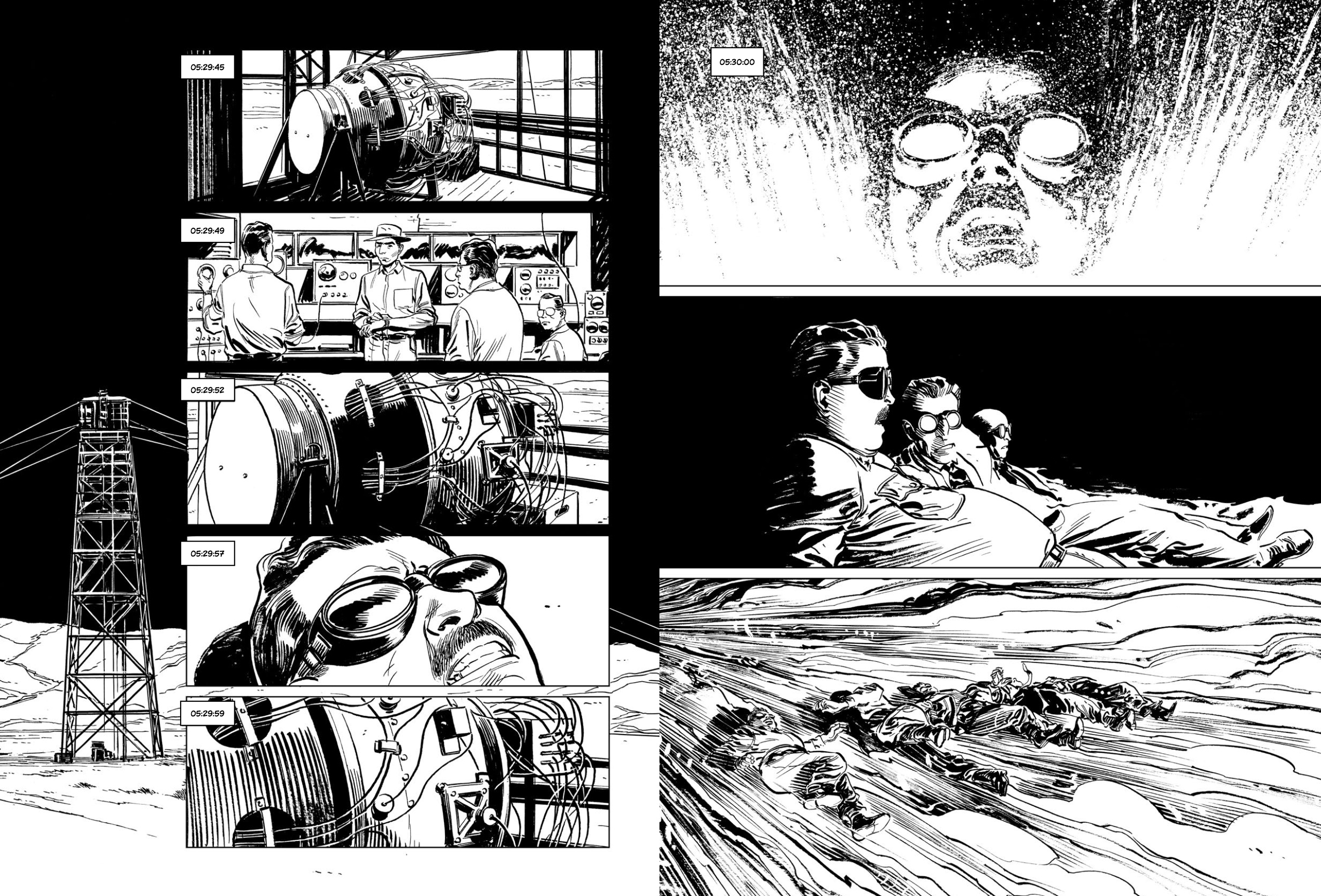 Illustration of Denis Rodier from the graphic novel "Bomb" 2/3
 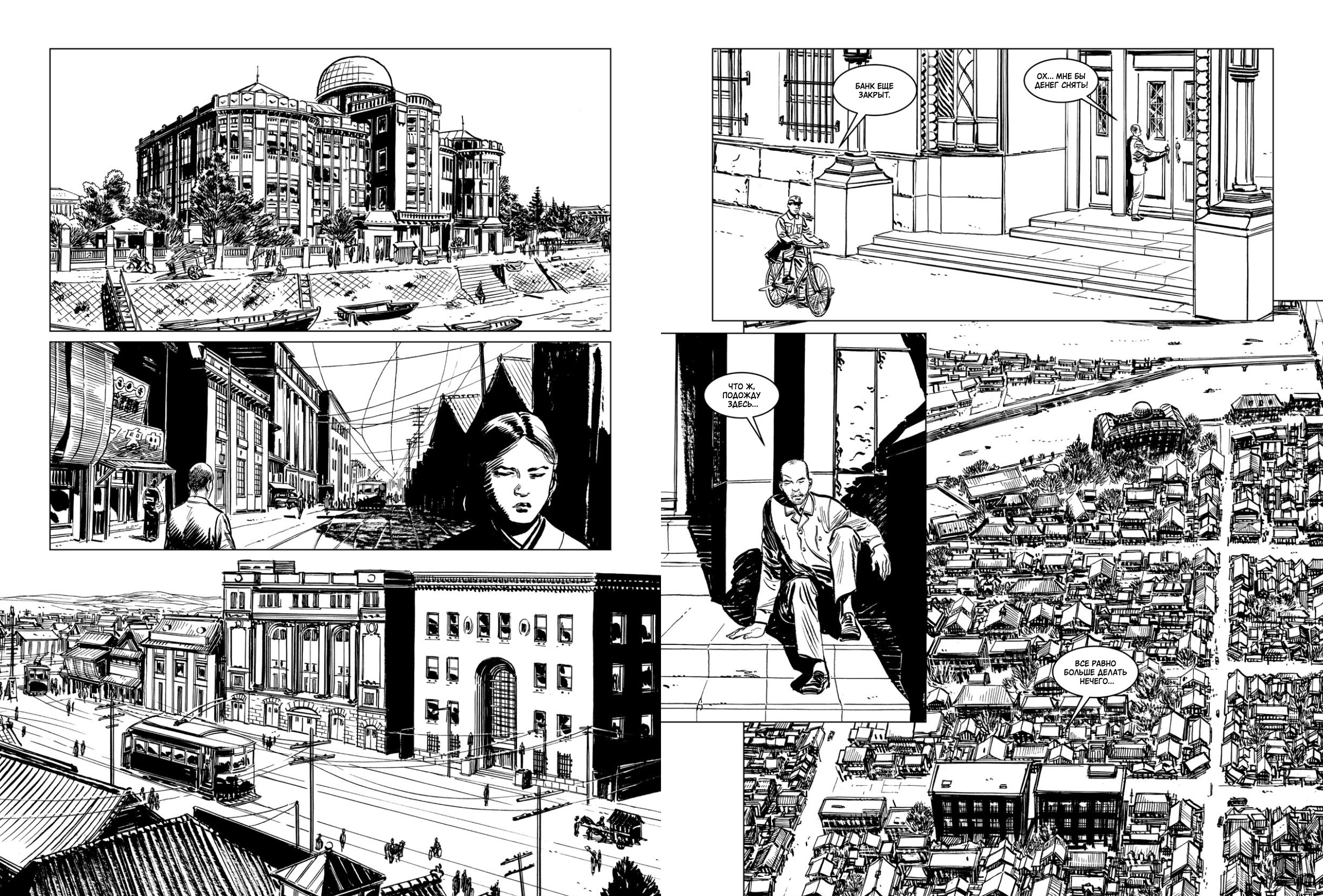 Illustration of Denis Rodier from the graphic novel "Bomb" 3/3
 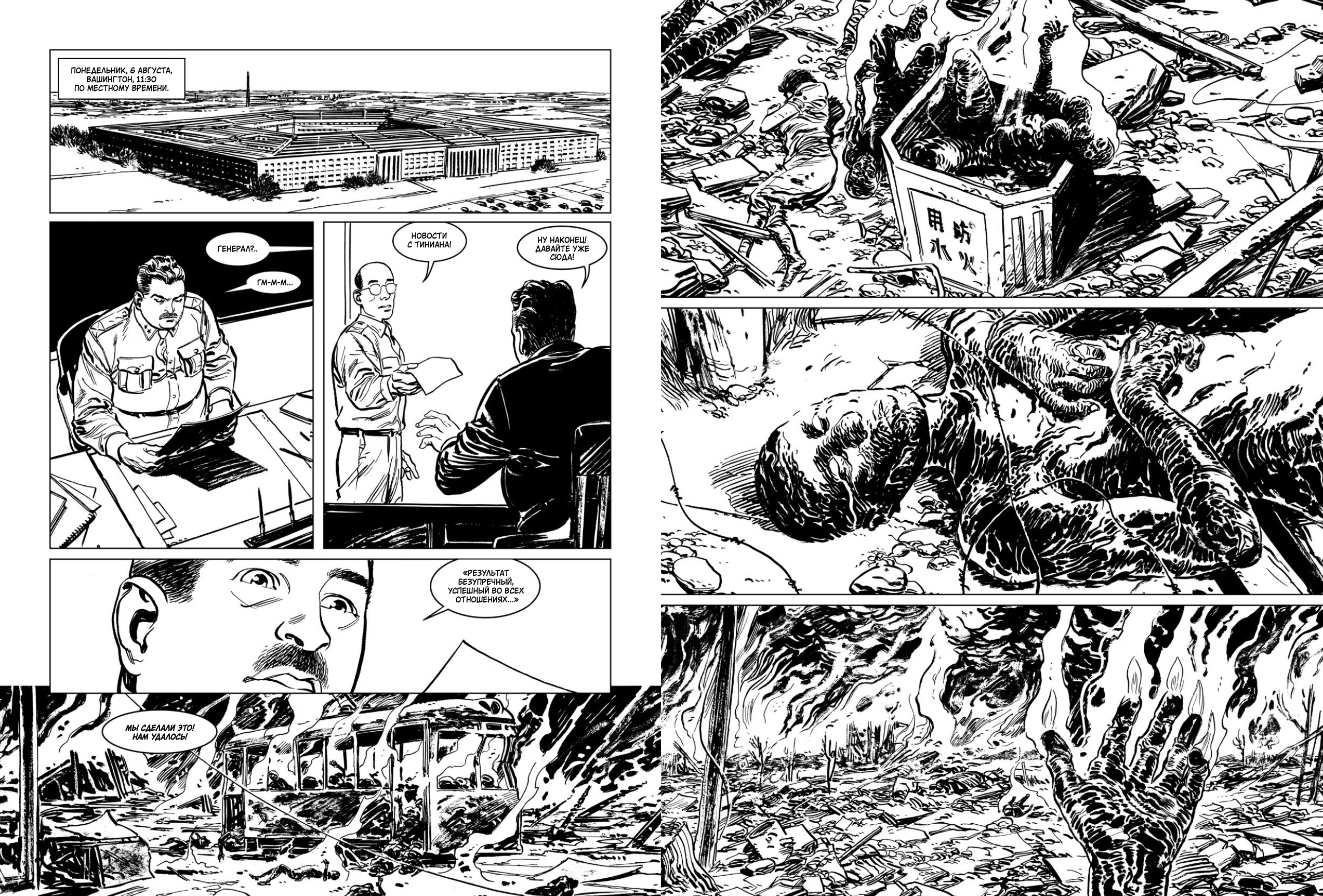 Illustration of Denis Rodier from the graphic novel "Bomb"
 In the “bomb” the winners in the war were not a power, not generals and not scientists - they all suffered a moral collapse, simply not everyone realized this, such as a hawk from the Pentagon Leslie Grovs, the author of aphorism “to die from a radiation illness”, or pilot Paul Tibbets, who began to sleep especially well after he dropped the “baby”. A true triumph of this story is the narrator - Uranus, finally reminiscent that at the moment when you close the book, he will continue to exist in fifteen thousand units of nuclear weapons.
Two years ago, when the original “bombs” came out in France, its creators could be reproached for excessive melodramaticism or even aesthetizing the disaster (and the artist Denis Rodieu really beautifully reserved the story of Alcanth and Bolla). As everyone can clearly see now, the most fantastic scenarios do not seem like such a fruit of an excited imagination. Here, for example, the deputy-prisoner Delyagin came up with how to stop the new escalation of the conflict in Nagorno-Karabakh: only tactical nuclear blows to Azerbaijan should be delivered. Well, the proposals to turn America into a radioactive ash or drop something powerful into a Nevada is an already natural part of our information background.
Intellectual emancipation, which allows such ease to fantasize nuclear mushrooms over unfinished countries, is the closest relative of the general moral decay that the heroes of the “bomb” were subjected to. The only difference is that the Generals of the XXI century GROV have learned to add a solid epithet “tactical” to the phrase “nuclear blow”. However, they say that it is pointless to compare the tactical nuclear blow to the bombing of Hiroshima and Nagasaki - in strength it will rather be comparable to the explosion of the nitrate, which happened in the summer of 2020 in Beirut. That is, the destruction will be colossal, but at the same time committed in complete agreement with the principles of humanism, methods of conducting and customs of war. In general, it is high time to adopt an international convention on the humane mass destruction of people.
Be vigilant.