
Translated material
Flaviviruses make their owners more attractive for mosquitoes
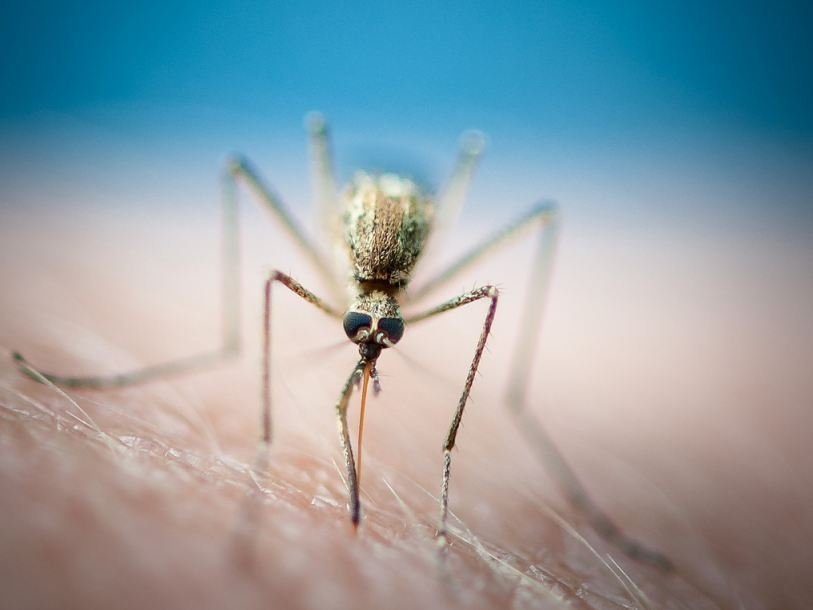
A new study shows that flaviviruses transferred by mosquitoes, such as pathogens of the fever of Zik and Denge, can change the skin of their owners, creating a smell that attracts mosquitoes.
The Flaviviridae virus family is sadly known as the pathogens of a number of diseases: yellow fever, denge, ZIK's fever, Japanese encephalitis, the fever of the Western Nile. Viruses are broken through mosquito bites. If there are no mosquitoes, the disease ceases, for example, during the outbreak of yellow fever in Philadelphia in 1793, when the onset of autumn frost killed local mosquitoes and the outbreak ceased.
In the course of the work of Gon Chen from the United Center for the Life of the University of Qinghua, the University of Beijing and the Institute of Infectious Diseases in the Laboratory of the Shenzhen Bay and his colleagues found that mosquitoes in the laboratory prefer to drink the blood of mice infected with viruses of Denge and Zika. To find out why mosquitoes prefer infected victims, Dr. Chen and his colleagues conducted a chemical analysis of samples of the smell of infected mice and people. And they determined the substance responsible for the smell that attracts mosquitoes. It turned out to be Acetophenon, who was attended by an abnormally high level when infected with viruses.
“We found that flaviviruses can use the increased release of acetophenone to help themselves fulfill their life cycles more effectively, making their owners more attractive for mosquito mosquitoes,” says Dr. Jong.
Then the researchers found out how exactly the viruses of Denge and Zika increase the level of acetophenone. When the flavivirus enters the body, the virus begins to compete with the cells of the host body to control the level of the key protein that regulates the composition of the skin microbioma, - RELMα. If the cells win, Relmα keeps bacteria that produce acetophenon under control. If the virus manages to suppress the resistance, some bacteria on the skin multiply excessively and produce more acetophenone. “It is interesting that both Denge viruses and Zik viruses contributed to the reproduction of skin bacteria producing acetophenon by suppressing the expression of Relmα,” says Chen.
Having studied the existing works on RELMα, scientists decided to check whether the isolatinoinin can, the derivative of vitamin A, usually used as a medicine for acne, to suppress the production of acetophenone. The mice were fed with isolatinoine and put in a cage with mosquitoes. The results were encouraging. The researchers found that mosquitoes sat on infected mice that received isotretinoin no more than on mice from a control group that did not have a virus. “The intake of isotinoid with food in animals infected with flaviviruses reduced the release of acetophenone due to a change in the form of resident commentary bacteria on the owner’s skin,” says Dr. Chen.
The results are published in the journal Cell.