
Translated material
Forgotten Parisian
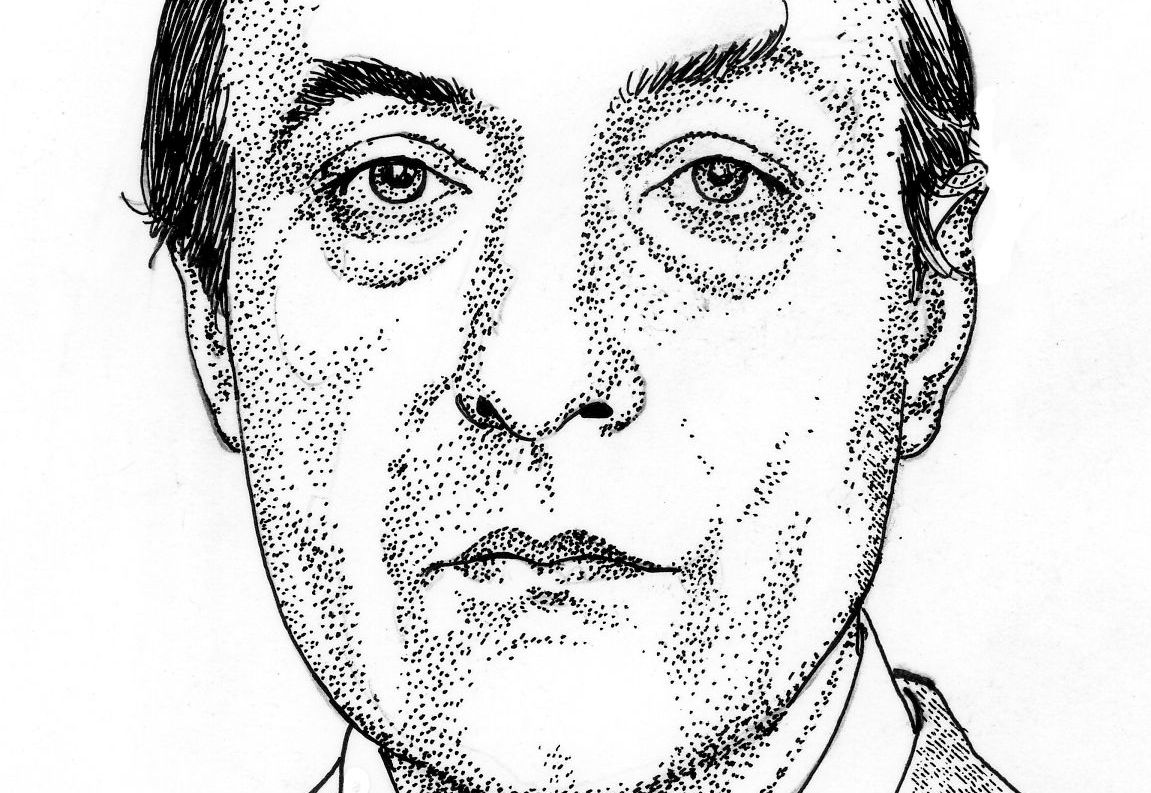
The writer lived for nearly a century. His fate and views did not make him popular, but he became a chronicle of the cultural life of exile and the chronicler of Russian literature. Says Mikhail Talalay

How to get around the lock?
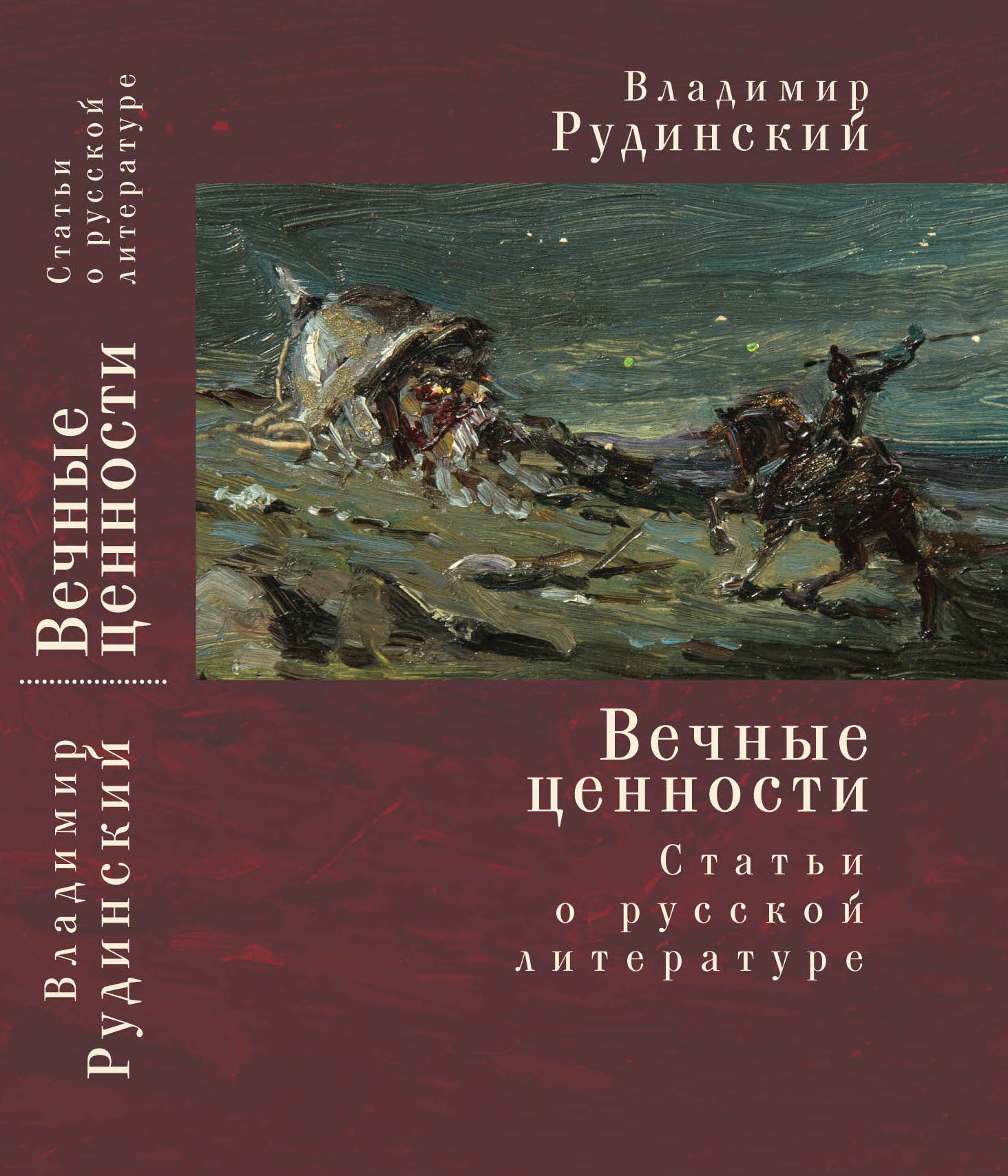
Read>Ivan Tolstoy: the Petersburg publishing house "Alethea" released three volumes of the essays of the emigrant writer Vladimir Rudinsky. You can hold a bet that this resident of Paris is unknown not only to a wide, but also to a narrow public. Nevertheless, he was awarded the three -volume. For clarifications, I turned to his literary "lawyer", one of the compilers and co -appropriations of these publications Mikhail Talalaya.
What kind of mysterious Rudinsky, which they publish with such huge bricks, what is worth it, did it be worth doing? Because the figure is completely mysterious, and, of course, most of our listeners do not imagine who it is. I admit, and I also do not really imagine, although it seems that I could meet this person.
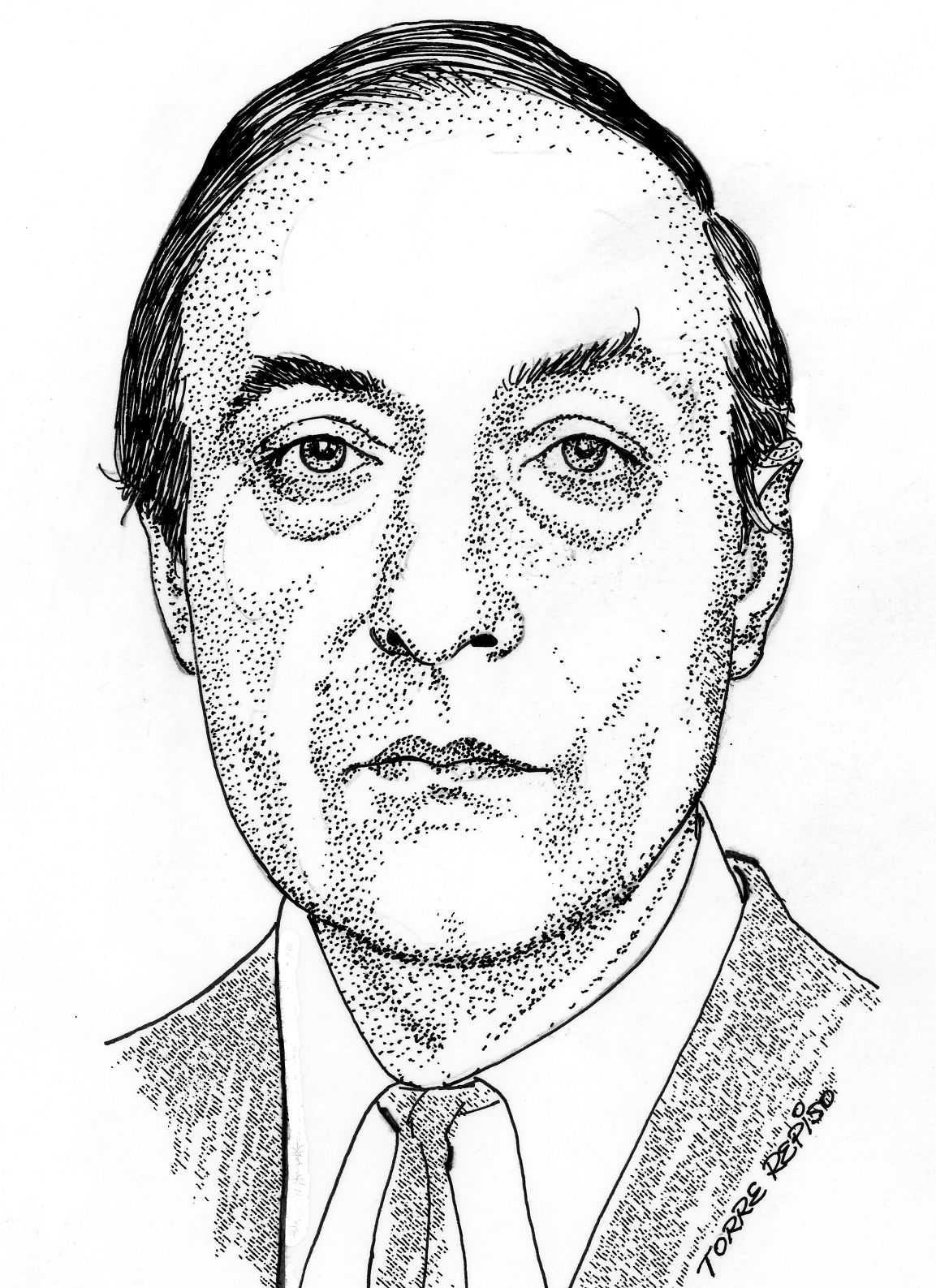
Mikhail Talalay: Yes, Ivan Nikitich, you could probably meet him in Paris, even at the beginning of our, 21st century, because Daniil Petrov (this is his real name, he most often wrote under the pseudonym Vladimir Rudinsky), lived an unusually long, almost hundred years, and a fruitful life.
But first I will name the name of my co -editor American colleague Andrei Vlasenko. He carried me to the figure of Petrov-Rudinsky, he probably had his own reasons to engage in the figure of this writer so seriously and for a long time. I was interested in the fact that this is the second wave. Recently, I have been more engaged in this segment of Russian emigration. It all began with Boris Shiryaev, but it turned out to be a lot of different, interesting, unknown. And in the case of Petrov-Rudinsky, I was attracted by an unexpected moment of his departure to the west in this second wave, but not with the Germans, as it was usually for the second wave, but with the Spaniards, with the "blue division". Exotic Spanish, Mediterranean moment.
He read everything, looked at everything, described, reacted
Then he was attracted by his literature -centricity - he gave his whole creative life to Russian literature, he reveled in it, wrote about it, reviewed, read, gathered, he had a magnificent and rare library of periodic emigrant publications. Unfortunately, she disappeared after his death. Daniil Petrov began to write in the late 1940s, and finished already at the beginning of the new century and reached, as a reviewer, already to the books of Ulitskaya, Akunin and Igor Shestkov. Almost 70 years in the ranks. He read everything, observed everything, described, reacted. This is all Russian literature: and Soviet, which he called the "sub -Soviet", as well as the emigrant and "post -Soviet" - current, modern.
The first two volumes we took it to the texts about Russian literature, the first - the one that remained within the framework of historical Russia, the Soviet Union, calling this volume a little pathetic, quoting the author, "eternal values", and the second volume - "myths about Russian emigration", where we collected his literary criticism in foreign.
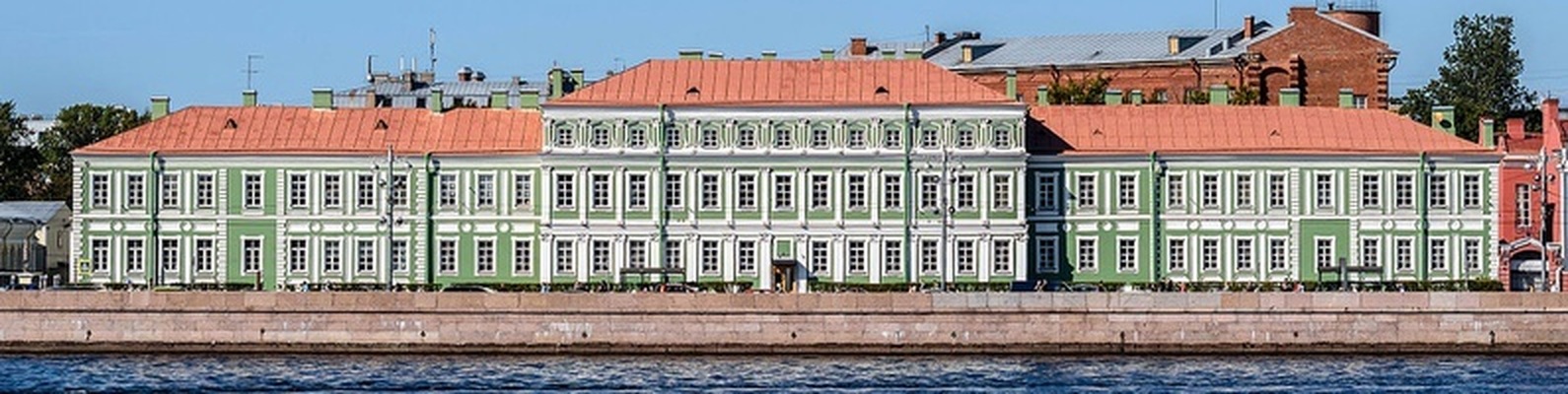
And I would have added a certain moment of the community, because Rudinsky-Petrov is my fellow countryman, he was born in Tsarskoye Selo, studied, formed in Leningrad. Here I have to apologize to the readers, because in the preface to the first Tom we wrote that he was born in 1918 in the town, which then became a children's village. But now, preparing for our program, I began to check the dates, indeed, in 1918, Tsarskoye became a children's village, and with the monstrous increase in the "Uritsky", but this was a little later than the birth of our author. Still, he lived for several months as tsarist sovereign, and he constantly emphasized this moment with pride, quoting Pushkin and Gumilyov.
He studied in the Soviet deck, which was located in the same gymnasium building, where Nikolai Stepanovich also studied. I think that in the 1920-1930s they still remembered well, they knew, quoted the poems of Gumilyov, who has become the idol of Petrov-Rudinsky for the whole life. I will quote such a phrase:
"Under the curtain, before the collapse of our culture, God sent Russia the great poet, one of the best she had ever seen-Nikolai Stepanovich Gumilyov. And he gave him with all his generosity not only with talent, but also by courage and high nobleness."
And then - Leningrad. He is a graduate of LSU, and it is a pity that he wrote little about Tsarskoye Selo and Leningrad, but he left some memoirs:
Ivan Tolstoy: From the memoirs of Vladimir Rudinsky about Leningrad University in the 30s, included in the first volume, "eternal values":
"We, at the Faculty of Philology, located in a separate, relatively small house, right along the embankment, leaving the huge, long building of the University of Leningrad, was in the late thirties, when I studied there, there were many excellent professors.
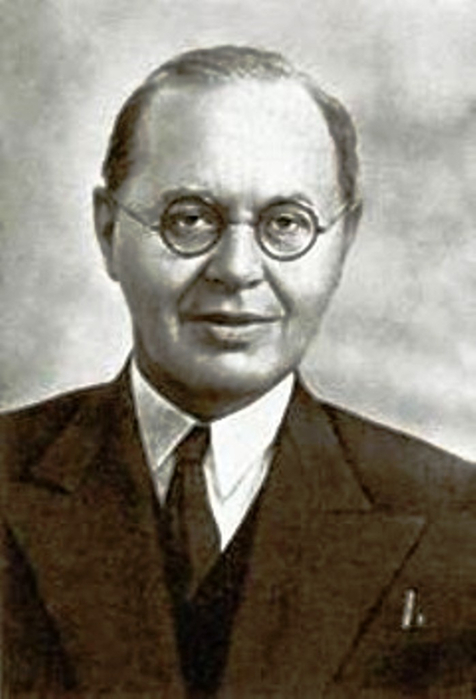
The Latin and ancient Greek literature was read to us Count Ivan Ivanovich Tolstoy (they said that he was uncle writer Alexei Nikolayevich Tolstoy), small and thin, with thick silver hair and thin mustache, which was distinguished by extraordinary politeness and warning and considered a major specialist in antique folklore.
(I will make an amendment from myself: I.I. Tolstoy was not a count and was not uncle A.N. Tolstoy. - Yves. T. ).
Medieval and Renaissance literature was taught by Alexander Alexandrovich Smirnov, dense, broad -shouldered, in large horn glasses and with a constant friendly smile on the lips. In his main interest in science, he was one of the few Celtologists in Russia; The Academy publishing house published, ten years before the period I am talking about, the ancient Irish sagas in its translation. Later, ending the university, I was preparing to write a dissertation about Calderon under his leadership; But the war came, and this dissertation remained never written ...
We were introduced to the classicism and western literature of the XVIII century by Stefan Stefanovich Mokulsky, a man of athletic addition, with an eagle nose, large features and a massive, completely naked skull, for some reason for some reason an absolute idol of all students. They told about him as a joke that he once complained in the dean’s office: “When I re -read my lectures of past years, my hair stands on end - there are so many vulgar sociologism in them!” (And at that moment, he was, of course, forced Wolen-Nilens to follow the spirit of time). “Well,” the students said, chuckling, “if Mokulsky’s hair stood on end ...”.
No, I do not invent and do not confuse; All three really had exactly the same, double, names and patronymics: Ivan Ivanovich, Alexander Alexandrovich, Stefan Stefanovich. There are similar coincidences; Yes, there are more strange ones. In the same period, Professor Rakov read the ancient history in the first year, and Lebedev was engaged in the French language with us. Only Schukin was not enough for us, so that all the characters of the famous Krylovskaya fable were obvious at the university. Schukin, let's say, did not appear in my memory; But, however, in one of the senior courses, we were then taught by the Russian history of the XIX century by a certain perch ... ".
Mikhail Talalay: Petrov-Rudinsky calls the name of a wonderful Spanist, expert on Cervantes, professor Alexander Alexandrovich Smirnov, from whom he had to write a dissertation about the playwright Pedro Calderon. But here-the world cataclysm, the Great Patriotic War begins and in Tsarskoye Selo, the Spaniards are soon, the division itself, which my modern colleagues prefer to call the "blue division", and Petrov-Rudinsky himself calls it "blue". Of course, these were aggressors, invaders, allies of the Nazis and Wehrmacht, but some kind of nuances with some nuances - the Spaniards did not have racial theories and they kept anti -communism into this war.
These were mainly veterans of their civil war. Many said that they went to avenge their dead relatives, for the scolded Catholic Spain. So, already in September 1941, a few months after the outbreak of war, in the city of Pushkin (as a children's village was renamed in 1937), the same Volunteer Spaniards turn out to be. Daniil Petrov, he was 22 years old, knew Spanish perfectly and, of course, curiosity led him to communicate with them. As a result, he becomes an official translator at the Blue Division. Three years of occupation passes and in January 1944 the Spaniards and Germans are expelled from the Leningrad region. And there is a tragic pele in the fate of Daniil Petrov.
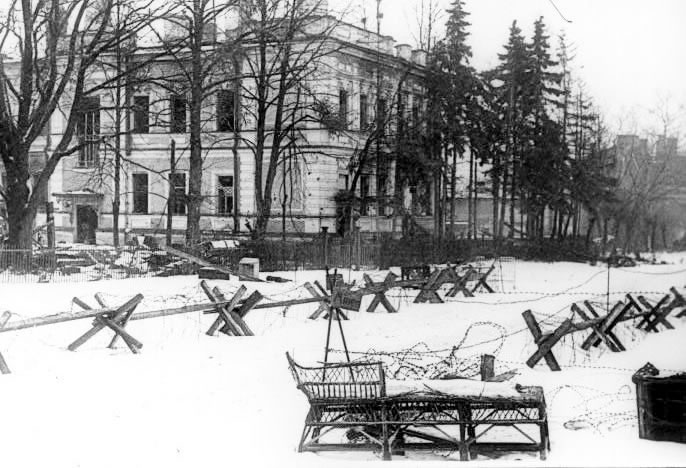
Together with the “Blue Division” in the occupied Pushkin is one white emigrant, tsarist officer Alexander Alexandrovich Tringam, a participant in the First World and Civil War in Russia, and in Spain, during their civilian, he is a volunteer. Now they are increasingly talking about micro -replacement of the civil Russian war, there are also whites and red Russians there. After the victory, the Francists remained in Spain, in 1941, he was also a translator in 1941, they work in the same office. As Daniil Petrov recalled, the Trings became the first Russian emigrant whom he met. From him, he learned about other emigrants, first of all, about Grand Duke Vladimir Kirillovich.
The stories about the helpless of the Romanovs House in Abroad were so impressed by the young Tsarskoye settlement that this determined his further path-he chooses a rather rare political loan for the second wave, becomes a monarchist and, in fact, condemns himself in his further long emigrant life to the position of the marginal, to detachment from a large foreign periodicals precisely because of his old regional political political Credo.
He left small memories of his departure from his homeland. Daniel almost got to Italy.
Ivan Tolstoy: “When the defeat of Germany was already definitely planned, my friends were offered to go to the Cossack camp in Italy. I am:“ I’m not a Cossack! ”And they:“ This is not a misfortune. If you sympathize with the ideals of the Cossacks, then enough. And there is a place there for you. "And it is true, it would be necessary to find, thanks to the knowledge of languages. But in the end I ran to the west, dissolving in a crowd of foreigners moving there. Calling the Frenchman, then a Pole, until I got to one river, behind which the territory occupied by the Americans began. I remember my journalism as a dream, in a sultry country ... with food, it was not difficult. The people who were abandoned with food; even abandoned hiking kitchens (and many cans with canned goods; how to open them?).
In France, the Soviet repatriation mission was operating on full move
In the free world ... But for us, freedom in it did not exist. According to the monstrous, criminal Yalta agreement, all former Soviet citizens were subject to transfer to the Bolsheviks. When we understood this, of course, there were no more Soviet ones: everyone was repainted in the Polish, Turkish, anyway, any other subjects, in old Russian emigrants from Yugoslavia or from Germany-who had enough ingenuity ... The old emigration was full of patriotic illusions: the left were enthusiastic about the “country of the victorious socialism”, the right was like to imagine Mother-Russia as a continuation. Tsarist Empire.
In France, the Soviet repatriation mission was operating on full move, grabbing all the suspicious - with the active participation of old emigrants who took care of the coincidence: without them the work would not have gone ... On the contrary, to French officials, to be said to their honor, hesitated the role of executioners. Some kind of more plausible piece of paper-and they willingly excluded the person who brought her from among the issues intended, believing, or pretending to believe that he was a Western Ukrainian, or a real Pole or Bulgarian. "
Mikhail Talalay: As a result, Petrov is in Paris. I talk in detail about his biography, because it is first described and identified by us, and probably there is still a lot of interesting things in it. Although his Parisian life was quite monotonous, he does not fit into the traditional emigrant circle, he is expelled from the famous Holy Sergius Compound, the Theological Institute, after the second year for monarchical ideas. Petrov, without the blessing of the authorities, went to the congress of the monarchists, which went under the auspices of the Russian foreign church (monarchical orientation). They did not forgive him.
After which he devotes himself, first of all, political activity, but does not forget his love of language, for folklore and ends the prestigious Parisian school of oriental languages. He knew, as they say, more than 20 languages and he was credited with a playful phrase that "only the first 17 are given hard, and then everything goes easier." The life of the marginal led to the fact that almost all the Parisian years worked as a night watchman. In the afternoon, he composed, wrote, taught languages, was engaged in linguistics, but he never fit into any academic and scientific institutions.
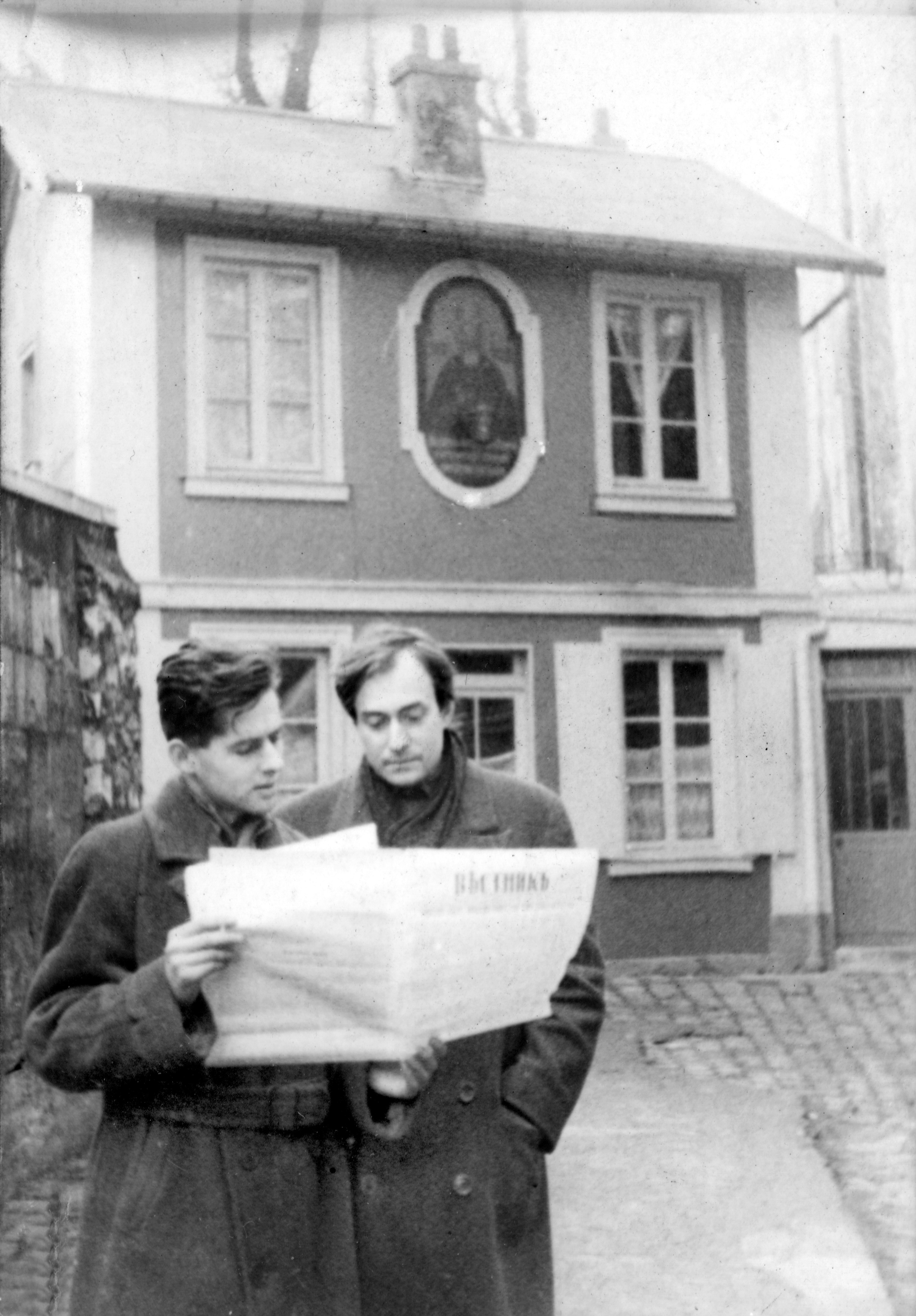
Ivan Tolstoy: Mikhail Grigoryevich, but what about the writer, reviewer, read literature, respond to it if you are not published? Somewhere he still found a platform for himself?
Mikhail Talalay: Yes, there was a platform, but in secondary emigrant publications, first of all, it was eagerly published by the Argentine newspaper "Our Country". With "Russian thought" he quarreled, quarreled with Nikita Struve and with his "Bulletin of the RCD". As a result, he was published in the Brussels Monarchist Journal of the Chasovo, as well as in the now forgotten editions of the Russian Federation, “Our News”, in the German magazine “Russian Key”.
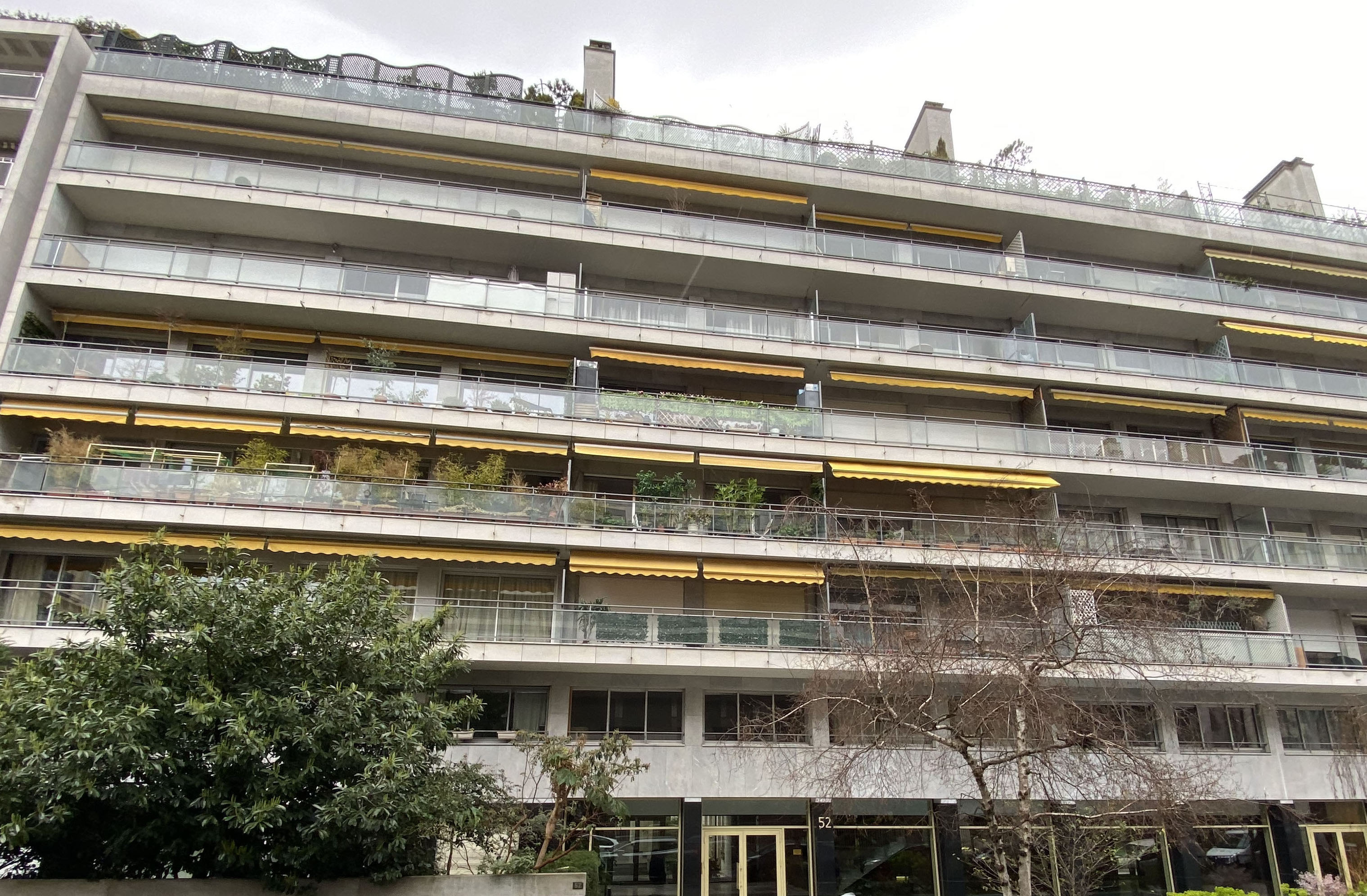
And here is a very entertaining moment of his incredible fertility, which was a lot of difficulties for us: he used a dozen different pseudonyms. In three books, we put the name Rudinsky, this is the main pseudonym. But from Paris to the newspaper "Our Country" was written by a certain Arkady Rakhmanov, and exclusively about linguistics, he led the section "Languages", fanatically fighting for a pure, correct Russian language, criticizing all kinds of modernisms. The same Petrov, supposedly from Canada, under the name Hamid Sadykbaev led a section on monarchism and published research on the ethnography of the peoples of Russia, the pre -revolutionary and Soviet period. The literary critic Savva Yurchenko wrote from Sweden, from Italy - Gennady Krivago, from Greece - Viktor Stremler, from London - Vadim Barbarukhin. Finally, there was a certain lady-political scientist Elizaveta Vedeneev from Belgium, who very emotionally led the heading "Mirages of our time", the bright section of the newspaper "Our Country", which was printed in the first lane.
Ivan Tolstoy: Mikhail Grigoryevich, Rudinsky-Petrov was unusually fruitful, and the quality of what he left in the literature what?
His only fictionalist work is "terrible Paris"
Mikhail Talalay: He wrote expressively and, in my opinion, interesting and important, before us - almost the whole history of the entire Russian literature of the second half of the last century. Perhaps for me personally, the main complaint against him is his partisanship, often he promotes his monarchical idea into literary criticism. Well, a certain endless patriotism, for example, he did not perceive Nabokov, believed that he was almost the National District, once he stopped writing in his native language, and switched to English. But, in general, bright and emotionally. And now readers themselves can get to know this.
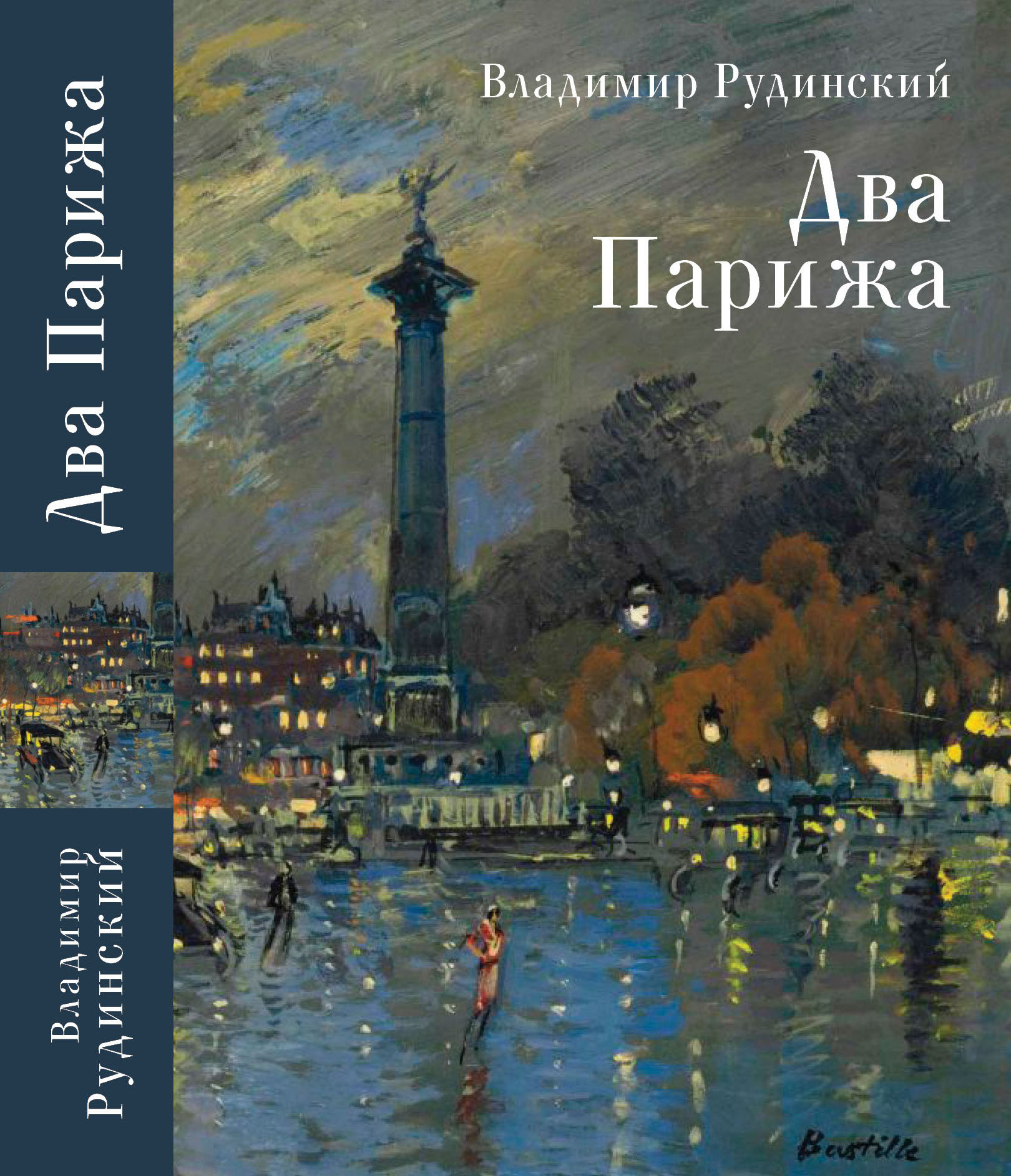
And most importantly, he also had his own literary talent, which did not open immediately for me, because I did not immediately pay attention to his only fiction work - “terrible Paris”. I even liked this book more than its literary essays. This text does not have, in my opinion, precedents in our literature, it is a mixture of a detective, thriller, some occult things and their spiritual assessment.
Here, Petrov-Rudinsky is the royal uninterrupted, he revels in the old literary language, strange characters, mystical and spiritualistic sessions, but all this is immersed in old-emigrant Paris. The detective there is a real Frenchman, a Breton: the author pours a lot of information on us about criminal Paris, as well as about the Russian diaspora. He could not publish this book in important emigrant publishers and, oddly enough, it is published in Jerusalem, in 1992. The fan of his literary work, Dora Sturman, the very famous literary critic, contributed to the release of this book, writing a curious preface.
Ivan Tolstoy: From the preface of Dora, the navigator to the Jerusalem edition of "Terrible Paris":
“ I believe that the cycle of novel, united by common heroes, called Rudinsky“ terrible Paris ”does not have a precedent. In addition to the plot fascination of the cycle in general, he is interesting both with his thoughts and generalizations, not always unequivocal and amenable to determine; and their memoir, whose details are quite realistic, despite the occult adventures of the lyrical hero, and many others. She said that during the first reading, as in any detective, and even fantastic or mystical, the reader is more occupied by the plot of the short story than the worldview basis of the entire cycle, its philosophy, while repeated reading, especially after some time, the deep foundation of feelings, reflections and moral-philosophical positions of the author, which performs in the person of two heroes, becomes more significant for the attentive reader. (the narrator), the Russian friend, the police detective, the mutual confrontation between the infernal evil and the world's goodness, the confrontation between the human soul and around it-is for power over it and its destruction (evil) The author in the most diverse manifestations of black magic, witchcraft, in the activities of occult sects, teachings merging into a certain international servants and slaves of the devil-as protection, refuge and salvation of a person-is embodied in the highest and final sense in Christianity. But the “terrible Paris” (with its impressive mystical realism of the collisia - realism in the image of the supernatural) is devoid of unambiguous and straightforward mentor edification and didacticity Meanwhile, in the gloating of the defeated evil, there is something imperfect and does not hide these ambiguous moments. In addition to the “white magic” and not only the universal self -defense with a cross and prayer, but also, so to speak, special magical counter -receptions);
Ivan Tolstoy: Mikhail Grigoryevich, did this novel enter your three -volume?
Mikhail Talalay: Roman Rudinsky was reprinted in Russia in the mid-90s with a minimum introduction, where, of course, nothing was said about the “Blue Division”: an unknown writer, the book was published in Jerusalem, and now he was published in Moscow ... And this Moscow reprint stopped me. But in the end, we decided on our reprint and a certain liberty - we called this final volume "Two Paris." It has two parts. The first is the “terrible Paris” actually, and the second - the Parisian essays of Rudinsky himself, his criminal chronicle - he willingly wrote about Parisian crimes - and essays about Russian Paris. We collected these texts, compiling a certain documentary application to the "terrible Paris".
The collection completes our trilogy and gives the reader the image of not only a literary critic, an emigrant patriot, who only lives abandoned by Russia, sometimes not particularly imagining what is happening there, but also the image of an interesting writer.