
Translated material
I don't care what country to serve
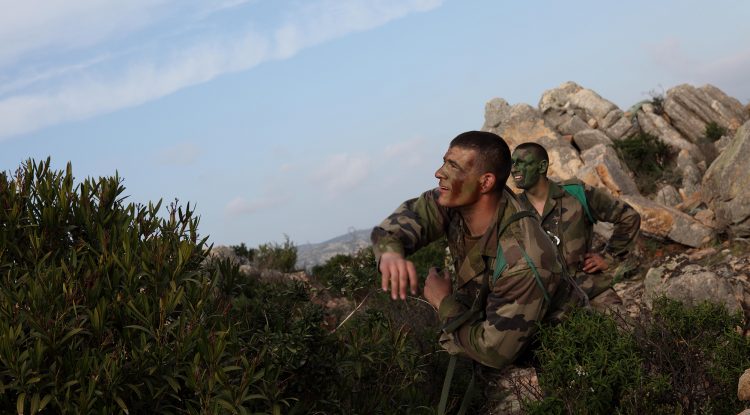
Hundreds of Russians and Ukrainians are fighting for France in a foreign legion. That's why they do it and what is happening to them now
Since 2014, when the conflict began in the Donbass, the Russian official media constantly said that citizens of foreign states are fighting on the side of Ukraine. Already after the outbreak of a full -scale war in Ukraine in 2022, soldiers of the self -proclaimed DPR captured two citizens of Britain and Moroccans, who signed a contract with the Ukrainian army before February 24; All of their DPR court sentenced the death penalty. Meanwhile, since the 1990s, hundreds of Russians fought for the army of France, now declared an unfriendly state, at various points in the world. In the French Foreign Legion created in the 19th century, any foreigner can enter - and for many Russian men, the contract with the French army was more profitable and interesting than the service in his homeland. At the request of the Cold, Julia Selikhova tells how the life and service of several Russian legionnaires developed - and what changed in the legion after the outbreak of war in Ukraine.
All names and surnames of the heroes are changed
In 2013, the girl Saveliy Dmitrenko threw a 25-year-old Muscovite-and he decided to go to fight for France.
“Due to the breakdown of relations, I lost meaning in life,” Dmitrenko recalls. “The girl and I were serious, but she decided to go to a more adult and wealthy man.” In addition to this, Dmitrenko also lost his job - he made estimates for a construction company, but he was reduced. Reflecting on what to do next, he remembered how in his youth he watched the British show “Escape to the Legion” on TV: in it the host and eleven volunteers went to the sugar to recreate the process of training the soldiers of the French legion. The real unit of the French army, which foreigners could sign up, had nothing to do with the television program - rather, exploited the myth of him. It was this myth that attracted Savely Dmitrenko: after failures on both the professional and personal front, he "wanted to completely change his life, to test himself."
In October 2013, Dmitrenko sat on the plane in Marseille to go from there by train to Naan - a city where the main recruiting point of the Legion is located. Prior to this, he went a couple of times on vacation to Turkey and Egypt with friends - a trip to France was his first independent travel to Europe. “While I was driving [from the airport to the Marseille railway station], a huge amount of graffiti with abusive words was caught in the eyes,” the man recalls. - Literally all the walls were in graffiti, I have never seen this [in Russia]. I drove to the station late in the evening, it was dark, nothing worked, there was almost no one on the street except black cleaners and Arabs. They talked very loudly and, as it seemed to me, rudely treated even to each other. It became scary. " Dmitrenko spent the night at the station - he especially remembered the "Billboards with homosexual pictures" posted there. “I stressed,” he says. “For the first time he began to think about death, that they could send me somewhere abroad, and I will blow up on a mine there or they would shoot me.”
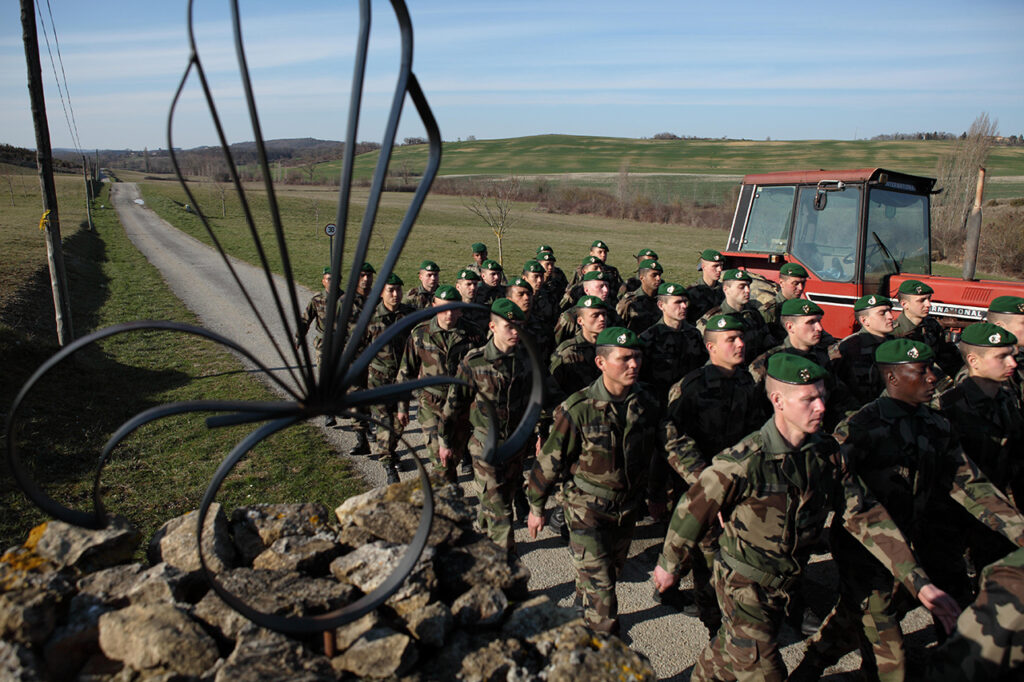
At half past five in the morning, Dmitrenko sat on an electric train and safely reached Uban. There he was immediately sent for an interview, which took the first half of the day. Then there were testing tests. “Some people were immediately sent home: someone could not pull themselves up, someone had the pressure due to squats,” says Dmitrenko. - I passed the tests of the first day, dinner came. We were given trout with rice and Rocher sauce. Can you imagine when they take the Roquefort cheese and dilute it in milk and cream? I ate this level of the dish only in restaurants. ”
Life, Dmitrenko recalled how they fed in the Russian army, where he served a year -old year: buckwheat with a cutlet, "made from everything that remained since yesterday, mixed in a mixer with pig or beef fat." After the trout they were given a pie for dessert and juice. In general, in the French Legion Dmitrenko I immediately liked it.
Toothbrush, soap and razor
A comparison with the Russian law enforcement agencies came to the mind of almost all volunteer legionnaires with whom the cold spoke-and always turned out to be in favor of Russia. Maxim Vdovichenko from Novosibirsk in the 1990s worked in the Sobr-an elite police unit, which should deal with organized crime. Despite the status, there was not enough money: “We received a penny, familiar officers worked as security guards in their free time,” recalls Vdovichenko. Another interlocutor of “cold”, Alexander Petrov, tells a similar story: “Then [in the Russian army], pea jackets, overcoats, merged gasoline, sold spare parts from cars. For six months, officers did not receive a salary. ” Petrov wanted to become a professional military all his life, but in Russia he did not see the prospects-having served a year and a half of the military service in Moscow, he in a few years, in 1997, signed up in a foreign legion. Vdovichenko came to France two more years later-in 1999 he had a son, and it was necessary to feed his family with something.
The foreign legion in France was founded in 1831: the country was going to colonize Algeria, and for this the king of Louis Filipp ordered to create special troops, where they could accept foreigners to the service. It was forbidden to fight the legion in the country, but it was actively used in foreign campaigns: for example, in Crimea in the 1850s, in Mexico in the 1860s, in numerous colonial wars, which France waged until the early 1960s, and so on. The Troops of the Foreign Legion in 1954 participated in the battle of Dyenbieenf in Vietnam, the defeat in which actually led to the departure of France from Indochina. The number of the legion changes based on the current needs of the French army - in 1914, almost 22 thousand people served in it; Now - about nine thousand. In the 2010s, the soldiers of the Foreign Legion took part in the campaigns in Mali (in 2013, France, with the support of the UN Security Council, introduced troops into the country to help the local government fight the separatists and groups of Islamists) and in Afghanistan.
They are not recruited to the legion not too actively, since the brand is already widely known. Savely Dmitrenko learned about the possibility of serving in France from a television program; Alexander Petrov - from the served friend; Maxim Vdovichenko - from former colleagues who went to the Legion. According to Vdovichenko, the national composition of the legion participants can tell a lot about the level of the economy in the countries where they came: the more people who want, the poorer their homeland. Now about a third of the legionnaires are Ukrainians, Belarusians and Russians.
To go to the service, the candidate must independently arrive at one of the qualifying points in France. New comers appear daily and can enter France on a tourist Schengen visa (this is how all the interlocutors of the "cold" did); According to 2019, about 20% of candidates are selection. Each check the documents (for example, find out if a person is on the international wanted list), and then arrange physical and psychological trials - with the help of interviews, tests, exercises. All this lasts several weeks, after which successful candidates officially go to the service. The legionnaire concludes a contract with the Ministry of Defense of France and receives permission to work in the army; It is forbidden to work on a civilian with such documents.
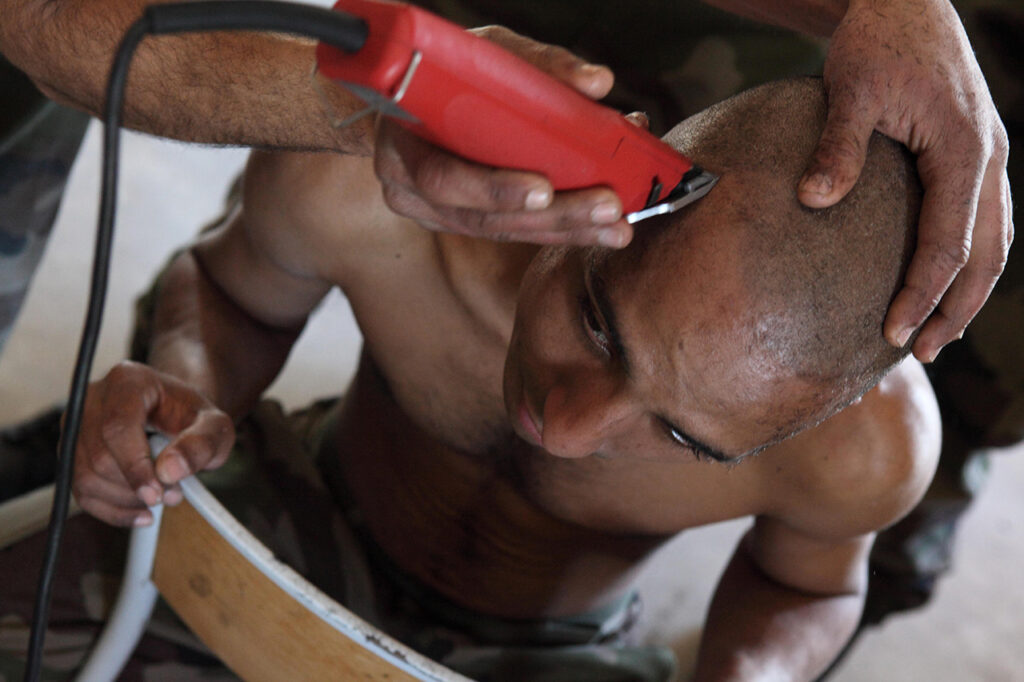
Alexander Petrov went to go to the Legion when he was 22 years old. Not knowing either the French or English, Petrov drove to Zali - by trains through the Belgian Liege and Paris. “Now I wouldn’t go into this adventure: I pulled someone by the sleeves, showed an appointment point without knowledge of the language on a piece of paper,” recalls Petrov. - And then it was cool. When I saw the legion, he was even cooler than I imagined. When I served [in Russia], everything that I had was placed in my pocket: a toothbrush, soap and a razor. And here we arrived, we were given a large backpack and a large bag with things, three camouflage. For the summer - shorts, T -shirts, T -shirts, for the winter - completely uniform, shoes. They give everything up to the firing glasses. ”
Savely Dmitrenko had similar impressions. “To such a level of security, military training of our army is still far away,” he argues. -The form that was issued in Russia fades in six months and turns into some rag. And the French uniform, which I received eight years ago, is still at home in good condition. You can walk in it now. Or shoes: in the Russian army, at some point, both we and contractors were given out berets. A week later, we could no longer go in these berets at all, everything was erased. In the Legion, we were immediately given the berets of the Haix company - and I never remember that my legs hurt even after marches 20 kilometers with a backpack and weapons. ”
A little fanatics
When the candidate begins the service in the Legion, he enters the training unit for several months. According to the stories of the interlocutors of “cold”, from this moment it is forbidden to speak in any language, except French, and the legionnaires are divided into “triples”, which necessarily has at least one francophone: so foreigners quickly learn the language at the level necessary for the service.
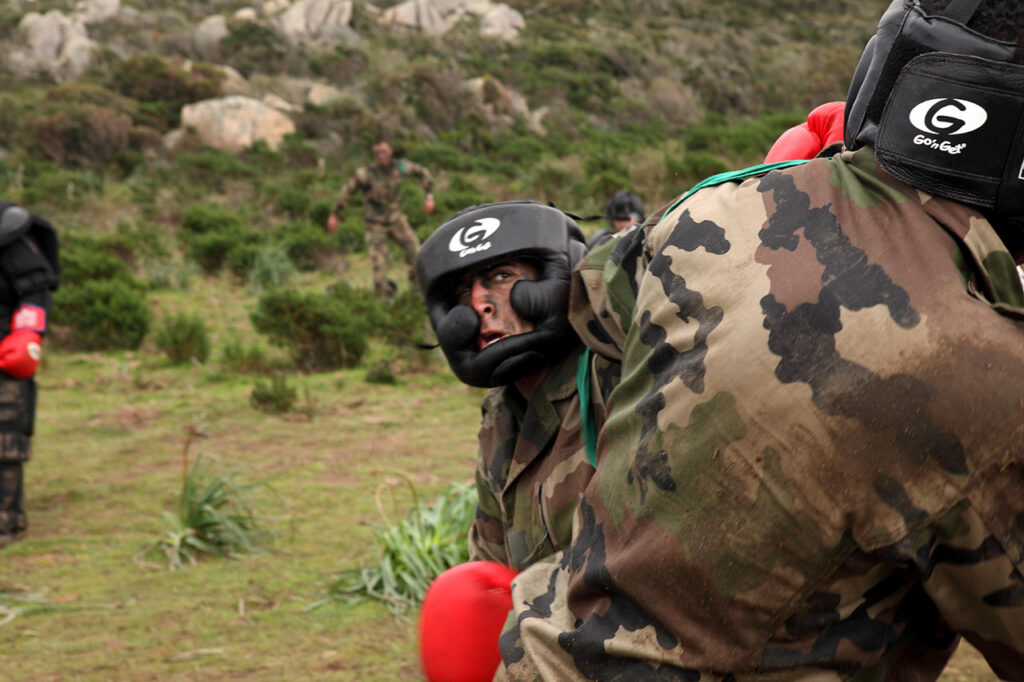
“Shooting, running around, obstacles, anxiety day and night,” Petrov describes everyday life. - Romance in general. I was completely delighted. Respect and trust were felt: they immediately began to treat us as professionals. After a couple of weeks, I was already given an automatic machine, and the platoon commander and I walked around the civilian territory. And not like in Russia: I shot three rounds to the oath, and then you paint the borders. But you have to be a little fanatic: those who come only for money rarely withstand it, we must love it. ”
Savely Dmitrenko had more harder - although before going to France, he trained for several months. He recalls that he could hardly endure the harsh army discipline and even thought of escaping, but decided to stay when he received the first salary - 4,000 euros in two and a half months.
After the "training" of the legionnaires, they are distributed by shelves. Dmitrenko got into the engineering: according to him, in Russian realities this is something between the infantry and motorized rifle regiment, although the main specialization of its regiment was to be cleared. Alexander Petrov was in the parachute regiment - the elite unit of the legion, which is based on Corsica.
According to the interlocutors of the "cold", the service in the foreign legion itself is mainly also consists of training. Petrov, having got to Corsica, went through parachute and mortar training, learned to drive armored personnel carriers, received a specialty of mechanics and even went through snipers courses. “Legion is a place where you need to constantly study. Some kind of new type of weapon, new combat vehicles appear, we are immediately taught to use them, ”says Dmitrenko. - Ordinary regimental life: at six in the morning, raising, cleaning, breakfast, construction, theoretical exercises before lunch, lunch and still teachings after. The working day ends at 17.30. When the authorities leave the company, you can relax a bit. Hell - at 22.30. "
“It is difficult to become a soldier at the age of 30, to be at the zero level, when your experience is absolutely not interested in anyone,” recalls Maxim Vdovichenko, who got into the legion after the Russian collection. - I just had to put up with this. The spirit of romance was held in the first weeks in “Training”. This is the same army, just with very good preparation, good payment, but with a very strong discipline. ”
Legionnaires also have military business trips - they are paid at an increased tariff. During his service in France, Petrov traveled first, in the late 1990s, to Yugoslavia, and already in the 2010s to African countries: Mali, Djibuti, Chad, Niger. According to him, the fighters' tasks were the fight against local Islamic formations. “We plan special military operations against gangs, we catch caravans,” says the Russian. -The caravan is two or three pickups at the beginning of the column with large-caliber machine guns, then 10-12 cars with drugs or weapons. We work on them: a night selection from an airplane, a night march, we dig in the sand, wait in an ambush. ”
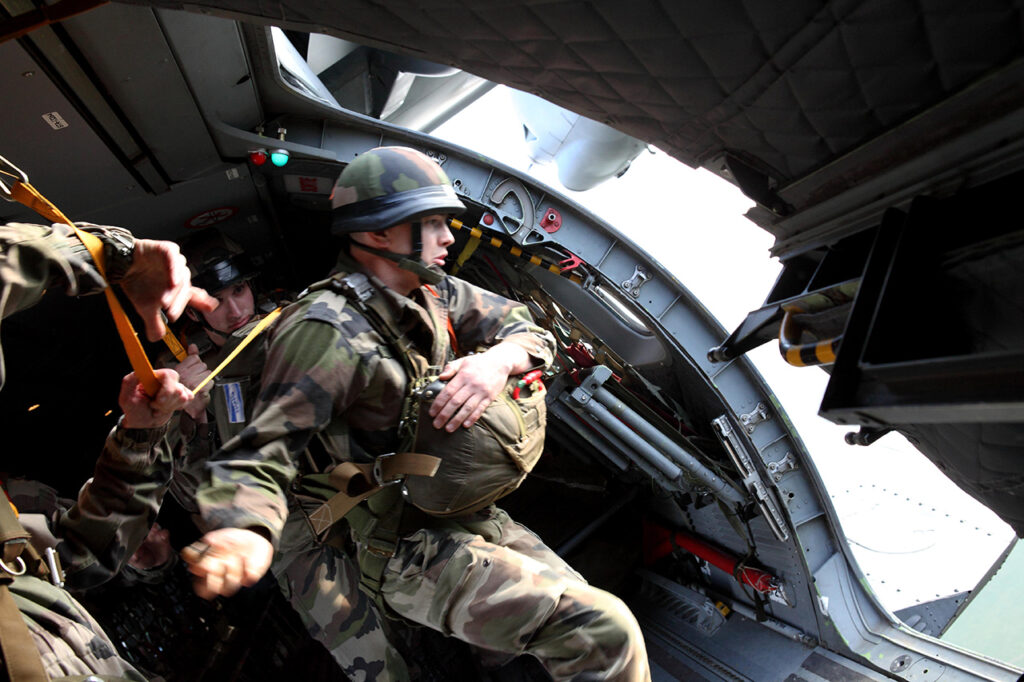
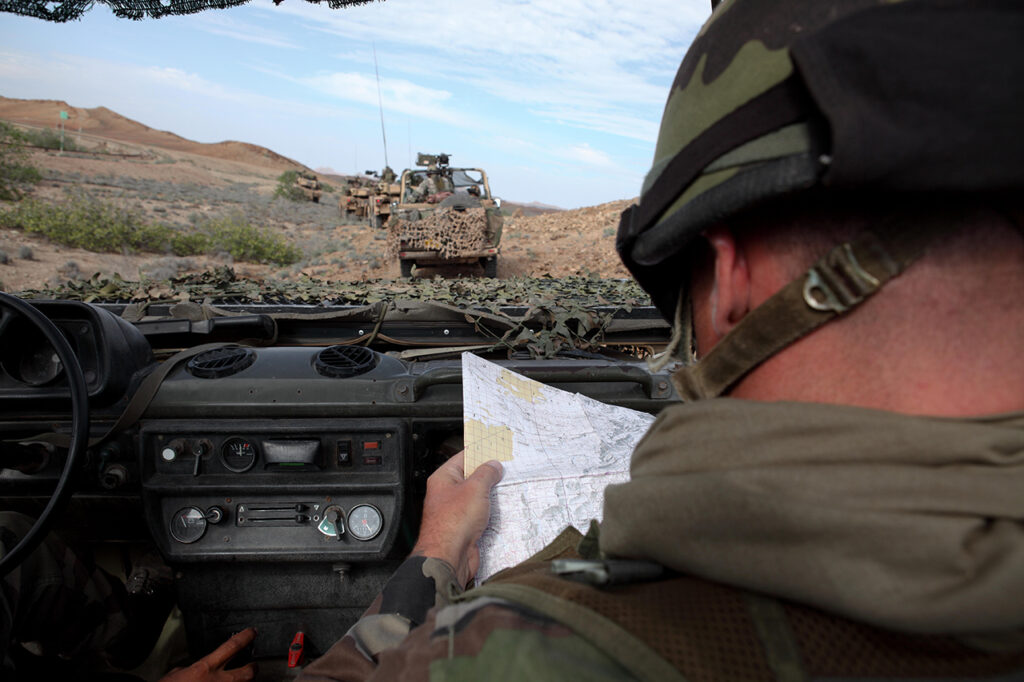
“Once they landed in Niger, the plane entered the line of outlet. It was necessary to jump into the enemy’s territory at night, where the military man had not yet stepped before us, everything was mined there. Of course, at such moments there is a jolly, ”recalls Petrov. “But then it passes, adrenaline is produced.” Or in Mali there was a situation when we landed, and we were told that a group of militants in one and a half kilometers. They decided to go with the composition of experienced legionnaires: they loaded with cartridges and ran with a light coward. The aircraft from above at a distance of ten kilometers coordinated, according to the walkie -talkie: there were 400 meters left, 300 meters, 200. Of course, then there was a mandrazh, no one knows what they were armed. But we quickly came running, they did not have time to react. ”
Savely Dmitrenko twice went on a business trip to French Guiana - a region in South America, which now remains part of France and an important source of minerals for the country. Dmitrenko and his colleagues patrolled the jungle, looking for illegal gold miners. “There are no fighting in Guiana, it is more dangerous there because of tropical flies, cockroaches and snakes,” says Dmitrenko. - There we swim on kayaki along small narrow rivers, because we can’t get to some places in another way, patrol the tropical forest. If we find someone, we call the gendarmes that should deal with illegal immigrants. And in your free time you can watch YouTube, listen to music. ” For four months of such a business trip, the Russian, according to him, earned more than 10 thousand euros.
Just work
In the Russian Criminal Code there is an article on mercenaries-according to it, a person who is fighting for money, not being a citizen of the state member of the conflict or “a person directed [to the combat zone] for the performance of official duties,” can be imprisoned for a period of three to seven years. In July 2022, the State Duma added another article to this - according to it, a Russian, who is fighting in the territory of another state “for purposes contrary to the interests” of Russia, threatens from 12 to 20 years in prison. Moreover, according to the International Convention on the fight against recruiting and using mercenaries, soldiers of the French legion are not considered mercenaries, since they are part of the regular army of France and participate only in the wars in which this army officially participates.
The lawyer and author of work on private military companies in Alexander Egorov confirms: the legal service in the French legion is usually not considered as “mercenary” and is not formally prohibited by the legislation of the Russian Federation. “About cases when Russian courts would attract citizens of the Russian Federation who served in the legion under the article“ Mercenary ”, I do not know,” says Egorova. - The situation is much more likely that a citizen of the Russian Federation, who received military service in a foreign army, can under certain circumstances be held accountable for crimes that are attempted to encroach on the security of the state, for example, the Stateizer . In this case, the accusations may not be brought for the fact of service in the foreign army, but for the disclosure of state secrets or counseling of the French army, which pursues a threat to Russia. ”
So far, Savely Dmitrenko received a residence permit in France, every visit to Russia to his relatives was anxious experience: according to him, border guards always carefully checked the documents and asked questions about work permit. “Now I have this card [with a residence permit] as if I had removed a giant number of problems. Suppose they will present “mercenaries” to me, and I will say that this is the official French army, show the card, [and they will let me go], Dmitrenko argues. “The legion is the French army, we receive official salary sheets from the Ministry of Defense, we have no similarity with the mercenaries.” Alexander Petrov agrees: “Who are the mercenaries? These are people who work for a private organization, once a month, a conditional uncle Vanya pays money in the forest. We work for the state, we have the official status of a French soldier, official salaries, we pay taxes in the country, we have official medical insurance. He who has received citizenship votes for the president. We are not mercenaries. " Nevertheless, Petrov feels uncertainty “in connection with the latest events in Ukraine”: “There is such an option that we will be interested in.”
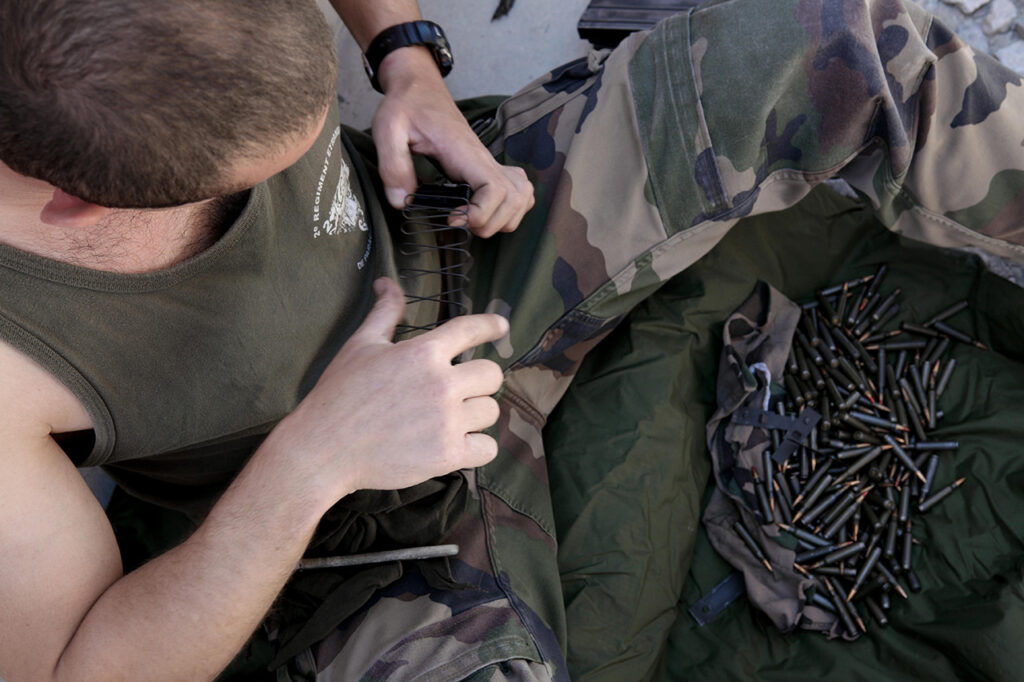
Первый контракт с легионом стандартно заключается на пять лет, последующие могут быть сроком от полугода до тех же пяти лет — в зависимости от желания легионера, задач полка и решения командования. Максим Вдовиченко, отработав первый контракт, в начале 2000-х вернулся в Россию: «Зарплата была хорошая, но жить на расстоянии — тяжело, когда ты молодой, захотелось вернуться к семье». Впрочем, когда в 2017 году сыну, ради которого Вдовиченко когда-то поступил в легион, исполнилось 18 лет, тот тоже отправился в Обань записываться в учебную часть. По словам Вдовиченко, решение отчасти было продиктовано тем, что отец не хотел, чтобы сын «жил в этой стране».
Сейчас, когда Вдовиченко-младший заканчивает свой первый контракт, у него уже есть разрешение на получение французского гражданства. Легионер может запросить гражданство Франции после первых трех лет службы; согласно официальному сайту легиона, чтобы его получить, нужно «хорошо служить» и надо «доказать свое желание интегрироваться во французскую нацию». На практике получение вида на жительство или гражданства занимает до двух лет: много времени уходит на оформление документов.
Савелий Дмитренко сейчас продолжает служить в легионе — отработав пять лет, он заключил еще один контракт. Его мечта начать жизнь с чистого листа сбылась: у него уже есть десятилетний вид на жительство во Франции, и когда в 2023 году его срок службы закончится, он собирается остаться в Европе и найти там работу, не связанную с военной профессией.
Александр Петров тоже до сих пор служит в легионе — хотя давно уже получил и французское гражданство, и право выйти на пенсию: «То должность начальника отдела мне предложат, то премию». Когда служба все-таки закончится, он собирается вернуться на родину: там у него есть недвижимость и планы учить молодежь единоборствам. «Сколько бы ты здесь ни жил, ты все равно будешь чужим. Лучше я буду большим человеком в России и буду там жить хорошо на французскую пенсию, чем маленьким — здесь», — рассуждает Петров. И добавляет, что, будь ему 22 года сейчас, он бы поступать в легион не поехал. «Сейчас в российской армии все намного лучше, чем в 1990-х. Я вижу подготовку, экипировку, отношение: все поменялось кардинально, — объясняет он. — Но теперь уже моя работа здесь, теперь никуда не пойду. С 2011 года я стал инструктором, учу молодых. На миссии выезжаем мы во имя добра: против наркоторговцев, против ИГИЛовцев. Я не убиваю мирных людей, не насилую женщин. Это просто работа, поэтому мне в каком-то смысле все равно, в какой стране служить».
Нет религии, нет национальности
Начало войны в Украине российские легионеры, с которыми поговорил «Холод», встретили скептически. «Все пошло не так, как надо. Взять нахрапом не получилось. Я за Россию, но я хочу, чтобы это закончилось, — говорит Александр Петров. — Было много дезинформации с нашей стороны в самом начале. Я со второго дня знал, что там есть срочники. На мой взгляд, чтобы сформировать военного, нужно 4-5 лет: чтобы человек действительно мог вести бой и днем, и ночью, был готов к разным условиям. Я считаю, что люди, которые отправляют срочников на войну, должны понести за это наказание. И вообще — надо сначала у себя дома порядок навести, а потом туда лезть». Сам участвовать в конфликте он не рвется: «Если бы на Россию напали, то я бы собрал вещи и поехал. А так — не поеду, сами разберутся».
«Я знаю, что такое взрыв на расстоянии 50 метров, — рассказывает Савелий Дмитренко. — Даже когда это контролируемый взрыв во время учебы, ты все равно чувствуешь ужас и страх, к этому невозможно привыкнуть. Не нужно обманывать себя, что это украинские нацисты там убивают людей. Люди погибают под нашим артиллерийским огнем, бомбардировками, крылатыми ракетами. Я считаю, что это непрофессионально. То, что произошло в 2014 году в Крыму, было профессионально, быстро, без выстрелов. Я это тогда поддержал. Кто-то был против, кто-то радовался, но, по крайней мере, там не гибло мирное население. А то, что происходит сейчас — это ужасно. Я категорически против того, что происходит. На мой взгляд, это никакая не спецоперация, это война».
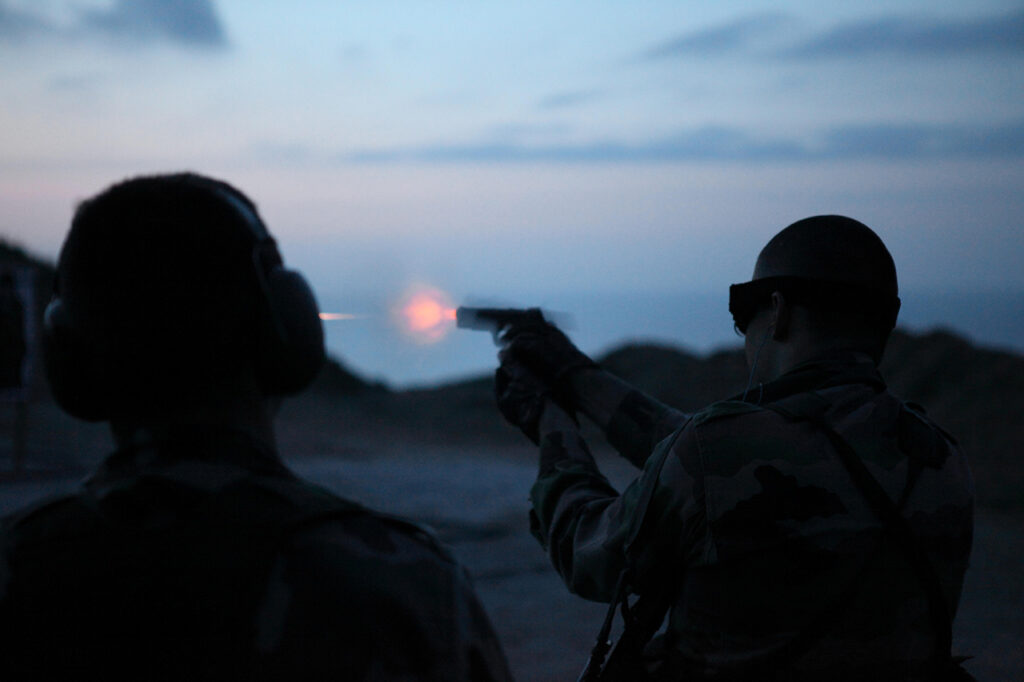
В начале марта информагентство AFP сообщило о том, что как минимум 25 украинцев дезертировали из легиона. Возможно, для того чтобы отправиться воевать на родину; 14 солдат в итоге задержали , когда они ехали на автобусе в Польшу.
Украинцев в легионе много, подтверждает Дмитренко, — со многими он служит вместе прямо сейчас. «У очень многих сослуживцев с восточной Украины погибли или пострадали ближайшие родственники, — рассказывает он. — Ребята рассказывают, с чем столкнулись их родные: даже если это делить на два, все равно это ужасно. Я как военный считаю, что там со стороны России отсутствует профессионализм. Они выкатывают огромное количество артиллерии и начинают бомбить все подряд». По его словам, руководство легиона прямо запретило подчиненным участвовать в войне в Украине, но многие все равно уехали, хотя за дезертирство могут получить тюремный срок. «Лично я их понимаю, — говорит Дмитренко. — Когда бомбят твою страну, ты хочешь помочь».
По словам Петрова, после 24 февраля в его полку возникло некоторое напряжение между украинскими и российскими легионерами. «В первые дни украинцы нам задавали вопросы: “Зачем это было сделано, почему?” He says. — Но мы знаем друг друга по 10-15 лет, не раз вместе в командировках были и выручали друг друга. Посидели, поговорили, а потом забыли разногласия: кто же знал, что будет так. Кодекс чести легионера включает то, что у нас внутри нет религии, нет национальности. Мы все братья, мы все — друг за друга, не оставляем никого на поле боя, нигде. Оно так и есть, это не пустые слова. У меня в отделе [инструкторов парашютного полка] есть украинец один, я ему сейчас помогаю, чем могу».