
Translated material
Gifts from the front
The fate of the German "trophies of war": sending home in the "Parks" of everything that is poorly lied with "liberated lands", Russia mastered long until February 24
From the very beginning, I will say directly so that no one had any doubt: compensation for damage caused by the invaders is not subject to the slightest doubt. And if in every paragraph I will not remind of the tragedy that has comprehended my country with the grace of the invaders, the streams of impotent tears spilled through their unfidelled fault, about those thousands and thousands of crimes committed by them on foreign land (where they were not called), then this is not because I want to shut up and even more so - justify them.
Retribution, which overtook Hitler and his associates, is highly fair and natural. It is natural and fair and the fact that for their leaders, for their army, for the order set by them throughout Europe, had to be responsible, including those who did not kill, did not rob, and did not force. And even - did not approve of this.
And yet. To justify your crimes and "mistakes" by strangers - it is no good. It does not pass. This must be remembered too.
When Stalin sat down at the negotiating table in Potsdam, reparation supplies in the USSR were already in full swing. On the twelfth day of the conference, the Generalissimo suddenly discouraged the Allies with an unexpected statement: “The Soviet delegation refuses gold; As for the shares of German enterprises in the western zone, we also refuse them and will assume that the entire West Germany area will be with you, and as for East Germany, we are with us. ” And this is after long discussions of persistent claims of the Soviet side to the share of reparations from industrial funds in the zones of the occupation of the Allies, coupled with Italy!
The interlocutors asked several times whether they understood him, and Stalin confirmed several times with a grin that it was so:
All German investments around the world, with the exception of Romania, Bulgaria, Hungary, East Austria and Finland, all resources of West Germany remain with the USA and England, and only their eastern part.
As Stalin planned, at the height of the conference, the removal of basic industrial equipment from Poland was supposed to be completed. In this case, allies are needed in the eastern zone of occupation? Stalin did not like witnesses, but he could not stand the revelations.
The Stalinist calculation was simple. Unlike monetary operations, it was almost impossible to control the collection of tribute with Germany in nature, and the monetary equivalent itself acquired conditional significance ... Moreover, receiving finished products and means of production for the inferior Soviet economy was much more important and profitable than the acquisition of currency, some of which would certainly have gone to pay loans to the same allies.
By the way, as a result of the mutual impregnability of the “big three”, the amount of reparations was never determined. In general, Stalin was not upset. It was only in his hand.
How much and what was removed from Germany is still not known.
One, perhaps, is not the most striking example recorded in the state control act about the receipt of goods to the design bureaus of the People's Commissariat of Avia Prom.
“In July and in August 1945, trophy property arrived in Moscow to the Central Design Bureau 17 with two echelons. At the same time, in these two echelons, along with industrial equipment, a large number of material values of non -productive value were delivered. Among which: 4 cars, 5 motorcycles, 9 piano and piano, 199 radios, over 7700 pcs. Radio Dymes, 46 items of furniture (buffets, trellis, sofas, soft chairs and beds) and others.
In addition, the employees of the Central Design Bureau No. 17, who were dismantling and shipping trophy industrial equipment, brought a large number of trophy property for themselves. So, the deputy chief of the Central Committee of the Central Committee of the CCB-17 Malyshev V.A. I sent for myself 6 boxes with 49 items of different property, including: one sewing foot machine, 1 sound recording device, 10 cuts - 54.7 meters of woolen fabrics, 2 speakers and 50 kg of wheat flour.
The head of the 23rd Aviation plant Zvyagelsky shipped for himself 10 property boxes of 130 items, his assistant Kondrashov-58 items, an employee of the VIAM of the Troitsky Aviaprom-81 items, was slightly inferior to him by the cargo baggage of employees of the KB Borovoy, Ovchinnikov, Evchinnikov and Frumkin. "
All this - I emphasize - did not enter the “official” lists of the shipped.
The list of names itself occupied more than one and a half dozen pages: bedding and underwear, women's and men's costumes, children's clothing from socks to fur coats, shoes of various types, handkerchiefs, ladies' stockings, fur mantles, carpets with original painting, crystal dishes, dining rooms and ... children's toys. Bicycles, motorcycles, kitchen utensils ... Most of the things, alas, are “from the former use”.
Could, of course, buy. But they could not buy.
The procedure for “levying reparations” was quite clearly spelled out in the interstate agreements of the winners. They were not easy.
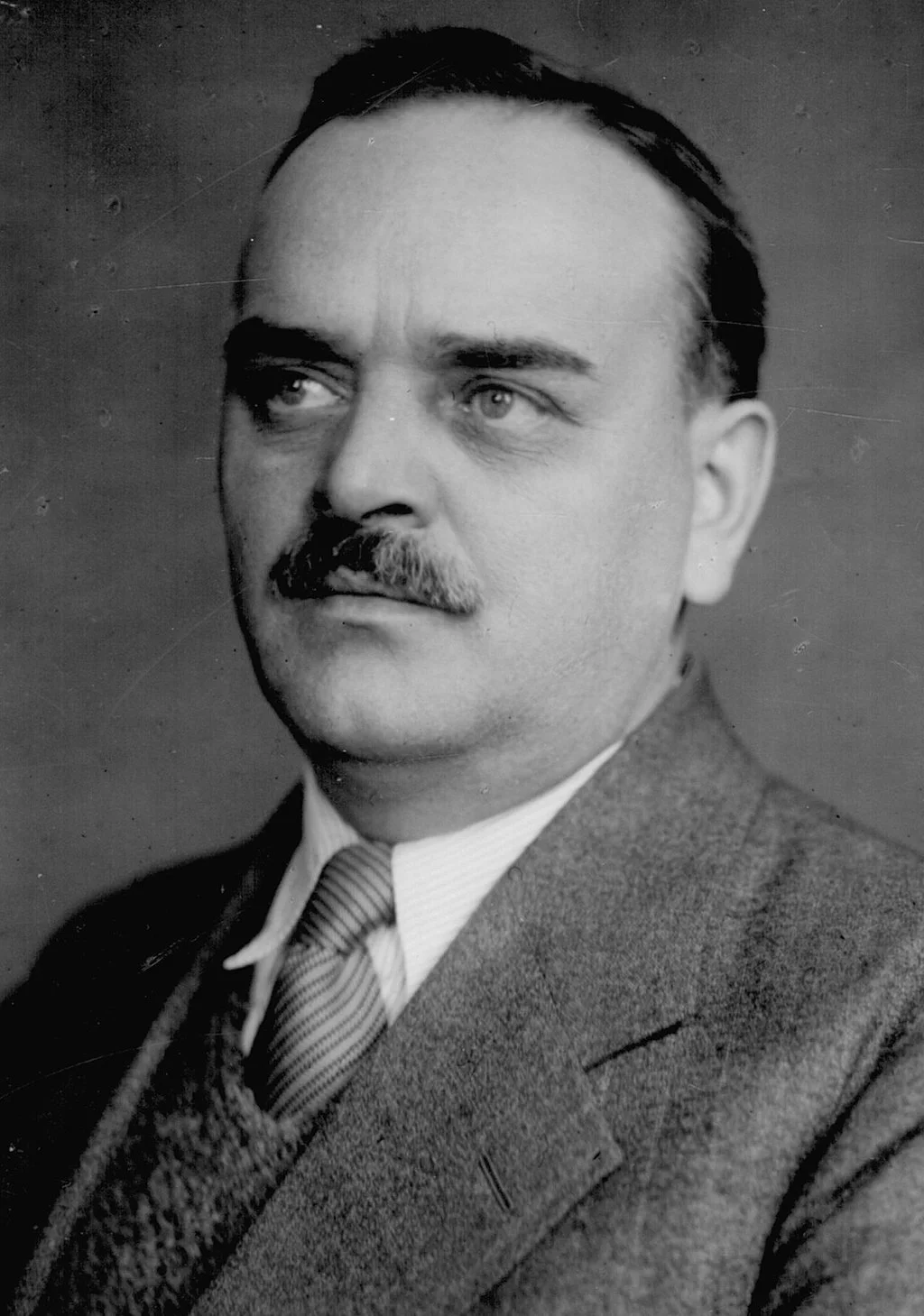
The Extraordinary State Commission, created in 1943, under the chairmanship of N. Schwernik, managed to express the amount of material damage caused to the Soviet Union, calling the amount of 679 billion rubles with a total decoding of damage in kind. But who could check the correctness of the calculations then?
And so Sergey Naryshkin, the head of the foreign intelligence service (and, part -time, the chairman of the Russian Historical Society) in 2020 proposed to create a “Commission for the Study of the Nazis crimes in Russia”:
“Historians, of course, are known that during the war of the crimes of the Nazi invaders were carefully recorded, and in 1942 a special body was created, its exact name was the Extraordinary State Commission to establish and investigate the atrocities of the German-fascist invaders and their accomplices. <...> I believe that the time has come to turn to these documents to make them the property of the general public ... "
What did the chairman of the Russian historical society mean, I admit, I did not understand. Does he finally intend to count the damage caused to the country in order to present a strict account for the descendants of criminals? It sounds seductive, let them pay! But does this mean that the commission, headed by a member of the Politburo Schvernik, missed something important, and the time has come to fix it? Or just “it's time to turn to these documents”, for some reason hiding all these decades, to make them “the property of the general public”?
I will give examples.
Recently, the order of the rate for No. 0428ss of November 17, 1941 was devoted to publicity ... "To destroy and burn to the ground all settlements in the rear of the German troops at a distance of 40-60 km in depth of the front edge and at 20-30 km to the right and left of the roads." When departing formations and units of the Red Army, industrial facilities, power plants, raw materials, finished products, the houses of local residents were destroyed ... and where did the damage caused by the national economy with Soviet troops?
And blown up by secret order of Stalin Dneproges? Of course, it would be unreasonable to “leave” it to the Germans ... but 70 years to carefully hide their own “feat”?
As you know, the Germans (for a number of understandable reasons) pursued a rather loyal church policy on our land. At the same time, from the October Revolution to the beginning of the Great Patriotic War, by the will of Soviet power in the country, about 50 thousand temples, chapels and bells were partially or completely, seized “for state needs” hundreds of thousands of pounds of precious church utensils and decoration, a myriad of theological books and was scrap about a quarter of a million bells. Therefore, it is possible that they tried to write off and wrote off part of the crimes of the Soviet regime through the Hitler’s account through the Shvernik commission.
The "favorable moment" was not missed
In 1994, historian Pavel Knyshevsky released a thin book - “Minut. Secrets of German reparations. " I won’t know how he managed to get and quote so many “top secrets”, neither before, nor after not reproduced documents (and that only 1945; specially agreed that the later were already closed to him).
Here are a few - almost randomly taken from the book of Knyshevsky facts and facts. For me, admitted, unexpected. What did we take out from defeated Germany?
It turns out that back in 1943, 125 thousand trophy overcoats, 154 thousand jackets, 102 thousand haremar and 109 thousand pairs of German shoes were thrown on the allowance of troops. The joke to say, more than ten full -blooded rifle divisions fought in enemy clothes!
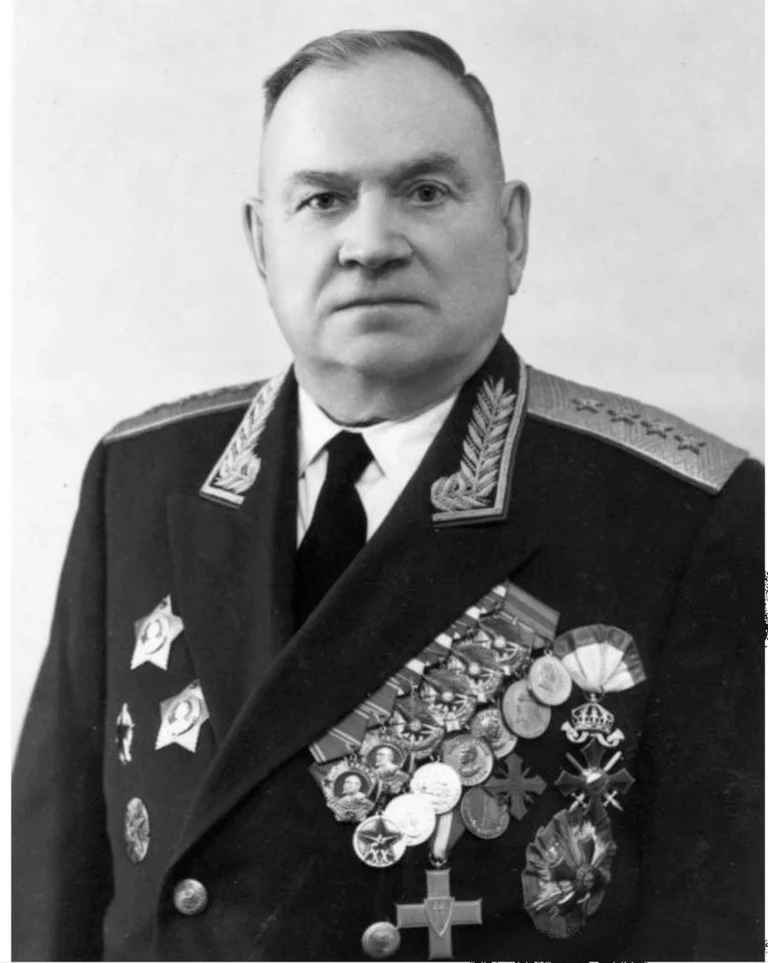
And at the end of September 1945, the head of the rear of the Soviet Army, General A. Khrulev sent the following official note in the name of L. Beria, G. Malenkov and N. Voznesensky.
“During the war, the People's Commissariat of Consumers sharply reduced the assortment of the produced dyes-from 200 marks in 1941 to 30 marks in 1945 and completely stopped the production of dyes especially important for the Red Army for painting military fabrics in light blue, red, raspberry, blue and other colors. Even the provision of marshals and generals of the Red Army with the new uniform cloth of the “sea wave” is inhibited by the lack of necessary dyes.
The quality of the dyes supplied by the People's Commissariats is very low. An example of this is the dye of Khaki. The burnout is so fast that the uniforms issued in the toe of the Red Army in the same part with insignificant intervals acquires different shades in a short time and creates an intolerable variegated variegation. From washing, the uniform is melting and after two to three months socks acquires an indecent color.
The unsightly appearance of our faded uniform is especially striking in the zones of the contact of our troops with the allied.
The low quality of dyes produced by the People's Commissariat of Hall is explained by great backwardness in the methods of their manufacture and ignorance of the latest recipes used abroad, and in particular, in Germany.
Currently, there is a complete opportunity to sharply improve the situation in the country with the production of dyes through the use of German enterprises and German specialists and mastering their secrets of production, as well as the import of dyes from enterprises from the occupation of the allied troops.
I consider the permission of this issue it is necessary to carry out in the most hasty order, otherwise the favorable moment can be lost ... "
The “favorable moment” was not lost.
True, somewhere in the early 60s, the production of dyes for military clothing in the framework of "society" was returned to the GDR. And with the collapse of the Berlin wall, the Russian textile industry, regarding the implementation of military orders, returned, as they say, to a broken trough.
And here is the resolution "on the sports committee."
“To oblige the All -Union Committee on Physical Education and Sports under the Council of People's Commissars of the USSR to be taken to the bases of the committee in Moscow:- 850 units of ships for academic rowing, kayaks, motor and sailing yachts with lakes Grunau, Tegelreza, Kepnik. Engine, special equipment for the manufacture of artificial ice field and equipment of a sports power plant in Berlin;
- special equipment for water chlorination in the swimming pool, 12 harvesting machines, watches, an engine from the Olympic stadium and a library of 10 thousand books that previously belonged to the Academy of Physical Education, and currently located in warehouses of trophy control of the 1st Belorussian Front;
- 104 units of sailing yachts, kayaks, motor boats, racing vessels and 1000 units of the prize fund (crystal and porcelain products, as well as white metal products) from the warehouses of trophy control of the 2 Belarusian front;
- 132 units of yachts, shverbots, kayaks, boats, ships for academic rowing and sports equipment for them from the trophy control of the 3rd Belarusian Front ... "
I deliberately do not touch the “export” of industrial giants - to the last screw, often - along with labor.
Property was imported hastily, sloppy, somehow.
From the order of the Minister of Black Metallurgy of the USSR I. Tevosyan No. 77 of March 15, 1947:
“At the Makeevsky Metallurgical Plant. Kirov, the factory named after Comintern, Dnepropetrovsk Plant of Metallurgical Equipment, Amurstali, plant named after Karl Liebknecht have large flaws.The arrived equipment is still not sorted. Warehouses are not provided with reliable protection. Part of the equipment - metalworking machines, electrical equipment, instruments of KIP, equipment, materials, ball bearings and tools that require storage in closed rooms are located on open areas and are spoiled. ”
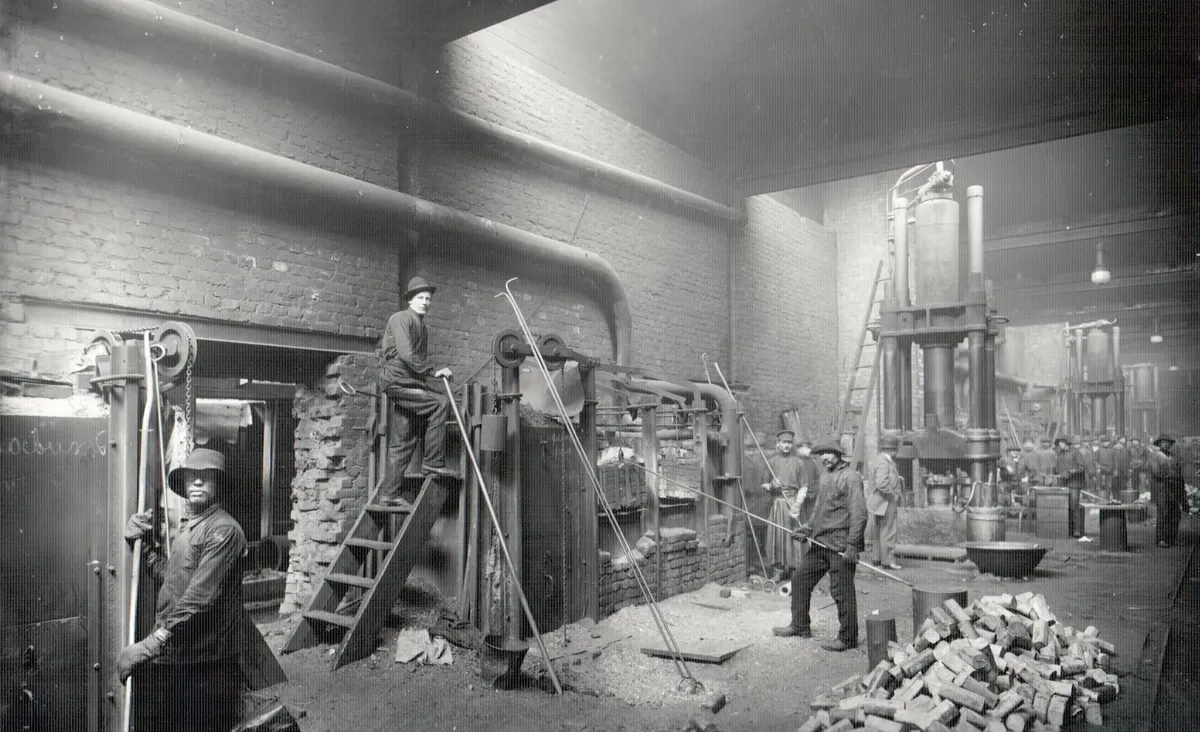
At the K. Liebknecht plant “Most of the trophy equipment is covered with snow. As a result of frequent passes, trophy equipment is in disturbed containers, requires preservation and re -final. Of the 21,500 boxes located in open warehouses, only 14 200 boxes are put in order ... Due to corrosion, property wear is increased by machine and large equipment by 10 percent or more. According to roller and ball bearings and tools- from 10 to 30 percent, on a small tool, measuring instruments- from 30 to 50 percent and in some cases more. Electric stones and electrician have up to 15 percent of the battle ... "
No one has ever considered (and now practically not to calculate) the utility coefficient of “trophy” equipment and its loss from mismanagement. As it is still impossible to calculate and name the final indicators of German reparations, since the taboo is still maintained on the relevant documents of the Soviet government. “Special deliveries” were used by all the ministry and departments without exception, including the Gulag. In only two decrees of the GKO, 16 colonies and NKVD camps received equipment of 32 German plants, factories and industrial enterprises, and the equipment of the Narvik prisoners of war and the SS SS of the city of Folkenburg was transferred to the economic administration of the People’s Commissariat for the arrangement of new Gulag objects.
"Including 60149 piano"
From the secret statistics of the main trophy control. Sent by the orders of the GKO and the Council of People's Commissars to the Soviet Union for 1945:
21,834 wagons of clothing and separate property;
73,493 wagons of building materials and “apartment property”, including: 60 149 piano, piano and facharmony, 458 612 radio receivers, 188 071 carpet, 941 605 furniture, 264,441 pieces of wall and floor hours;
6,370 paper wagons and 588 wagons of different dishes, mainly porcelain;
3 338 348 pairs of various civil shoes, 1,203 169 women's and men's coats, 2 546 919 dresses, 4 618 631 PACEST BELIA, 1 052 503 headgear; 154 wagons of fur, fabrics and wool;
18 217 wagons with agricultural equipment in the amount of 260 068 units;
24 cars of museum values.
In general, in 1945, trophy troops shipped over 400,000 railway cars. In addition to the above, the large volume was occupied by ferrous, non -ferrous and other metals in industrial form - 447,741 tons in the amount of 1 billion 38 million rubles at state prices. A special group was gold, silver and platinum - 174 151 kilograms. The record holder for the collection of precious metals was the 6th separate trophy company of the 50th Army of the 3rd Belorussian Front. She counted 20 kilograms of gold and one and a half tons of silver.
A separate column - food and fodder worth more than 30 billion rubles.
Here we add 20 million liters of alcohol “harvested” by the personal request of A. Mikoyan for the liquid industry of the USSR, and 186 wagons of selected wine.
The secrets of the Hermitage
In the first peaceful years (“like mushrooms after heavy rain”, Knyshevsky writes), new allied research institutions and laboratories based on Germanic developments grew. For this there was a rich base-the Berlin State Patent-Technical Library. Its contents - patents for inventions and materials for them - were taken to Moscow by resolution of GKO No. 9780ss of August 30, 1945 by the deputy chief of the inventions of the State Planning Commission P. Syssoev.
We loved to comment on the work in the United States “Creator of American Cosmic Success”, “Fascist” von Brown, taken out by the Americans as “Trophia”. And the work of his colleagues, who made a huge contribution to the strengthening of the “stronghold of peace and socialism” was much more modest.
The best German scientists, together with equipment, materials (and families) under the escort, moved to the USSR, continued to work on their topics, received Soviet orders and ranks here. The work of German nuclear workers, led by von Ardenne, who received two Stalinist prizes (!) Or Nobel laureate Hertz, rocket launchers (island of Gorodol; subtom -regional podlipka), chemists, is still classified.
Under the leadership of the general of the technical troops of K. Shakov, three chemical protection battalions, two flamethrower battalions and 60 officers of the reserve of GVHU in full combat equipment, together with 20 engineering and technical workers of the People's Commissariat of CHRCHIMHIMPROM, dismantled and completely removed the German military-chemical plant from the Ampendorf to the plant in Chapaevsk (now the Samara region). Силами Главного трофейного управления и репатриантов было отгружено на химический завод Кинешмы (Ивановская область — Ред .) оборудование и материалы по производству боевых отравляющих веществ с завода «Эргэтан» из Страсфурта, а оборудование по изготовлению фосгена — в город Дзержинск Горьковской области.
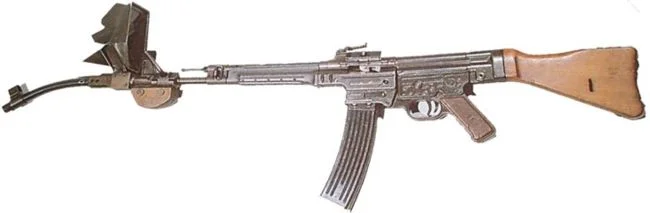
Наиболее известная немецкая разработка оружейника Х.Шмайссера в СССР — штурмовая винтовка «StG-44», впоследствии названная «автоматом Калашникова». Шмайссер вместе с немецкими специалистами и документацией на винтовку был принудительно вывезен в Ижевск, где занимался ее доводкой и налаживанием серийного производства.
Но это все было «предусмотрено» соглашениями о репарациях — вывоз оборонных предприятий, «демилитаризация» немецкой промышленности вообще. Отдельная песня — «перемещение» культурных ценностей, строжайше запрещенное международными соглашениями, под которыми стоит подпись Советского Союза.
Осенью 1945 года директор анти-религиозного музея В.Бонч-Бруевич получил ответственное поручение — принять и тайно хранить в подвалах (Казанского) собора коллекцию «трофейной» живописи и скульптуры. Она бесследно исчезла.
But this is rather an exception.
«После вступления Советской Армии в Дрезден 164-й батальон 5-й Гвардейской Армии 1-го Украинского фронта, которым командовал майор Перевощиков, получил задание разыскать спрятанные сокровища искусства и обеспечить их безопасность. В чрезвычайно сложных условиях офицеры, солдаты и включенные в «спасательную команду» искусствоведы, музейные работники, реставраторы и художники отлично справились с этой трудной задачей.
Произведения искусства нашли временное пристанище в музеях Москвы, Киева и Ленинграда, где они были поручены добросовестной заботе наших советских коллег. Несколько лет спустя. В знак благодарности всем, кто участвовал в спасении Дрезденской картинной галереи, орденом Германской Демократической Республики «За заслуги перед Отечеством» были награждены (следует перечисление трех человек). Еще до возвращения сокровищ искусства из Советского Союза советские оккупационные власти уделяли большое внимание развитию гуманистических культурных традиций прошлого и всячески стремились помочь трудящемуся народу в полной мере овладеть этим духовным наследием…»
Это строки из каталога «Дрезденская картинная галерея. Старые мастера», вышедшего в Дрездене в 1982 году. Такие сведения можно без труда отыскать почти в каждом путеводителе по музеям «Флоренции на Эльбе» и в многочисленных собраниях бывшей ГДР.
Но вот что говорят по этому поводу официальные документы. Первый — постановление ГКО № 9256 от 26 июня 1945 года. Совершенно секретно, естественно.
«…Обязать Комитет по делам искусств при СНК СССР (т. Храпченко) вывезти на базы Комитета в г. Москву для пополнения государственных музеев наиболее ценные художественные произведения живописи, скульптуры и предметы прикладного искусства, а также антикварные музейные ценности в количестве не более 2 000 единиц с трофейных складов в г. Дрездене…»
Подписано Сталиным.
ДОКЛАДНАЯ ЗАПИСКА М.ХРАПЧЕНКО НА ИМЯ В.МОЛОТОВА ОТ 22 АВГУСТА 1945 ГОДА.
«В соответствии с постановлением Государственного Комитета Обороны от 26 августа с.г. в г. Москву доставлены музейные ценности Дрезденской Художественной Галереи.Среди привезенных ценностей имеется значительное количество художественных произведений мирового значения — «Сикстинская мадонна» Рафаэля, ряд лучших произведений художников — Рембрандта (14 картин), Рубенса (11 картин), Тициана (5 картин), Ван-Дейка (12 картин), Веласкеса (3 картины), Тинторетто (3 картины), Джорджоне («Отдыхающая Венера»), Рибера (5 картин), Ботичелли (2 картины) и другие…
Комитет по делам искусств при СНК СССР наметил включить прибывшие ценности в состав Государственного музея изобразительных искусств имени Пушкина. Это позволяет — в соединении с прежними коллекциями музея имени Пушкина — создать в г. Москве крупный музей мирового искусства, аналогичный по своему значению таким художественным музеям, как Луврский музей в Париже, Британский музей в Лондоне, Государственный Эрмитаж — в Ленинграде.
Однако имеющееся у Государственного музея изобразительных искусств имени Пушкина здание не позволяет развернуть экспозицию всех уникальных коллекций. Необходимо значительное расширение площади для показа в должном виде выдающихся художественных ценностей…»
Предпринимать дальнейшие конкретные шаги по созданию или расширению музея партийное и государственной руководство все-таки не решилось: выставлять «трофейные» произведения искусства на всеобщее обозрение — значит расписаться в их незаконном присвоении. Но и скрытно удерживать долгое время мировые шедевры было равнозначно тому же. Поэтому в 1955 году Дрезденской галерее вынужденно вернули 1240 предметов искусства, а в 1958 году — якобы «остальное». Судить о полноте передачи ценностей очень сложно, поскольку найти и сверить подробные описи вывезенных и возвращенных вещей возможности нет. Но даже приблизительная прикидка вызывает сомнение в честности возврата. Например, из упомянутых в записке Храпченко 14-ти картин Рембрандта Кнышевский по каталогам галереи насчитал только 12. Ряд неясностей и с полотнами Ван-Дейка. Остальная арифметика — вывоза и наличия — будто бы совпала.
К сожалению, это не единственное решение Сталина о вывозе сокровищ Дрездена. Еще раньше, 31 мая, в постановлении ГКО № 8894сс было отдано следующее распоряжение:
«…Обязать Наркомфин (т. Зверева) вывезти на базу Управления драгоценных металлов Наркомфина СССР в г. Москву ювелирные изделия, коллекцию монет и медалей из района г. Дрездена…»
Сколько было вывезено и точно принято этого добра в Москве, знал только нарком финансов и служащие Гохрана, но, вероятно, немало, если в завершающей части постановления речь шла о выделении для перевозки ценного груза не «вагона», а «вагонов».
Можно спорить, насколько правомерной была «компенсация» за счет немецких музеев военных потерь Советского Союза. Но какой может быть спор после того, как забранное нашими войсками столько лет скрывалось в глубокой тайне?
Какой может быть спор после всего беззастенчивого вранья?
Мальчик, вынимающий занозу
9 июня 1945 года постановлением ГКО № 9036с Сталин упорядочил раздачу трофеев.
«Разрешить НКО выдать генералам Красной Армии из числа трофейных машин, в собственность, безвозмездно по одной легковой машине каждому.
Выдачу машин произвести распоряжением Военных советов фронтов, военных округов и начальника Тыла Красной Армии, по спискам, представляемым Военными советами армий и начальниками Главных и Центральных управлений НКО…»
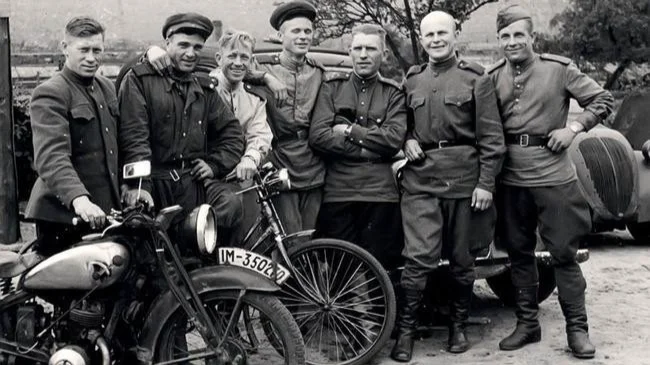
Не были обделены и другие категории военнослужащих. Тем же постановлением устанавливалось разрешение на «выдачу бесплатно офицерам действующей армии по одному трофейному мотоциклу или велосипеду, в зависимости от наличия трофейных мотоциклов и велосипедов на каждом фронте». Для генералов действующей армии разрешалась продажа военными советами фронтов «по одному трофейному предмету» за наличный расчет и по фиксированным ценам: пианино или роялей по стоимости от 2 до 3 тысяч рублей, радиоприемников — от 200 до 500 рублей, охотничьих ружей — от 400 до 800 рублей и часов наручных, карманных, настольных — от 200 до 500 рублей за штуку.
Это первая категория товара и покупателей. Вторая категория распространялась уже и на генералов, и на офицеров. Такая же распродажа, за наличный расчет, поштучно, но не ограниченно: ковров, мехов, сервизов, фотоаппаратов.
Красноармейцам, лицам сержантского и офицерского состава, а также генералам действующих фронтов разрешили отправку личных посылок на дом.
Отправка посылок могла производиться не более одного раза в месяц в размерах: для рядового и сержантского состава — 5 кг, для офицерского — 10 кг и для генералов — 16 кг.
Согласно отчетным данным, поток посылок был не столь большим, чтобы парализовать военную почту, но достаточным для того, чтобы ее штаты увеличились в несколько раз, а ее транспорт — в пять раз. Каждый день из Германии уходило четыре эшелона по 60 вагонов с посылками. Иногда «выявлялись» случаи, когда солдаты и офицеры отправляли в месяц не одну посылку, как разрешалось, а 3-7. Среди популярных отправок были: ткани, обувь, одежда, сахар, мыло, швейные иголки, гвозди, тетради, карандаши. Посылали и американские сухие пайки — консервы, галеты, яичный порошок, джем, растворимый кофе. Еще очень ценились лечебные препараты союзников — стрептомицин и пенициллин.
Кто получил такую возможность, пользовался ею на все сто процентов — карандашами не ограничивался. Помню, в квартире одноклассника, чей отец, полковник, послужил в оккупационных войсках, я видел мраморную копию «Мальчика, вынимающего занозу», «спасенную» из какого-то замка. В трехкомнатной «хрущобе» скульптура смотрелась диковато.
Сталин после Победы очень ревниво отнесся к мировой славе маршала Жукова. Его подслушивали, выбивали показания из подчиненных. Министр госбезопасности Абакумов провел негласный обыск в московской квартире Георгия Константиновича, а потом и на даче. Результаты обысков ошеломляют: отрезы разнообразного сукна, люстры, сервизы, картины, золото, серебро килограммами.
ОПРАВДЫВАЯСЬ, МАРШАЛ НАПИСАЛ В ЦК ВКП(Б):
«Я признаю серьезной ошибкой то, что много накупил для семьи и своих родственников материала, за который платил деньги, полученные мною как зарплату. Я купил в Лейпциге за наличный расчет:1) на пальто норки 160 шт.
2) на пальто обезьяны 40–50 шт.
3) на пальто котика (искусст.) 50–60 шт. и еще что-то, не помню, для детей. За все это я заплатил 30 тысяч марок.
Метров 500–600 было куплено фланели и обойного шелку для обивки мебели и различных штор, т. к. дача, которую я получил во временное пользование от госбезопасности, не имела оборудования.
Кроме того, т. Власик просил меня купить для какого-то особого объекта метров 500. Но так как Власик был снят с работы, этот материал остался лежать на даче.
Мне сказали, что на даче и в других местах обнаружено более 4 тысяч метров различной мануфактуры, я такой цифры не знаю. Прошу разрешить составить акт по фактическому состоянию. Я считаю это неверным.
Картины и ковры, а также люстры действительно были взяты в брошенных особняках и замках и отправлены для оборудования дачи МГБ, которой я пользовался. 4 люстры были переданы в МГБ комендантом, 3 люстры даны на оборудование кабинета главкома. То же самое и с коврами. Ковры частично были использованы для служебных кабинетов, для дачи, часть для квартиры.
Все это валялось в кладовой, и я не думал на этом строить свое какое-то накопление. Я признаю себя очень виноватым в том, что не сдал все это ненужное мне барахло куда-либо на склад, надеясь на то, что оно никому не нужно.
О гобеленах я давал указание т. Агееву из МГБ сдать их куда-либо в музей, но он ушел из команды, не сдав их.
Прошу Центральный Комитет партии учесть то, что некоторые ошибки во время войны я наделал без злого умысла, и я на деле никогда не был плохим слугою партии, Родине и великому Сталину. Я всегда честно и добросовестно выполнял все поручения тов. Stalin. Я даю крепкую клятву большевика не допускать подобных ошибок и глупостей. Я уверен, что я еще нужен буду Родине, великому вождю тов. Сталину и партии».
Надо признать, Жуков был хорошим «слугою партии, Родине и великому Сталину». Из Главкома Сухопутных Сил он тогда слетел до командующего войсками округа, но добивать его Сталин не стал. Вообще, едва ли не на каждого генерала в Германии легко нашлось сколько потребовалось компромата. Замполит Жукова генерал Телегин, руководители оперативных секторов «гэбэшные» генералы Сиднев, Бежанов и Клепов, начальник управления контрразведки генерал Зеленин, генерал Крюков и жена его певица Русланова… Все хватали, сколько могли унести, а могли — много.
Люди из нищей страны, хоть и в генеральских мундирах. Ладно, золото и бриллианты, но — у каждого — обнаружили по 4-5 аккордеонов!