
Translated material
"We will treat with nails"
Russians complain that foreign medicines are valued and disappear from sale in the country, which are not analogues
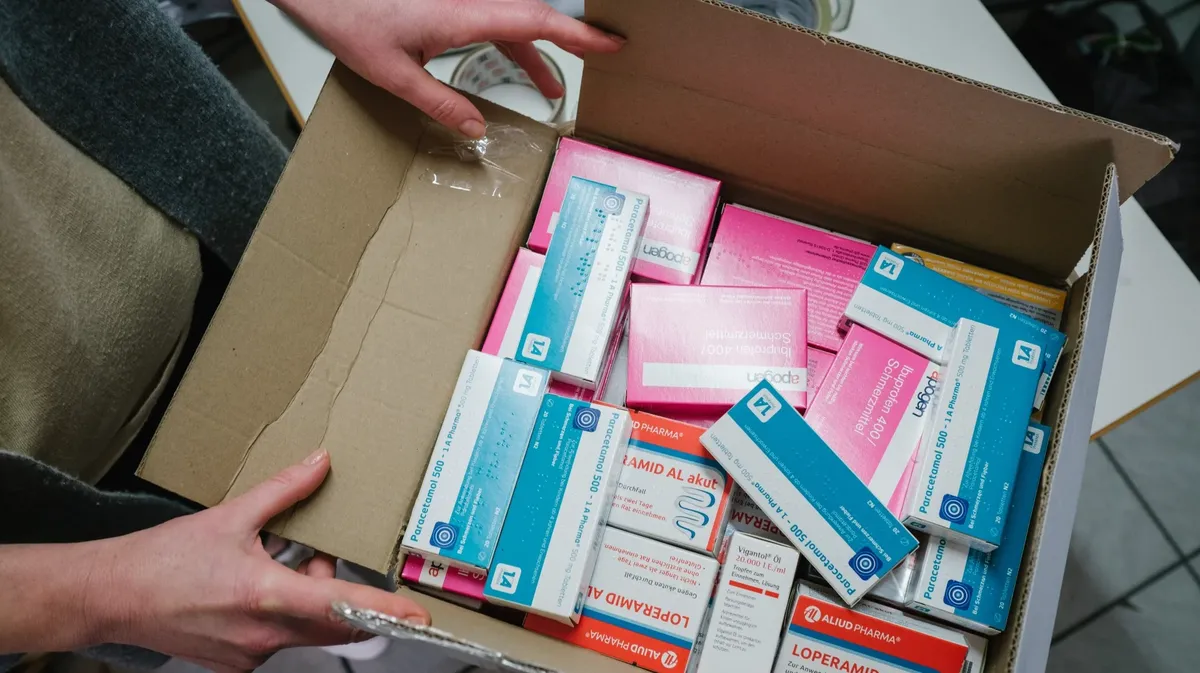
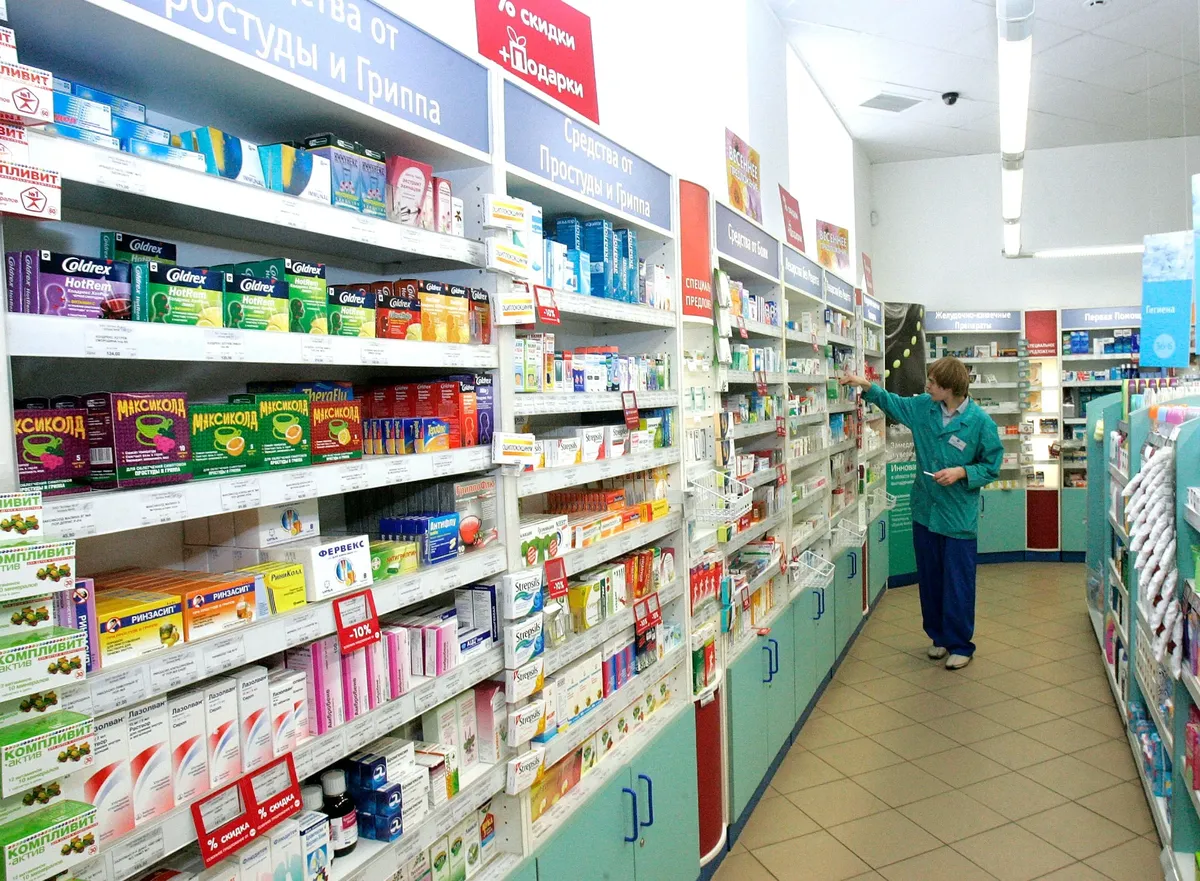
At the end of March, Vedomosti published the results of a survey of more than three thousand doctors. According to the publication, health workers collided in their practice with a deficiency of more than 80 drugs. Some of them refer to vital drugs, they have no Russian analogues. After almost five months of the war, the situation began to deteriorate.
“New newspaper. Europe ”talked with the Russians who faced a lack of drugs, and doctors about how they had to get out of the situation.
"The problem of infertility will increase significantly"
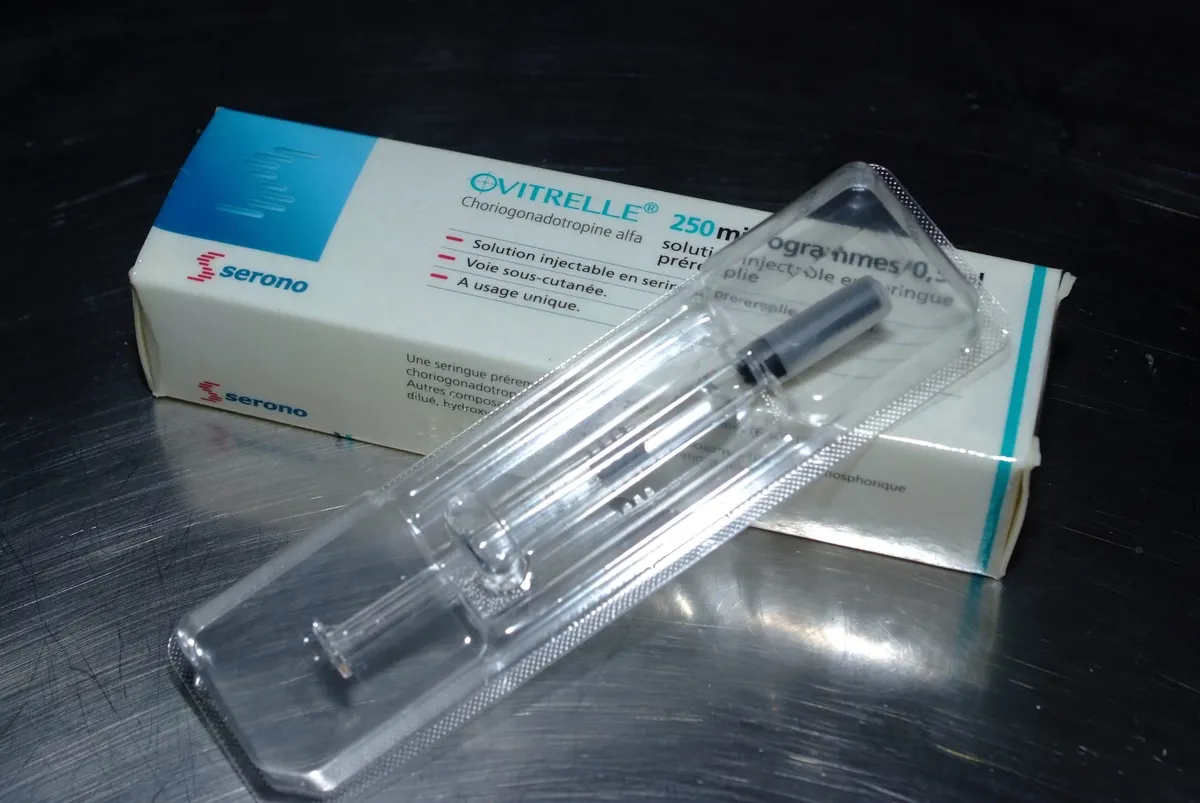
33-year-old Irina K. lives in Moscow. In the spring of this year, he and their spouse planned pregnancy, for conception, an injection was needed to stimulate ovulation “Ovitrel”, which is produced in Switzerland. From April to May, Irina went around many metropolitan pharmacies in search of the right drug, the ampoule was found in only one, next to the specialized medical center, and that was the last.
“It was not possible to find either a foreign“ Ovitra ”or Russian analogues. There is still an important point that analogues, according to my doctor, are impurities, that is, this is not a pure hormone that is required. Not everyone will agree to prick, because there may be some side effects, ”says Irina. “My doctor, a very good doctor, shrugs:“ I don’t know what to prescribe, because there are no drugs. ” That is, she now, prescribing medicines, writes several options, in the hope that patients will find at least something. And it is very difficult to find, although we live in Moscow, and, in theory, there should be a choice and some opportunities. I have ovulation from day to day, and I can’t be sure that I don’t need an injection again. And I can’t be sure that I will find him. ”
Tatyana, another reader who contacted us, says that for a month in the pharmacies of Petrozavodsk it is impossible to find the hormonal drug "Divigel", which is produced in Finland and prescribed when planning pregnancy.
The drug "Estrhelle", which can be replaced, also does not, it is not possible to order in Internet apoptakes since March.
A refroductologist of one of the Moscow clinics Valery Starikov [The name was changed at the request of the doctor- approx .] Says that there are no more serious problems with injections to stimulate: despite the fact that finding them in pharmacies can be difficult, reserves in specialized clinics are sufficient. However, the difficult situation with hormonal drugs for the procedure of extracurporeal fertilization (IVF) Starikov confirms: if they are not found analogues, then many couples will not be able to have a child.
“[Difficulties with drugs] we felt in May, some drugs cannot be found in pharmacies in general. If, through representatives of firms, we could get stimulating drugs for the IVF program, such as Proginova and Divigel, and we must give them out for free, then the patients themselves cannot find them. Since May, problems began to arise: there were no drugs either for hormone replacement therapy, or for the IVF program with stimulation. With a battle, they got miserable remnants from representatives of firms. The director of the clinic and the head physician, through some of his channels with the main representatives of firms, called up. So we were given the crumbs of the necessary drugs. June we still somehow interrupted, and now, in July, some drugs have ended at all, they are not at all, ”says a retroductologist.
According to Starikova, the necessary drugs have no Russian analogues, because “sanctions found the country and, in particular, pharmacology by surprise”:
“Doctors are trying to somehow get out of the situation, each of us has his own life hacks. But what to do in cases when it is impossible to do without the necessary drugs? We are forced to refuse such patients, that is, IVF will not exist with a donor egg. That's what we are going to. There are women who conducted surgical castration, they live without ovaries, they will not succeed. And for age women, IVF will now be closed. I used to have the oldest woman, for example, gave birth to 60 years old, there are women who gave birth to 58. But, unfortunately, without drugs it will now be impossible to do. ”
According to the head of the scientific center of obstetrics, gynecology and perinatology of the RAMS Vladimir Kulakov, about 15% of couples in Russia are fruitless today. This is also evidenced by Valeria Starikova: if before such couples could find a way out by contacting the IVF program, now its effectiveness will decrease, despite the fact that the percentage of pregnancy was already small-30-35%.
“There will be almost zero effectiveness of IVF, patients will cease to believe reproductologists. We will not be able to achieve pregnancy without drugs. This will be a whole problem of the nation. If these drugs suddenly cease to be delivered to all corners of Russia, and they are all from abroad, if the sanctions do not give any relief, then everything will be very sad. Those who are really shown by IVF will cease to do it. The problem of infertility will increase at times, now IVF at least somehow helps to raise the birth rate in Russia. Infertility was younger, young couples cannot get pregnant, sometimes the reason is not clear. Even in Moscow, we have a very difficult situation. What will happen next, I do not know. Where we go, I do not know, ”the doctor argues.
There are no Russian analogues
After the start of the war, Pfizer, Novartis, Abbvie, Sanofi announced the suspension of investment in the Russian market. At the same time, they assured that they would continue the supply of vital drugs. The American company Eli Lilly was the first pharmaceutical giant to decide to limit the supply of drugs to Russia. In early July, another pharmaceutical company from the USA-MSD-sent notifications to counterparties on the termination of supply to Russia vaccines from chickenpox, rubella, measles and mumps (mmmr II). In addition, due to the sanctions and the closed sky, the delivery time of drugs from Germany to Russia increased several times. There, domestic pharmacies purchased Eutirox and L-Thiroxin drugs, which are necessary for people with a sore thyroid gland.
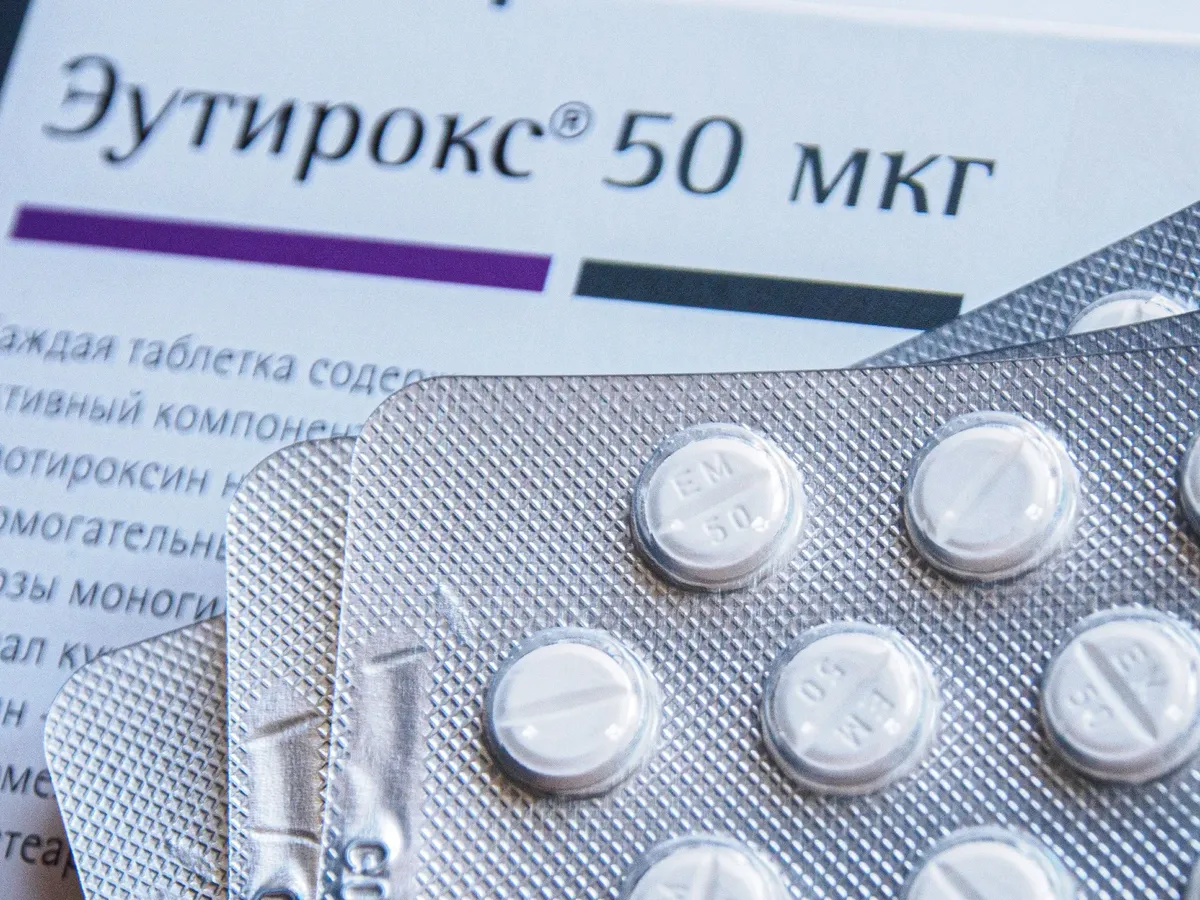
The active substance of these tablets - sodium levotyroxine - is part of the vital drugs, the state is obliged to give them free. Such drugs have no Russian analogues.
Irina from Rostov-on-Don said that in the city in all pharmacies there are no drugs for the functioning of the thyroid gland:
“These medicines should drink a 74-year-old mother all her life, because she has problems with the thyroid gland. After the so-called special military operation began, she still had their stock for some time, and then we came to the pharmacy and-they are not, analogues too. We had to order through relatives in Israel. There is also a children's medicine “Kalamin”, it is under a chickenpox, urticaria, with some irritations, it is a modern remedy, it is still not. Produced in Israel. The interruptions were with the drug "Fenyuls" necessary to maintain iron in the blood, it was not three months old. He also has no Russian analogues, ”Irina complains.
Sophia from Moscow also encountered the problem of the lack of drugs to maintain the necessary level of iron in the blood. Her two -month child was diagnosed with perinatal anemia. With a prolonged decrease in the level of hemoglobin, a child develops hypoxia - oxygen deficiency, from which all organs and tissues suffer.
“The hematologist in the Morozov hospital prescribed to us the“ Maltofer ”in drops, because the child is infants, the syrup does not suit him. At first they began to look for near the house in pharmacies, nowhere. Everyone shrugs their hands, they say that for a couple of months they have not been imported for sure. We found syrup in one single pharmacy, there were no other options, so we took it. My friend in Rostov teaches in college, she asked her students in the suburbs to look for these drops. So two bottles found, she brought them to me. There is no iron for children. Plus, I also diagnosed anemia after cesarean section. The hospital said: “Wake up and will take the Feniuls. As a result, I came to the pharmacy, it was in March. There are no “feniuls”, there are no analogues in this price category. The only thing that remained on the shelves, at that time, is Sorbifer Durules for 1200 rubles, and some more expensive. The doctor also shrugs my complaints, says: “It seems that we will soon treat anemia with nails.” I myself still spit, I will drink a Russian counterpart. But my child would not want to give a generic, because it is not known what was mixed there, ”says Sofia.
The 9-year-old daughter of Catherine from the Kostroma region bronchial asthma. The girl needs to constantly take an expensive French drug Seretid. Previously, the medicine was prescribed for them for free, at the expense of the budget of the region, because the law requires this. However, in March, Catherine was given a lesser dosage, saying that there were only remains in the warehouses, and already in May she was completely refused to provide Seretida:
“The Department of Health is no longer purchased for free support of patients. We turned to the prosecutor’s office, who, after the audit, appealed to the court demanding to provide my daughter with the necessary medicine. The issue is still not resolved. There is still no medication for free receipt.
We'll have to order at your own expense in the Internet feed. The question arises: why does the state need, even if the child cannot get a medicine under the law? "
Alexander K. from St. Petersburg stopped issuing Vadetonib or Kaprelsa for free. The drug is necessary for the treatment of thyroid tumors, it has no Russian analogues. The wife of Alexander Natalya has been suffering from medullary cancer of the thyroid gland for several years. With the right approach in treatment with this type of tumor, you can live, however, it does not have the opportunity to buy the necessary medicines at your own expense: 30 tablets of Astrazeneck company cost about 100 thousand rubles, the same tablets from Jenzayam Europe B. At all - 300 thousand.
“Honestly, I don't know what to do. And so I work in several works in order to maintain life in Natasha, and now you still need to somehow find money for Vadetonib. I don’t know where and how, ”the man complains.
Thousands of Russians faced such a problem, despite the fact that the authorities stated that there should be no problems with a lack of medication due to sanctions. In March, Minister of Health of Russia in March said that all pharmaceutical companies confirm the continuation of the supply of drugs to the country. In his opinion, problems with drugs arose due to the fact that the Russians massively bought medicines, believing “fakes and inaccurate information” about future interruptions in the supply.