
Translated material
Chronicler Popovsky
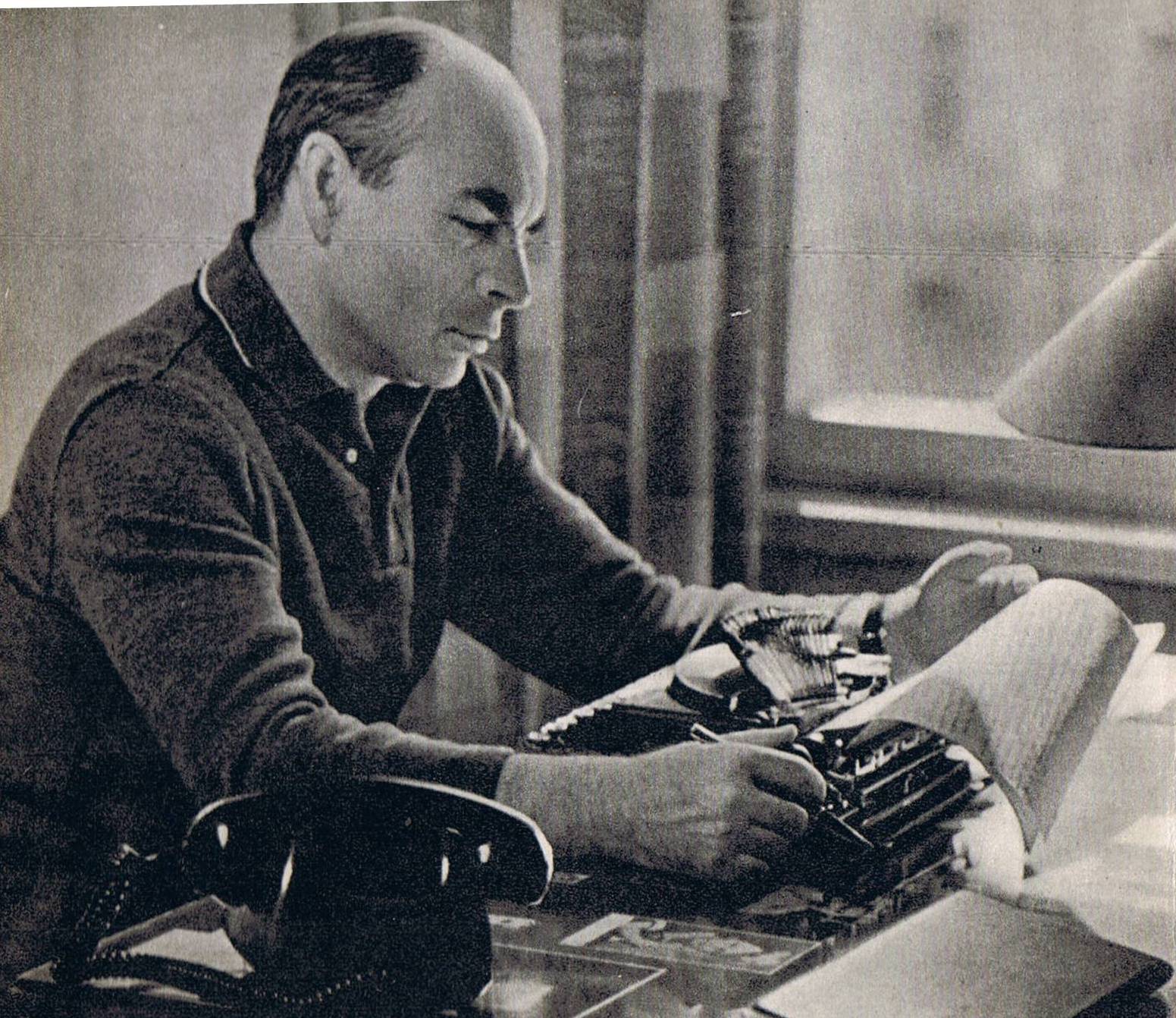
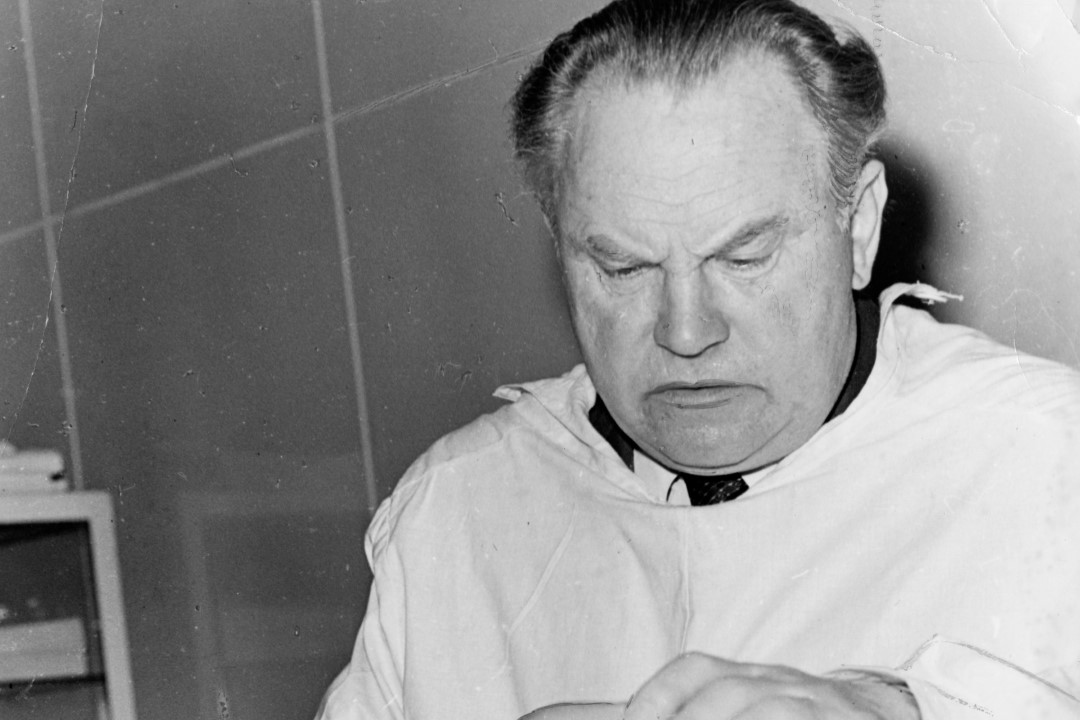
The 100th anniversary of the birth of a writer and publicist was not able to leave his mark not by novels, but by the biographies of scientists and thoughts about science. In our anniversary program, Popovsky tells about himself - from archival films

How to get around the lock?
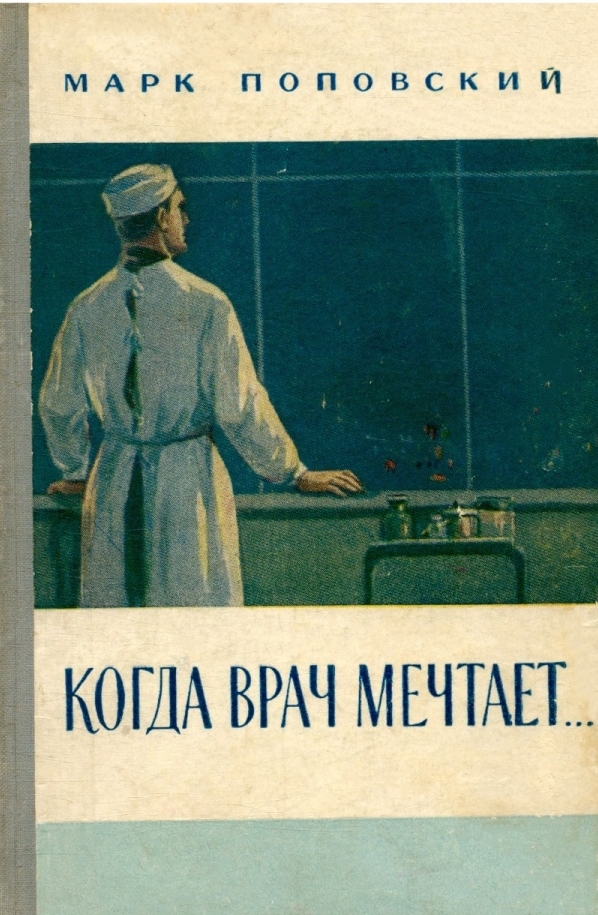
Read>Ivan Tolstoy: The 100th anniversary of the birth of Mark Alexandrovich Popovsky - writer, publicist, historian of science, biographer. There are many outstanding authors in the popular science genre-Yakov Perelman, Paul de Krui, Isaac Azimov, Daniil Danin. When Mark Popovsky was published in the Soviet Union, his books stood in a series of these peaceful publications, sowing reasonable and eternal. But behind the closed doors, he prepared books by undeveloped, seditious, burning: about the dramatic fate of the peasants of the-Tolstos, about the controlled Soviet science, about the archbishop and at the same time surgeon Voyno-Yasenetsky, about the genetics of Nikolai Vavilov.
The 100th anniversary of the birth of a writer and publicist was not able to leave his mark not by novels, but by the biographies of scientists and thoughts about science. In our anniversary program, Popovsky tells about himself - from archival films
When the book in 1983 was published in America, Sergei Dovlatov wrote in his review:
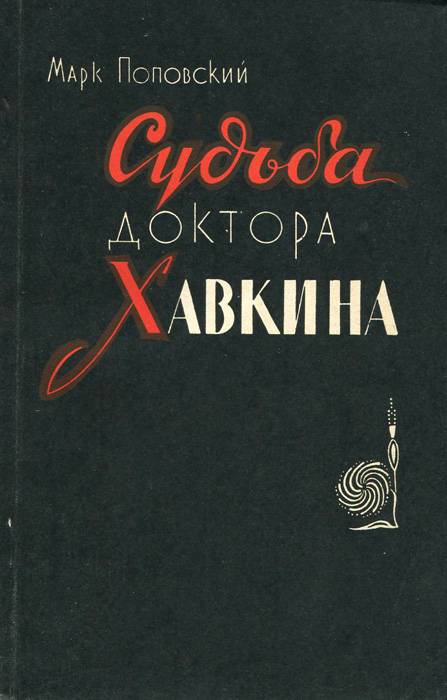
The Hermitage Publishing House in Michigan has published a new book by Mark Popovsky, Academician Vavilov’s business. Having received a copy, I began to turn it over quite absentmindedly-this was not the first work I knew about the fate of the great scientist-geneticist. At the beginning of one of the chapters, my attention stopped such a dialogue between the NKVD investigator (with a clearly literary surname) Before that, academician Vavilov:
- You are arrested as an active participant in the anti -Soviet wrecking organization and a spy of foreign intelligence. Do you find yourself guilty?
- No, I do not admit. I have never been a spy and a participant in anti -Soviet organizations. I always honestly worked for the benefit of the Soviet state ...
Further, it was said:
"These words on the morning of August 12, 1940 in Moscow, in the internal prison of the NKVD, the first interrogation of academician Vavilov began" ...
Reading this, I involuntarily thought: Popovsky is an experienced writer, a prominent publicist, he created a solid and talented monograph, a documentary narrative with fiction, real figures and genuine events will be skillfully shaded and complemented by fictional characters and episodes ... Everything corresponds to the laws of the genre ... something from the life of wonderful people.
But the deeper I read the text, the more persistent there was a feeling of a miracle: Popovsky did not portray and did not describe, alternating the facts with reasoning and hypotheses, Popovsky quoted, I emphasized - quoted the terrible and strictly classified documents from the archives of the NKVD, the materials of the investigative case of the “state criminal of Bavilov” was 1,500, referred Prison and camp acts, up to the act of Vavilov’s death of January 26, 1943, cited copies of secret examinations, reproduced literally the testimonies of scammers, informers and false witnesses, introduced to the agent's dsioner, named the real names of the NKVD bastard and the functionaries of the country and the country's first agronomist and the country's first agronomist and the country Many of which live their days safely. (And by the way, the investigator with the literary surname, the grip also turned out to be a very real person - Alexei Grigoryevich Cupid, retired colonel, now living in the departmental house in Moscow, along Gorky Street, 41, apartment 88 ...)
The writer managed to penetrate caches, where several generations of the murderers vigilantly keep their secrets, in caches, to which ordinary members of the Politburo hardly have free access
We will not talk about the gigantic volume of the material studied by Popovsky, about hundreds of people found and interviewed by the writer, who knew and remembered Vavilov, up to his miraculously surviving cellmates, about the countless cloaks of human relationships, conflicts, and intrigues ...
Let's start with the most amazing and incredible - the writer managed to penetrate the cache, where several generations of the murderer are vigilantly keep their secrets, in caches, to which ordinary members of the Politburo hardly have free access. How could this happen?! "
So wrote in his review Sergey Dovlatov.
This is really amazing. But, I must say that Mark Popovsky completely earned such luck, fate went to meet him - a literary fate, and he did not miss his chance. In our program today, Mark Alexandrovich will answer my direct question, how did this happen to these secret investigative cases?
But we will not run ahead. The author of one and a half dozen popular science books, a member of the Union of Journalists and the Union of Writers, was forced to leave the USSR in 1977. To the west, he brought the almost ready -made manuscript "controlled science". And the first interview that he gave an employee of Radio Liberty (also, by the way, to the popularizer of science Leonid Vladimirov) was dedicated to this plan. In our archive, this interview has been preserved, listen to its final part. Announcer Victoria Semenova, entry on November 20, 1977.
The only permanent hero of the writer was the research scientist, the discoverer of the new
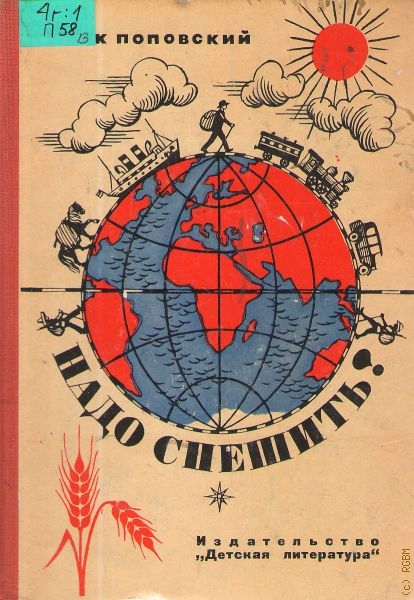
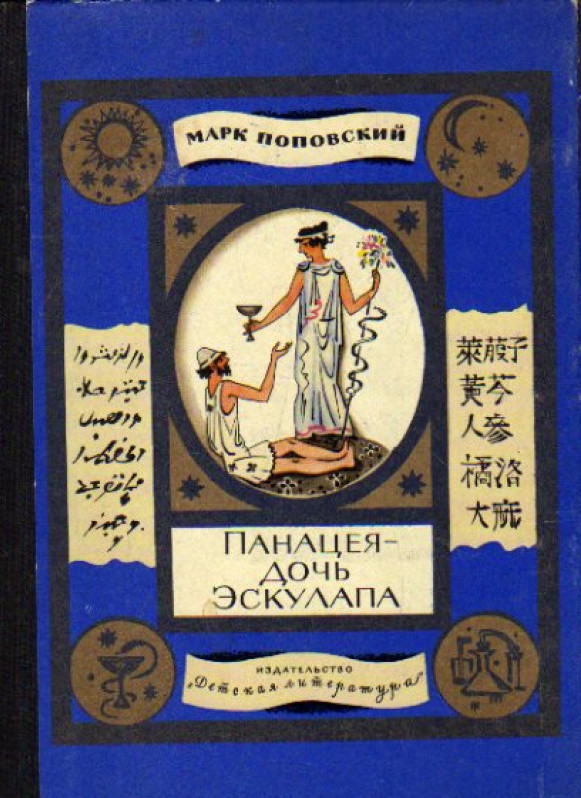
Announcer: On November 6, the writer Mark Popovsky, the author of the widely known books, left the Soviet Union: “The Way to Heart”, “The Master of the Sun Flower”, “The Panicae - the daughter of Aesculapius” and many others. In March of this year, Mark Popovsky defiantly left the Union of Writers of the USSR, for his book "The Life and Life of Professor Voyno-Yasenetsky, Bishop and Surgeon" and "Managed Science" could not be published in the Soviet Union, and from his book "Academician of Bavilov" only part in an extremely cut-out form was published. Readers of Mark Popovsky know well that the only permanent hero of the writer was the research scientist, the discoverer of the new. Only in the book "Managed Science", which has not yet seen the light and for the first time, as we hope, will sound on Radio Liberty, Mark Popovsky writes not about individual scientists, but about the state of science in the Soviet Union in general. Here on this topic - what is the scientific work in the USSR today - Mark Aleksandrovich Popovsky and spoke in his conversation with Radio correspondent Liberty Leonid Vladimirov shortly after leaving the USSR.
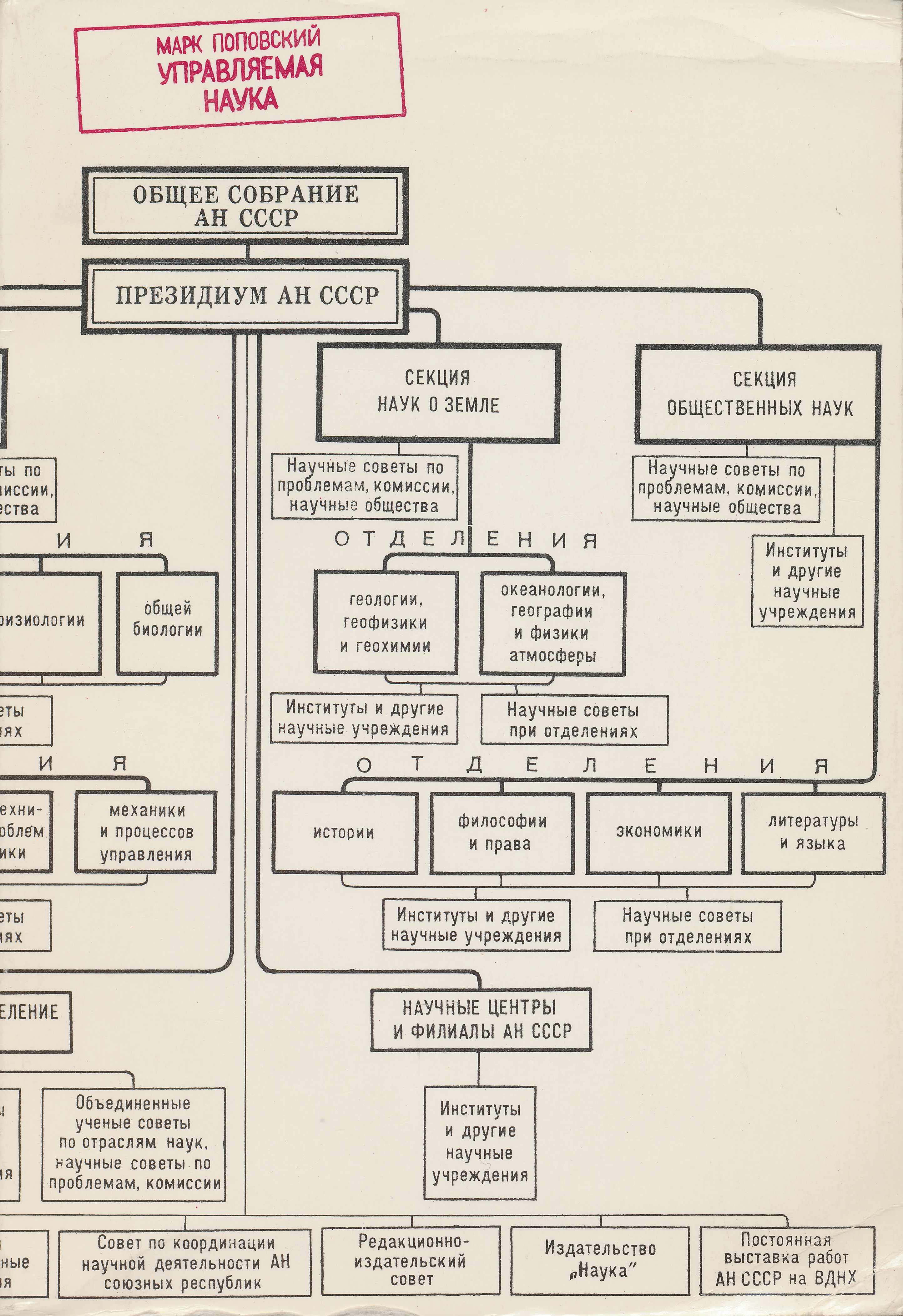
Leonid Vladimirov: You say that science, like everything else in the Soviet Union, is affected by politics. And this is undoubtedly right. What do you know about how political control over scientific institutions in the Soviet Union is carried out? What is the mechanics of this? How does it all happen?
Mark Popovsky: The mechanisms are extremely diverse, but one of the main is the involvement of people most controlled in the science of people. This is, first of all, an admission to the researcher's party. The process of attracting the desired employees, such as the administrations, to party officials suitable, is constantly going on, this is a continuous process. The young man is invited to the party committee, they say: we know your work, you are our person, you are Russian, simple, good, enter the party and will lead the laboratory. There are people who want such advancement, vanity sometimes moves people, but even when a person does not want, a dilemma faces him: either he becomes a member of the party and a person absolutely controlled, or he loses the opportunity for scientific creativity.
The continuous process is associated with the replacement of non -partisan party
Leonid Vladimirov: So you say that he becomes a member of the party or loses the opportunity. Are there laboratories in Soviet open institutions that are not members of the CPSU?
Mark Popovsky: Yes, there is, but the continuous process in this regard is associated with the replacement of the Party Party Party, and each non -partisan head of the laboratory knows that he will either join the party, or, sooner or later, he will leave the post of head of the laboratory. The director, his deputy for science and the secretary of the party organization are, in essence, the owners of the institute, and they all enter the party bureau most often, where they decide, what to be and what not to be on the scientific council. Before the scientific council of the institute gathered, the party bureau decides for which the gentlemen of the professor will vote. This is the main mechanism, the rotary key of this problem.
Leonid Vladimirov: But the professor is sitting on the scientific council, as you yourself said, and they, therefore, affirm all scientific prospects. How is the necessary director or secretary of the party organization on the scientific council most necessary?
Mark Popovsky: The majority is provided by the whole history, all the experience of members of the academic council. Their life experience tells them that if today they do not vote for the proposal of the director and secretary of the party organization, then tomorrow they themselves will be in distress. This internal mechanism, based on the personal life experience of each member of the academic council, works flawlessly. We know only individual extremely rare cases when some young or gifted scientist manages to disrupt the plan of the directorate in the name of science. And always after that the waves diverge, Moscow talks about this success, about this luck of decent people in the scientific council. And usually the scientific council stamps everything that the directorate and party organizations recommend.
Leonid Vladimirov: I would like to draw your attention to one structural feature of Soviet science and ask for your explanation. Abroad, and I was now convinced of personal experience, having traveled several countries and interviewing scientists for scientific programs Radio Liberty, and my colleague, our scientific observer Yevgeny Muslin, working in America, confirms this - most of the major scientific forces not only in America, but also in other countries, are concentrated around the universities. Most professors and, in general, scientists of higher ranks teach students or have graduate students at home, in any case, some schools around them are grouped. In the Soviet Union, as far as I know, scientific work is also going on at universities, and considerable. But still, most scientific developments in the Soviet Union are concentrated in the so-called research institutes, both in military applied, closed and open. How to explain such a difference in structure, does it have any meaning for the development of science, Mark Alexandrovich?
Mark Popovsky: Not only matters, but also decisively determines the lag of Soviet science. In addition, the situation is that scientific research is not conducted in us at universities is largely justified by our social system. From the very beginning, wanting to have reins of managing all spheres of life, the Bolshevik party organized science, and our science was organized in the early 1930s according to the same principles, in the same system as the army, the party-first of all, there should be the superior, units of higher, lower ones.
And research institutions are a product of the Bolshevik image of thinking-it is convenient, it is at hand, you can throw at any time where you need to force, direct, indicate. It is also socially determined by the fact that in such institutions we do not have completely fresh, original ideas. At the university, where the professor, the head of the laboratory reads the course, relying on fresh laboratory everyday life, on new ideas, which are developed right there, where science is fertilized by new generations of young, most gifted young men, there is always a more lively process of creative process, it is more natural to see something that goes beyond the rutin. But, unfortunately, our universities are extremely small in degree of scientific achievements. Less is released on university science and means, university laboratories are weaker, are worse equipped and, unfortunately, where science could develop, there is not enough space for it.
Leonid Vladimirov: And the research institute?
Mark Popovsky: It all depends on which research is. If the research institute is engaged in scientific problems close to the country's military goals, there is the best equipment, the best opportunities. But this is not the point, but the fact that the army system of the Research Institute is most often rigidly applied. And a rigidly applied character is an extremely typical nature of Soviet science. Our leaders believe that the meaning of science is to obtain the final practical results. In these institutions, a fresh, living thought cannot occur, for the researcher for the depth is drawn to practical resolution, on development, ultimately. And then in developments all fresh, living thought dies.
Leonid Vladimirov: Mark Aleksandrovich, you mentioned that mainly the type of Soviet scientific institution, at the Research Institute, the main emphasis is on the use of science, on the usefulness of science, on the fact that in the Soviet language it is called "recoil from science." As you find, this scientific practice, this setting of real goals serves as the benefit of the development of science, including applied science, or not?
The main achievements of world science have always come from absolutely useless initial premises, experiments, completely impractical observations
Mark Popovsky: This was discussed with us in the early 60s, when there was some warming in general in public life, including scientific. Then, on the pages of the Komsomolskaya Pravda, I read a large article by one prominent geneticist-virusologist, who noted that the main achievements of world science always came from absolutely useless initial premises, experiments, and completely impractical observations. We kill the scientific thought by the fact that we do not let the young scientist develop the creative tendency that is inherent in him. A person comes to the laboratory, and he does not have time to engage in what the inherent system of thinking tells him, he must certainly work on what is ordered here, ordered what he was doing before him. Naturally, with this method of work, no original thoughts arise. And our practicalism turns into the wild uselessness of research. I’m not talking about a huge number of dissertations that are on the shelves, they are only needed so that the younger scientific becomes older and get 250 instead of 105 rubles. I’m not talking about articles in magazines, the meaning of which is only to increase the list of scientific works of a researcher. But this all -Union scientific practicalism is simply unprofitable. And when the researcher is knocked out of it, and most often it is a researcher who does not work at the Research Institute (that is, not most often, but only outside) and creates something original, then this is just a tragedy.
Here is a story that I have been observed for ten years. For ten years I wrote, traveled, engaged quite actively in connection with the activity of the brilliant, in my opinion, surgeon from Estonia Arnold Seppo, he will turn 60 this year. Thirty years before, he proved himself not only a brilliant surgeon, but also a talented engineer with a self -taught engineer. He developed a completely fundamentally new principle of treating bone fractures, a fundamentally new method of treating purulent diseases of bones, burns, and so on. What happened when this person performed in the press, performed at scientific meetings with these ideas? And nothing. For the past ten years, we have been trying to ensure that his ideas go beyond the limits of the small hospital of Tynisme in the city of Tallinn. Do not come out. After I managed to bring Seppo to the Committee on Inventions, he received 12 international patents, including no more or less as a living joint! Throughout the history of medicine, not a single physician created a living organ. Seppo creates living organs. Seppo receives dozens of letters, including from the Union of Doctors of the Ruur region, from Americans, from the British with a request to come and show how he does it. All his colleagues in this area are shocked! He has patients with fractures of the largest bones of the human body three times less than at any brilliant hospital in the Big Capital or American City.
But in the Soviet Union, these outstanding discoveries of a scientist who created in essence a new direction - he introduced mathematical methods into surgery, he introduced very important chemical elements to medicine - all this has froze, this does not go further than a small hospital in Tynism. There is already a decision of the Council of Estonia Ministers to create an institute for SEPPO, there is a decision of the Science Committee on the Council of Ministers of the USSR to create a laboratory, but there is a dispute around some unfortunate tens of thousands of rubles, there are papers Moscow-Tallinn, Tallinn-Moscow, and people are being treated as before, just as 150-200 years ago.
Leonid Vladimirov: What are you explaining? After all, there are successes here, in the Tninisme Seppo hospital he makes his miracles, moreover, in your own words, they agree with them at the top, there is a decision in his favor, no one slows it down, no one puts him sticks in the wheels. What explains this ten -year lever?
Excellent, different, new, brilliant, casts doubt on the position of prominent professors who have already reached their position
Mark Popovsky: But as a result of the fact that for half a century science, its personnel, its administration took shape on the principle: the most party - at the very top, the least - party at the bottom. As a result of the fact that such a harsh Soviet grate has developed during all these fifty years, such an administrative system was created that is not profitable to create something different from what was yesterday. An excellent, different, new, brilliant, casts doubt on the position of prominent professors who have already reached their position. These professors, sitting in the Academic Council of the Ministry of Health of the USSR and the Ministry of Health of Estonia, will suffer if some ordinary doctor invents something amazing, it throws a shadow at them. And all this purely bureaucratic system of the leadership of science in every possible way presses any truly talented undertaking. This is in any area.
I could talk about chemistry. For example, a brilliant discovery has been made in Montenegrolovka near Moscow, a method of binding nitrogen without pressure, without high temperatures, was found.
Leonid Vladimirov: This was still done by the Gaber and Bosch method, with this famous factory method?
Mark Popovsky: It began with this, but then this was done somewhat more completely, but it has not yet been possible to make this binding of nitrogen softly. And two scientists in Chernogolovka near Moscow, peeping, as done in the bowels of microorganism, developed a method of binding nitrogen in a milder way. This is a huge value of the discovery, because connected nitrogen is both fuel and fertilizer, it is bread, essentially. And what? The discovery was made several years ago, there are international patents, everything that you want to eat, except for one: this method does not receive practically connected nitrogen in the USSR. As soon as we see an outstanding discovery, we simultaneously see a huge amount of brakes operating at different levels of the leading machine, which consciously or unconsciously slow down, stop. And this lies in the system of controlled science.
Leonid Vladimirov: Let me remind me of the page from your own book "Managed Science". At the beginning of our century, a modest employee of the Patent Bureau in the Swiss city of Bern printed a small article in a scientific journal, which was called "to the electrodynamics of moving bodies." This article laid the basis of the theory of relativity, and the modest employee of the Patent Bureau in Bern was none other than Albert Einstein. You write in your book that this theory would probably not have been so quickly developed not in 1905, but in 1975, and not in Switzerland, but in the Soviet Union. What are you based on such a bold assumption?
Mark Popovsky: I know well the mechanism for promoting a researcher in the Soviet Union. A junior researcher who came up with a brilliant idea should come to his leader and tell her. This is natural, otherwise he will not receive the opportunity to engage in scientific work, because he executes orders of his boss. The senior researcher, professor, head of the laboratory, of course, has his own ideas, he does not need the ideas of a younger researcher, simply do not need. For example, I spoke with one professor about this and he told me that in Alma-Ata, when he began his scientific work, when he had an interesting idea, he hid her from his boss, because the chef was not just not interested in, and the chef would simply expel him. And this younger scientific one, who then somehow made his way, even a theory arose that the younger scientific should be crushed a little at the beginning, it is slightly necessary to crush it, otherwise everyone will climb with their ideas.
The introduction of a new thought is pushed into some pillow
Here is the principle that I come across in our laboratories all the time. Suppose the senior scientific will accept the idea of the youngest to develop, but he will never accept it disinterestedly, this is quite natural, because, as we say, "out of ten candidate, a doctoral is being made, from several doctorals a situation at the Academy of Sciences is made." And then the obstacles of a very special property begin. If a new thought arose in the laboratory and even if the head of the laboratory wants this thought to be realized somehow, it doesn’t matter, it is chemistry, biology or sociology, then we must overcome the resistance of the administration of the institute, which, firstly, does not know what it, respectively, does not trust, it must be agreed with higher instances and inserted into the plan. This year you will not be inserted into the plan, but it is possible that they will not be inserted in the next year, and the equipment must be planned in advance, all kinds of chemicals, trips, consultations in other institutions - everything must be planned in advance. And even after five to seven years, the younger scientific will manage to bring his work to the end and he will protect the candidate, it is clear that, firstly, he will not be the only author of this discovery, and secondly, he will not be able to continue to work in this area. This is where everything lies-that the introduction of a new thought is getting into a pillow, into some kind of softness, a thick and elastic structure of our science.
Leonid Vladimirov: What you said is truly tragic. But let me put such a simple question. This provision, which is well known to you and that you are not the first to tell me, in particular, the doctor of sciences, in the past Laureate of the Lenin Prize, Hero of Socialist Labor and everything you want, Anatoly Pavlovich Fedoseev, who also moved from the Soviet Union to England several years ago, says the same things only in other words. This is known to you, this is known to him and this, I believe, is not a secret from other people. Probably, those who should be led in the Soviet Union are also known. What do you think, will some radical measures be taken in connection with this that can improve the situation in Soviet science? How do you consider today's and tomorrow's prospects for Soviet science?
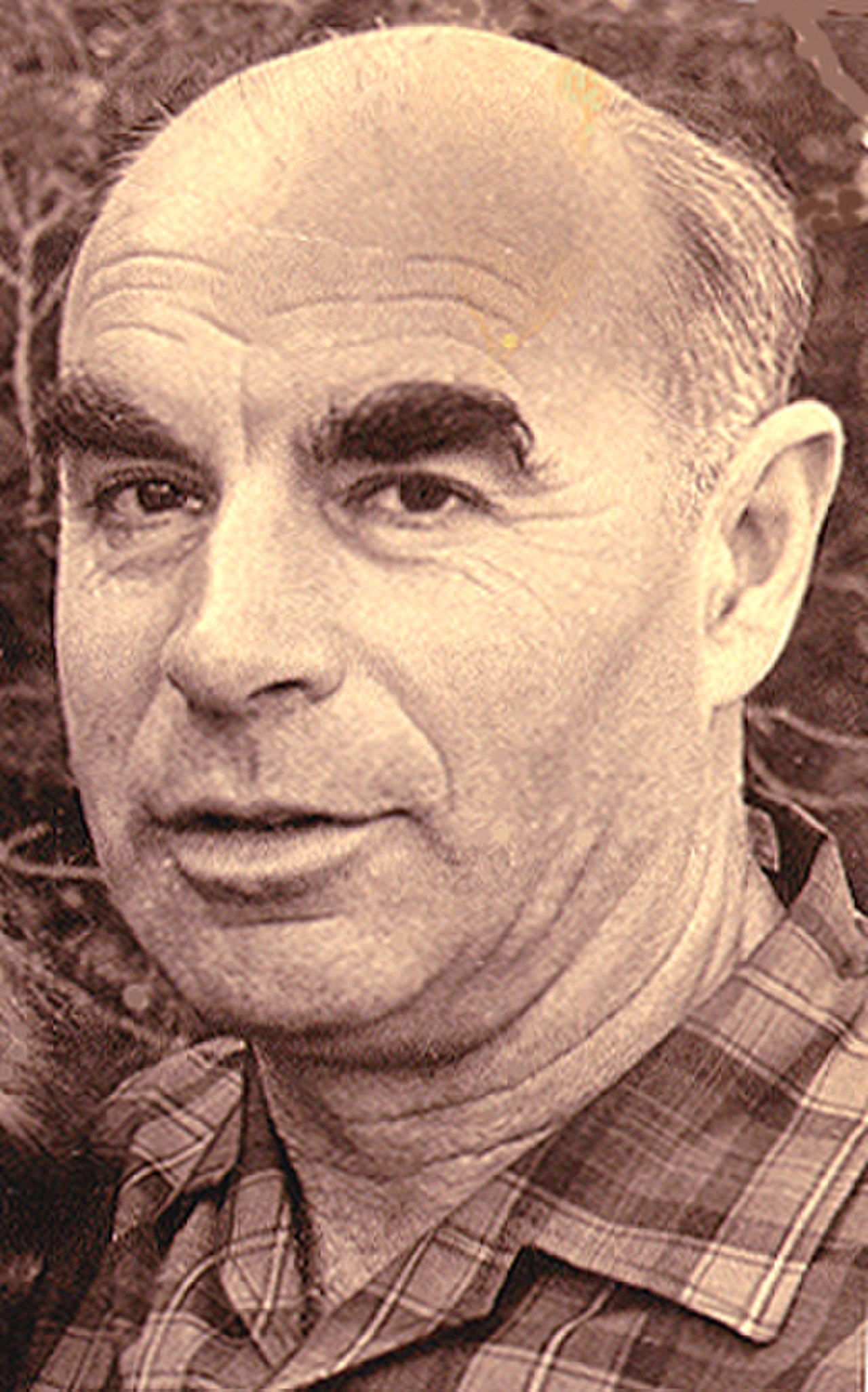
Mark Popovsky: I do not think that the Soviet system be a self -regulatory system. She is an amazingly tough, cruel system, she works all the time in one direction. And then the task of holding science, first of all, is as something controlled, as something that can be closed, turned or directed, this task is so seemed to the leaders of the country, and after them the leaders of the academies, the main, most important that everything else will fade. I do not foresee serious changes for the better. Moreover, I would say, according to my numerous interlocutors, the past and in the summer in the chair in front of my table has overgone more than forty prominent researchers that working in the laboratory is becoming more and more difficult, the situation, the atmosphere is becoming more and more difficult. People go to the laboratory in the morning with a heavy feeling that they will have to overcome some kind of resistance, every small device, every trifle test tube is given with enormous labor. I do not foresee changes. Managed science is absurd, but this absurdity cannot be overcome by the logical actions of the authorities.
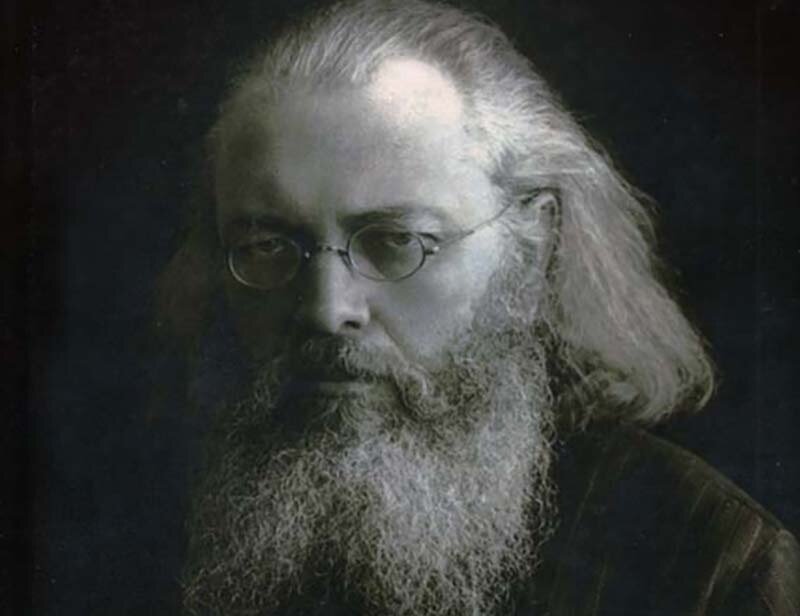
Ivan Tolstoy: Having settled in the late 70s in New York, Mark Aleksandrovich Popovsky consistently completed his program, wrote and released his books, constantly played in the scientific and historical programs of “Freedom”, was published in the main Russian newspaper America-“New Russian Word”, as well as in “New American” by Sergei Dovlatov.
On one of my trips, I phoned Popovsky and we met at his house. It was 22 years ago, in the fall of 2000. Our conversation today is the air for the first time. I started with the question of how the writer’s life in a new light developed.
Mark Popovsky: I brought huge material on the problems of Soviet science, on conflicts, situations, and the first one and a half to two years lived with this topic. In general, my whole story in America is divided into periods when I take one topic, then - the second and third. This went on for two years, I spoke every week, talked about books that I could not print and, in addition, this was a statement of a number of materials from my guided science. In addition, I remembered the people I wrote about, for many years I was connected with them.
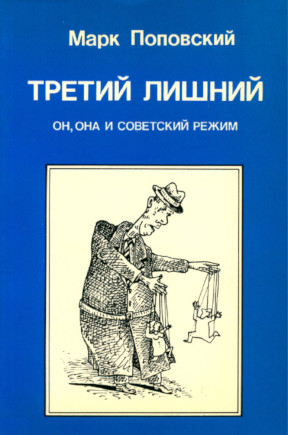
Then another period began - about 250 people, the men and women whom I asked about their intimate life, were translated in this chair, they told, and a year later the book "She, it and the Soviet regime" was written. From afar in Russia, she apparently had some kind of success there. And now - the third period of my life is here, I am interested in everything that I can find out about the people of the third emigration. I released a three -volume of my essays, it is called “on the other side of the planet”, and in the near future the fourth book on the same topic will be released, although it is not connected with the three -volume - “We are here and here” - and this will be the continuation of my meetings, conversations and attempts to understand what has brought us positive and that our emigration is difficult and tormented.
I am an objective person, I was shoved by the KGB here, I did not go myself, not to become a rich man, a successful and famous writer, but they simply told me: here are ten days and that you are not here. I had no penny behind my soul. If one kind person, now already world -famous, did not run around churches and synagogues, did not ask off the money to give me the opportunity to leave, I do not know what would happen. They wanted to plant me, there was a search.
Ivan Tolstoy: What did you talk about the fate of Soviet science on the radio was a stable cycle or random transmissions?
Марк Поповский: Я просто знал, что мне в течение этой недели надо сделать такой-то материал, и я копал в памяти, чтобы это было разнообразнее, интереснее слушать. Я не преподаватель, не организатор, делал из того, что я помнил.
Иван Толстой: Как так получилось, что вы оказались участником газеты "Новый американец"?
Довлатов и остальные мальчики и девочки вполне резонно решили, что им лучше перетащить меня к себе
Марк Поповский: Я печатался в "Новом русском слове" и выступал по радио. Иногда то же самое шло, иногда что-то изменялось. А Довлатов и остальные мальчики и девочки вполне резонно решили, что им лучше перетащить меня к себе. Довлатов позвонил, стал говорить, что нам надо вместе сотрудничать, мы все молодые, будем действовать, и предложил взять у меня интервью. Мне понравилась эта публика, мне очень понравился стиль тамошней жизни, он заключался в том, что мы все собирались в пятницу или субботу в редакции, каждый приносил уже готовый материал, ничего главный редактор не требовал, не спрашивал, не объяснял, все мы профессионалы, а потом Вайль и Генис делали номер очередной по нашим материалам. Я никогда нигде не служил всю свою жизнь, поэтому меня такая независимость вполне устраивала. Мне очень нравится и ваша методика, вашей жизни.
Иван Толстой: А какого типа материалы вы публиковали?
Марк Поповский: Если что-то мелькало в газетах и требовало комментария, то возникали какие-то комментарии, но, в основном, это был мой очередной очерк.
Иван Толстой: Сколько вы посотрудничали, в результате, с газетой?
Марк Поповский: Года полтора, потому что вы знаете, чем дело кончилось.
Иван Толстой: Расскажите, пожалуйста, потому что один умалчивает об одном, другой – о другом...
Марк Поповский: Такая работа всем нравилась, но в какой-то момент выяснилось, что Меттер нас обворовывает, мы получаем гроши, а он живет шикарно, и надо как-то на это реагировать – или требовать увеличить наши гонорары, или что-то ещё. В один прекрасный день я прихожу туда и Довлатов говорит: "Ребята, по-моему, мы здесь ни до чего не дотолкуемся, вы сами видите, что нам живется довольно сложно и тяжело с такими гонорарами, давайте соберемся в ресторанчике". We went. Вайль и Генис весьма свирепо тогда острили, мат-перемат такой шел, но, в общем, Довлатов убедительно тогда сказал, что мы можем прожить и без них. Я сам к административной стороне жизни был не причастен, но было найдено помещение и мы продолжили нашу работу. Все кончилось, если не ошибаюсь, четырьмя ( восемью. – Ив. Т. ) номерами. Это была газета "Новый Свет".
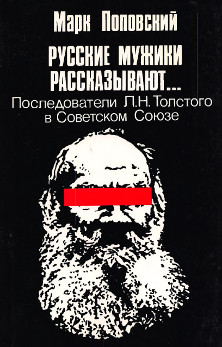
Я вернулся в "Новое русское слово", и была такая пора, когда я работал как машина, каждую неделю – очерк очень большой, на полполосы, случалось и на целую полосу. Это меня тоже устраивало, потому что свобода и желание получить в конце месяца гонорар побуждали меня к новому и новому творчеству. А главное, что я писал о том, что мне было интересно.
Иван Толстой: Какой внутренний путь вы в эмиграции прошли и пережили, что такое эмиграция для вас, в результате, оказалась? Какой смысл жизни на Западе.
Марк Поповский: Я вам сказал, что я никуда не уезжал, меня сюда вытолкнули насильно, и Игорь Губерман, мой приятель (он мальчик, правда, был по сравнению со мной по возрасту, мы с юности знакомы) затеял просто где-то достать деньги. Я ему оставил квартиру, единственное, что у меня было. Так что главное в моем ответе, что я не хотел ехать, я догадывался, что русский литератор без языка едва ли тут будет очень доволен. Кроме того, сама ситуация складывалась для меня тяжело в России. Мало того, что гэбэшники обыск произвели, изъяли пуд рукописей моих, никогда не опубликованных. Я с 1963 года до отъезда писал тайком. Три четверти года шли на то, чтобы зарабатывать, а потом я уезжал в дом творчества и писал свои книги. Это книга "Управляемая наука", книга о крестьянах толстовцах, "Третий лишний" о сексуальной жизни в советской России, о вторжении власти в отношения двоих. Это все должно было начать жить, поэтому я, с одной стороны, не хотел, а с другой – я потихонечку высылал, хотел, чтобы это все прозвучало. Так что это не было стремлением к чему-то, это был отъезд оттуда.
Иван Толстой: Вы сказали, что в этом кресле пересидели 250 человек. О чем вы говорили?
Марк Поповский: Я просил рассказать о семье, как возникло их отношение к женщинам, вообще как сложилась их семья, как жена осознавала и осваивала секс. Людям было сказано, что нигде никто не будет упомянут, более того, там, где ситуация слишком явственная, я менял что-то, переставлял. Мне было интересно, им было интересно, а потом и читателям было небезразлично.
Иван Толстой: Вы сказали, что интересуетесь эмигрантами и пишете о них. А как вы сформулируете этот интерес?
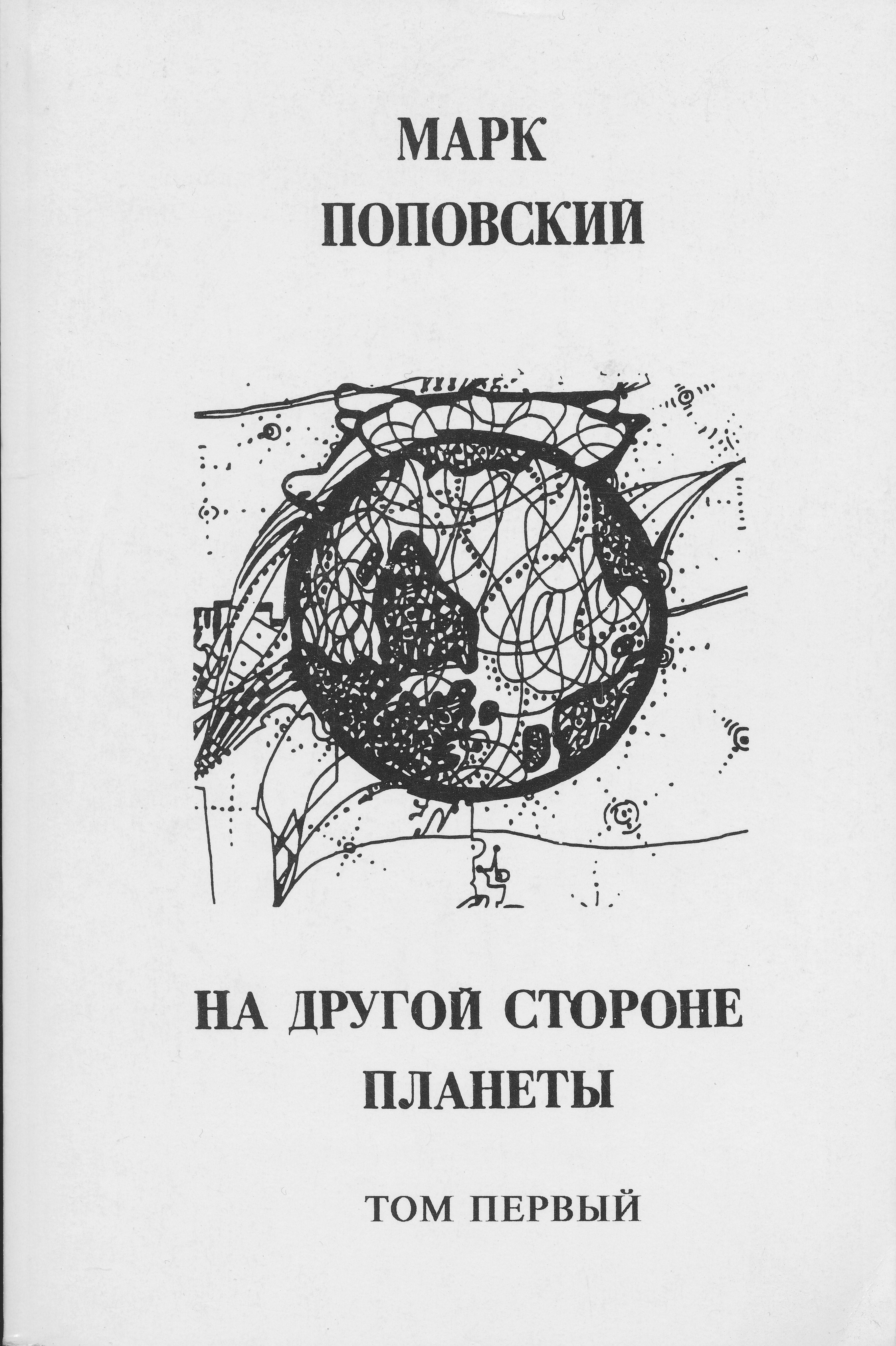
Марк Поповский: Литератор, публицист, документалист, журналист должен иметь свою сферу. Я не репортер, я не пишу сегодня – одно, завтра – другое, не прыгаю и не бегаю. А когда исчерпалась тема "третий лишний", я все чаще пытался находить интересных людей, через которых становилось ясно, что здесь – сложно, трагично, порой – комично. Что как плюс воспринимается, а что – как минус.
Там были самые разные ситуации. Была семья, недавно приехавшая – муж, жена, их замужняя дочь и ребятёночек маленький. Они приехали несколько месяцев назад, он купил револьвер, стал им вертеть и прострелил голову своей жене. Когда он увидел это, он пустил себе пулю в грудь. И тогда вчерашние бабушка и дедушка стали папой и мамой. Такие ситуации.
Были трагические, были комические вещи, с одной семьей мы очень подружились. Молодой человек сказал своей матери за две недели до отъезда, что влюбился в девочку русскую, я ее с собой повезу. How?! Мы только что оформили документы! Нет, она будет моей женой. И она действительно приехала сюда – красивая, прелестная девочка, стала его женой. Полгода счастливого брака, а затем машина ее сбивает на улице и превращает в калеку. И он два года сидит у ее постели, приводит ее в норму, вытаскивает ее. Родилось двое детей, они ждут третьего. Это – брак, хотя я понимаю, что надо быть очень мужественным человеком, ведь она не все понимает, не все может объяснить в своих поступках, это, конечно, изуродованное существо.
Я немножко помешан на нравственных проблемах и в моих книгах, выходивших в России, этот элемент почти всегда присутствовал, во всяком случае я всегда искал людей, поставленных в сложные нравственные обстоятельства, где они должны вбирать решение. И очерки мои очень часто пронизаны этой мыслью: как себя повел герой именно с моральной точки зрения. Я получал удовлетворение, потому что я, извините за дурацкое слово, пропагандировал свои взгляды нравственные.
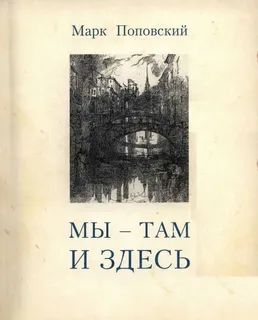
Иван Толстой: Кто для вас наиболее интересные фигуры, встреченные на Западе?
Марк Поповский: Две самых значительных личности среди нашей эмиграции это Арон Каценелинбойген и Саша Калина. Это Сан-Франциско, это учены гениальный исследователь, у которого "Дженерал Электрик" за несколько миллионов купил его открытие. Должны были строить электростанции по его принципу, если бы там не случились все потрясения с горючим. Что касается Арона Каценелинбойгена, то охватить его как личность я не могу, потому что он преподает этику, эстетику, высшую математику, пишет очерки о бизнесменах американцах – потрясающий человек! Он работает в университете в Филадельфии. Вот это два самых ярких человека, мы с ними и дружны. Калина совершил недавно новое открытие совершенно случайно, из другой области, из другого мира научного.
Пятеро из Балтимора очень взволновали меня. Пять мужичков среднего возраста задумали издать журнал. Начали делать, оказалось, что дельные ребята, журнал получается, называется "Вестник". Но – бах! – разбило мозги главному редактору. Он мог лежать, сидеть, но даже глотать не мог. А четверо остальных не только не женились, а они делали журнал и кормили, поили, какали своего главного редактора. Это наши люди такие. Я и сейчас с ними в контакте. Наш человек в полиции меня заинтересовал, русский человек.
Я пишу и о людях второй и первой эмиграции, об их детях. Эти тома делятся на пять разделов. "В Америку с идеями", "Дом, где согреваются сердца", "Наша заграница", "Неожиданное путешествие", "Российская эмиграция вчера и сегодня", "Мы на трех континентах". Это – каждодневность наша.
Следующая часть – "Вкусы, нравы, характеры". Вот упрямец у меня тут есть. Я не спорю с ним, спорить вообще не надлежит со своими героями, я никогда ни с чем не спорю, я высказывают свою точку зрения, привожу абсолютно объективно их точку зрения, даже если она на грани уголовщины.
Бывают у меня романтические вещи. Например, познакомился я здесь с журналистом и дипломатом, Томас Уитни такой, который приехал в Россию во время войны и влюбился в девочку, по-настоящему влюбился, он вообще серьёзный человек. А ее не выпускают. И он девять лет бился, чтобы ее выпустили. Она приехала сюда, но очень скоро умерла. Она певицей была.
Отцы и дети – вечная проблема, одна из самых острых проблем эмиграции. В американской ситуации, как правило, не возникает единение отцов и детей, потому что ребенок, как правило, какого бы возраста он не был, хочет быть похожим на тех детей, которые вокруг него, а для отцов и матерей это совсем не то, что надо. И вот идет эта война. Я много раз возвращался к этой теме – и дети рассказывали, и родители.
Еще одна яркая фигура – Михаил Вербов. Он умер, не дожив несколько дней до своего столетия. Очень яркая фигура. Это русский, выехавший еще до революции. Художник блестящий, всех королей рисовал, мы с ним встретились буквально за несколько дней до его смерти.
Как вы оцениваете ту старую историю со знакомством с вавиловским следственным делом. How did you succeed? Почему был и с их стороны такой прокол? Они не предвидели, что из этого такая потрясающая история может быть?
Марк Поповский: А вы читали книжку?
Ivan Tolstoy: Of course!
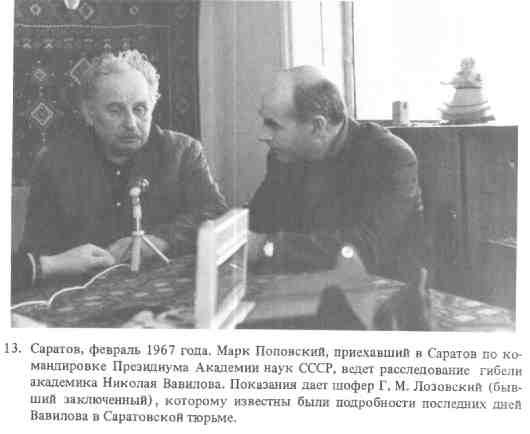
Марк Поповский: Самое важное в этой истории – когда это произошло. Это произошло после того, как повалили Хрущева и еще не стал прочно на ноги этот старый идиот Брежнев. Это было время, когда они играли в демократизацию. Эти полтора года можно было брать и смотреть в архивах многое. Это театр был. Я бы членом Союза писателей, я пошел ко второму секретарю и говорю, что вот я закончил книгу о Вавилове (я действительно закончил детский вариант, который обрывался на 1930-м) и мне хотелось бы знать, в чем его обвиняли. Тот поднял трубку, позвонил второму человеку в генеральной прокуратуре. Please! И я пришёл, там меня что-то поспрашивали, поговорили со мной, а потом мне стали приносить эти десять томов дела. Когда девятый том принес очередной полковник, он сказал: "Вот это – девятый и десятый. Списывать нельзя". Он сел напротив меня, а я взял и тут же начал списывать. Через некоторое время я повернулся, поднял лицо – он сиял! Он понял, что только человек, получивший на самых верхах полную свободу, мог себе позволить вот так нарушать указания. Расплылся в любви ко мне!
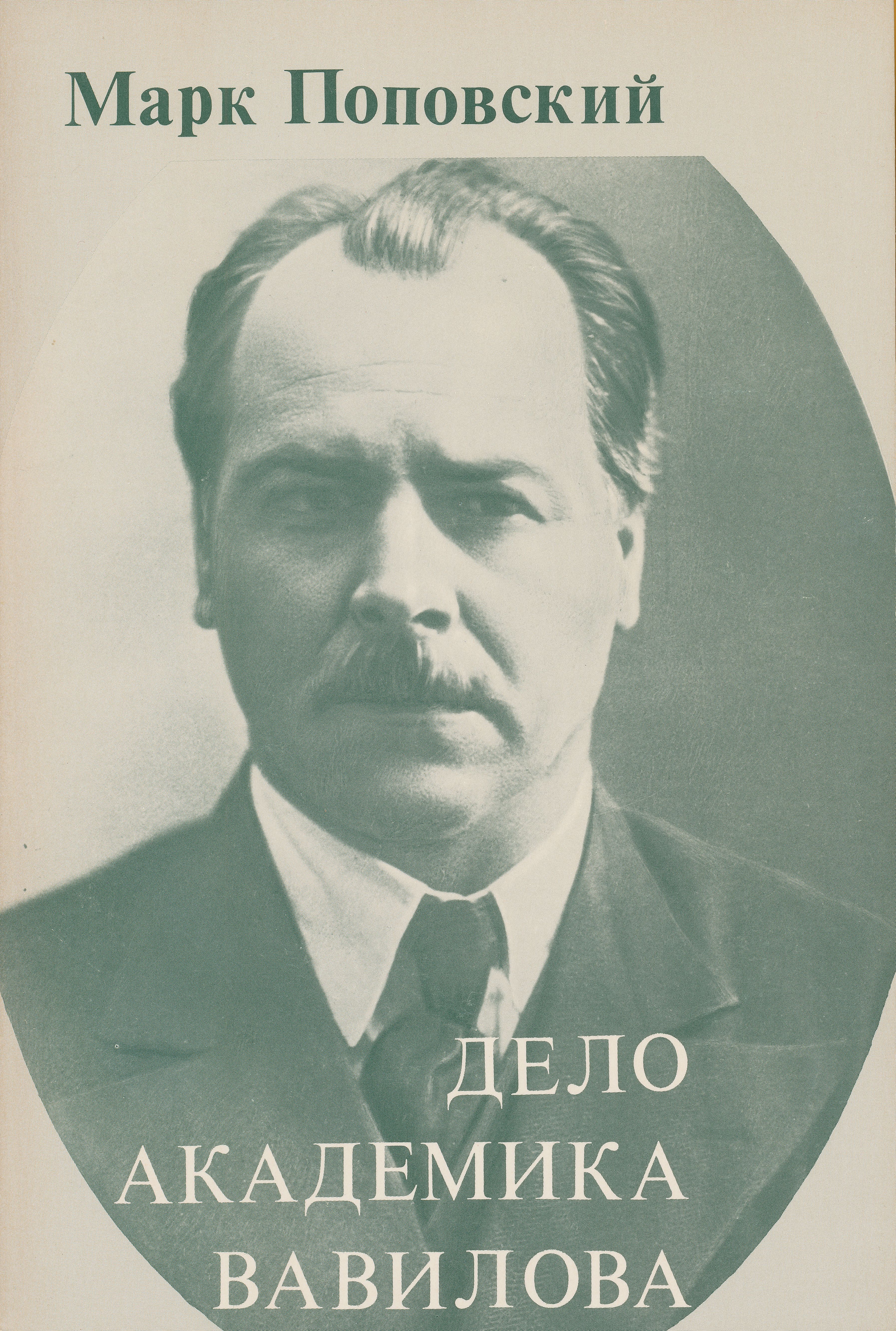
Иван Толстой: Он формально сказал, что нельзя, и посмотрел на реакцию?
Марк Поповский: Да. И я тут же начал списывать. А психологически для него это так. Вот ты пришел в генеральную прокуратуру, тебе дали закрытое дело, а ты тут же списываешь? Да поклон тебе до земли! Ты, может быть, от товарища Брежнева. Это был театр, я играл. Никто из них не мог подумать, что я напишу книгу, что книга выйдет на Западе. Я опросил человек 150, объездил страну, пока написал книгу. Так что это был мой успех.
Иван Толстой: Америка, как страна, вам нравится?
Марк Поповский: Я не думаю, чтобы страна могла нравиться. Сама конструкция вашего вопроса не позволяет мне четко ответить. Я благодарен Америке, я хорошо себя здесь чувствую. Особенно после того, как я нашел здесь русскую церковь – я совсем стал доволен, каждое воскресенье хожу. А с американцами я, к сожалению, не нашел общего языка. Они доброжелательные, где-то меня печатали, но я плохо изучил английский и внутренней связи у меня с Америкой нет. но, еще раз повторю, я очень уважаю эту страну, потому что это страна, которая так устроена политически, социально, нравственно, что она не дает здесь возникнуть фашизму, коммунизму, и так далее. Вот меня это пленяет в Америке, уж не говоря о том, что она велика, прекрасна, красива, мы ездим по этой стране и получаем удовольствие.
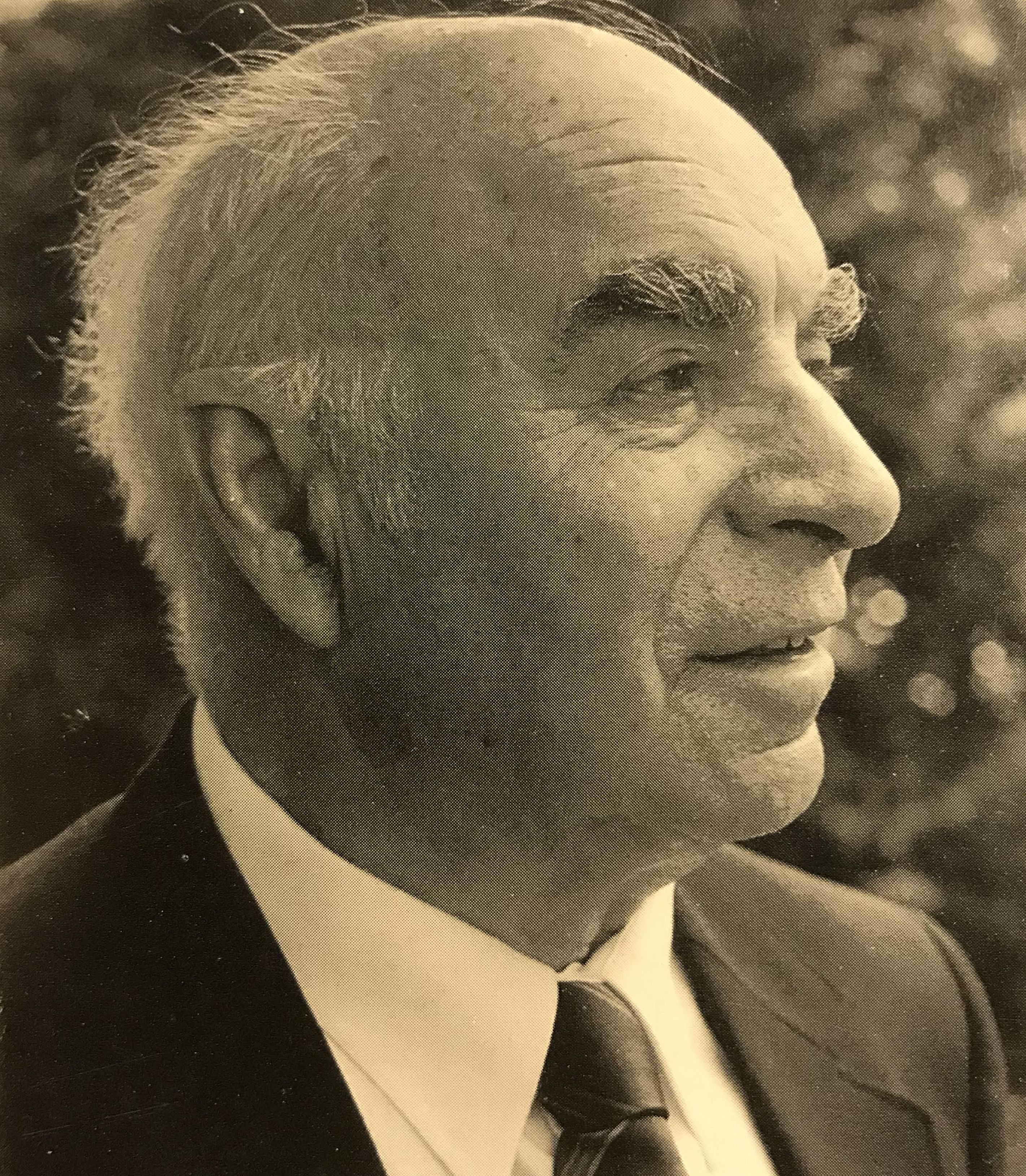
Иван Толстой: И на этом мы заканчиваем передачу, посвященную столетию со дня рождения писателя, публициста, историка науки и биографа Марка Александровича Поповского. Прозвучала беседа 1977 года (первая на Западе, ее вел Леонид Владимиров) и интервью, которое я записал в Нью-Йорке осенью 2000-го. Марк Александрович скончался в Соединенных Штатах в 2004 году.