
Translated material
The revolution is not there
As the conspirators from the State Emergency Committee decided that with the help of force they would lead the country out of the crisis, but in the end they determined its decay. On the anniversary of the putsch - the expleiner of "New"
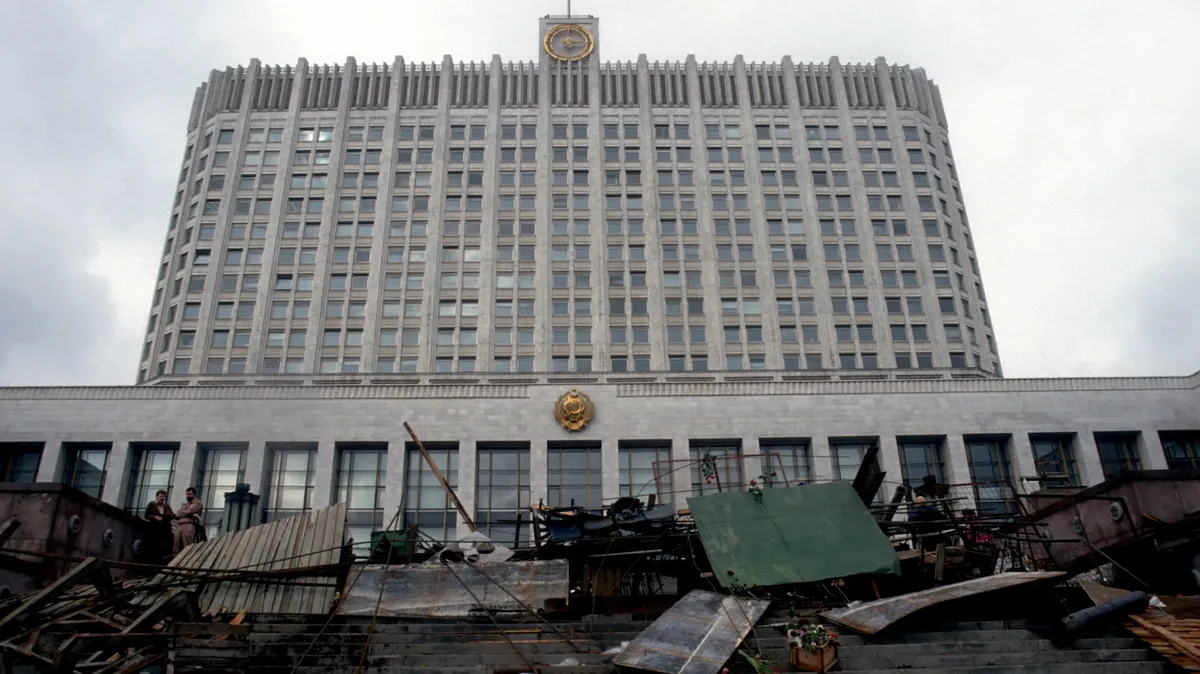
On August 19, the August coup is 31 years old. On this day, the creation of the State Committee on Extraordinary Regulation (GKChP) was officially announced. The members of the committee were the highest leaders of the USSR, planning to disrupt the signing of a new union agreement, remove the President Mikhail Gorbachev from the post of President, stop the conducted democratic reforms and maintain the Soviet Union. The result of the conspiracy Gorbachev was isolated in his residence in the Crimea. The GKChP decided to ban the activities of opposition movements and parties and the introduction of censorship in the media, and the closure of part of the newspapers. Troops were introduced into Moscow.
At the head of the resistance, the President of the RSFSR Boris Yeltsin stood up, who urged Russians to confront an attempt to seize power. Hundreds of thousands of people took to the streets of Russian cities for several days, and the main events took place at the White House in Moscow. And although the August events were generally peaceful, there were no sacrifices: three demonstrators died - the BMP in the area of the new Arbat was actually crushed. As a result, the creation of the Yeltsin was qualified as an attempt by the coup, and the union bodies of the executive authority were re -incidentally reflected by the President of the RSFSR. On August 22, the GKChP was eliminated, and its members were arrested. August events predicted the future fate of the USSR: in December 1991, he ceased to exist. By the anniversary of the putsch “Free Space” publishes material about the events of those days, whose echo has now become louder.
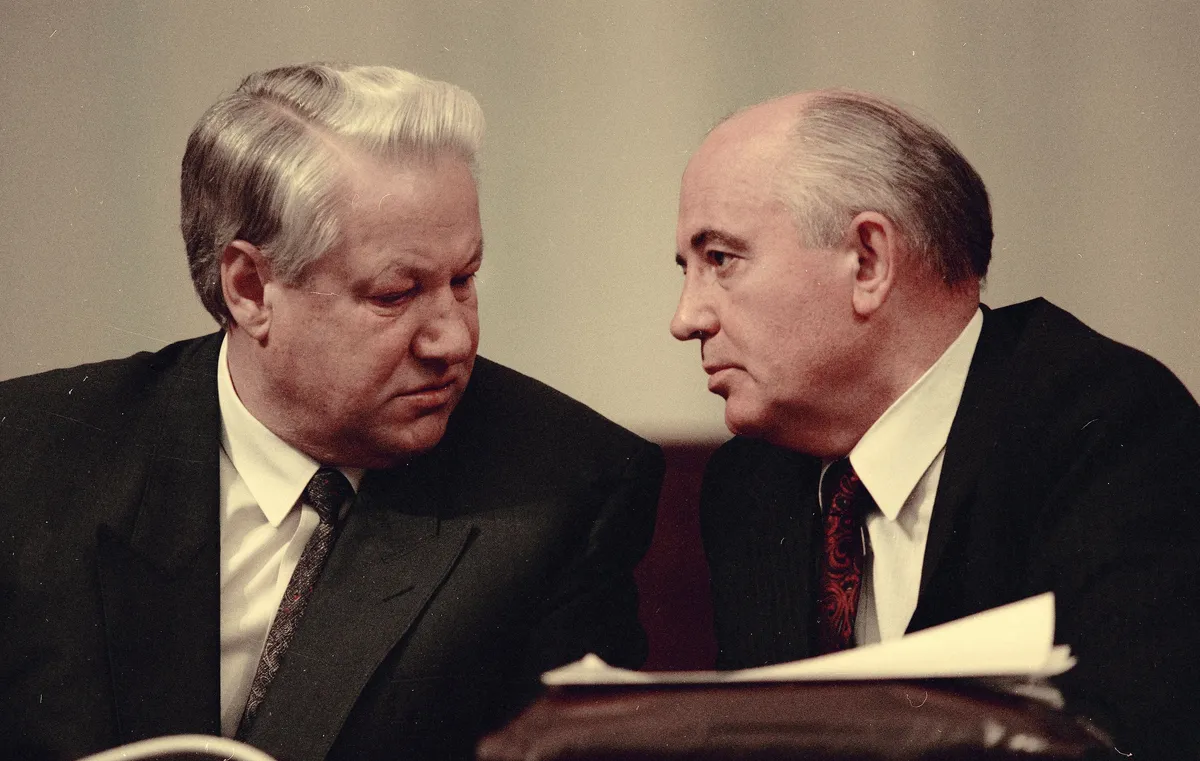
In the 1980s, the Soviet system ceased to be viable. The economy was in crisis. In 1985, a restructuring with the democratization of economics and socio-political life was launched. Against this, in 1989, the Eastern Bloc collapsed (the block of pro-Soviet states of Central and Eastern Europe and Southeast Asia, led by the USSR). By 1990, the USSR itself began to fall apart (the republics adopted declarations of sovereignty). At that time, Soviet leaders understood that the resources to maintain the integrity of the Soviet Union were not enough, therefore they decided to modify the structure of the state.
In March 1991, the first all -Union referendum was held in the USSR. Citizens were invited to decide whether it is necessary to preserve the Soviet Union in the form of an “updated Federation of equal republics”. Residents of the republics (except Estonian, Lithuanian, Latvian, Moldavian, Armenian and Georgian republics, who did not support the referendum and announced independence) voted for ( 75–77 %) the preservation of the Soviet Union. The result of the vote was the draft of a new union agreement, which was supposed to be signed on August 20, 1991.
According to the contract, instead of the USSR, a less centralized SSG (union of sovereign states) should have appeared with fewer republics in the composition and with a federal structure.
Putchists believed that the new union agreement would lead to a complete collapse of the state, therefore they decided to maintain the integrity of the USSR by force.
In addition, they believed that democratic reforms conducted by Gorbachev led to the full collapse of the country.
According to another version, the conspirators wanted to disrupt the signing of the Union Agreement in order to maintain their power. Gorbachev later recalled that he had agreed with Yeltsin (at that time that had already become a major politician after phenomenal success in the elections of the President of the RSFSR on June 12, 1991) at a meeting with him and Nazarbayev (at that time by the President of the Kazakh SSR) about the radical update of the Cabinet of Ministers of the USSR (mainly about the premiere of Pavlov , which was planned to replace. Nazarbayev, but the conversation went on the replacements of the head of the KGB Kryuchkov and the Minister of Defense of Yazov ). This conversation, held between the presidents in July 1991, was recorded by the KGB and transferred to the puffers.
Among the participants of the GKChP were the highest leaders of the Soviet Union: KGB chairman Vladimir Kryuchkov, Minister of Defense Dmitry Yazov , deputy minister of defense Valentin Varennikov and Vladislav Achalov , head of the Ministry of Internal Affairs Boris Pugo, vice-president Gennady Yanaev , Chairman of the Council of Ministers Valentin Pavlov , President of the Association of State Entities and Associations And the connections Alexander Tizyakov and others. Yanaev was considered the leader of the State Emergency Committee, but most historians rightly consider the chief ideologist of the GKChP Kryuchkov, who had already exposed himself to “the only defender of socialism in the USSR” by that time for several years (in later interviews of the hooks, he recognized Gorbachev in 1990-1991 and came to the conclusion that he was “two -faced Janus”).
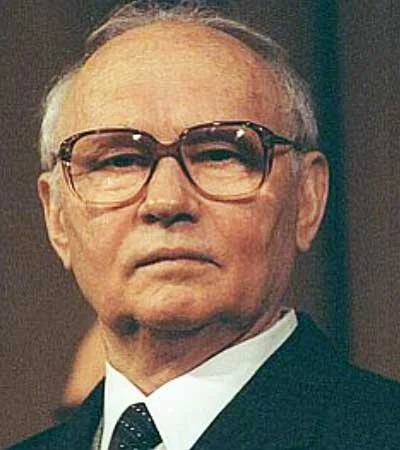
It was Kryuchkov on August 5, the day after Gorbachev left to rest in the Crimea, that he gathered like -minded people to meet at the KGB conspiratorial facility , which first discussed the plan for the detachment of the USSR President from the authorities (the conspiracy participants at various stages of its implementation assigned the KGB of a significant role). It was Kryuchkov on August 6, 1991 that he instructed the employees to analyze the possibility of introducing a state of emergency in the country and the alleged reaction to it of the population. In addition, on August 15, he ordered the organization of wiretaps of the leadership of the RSFSR and democratic leaders from the number of probable opponents of the GKChP. Two days later, on August 17, Kryuchkov set the task of the KGB to plan, together with the Ministry of Defense, the operation to detain and deliver the President of the RSFSR Yeltsin on August 19 to a military facility in the Moscow Region (it is known that at that time for several years the KGB officers conducted a campaign to discredit Yeltsin).
According to historian Nikita Petrov,
President Gorbachev in the 1980s made a number of personnel miscalculations and errors, appointing “retrograde” and “rudimentary” thinking to the highest leadership positions.
For example, the chairman of the KGB Kryuchkov, according to Petrov, was a man of the “old Soviet school” (it is known that in 1990 the head of the KGB wrote that the “antisocialist forces” block with the center in Moscow opened and openly operated in the country; he also spoke of “destructive political forces” and “economic sabotage”), and the Minister of Defense Dmitry Yazov was “an ideological person, an“ ideological person ” He considered the preservation of the USSR in its former form to his main task. ”
On August 18, 1991, supporters of the State Emergency Committee moved to the implementation of the plan to seize power. The conspirators represented by the Secretary of the Central Committee of the Communist Party Oleg Shlenin , People's Deputies Oleg Baklanov and Valery Boldin , Deputy Defense Ministry of Office Valentin Varennikov and the head of the KGB Security Service Yuri Plekhanov came to Gorbachev to the Presidential Cottage to the Crimea to discuss his resignation and the transfer of the State Emergency Committee or the introduction of an emergency: the emergency regime suggested the prohibition the activities of political parties and opposition movements, taking control of the media and the ban on the conduct of processions, strikes and demonstrations.
Gorbachev refused to support the conspirators and, according to the Minister of Defense of Yazov, kicked them out, saying : "What you want - do, but you will be responsible for this." After that, he was actually blocked in his residence:
The military was surrounded by the military, all the connection was disconnected (special communications, urban, ATS, government, internal with security), even a TV stopped working,
And the presidential aircraft and a helicopter equipped with special communications were blocked at the airport with two watering machines: the admission of crews and staff was prohibited.
In addition to this, one of the accused in the “GKChP case” Plekhanov ordered to send a reserve presidential aircraft to Moscow “as unnecessary”, excluding the last possibility of Gorbachev’s return to the capital. In addition, by order of the Minister of Defense of Yazov, landing and departure of “any air judges” from the Belbek airfield in Sevastopol were prohibited, and the airfield itself was closed. At the same time, the conspiracy participants provided for the possibility of breaking the blockade from the outside and the “liberation” of Gorbachev. To prevent this, the marine corps units were put forward at the airfield, which on August 19 received a command to destroy any aircraft in the event of their unauthorized landing.
The set of measures for the isolation of the President of the USSR also included disconnecting the communication channels to use strategic nuclear forces: with the help of them, Gorbachev, while on vacation in Crimea, could contact any subscriber uncontrollably from the UPS KGB (government of government communications). Thus,
The “nuclear button” in one day was in the hands of adventurers who decided to seize power. Continuing the blockade of the President of the USSR, the putschists planned to declare him sick and incompetent.
It is known that the Deputy Minister of Defense of the USSR Valentin Varennikov misinformed several commanders of the military districts regarding Gorbachev’s “poor health”, thus preparing them for the introduction of a state of emergency.
The participants of the State Emergency Committee, among whom were Kryuchkov, Yanaev, Yazov, Pugo, Pavlov and others, gathered in the evening of August 18 in the Kremlin to discuss the results of the trip of the ally to Gorbachev and begin to implement the next stage of the plan to seize power. When the conversation began, Kryuchkov first of all informed the news from the Crimea: "Gorbachev did not sign the renunciation."
Soon, the patchists who had just returned from a meeting with Gorbachev joined the meeting in the Kremlin. According to the testimony of Jazov, they arrived with "sour faces." “It was noticeable that they consumed alcohol from concern caused by possible consequences after talking with the president.” After the story of the Putachevs who visited Gorbachev about the conversation with him in the office, confusion arose, as evidenced by the phrases recorded in the testimony : “We lit up”, “If we agree to this, we are on the block, and you are clean <...>”, “We signed the death sentence”, “<...> you don’t think, if we flew, then you have nothing to do with it. Who is here is burned <...>. "
Despite the confusion, the putschists did not abandon their plans. At the same time, each of them understood that he was very at risk. Kryuchkov and deputy Baklanov, “given that it seemed to them that Gorbachev was sick,” invited Yanaev to take on the presidential powers. Yanaev accepted the proposal. After that, Kryuchkov handed over the documents of the State Emergency Committee prepared in the KGB (participants in the conspiracy at various stages of its implementation assigned the KGB a significant role): “The statement of the Soviet leadership”, “Appeal to the Soviet people”, Decree No. 1 of the GKChP of the USSR and the text “Appeal to the heads of state and governments and the Secretary General of the UN”. The draft these documents were agreed in advance, but required amendments.
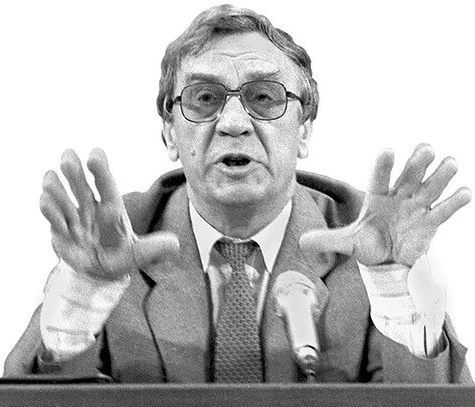
It followed from the “statement of the Soviet leadership” that: the president’s powers are moving towards Yanaev, the country will now rule the State Emergency Committee for “implementing a state of emergency”, and the emergency regime is introduced throughout the country up to 6 months from 4 a.m. on August 19 (later the wording was changed to “an emergency is introduced in certain places of the USSR”).
In the document “Appeal to the Soviet people”, the State Emergency Situations Participants called on citizens to “put an end to the current vague time, realize their duty to the Motherland and provide all -terrain support for the State Emergency Committee and efforts to withdraw the country from the crisis.”
At a meeting in the Kremlin, the GKChP participants discussed and amended the documents until the night of August 19. The amendments concerned the emergency regime, the composition of the GKChP and appeals to the heads of state.
When the documents were ready, the putschists immediately rolled a booze. That night, Prime Minister Pavlov got so drunk that his personal guard had to carry him to his car, and then “unload it to the cottage”.
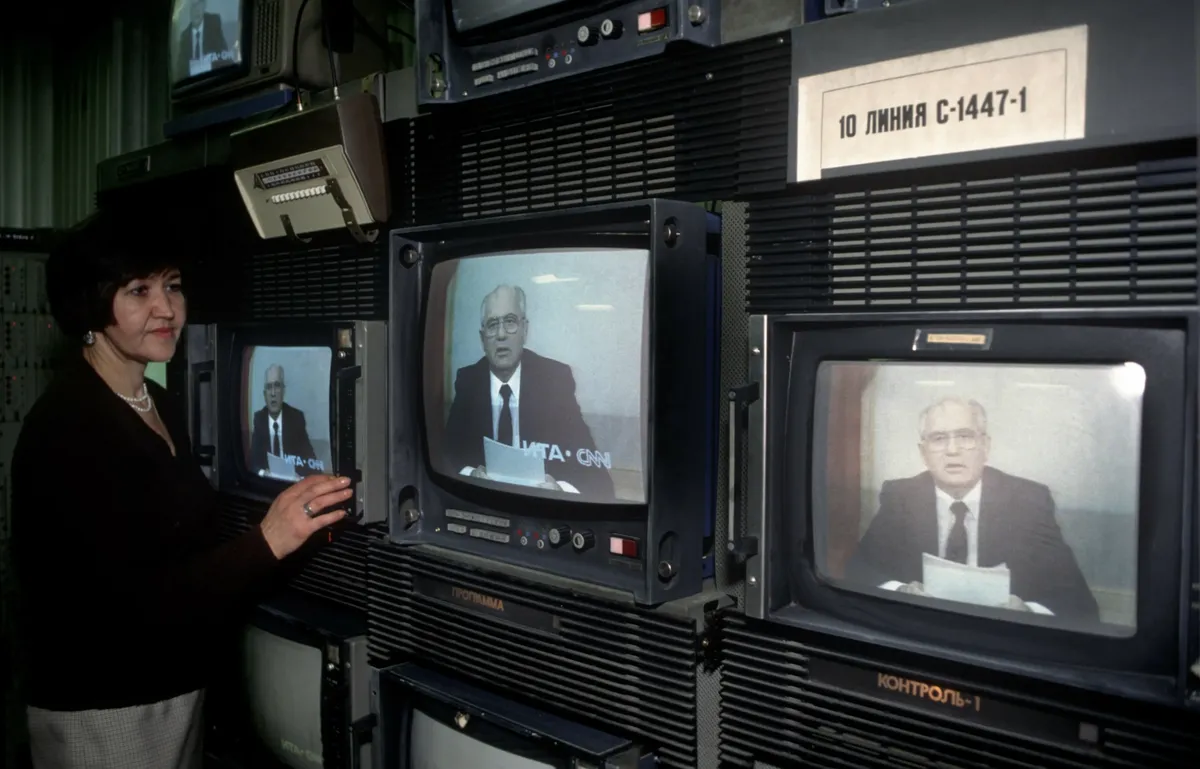
On the morning of August 19, the GKChP documents were published in the media - on the GOSTELEDDO and in TASS (later when analyzing the materials received on the TASS tape on August 19, it turned out that only one response of four was in support of the State Emergency Committee). On television, Soviet citizens were announced that Gorbachev was sick, presidential powers are moving to Vice President Yanaev, and the country is introduced in the country.
After that, Kryuchkov gave an order to bring the KGB to the increased readiness of the bodies and troops and ordered to nominate the Arkhangelskoye, where Yeltsin lived, to the Dacha of the RSFSR, 60 people from the alpha special forces to “detain and deliver to the territory of the military unit of people's deputies and democratic leaders,” including Yeltsin. But the commander of the special forces decided not to arrest the President of the RSFSR and the Russian leadership, arguing his decision by possible “extra witnesses and innocent victims” during the operation. There were no additional measures to detain Yeltsin.
According to historian Leonid Mlechin , Yeltsin was underestimated - the conspirators did not occur to him that he would resist, and the other senior leaders of the RSFSR would rush to defend the constitution and the legal president of Gorbachev.
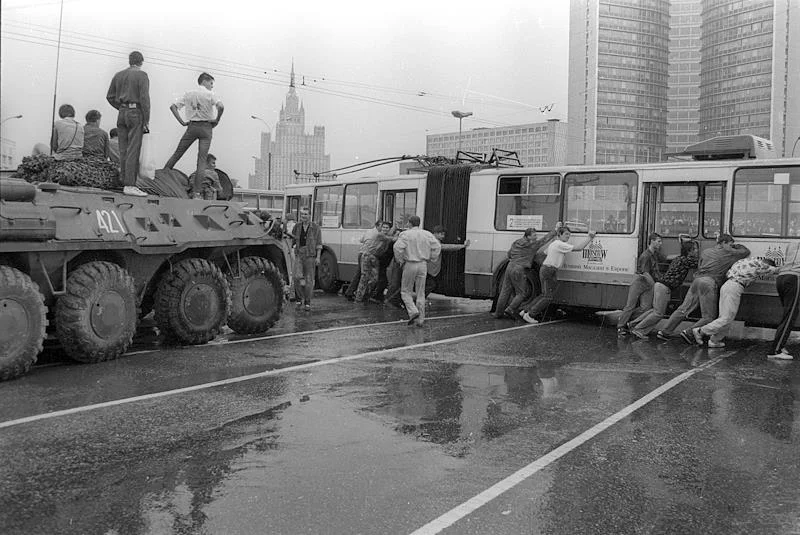
On the morning of August 19, the Minister of Defense Yazov introduced the troops to Moscow "in order to prevent possible riots in the city." Tanks, BMP and landing appeared on the main streets. Many important infrastructure objects were taken under control. The KGB special forces were blocked by Manezhnaya Square and the Kremlin.
The television center in Ostankino was also taken: all television channels broadcast the swan lake ballet during the day, as if there was no political crisis in the country.
On August 19, 1991, many thousands of protest against the introduction of a state of emergency were held in many cities of the USSR. The centers of the confrontation were Moscow and Lenigrad. Among the many thousands of cities, who flooded the centers of cities, there were a variety of people - the intelligentsia, students, Cossacks, wars veterans, workers ... The main opposition of the GKChP was the leadership of the RSFSR, led by President Yeltsin, and the main events took place at the White House, where the Supreme Council of the RSFSR and the State Emergency Service Staff were located. It was the leadership of the RSFSR, together with the Russian branches of authorities, opposed the puffers who relied on the All -Union structures and the army. The highest leaders of the RSFSR, despite the disputes with Gorbachev, believed that the new union agreement should be signed.
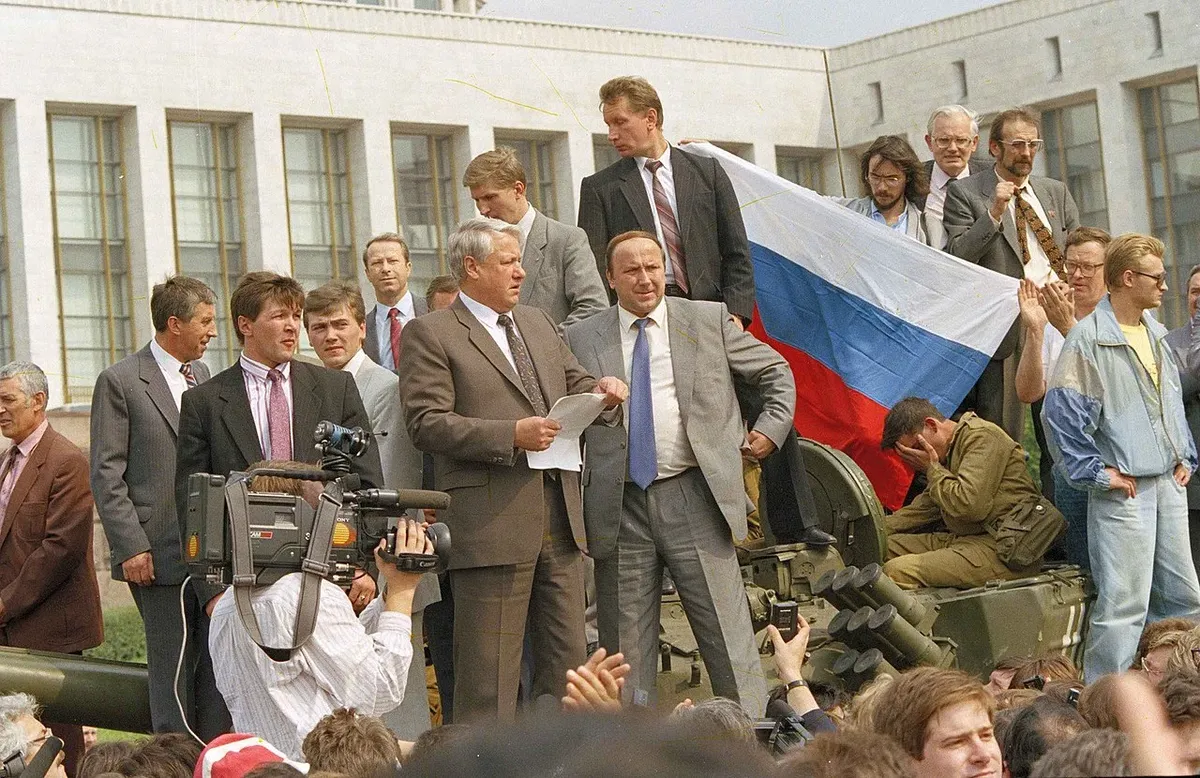
On the afternoon of August 19, Yeltsin, standing on a tank near the White House, read out the famous appeal in which he urged Russians to resist the anti -constitutional seizure of power and protect the headquarters of the State Emergency Committee in the White House from a possible assault. After that, crowds of people began to flock to the White House. They built barricades from what fell under the arms - paving stones, border and benches. At 17.00, the members of the State Emergency Committee held a press conference in the Foreign Ministry building. At a meeting with the press, the putschists said that they “respect Gorbachev” and “support the democratic reforms carried out by him”: the taken political course of the USSR leadership must be continued. However, by that time, the whole country and the whole world were already aware of the performance of Yeltsin with the "appeal to the people" and that the country was happening "reactionary, anti -constitutional revolution." Few believed in statements about Gorbachev's disease. The press conference was completely failed.
According to the historian Nikita Petrov, the problem of the participants in the State Emergency Committee was that
They did not take into account that over a few years of perestroika and democratic freedoms, people have ceased to unconditionally believe television and official statements. They already had access to foreign media (BBC, “Voice of America”*, “Radio Liberty”*) and knew well what a protest was.
According to some estimates, on August 20, several hundred thousand people gathered around the White House. The leaders of the resistance called on the demonstrators not to provoke the military and be at a distance from them - in general, everything was so, and the armed guards of the White House, among which were cadets of the police school, was ordered to shoot to defeat in case of attempt to assault.
Но штурма не случилось. Чтобы пробраться к зданию, нужно было расстрелять тысячи протестующих, на что заговорщики не готовы были пойти. При этом известно, что нападение на Белый дом готовилось. 20 августа Крючков, Язов и Пуго приняли решение о проведении спецоперации под кодовым названием «Гром» по захвату Белого дома с участием ОМОНа, десантников, танков и эскадрильи боевых вертолетов и дальнейшей фильтрации присутствующих людей. Штурм должен был начаться 21 августа в 4.00, но многие высокопоставленные военные, принимавшие участие в разработке спецоперации, осознавая неправомерность действий ГКЧП, которые могли привести к большим жертвам, стали отказываться от такой авантюры. Уже после августовских событий Язов рассказывал, что якобы никто не планировал штурмовать Белый дом.
Вечером 20 августа участники ГКЧП свидетельствовали о «развитии ситуации не в их пользу». На том собрании ГКЧП был подготовлен проект указа вице-президента Янаева «О введении временного президентского правления в республиках Прибалтики, Молдове, Армении, Грузии, отдельных областях РСФСР и Украины», а в Москве планировалось ввести комендантский час (назначенный военным комендантом Москвы генерал Калинин объявил о комендантском часе в программе «Время» лишь в 21.20. Удивительно, что об этой мере раньше Калинина сообщил британский премьер в Лондоне). Более того, ГКЧП принял постановление об ограничении транслируемых из Москвы телерадиоканалов:
некоторые телеканалы и радио, включая «Эхо Москвы» (как и теперь), которое распространяло правдивую информацию о сущности ГКЧП, были закрыты.
Несмотря на принятие новых дополнительных мер, среди участников ГКЧП появились разногласия: Шенин настаивал на продолжении действий согласно плану, а Бакланов говорил о возможном выходе из ГКЧП. Также на плохом настроении комитета сказалось отсутствие Павлова, который, как выяснилось потом, слег с гипертоническим кризом после застолья в Кремле в ночь на 19 августа. А случившаяся ночью 21 августа гибель трех демонстрантов еще больше усложнила нелегкое положение ГКЧП.
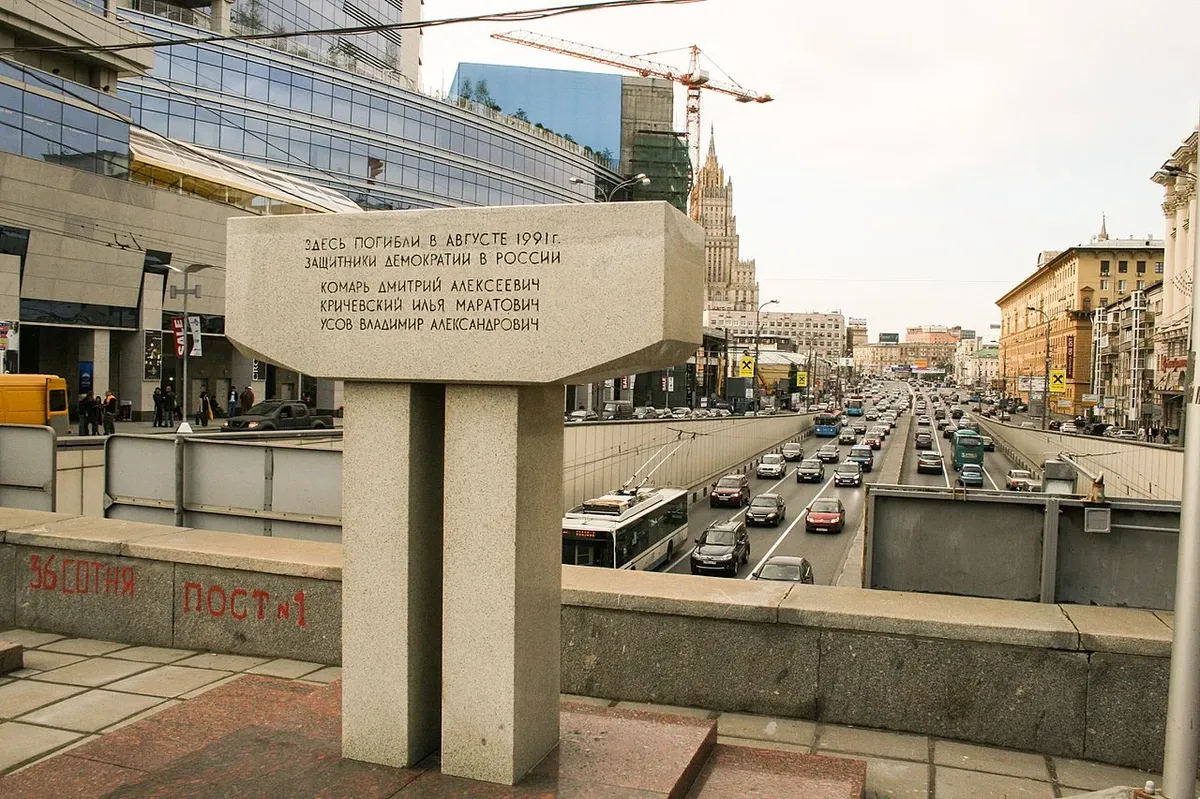
37-летний Владимир Усов , 28-летний Илья Кричевский и 22-летний Дмитрий Комарь погибли в районе Нового Арбата. Известно, что Усов и Кричевский были застрелены, Комарь погиб под гусеницами БМП. Всех их посмертно наградили званием Героя Советского Союза. Понимая, что эскалация конфликта неизбежно приведет к бóльшим жертвам и зная о неподдержке высокопоставленными военных действий ГКЧП, утром 21 августа Язов отдал приказ вывести войска из Москвы (Крючков, Бакланов, Шенин, Тизяков и Прокофьев пытались уговорить Язова отменить это решение). После этого Янаев принял решение о роспуске ГКЧП.
Для выхода из сложившейся ситуации днем 21 августа группа путчистов вылетела в Крым «с повинной» к Горбачеву. Заместитель Плеханова в КГБ Вячеслав Генералов, свидетель той встречи, потом рассказывал , что гэкачеписты выглядели как «нашкодившие пацаны», а министр обороны Язов напоминал «прапорщика в повисшем кителе».
В ночь на 22 августа высвобожденный Горбачев вернулся в Москву. В тот же день им был подписан указ об освобождении уже арестованного Крючкова от должности председателя КГБ и указ об освобождении от должности и лишении звания генерал-лейтенанта начальника службы охраны КГБ Плеханова.
С 22 по 29 августа 1991 года участники ГКЧП и другие заговорщики были арестованы по подозрению в антиконституционном захвате власти и государственном перевороте. Но затем мера пресечения для них была заменена подпиской о невыезде. В 1993 году, в уже независимой России, начались судебные разбирательства над заговорщиками. В 1994 году по решению Госдумы подсудимые по «делу ГКЧП» были амнистированы.
Не дожидаясь своего ареста, 22 августа 1991 года один из участников ГКЧП министр МВД Борис Пуго покончил с собой. In a suicide note, he wrote the following:
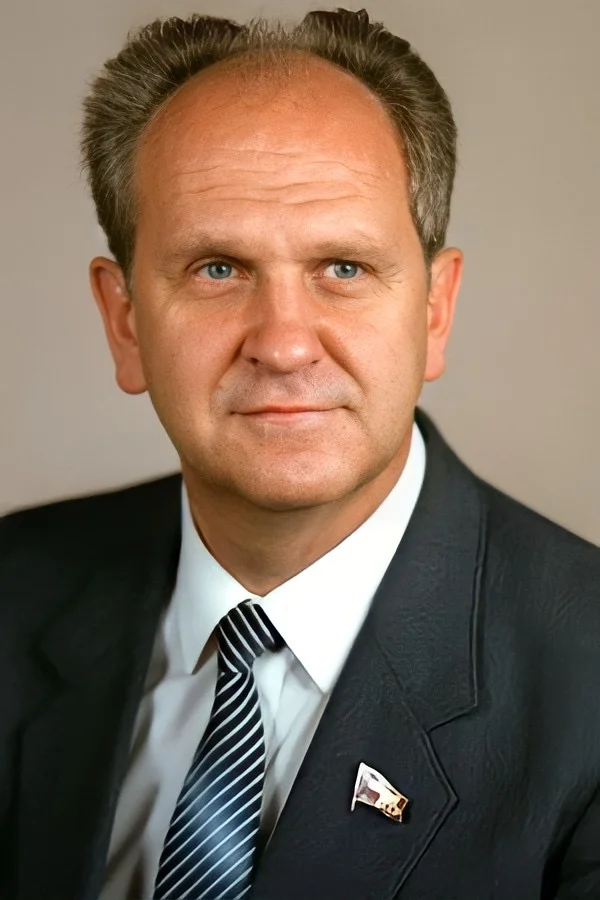
“He made a completely unexpected mistake for himself, equivalent to a crime. Yes, this is a mistake, not beliefs. Now I know that I was deceived in people who I believed very much. All this is a mistake. "
После августовского путча в республиках СССР начался «настоящий парад суверенитетов». В декабре 1991 года советское руководство вместе с Горбачевым ушло в отставку и СССР прекратил существование. Таким образом, участники ГКЧП, руководствуясь идеей о сохранении государства, на самом деле предрешили его дальнейший распад.
ДРУГИЕ МАТЕРИАЛЫ ПО ТЕМЕ:
«Ядерная кнопка оказалась в руках авантюристов». How the isolation of the President of the USSR was ensured. Фрагменты обвинительного заключения по «делу ГКЧП».
«Кто здесь находится, все сожжены». In what mood the conspirators conferred in the Kremlin on the night of August 18 to 19, 1991. Фрагменты обвинительного заключения по «делу ГКЧП».
ГКЧП-24. For almost a quarter of a century, the country returns to the course, according to which back in August 1991, the failed junta wanted her. Материалы уголовного дела: показания обвиняемых и свидетелей.
Кооператив «Лебединое озеро». 30 years ago, a group of comrades tried to overthrow Mikhail Gorbachev and return fear to the country. Как провалился путч.
Переворотная точка. К годовщине ГКЧП: что мы пережили.
Загадка августа 91-го. Putches provoked a real revolution. Но выходят на площадь и ложатся под танки одни, а власть, должности и богатство достаются другим.
«Совершил ошибку, равноценную преступлению». As the police participated in the organization of the putsch and how the Minister of the Interior sentenced himself for him. Фрагменты обвинительного заключения по «делу ГКЧП».
Документы ГКЧП готовились в КГБ-2. Several episodes from the classified history of the August coup.