
Translated material
Visas on water
A complete ban on visiting Europe by Russians is impossible, but the very formulation of the question scared the whole country
The prospect of the failure of visas for trips to Schengen Europe caused a painful resonance among Russian citizens. Because it would be a sanction that concerns millions of people, each personally, and not the state. Sanction, in relation to many unfair.
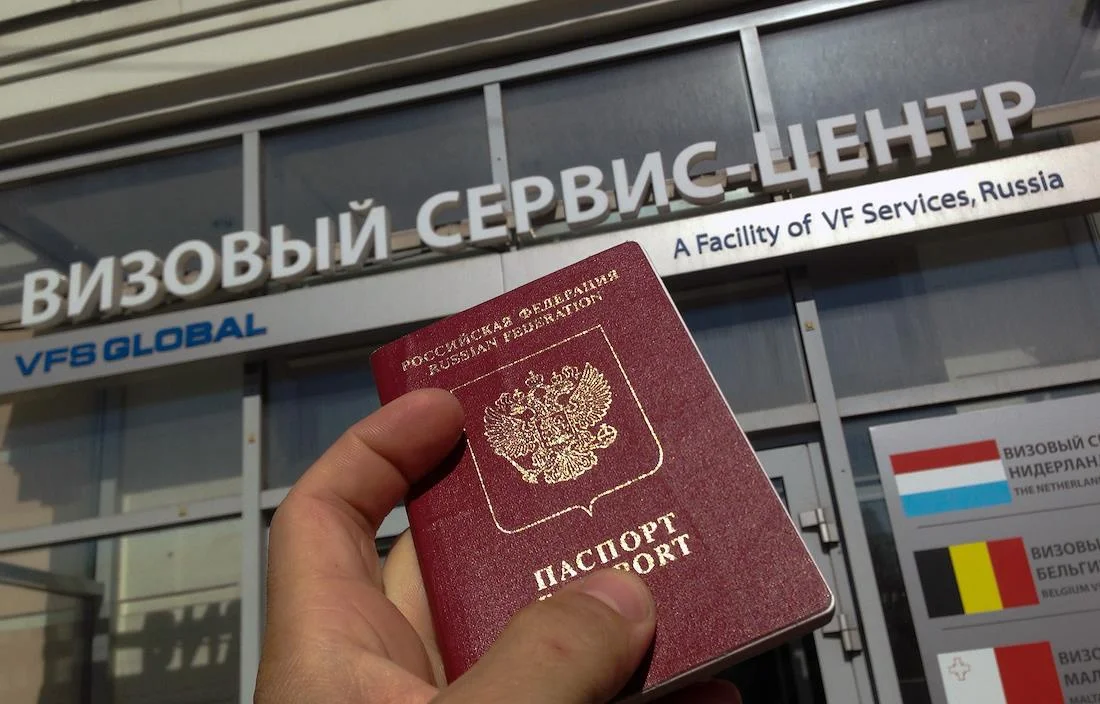
A full visa ban on the basis of citizenship is unlikely to be possible in Europe of the 21st century. But the very fact is that it is discussed at the official level, and some countries, without waiting for a pan -European position, have begun to act, and is out of the ordinary. And it turns out because in the current form European values have been established, but European laws and rules are written for a relatively peaceful and prosperous time in which the continent was strengthened after the Second World War. And especially in the last three decades.
Now for the first time in 80 years we have an extreme circumstance, which in Russia is called differently than in Europe. The rest is a derivative. In this exceptional situation, the European values that are enshrined in the fundamental documents of the EU are subjected to a serious test, and
From Europeans you can really expect some steps unpleasant for Russians. For example, about trips to Europe for tourism and relaxation.
At the very beginning of the political semester, the Czech Republic, the country - the chairman of the EU Council before the New Year, suggested that the ministers of the EU foreign affairs ministers at an informal “Gimny” meeting in Prague on August 31 discuss the visa topic. Actually, the agenda of the meeting is wider: events in Ukraine and around it. The question of visas is only particular. It is unlikely that he will immediately decide. Firstly, “anthrax”, we repeat,-an informal forum. They exchange opinions on it, but do not make decisions. Secondly, visas and Schengen space are the competence of ministers of the internal affairs. But most likely, the coordination will be taken to the level of heads of state and governments.
The coordination process promises to be difficult. This is a clash between the priority of human rights, which has been established for peaceful years with common sense and sovereign law of states. It is on sovereign right that active advocates of the closure of Europe from Russians, mainly the closest neighbors of Russia, insist. They are connected by the obligations on Schengen, but legally - the owners in their house and have the right (as, indeed, all the others) not to let a person even with a visa.
In Europe, the words “Russian tourist” are born by associations with the same person as they, but forced to suffer from the authoritarian regime, for others - with an arrogant type that painted the letter Z on his chest.
And the farther, the less chances are the first in this dispute.
In fact, there is no universal right to freedom of movement in the modern world, although over the past quarter of a century, former Soviet people are accustomed to travel, perceive visas as annoying anachronism and are impatiently awaiting universal “visa-free”. The decision about who to let them go, whom - no, has long been and remains the exceptional prerogative of states, an attribute of sovereignty. The modern visa procedure for crossing borders has developed in most countries of the world after the First World War. But individual elements have been known since biblical times.
Freedom of movement is not yet human right, but a product of agreements between states, the purpose and part of the globalization process. The Europeans advanced along this path the farthest, first canceled the visas for trips between members of the community, and then creating the Schengen space of open borders.
Many do not remember Dushengen Europe. For a trip from Moscow to Brussels by train, I needed to straighten out not only the corresponding Belgian visa, but also the transit visa of Germany (Poland was still visa -free for us then).
And for a trip to Paris, to which there is less than three hours by car, as a Russian citizen working in Brussels, I needed a French visa with a line in line at the embassy. At first - one -time.
... a long string of cars, separately cars, separately buses and trucks, slowly crawled to the complex of buildings of border services. The defile of cars - very slowly, but almost without stopping. Police with varying degrees of attention peered into the faces, ID cards or passports in the hands of drivers and passengers. The passport is not the EU - cut off for the parking lot for verification. The border is almost only for the capture of foreigners trying to slip into another country without its visa. The rest are pressing on the pedal and at a speed of 130 kilometers will be carried away towards Paris ...
Now at this place there is not even a booth. A foreigner with a Schengen visa, who drove somewhere in Estonian Narva, will not meet border control until the beach in the Portuguese Algarve. The European regime of transparent borders demanded a long preparation: coordination of legislation, the development of procedures, and the construction of infrastructure, for example, for the separation of the "Schengen" and "non -priest" passenger flows. In 1985, representatives of the five countries signed an agreement on a walking ship on Mosvela by the Luxembourg village of Schengen, in 1995 it entered into force in the seven countries, now in the Schengen zone-26 states. Beginners, entering this club, undertake to fulfill all its conditions.
This is a Schengen multi -plate for a Russian tourist - a pass to many European countries. And for Europeans - economic benefits in exchange for obligations of joint protection of external borders and the fight against crime and terrorism,
Cooperation in the field of migration and observance of human rights. Freedom of movement is based on the contract.
The second in decreasing degree of freedom of movement is “visa -free”. It is also based on interstate agreements and obligations. Only three countries of the former USSR (except the Baltic) have with the EU "visa -free": Ukraine, Moldova, Georgia. And at first he was one -sided: Europeans entered these post -Soviet countries without visas, but their citizens needed a visa to the EU. One familiar European diplomat just justified such an unacceptable asymmetry for Russian diplomacy: “What is the goal? If you help mutual contacts of people, then it is achieved by 50%. ” So far, these countries do not provide acceptable criteria in the field of the judicial system and the fight against corruption in government agencies. The asymmetric “visa -free” exists in the EU with the countries of Africa and Asia, which are interested in the money of European resort, but so far it is not a condition to fulfill the EU criteria. An EU citizen can come to Turkey and Tunisia without a visa, and the Turks or Tunisian in the EU cannot.
The third, by decreasing degree of freedom of movement, is an agreement on a lightweight visa regime between the EU and the country N. It implies a simplified procedure and a reduced cost of registration of visas, benefits for some categories of applicants (in particular, for relatives of the EU, participants in scientific, cultural and sports exchange), the issuance of multiple five -year visas simply for frequent travelers. Such an agreement was valid after long negotiations between Brussels and Moscow on the way to the “visa -free” until February 25, 2022.
The fourth in decreasing degree of freedom of movement is when the states did not agree in any way. Then the rule of issuing a visa on a common basis applies. Including tourist. Even lower is the fifth, when the EU considers the country of origin of the entering potentially dangerous for himself. Then Brussels includes the rules for protecting human rights, humanitarian support, and asylum rights. Tourism here is irrelevant. But each request for entry is considered individually, and a proven citizen of Afghanistan, Iran, Syria, Somalia may enter the EU ...
If we count according to the scheme I proposed, then Russia is now in the fourth degree of freedom of movement around Europe, having a predisposition to slide to the fifth.
In the 1990s and the beginning of the zero Russia and the EU, they built a “strategic partnership” and began to negotiate “four common spaces”, which included visa-free trips. The process was not easy, demanded changes to Russian legislation, but in 2000, at the reception in Brussels Concert Noble, the then head of the European Commission Romano Prodi assured me that “visa -free” was a matter of the next five years. His forecast was, as it turned out, too optimistic, and negotiations on this track dragged on. But they gave the result on the parallel.
In June 2007, an agreement between the Russian Federation and the EU on the facilitating of the visa regime entered into force. According to it, many groups of Russian citizens (journalists, diplomats, official delegations, business people, students, close relatives of the EU residents, etc.) used simplifications in the issuance of Schengen visas (regarding the required documents, the terms of the procedure, visa prices). It was then that the practice of three -year -old and even five -year -old Schengen multi -grades that became familiar to often traveling Russians spread. Including for tourists.
According to the European Commission, Russia accounted for the most statements for Schengen visas. The peak fell on 2013, when more than 6.89 million Russians, or 39% of the total (17.25 million) recipients received them.
In 2019, in front of the Covid-19 pandemia, the Russians submitted more than 4.13 million statements to the consulates of the Schengen countries, which is 24% of statements from all countries.
On February 26, 2022, the EU Council suspended a simplified visa regime with Russia. True, partially, having preserved benefits for journalists, students, some other categories and proposing a simplified procedure for officials and entrepreneurs. The Council did this in connection with the start of the Russian special operation in Ukraine and on the basis of Article 15 (6) of the Agreement: each party can suspend its effect in full or partly “for considerations of public order, protecting national security or public health”.
If in 2019 the deadline for issuing a Schengen visa took only three working days, now it has increased to two weeks and even more.
The expectation of the Schengen visas of France, Greece and Spain can sometimes take several months.
With the continuation of the special operation related to it, the sanctions, gas and diplomatic wars, the influx of Ukrainian refugees of Europeans in relation to Russia changed - both among ordinary citizens and among politicians. In general - in the negative side. In Belgium, for example, as far as I know, they quite seriously took a transparent hint from Russia to the opportunity to use nuclear weapons. Politicians less often mentioned indispensable reservations recorded in the EU documents adopted after 2014: they say, the EU condemns the Russian authorities, but intends to support the democratic opposition, civil society and the free press in every possible way, including financially. Now it is in the background.
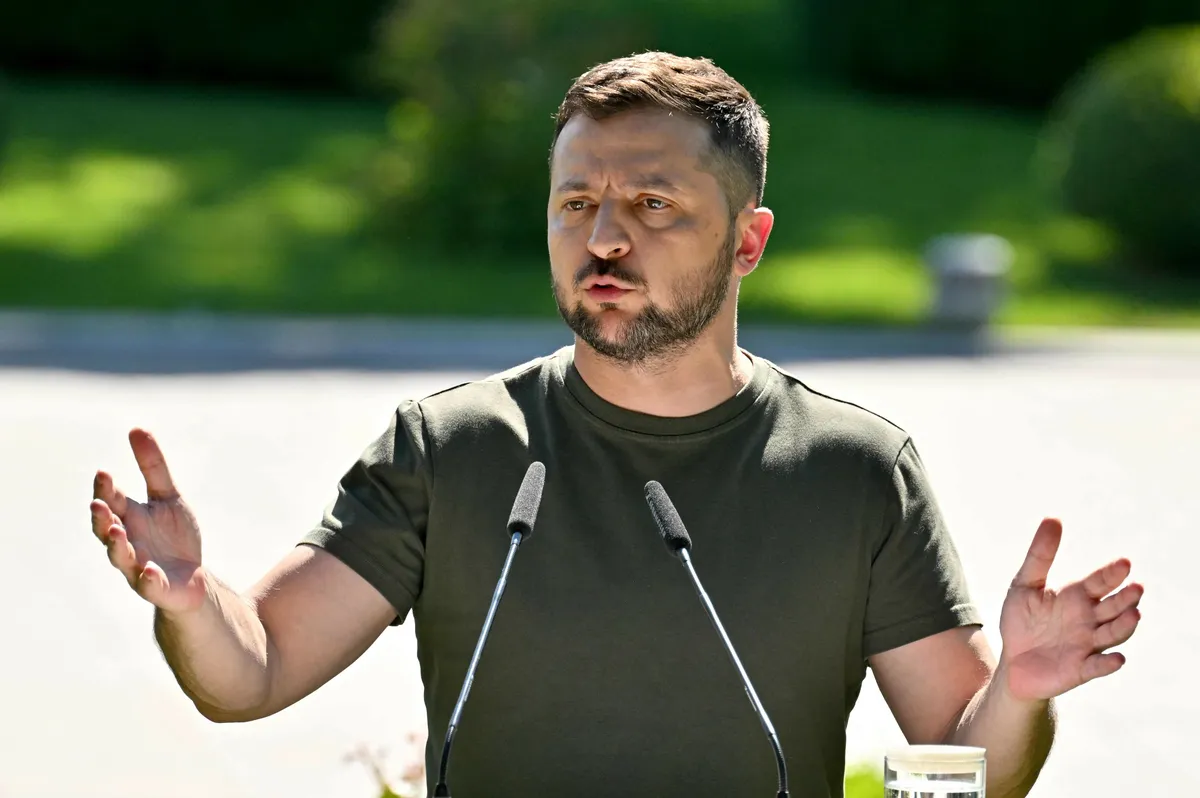
In an interview on August 9, Washington Post President of Ukraine
Vladimir Zelensky called on the countries of the West to ban the entrance to the Russians. He said that the Russians should "live in their own world until they change their philosophy."
Moreover, he even proposed to return to Russia all Russians who emigrated to the West. With the exception of those who asked for political asylum.
On the same day, Finnish Prime Minister Sanna Marin demanded to ban the entrance to the Schengen zone and generally into the EU territory of Russian citizens-in particular, tourists with Russian passports. Like, it is wrong so that in such circumstances the Russians, as if nothing had happened, travel tourists around Europe.
A day later, Estonian Prime Minister Kai Callas wrote on Twitter the famous phrase: "Visiting Europe is a privilege, not human right." Estonia banned the entry of the Russians, even having the Schengen visas issued by her (they are allowed with the "Shengen" other countries). Next, a shaft of prohibitions was sprinkled that did not combine with the Schengen obligations. Estonia announced a refusal to issue visas or residence permits to Russian students, leaving access to Russian workers, and the Latvian embassy in Russia simply stopped issuing visas to Russian citizens for an indefinite period.
The “pioneers” of the visa boycott - the Czech Republic, Lithuania, Estonia, Latvia and Poland - stopped issuing some visas for Russians. The situation in other countries is different and constantly changing. Some refrain from direct political justifications, resting on technical.
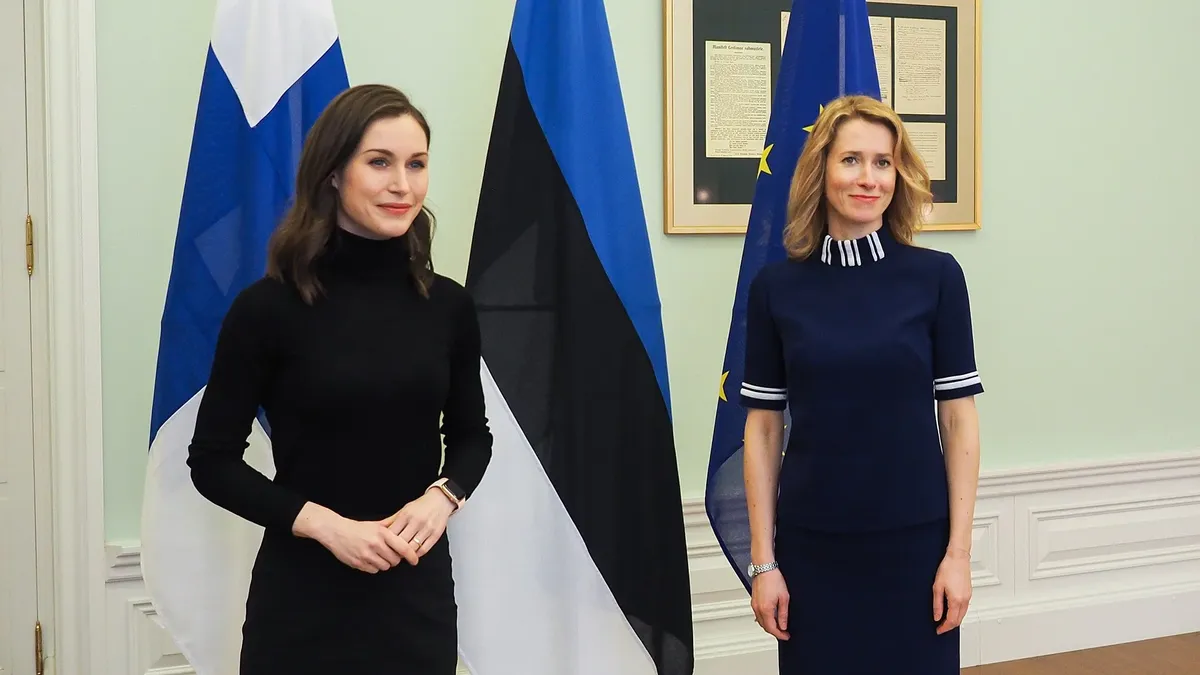
Finland turned out to be a transit hub for Russians who seek other European countries, and this, according to Helsinki, is an unbearable burden.
As you know, the aviation and railway communication between Russia and Europe is interrupted, and, having got into Suomi, Russian tourists are immediately scattered into different countries - from Sweden to Spain and France. Estonia and Poland put forward the same argument about the hardness of the Schengen burden.
Small EU countries, such as Belgium, the Netherlands, Denmark, Malta, Slovakia, Bulgaria (not in Schengen, but also connected), simply stopped or limited the issuance of visas to the Russians, because in their consulates there is physically to do this. As a result of recent diplomatic wars with mass expulsions of embassy and “spies” employees, there were no elementary clerks left there. These and most other Schengen countries took a waiting position until the political season.
Journalists made the questions of the European Commission on duty Anita Hipper about the attitude to the current situation of the official Brussels, the guarantor and the guardian of the Schengen rules, perfectly realizing that she cannot answer on behalf of all EU countries, until their leaders have decided on a common position. She only quoted lines from the legislation that the right to provide a visa to specific citizens of Russia or to refuse to ultimately belongs to the relevant EU countries. But she excluded the complete ban on the issuance of Schengen tourist visas for Russians, as this contradicts the EU standards.
“The EU members are exclusive liability for considering applications for a visa on an individual basis, as well as for the issuance of visas,” Hipper said.
Ukraine is not yet an EU member, and its president is not obliged to follow the letter of all the laws of the European Union in his statements. But Prime Minister Marin and Prime Minister Callas should take into account the key principles of the Union. And there is no legal way to introduce a complete ban on the Russians to receive Schengen visas only on the basis of citizenship.
Most of the large EU countries until the end of summer vacations did not declare their position. But a number of EU politicians believe that the ban should be applied only to tourists, whose serene behavior is annoyed by the electorate, which politicians are forced to reckon with. While visas for humanitarian reasons should be issued.
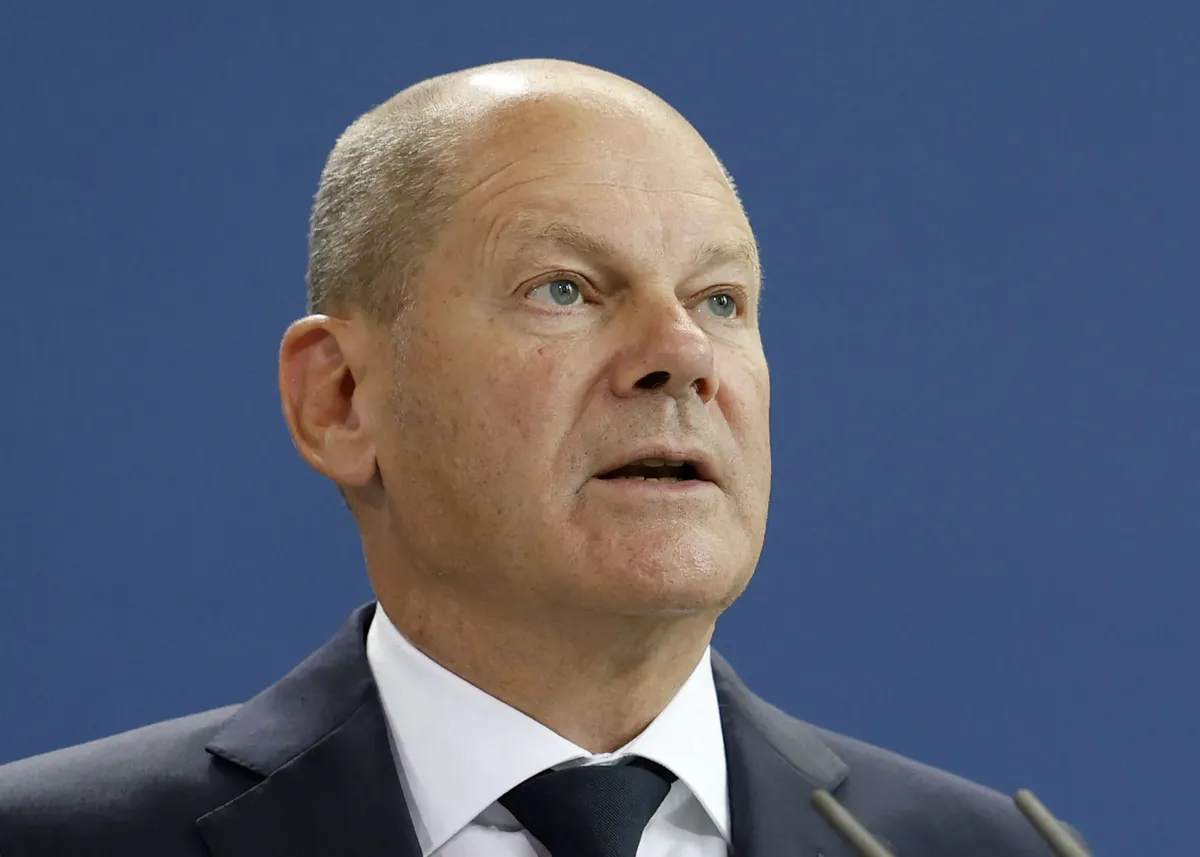
German Chancellor Olaf Sholts , implicitly reacting to the emotional call of Zelensky, said on August 11 that he was skeptical of the idea to prohibit all Russians with entry into the EU. “It's hard for me to accept this [offer],” Scholz told reporters. The Chancellor recalled that the EU has already imposed sanctions against Russian leaders and many persons supporting Russia's actions in Ukraine. “We will continue to do this,” he said. And he added that the complete ban for everyone will undermine the target and effect of targeted individual sanctions.
How likely is the ban? So far, only countries bordering Russia are calling for this. Countries with large Russian diasporas, such as Germany and Spain, are unlikely to support such measures.
I repeat, the “Gimny” meeting of foreign ministers on the last day of summer in Prague can only give food for thought, but not a solution.
Hundreds of thousands of Russian citizens live in the EU countries, many of which have dual citizenship. The ban on trips can lead to the separation of families and punishment not only those who support Russia's policy. European history teaches that isolation and punishment of people exclusively on a national basis rarely ended well. The ban will also jeopardize dissidents and critics of the regime who flee from the country.
An automatic refusal to issue a Schengen visa to a citizen of Russia on the basis of citizenship under the Schengen agreement is impossible, no matter how exceptional circumstances. There are only cases similar to the pandemia of Covid, which at some point were temporarily implemented. Any total ban is illegal.
But there remains the risk that
Some states - Schengen members can abuse freedom of action and legal powers to systematically refuse to issue Schengen visas to Russian citizens.
Perhaps, for far -fetched reasons of state policy or internal security, as an irrational collective retaliation. It is difficult to challenge such a practice in court. It is rather determined by political moods.
The most radical options for the isolation of Russians from the EU have little chance of passing. But in one form or another, the union will take into account the opinion of the neighbors of Russia. Entrance to Europe will not be closed to opponents of the politics of the Russian authorities, and they will not be expelled back to Russia. But the EU will maximize the issuance of visas to the Russians, tighten the choice of applicants, mainly due to the reduction of tourism. О возобновлении переговоров о «безвизе» придется забыть до лучших времен.