
Translated material
The Ministry of Emergencies faced a painful deficiency of the most necessary due to lack of imports
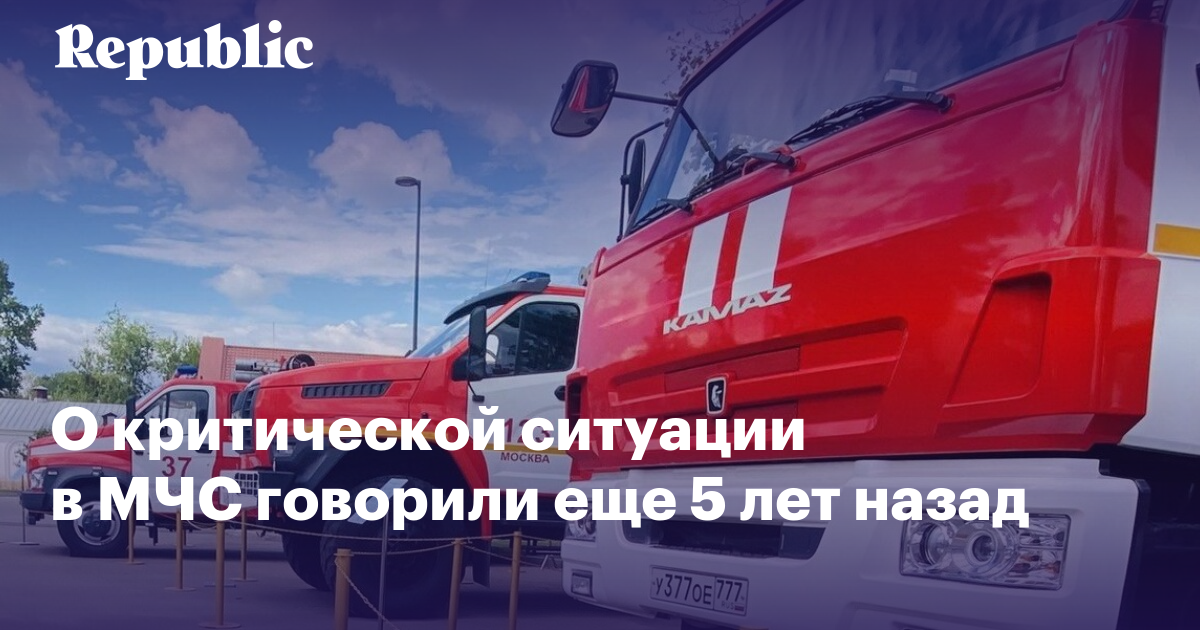
Against Western sanctions, the Russian Ministry of Emergencies faced a deficiency of the most necessary equipment, components and even means of personal protection of firefighters and rescuers. This is due to the inability of Russian industry to replace foreign samples. This was stated by the first deputy head of the Ministry of Emergencies Alexander Chupyan at a plenary meeting of the International Fire and Rescue Congress. His performance was shown on the channel "Russia 24".
According to the rescuer, the share of foreign components in the production of protective equipment for firefighters is 100%. In particular, plastic in helmets and helmets are extremely imported.
“For the bulk of Russian enterprises, the problem of a sufficient amount of starting raw materials in the country is today,” he said.
Chupriyan also pointed out the lack of imported electronic components, reminding of the absence of domestic small-sized internal combustion engines used in a special emergency rescue instrument, mobile pumping stations and electric generators.
“The influence of this problem is associated with the provision of reacting units, communications, intelligence, search engines, and the population warning systems,” said the deputy head of the Ministry of Emergencies. - The realities of the current sanctions pressure raised the question of a new approach of import substitution, the ability to produce finished products, regardless of the position of unfriendly states. In the future, for this you need to completely establish a supply chain and implement an integrated approach: materials-technology-design-equipment. ”
Alexander Chupyan, not the first time, is talking about serious problems in the Ministry of Emergencies. So, in 2019, he stated that the shortage of equipment in rescue units is 90% of the right amount. The department at that time had about 7.3 thousand units of equipment and special equipment, and the need was 107 thousand units.
A year earlier, a large -scale internal check of the Ministry of Emergencies opened the personnel hunger in the department. 23.1 thousand people were not enough in the fire department, and the guard on duty required another 10.8 thousand employees. At the same time, the auditors came to the conclusion that the management decisions that have been made since 2014 destroyed the system of material and technical support of the Ministry of Emergencies.