
Translated material
The Petersburger restored the Monk House bought from the city

"For 10 years of restoration, I had two children." The Petersburger restored the Monument Building from the city-this is his story
“Paper” retains the heroic of the hero, but reminds that this word is better not to use - it has a derogatory shade. Better to say "homeless."
In 2012, St. Petersburg lawyer Dmitry Elizarov bought a dilapidated house in Pavlovsk at the auction. There were no other buyers because of the burden-the house had the status of the identified object of cultural heritage, so it could not be demolished and new.
After all the examinations, it turned out that Elizarov bought a monument of culture of regional significance. The lawyer spent tens of millions of rubles and 10 years for reconstruction - during which time he had two children.
“Paper” talked with Dmitry Elizarov about whether he regrets an unusual purchase and who now lives in a monument house that he restored.

Dmitry Elizarov
The owner of the house-house
- How did you become the owner of the monument?
-This house belonged to the city and sold the property of the property of St. Petersburg at the auction in 2012 as an emergency. It was a common practice. The state tried not to engage in repair. The problems of the emergency building are moving to the new owner as a free purchase application.
- In what condition did you get this house?
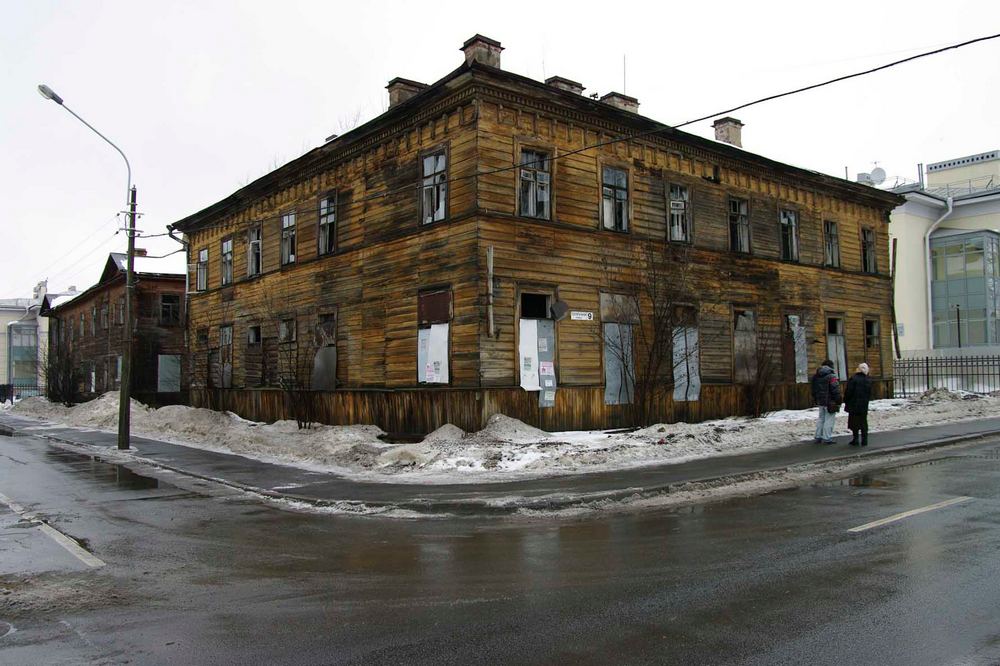
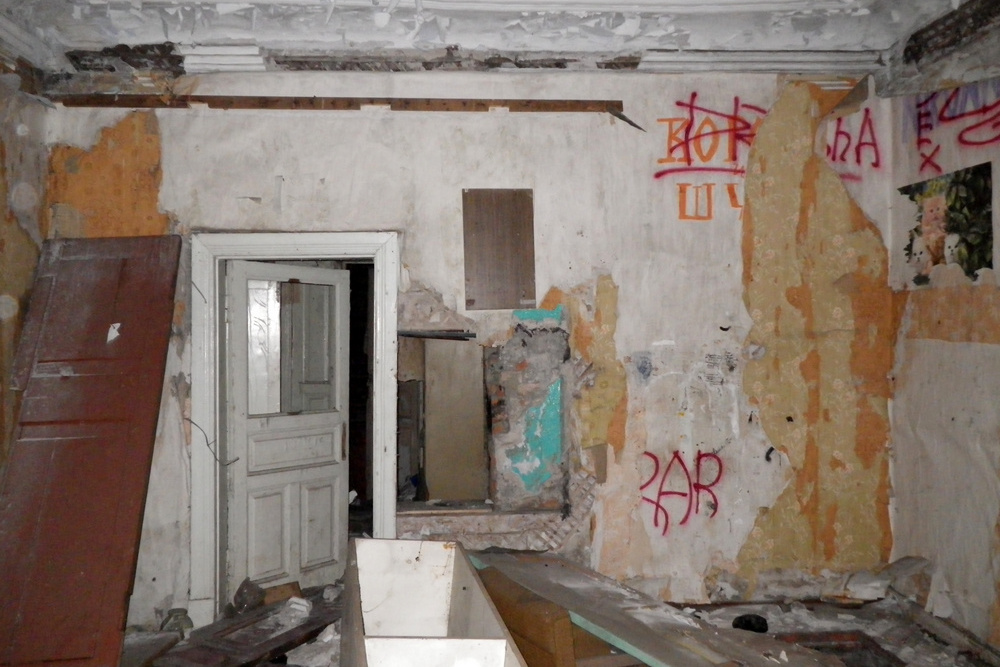
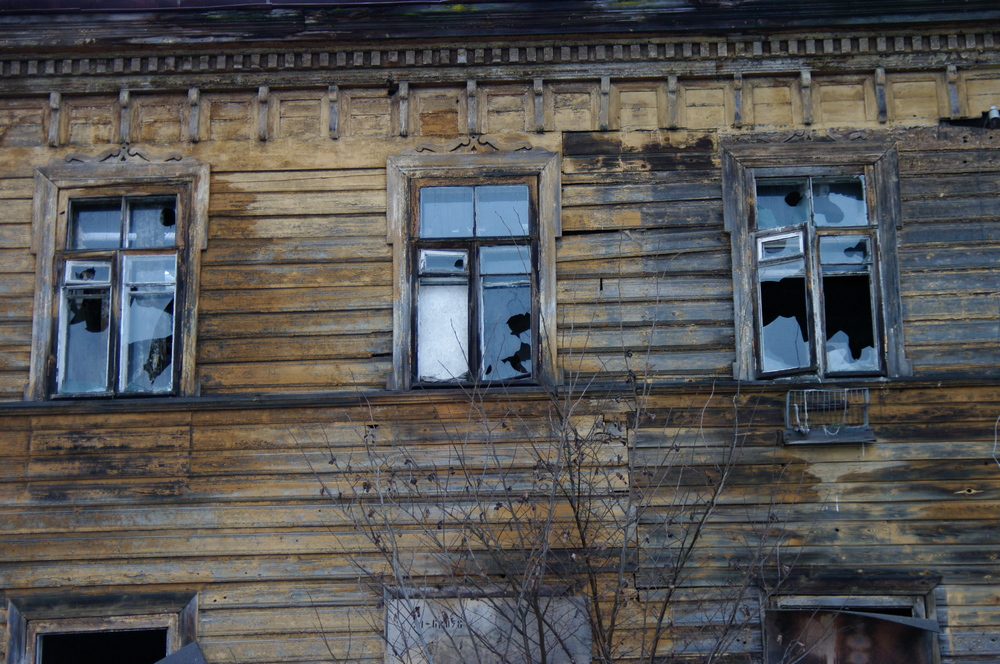
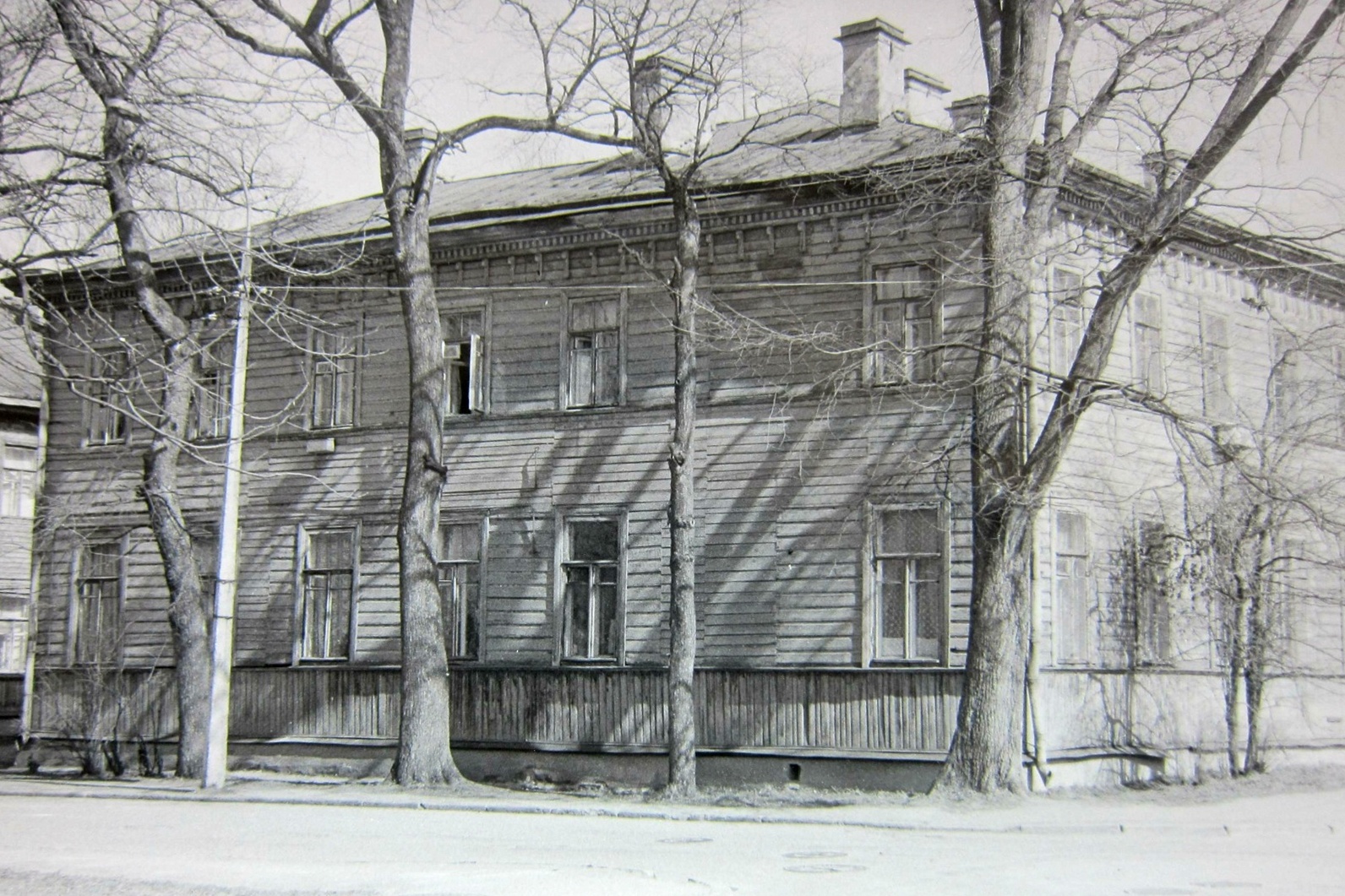
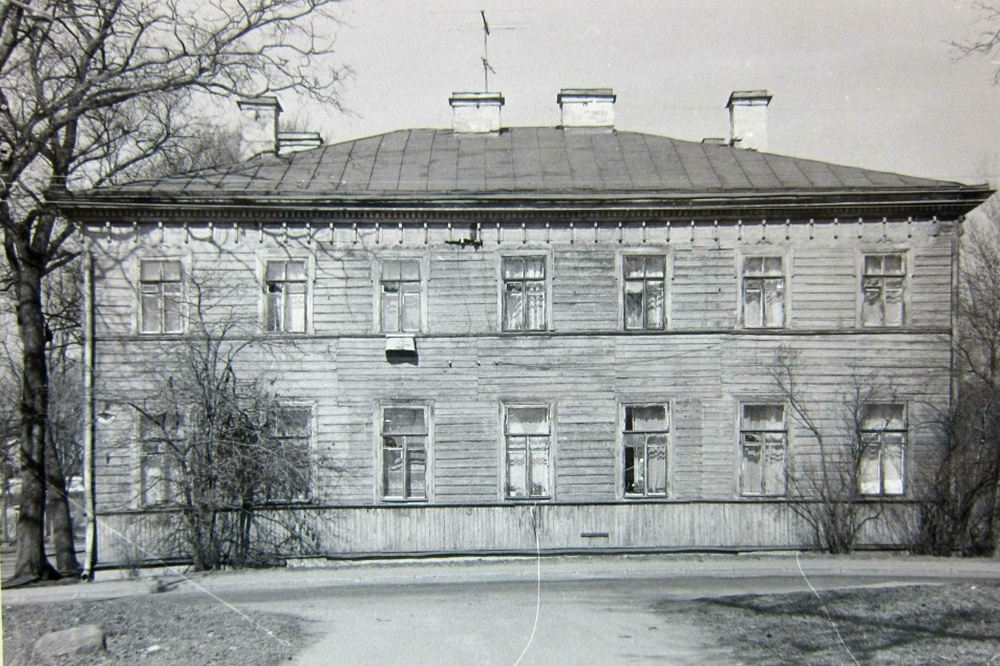
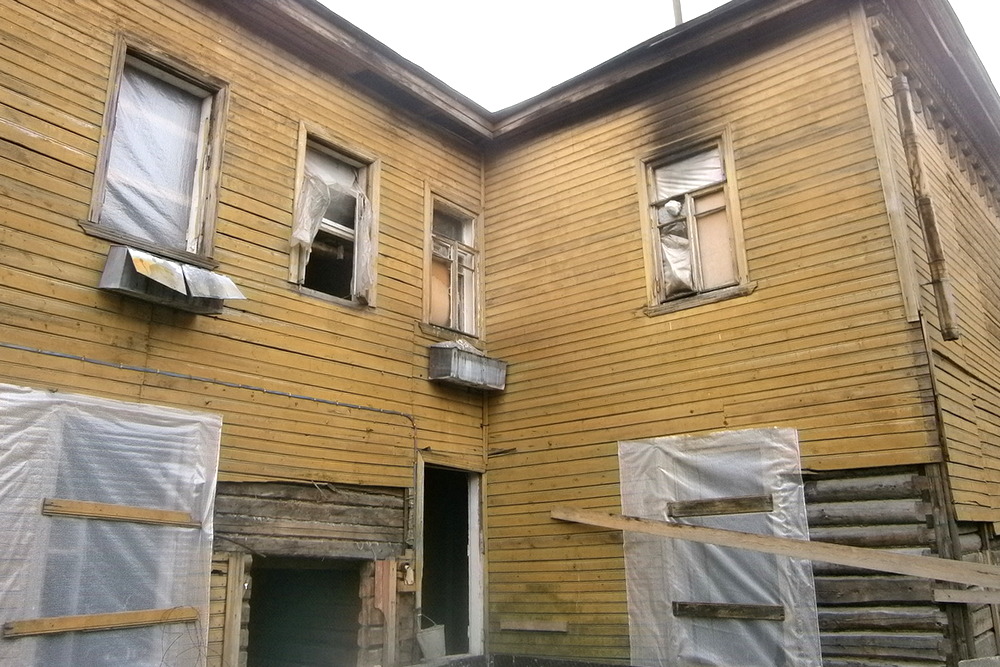
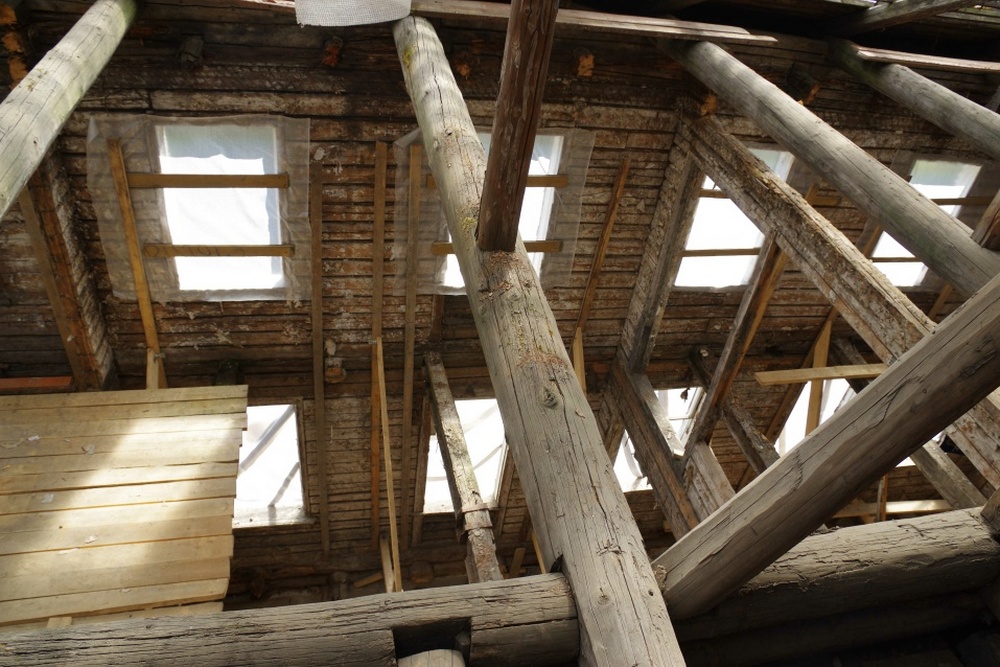
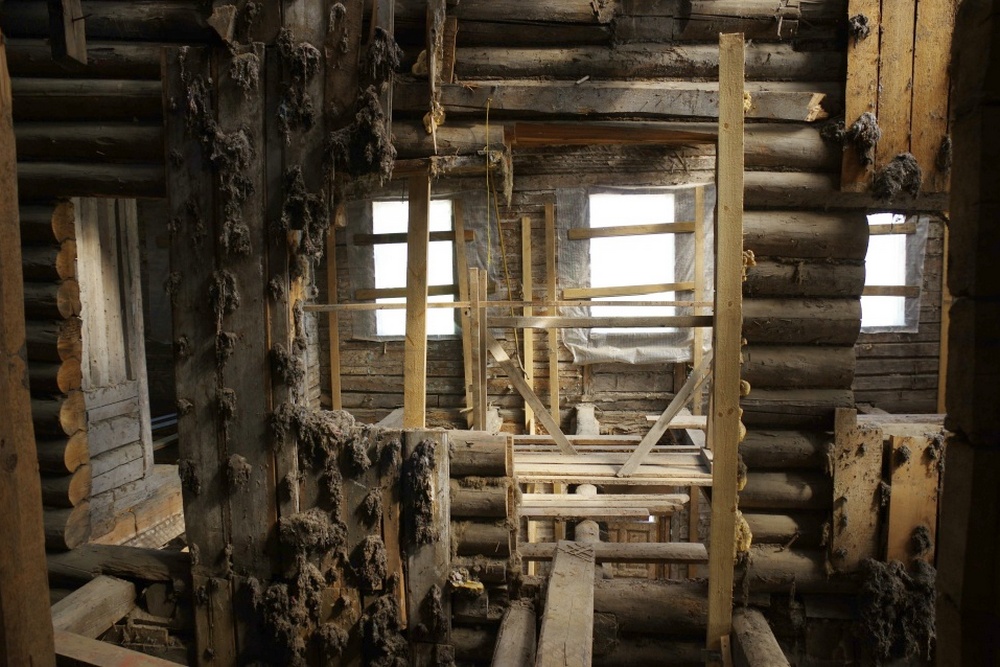
- In the bad. By the time of purchase, he had been standing without a roof for 10 years, with fallen overlaps, trees and birds inside. In addition, homeless people , fires, garbage from a neighboring construction site - that is, in principle, it was like a dilapidated hut. Then it seemed to me that the house had no value and only the land on which it is valuable.
This house had the status of "identified object of cultural heritage." This means that it is necessary to conduct a historical and cultural examination, which will determine whether the house has a memorial value (in this case, the owner is obliged to restore the house-approx. “Papers”) .
Then I had no idea that the house had its own story. She was only to find out. I just liked the place itself. I understood that the Pavlovsky Palace was located nearby. And the emperors did not build residence in random places. For me it was a recommendation.
At the auction of buyers, the status of the house was scared away - “the identified object of cultural heritage”. From the point of view of the investor, this is an anchor on a ship that cannot be lifted. And I decided to take a chance. At the auction, the house was sold for 6 million approximately. Although it seems to me that it was possible to give it free, because the obligations to recreate the house cost ten times more.
- Why did you decide to become the owner of the monument?
-Before that, I was engaged in the fact that I bought emergency apartments from the property of St. Petersburg in the historical center-they are sold below the market price, but with the obligation to restore it at a certain time. I bought it once, another. I realized that this could be economically beneficial, since after the repair the apartment became two, or even three times more than in an emergency state. True, it took a lot of time, up to 2 years for the project, but I got involved, and I liked this work.
- What did you learn about the house you purchased?
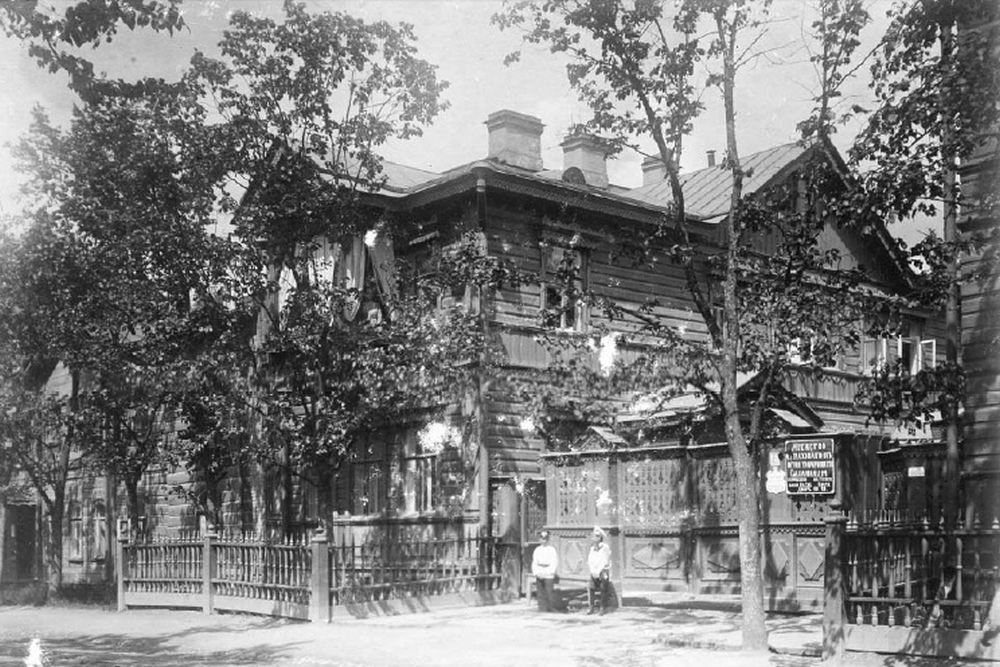
- Experts quite accurately established who and when owned this house. It was built around 1872-1876. Presumably, according to the project of architect Ivan Polov (for some time he was the chief architect of Pavlovsk). The first owner of the house was MV Savinskaya, the mother of the famous Russian artist Vasily Savinsky. In the 90s of the XIX century, the building was divided into four apartments. In one of them, a military doctor, theoretician of medicine Nikolai Mikhailovich Punin and his family lived. One of his sons, Nikolai Punin, later became the famous artist and civil husband Anna Akhmatova.
- How did the restoration go?
-First, it was necessary to do a historical and cultural examination in order to clarify the status of the revealed object of cultural heritage. She took a year. I, being the customer, did not try to somehow influence her conclusions. Experts have long studied the building and its history, as a result of which they came to the conclusion that it was a monument of culture of regional significance. Accordingly, a list of security items that was to be restored, and completely lost, was determined to recreate.
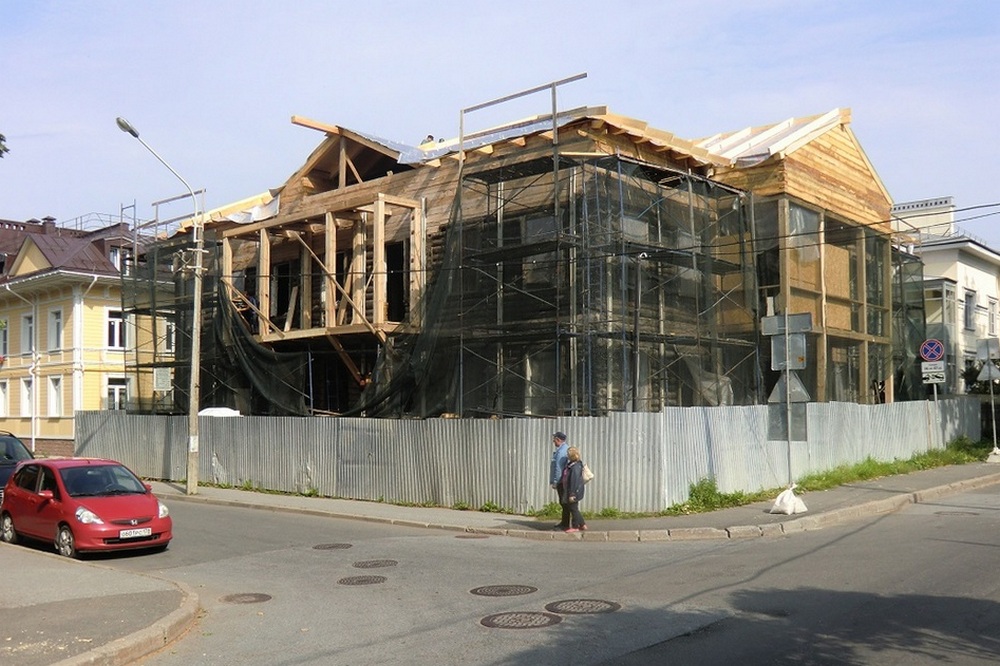
Then a project of priority anti -authoral work was developed to take urgent measures to preserve what can be preserved and dismantling dangerous structures threatening the collapse. Another year has gone to it.
In general, a very large amount of work was obtained, because the supporting design of the log house was badly damaged, percent per forty. All the floors, roof, rafter system changed completely. In general, almost everyone had to deal with. I’m not talking about finishing - of course, nothing is left of it. It took a few more years.
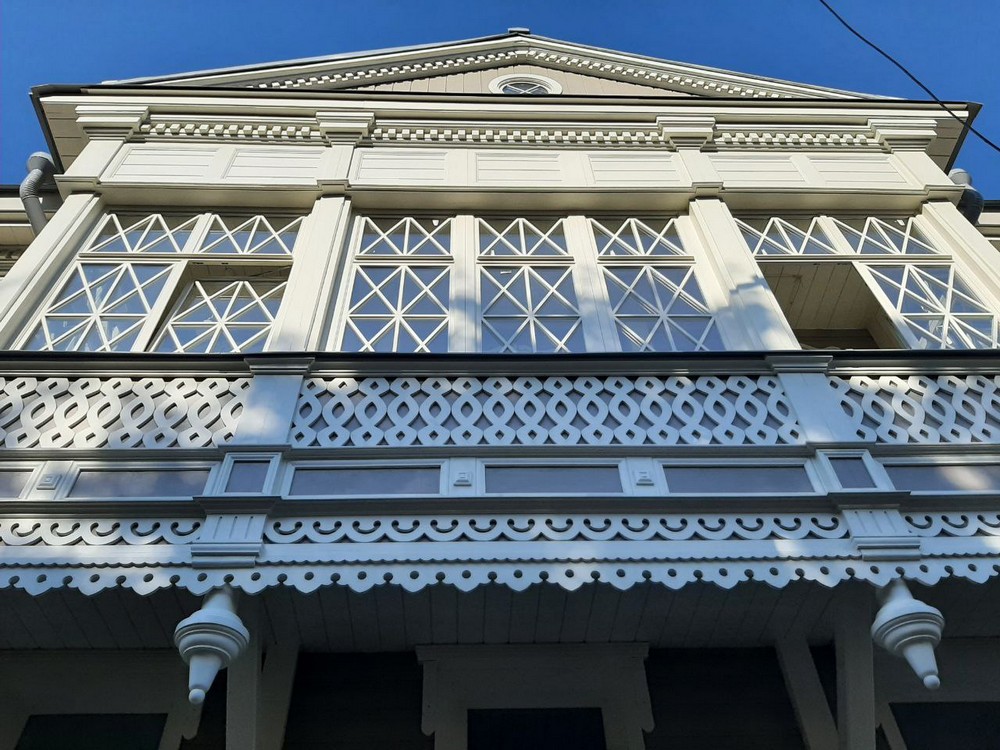
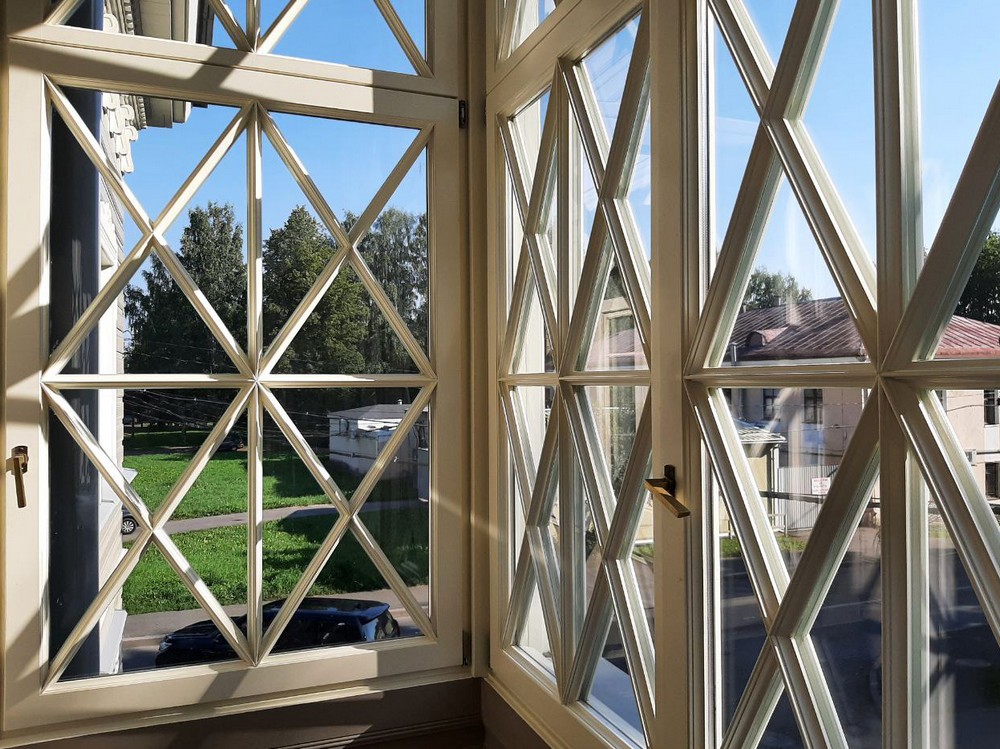
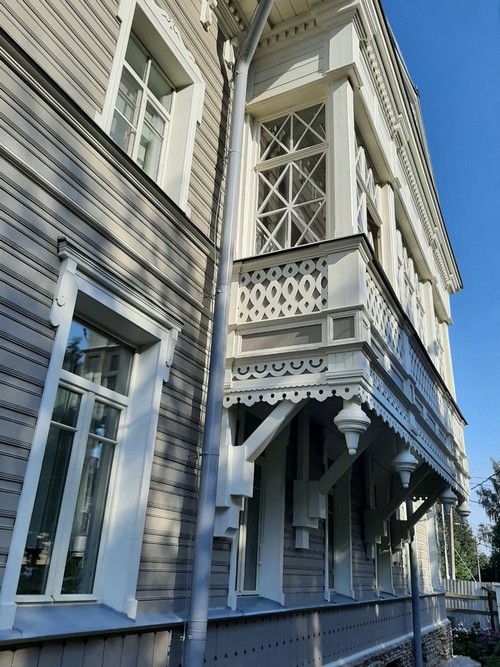
When they completed work with the constructive elements of the building, one could proceed to the architectural details. According to the archival photographs of the Punin family, who lived in this house, it was possible to restore the lost verandas, terraces and balconies. In the process of work, we found their traces, receiving new confirmations of their existence in the past. Apparently, the house suffered during the war and after it, in the late 50s, a major overhaul was carried out. Then the house lost many architectural details and became multi -apartment.
In the space of the attic [during the repair] the attic was organized. This is an additional area that allowed me to invest additional funds in the restoration of the house.
-Has someone helped you?
- At the very beginning, I talked to Kgiop about where to start and to whom to turn. I was recommended by LLC NIIPI Special RESULATION, which deals with the restoration and adaptation of monuments. I contacted this organization, met its leader, Igor Leonidovich Pasechnik. He took up this business, and also helped to choose an expert, Ekaterina Alekseevna Turova. She is a resident of Pavlovsk, a large fan of wooden houses, has been doing this all her life. Turova very thoroughly approached the preparation of the examination. These two people at the first stages sent their work in the right direction.
- Repair is a test for any family. How did your family survive a 10-year restoration of the house?
- When I told my wife that I bought this house at auction, she, of course, was in shock. She immediately seemed to be that it would be too expensive and long -term “pleasure”. But since the deal was already concluded, she supported me in everything.
For 10 years of restoration, I had two children. Every weekend they went there, saw this construction, grew up with this house.
- How do you already use and plan to use this house?
- From the very beginning, I did not have a specific plan what I would do with this house. Everything went as it went. Now we have managed ten apartments (due to the fact that we were given the attic). In one of them, I decided to live with my family, because I like this place more and more. I sold the rest.
- What kind of people bought apartments from you?
- It was like that with the apartments. Since I needed the means to conduct reconstruction, my mother and mother-in-law wanted to help somehow, so they-very conditionally this can be called shared construction-the first to buy apartments at the stage when there was devastation and no guarantee, what and when it would be transformed.
One apartment, as I said, stayed with my family.
There are stories about other residents. I had a mandatory information shield on my house, on which my phone was written. Once a woman called me, saying that she really likes the house. We agreed on the meeting, I showed her the premises. Being a creative person, a musician, a pianist, she could not forget about this house. To join the construction, she sold her apartment, paid the proceeds and began to live in a rented apartment in Pavlovsk. As a result, she moved at the construction stage, being the first tenant.
Another resident of our house is an architect. She really likes Pavlovsk, she had a cottage in Terlev (this is a neighboring village). Upon learning of the sale of apartments in our house, she sold this cottage and entered the construction. In her summer cottage, she had a statue made by her mother, who was also an architect. Now this statue stands in our house territory, opposite its window.
- Did your expectations coincide with the purchase of a monument with the results of restoration?
- The expectations of the time that I planned to spend on the restoration of the house did not coincide. When I bought it, I thought that it would be possible to do everything in three years. But the reality was different.
For example, after concluding a contract of sale, it is necessary to register a deal in Rosreestr. And for this it is necessary to conclude a security obligation with the KGIOP. Officially, KGIOP is given 66 business days - this is three months. And only it took me eight months. And a similar situation took place at every stage.
In general, it was very interesting to understand the restoration of a wooden house - this work did not disappoint me. It was also interesting for me to understand whether the restoration of the monument can be beneficial from the financial side, and not lead to ruin. Now I think this is economically justified.
- What qualities and resources should a person who decided to restore the monument?
- As for the resources, of course they are needed. I had to resort to loans and to the sale of real estate that I had in order to somehow move. Financing is one of the main issues. It is necessary to clearly imagine how and where the funds will come from, because the profit from the project will not go right away - at first there will be only losses.

Well, we must have technology. Understand the steps that you need to do is have something like a matrix that is in my head and you follow her. If this understanding is not there, you need to at least know who to ask. In general, this is not secret information. And if you have already got involved in this, you will have to understand along the way, because the roads are gone back.






What else to read:
- How Belvedere fell into decay. The Palace in Peterhof from the 90s cannot find application: we found out that it belongs to the city-and is slowly destroyed.
- The center of St. Petersburg is destroyed. What happens to the buildings and why not only the authorities are to blame for the decline, but also you and I.
The photo on the cover is provided by the hero of the interview.