
Translated material
Iraq misses a hard hand
Why are mass protests raging in Baghdad, who are Sadrists and how people go under bullets for Shiite Imam
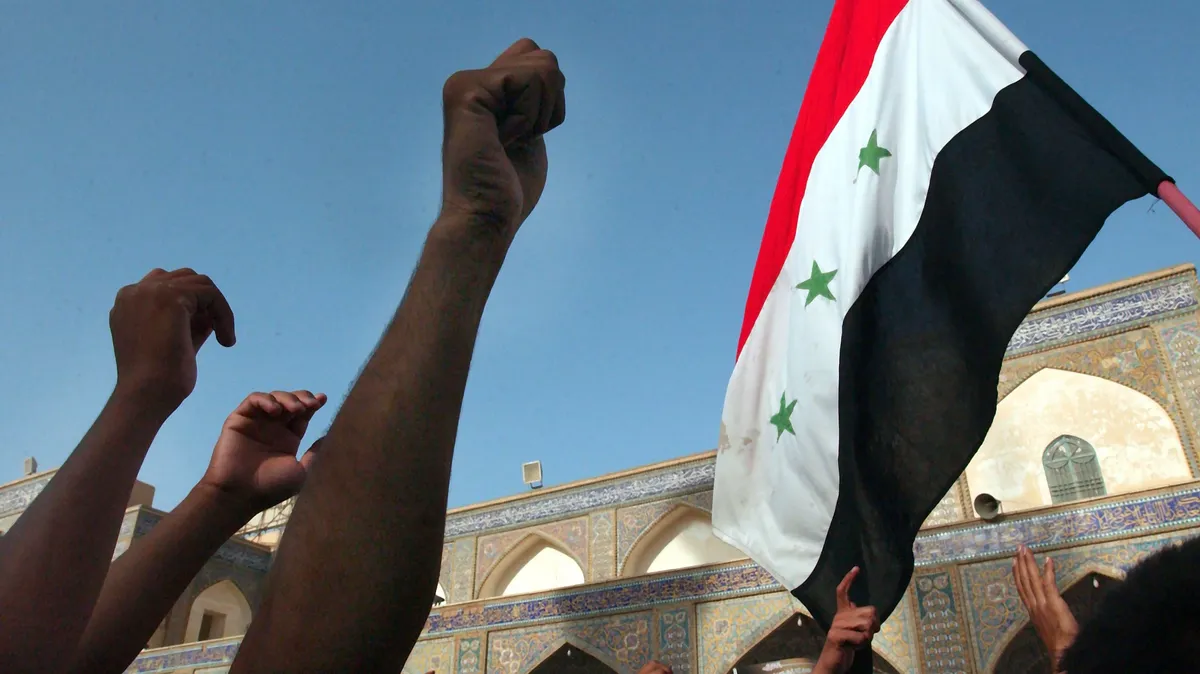
On August 29, the Charismatic Shiite Imam Muktad al-Sadr stated that he was leaving the political life of Iraq. In response to this, hundreds of his supporters advanced into a specially protected “green zone” of Baghdad, where, in particular, government institutions and foreign diplomatic enterprises are located, including the US Embassy. As a result of clashes with security forces, according to the latest data, at least 30 people were killed, more than 300 were injured.
At the same time, mass protests and clashes covered several other Iraq regions. At the request of Novaya Gazeta. Europe »Orientalist and journalist Ruslan Suleimanov explains how excitement in Iraq could end and how.
What is the essence of the conflict
The current aggravation was the result of the next deep political crisis in Iraq, which began immediately after the early parliamentary elections in October last year. Then the victory was won precisely by the block of supporters of the AS-Sadra, who received 74 seats in the 329-seater legislative body.
After the elections, long negotiations began on the election of the president and the formation of a new government of the country. Entering various coalitions, the Sadrists still failed to unite two -thirds around themselves (220 deputies) of the parliament, necessary according to the Constitution of the Arab Republic to elect the president. The president, in turn, must issue the largest faction in the legislative body to determine the composition of the government.
Traditionally, the formation of the Cabinet in Iraq is associated with a fierce struggle of political elites and takes a long time. So, in 2018, 5 months have passed since the elections to the formation of the government, in 2010 - 8 months. However, the current crisis, lasting about a year, is the longest in Iraqi history.
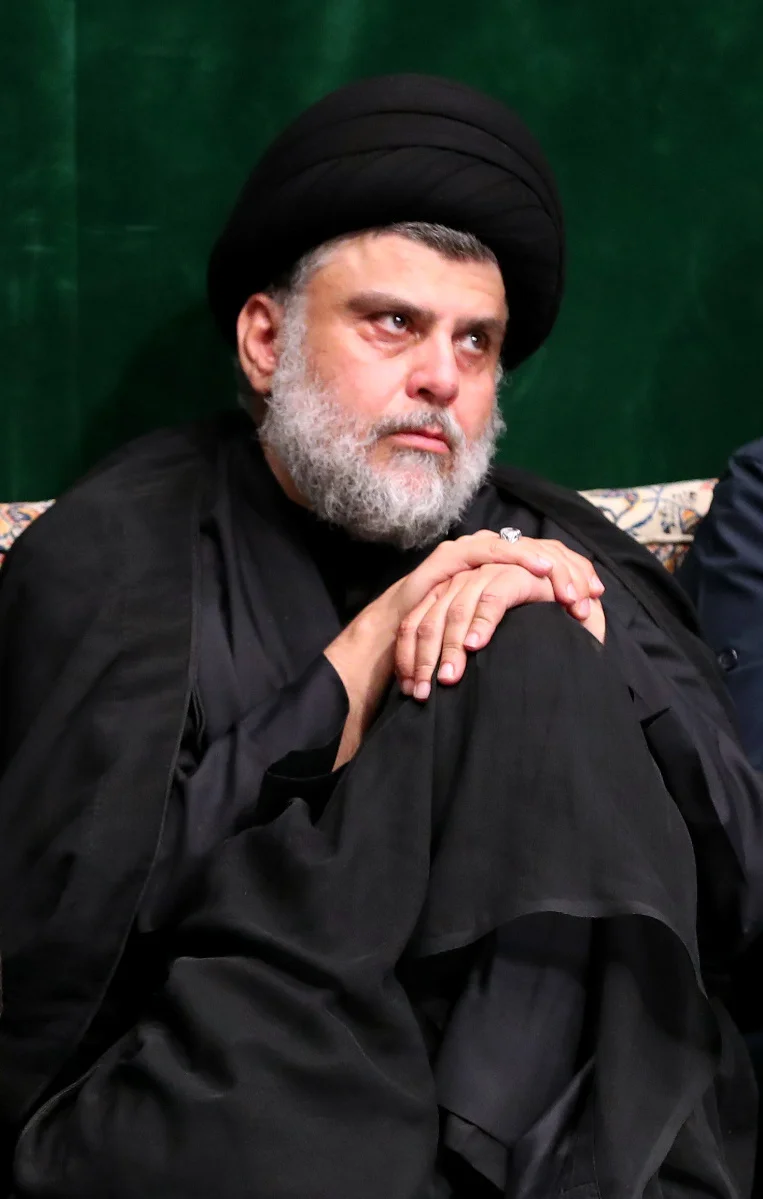
AS-Sadra tactics
After a series of failures in negotiations with other parliamentary factions on June 12, Muktada al-Sadr announced the withdrawal of his supporters from the parliament, providing the opportunity to solve the issue with the formation of a new government to another Shiite bloc called “Coordination frames”.
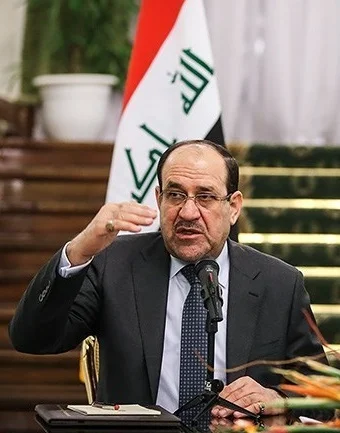
At the end of July, the ex-Prime Minister Nuri Al-Maliki (in 2006-2014), who dreams of returning to big policy, proposed the candidacy of his close Muhammad al-Sudani to the post of prime minister. This caused the anger of the sadrists, and they went to storm the building of the parliament, located in the same specially protected "green zone" of Baghdad.
Then, in August, they also blocked the work of the country's highest judicial council, which refused to dissolve the parliament elected last year and set a new date of election. Thus,
On August 29, the government palace captured by the supporters of As-Sadra became the third building over the past month, which they took by storm.
It is important to understand that al-Sadr periodically resorts to such tactics when he needs to achieve the desired result. So, last year, about two months before the early parliamentary elections scheduled for October 10, he announced the non -participation of his bloc in plebiscite, but after a while, having enlisted the necessary support for voters, he refused his decision.
In the same way, now, having demonstrated the influence of the political elites of Iraq and even the danger from his supporters, on August 30, the al-Sadr made an apology and called on his followers to leave the “green zone” within an hour.
National dialogue
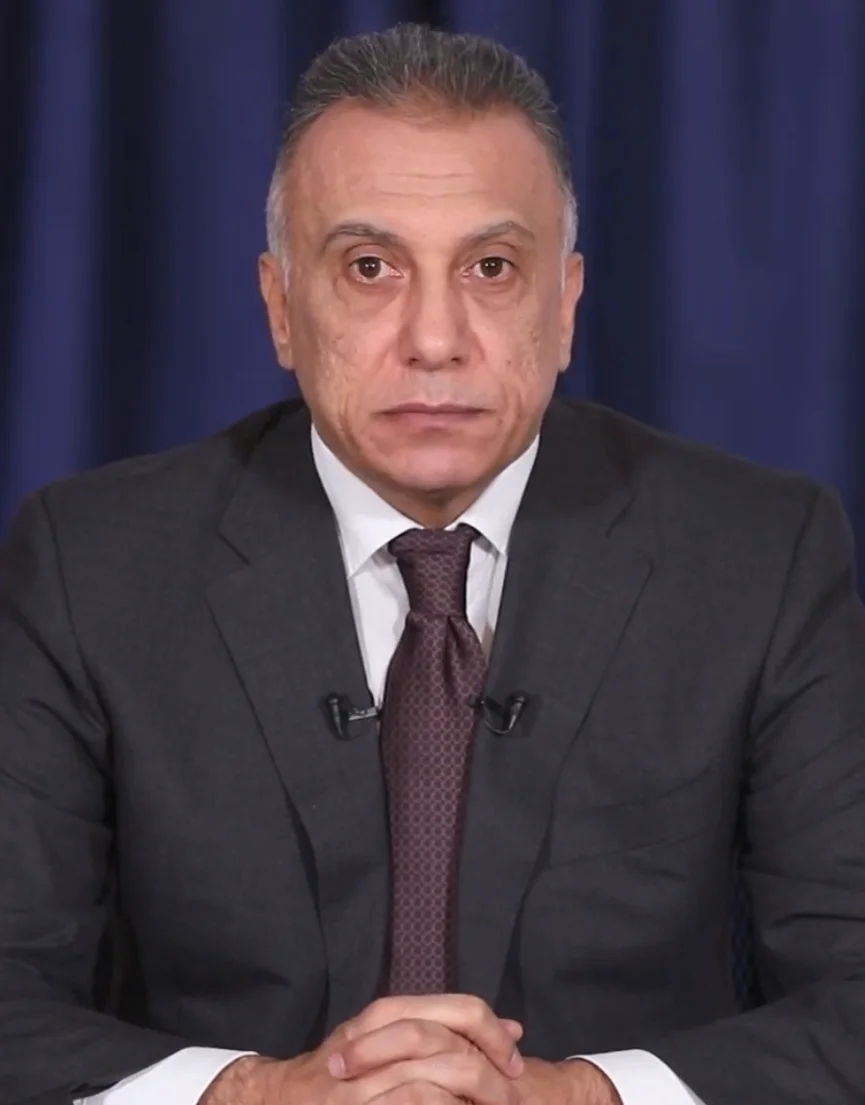
The still current Prime Minister of the country Mustafa al-Kazimi in early August initiated a campaign of national dialogue. The first session took place with the participation of all Iraqi political forces, with the exception of the Sadrists. The present agreed on the holding of early elections in order to get out of a political impasse, and called on the Sadrists to attend the next meeting to discuss the details. However, the assault on the building of the country's highest judicial council by the followers of As-Sadra suspended the national dialogue on August 23.
To date, not a single political force in Iraq has proposed a specific plan to get out of the current impasse. Some local political scientists, for example, talk about the need to amend the Constitution so that the country moves from the parliamentary system of government to the presidential, since the need for a “hard hand” has risen in the republic.
What's next
The most compromise option for many now seems to be at least holding new early parliamentary elections, in which the AS-Sadra block cannot be excluded.
One way or another, Shiite imam, without a doubt, will continue to have a serious influence on the country's political life
And, probably, until he achieved the desired result in the formation of the government, it will again and again force their supporters to organize mass protests in Baghdad and other cities of the country.