
Translated material
Hamlet of Russian politics
Konstantin Sonin - about the tragic heroism of Mikhail Gorbachev as the head of the USSR
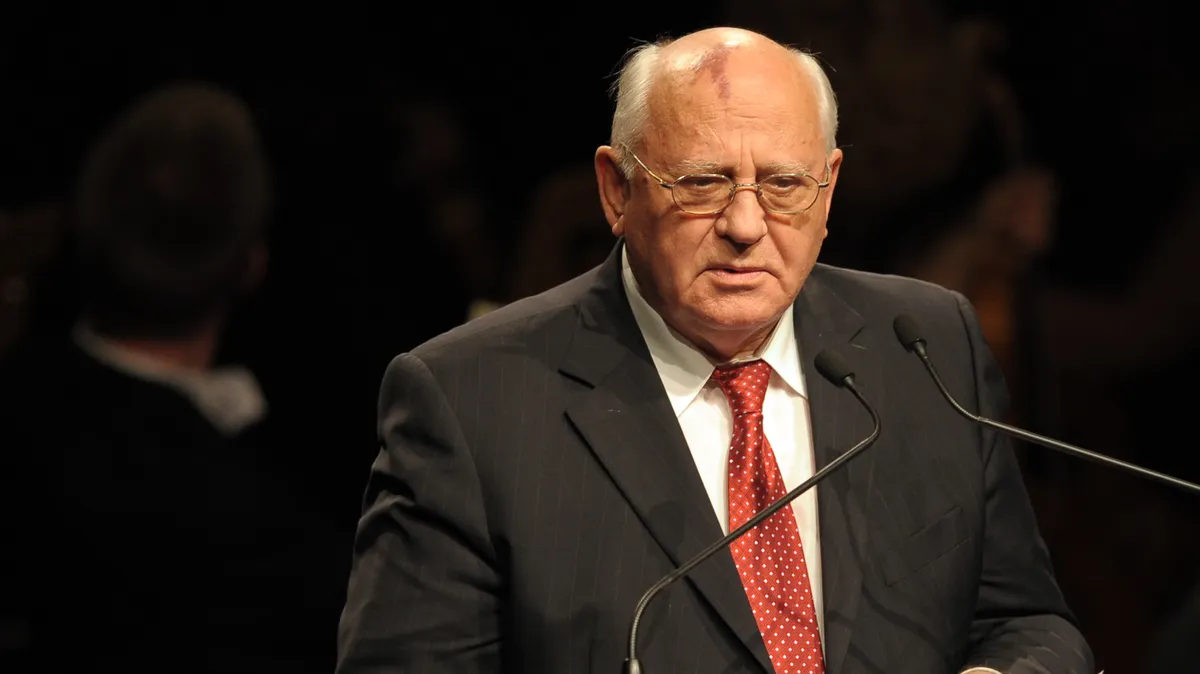
Mikhail Sergeyevich Gorbachev was the last leader of the Soviet Union, a man with whom great hopes were connected when he took office, a politician who tried to change the trajectory of the movement of a huge country at the time when it was already impossible, the head of the state, in which there were more changes than those that he could organize or at least understand, the master of the political struggle, who lost his main battle, The retired, who was responsible for much more than a person can be responsible, a symbol that meaning completely different for a wide variety of people. The scale of the events that took place while he was, not for long, in the foreground, makes him one of the most important figures in the latest Russian history.
New leader
Gorbachev’s public biography begins in March 1985, when his appointment was announced by the chairman of the commission for organizing the funeral of the dead Secretary General of the Central Committee of the Communist Party and Chairman of the Presidium of the Supreme Council of the USSR Konstantin Chernenko. This meant that Gorbachev would become the next general secretary, essentially the head of the executive branch in the USSR. The selection of the successor was made by the Politburo of the Central Committee, which included 10-15 people in different years; Other members of the meetings, who were supposed to appoint a new leader under the constitution, were simply informed about the choice made and formally stamped the decision. Judging by the fact that Gorbachev did not immediately receive the second, symbolic post, chairman of the Presidium of the Armed Forces, the choice was accompanied by the trade of different factions within the Politburo.

Gorbachev became not just the new leader of the country - he was a representative of the new generation, which was almost twenty years younger than the previous one. The last three leaders of the USSR who died in 1982, 1984 and 1985, and most of their colleagues in the Politburo were thirty-year-old-year-old rising stars under the aging Stalin. It was they who in 1964 shifted from their post Nikit Khrushchev, the youngest of the Stalinist oligarchs, and, as a whole generation, died in their posts in 1976-1985. Gorbachev caused surprise, admiration, delight simply by the fact of his appearance - after the usual, for many years, the form of shaming, tired old people.
The new face pleased not only with external contrast. In the early 1980s, the problems of a planned economy became noticeable to the naked eye-primarily in the form of a deficiency, more and more acute, consumer goods and food. In the USSR, the quality of life of citizens was never a central, dominant priority, but in the 1980s the standard of living and accessibility of goods decreased. The decrease was smooth, so it did not cause open protests for the time being, but already in the mid-1980s it was possible to see the queues for the main food in Moscow, and in other cities, even the capitals of the Union republics, there were simply no times they were simply not there. At the same time, no reforms were carried out. Not only reforms affecting the basics of a planned economy, but even such reforms that did not affect these foundations. It was required, and more and more strongly, a significant reduction in military expenses that were not justified by either external threats or, more importantly, economic capabilities. By the mid-1980s, the USSR spent almost 40% of the budget on the expenses related to defense, which complies with wartime standards. And this is in the absence of any military threats! It was required to reduce the costs of peaceful foreign policy activities ... However, it was not even so important what it was needed to do - everyone understood that it was no longer possible to live like this. And finally, the country received a leader with whom one could hope for a change.
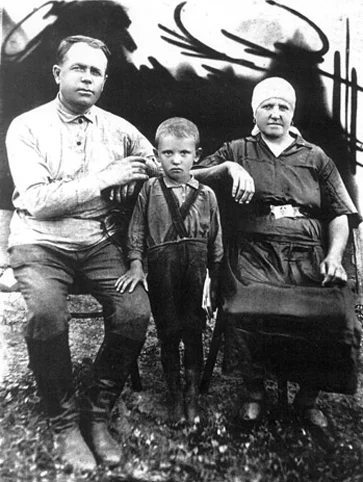
The biography of the new leader inspired the confidence of colleagues in the highest leadership of the party, and the image - the intellectual layer, as much as possible from this top leadership of the remote. Mikhail Gorbachev was born on March 2, 1931 in the village of Avololnoye, Stavropol Territory, in a hereditary peasant family. Both of his grandfathers were repressed, but did not die, but returned from exile and prison even at the same time, in the 1930s. Father fought, and the eleven -year -old Misha survived a five -month German occupation in the village.
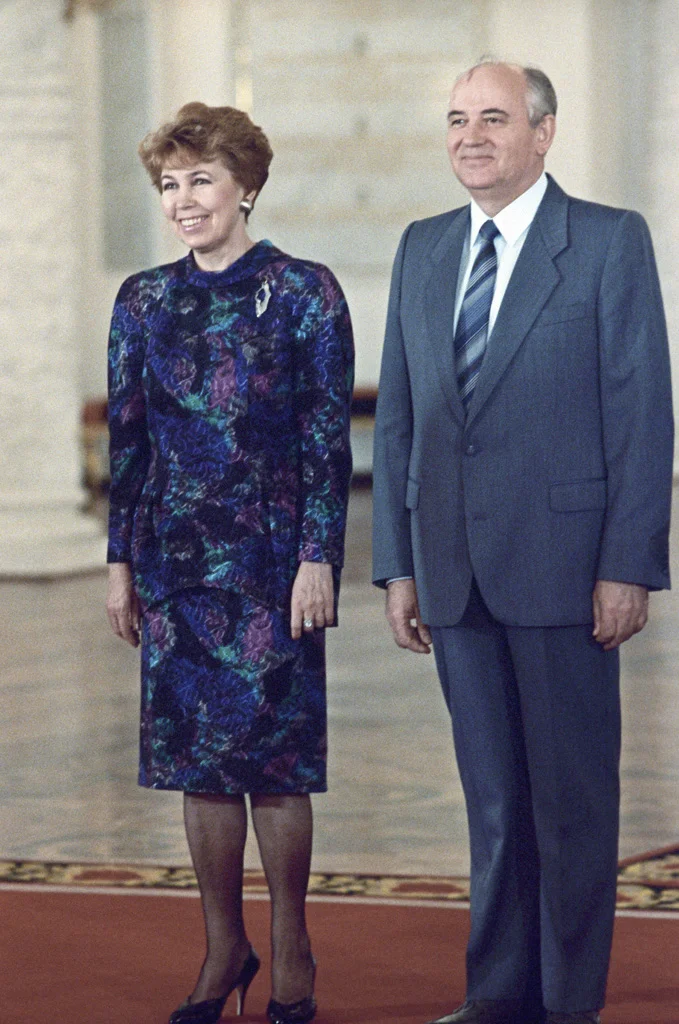
Children's biography seemed to deliberately made him the most typical child - the ideal material for the future Soviet politician. He began to work on the tractor as a schoolboy and even then distinguished himself - at the age of 19 he received an order. I went to study in Moscow, at Moscow State University-and began, despite the distinct South Russian dialect, which he, if necessary, strengthened at party events, a typical Moscow intellectual. There he met a student of the philosopher Raisa Titarenko and received a faithful and reliable companion for life. Over the next twenty years, he made a party career, invariably moving forward and up, from a new business to a new one, from one cartridge to another.
New thinking and other reforms
Gorbachev began changes in two areas. The simplest action, which immediately brought political dividends, was a policy of openness in relation to the West, immediately met with joy in the United States and European countries. Tom was written about the international policy of Gorbachev, his meetings with Reagan and Thatcher were endlessly broadcasting throughout the world, but in reality the idea of discharge lay on the surface. The USSR during the years of stagnation himself drove himself into the trap of Autarchy; The lack of international trade did not allow to develop - the lag from the advanced economic powers not only ceased to decline, but began to grow. This, in essence, concerned not only the economy - in international isolation, both cultural, scientific, and educational lag grew, but the economic one was more noticeable. The confrontation regime, the maintenance of a huge land army and an even more huge nuclear arsenal was supported only by domestic politics-the costs of defense and security did not correspond to foreign threats and by the 1980s they seriously threatened the existence of the state. In this situation, go to “discharge”, stop threatening the world was a simple way out.
The obvious consequence of the discharge and departure from confrontation will be three years later the way out of the Soviet influence of the Satellites countries, the states of Eastern Europe, in which the power of the Communists kept a large extent on Soviet bayonets. Once, after the end of World War II, it was possible to imagine that the countries of Eastern Europe could be beneficial in the event of a new European war. By the mid-1980s, this was completely pointless from a military point of view and was expensive for the Soviet Union-both the maintenance of the armies and subsidies to the governments. It is still customary to blame Gorbachev that he did not demand anything from the West for the withdrawal of Soviet troops from Eastern Europe - but what could he demand for the action that was in the life interests of the USSR? Our country was the main beneficiary of this conclusion.
The fact that the whole world is grateful to Gorbachev for reducing the tension and withdrawal of troops does not cancel the fact that this had to be done, guided only by the interests of the USSR.
In the same 1985 year, economic reforms began, including elements of the transition to a market economy, streamlining incentives for manufacturers and consumers and designed to increase the efficiency of the distribution of resources and production assets. These reforms were either frankly wrong (“acceleration”, increasing investment in industry), or incomplete, inconsistent and enhancing the contradictions of the planned economy instead of shooting them (“cooperatives”). The liberalization of international trade, from which so much-and so imperceptibly-then Russia won in the 1990s and 2000s, so under Gorbachev did not take place. Rearing numbers: the opening of international trade, which would be eagerly supported by oil workers, gas workers, metallurgists and, of course, all consumers are an incorrectly passed fork. However, it is difficult to imagine without a transition to market prices, and this was never done under Gorbachev.
Looking back, to unsuccessful attempts to change something in the economic sphere, limited by the rigidity of the political system, it is clear that the post-revolutionary regrets that economic reforms were not carried out before the authoritarian regime of political control were exactly the same as the regrets were regretted or unnecessary to the end of the reforms in anticipation of the French, Chinese and first Russian revolutions. Each of these reforms, perhaps, could be slightly improved and carried out more sequentially, but none of them alone had a chance to change the course of events.
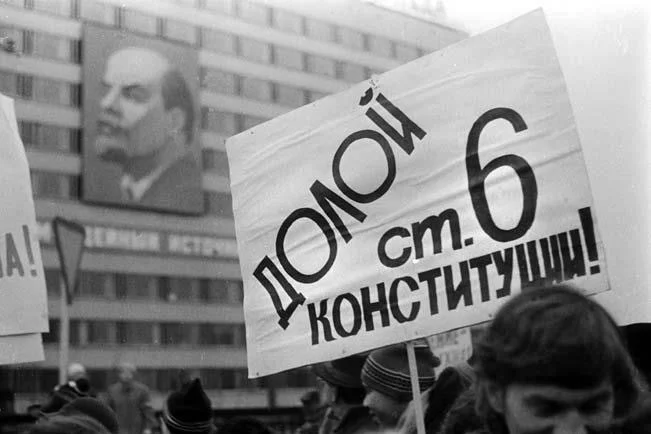
Trying to increase the accountability of the bureaucratic apparatus, Gorbachev and his associates began “publicity”, a policy of smooth cancellation of super -cost Soviet censorship and repressive control over public statements. These reforms were based on a much more clearly formulated public request than economic reforms - citizens wanted to read not so much Nabokov and Solzhenitsyn as Chase and Staut, to watch not so much Tarkovsky and Askoldov as “jaws” and “star wars”. The intelligentsia, millions of people, wanted to read discussions or, in the absence of high -quality discussions, materials about the latest history, primarily Stalinist repressions. It is not surprising that these reforms went much faster than economic. However, also very slowly - censorship was canceled only in the sixth year of reforms, and the full creation of political parties became possible only after the collapse of the Soviet system under the new, post -revolutionary power.
As a result, the most important actions were not deep, but simple. Gorbachev released political prisoners, starting with Academician Sakharov, who spent seven years under house arrest. He did not have time to release the human rights activist Anatoly Marchenko, who died in Chistopol prison a year before the end of the deadline, but was further consistent: even one political prisoner was a shame for the country, and there were no political prisoners. He was not kind, he could act hard and decisively, introducing troops to suppress some performances, or cruelly, evading responsibility for their actions. But freedom was more remembered - “perestroika” was in the spring for our country.
Congress of People's Deputies
As in the French and Russian revolutions, the period directly preceding the collapse of the state was filled with attempts by the authorities to "expand the electoral franchise." The French and Russian monarchs tried before revolutions to gather representative bodies that could consent, on behalf of citizens, to increase taxes. In Soviet Russia of the 1980s, the consent of citizens to reduce military spending or to the transition in the market pricing system was not required. A political decision was required, which, within the framework of the current system, could not be accepted by the leader, albeit reformally configured, solely. Looking ahead, I must say that the most important decisions were never made at any point. Unreal, unjustified defense costs and internal security were brought to the norm only “in fact”, as a result of the budget disaster of 1990-91.
In the USSR, attempts to slightly expand the circle of those who influenced power were made in connection with the need to support reform. Gorbachev, of course, had stable support in that concerned the usual, non -forman stay in power. But in order to maintain serious reforms, it was necessary to expand the circle of those you are addressing all the time. In 1987, an extraordinary party conference was collected, in 1989, the representative congress of people's deputies was chosen, mainly on an uncompetitive, controlled basis, and elections to the subfederal authorities were held in 1990-91. As on the eve of the French and Russian revolutions, the main problem for the authorities was that the controlled elections did not expand the level of support, and uncontrolled, free elections led to a loss of power. What a sensation was the defeat in 1987 by a coordinated (and only) candidacy of the head of the dining room, it seems, at Moscow State University! What a shock was the election of Boris Yeltsin in the Vodimovsky District in 1989! As a result, the dynamics of the creation of new elected bodies became a good illustration of the thesis about the impossibility of partial democratization due to the problem of binding obligations.
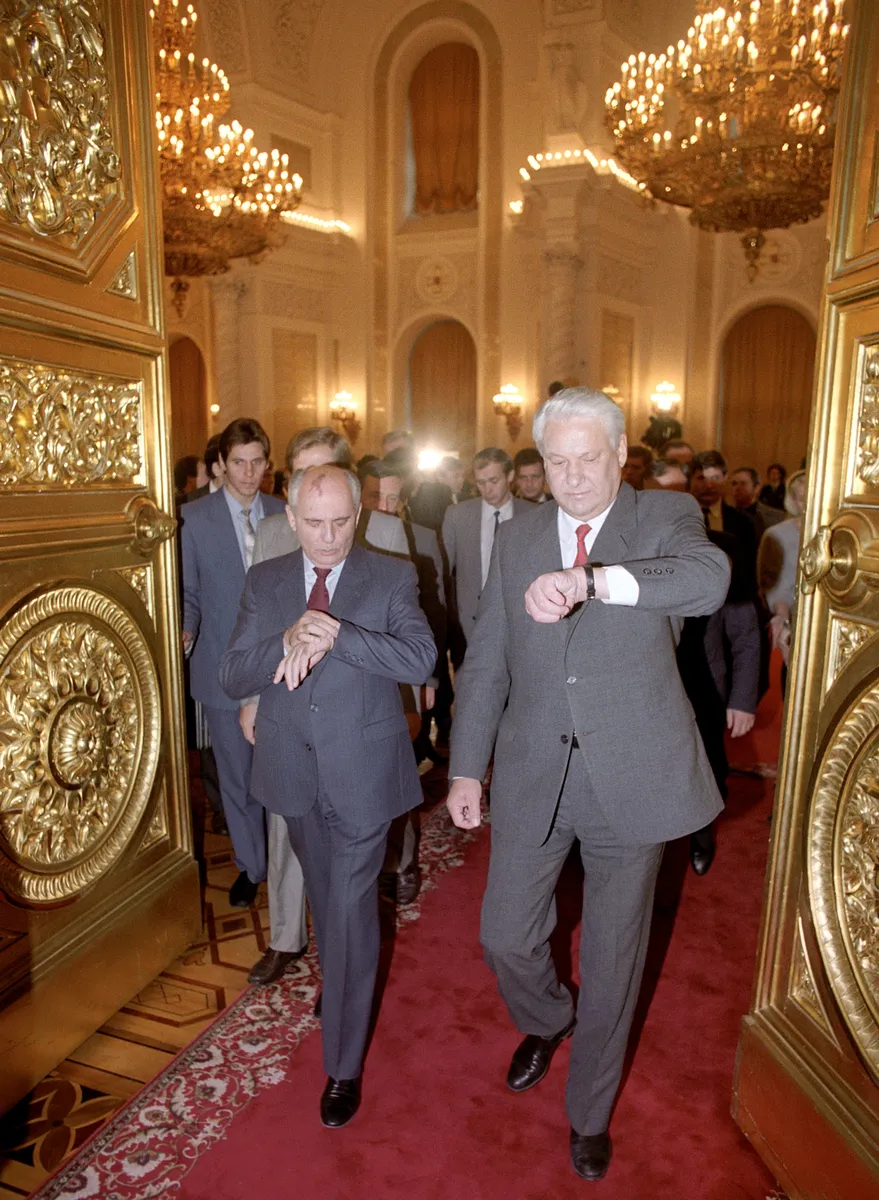
An important fastening element of the power structure in the USSR was the lack of a separate party hierarchy in the RSFSR, as the current Russia was called in the USSR. Accordingly, the appearance, at the very early stage of the democratization of the republican party bodies, became a step towards the destruction of central structures. Their creation was initiated by party politicians of a nationalist-conservative sense, opponents of reforms to the rest; Only later, the agenda “Russia is a separate country” was intercepted by liberal and reform politicians. After holding half -free, in the conditions of censorship and official control by the only political party, the election of the Parliament in March 1990, the election of Boris Yeltsin by its chairman, it was around the SSFSR subtered government that the core of the opposition to the central government began to form. Could Gorbachev resist the centrifugal forces? In any case, he tried to the last and did not succeed.
The period of lesions
There was no system of separation of powers in the USSR. The executive branch fulfilled, in addition to its own functions, the legislative functions and controlled the judicial one. Specialists in a comparative analysis of constitutions are well known: there was a constitution in the USSR, but there was no constitutional supervision. Gorbachev’s democratization from the very beginning, long before saying such words, moved towards the allocation of legislative power into a separate branch. By 1989, it was “separate” only in terms of representative office, but this was already a revolutionary change compared to the previous decades. The difference between the congress of people's deputies and the Soviet “parliaments” was very significant - the presence on the television screen allowed even marginal deputies to influence the agenda in the country. Now it’s hard to believe in this, but the unassembled political performances on the air appeared in the USSR before censorship on television and central newspapers.
In 1989, Gorbachev tried to do what Caesar was possible: he became a half of the parliament for a year and a half, while remaining the head of the executive branch.
Of course, many world leaders made this “de jure”. To be the head of the executive branch and is listed as a parliamentary leader is easily. The same Putin, in 2008-12, remaining de facto head of the executive branch, at the same time was the leader of the party with a parliamentary majority. However, it is difficult to recall at least one episode in history, when someone could combine these two types of activities-conducting meetings of the parliament and the leadership of the executive branch-not nominally, but really. In the British parliament and the parliaments of the former British colonies, the prime minister, the head of the executive branch, is often a member of the parliament and his (or her) politician relies on parliamentary coalitions, sometimes quite unstable. In Britain, the premiere often, almost every week, has to participate in a parliamentary discussion. But to lead on the day of the meeting of the parliament? This is what a superhuman, impossible task.
There is nothing surprising in the fact that in those for one and a half years, Gorbachev from the sunny, popular, spraying energy of the figure has turned into a gloomy, no heard, tired person. It is amazing that this was not obvious then: it doesn’t happen, it is simply impossible to be a speaker and president at the same time. This, obviously, affected popularity - it is not by chance that the speakers of parliaments are almost never popular at the national level as leaders. To manage at least a little free parliament, you need to compromise and conclude transactions-a bad recipe for winning the reputation of a strong leader. But what kind of fantastic, prohibitive self -esteem you need to have to think that it was possible to cope with this role?
I have an explanation for this. The mind, “intellectualism” is a rarity for politicians in the second half of the twentieth century. All political leaders have powerful analytical abilities, but these abilities are local, momentary. Пропускать через себя огромный поток информации, дифференцировать её по важности, помнить мелкие нюансы того, что приоритетно — без этого невозможно руководить страной. Но вот требование видеть и общую картину, и понимать детали механизма — это редкость. Как раз аналитические, интеллектуальные способности Горбачёва оказались ловушкой. Лидеры больше него опирающиеся на интуицию, специалисты по человеческим чувствам — и Сталин, и Хрущёв, и Ельцин, и Путин — ни в какой момент не были озабочены тем, чтобы понимать, аналитически просчитывать ситуацию. Как правило, они довольствуются простейшими универсальными схемами: «свои/чужие» в кадровой политике, «мы/они» в международных отношениях, «интересы страны=производство стали» в экономической сфере. У Ельцина, конечно, были другие универсальные схемы — другие, чем у Хрущёва или у Путина, но не менее простые и не менее универсальные.
А Горбачев не довольствовался этими простыми схемами — он всегда пытался понять механизм, узнать подробную общую теорию, разобраться в том, как действительно устроено общество. Я один раз общался с Горбачёвым, которому было уже за семьдесят, но его желание понять — речь шла об экономике России «сегодня» — было поразительным. Большинство выдающихся людей, с которыми я разговаривал, куда меньше были заинтересованы в понимании чего-то, куда больше — в объяснении чего-то желающим слушать.
По меркам советской партийной элиты, у него был просто уникально мощный интеллект. К концу 1970-х высшее руководство состояло не просто из очень пожилых людей — практически все без исключения были людьми среднего интеллекта. Суслов мог числиться «главным идеологом», а Громыко — специалистом по внешней политике, но ни тот, ни другой не оставили ни слова, ни строчки — ни своей, ни в воспоминаниях современников, которые заставили бы подозревать что-то выше средних знаний и средних аналитических способностей. Инстинкты политического выживания, «чутьё», «связь с корнями», умение налаживать горизонтальные и вертикальные аппаратные связи были их основной силой. А у Горбачёва было и другое.
Получается, что то ощущение новизны, чужеродности привычному партийному окружению, которое так всех радовало в 1985-ом, что в России, что за границей — это ощущение было правильным. Он был в руководстве страны настоящим инопланетянином. Мы представляем себе Гамлета бледным, тонким, грустным, почти призрачным. Русский Гамлет, Чацкий, хрупок и беспокоен по сравнению с толстым, неподвижным, спокойным Фамусовым. Упитанный, круглолицый, румяный Горбачёв — внешняя противоположность Гамлета, но это было обманчиво. Как раз Горбачев — Гамлет российской политики ХХ века — такой же умный, тонко чувствующий, постоянно ищущий ответы на сложные вопросы. И такой же непригодный для практических задач, стоящих перед лидером страны на пороге последнего кризиса.
Развилки Горбачева
Оглядываясь назад, кажется, что существует огромное количество развилок — мест в котором если бы историческая личность приняла правильное решение, история пошла бы по-другому. За шесть лет пребывания Горбачева во главе СССР произошло столько событий, что можно найти десятки развилок и написать монографию про каждую из них. Вот эти несколько мне кажутся важнейшими. И я не зря вспоминал другие революции — каждый раз, когда смотришь на то, что Горбачёв не сделал, механика такая: чтобы выбрать другой путь, надо отказаться, хотя бы частично, от власти. Как Николай II — можно дать конституцию, но если это настоящая конституция, её нельзя будет забрать обратно. Как Николай II никогда не отдал ничего, что не мог забрать обратно, так и Горбачев не решился пойти на реформы, которые ослабляли бы его собственный контроль.
Пример одной принципиальной реформы, которая могла бы, теоретически, сохранить СССР — это выход части республик-«колоний», прежде всего балтийских стран, из состава большой страны. Если бы им дали возможность спокойно выйти, остальные могли бы остаться. Развилка Горбачева была — как задать вопрос на референдуме 1990-го года о сохранении СССР. Если бы вопрос стоял — «Вы хотите, чтобы ваша республика входила в состав СССР?», балтийские республики и Грузия были бы наверняка потеряны, но ответ большинства в других дал бы легитимность попыткам сохранить союз. А выбрал был оборонительный, «надёжный» вариант «Считаете ли Вы необходимым сохранение Союза Советских Социалистических Республик как обновлённой федерации равноправных суверенных республик, в которой будут в полной мере гарантироваться права и свободы человека любой национальности?». 75% процентов ответило «за», и что это означает? Какую легитимность это даёт?
Впрочем, возможно, всё уперлось бы и тогда в украинский вопрос. Как бы ответили на вопрос о независимости в Украине в 1989 году? «Мина замедленного действия», заложенная Сталиным, включение в состав Украины областей, завоеванных у Польши и Венгрии по итогам Второй мировой войны, делала проблему очень острой. Украина без этих областей обладала бы устойчивым доминирующим ядром русскоязычного населения, что резко снизило бы центробежную силу между Киевом и Москвой в конце 1980-х.
Другая развилка, непринятое решение Горбачева — это отказ от участия в прямых выборах президента СССР. В 1987 году он выиграл бы выборы у кого угодно, но тогда не было ещё очевидно, что для того, чтобы продолжать реформы, реально подрывающие интересы элиты — прежде всего ВПК, директорского корпуса, председателей колхозов — нужна поддержка граждан. А начиная с 1989-го уже было поздно — Горбачёв боялся проиграть Ельцину.
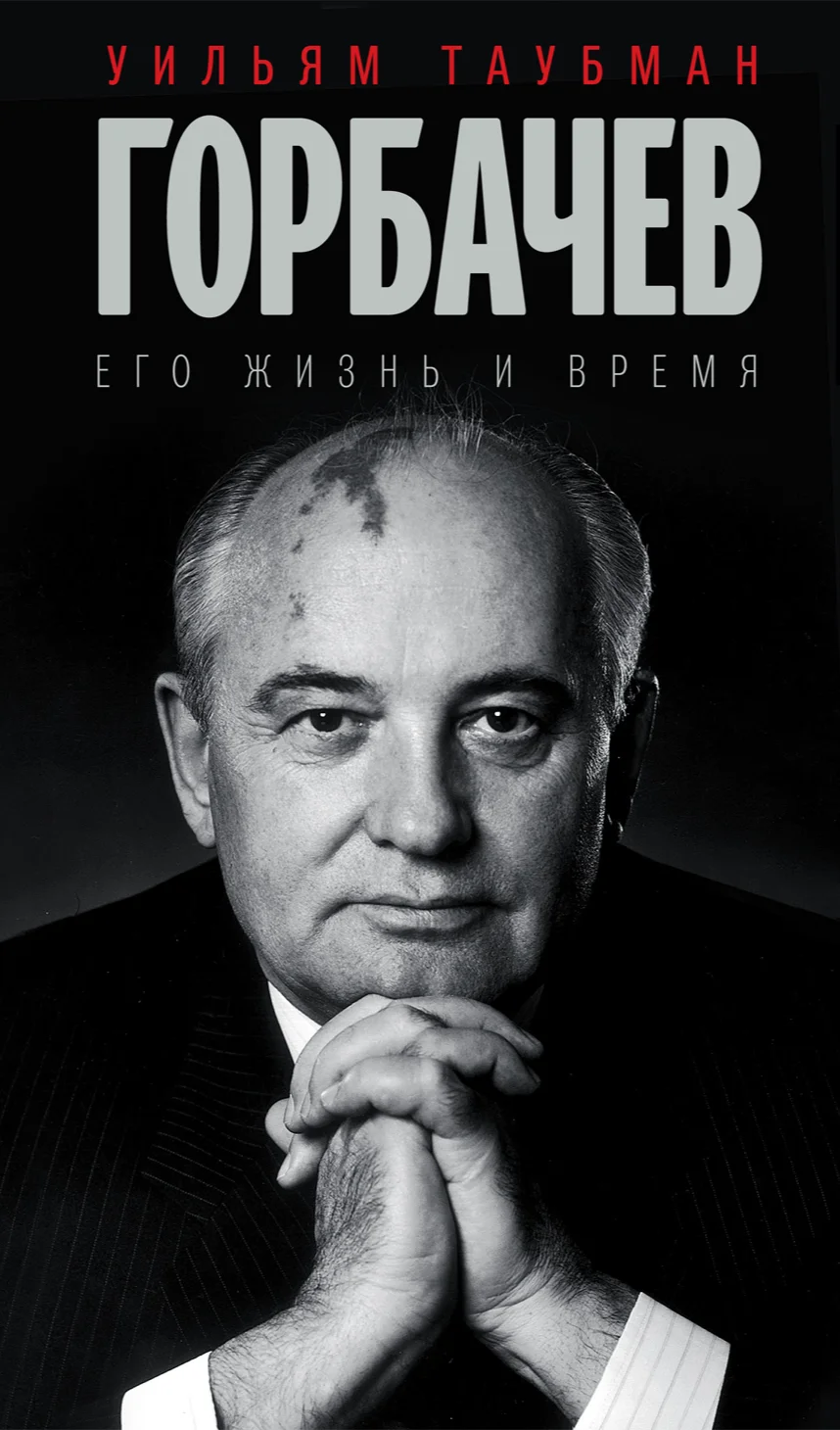
Современная историография — в частности, биография Горбачёва, написанная Уильямом Таубманом — придаёт большое значение борьбе Горбачёва с его ровесником Ельцином. Это историческая аберрация. Подъём Ельцина — это результат провала Горбачёва, провала как лидера страны и провала как политического игрока. Что, заметим, не одно и то же: можно быть отличным политическим игроком, демонстрируя чудеса долголетия у власти, при этом плохим лидером. Югославский вождь Милошевич пожертвовал страной, чтобы удержаться у власти ещё десять лет и ушёл только тогда, когда от страны почти ничего не осталось. Таких деятелей немало — Стресснер, Кастро, Мугабе, Ким Чен Ир сохраняли власть в течение десятилетий, пока их страны приходили в упадок. Горбачёв провалился по обоим критериям — и как лидер, и как игрок. Но не из-за Ельцина. К 1990-му году, началу решающего восхождения Ельцина, политическая биография Горбачёва фактически уже закончилась. Тогда, в 1990 году, мы этого не знали. Однако сейчас-то знаем, что катастрофический спад в экономике уже начался и нет никаких реалистичных сценариев, при которых Горбачёв мог бы удержать власть.
Жизнь после политической смерти
19 августа 1991 года группа министров и военных — в сущности, все руководство СССР, кроме Горбачёва — объявило об отстранении его от власти, сопроводив это вводом танков в Москву. Смысл состоял в отмене курса реформ — у путчистов не было осмысленной программы и они даже толком не могли сформулировать, что именно хотели бы отменить. Everything is new. И манифест, и лица представителей этой группы были противоположны тому, о чём мечтали активные граждане по всей стране. Говорили ли эти деятели от имени «большинства» или нет, осталось неизвестным — скорее, по результатам будущих референдумов и выборов, не говорили. Но своим выступлением, которое продолжалось три дня, они поставили точку в истории СССР. Многотысячные толпы на улицах Москвы убедили военных в том, что поддерживать надо новое правительство Ельцина, которое претендовало на власть только в границах России, а не всего СССР. Другие республики поспешили сделать себя отдельными странами. Последующие несколько месяцев было просто оформлением новой реальности.
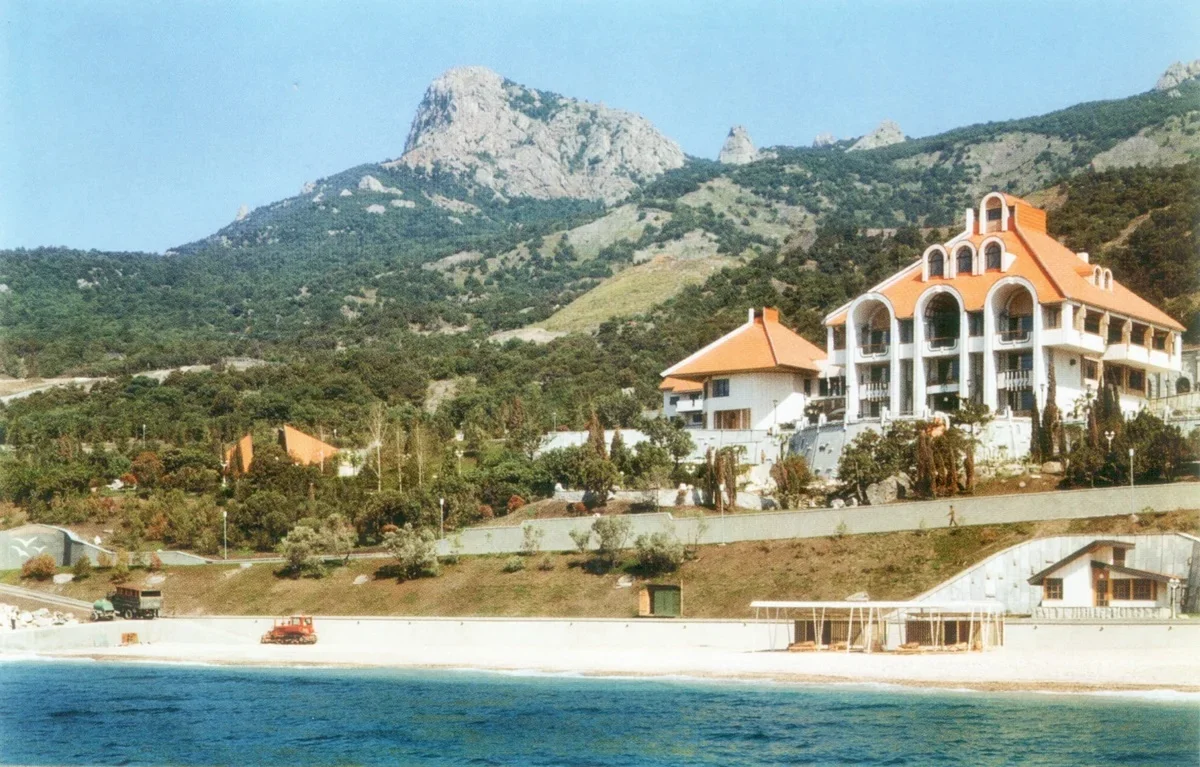
Горбачев был освобожден из трехдневного заключения на даче в Форосе и привезён в Москву, но власть ему никто не вернул. Те из его соратников, с которыми он не расстался по ходу многочисленных компромиссов предыдущих лет, сидели в тюрьме. Впрочем, вряд ли он хотел общаться с теми, кто его предал. Ещё три месяца он числился президентом СССР, но никакого СССР после провала путча уже не было. В декабре 1991 года парламент России оформил, практически единогласно, договор о прекращении СССР и полномочия Горбачева прекратились вместе с ним. К этому моменту не только должность президента не играла никакой роли, популярность Горбачёва упала так, что невозможно было представить какое-то продолжение политической карьеры.
Горбачеву было всего 60 лет, когда он навсегда расстался с властью — небольшой, для политика, возраст. Через пять лет, в 1996-ом году, он предпринял странную, удивительную, мужественную попытку избраться в президенты России, конкурируя со своим ровесником, президентом Ельциным и более молодыми конкурентами. Он набрал 0,51% голосов, заняв позорное седьмое место. Что им двигало? Бесконечная вера в себя, без которой не становятся лидерами? Желание убедить людей в том, в чём он не мог убедить их раньше, когда у него был монопольный доступ к телевидению и печати? Так или иначе, у него не было проблем с новыми властями, как бывали у иных бывших президентов по всему миру. Он не был под домашним арестом, а это лучшее, что случалось с бывшими лидерами Российской империи и СССР за всю тысячелетнюю историю. Он не интересовал ни Ельцина, ни Путина потому что был бесконечно непопулярен.
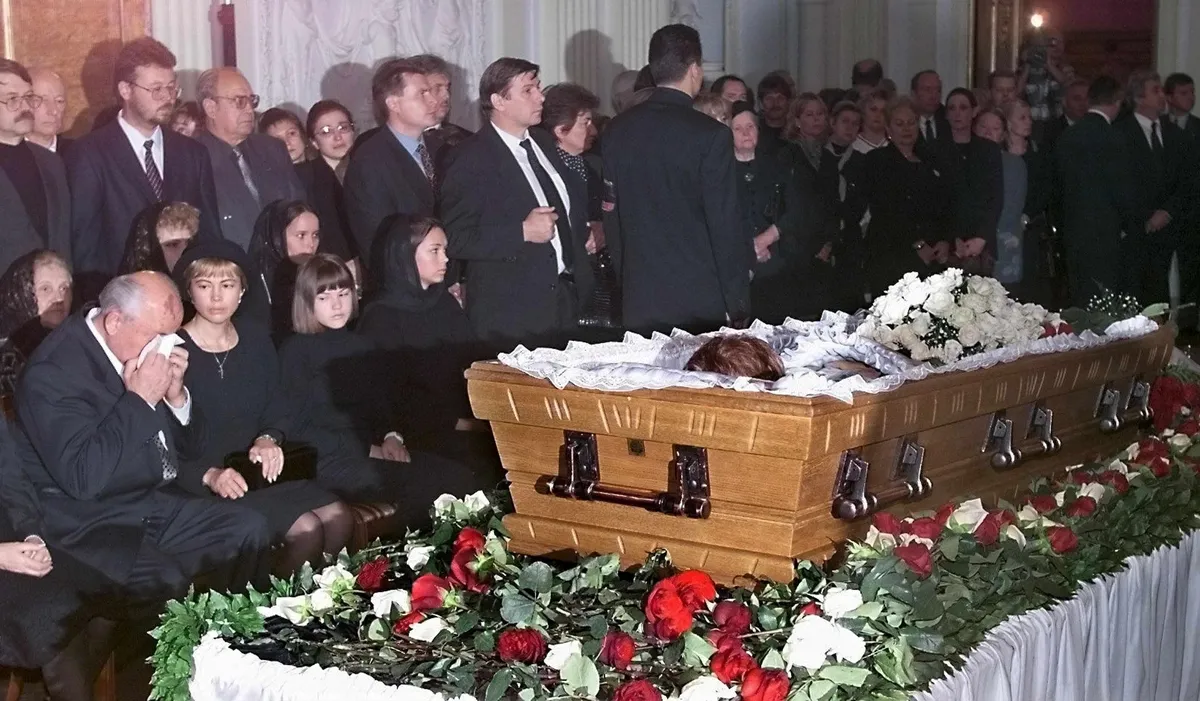
У него были верные друзья и в отставке. Весь мир сочувствовал ему, когда умерла Раиса Максимовна, верный спутник на протяжении полувека. Он много лет поддерживал «Новую газету» и в Нобелевской премии Дмитрия Муратова есть, наверное, и его вклад. Он организовывал семинары в Горбачев-фонде и сам вёл круглые столы. У меня связан с этим смешной эпизод: когда я начал говорить на таком круглом столе, я вдруг услышал негромкий храп. Обернулся — Михаил Сергеевич вовсе не спал — он изображал, что спит, чтобы показать как скучно я выступаю. Что ж, приятно было, когда тебя воспринимает так всерьёз человек, который возглавил страну, когда ты был в пятом классе. Помнится, учительница биологии, седая, скучная, прикрыла дверь и вместо урока включила телевизор — встречу Горбачёва с Рейганом в Женеве. Что мы там могли понять, пятиклассники, но было здорово.