
Translated material
Beslan. Investigate forever
Why the criminal case of the most terrible terrorist attack of Russia has not been disclosed in almost 20 years. Explains Elena Milashina (text of 2022)
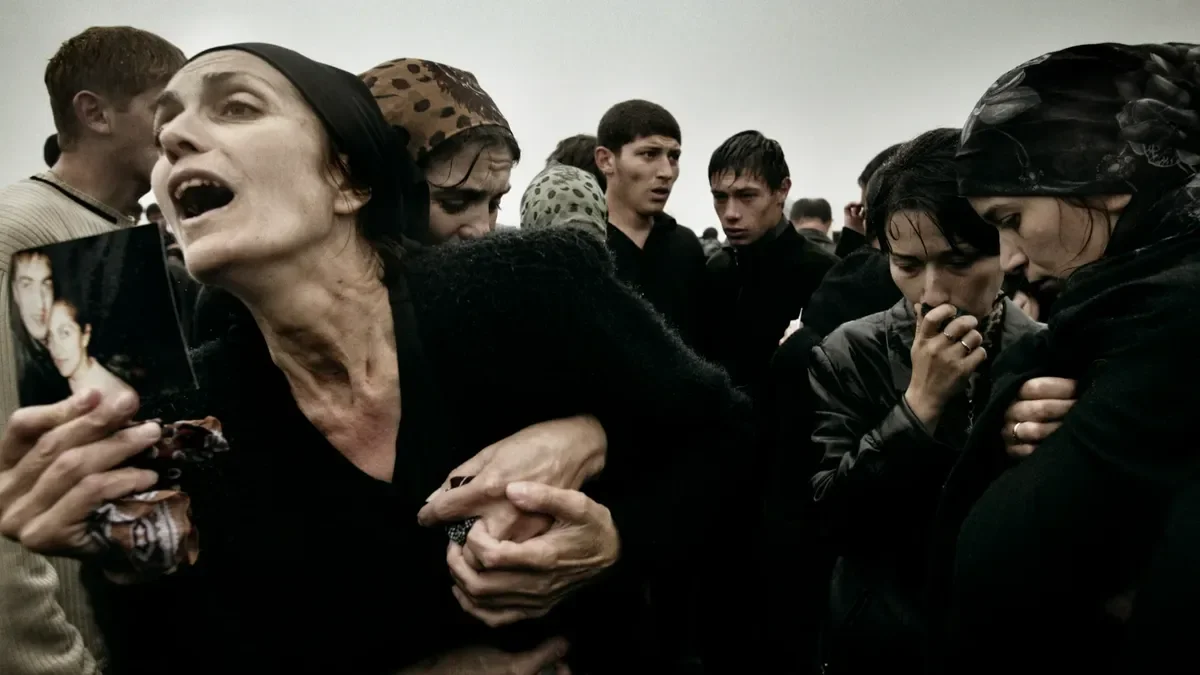
Beslan. The inconsolable relatives of the dead hostages. 2004. Photo: Yuri Kozyrev / "New Gazeta"
Who controlled the lie and created myths about the capture of hostages, how they tried to hide the fact itself and destroy the consequences of the use of indistinguishable weapons during the assault on the school and why the criminal case of the most terrible terrorist attack of Russia has not been disclosed over these 18 years
From the editorial office
A criminal case to investigate the terrorist attack in Beslan was opened on September 1, 2004. 18 years passed ( the material was written in September 2022. - Ed. ), But it is still investigated.The formal reason - not all personalities of terrorists have been established, because for many years the Saudi Arabia authorities allegedly ignore Russia's requests for cooperation and the provision of genetic materials for the identification of militants. But Beslan was sentenced to eternal investigation not at all because of the lack of goodwill in Saudi Arabia.
The real reason and purpose of this endless investigation is one: to prevent the victims, that is, former hostages and relatives of the dead, to the case file.
While the investigation is underway and is not suspended, the materials are the secret of the investigation, and the victims are obliged to acquaint with them only in the minimum volume. But investigators in the Beslan business never did even this.
In 2005, when materials were allocated from the “big” Beslan case against the Chechen Nurpashi Kulaev accused of attacking the Chechen school, investigators easily received a voluntary refusal to get acquainted with his business. The little Beslan, who had just survived a hundred of the funeral, was not up to a thoughtful study of dozens of volumes with examinations and interrogations. And, apparently, it seemed to someone that when Kulaev would be condemned, Beslan would reconcile and calm down.
But this court raised questions about the circumstances of the assault on the Beslan school and the death of most hostages, including 186 children. It turned out that for Beslan it was these issues that were the main ones.
The victims did not believe the promises of the authorities to give answers when a point in the so -called "big business" would be set. They passed a huge number of courts in Russia, reached the Strasbourg court and only forced the authorities to transfer to the ECHR at least a small part of materials from the most classified criminal case in Russia.
The documents provided in the framework of the communication on the complaint of Beslan are fragmentary, are carefully selected and at first glance they do not contain any information sensitive to the Russian authorities. But this is a superficial judgment. If you analyze these documents, comparing them with a huge array of accumulated knowledge about the Beslan tragedy, it becomes obvious: from the very beginning the main task of the investigation, apparently, was not an investigation, but a concealment of the circumstances of the massacre of hostages in Beslan.
Today, on the basis of these documents, we will tell you about
- As a result, she tried to get away from the investigation of one of the key, if not the most important question - about the direct connection between the use of flamethrowers and grenade launchers with special forces of the FSB during the assault and the first explosions in the Beslan school .
And about
How planned the most failure operation to free hostages in the history of Russia,
About a hero who refused to shoot a tank at a school full of children and women,
About how they intimidated the employees of the Ministry of Emergencies so that they change their testimonies about the time of the start of the fire in the sports hall of the school, which, apparently, was not planned to extinguish,
And about how the real circumstances of the death of hostages were hidden from society, -
You will read in Elena Milashina’s book “The Terrible Secret of Beslan” , which is preparing for publication at the Novaya Gazeta publishing house.
"354 hostage", or how a lie was born during and after the attack
On September 5, 2004, the first news of the “Vesti of the Week” with Sergey Brilev was at VGTRK. The main final information program of the main state channel was completely devoted to the Beslan tragedy.
In the first block of the program, immediately after the Chronicle of the events of September 1-3, just returning from Beslan, the very young Margarita Simonyan unexpectedly apologized for the fact that the journalists misinformed the society and began her plot with these words:
QUOTE
Margarita Simonyan:
“To portray that everything is going on as usual, and if the crisis bursts out - to pretend that the scale of this crisis is not so great. Unless those who approved the official version that there were only 354 people were trying to convince themselves to convince themselves. According to any common thought, there were a thousand of them there: it was enough to multiply the number of classes by the usual number of students, teachers and parents for September 1. At such moments, society needs truth ... "
A year later, in an interview with the independent newspaper, the host of Vesti of the Week, Sergei Brilev, will say that "the state channel [VGTRK] was the first to raise the issue of the responsibility of power after Beslan."
Sergey Brilev:
“We opened in open text that at such a moment, society needs truth, including how many people were in hostages.”
In the memoirs published in 2019, Simonyan told how she found out about the tragedy in Beslan:
Margarita Simonyan:
“15 years ago on September 1, we put a camera in one of the rural schools in Karachay-Cherkessia. Together with the journalists of the Kremlin pool, the president was waiting. [Alexey] Gromov, the then spokesman [president], came in, and said:
"There will be no Putin - here they seized school here."
We asked him: "What, how many people?" “There is horror. The man seems to be 200. " At first, 200 seemed horror. We loaded into a helicopter and flew to the Ministry of Walls. They took a taxi there and went to Beslan. ”
Her certificate was confirmed by the current head of the Union of Journalists of Russia Vladimir Solovyov (then - the special corner of the program "Time" of the First Channel). During his trip to Beslan in 2018, he handed over his Beslan photographs to the local newspaper Life of Right Bank and told
Vladimir Soloviev:
“The jokes ended at the moment when Alexei Gromov fled to meet us, at that time the presidential spokesman, with the shouts that something terrible had happened in North Ossetia.”
So, in fact, the first in Beslan were the journalists included in the presidential pool,
And it was they who soon became the main translators of mass misinformation about events in Beslan.
The press secretary of the President Gromov flew to Moscow, and sent his deputy Dmitry Peskov and his adviser on a voluntary basis of Peter Vasiliev *, who entered the official composition of the operational headquarters for the management of the counter-terrorist operation.
In Beslan, Peskov and Vasiliev, it seems, fell into the telephone lenses of all cameras, although they did not say a single word. But if you carefully view the video archives of those days, the main task set for them will become quite understandable. Both officials can be constantly observed next to a specific circle of figures: for example,
with the press secretary of the President of North Ossetia, Lev Dzugaev, who was entrusted with a terrible role-to repeat the unchanged figure in the “354 hostage” for almost three days;
with the Minister of the Ministry of Internal Affairs of North Ossetia Kazbek Dzantiev,
with the head of the UFSB in North Ossetia Valery Andreev,
With adviser to the President of Russia Aslanbek Aslakhanov ...
Remaining behind the officially authorized speakers (mainly the Ossetian security forces), Peskov and Vasiliev actually controlled the process of their communication with the press. And when, in their opinion, the situation got out of control, it was Peskov or Vasiliev that interrupted the speakers and led them away from journalists.
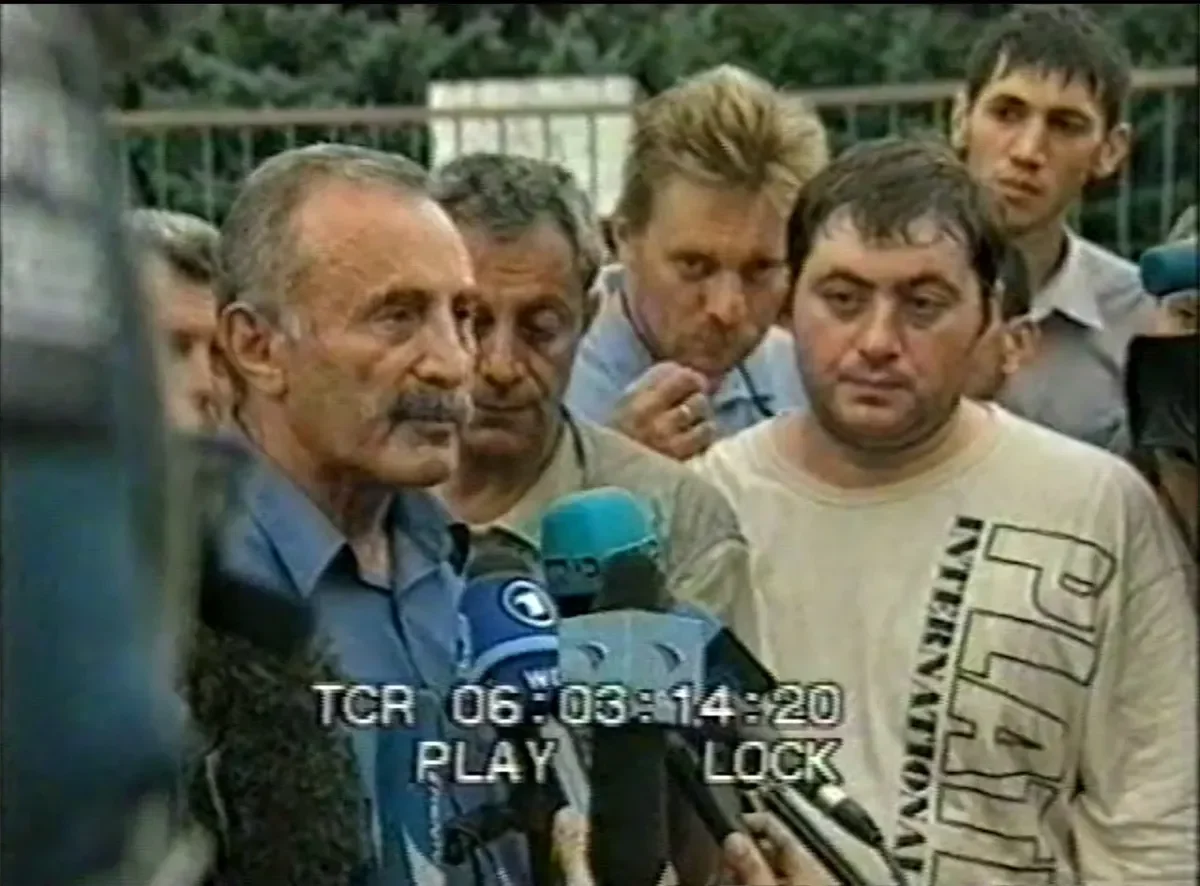
In an interview with human rights activist Marina Litvinovich , published on the Pravda Beslan website on September 1, 2005, the deputy chairman of the North Ossetian parliament Stanislav Kesaev said that
High -ranking officials from Moscow categorically forbidden reporters to report information about the present number of hostages. Kesaev did not know the names of these officials, but Dmitry Peskov recognized Dmitry Peskov during an interview.
The role of Peskov and Vasiliev in the information support of events on September 1-3 is confirmed by a comprehensive forensic examination of December 24, 2005 (p. 27):
DOCUMENT
From forensic examination
“At 17 hours 45 minutes (September 1, E.M. ), due to the fact that media representatives go on the air with reports based on unverified data, by the decision of Osh ( operational headquarters. - Ed. ) Contacts with media representatives are entrusted to [the head of the UFSB for North Ossetia-a] Andreev V.A., [Minister of the Ministry of Internal Affairs of the North Ossetia-a] Dzantieva K.B. [Press Secretary of the President of the North Ossetia-Asokhov] Lev Dzugaev.
Through the representative of the administration of the President of the Russian Federation Peskov D.S. ( Highlighted by me. - E.M. ) regularly bringing information to media representatives ... "
But it would be a mistake to believe that it was Peskov and Vasiliev that are the very people who, according to Margarita Simonyan, "approved [and] the official version that only 354 people were hostage."
Peskov and Vasiliev only controlled the most difficult area of information about the events of September 1-3 - Beslan himself. Similar control was organized at the federal level, at the main national media. True, in this case there were no threats, because
At the level of leadership, the largest Russian media (no matter what state or oligarchs belonging to oligarchs) did not even attempts unauthorized actions. Except one.
The editor -in -chief of Izvestia Raf Shakirov decided to publish poster photographs of the consequences of the Beslan assault (including the corpses of the dead hostages). After that, the demarche was put on the owners of Izvestia, and Shakirov was fired. As Shakirov himself said in an interview with the Freedom radio station ( later included by the Ministry of Justice of the Russian Federation in the register of foreign agents ), the leadership of the Profmedia holding, which included Izvestia, considered that the number of the newspaper dedicated to the tragedy did not correspond to the format of the publication.
Here's how the work of federal television described in 2004 Media -analyst "Kommersant" Arina Borodina :
QUOTE
Arina Borodina:
“The presentation of information on all federal channels is fundamentally different from their work two years ago, when in Moscow, during the Nord-Ost play, more than 800 people were captured at Dubrovka. The news does not call the exact number of hostages, they do not talk about how the capture occurred, or how the terrorists penetrated the city of Beslan, and do not show relatives captured in hostages at all and do not interview them (while in the news of the Goskanals they do not tire of repeating how close hostages are kept courageously) ... "
Especially Arina Borodina focuses on the lighting of the assault:
Arina Borodina:
“The lighting of the Russian television storming in Beslan was unprecedented for many reasons. For the first time on the day, almost in real time, spectators could observe the development of the situation in Beslan. However, the viewers did not see the hostiles on Russian channels-the viewers did not see-the first broadcasts began the western companies of EURONEWS and the BBC.
The first explosions in the Beslan school nevertheless sounded on the air of the NTV news release, which began on September 3 at 13 o’clock with a direct inclusion of the specialist Ruslan Gusarov from Beslan.
And while Gusarov tried to at least somehow explain what was happening, frightened people rushed behind him, bent from the sounds of massive shooting. It was obvious that a real battle began in Beslan. Nevertheless, Gusarov was disconnected from the live broadcast, and the NTV audience was offered to "return to other news for this hour."
40 minutes all Russian television channels (except Ren-TV, which then followed professional standards) strictly adhered to the program grid of broadcasting, and only having received a clearly centralized instruction, actually returned to the topic of Beslan. All as one began with quotes of Ossetian security forces (the main speakers for Beslan):
“Bombs of terrorists exploded, it was absolutely not a power operation, it was simply not planned”;
“The possibility of assault was rejected immediately, as this threatened the life of hostages”;
“The security forces were forced to answer the actions of terrorists”;
“The headquarters did not expect such a development of events”;
"Explosions began to be heard, and the special forces were forced to protect the children."
"New" explains
See the 2019 Novaya Gazeta dokfilm about the terrorist attack in Beslan and the assault on the school. He received the Stalker prize
The canonical myth of the spontaneity of the assault and the heroism of the special forces was launched in all state media even when the assault itself did not end, and there were much more questions than answers to them. The myth was distributed exclusively by the republican “talking heads”. The federal security forces (Minister of the Ministry of Internal Affairs of the Russian Federation, the director of the FSB, or at least their first deputies who arrived in Beslan on September 1) did not comment on the situation.
On the evening of September 3, they connected to communicate with journalists
The head of the engineering forces of the 58th Army Saperer Nabiev,
Aslanbek Aslanbek Aslanbanov, who had just flown to Beslan,
Military prosecutor Sergei Fridinsky
Doctor of Medical Sciences Leonid Roshal.
The children's doctor especially emotionally popularized the idea of the spontaneity of the assault:
QUOTE
Leonid Roshal:
“I confirm once again: there was no intent on our part to ensure that this assault was started. He was completely spontaneous, unexpected. They had an internal explosion, windows in the gym were knocked out from this explosion. And the guys realized and began to jump through these windows. And then our fighters ran up and began to pull them out. And at that moment shooting began at them. When this begins, that - you need to watch how the children beat? If I had a machine gun at that moment and I would be near, I would also go to them, without a doubt. Children must be protected. And everything that was in defense of the children, but in the end overstated into such a battle ... "
"And where did all this shoot?"
Nine days after the assault in Beslan, on September 12, 2004, the author’s program of the Special Crimea Arkady Mamontov was published on the VGTRK channel. In the 23rd minute of the plot, the operator’s camera slowly floats over the weapon seized after the assault in the building of school No. 1.
- Sergey, are they solidly equipped with [terrorists]? - asks Arkady Mamontov senior expert of special examinations of the ECC of the North Ossetian Ministry of Internal Affairs Sergey Tomchik .
- Very solid. Very much. Too much ammunition, - the expert Tomchik replies,
And at this very moment, eight tubes from grenade launchers fall into the camera, including from RPO-A bumblebee flamethrower **.
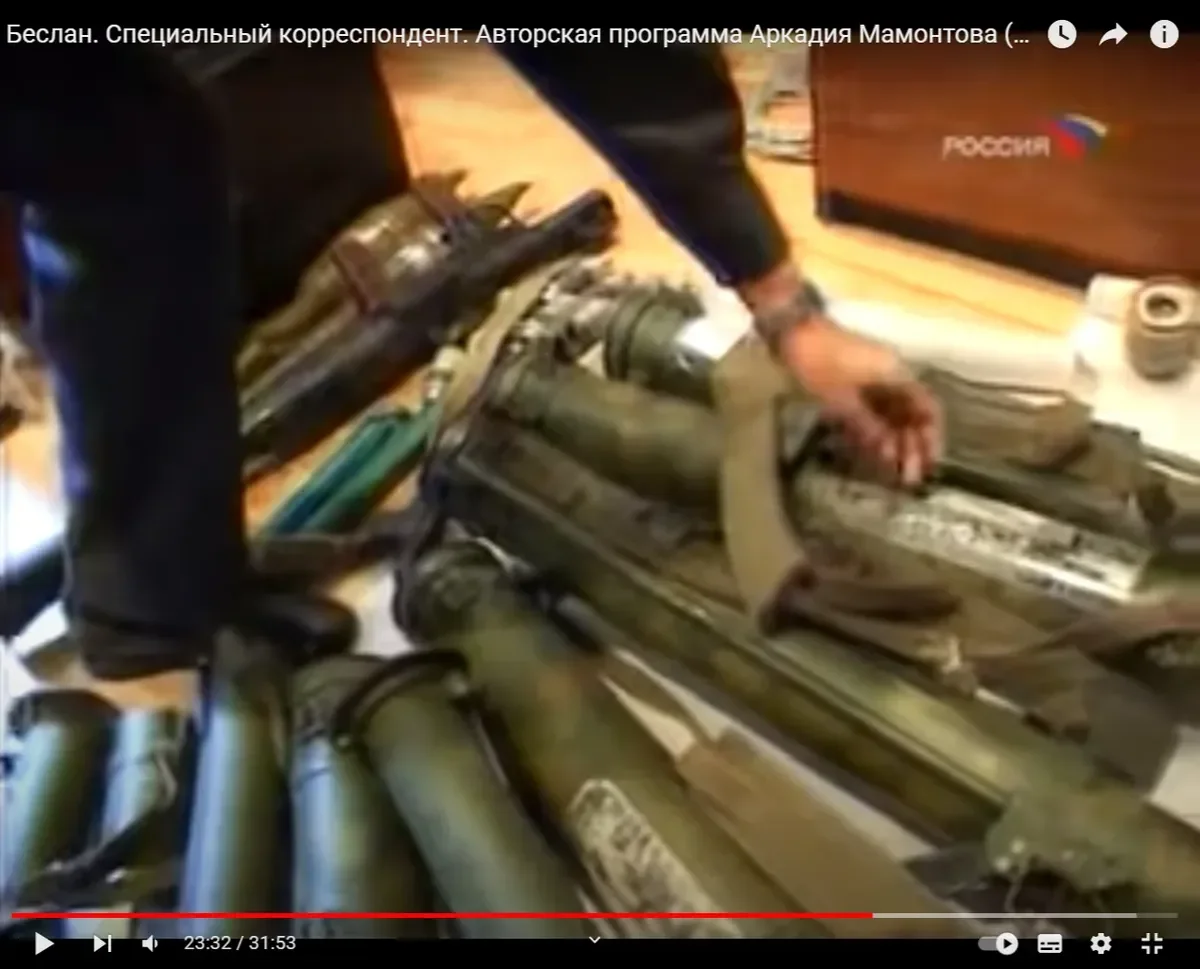
- “Bumblebee” is generally a terrible thing? - asks Arkady Mamontov.
Sergey Tomchik, who has expert specialization just in the field of explosives (it was he who conducted all primary examinations in the Beslan case regarding grenade launcher), answers:
- Weapons of a voluminous explosion. Volumetric detonation. Here ( one of the tubes is bending over and takes ) the launch pipe. Used.
- That is, this was all used? - clarifies Arkady Mamontov.
- Yes, they are all empty. Here is a powder soot,-Tomchik runs a finger inside the pipe and then explains the tactical and technical characteristics of the “bumblebee”. -
The radius of continuous defeat of manpower in an open area is 50 meters, when the building entered the building, 80 cubic meters of the building are destroyed.
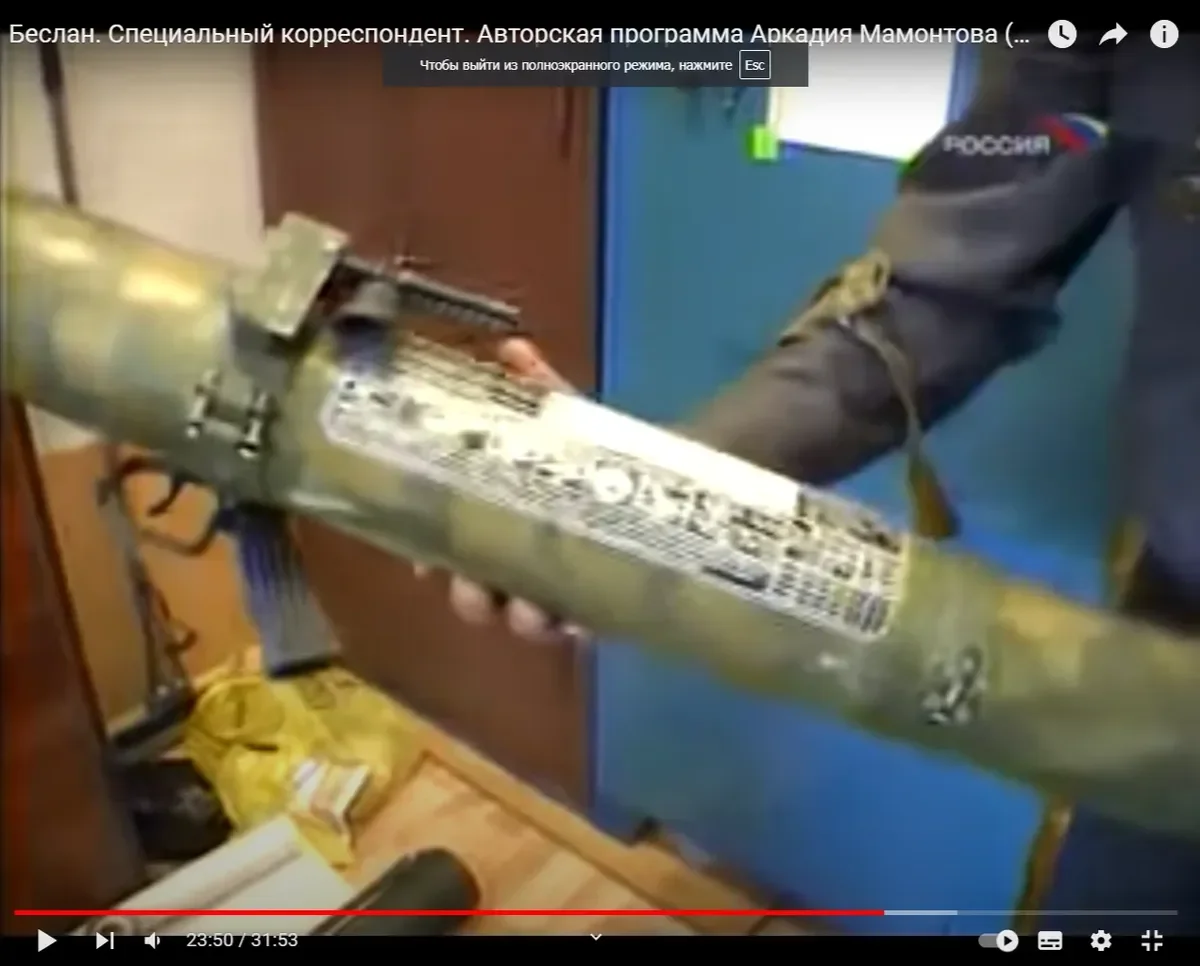
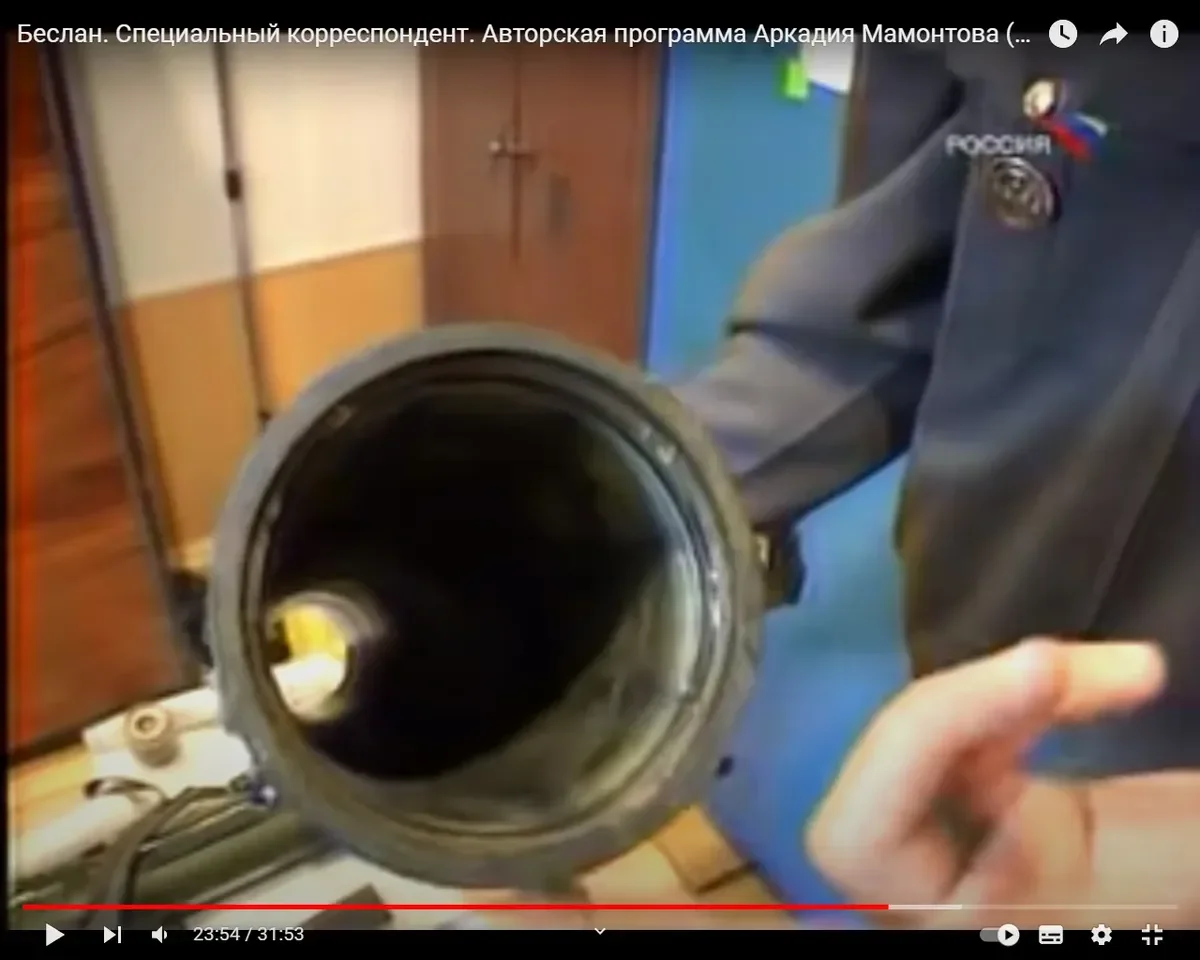
Arkady Mamontov involuntarily breaks out of a nervous laughter, when he actually asks Beslan's main question:
-And where did all this shoot? ..
The answer of the expert Tomchik during the installation of the program was cut out.
"This is a terrible weapon!"
On September 10, 2004, Deputy Prosecutor General Vladimir Kolesnikov, who arrived in Vladikavkaz in order to “control the investigation by Beslan,” said:
QUOTE
Vladimir Kolesnikov:
“During the inspection of the scene <...>, the militants were seized: 37 machines of various modifications, 3 machine guns, 5 grenade launchers and shots of grenade launchers 27, 5 bumblebees flamethrower (here Kolesnikov tore off his eyes from the certificate and emotionally commented on:“ This is a terrible weapon! ”), 7 pistols, more than two thousand rounds, 11 grenade explosive devices and other weapons and ammunition ... "
But the “terrible weapon” in Beslan was found not only by investigators.
Tubuses from grenade launchers and flamethrowers were lying in large numbers in the yards of three five -story buildings along the school lane directly adjacent to the Beslan school (houses No. 37, 39, 41). And who left them there, the Beslanians were well aware.
From the testimony of the head of the department of the district police department of the Khachirov and his colleagues, given during the trial of Kulaev, it follows that a few hours before the assault on the Beslan school to strengthen two sniper groups of the FSB special forces deployed in the five -story building on the School Lick Overland, at least 20 grenade launchers were brought up. Employees of the Right -Bank District Department of Internal Affairs, who were numb, themselves helped the special forces to drag the boxes with weapons to the roof and to the extension.
In fact, there were several such “messages”: on September 2 and 3, when there was an active preparation for the assault, the near -combat equipment (grenade launchers and flamethrowers are attributed to this class of weapons) all six sniper groups of the FSB CSB, deployed in three five -story buildings along the school raincoat.
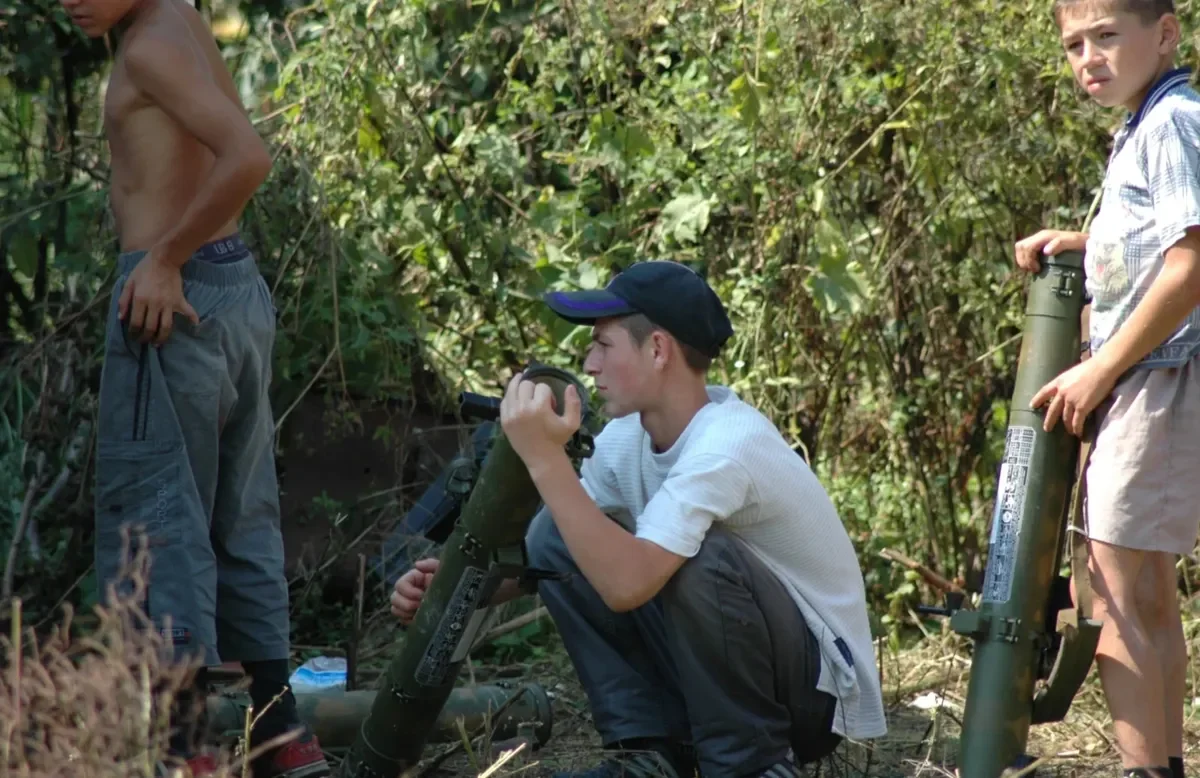
The special forces used by the grenade launchers, apparently, according to the “Chechen” habit (the massive use of disposable means of close combat began into the second Chechen campaign), left right on the site of the shooting.
For example, a photograph of journalist Vladimir Voronov ( later included by the Ministry of Justice of the Russian Federation in the register of media-foreign agents - ed. ), Where Beslan children play tubes from grenade launchers.
In addition, the grenade launchers were in service with the operational-combat groups (OBG) of the Special Forces of the Central Executive Committee of the FSB, who took part directly in the assault and stripping of the school from the militants. In another photograph of Voronov, seven FSBs left by the Special Forces of the Central Executive Committee at the elementary school of tubes from grenade launchers were recorded.
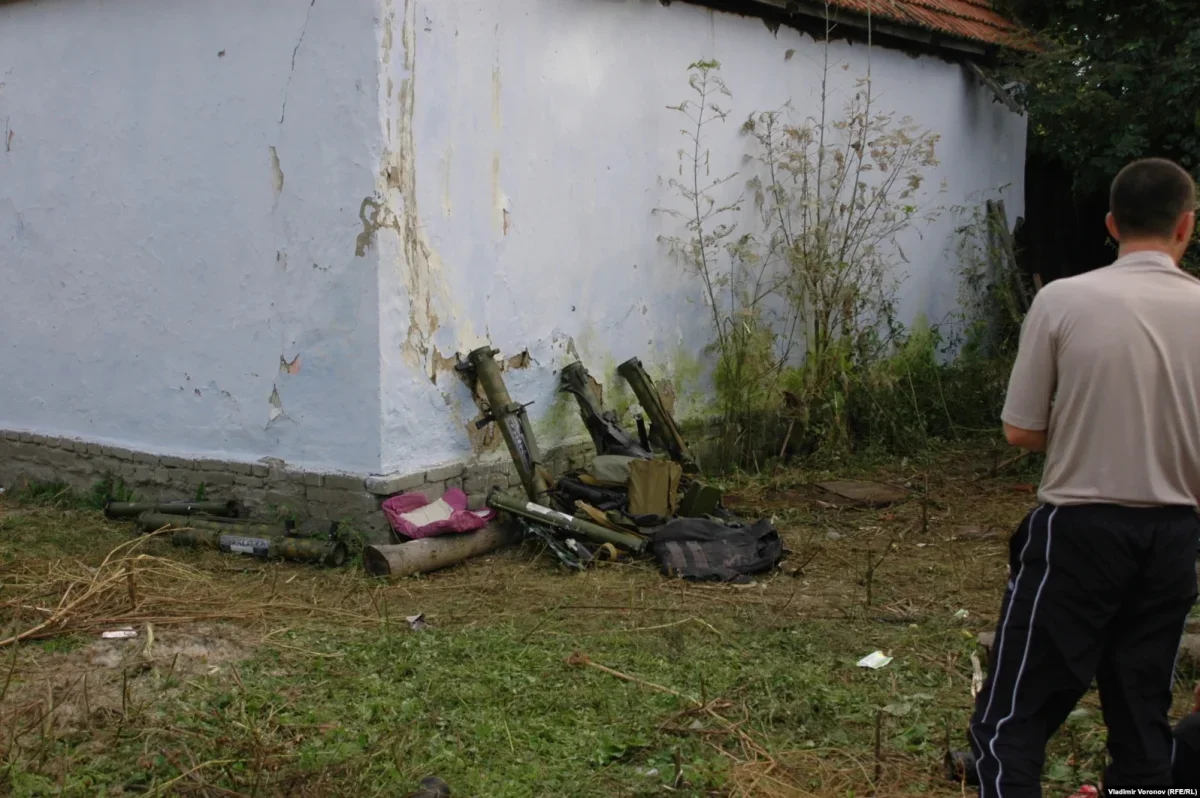
The case file has indications about the use of these grenade launcher officers of the FSB Central Executive Committee. Here is one of them:
QUOTE
From the materials of the criminal case
“During the special operation, the RPG-26 collective battle means, RPOs <...> shot b/n ( ammunition. - Ed. ) Were left on the street near the elementary school building ...”
The FSB special forces were also armed with light infantry flamethrower LPO-97. They can be seen in the hands of the special forces (including how they aimed towards the school and, apparently, then shoot from LPO-97) in numerous photographs taken during the assault on September 3. What is important, the TTX LPO-97 allow the operator to shoot not only in the open space, but also directly in the room. As follows from the protocol of inspection of the scene (Beslan school),
Inside the building, dozens of sleeves and one unused ammunition with departmental indexes MO.1.1.16.02 from these flamethrower were found.
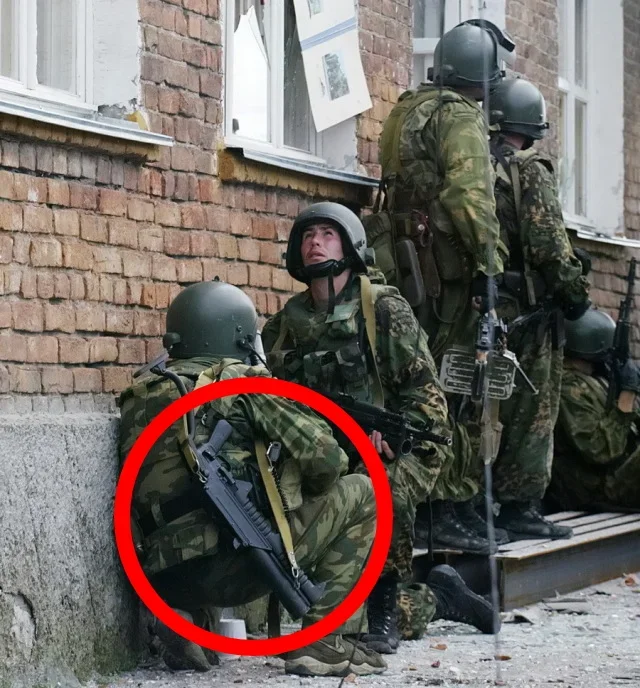
At the end of September 2004 , the federal parliamentary commission for investigating the circumstances of the tragedy created at the direction of the President of Russia for the first and last time came to Beslan. The members of the commission also found a “terrible weapon”:
Six tubes from RPO fla flame meters
Three tubes from RPG-26 grenade launchers, thrown after the assault with snipers of the FSB CSB on the roof of the house at 39 school lane.
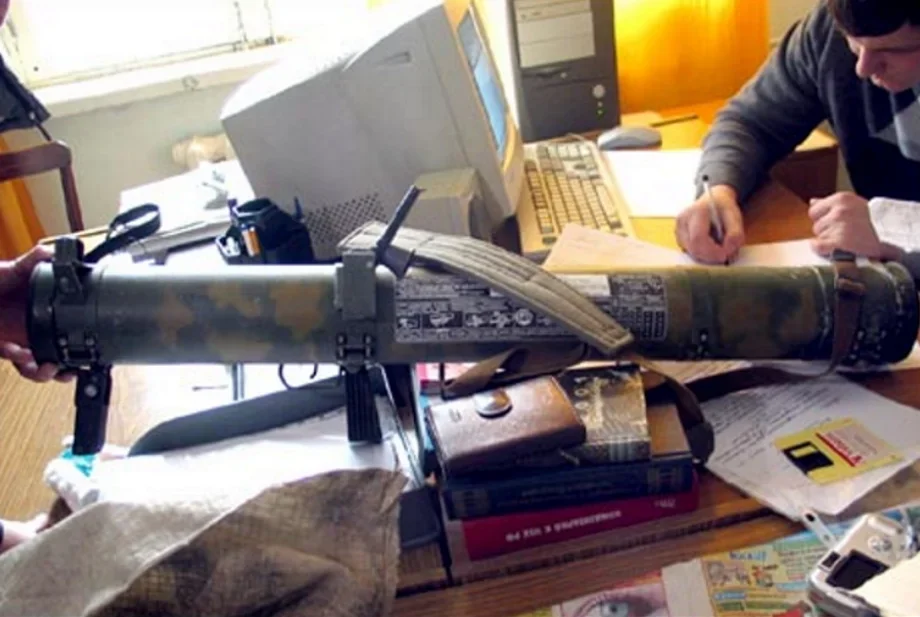
In April 2005, with the assistance of Novaya Gazeta journalists, local residents handed over to the investigators Tubuses
From RPO-A "Bumblebee"
and from the grenade launcher RPG-26 ,
As well as three sleeves from tank shells .
On May 25, 2005, local residents passed the investigation found in Beslan Tubuses
From the grenade launcher RPG-27 "TAVOLGA" , designed to defeat the enemy armored vehicle,
and from the reactive assault grenade of the RSHG-1 , designed to defeat the enemy’s sheltered firing points, sheltered and openly located enemy manpower.
On October 21, 2005, investigators found the school again during the next inspection of the school
fragments of the wing of the rapper and fragments of the RPO ,
as well as fragments of an artillery shell of medium caliber .
In total, the investigation had a colossal volume of material evidence at the disposal of the investigation, indicating that
During the assault on September 3, 2004 at the Beslan school and inside it was produced :
at least 31 shots from RPO-A bumblebee flamethrower in thermobaric equipment,
at least 18 shots of cumulative grenades PG-7VL from anti-tank complexes RPG-7V1 or RPG-7V2,
at least 10 cumulative shots RPG-26,
at least three RSHG-1 shots in thermobaric equipment,
As well as dozens of shots by thermobaric non-income grenades from the Flakes of the LPO-97, designed to defeat the enemy’s manpower with a high-temperature field and an excess pressure field.
In addition, during the assault, they were actively used
- Armor-piercing-linterous bullets of combined action.
Also, at school, during the assault on the day and after its active part, in the evening it was produced
at least two shots from the tank, presumably a subcaling armor -piercing shell
And seven shots of fragmentation and fluent shells.
But only eight months later, the victims forced the investigation to admit an obvious fact: all this weapon used the special forces of the FSB Central Department Store.
FSB above the law
On October 3, 2004, a month after the assault, Vesti weeks showed an interview with a man who, according to the author of the plot of Alexei Baranov , “was one of the first in the school building after the release of the hostages and took pictures when the bodies of terrorists had not yet been taken out of the building.” For unknown reasons, this person refused to speak openly, his face journalists of VGTRK were chopped, and his voice was changed. But most likely, it was an employee of the prosecutor's office, who on September 4, 2004 recorded an inspection of the scene on the video camera.
Here is a quote from this plot:
QUOTE
Issue "Vesti" dated 00.2004. Says the witness
“Having penetrated the building, the special forces opens fire not only for visible purposes,
But even on the deaf walls, behind which, it would seem, there is nobody. Tactics brings results. Several shots from the bumblebee grenade launcher were fired along the wall. There were two militants behind the wall, they simply fell asleep.
<...> The opposite outbuilding of the school ( refers to a two -story extension with classes and workshops, which is called the "Southern Eligo". - EM ). Outside the windows there is a deaf concrete wall. Special forces do not fit. The militants who do not reach the second floor gather here. They are noticed by a sniper of special forces.
At this place, six militants were destroyed at once with a shot from Shmeel. There is a closed space, and they were destroyed by a gap and explosive wave ... "
On the part of the FSB, 329 employees of the Special Purpose Center participated in the power operation (it includes Alpha and Vympel detachments), 80 people of them as part of the operational combat groups were directly involved in the assault on the school building.
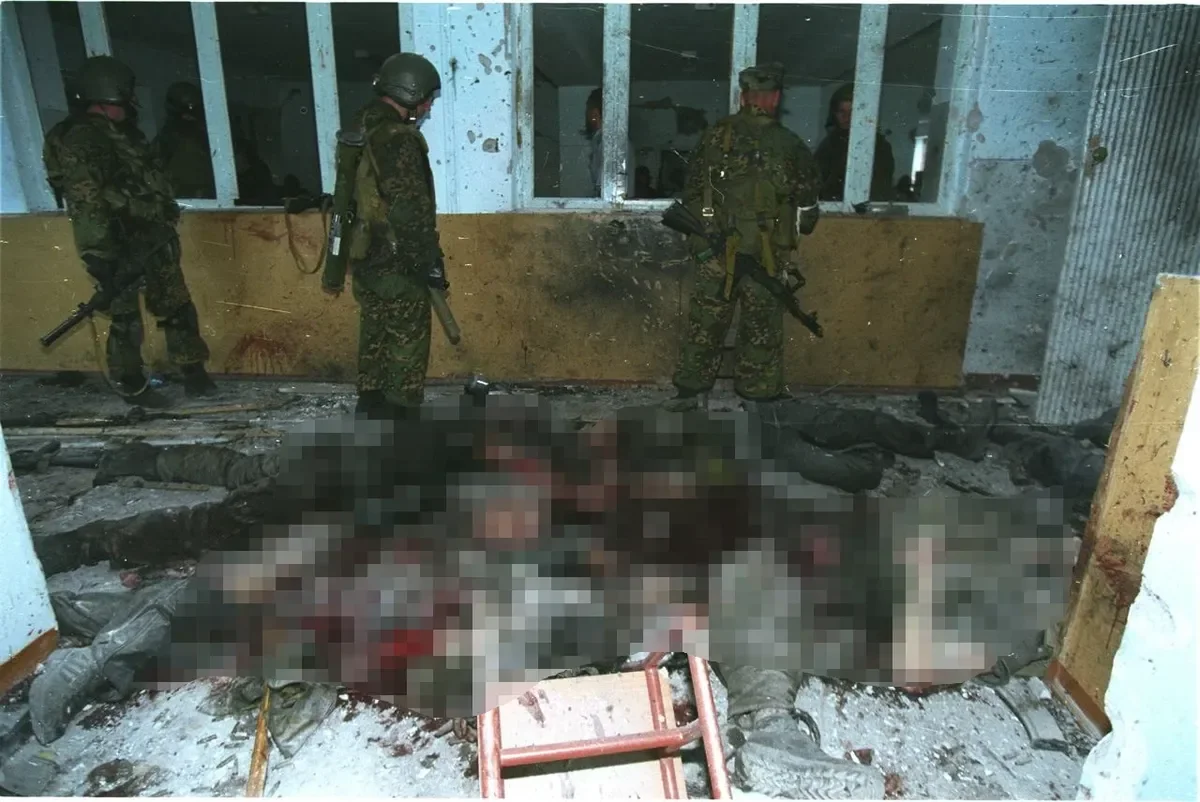
The assault plan was developed in advance and took into account the experience of Budennovsk (the assault on the hospital captured by Basayev also began with the shelling of a building from grenade launchers and flamethrowers) and Nord-Ost (gas, which they tried to put up with militants in the theater center at Dubrovka, also planned to be used at the assault on the Beslan school, so on September 2 and early on the morning of September 3 to all military units. The 58th Army and VV of the Ministry of Internal Affairs, transferred to the subordination of the FSB Central Department Store, were issued gas masks-this fact was reflected in the materials of the criminal case, in the protocols of interrogations of military personnel of the Interior Ministry and the Ministry of Internal Affairs of the Russian Federation ***).
The school building was directly stormed by the special forces of the FSB Central Department Store.
They also led the actions of the crews of seven armored personnel carriers and three tanks of the 58th Army attached to the FSB Central Service Service for the period of the counter-terrorist operation on September 1-3, 2004.
As follows from the acts of issuing and writing off ammunition obtained by the investigation from the departments of the 58th Army and military units of the Interior Ministry of the Ministry of Internal Affairs, involved in the counter-terrorism operation on September 1–3, none of them had in service and did not use near-fight weapons (grenade launchers and flamethrowers) .
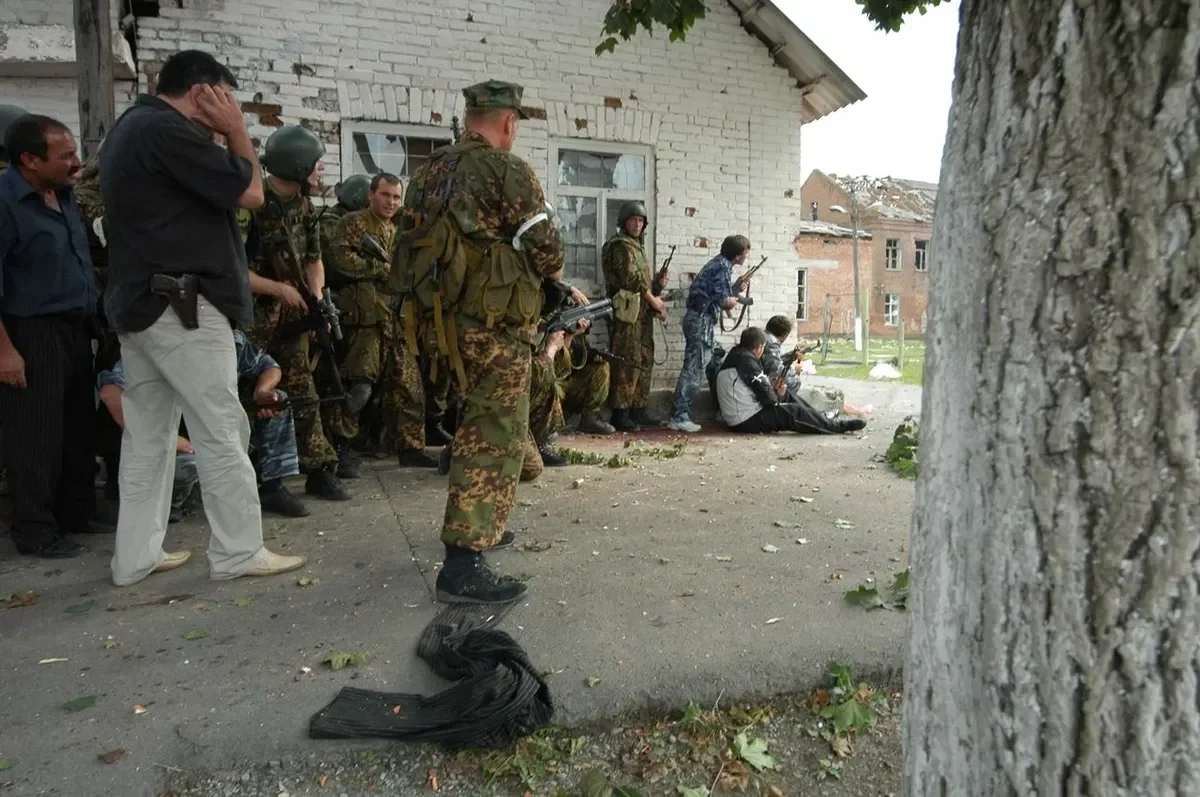
In the criminal case there is a consolidated act of spending ammunition from September 1 to 4 by all power units that took part in the counter -terrorist operation in Beslan, it is dated September 10, 2004. But this act does not contain any mention of flamethrower and grenade launchers .
Why?
Interestingly, it was on this day that Deputy Prosecutor General Vladimir Kolesnikov publicly announced the version that terrorists fired from the Flame Bumblebee.
However, the attempt to “hang” “bumblebees” on the militants was unsuccessful.
After the official request to the prosecutor’s office of the chairman of the Federal Parliamentary Commission for investigating the circumstances of the tragedy in Beslan Alexander Torshin dated September 24, 2004-he asked to clarify the fate of the six RPO-Afressure flameters and three RPG-26 grenades found on the roof of the house No. 39 by the members of the commission-the response of V. Vasiliev, the deputy chief of the RCHBZ troops appeared (troops of radiation, chemical and biological protection) of the 58th Army of the Ministry of Defense of the Russian Federation, dated September 25, 2004. (All these documents were received and published in the report of the Federal Parliamentary Commission for the investigation of the circumstances of the attack in Beslan, as well as in the special opinion of the member of the commission Yuri Savelyev).
DOCUMENT
From the response of the deputy chief of troops of the RHBZ 58th Army of the Ministry of Defense, the chairman of the parliamentary commission Torshin A .:
“On September 2, after a meeting in the operational headquarters to liberate hostages in Beslan, the commander of the 58th Army set the task of giving out the FSB special forces from the warehouse <...>:>:
RPO flameters-7 pcs.
Filtering PMK-2 filtering-54 pcs. <...> ".
From the protocol of the interrogation of the senior assistant to the head of the RHBZ service military unit 20634 Vinogradov of September 25, 2004:
“All seven flameters were given by me in the presence of Vasiliev V. Major TsSN“ Vympel ”Tsvetkov S.V. ( The following is the series and number of the Major certificate. - E.M. ). The certificate was checked by me personally. The indicated products were issued by me on the invoice, in which the numbers, the number of flamethrowers, and the recipient’s signature were placed.
The objectives of the issuance of products to the indicated person were not explained to me. Subsequently, on September 3, 2004, Major Tsvetkov was handed over to me 5 flamethrower ( indicated numbers. - EM ), as well as the fire-fire meters 1-03 No. 12, which does not pass according to the accounting of the 19th MSD ( motorized rifle division. - E.M .) and was properly capitalized and handed over to the warehouse <...>
About the reasons for the non -dumping of the rest of the weapons <...> Major Tsvetkov only explained that the rest of the flamethrowers were shot. "
From the request of Torshin, the certificate of Vasiliev, the interrogation of Vinogradov, the examination of the investigation of two tubes from the RSHG-1 and the RPG-27 “Tavolga” and other materials of the case and other materials of the case, it becomes obvious that the FSB Central Bank of the FSB on September 1-3 were flameters and grenade launchers from different parties.
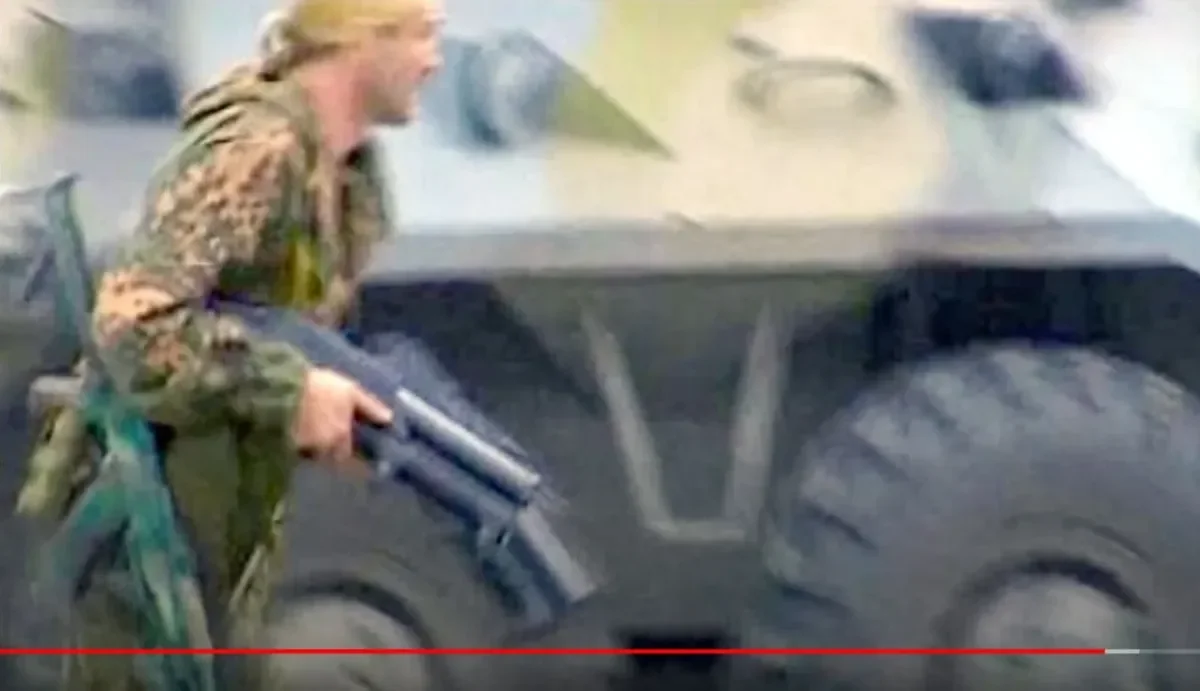
Different numbers of parties indicate that the special forces used during the assault not only flamethrowers issued by Major Tsvetkov as an assistant chief of military unit 77078 of the Russian Federation (RHBZ 58th Army), but also close combat funds that they received in their military unit and brought with them to Beslan. In addition, in Beslan, the special forces used light infantry flamethrowers, which at that time in service did not officially be at the FSB.
Whether in the criminal case there is evidence from where the Central Department Store has come from the FSB special forces in a large number of LPO-97, since access to the criminal case in Beslan, numbering about 200 volumes, the victims still do not.
The number of the parties is assigned by the weapon manufacturer and the equipment factor for the purpose of monitoring/taking into account weapons. How many of the means of close combat was in Beslan in the service of the special forces of the Central Executive Committee of the FSB, when, by whom, and what specific officers of the FSB Central Department Store were issued, how many were used during the assault and how much was returned to the warehouse - all these circumstances should have established by law.
During the investigation, the investigation requested and received data on the personnel involved in the counter -terrorist operation on September 1-3, as well as on the weapons received and spent on these days of the Ministry of Defense and the Ministry of Internal Affairs. And only in the FSB the investigation did not request similar information.
"I used RPOs in the process of assault"
In an attempt to achieve an objective investigation and justice, the former Beslan hostages and relatives of the dead passed 127 courts in Russia, including the Constitutional Court of the Russian Federation. As a result, having exhausted all the judicial opportunities in Russia, created by the inhabitants of Beslan Voice of Beslan and the Beslan Mother Committee, complaints were sent to the Strasbourg court. Only the complaint of the Voice of Beslan weighed 43 kg - the victims attached so many documents, justifying their claims to the Russian state.
During the communication of their complaints in the ECHR, the victims were information on interrogations of 37 military personnel of military unit 35690 (SSN FSB ****). All special forces were interrogated in November-December 2004, and the investigators of the Prosecutor General’s Office conducting the Beslan business, but the “relatives” employees of the Balashikhi military garrison prosecutor’s office (the FSB Central Service Service are deployed in Balashikha).
34 officers of the FSB Central Bank, who were injured, were questioned as victims. Three - as witnesses. Exactly in the same status, military personnel of the Interior Ministry of the Ministry of Internal Affairs and the Ministry of Defense, who took part in the storm of the school, were interrogated. Some of them, for example, sappers of the 58th Army and crew members of three tanks are in great detail and repeatedly. Whether in the case file there are interrogations of other employees of the FSB Central Field involved in the Beslan special operation (329 people in total) is unknown.
The protocols of the interrogations of the special forces, which were at our disposal, indicate that they were interrogated extremely formally. In fact, only two points were interested in investigators:
the fact of the wound received during the special operation,
and the use of RPO-A "bumblebee" and RPG-26, found by members of the federal parliamentary commission on the roof of a five-story building No. 39.
So, in his interrogation, the victim Amelin showed:
DOCUMENT
From the testimony of the victim Amelin:
“Before leaving on a business trip to the weapons room in the/part 35690, I received PM (KR 1619) AKS-74 and GP-25, I do not remember the series and number. The assault group, which I included, were not used, including RPG-26 3-02 6 g 19 VK 2480, RPG-26 3-02 6 g 19 VK 2614, RPG-26 12-02 6G 19 VK 13801, RPO-A 3-02 A No. 110 A No. 110, RPU 3-02 A No. 111, RPO-A 3-02 A No. 112, RPO-A 3-02 A No. 113, RPO-A 3-02 A No. 116 (it was these RPGs and RPO-A who found the federal parliamentary commission.- E.M .), so why the detached ammunition remained at the scene, I can’t say. RPO and RPG in the premises where hostages were located were not used ... "
But that's the matter. In these short interrogations (each - no more than a third of the page) a huge quote is striking, which wanders from one protocol to another:
QUOTE
From the interrogation protocols:
“Collective battle funds were in the department of the department, and then issued to employees of the assault groups. No records of personal issuing were made. According to the nomenclature, the means of collective battle are not registered, and therefore it is impossible to say who had weapons of a particular series and numbers. ”
That is, all the special forces, being under a subscription of criminal liability for a giving false testimony, reported the absence of strict control over armament in the Central Department Store of the FSB in all other law enforcement agencies, that is, in fact, about the presence of signs of negligence in the actions of their leadership.
But if this is true, then the allegations of the FSB Central Service Service that they did not shoot from the flamethrower and grenade launchers found on the roof of house No. 39 do not prove anything.
You can’t know exactly what weapons you did not shoot if “the means of collective battle are not registered according to the nomenclature, and therefore it is impossible to say who had weapons of a particular series and numbers” ...
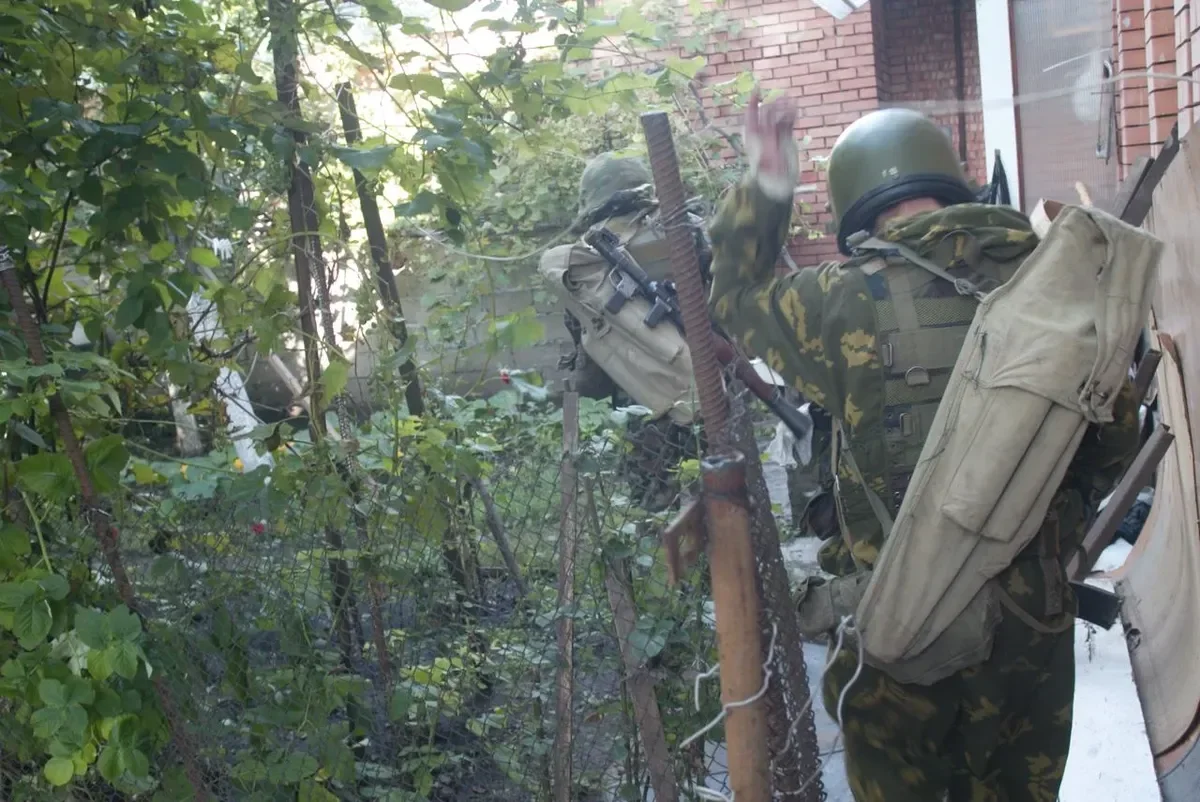
Others used during the assault on close combat products (for example, RShG-1, the battle of which contains approximately 1.9 kg of the fuel mixture, which, when undermining the fuel-air cloud, gives a high-explosive effect comparable to the separation of 5-6 kg of TNT) investigators of special forces of the Central Administration of the Central Administration did not ask. The reason is apparently the following.
After the deputies and senators found shot tubes from flamethrower and grenade launchers on the roof of house No. 39, it became clear that now it was necessary to come up with a new version explaining the use of flamethrowers and grenade launchers during the assault on the school. Therefore, through interrogations, special forces from this version were excluded from the Torshin Commission of Flazers and Grenadebates, as well as actually all of the near -battle funds found in Beslan.
In the case materials, only 5 tubes from RPO flamet-Afa-A flamethouses found in the courtyard of the school fell into the inspection protocol. And the version of their application was adjusted under the testimony of the special forces by Maxim Kozlov , where he says that he shot from the flamethrowers of the "bumblebee" at 24.00 on September 3. (Показания Козлова в этой части фигурируют и в материалах Федеральной парламентской комиссии, и в особом мнении члена комиссии Ю. Савельева).
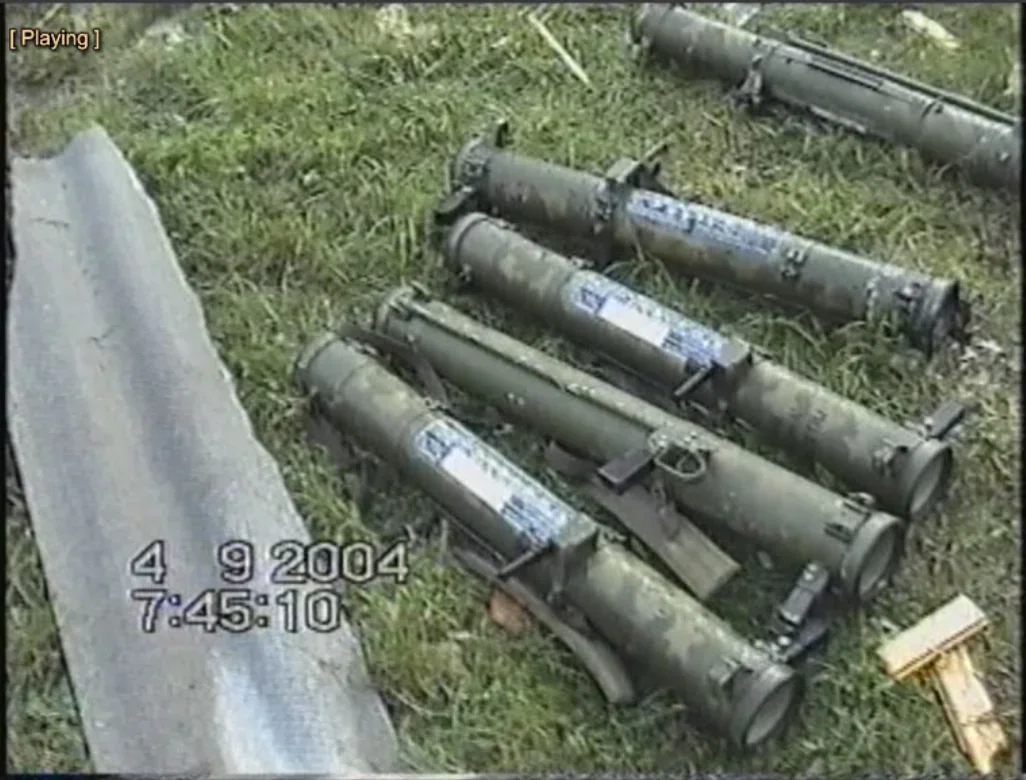
Версию о том, что спецназ применял огнеметы и танки поздно вечером 3 сентября, когда в школе не было живых заложников, следствие впервые озвучило в апреле 2005-го во время изъятия у потерпевших тубусов от огнемета РПО-А и РПГ-26, а затем — тубусов от РПГ-7В «Таволга» и РШГ-1.
С одной стороны, это был несомненный прогресс и большая победа потерпевших.
Следователи наконец перестали утверждать, что из огнеметов стреляли террористы. Но при этом они категорически отрицали, что оружие ближнего боя спецназ ФСБ использовал с первых минут штурма.
Хотя этот факт прямо следует даже из протоколов допросов, которые российское правительство передало в Страсбург (цитаты из этих протоколов).
DOCUMENT
Потерпевший Алексей Преображенский:
«Штурмовая группа, в состав которой я входил, применяла РПГ и РПО-А 3 сентября. Но кто применял и каким образом применял, я сказать не могу, так как передо мной стояла другая задача…»
Свидетель Сергей Катков:
«Мною осуществлялось руководство штурмовой группой, куда входили подчиненные мне офицеры. При проведении спецоперации применялись средства коллективного боя РПГ-26, РПО-А. По помещениям, где находились заложников, указанное вооружение не применялось. Отстрелянные боеприпасы были оставлены на месте происшествия, т.к. они являются одноразовыми. Средства коллективного боя РПО-А, РПГ-26 получались старшим офицером отдела со склада в/ч 35690, а затем выдавались сотрудникам штурмовых групп. Какие-либо записи о персональной выдаче не делались. По номерам средства коллективного боя не регистрируются, и поэтому сказать, у кого было вооружение конкретной серии и номера, невозможно».
Свидетель Александр Старченко:
«С 1 по 3 сентября принимал участие в операции по освобождению заложников в шк. № 1 г. Беслана РСО-А. Мною осуществлялось руководство штурмовой группой, куда входили подчиненные мне офицеры. При проведении спецоперации применялись средства коллективного боя РПГ-26, РПО-А. По помещениям, где находились заложники, указанное вооружение не применялось. Отстрелянные б/п были оставлены на улице у здания начальной школы. Какие-либо записи о персональной выдаче [средств коллективного боя] не делались…»
Потерпевший Максим Козлов
А вот как выглядит полный допрос потерпевшего Максима Козлова:
«При проведении спецоперации я применял РПГ-26, РПО-А по заранее выявленным огневым точкам и появившимся в процессе штурма . Заранее выявленные огневые точки располагались:
№ 1. Слуховое окно крыши школы (пулеметчик);
№ 2. Второй этаж, 3-й оконный проем (автоматчик-гранатометчик).
При применении данных средств по названным огневым точкам заложников в этих помещениях не было.
Второй раз я применял РПО-А в ночное время, примерно в 24.00. По группе террористов в производственных мастерских [южного флигеля] на 1-м этаже с направления спортзала. К этому времени из школы все заложники были выведены, в спортзале в этот момент сотрудники МЧС заканчивали вынос жертв. Все остальные помещения школы были заняты штурмовыми группами, террористы, по которым были применены РПО-А, были заблокированы штурмовой группой в названном помещении».
Именно последний абзац из протокола допроса Козлова ляжет в основу официальной версии следствия о стрельбе по школе из огнеметов поздно вечером 3 сентября. А затем перекочует в комплексную судебную экспертизу, в которой действия спецназа ЦСН ФСБ описываются следующим образом (стр. 63):
QUOTE
Из судебной экспертизы:
«Спецназовцы <…> вынуждены были действовать крайне осторожно, опасаясь причинить вред заложникам, огонь вели только одиночными выстрелами…»
На основе этой экспертизы будет вынесен отказ в возбуждении уголовного дела в отношении руководства и офицеров ЦСН ФСБ, принимавших участие в штурме школы. Отказ будет базироваться на отсутствии причинно-следственной связи между действиями спецназа и гибелью заложников. Эту версию дословно повторит и федеральная парламентская комиссия. Комиссия, начавшая так бодро, кончит за упокой и больше не будет задавать лишних вопросов о найденных ею же огнеметах.
Между тем самый важный момент в показаниях потерпевшего Козлова вообще никого не заинтересует.
Namely:
QUOTE
Потерпевший Максим Козлов:
«3 сентября в районе 13.40‒14.00 я получил закрытую черепно-мозговую травму и баротравму …»
Баротравма является типичным последствием стрельбы из РПО-А «Шмель» и других средств ведения ближнего боя . При этом особенно высока вероятность получения баротравмы в тех случаях, когда оператор ведет стрельбу из закрытого помещения .
QUOTE
Из журнала «Популярная механика», статьи «Реактивный огнемет: тест-драйв РПО-А»
«Всем хорош «Шмель», но тяжеловат (11 кг), и из него не рекомендуется стрелять из помещений объемом меньше 40 м³, так как получение баротравмы неизбежно. Хотя максимальную эффективность он показывает именно в городских условиях. Говорят, во время чеченской кампании один офицер, прикрывая отход своего отделения, произвел более десяти выстрелов из «Шмеля» как раз из помещения меньше 40 м³, за что получил звание Героя России…»
— так описывает результаты стрельбы из РПО-А «Шмель» интернет-журнал TechInsider / Популярная механика в статье «Реактивный огнемет: тест-драйв РПО-А» .
(Журнал регулярно рассказывает своим читателям о современном отечественном оружии. «Тест-драйв» «Шмеля» был организован при содействии Министерства обороны. )
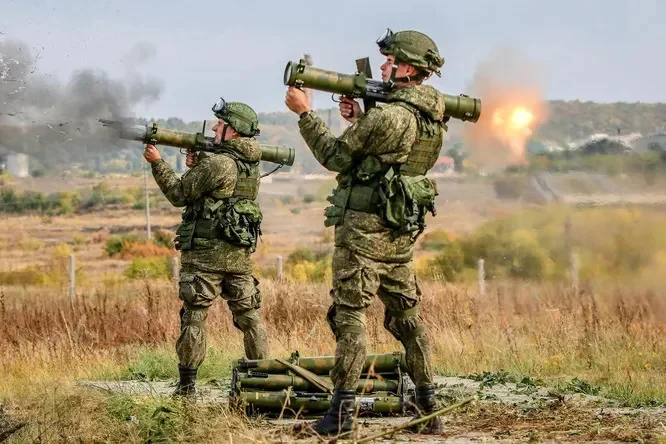
Этот момент ставит под сомнение следующий довод следствия:
DOCUMENT
Из доводов следствия:
«Стрельба из огнеметов и гранатометов по спортзалу не могла вестись с крыш пятиэтажек, так как они простреливались боевиками, а из закрытого помещения (квартиры, чердачного помещения) стрельба таким оружием не может производиться ввиду опасности для самого стрелка (в том числе высокой вероятности получения баротравмы, черепно-мозговой травмы и т.п.)».
О полученной во время спецоперации баротравме рассказал следствию еще один свидетель, Александр Савочкин . Что важно, никаких других ранений (минно-взрывных, осколочных или огнестрельных) ни Савочкин, ни Козлов в ходе спецоперации не получили. Козлов, что очевидно следует из его допроса, был в составе снайперской группы, дислоцировавшейся на крыше одной из трех пятиэтажек по Школьному переулку. Поэтому он не мог получить ранение непосредственно в школе во время штурма. О том, где находился Савочкин, нам неизвестно, но с высокой вероятностью можно предположить, что он также был в составе одной из снайперских групп.
В ходе допросов Козлова и Савочкина следователь не уточнил обстоятельства получения ими баротравм, хотя это было исключительно важно для выяснения причины первых взрывов в спортзале.
Так, Козлов дал показания о том, что получил баротравму в промежутке между 13.40 и 14.00 3 сентября 2004 года .
Однако в ходе открытого суда по делу Нурпаши Кулаева, на котором журналисты вели видеозапись заседаний и все эти записи находятся в публичном доступе, прокурор Семисынова озвучила иной временной интервал получения потерпевшим Козловым баротравмы — 12.00‒14.00 .
Время первых взрывов в спортзале — 13 часов 03 минуты — как раз укладывается в этот интервал.
The point of no return
Утром 3 сентября 2004 года бывшему президенту Ингушетии Руслану Аушеву и ингушскому бизнесмену Михаилу Гуцериеву , которых по согласованию с Кремлем привлекли к переговорам с террористами, удалось договориться о вывозе 17 трупов заложников, которых боевики убили 1 сентября и выбросили из окна второго этажа главного здания школы.
Четверо добровольцев — сотрудники МЧС
Замараев,
Кормилин,
Копейкин
Скоробулатов —
получили инструкции от главы УФСБ Андреева. Аушев и Гуцериев передали им телефон для связи с террористами и сказали, что боевики гарантировали безопасность. Спасатели связались по данному телефону с террористами и подтвердили разрешение на проезд машины МЧС к центральному входу школы. У входа ждали боевики, под их контролем спасатели перенесли первое тело убитого заложника в машину.
В 13.03 , когда спасатели направились за вторым телом, в школе раздался первый мощный взрыв. Через 23 секунды — второй.
Сотрудники МЧС, наблюдавшие за действиями коллег, работавших у школы, в своих показаниях рассказали о том, что после взрыва над школой появилось белое облако, а затем повалил черный дым. Вслед за первыми взрывами сразу же началась массированная стрельба.
Спасатели МЧС оказались на линии перекрестного огня. Дмитрий Кормилин был убит на месте, Валерий Замараев скончался в больнице от тяжелого ранения, Копейкин и Скоробулатов получили ранения, но остались в живых.
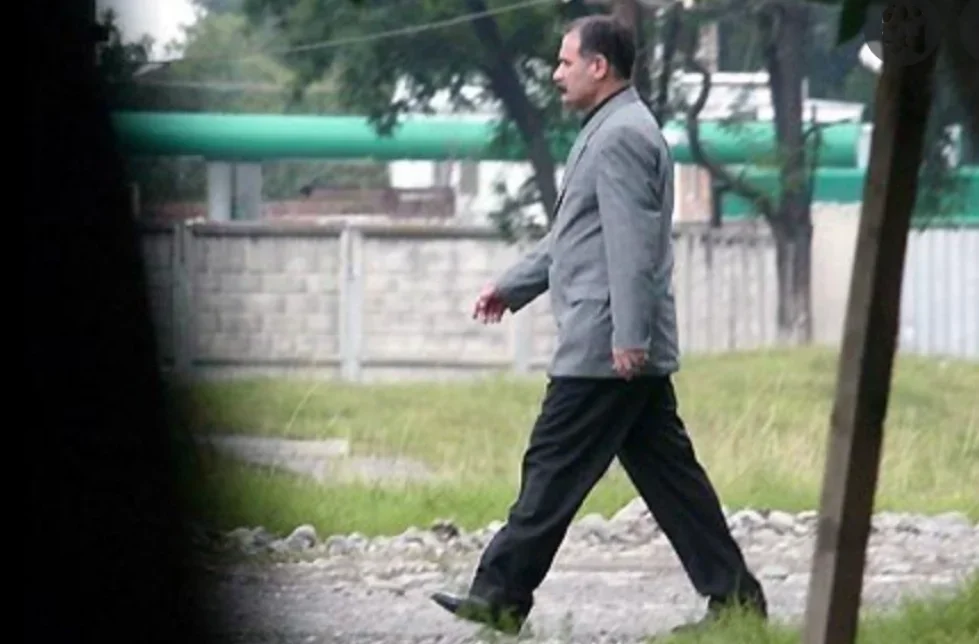
Взрывы в спортзале, полном заложников, были абсолютной неожиданностью для всех, в том числе и для террористов, о чем они сами сообщили Руслану Аушеву, который связался с ними сразу после начала штурма.
В этот момент почти все они, кроме остававшихся на своих позициях снайперов и пяти боевиков в спортзале, сконцентрировались в главном здании школы и следили за действиями сотрудников МЧС.
Мало кто понимал в тот момент, что случилось. Но осознание того, что это была точка невозврата, пришло ко всем очень быстро.
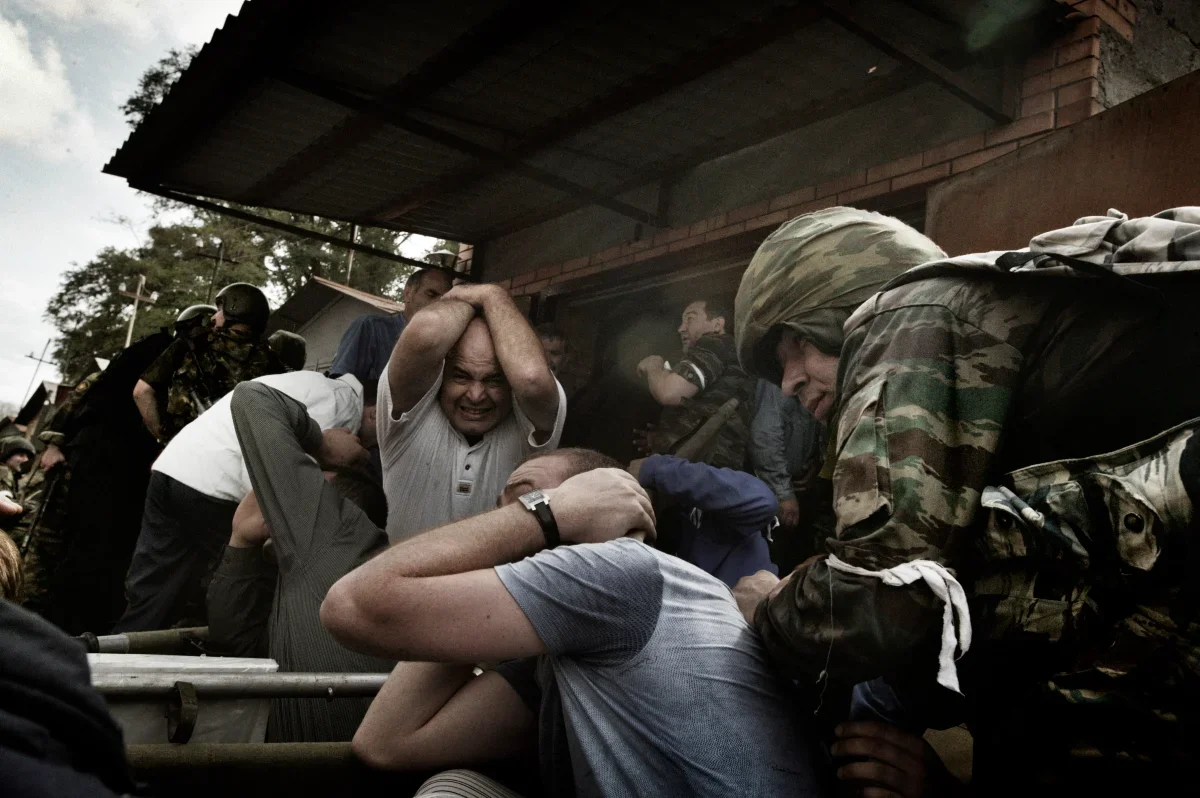
До 13.03 более 1000 заложников были живы. После взрывов начался штурм, в ходе которого погибли 334 человека. В том числе 186 детей, два сотрудника МЧС и 10 спецназовцев «Вымпела» и «Альфы».
Версии о причинах взрывов хаотически множились, в первую очередь самими официальными лицами и государственными медиа.
Вооруженные осетинские ополченцы, у которых не выдержали нервы, обстреляли школу, и террористы привели в действие свои бомбы.
Снайпер «снял» террориста, державшего ногу на педали-детонаторе.
Обессиленные заложники случайно задели и оборвали провод взрывного устройства.
Отклеился от жары и влажности скотч, которым взрывные устройства были примотаны к баскетбольным кольцам…
Спустя два месяца после теракта заместитель Генерального прокурора Николай Шепель в интервью газете «Известия» заявил о том, что «причина первых взрывов следствием установлена»:
QUOTE
Николай Шепель,зам Генпрокурора РФ:
«Мы долго искали ответ на этот вопрос. Взрывы никем извне не были спровоцированы, они произошли как будто спонтанно. Результаты судебно-химической экспертизы 30 трупов террористов подсказали разгадку.
Согласно заключениям экспертов, 27 бандитов употребляли различные наркотические вещества. Причем в телах 22 концентрация наркотиков втрое превышала смертельную для обычного человека дозу. То есть большая часть террористов были наркоманами со стажем, их организм адаптировался к «ударным» дозам зелья.
21 террорист кололся героином, один — морфием, трое курили марихуану, двое глотали наркосодержащие таблетки…
Экспертиза не обнаружила ни в одном трупе чистого героина, которым большинство террористов кололись. Он уже распался на морфин и кодеин.
Следовательно, как минимум за несколько часов до взрывов у бандитов закончились наркотики. Они находились 3 сентября в состоянии абстиненции (ломки). Именно этим объясняются их неадекватное поведение, повышенная нервозность
в тот день, замеченные многими заложниками. Известно, что во время ломки у наркоманов пропадает чувство страха. Под воздействием ломки террористу ничего не стоило «сойти» с кнопки на взрывателе…»
Два допроса сапера Набиева
В 2007 году неизвестный герой передал в Комитет «Матери Беслана» , созданный жителями Беслана осенью 2004 года, видеокассету, на которую были скопированы видеозаписи событий 1‒4 сентября 2004 года. Эти записи официально делал уполномоченный сотрудник прокуратуры. Вообще-то, они должны были быть приобщены к материалам дела.
Но, как пояснил потерпевшим жителям Беслана следователь Солженицын, следствие их… нечаянно потеряло.
Полагаю, основной причиной исчезновения записей стал самый первый допрос саперов 58-й армии — начальника инженерных войск полковника Набиева и его помощника подполковника Андрея Гаглоева .
На пленке, переданной анонимом «Матерям Беслана», есть фрагмент этого допроса.
…3 сентября в 13.00 Бахтияр Набиев и Андрей Гаглоев находились в 200 метрах от школы, около здания ПТУ. Когда прозвучали первые взрывы, как следует из допроса Гаглоева, саперы 58-й армии по собственной инициативе выдвинулись к школе и оказались в одной из пятиэтажек по Школьному переулку, где дислоцировались спецназовцы ЦСН ФСБ.
Примерно через 30‒40 минут после первых взрывов Набиев и Гаглоев пробрались в тренажерный зал, примыкающий к спортзалу и разминировали три неразорвавшихся самодельных взрывных устройства боевиков — пластиковые бутылки из-под кока-колы, начиненные пластидом и металлическими поражающими фрагментами. Затем Андрей Гаглоев и Бахтияр Набиев перешли из тренажерного зала в спортзал, где попытались разминировать еще две неразорвавшиеся бомбы террористов. Бомбу, висевшую на шведской стенке, удалось снять, но второе взрывное устройство было подвешено на баскетбольном кольце, и до него было не дотянуться.
В это время, по показаниям Андрея Гаглоева, возгорание перекрытия потолка еще не приобрело сплошной характер, и его можно было бы потушить:
QUOTE
Алан Гаглоев,подполковник, сапер 58-й армии РФ:
«Очаг возгорания был менее одного квадратного метра. Сначала мы не придали этому тлению [на потолке] никакого значения… Примерно через 30 минут угол [в северо-восточной части спортзала] стал гореть сильно, так как он был очень сухой и покрашен. Мы вышли на связь, чтобы прислали пожарную автомашину, однако пожарные не прибыли. В спортзале к этому времени в углу загорелся пожар. Мы попытались тушить этот пожар ведрами с водой, однако не смогли…»
Видеозапись допроса Набиева и Гаглоева была сделана сотрудниками прокуратуры сразу после того, как саперы покинули охваченный объемным пожаром спортзал (время и дата указаны на видеозаписи, что отчетливо видно из фрагмента этого допроса, который оказался в распоряжении потерпевших).
Из дословной расшифровки записанного на видеокассете фрагмента показаний саперов буквально следует:
1) провал в кирпичной стене под окном спортзала, образовавшийся после первых взрывов в спортзале, не мог возникнуть в результате детонации бомбы боевиков. По мнению Бахтияра Набиева (его голос отчетливо идентифицируется на записи), этот пролом появился в результате выстрела:
Из допроса Набиева:
«Дырка в стене не от этого взрыва. Видимо, кто-то стрелял <…> [нрзб]… Не от этого. Дырка в стене — нет…»;
2) этот вывод саперы сделали в ходе эвакуации раненых заложников, у которых не было характерных ранений от металлических поражающих элементов, которыми были начинены бомбы террористов :
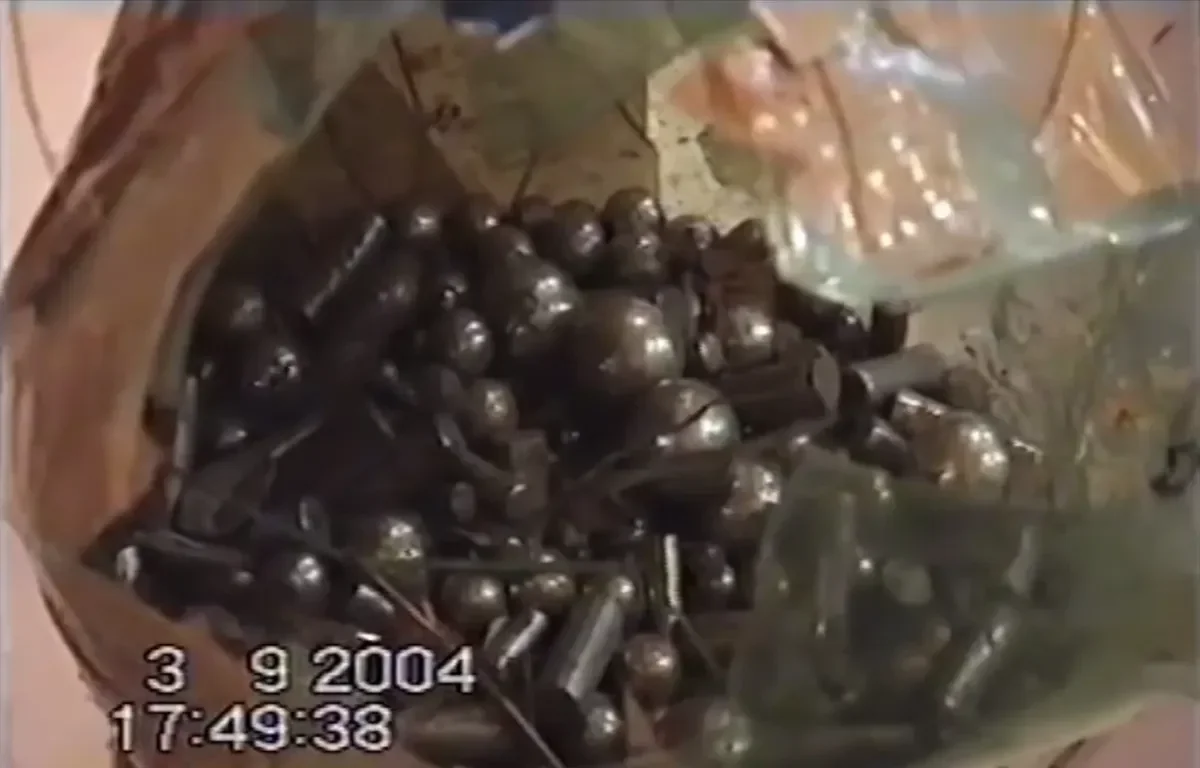
Из допроса Набиева:
«Мы буквально под этим делом, где взрыв произошел… вытаскивали детей, ни у одного видимых таких осколков нету…»
Следователь прокуратуры: Так в помещении не было взрывов, получается?
Набиев: В помещении пол…
(тут фрагмент допроса Набиева прерывается).
Again. Дата и время этих показаний ( 03.09.2004, 17 часов 49 минут ) зафиксированы на прокурорской видеосъемке. И это крайне важный момент, так как свидетельствует о том, что
уже 3 сентября у следователей появилась версия об обстреле спортзала извне, результатом чего могли стать первые взрывы.
Что следователи сделали с этой информацией, которую обязаны были проверить?
В материалах дела, направленных в Страсбургский суд, есть три допроса Набиева. Самый первый протокол допроса датирован 3 сентября 2004 года, время допроса: 17.40‒18.20. Именно в это время и велась та самая видеозапись, которая зафиксировала слова Набиаева: «Дырка в стене не от взрыва, видимо, кто-то стрелял».
Этих — ключевых — слов Набиева в бумажном протоколе допроса нет, что прямо указывает на то, что этот протокол изготавливался позднее видеозаписи и в бумажном варианте показания свидетеля были существенно отредактированы. И тот факт, что подписи на этом протоколе принадлежат самому Набиеву (аналогичные подписи стоят на всех протоколах с его участием), может говорить о том, что
начальнику инженерных войск 58-й армии очень быстро объяснили, какая версия первых взрывов — единственно правильная.
После первого, снятого на видео, допроса не пройдет и пары часов, как Набиев появится в вечерних новостях 3 сентября 2004 года. Явно волнуясь и от этого сильно коверкая русский язык,
Набиев скажет журналистам: «[Террористы] взорвали в спортзале. Предположительно взорвались баскетбольный круг над головой, которые там находились…»
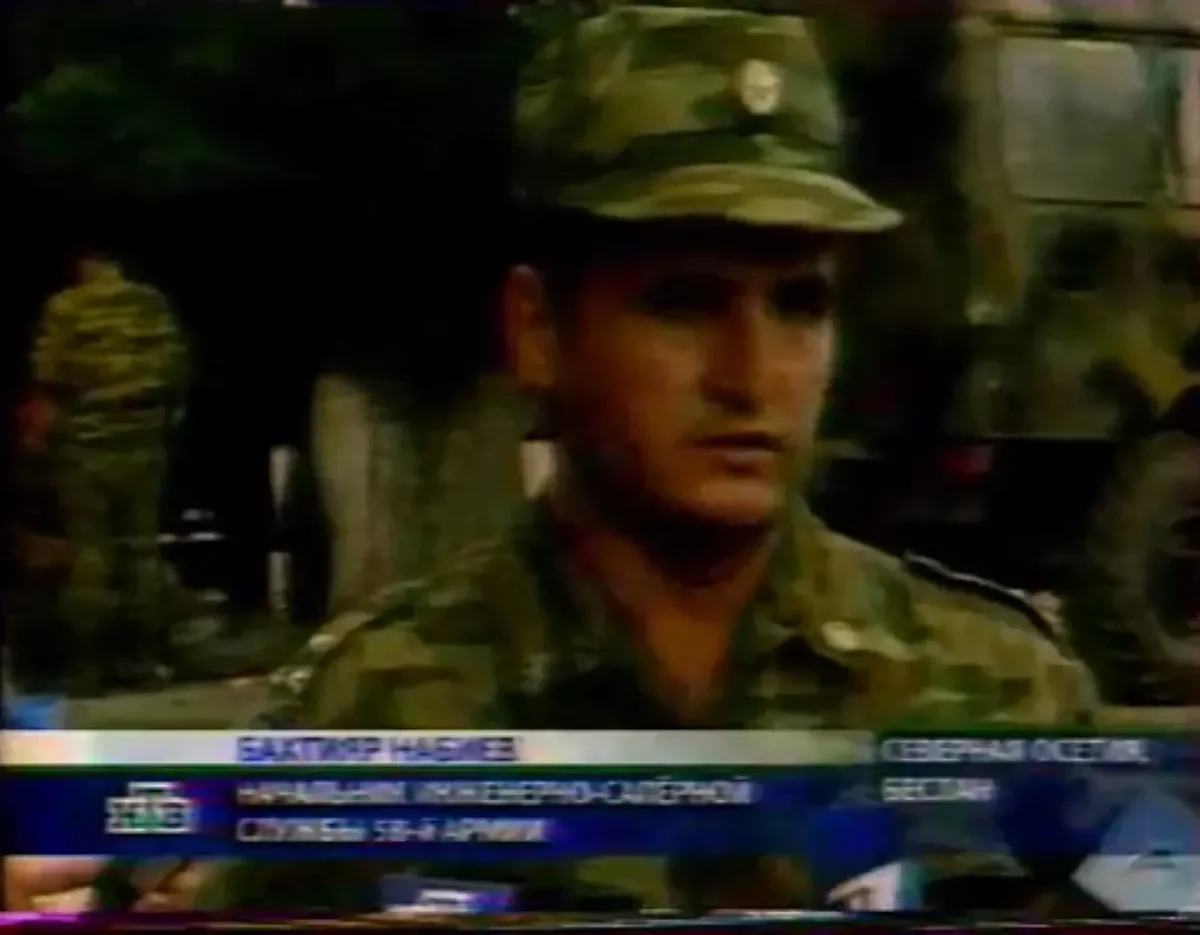
Слова Набиева «дырка в стене не от взрыва, видимо, кто-то стрелял» не будут фигурировать в материалах уголовного дела, как и видеозапись, на которой они зафиксированы, один из лучших саперов 58-й армии даст показания о том, что первым в спортзале взорвалось установленное на подоконнике самодельное взрывное устройство террористов (СВУ-«бутылка») мощностью 1,2 кг в тротиловом эквиваленте, волна от взрыва которого проделала пролом под окном в стене толщиной в два кирпича, не повредив при этом ни сам подоконник, ни переплет рамы окна.
Это — абсолютная чушь, которую позднее опровергнут сами следователи, а эксперты подсчитают, что такие разрушения могли быть следствием взрыва мощностью в пять раз больше «бутылки».
Полковник Набиев получит после Беслана награду за мужество, на суд по делу Кулаева для дачи показаний не придет, но и чушь про «баскетбольный круг над головой» и СВУ-«бутылку» больше никогда не повторит.
Вот отрывок из его интервью «Красной звезде» от 24 июня 2005 года.
Из интервью сапера Бахтияра Набиева, 2005 год
«— В прессе и сегодня немало разнотолков по поводу двух первых взрывов, произошедших в школе с интервалом буквально в секунды. Они, по сути, стали сигналом для начала штурма. Не могли бы вы прояснить ситуацию?
— Я точно не знаю, почему это произошло. Меня в это время в школе не было. Но считаю, что первые взрывы — случайность… Ведь как потом мы выяснили, в их эпицентре оказались сразу пять боевиков. Ну не могли же они подорвать себя специально? And at the same time.
— Сколько всего взрывоопасных предметов в бесланской школе было обезврежено вашими подчиненными?
— Мы сняли десять самодельных взрывных устройств, четыре мины, разминировали два «пояса шахида»… Кроме того, там же мы обнаружили 24 огнемета «Шмель»…»
Ацетоновые смывы
Первые экспертизы касательно причин взрывов в спортзале следователи назначили только год спустя после теракта — в августе 2005 года. И это тоже крайне важный момент. Обвинительное заключение по делу Кулаева было передано в суд в апреле 2005 года. В нем утверждается, что гибель заложников наступила в результате взрыва самодельных взрывных устройств боевиков. По закону это надо было доказывать. Доказательства — это не голословные предположения следователей (которые не являются специалистами по взрывотехнике), а заключения экспертов. Но в уголовном деле таких доказательств не было.
Суд, в свою очередь, не обратил внимания на отсутствие важнейших для установления обстоятельств гибели заложников экспертиз и не вернул дело прокуратуре на доследование.
И только когда в суде по Кулаеву потерпевшие стали задавать свидетелям вопросы о непосредственной связи между стрельбой из огнеметов и гранатометов, первыми взрывами и пожаром в спортзале, следствие вынуждено было озаботиться получением этих доказательств.
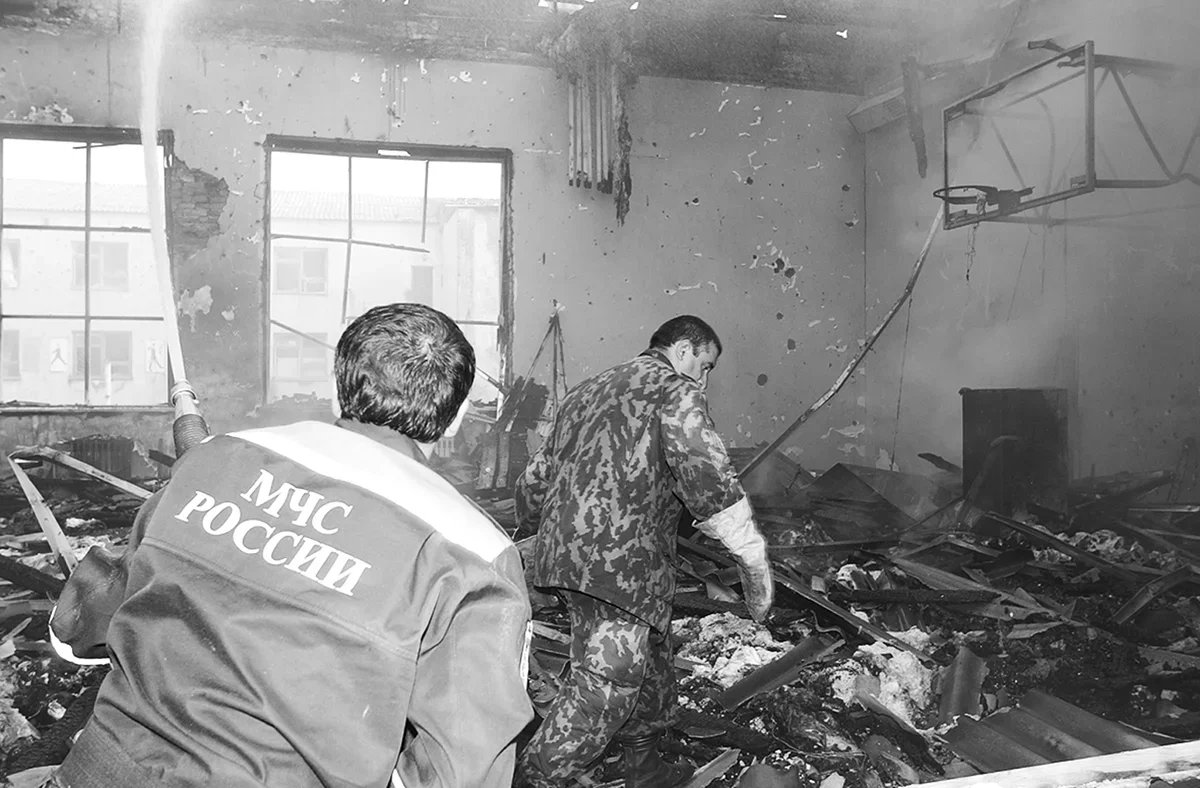
В августе 2005 года следствие назначило сразу две экспертизы —
взрывотехническую , ее проводили сотрудники Института криминалистики Центра специальной техники ФСБ,
и пожаротехническую , которую проводили специалисты Российского федерального центра судебной экспертизы Минюста.
Обе экспертные организации считаются лучшими в России. Но в том, что касается взрывов, безусловно, квалификация экспертов ФСБ не имеет себе равных.
Но вот что странно: в бесланском деле именно экспертиза ФСБ оказалась самой слабой. Сотрудники экспертной лаборатории взрывотехнического отдела Института криминалистики Центра специальной техники ФСБ, по сути, повторили абсолютно бредовую «версию Набиева»: пролом в стене под окном стал результатом взрыва установленной на подоконнике СВУ-«бутылки» мощностью всего 1,2 кг в тротиловом эквиваленте.
Даже эксперты Минюста постыдились делать такие выводы. В своей экспертизе, которая проводилась параллельно с экспертизой ФСБ и базировалась на тех же данных следствия, которые поступили в КЦ ФСБ, эксперты Минюста выдвинули иную версию причин первых взрывов. Эксперты исходили их того, что такие повреждения в стене спортзала могли образоваться от взрыва бомбы мощностью в пять раз больше СВУ-«бутылки», и находиться она должна была не на подоконнике, а на стуле в полуметре от стены. В таком виде версия образования пролома в кирпичной стене от взрыва бомбы террористов выглядела более реалистичной. Но проблема в том, что у террористов, как это следует из материалов дела, которые следствие направило экспертам, таких мощных взрывных устройств вообще не было.
В 2006 году было опубликовано «особое мнение» члена федеральной парламентской комиссии по Беслану, доктора технических наук Юрия Петровича Савельева . Он не оставил камня на камне от обеих экспертиз, после чего следствие в 2007 году вынуждено было провести третью официальную экспертизу математического моделирования первых взрывов. (Третья экспертиза признала правоту Савельева в той части, где он опровергает заключения и ФСБ, и Минюста.)
Тогда же следствием был допрошен и начальник экспертной лаборатории взрывотехнического отдела Института криминалистики Центра специальной техники ФСБ, проводивший взрывотехническую экспертизу. В этом допросе (был предоставлен в Страсбургский суд самим российским правительством) эксперт Алексей Сапожников , по сути, свалил вину за свою некачественную работу на следствие. Он сообщил, что следствие не предоставило экспертам показания заложников о месте и последствиях первых взрывов в спортзале. Besides,
как оказалось, следствие сообщило экспертам ФСБ неправильные размеры самого спортзала, которые не позволили точно рассчитать объем разрушений и количество взрывчатого вещества, способного их вызвать.
Поначалу, когда Сапожников жалуется, что следствие ввело в заблуждение экспертов-взрывотехников, складывается впечатление, что это говорит человек, который бесланскую школу в глаза не видел. Но на второй странице допроса Алексей Сапожников неожиданно сообщает, что был в Беслане 3 сентября 2004 года и лично слышал первые взрывы. И этот факт объясняет многое, до той поры остававшееся неясным.
Теперь становится понятно, о какой таинственной группе «взрывотехников ФСБ из Москвы» рассказывал на суде по Кулаеву сапер 58-й армии Андрей Гаглоев:
Из допроса Андрея Гаглоева,военного сапера:
— Взрывотехников вы тоже не видели? — задает вопрос потерпевший Есиев.
- No, I didn't. Я видел их на следующий день ( 4 сентября . — Е.М. ). Мы участвовали уже в обследовании школьного здания. А до этого… Понимаете, нас не стыкуют, у них очень закрытая структура.
— Значит, вы разминировали сами по себе, они сами по себе?
— Я знаю то, что я делал. А то, что они делали, я не знаю. А вообще, заниматься самодельными взрывными устройствами не наша работа. Армия занимается в таких условиях только неразорвавшимися боеприпасами.
— А кто этим должен заниматься?
— Занимается специальная структура. Есть в ФСБ взрывотехники, которые занимаются вот обезвреживанием самодельных взрывных устройств.
— А они находились там, когда вы были?
— Из этих людей не было… Эта группа находится, по-моему, в Москве. Прибыли они [в Беслан]… Я их, по крайней мере ночью, уже видел, они были на месте. Чем они занимались, я просто не знаю. Вдруг они выполняли какую-то ответственную работу?..
Так какую же ответственную работу выполнял в Беслане начальник экспертной лаборатории взрывотехнического отдела Института криминалистики Центра специальной техники ФСБ и его коллеги?
К сожалению, следователь этот вопрос не задал. Но из пояснений сапера Андрея Гаглоева можно предположить, что главной задачей взрывотехников ФСБ в Беслане могло быть обезвреживание самодельных взрывных устройств террористов. Кроме того, логично было бы включить криминалистов-взрывотехников ФСБ (одних из лучших специалистов в стране) в состав экспертов для осмотра места происшествия бесланской школы, потому что это — «одно из важнейших следственных действий, направленных на объективную фиксацию обстановки места расследуемых событий, обнаружение, фиксацию и изъятие материальных следов преступления» (эту цитату можно найти в любом учебнике по криминалистике).
Но разминированием школы официально занимались саперы 58-й армии и МЧС. А осмотр школы проводили следователи североосетинской прокуратуры и эксперты осетинского МВД, как если бы это был взрыв газа в придорожной кафешке, а не самый кровавый теракт в истории России.
Сам осмотр был сделан с таким количеством нарушений, что его «информативность» оказалась, по сути, нулевой. Но это — вовсе не вина осетинских следователей и экспертов.
Важнейшим принципом осмотра места происшествия является фиксация той обстановки, которая реально возникла на момент совершения преступления. Именно поэтому место происшествия строго охраняется, а все действия производятся только уполномоченными следователями лицами и только — под протокол.
Школа № 1 (да и весь Беслан) была очень тщательно оцеплена после штурма. Беслан — понятно почему. Ждали ночного визита президента Путина.
Школа же была оцеплена совсем не для того, чтобы сохранить в целостности объективную картину преступления. Как только 3 сентября стемнело, в школе начались работы, которые к расследованию преступления имели весьма далекое отношение.
Они велись всю ночь и продолжались даже в то время, когда следственная группа во главе со следователем республиканской прокуратуры Феликсом Цоковым, экспертами и понятыми приступила к осмотру места происшествия — в 7 часов 45 минут 4 сентября.
В результате этой ночной активности из школы были вынесены важнейшие вещдоки, включая оружие боевиков. Все тела заложников, убитых в ходе штурма в столовой, в классах главного здания и в мастерских южного флигеля, были перенесены во двор школы. Сам южный флигель, в котором погибло большое количество заложников в ходе штурма, ночью с 3 на 4 сентября был фактически полностью разрушен выстрелами из танков и огнеметов и сожжен (как следует из Акта о пожаре от 4 сентября 2004 года, составленного отделом госпожнадзора Правобережного района РСО-А). Еще дымящиеся руины вместе с фрагментами тел заложников и их вещами погрузили в КамАЗы и вывезли на свалку. Руководил процессом погрузки и вывоза «мусора» тогда еще министр МЧС Сергей Шойгу.
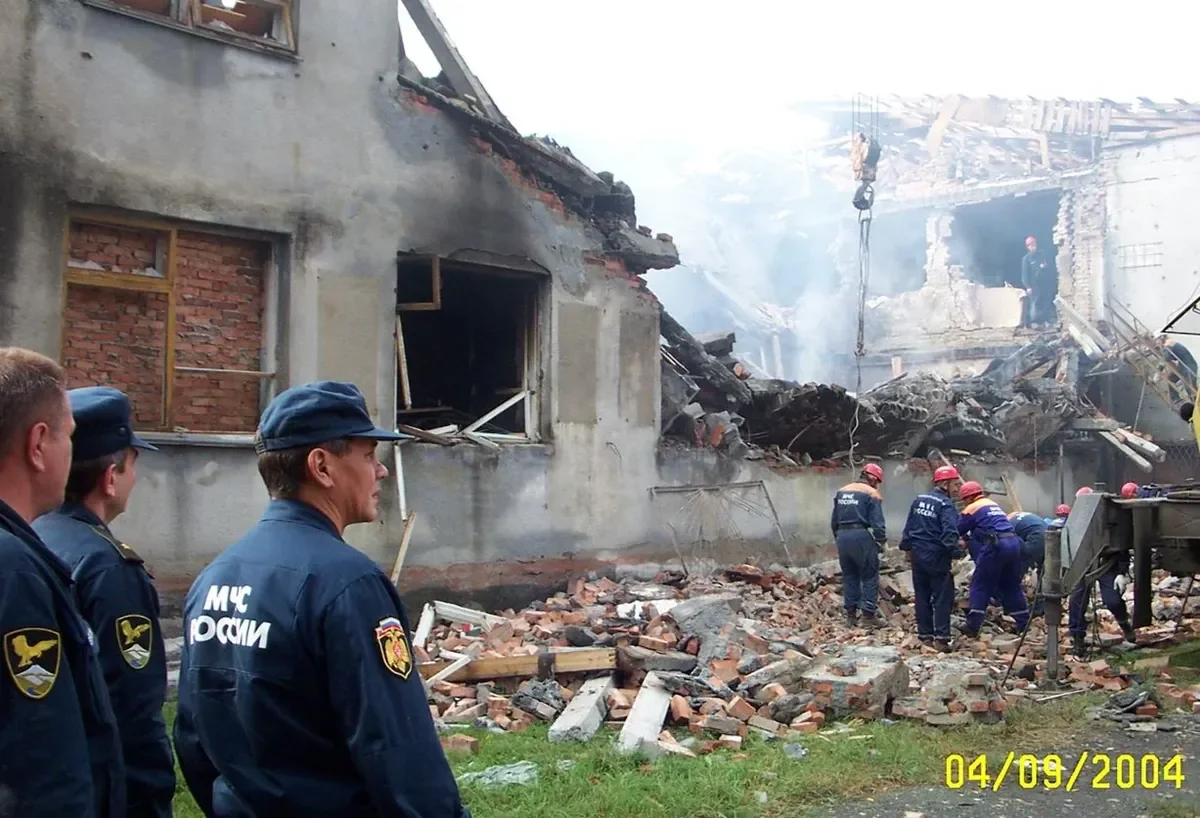
Besides,
все оставшиеся после первых взрывов «информативные вещественные доказательства», как следует из материалов уголовного дела, в частности, из заключения Института криминалистики Центра специальной техники ФСБ, «были вывезены из спортзала вместе с остальным мусором, образовавшимся после пожара».
DOCUMENT
Из уголовного дела,заключение Института криминалистики ЦСТ ФСБ:
«Отсутствие среди объектов, изъятых с места происшествия, фрагментов одежды потерпевших, фрагментов строительных конструкций, подверженных взрывному воздействию, ацетоновых и водных смывов со строительных конструкций не позволяет экспертам химическими методами исследования установить вид взрывчатого вещества, использованного для взрыва».
И вот эта цитата, на самом деле, самое ценное, что есть в экспертизе ФСБ. Потому что она указывает на ужасную вещь: следствие по какой-то причине на самом первом этапе расследования не провело базовых криминалистических исследований, направленных на выяснение подлинных причин первых взрывов в спортивном зале бесланской школы . Ведь главный вопрос, который следователи должны были поставить перед экспертами уже на следующий день после штурма, а не год спустя, такой:
какое именно взрывчатое вещество сдетонировало в спортзале?
Современная криминалистика позволяет достаточно легко это выяснить. Для этого экспертам в ходе осмотра места происшествия (в нашем случае спортзала школы № 1) надо было изъять информативные вещественные доказательства, то есть предметы, которые оказались в радиусе воздействия взрыва и на которых остались следы взрывчатого вещества: одежду заложников, куски шифера, утеплителя, лексановых пластин, которые взрывом разбросало по всему двору…
Сделанные с них водные и ацетоновые смывы затем необходимо было исследовать химическими методами (например, методом тонкослойной хроматографии и инфракрасной спектроскопии), что позволило бы с большой точностью выявить следы пластида, которым были начинены СВУ-«бутылки», или гексогена и тринитротолуола (литого или военного тротила), на основе которых делают фугасные системы и мины ОЗМ-72 (несколько СВУ террористов были переделаны из таких мин).
Но самое важное, химический анализ позволил бы за считанные минуты выявить наличие либо отсутствие следов алюминия и магния, которые входят в состав огнесмеси термобарических снарядов для гранатометных систем (РПО-А «Шмель», РШГ-1, РШГ-2 и др.).
Так почему в Беслане следователи упустили из виду такую очевидную вещь?
И почему лучшие в стране криминалисты-взрывотехники не принимали участия в первичных (самых важных!) следственных действиях по делу о самом страшном теракте в России?
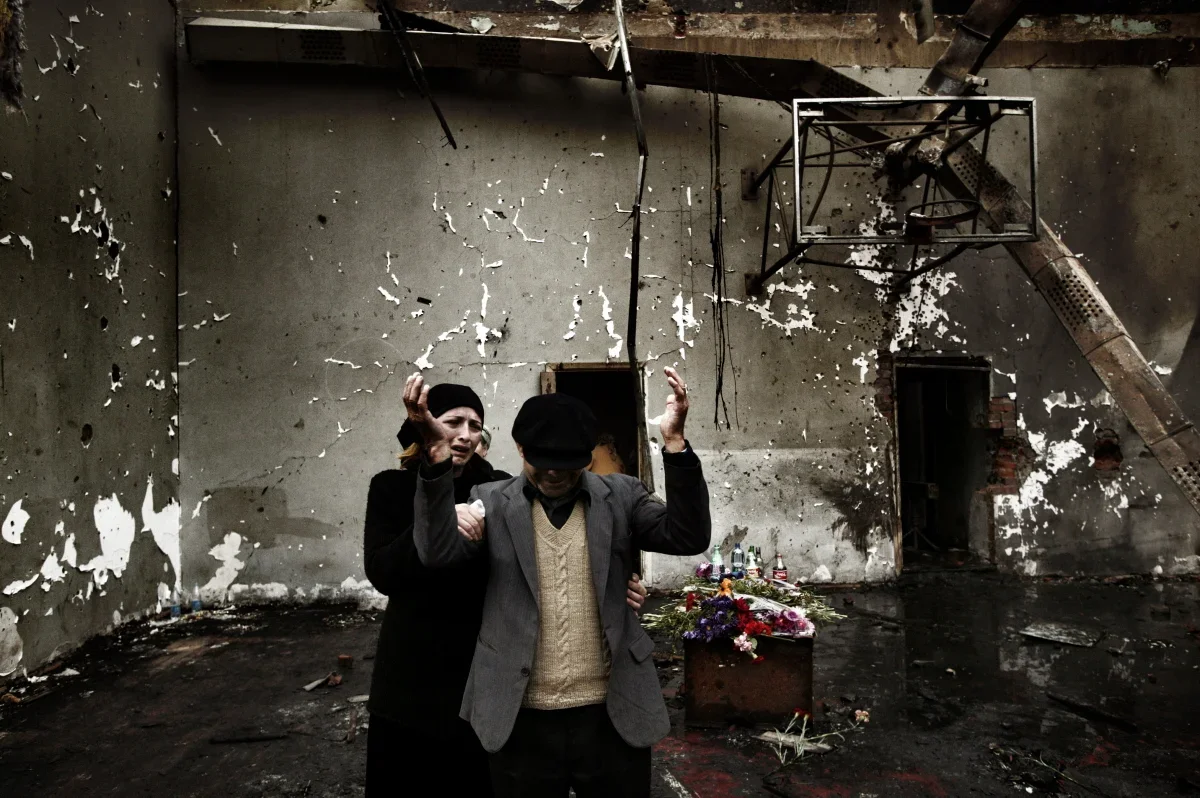
Все эти годы о причинах первых взрывов в бесланской школе было много споров, были выдвинуты десятки версий, был задан миллион вопросов.
Но на самом деле все эти годы мы формулировали неверно, и главные вопросы Беслана должны звучать так .
Почему не изъяли в спортзале вещдоки со следами взрывчатки?
Почему не сделали ацетоновые смывы?
Почему следствие назначило первые экспертизы по взрывам только через год после штурма школы?
Что делали в Беслане криминалисты-взрывотехники ФСБ?
…Уничтожить следы преступления в бесланской школе без взрывотехников было бы невозможно, потому что сначала школу надо было обследовать на наличие взрывных устройств. Но саперы 58-й армии приостановили разминирование школы вечером 3 сентября, когда в ней еще оставались необезвреженные взрывные устройства (показания сапера 58-й армии Андрея Гаглоева), а саперы МЧС приступили к работе только утром 4 сентября.
Получается, только взрывотехники ФСБ могли сопровождать ночные работы в бесланской школе, которые, как мне кажется, точнее было бы называть «зачисткой» места преступления.
Примечания и сноски
Примечания и сноски
* Филолог по образованию, Петр Васильев работал на Иновещании Гостелерадио СССР, учился в аспирантуре факультета журналистики МГУ, а с 1993 по 1998 годы — в школе журналистики массовых коммуникаций Университета Колорадо, где защитил кандидатскую «Перестройка, гласность и активные мероприятия в период правления Горбачева». Одним из рецензентов кандидатской Васильева стал бывший советский разведчик, дослужившийся до должности начальника Первого главного управления КГБ СССР (внешняя разведка) Леонид Шебаршин. В 2000 году у Васильева заканчивается американская командировка, и с 2001-го по 2003-й он — исполнительный продюсер НТВ. Это как раз время разгрома медиа-холдинга олигарха Гусинского и его главного актива — НТВ. В 2003 году Васильев перешел на ВГТРК и был командирован в Чечню, где «курировал работу ГТРК «Вайнах» и принимал активное участие в становлении государственно-правовых институтов республики: выборы Ахмад Хаджи Кадырова, амнистия пожелавших сложить оружие боевиков, выборы Алу Алханова, потом Рамзана Кадырова. В это же самое время Васильев на общественных началах становится советником пресс-секретаря президента России Алексея Громова.
** Современные огнеметы появились в 1975 году. Они пришли на смену струйным огнеметам (традиционному вооружению войск радиационной, химической и биологической защиты РХБЗ), но являются по своей сути гранатометными системами, так как в их конструкции используется аналогичный гранатометному принцип отстрела снаряда из пускового устройствам (реактивный двигатель). В огнеметах используются снаряды с термобарической боевой частью (принцип их действия — распыление и подрыв аэрозольного облака горючей смеси на основе магния), а также зажигательные и дымовые. Термобарические снаряды используются и в современных гранатометах (РШГ-1, РШГ-2 и прочие). А огнеметами или гранатометами эти гранатометные системы называют в силу сложившейся в армии традиции — в зависимости от того, кто является заказчиком разработки оружия. Так, изделие называют огнеметом в том случае, если заказчиком выступает Управление войск РХБЗ МО РФ, а гранатометом — если заказчиком является Главное ракетно-артиллерийское управление (ГРАУ МО РФ). Огнеметы, как и гранатометы, относятся к средствам ведения ближнего (коллективного) боя.
*** Из протокола допроса командира разведовательно-десантного взвода в/ч 12356 Андрея Шуварикова: «<3 сентября>…я раздал военнослужащим РДР <разведовательно-десантной роты> …противогазы, выданные мне начальников хим. службы…Противогазы были выданы по приказу командующего и командира «Вымпела»…Это было сделано для избежания отравления личного состава РДР, так как при планировании мероприятий по освобождению заложников, в том числе планировалось и применение химических веществ, доставленных из Москвы специалистами<-химиками>…»
**** Данные о номере войсковой части, ее адрес, ИНН, род деятельности, ФИО руководителя являются публичной информацией, их легко найти в интернете.
Do not miss
This text will be released in the next, fourth, number "New Story Gazeta"