
Translated material
An annoying prince
What will be the reign of the new British king Charles III
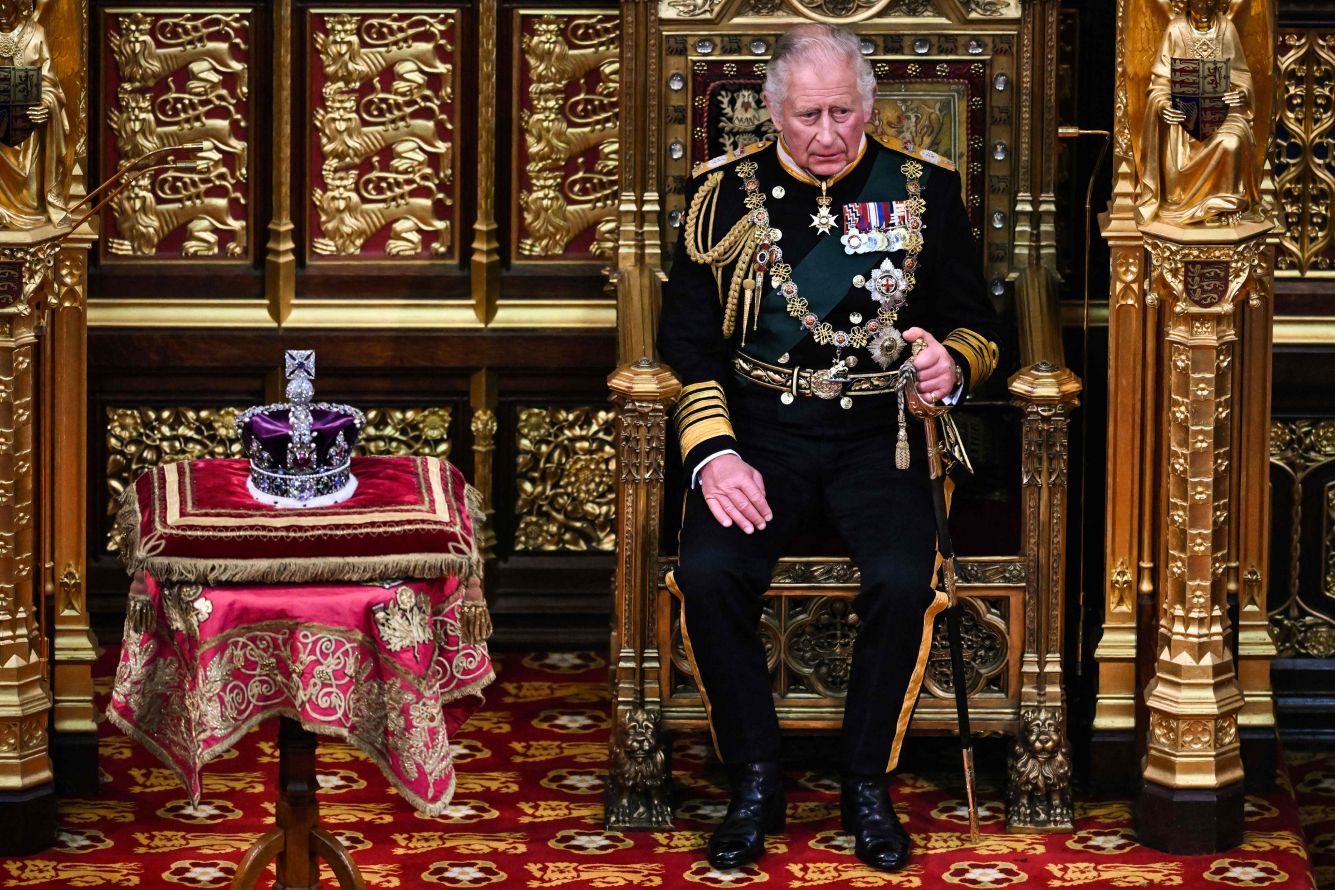
At the time of the death of Queen Elizabeth II, her son Charles became the new monarch of the United Kingdom of Great Britain and Northern Ireland. Although in English his royal name does not differ from the “civilian”, among the Russian -speaking ones he is now known as Charles III. Charles-Carl is a kind of “champion” among all the successors of the British crown. Officially, he spent 64 years as a prince of Wales (the title with which the monarch awards the future successor). And just the eldest son of the ruling monarch, he was even longer - 70 of his 73 years. His habits, character and interests have been formed for a long time and are already well known so that one can make assumptions about how Charles III will be the king - and how they correspond to the challenges facing the British monarchy in the 21st century.
The new king had more than anyone, to prepare for this role. For example, almost 50 years more than that of his mother, who became a queen of 25 and was forced to rely on advisers in many respects in many ways. 70 out of 73 years of age (Elizabeth II became a queen, when her eldest son and heir was three years old) was enough Charles to memorize the entire royal protocol, up to the fulfillment of the direct functions . For example, the queen's traditional appeal to parliament in 2022 was already read by Charles.
In addition, King Charles III, while by Prince Charles, developed his own circle of interests, including political, and opinions on a variety of issues - from urban planning to genetically modified products - which he is not shy about publicly. First of all, he is deeply involved in the problems of climate change and for decades discusses them in articles, books and public speeches . Not so long ago, Charles even stated that he “understands the anger” of radical eco -activists, blocking the roads in protest against the inaction of world leaders and companies (although he did not agree with their methods).
This Prince Charles has repeatedly given a reason to doubt the political neutrality expected from the king. All his reign, his mother Elizabeth II carefully avoided participation in any political disagreement. Although she once admitted that it was not averse to “turning someone's point of view in the direction that they might have not guessed about”, talking about weekly meetings with the Prime Ministers.
Charles is much more active and more public than his mother, participated in the work of the state - far beyond the boundaries of strict protocols and traditions of non -interference. In 2015, British journalists achieved the re-scribble of Charles correspondence with the Prime Ministers, Government ministers and parliamentary deputies: the prince promoted the initiatives close to him, mainly environmental, or expressed an opinion on political issues.
For the rumors that went about this and earlier, the press called Charles a "annoying prince." However, he himself always understood that activism does not meet the requirements for the highest royal person, therefore, to the journalist’s question in 2018, whether he would also openly speak out on the topics that are exciting him, when he became the king, replied : “I am not such a fool.”
The British king needs to think about relations not only with the people and his chosen representatives. The “special relationship” of the United Kingdom and the United States, built centuries of diplomacy and allied, is unlikely to threaten something. But Elizabeth II played the most important role of the “soft power” in the conquest of the sympathies of the American public - Karl III will not be enough her popularity. The publication Politico writes that non -conflict, “marshmallow” royal diplomacy fascinated not only many of the fifteen presidents with whom Elizabeth II met during the reign, but also most ordinary Americans . Moreover, regardless of their party preferences: in about 70% of the US residents surveyed, the queen caused positive emotions, despite the fact that the former North American colonies once conquered their independence from the British crown.
Due to his rather radical progressive views, Charles III (even if it will continue to keep them with him) is unlikely to acquire new friends among Americans. Ecology issues in the United States are an extremely politicized topic; In 2019, 90% of democrats and only 36% of the Republicans believed that the country's authorities do not suffer enough to reduce the negative effects of climate change. In other matters of British foreign policy, Karl will have to deal with the former empire , the breakdown of which is still ongoing. For example, in June 2022, Barbados abandoned the British king as a formal head of state (now it is a republic). Also, Charles III will inevitably have to face the question of the Chagos archipelago , which his former indigenous inhabitants will probably raise again in international courts.
The London CNN correspondent Max Foster writes that the prince was always too impatient in his memory if something went not according to his plan (but he was always reassured by the wife of Camilla Parker Bowls-now the sailing queen ). This is also reflected in his public image: in the play “King Charles III”, the playwright Mike Bartlett (premiere in 2014) Charles, ascending the throne after the death of his mother, immediately provokes the political crisis, refusing to sign the bill on freedom of the press, and in the end is forced to reject from the throne in favor of his son William.
At the same time, King Charles III got a difficult inheritance from his mother: in the royal family herself - two loud scandals at once. The first is around his brother, Prince Andrew, who is accused of using Jeffrey Epstein's pimility. For this Andrew - at the personal insistence of Prince Charles - was deprived of the title of Royal Highness, a number of other titles, as well as privileges, like the right to participate in the ceremony of awarding knights of the royal garter. The second scandal is associated with the youngest son of Charles Harry - who himselfpublicly broke with relatives, having left to live in California with his wife, actress Meghan Markle.
According to surveys of the second half of 2022, Prince Charles was only the seventh most popular among the British member of the royal family after his son William - only 42% of respondents experienced positive emotions from Charles. Partly the low popularity of Prince Charles in the kingdom and beyond is still associated with his infidelity to the first wife, Princess Diana (treason was mutual , but Diana nevertheless has been stably higher than her ex -husband in the ratings of the popularity of the royal family, and in the United States she is generally in the first place in front of Elizabeth II).
For several years, the British commentators have been discussing rumors that Charles is going to force the monarchy to “lose weight” : to make it more affordable to the people, as well as a less costly for the state and subject to scandals - even if several more members have to excommunicate from the royal family. In any case, writes the Columonist of the British newspaper The Guardian Simon Jenkins, the rule of Charles III will be anything but not boring.