
Translated material
"Death to the dictator!" - Protest continues in Iran
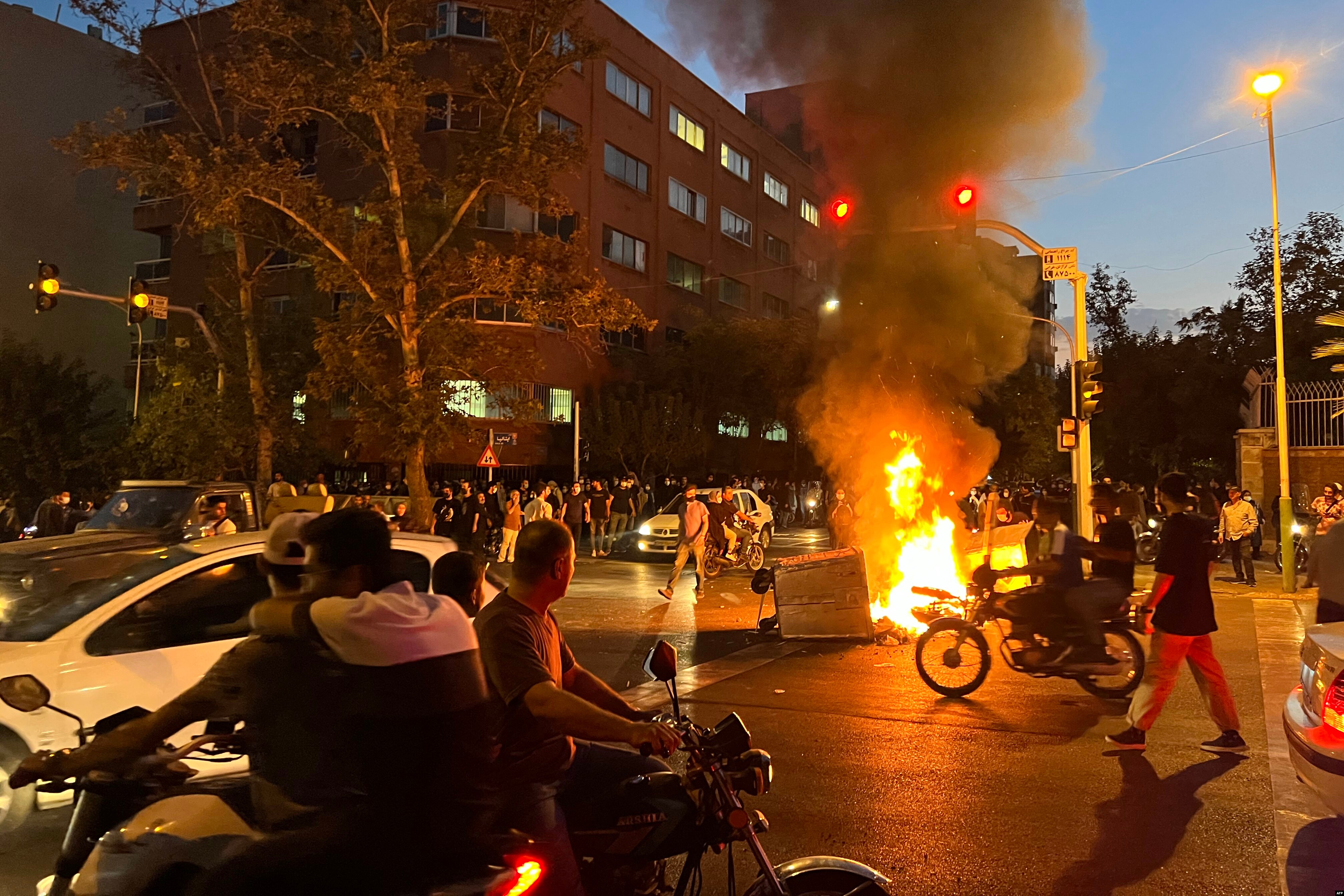
Protesters in Iran began to shout out anti -government slogans "Death to the dictator!" And “Khamenei will be overthrown!” Aimed at the leader of the country - the great Ayatolla Ali Hameni. For such statements, protesters can arrest, imprisoned and even sentenced to death.
Protests in Iran, including in the capital of the country-Tehran, began after the death of the 22-year-old defender of women of Mahsa Amini from the Kurdish minority. On September 13, she was detained by the police police for a failed hijab, a few hours later, Amini was hospitalized in a state of coma, and three days later they announced her death due to a "sudden heart attack."
According to eyewitnesses quoted by the UN Human Rights Office, the police beat Amini with their heads on the car and beat it with batons. According to Amini's relatives, she never had heart problems, they also did not allow them to see Amini's body before the funeral.
Hundreds of Iranians, including many young people, took to the streets of Tehran, sexes - the hometown of the girl - and other cities, protesting against the police violence and wider - against the brutal struggle of the Iranian authorities with dissent.
During the protests, several women tore off their hijabs and defiantly twisted them in the air, two protesters publicly burned them, also women cut their hair in protest. At some demonstrations, the police used tear gas, the guards beat the protesters of batons, the sounds of shooting were heard. The protesters set fire to the tires and threw stones at the police. It is known about at least two dead and 25 victims during protests.
Iranian leaders promised to investigate the death of Amini. In protests, they accused foreign intervention without specifying the names of interfering countries, and the opposition from abroad: they allegedly used Amini's death to incite public unrest.
Similar rhetoric is used by the leaders of many authoritarian countries whose citizens go to protests, demanding compliance and expand their rights.
- According to the rules adopted after the Iranian Revolution of 1979, women are obliged to modestly dress in public, wear a hijab and a long free robe. Compliance with the rules is monitored by the police police, which includes both men and women.
- The previous President of Iran Hassan Rukhani accused the morals of “excessive aggressiveness”. In 2017, the head of the police said that women would no longer be arrested for violation of the dress code.
- Since August 2021, since the beginning of the presidency of Ibrahim Raisisi, the situation has again become tight. The UN Human Rights Office reports that the customs of morals insults young women, gives them slap in the face, beats with batons and pushes into police cars.