
Translated material
They will not freeze
How Europe is going to carry out an energy gap with Russia
In the Brussels opera La Monnaie, the season was opened by the “Queen of Spades” by Pyotr Ilyich Tchaikovsky, from January they will give him “Evgeny Onegin”, and in June-July-Dmitry Shostakovich’s “nose”. A similar picture in Milan La Scala. In the political season, the report “On the state of the Union”, which was made by the head of the EU Executive Board, Ursula von Lyain, focused on the report on September 14. In the first case, Europe confirmed that it feels Russian culture part of its own. In the second, she stated that in the foreseeable future she sees Russia on the other side of the barricade who divided the world. This conviction was even more strengthened after strengthening the Russian special operation in Ukraine at the end of September.
In the center of the Epiphany's Message Commission, the deputies of the European Parliament in Strasbourg were, on the one hand, the solidarity with Ukraine as a related European country, and on the other, a breakdown of energy dependence on Russia and the accelerated reform of the EU energy market. Culture joined Klinch with military conflict and gas.
The political old-timers in Brussels recalled the oil crisis of the 1970s, when European countries, due to the Arab-Israeli war, were cut off from traditional oil sources. They stated that Europe got out of that crisis more powerful and technologically advanced, but did not extract the proper lessons. Therefore, again, Europeans at the level of households and enterprises have to rethink, what to ride, how to build houses, than and how to heat them.
Von der Lyain called the war against energy, economics, values and future Europe. A clash between authoritarianism and democracy. As the head of the leading structure of the EU (and as a German) she repented that old Europe did not listen in time to those who knew more:
- to Anna Politkovskaya and all Russian journalists who exposed the crimes and paid the highest price; To friends in Ukraine, Moldova, Georgia and the opposition in Belarus <...>, to the voices within the Union - in Poland, the Baltic, in all central and eastern Europe, she listed.
From all this it followed that Europe should decisively break the relations of interdependence with Russia, starting with energy. Not so that he was flat, proudly abandoning all deliveries. But in an emergency mode, not as planned by the green Pact of the EU from 2019 - slowly, calmly, gradually, painlessly and conflictly. She fundamentally refuses to launch the “northern stream-2”, nervously reacts to unforeseen interruptions in “SP-1” and does not exclude that Russia will sharply block the taps on the pipes supplying Europe.
The European Union intends to continue moving the “green course” to the Bezuglerodny Energy by 2050, which involves the rejection of all types of fossil fuel. Maybe in the new geopolitical conditions more slower and more expensive than it would be with the help of cheap Russian gas in the transition period, but still. The hardest thing is to go through the upcoming two or three winters, while the EU economy, which the events found by surprise, had time to rebuild. These are optimistic assessments. And Belgian Prime Minister Alexander de Koo said that his country should prepare for five to ten difficult winters. Experts consider such a forecast “very reasonable”.
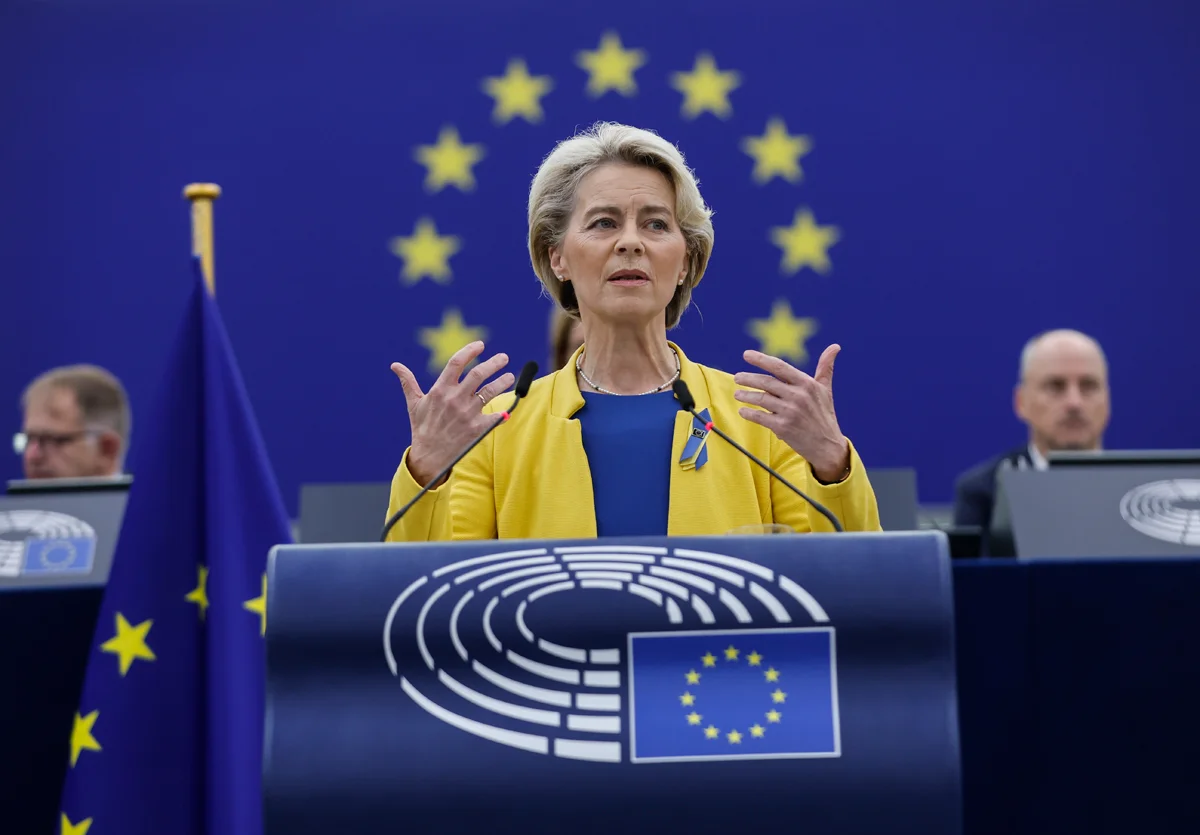
Regarding Russia, we are talking about a political choice, and not about economic pragmatism. “We must abandon Russia,” Von der Layen insisted in the European Parliament, noting that the supply of pipeline gas from Moscow fell to 9% of the EU consumption with about 40% last year. She announced the creation of a new control indicator of the gas market that reflects the rapid transition of the EU from imported pipeline gas to liquefied (LNG) from remote places, such as Qatar and United States.
The choice is made under the pressure of accumulated experience, recent events, emotional mood and taking into account this choice of social and domestic political risks. The risks are reminiscent of noisy demonstrations of protest against the rapid increase in prices, the successes of the ultra -right in the parliamentary elections in Sweden and Italy, the alarming prospects of some upcoming regional votes.
Judging by the debate in the European Parliament, after the announcement of the Epistle “On the state of the Union”, almost no one in the representative assembly of the EU does not dispute this political choice. They argued about how to survive the hardships of the economic crisis.
The leaders of all eight political groups (factions) of the European Parliament and dozens of ordinary deputies performed. Leaders and the vast majority of other speakers announced solidarity with Ukraine and the need to support it. Few “pragmatists” expressed doubts about the advisability of economic sanctions against Russia, which, they say, beat more in Europeans. Many people lamented about taking off the prices of electricity and gas. Someone-with anxiety and concern, someone-with anger and protest.
The leader of the Left Group Manon Obri over the stands waved “unbearable” accounts for the electricity that its voters received. Von der Layen in response advised to send these accounts to Moscow. A transparent hint of reports that some European left and extreme right -wing parties in the recent past received financing from Moscow and supported Putin. The hall met this replica with applause.
The European Parliament, for all the discord, is generally loyal to Brussels to support Ukraine and curtail relations with Russia. Like the parliaments of most members of the Union. The street reacts sharper, but participants in manifestations and processions are outraged by the increase in prices, insufficient compensation from the EU and the member states, an exacerbation of social inequality.
Actually, relations with Russia are weakly worried, the slogans on the removal of sanctions and reducing the assistance of the EU Ukraine are introduced into the columns of demonstrators with activists of interested political groups.
After returning from summer vacations to Europeans, information fell on the fact that the upcoming winter for them - households and businesses - could turn out to be much more expensive than many thought. In some places, even panic moods appeared, which spilled into the press and parliaments.
In Belgium, Enbro retail supplier conducted calculations based on the status and dynamics of prices for August. They painted a catastrophic picture. A family of two adults and two children, using gas and electricity, will have to pay an average of 7206.99 euros per year against 1297.90, which she paid two years ago. Only gas heating will eat 4226.39 euros.
And another home utensils consuming energy were also included in the calculations with meticulousness: from light bulbs to washing and dishwashers, from shower and bath, induction and microwaves to the refrigerator and freezer, from electric bicycles to laptops ...
In Belgium, as in other EU countries, households usually pay a monthly fixed amount for electricity and gas, which they often set themselves, and are calculated in late autumn for a year. The information provided could not help but dumbfounds citizens. And the business, which has not yet been recalled after the pandemic of Covid, has already encountered a problem.
The most energy -intensive industries are glass, steel, non -ferrous metallurgy - among the first victims. The Belgian company Nystar, which specializes in the foundry and trade of products from zinc and copper, closed its enterprise in the Netherlands for "maintenance" from September 1 to the further notice "in response to external factors." It is clear that the production will not resume until it becomes profitable.
After summer vacations, the European Commission intensified consultations with the governments of the EU countries, business and external players. Quickly found a form of a European emergency plan to overcome the energy crisis. It includes binding goals to limit the consumption of electricity, redistribution of superpowers of energy companies in favor of households and, possibly, small and medium enterprises.
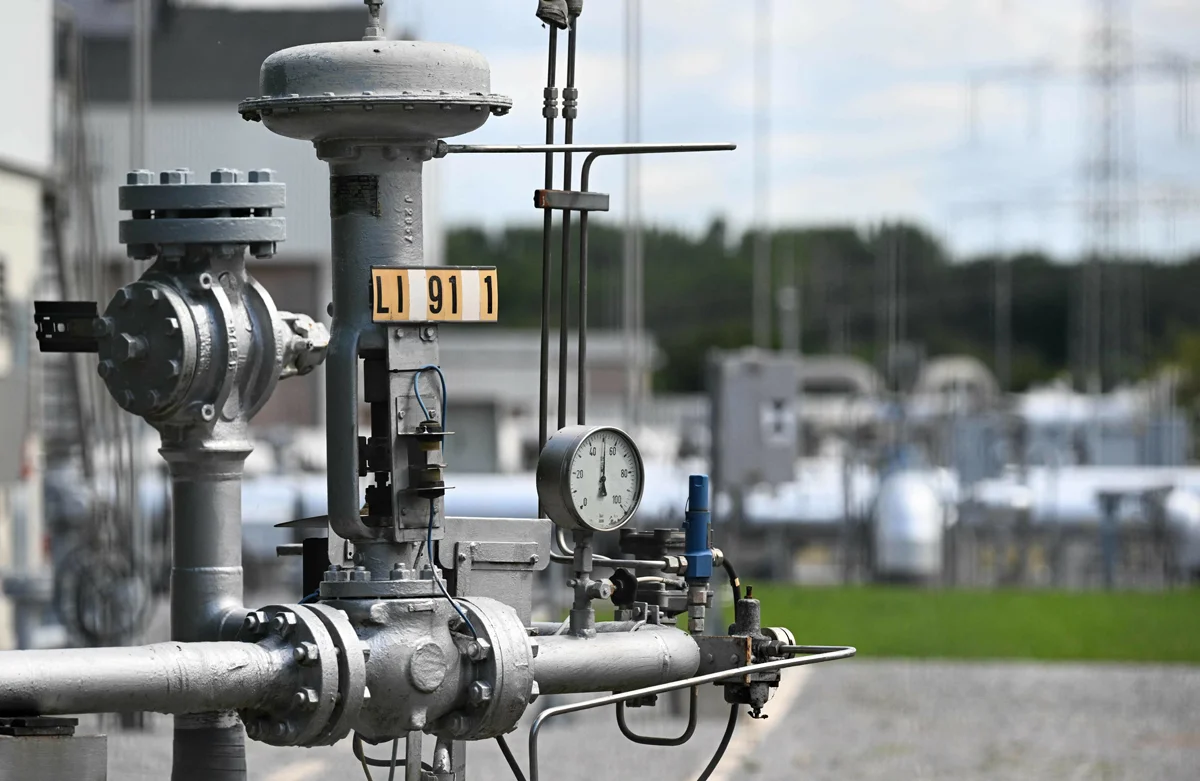
At first, it was proposed by Brussels and the idea supported by many EU countries to establish a ceiling of the price of natural gas imported from Russia. The one that caused Putin’s sharp reaction on the forum in Vladivostok (they say, in this case we will not supply anything). She did not gain the desired majority of votes at an emergency meeting of energy ministers on September 9.
The European Commission was invited to think about its expediency. In the sense of overcoming the energy crisis, it would give very little, because the share of Russian pipeline gas in the EU and so efforts of Europeans fell in a matter of months from 40% to 9%. The meaning of the price “ceiling” was only reduced to punish Moscow financially. But, as opponents of this idea (Slovakia, Czech Republic, Hungary) believed, which more strongly depend on the Russian pipe, Gazprom could completely block it in revenge. Germany is also not enthusiastic about the prospect of strict abandonment of Russian gas, the main consumer of which it remains, although it greatly reduced consumption.
Even before summer vacations, the European Union took a package of measures to reduce gas demand, its savings and the creation of solidarity mechanisms that would make it possible to share gas with union members that have found themselves in distress.
It was decided to create a common system of underground gas storages, and the goal was set to fill them by November by 80%.
As of the beginning of September, the storage facilities were already filled by 84%, which gives hope to survive the upcoming winter without a catastrophe. Europe will not freeze. But, according to the European Commission, stocks will not be enough.
On September 14, the EU Executive Collegium has submitted a adjusted plan for overcoming the energy crisis and further reform of the European energy market. The goal is to prevent the situation with obviously unpaid accounts for heat in houses in winter and at the same time stimulate energy savings.
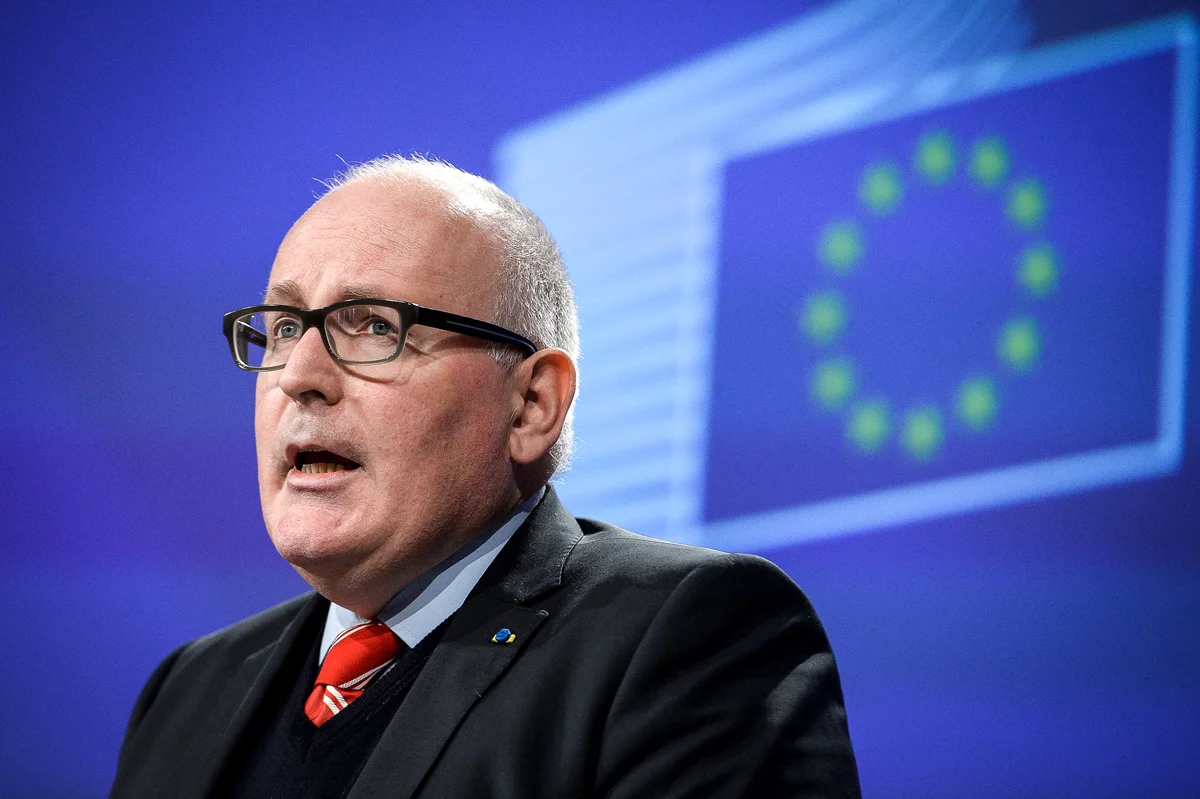
“What was a free and working market yesterday was destroyed today,” the first deputy chairman of the European Commission, who oversees energy, Dutchman France Timmermans, said at a press conference in Strasbourg, calling the destruction of Vladimir Putin. The situation is critical, and no one expects its improvement in the near future, he added.
The functioning market is for peacetime. And when its mechanisms are broken, state intervention is required. The European Commission takes on the role of a fireman, and after the crisis - the foreman of the new building. She abandoned the plan to limit the price of Russian gas, instead of proposing to create a new working group with representatives of the EU member states, which will try to agree on transactions with key suppliers, such as Norway, Algeria, Qatar. Von der Layen is sure that negotiations will be more effective in reducing gas prices in the world market. However, now the question of the price ceiling has moved again, and the EU Council can make a decision on it in the coming weeks.
For this, the EU and its members ranked potential suppliers, taking into account the specifics of relations with them, from “unreliable” (Russia) to “reliable” (Norway) for negotiations on supply conditions. The EU and Norway are closely connected by special relations in different areas, and for a discount on Norwegian gas there is something to offer. Brussels will conduct a bargain on joint purchases on behalf of a huge market of more than 400 millions of consumers. Not every EU country separately, but an alliance as such. Such a system showed the effectiveness in the purchases of vaccines in the crisis of Covid. The EU is not against long -term contracts with “friendly countries” (to which he no longer reckoned with Russia).
The teams of the negotiators of the EU -Norwegia operational group in September began work. This country became the largest gas supplier in the EU after a reduction in Russian supplies, and the Ukrainian situation brought it record income due to the rise in prices.
Brussels unequivocally connects the energy crisis with an attempt by Moscow to punish Europe for supporting Ukraine and using gas as weapons. He painfully reacts to interruptions in deliveries along the current routes for “technical reasons”, accusing Gazprom of “manipulation”. Russian gas still needs, and no one would have thought about a hasty rejection of it, if politics had not intervened, the threat of a great war in Europe.
The gas crisis was the reason for the reform of the European energy market, which has long been brewing as its structure is changed, the transfer of the center of gravity from pipeline gas to LNG, and the growth of the share of renewable sources. The report “On the state of the Union” announced a change in pricing: “untie” the price of electricity from the price of gas. This will be needed in the future, in “normal time”, and now it will help to facilitate the very “unbearable” payment load on consumers.
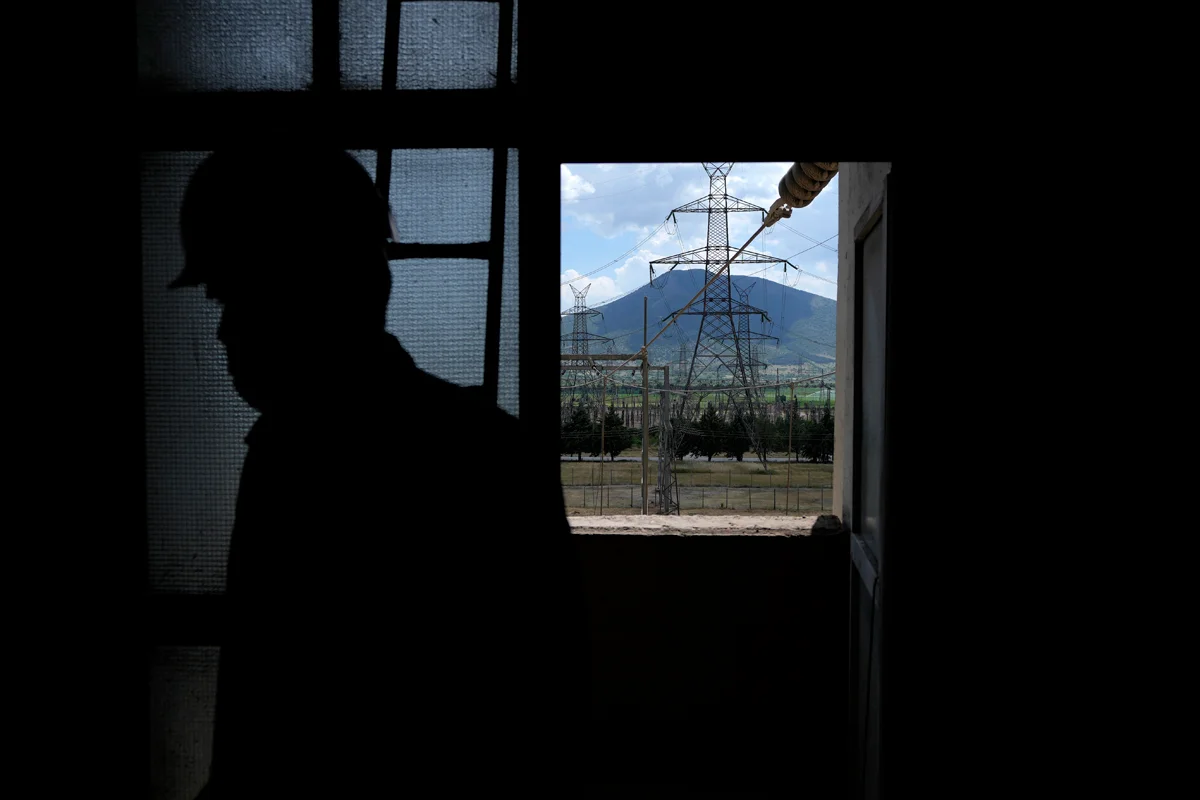
Everything is very simple. Prices for electricity in the EU are determined by the “maximum” production facilities of gas power plants, which can be launched in a short time to satisfy peak demand. The gas is rapidly getting more expensive, and in the Dutch market TTF futures, the price of megavatt-hour in early autumn was about 240 euros. But electricity is produced not only at gas power plants, their share is steadily reduced. At the same time, hydroelectric power stations, wind, solar, nuclear power plants, as well as the bureaucrats that temporarily returned from oblivion produce energy much cheaper.
They are called "inframargeal" on European energy jargon. In the Belgian business press, the costs of a cost of more than 600 euros for Megavatt-hour were called for gas power plants against 100 or less euros for the “Aeol Parks” and nuclear power plants. There is no more connection between the cost and the selling price of electricity. This pricing system must be reviewed, the European Commission believes.
The proposed package of "fire" measures for survival in the upcoming cold winters includes:
the removal of part of the super -profits of “inframargeal” manufacturers of electricity and oil and gas companies in favor of the most vulnerable consumers (households, small and medium -sized enterprises) and vital industries;
Mandatory measures to save and effective electricity consumption.
“Inframarzhinal” companies that produce electricity at a low price, without spending a ten -time gas, “receive income that they never thought or even dreamed about ten times,” argued von der Lyayen in her report.
“In our social market economy, profit is good,” she continued. “But in our time it would be wrong to receive incredible record profit at the expense of [hostilities] and at the expense of consumers.”
The European Commission determined the threshold about 180 euros for megavatt-hour, which, according to the deputy chairman of Timmermans, leaves the “Marge of Profit” and does not interfere with investing, ”and does not interfere with investment. The fact that above the threshold will be collected by the EU states and compensate for the prohibitive accounts to citizens and, possibly, to enterprises. The definition of the degree of "vulnerability" will remain at the discretion of the national states. This measure is introduced until the end of March 2023, and with its help it is hoped to redistribute 117 billion euros.
The EU will offer to share large oil, gas and coal companies. They have a special social responsibility. The rapid restoration of demand after the pandemic and the explosive increase in oil prices and gas caused by Russia's actions against Ukraine, the European Commission said, undeservedly increased their profits. In the second quarter, the largest oil concerns in Europe Totlenergies and Shell recorded a quarterly profit of $ 9.8 billion and a record $ 11.5 billion, respectively. From profit for 2022, exceeding more than 20%, the average profit over the previous three years, companies should make a “contribution of solidarity”, collected at the national level, which will be at least 33%. About 25 billion euros expect from this temporary measure.
“Smart Electricity Consumption” is another component of the emergency package. Unlike the project introduced in the summer of the gas consumption by 15%, which remained optional, this measure is mandatory. The idea is to reduce the consumption of electricity in peak hours for a third of the peak days of the month by 5%. In four months, they expect to save about 1.2 billion cubic meters of gas. This is 4% of the gas necessary for the production of electricity throughout the winter period.
The example of the enterprises of the ceramic industry of the Center for Italy is given. There, the workers decided to transfer shifts to the early morning, when the lowest electricity tariffs ...
Члены Еврокомиссии и брюссельских аналитических центров в эти дни не устают повторять, что время дешевых ископаемых энергоносителей прошло безвозвратно, и кризис вокруг Украины только подчеркнул это. ЕС уже взял «зеленый курс». Правда, по мнению Кремля, преждевременно.
Мой бельгийский коллега, который сопровождал премьера Бельгии в поездке «за газом» в Катар, рассказывал, что катарские собеседники тоже видят будущее за «зеленой экономикой». Но считают, что природный газ со счетов списывать рано и он будет нужен еще эдак лет сто. Европейцы не могут себе позволить ста лет для перехода. С российским газом было легче. Не нужно было бы мобилизоваться на чрезвычайные меры, чтобы пережить зиму, покупать сжиженный газ втридорога, тормозить выход из ядерной энергетики в тех странах, которые пожелали из нее выйти (Бельгия, Германия и другие).
В Европе в эти дни часто вспоминают первый нефтяной шок в октябре 1973 года. За несколько месяцев тогда баррель подорожал в четыре раза, покупательная способность домохозяйств и нормальное функционирование бизнеса были подорваны. Тот кризис спровоцировала тоже политическая ситуация. Война Судного дня подожгла Ближний Восток. Страны Запада поддержали Израиль. Страны региона, экспортеры нефти, ввели эмбарго. Взрыв цен. Старожилы помнят отключение батарей отопления в общественных учреждениях, погасшие вывески и витрины, ограничение скорости на автомагистралях до 100 км/ч, первые «воскресенья без автомобиля». Нефтяной шок повлиял на то, как в Европе стали строить здания, тщательно изолируя стены и окна. Европейские автомобили стали намного менее прожорливыми.
— Но, экономя в машине горючее, мы продолжали ехать по той же дороге, — сказала глава Еврокомиссии в сентябрьском докладе. — Мы не избавились от нефтяной зависимости. И что еще хуже, даже продолжали щедро субсидировать ископаемое топливо… По сей день расплачиваемся за это.
И объявила об учреждении Банка водорода для создания водородного рынка ЕС. Банк будет инвестировать в проекты производства водорода. На основе солнечной энергии в Испании, атомной энергии во Франции, офшорных ветровых электростанций в прибрежных регионах Атлантики и Балтики. И компенсировать разницу между себестоимостью и продажной ценой водорода — горючего будущего.
Лето 2022 года, возможно, запомнится как еще один переломный момент в истории энергетики Европы. Подобно шоку осени 1973-го.