
Translated material
"Restoring Honor"
The history of Sugihara and the slave-representatives of the criminal regime who received humanly
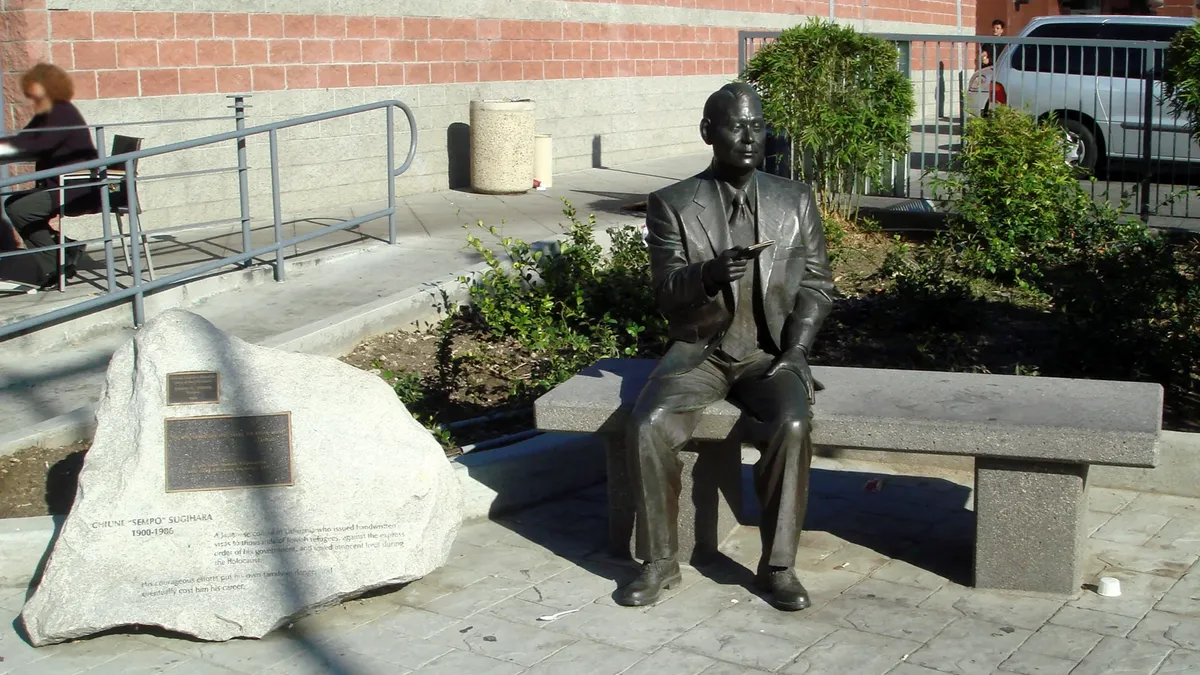
The Japanese Empire in World War II took the side of evil. Her actions in the occupied territories of China, Indonesia, Philippines, etc. It is quite comparable to the actions of the Reich in the occupied territories of Eastern Europe and the Soviet Union. Some researchers even use the special term “Asian Holocaust”.
Sugihara Tiune, diploma-career, probably sincerely served his empire. He had oddities in his life: working in Harbin in the 1920s, he was baptized in Orthodoxy, but Christian ethics did not prevent him from taking his position in the Foreign Ministry of the puppet state of Manzhou-Go (in China). He knew the Russian language, so before the war he was sent to Kaunas - then the capital of Lithuania. Formally, he was a vice-consul, but in fact-an analyst spy.
Nevertheless, he performed consular functions - including issued visas.
Today, the story of Sugihara, the Japanese Schindler, is well known. Realizing the danger that hung over the Jews in Lithuania (many of them fled from Poland), Sugihar gave transit visas: the USSR agreed to pass refugees through the Far East, but only if there was a visa to Japan.
The Japanese Foreign Ministry sent an order that visas should be issued only to those who already have a visa to a third country and enough money. Sugihara ignored the order.
Even after the USSR annexed Lithuania and closed his consulate, Sugihar continued to write out visas by hand at the Metropolis Hotel. In total, he "took out" about six thousand people.
Many of the refugees were deported to Shanghai and survived the war there; Others remained in Japan. Sugihar himself in 1944 was in Bucharest - Soviet troops captured him and sent him to a camp in Russia. In 1947, he returned to Japan, where the Ministry of Foreign Affairs reprimanded the disobedience in 1940 in Lithuania and resigned.
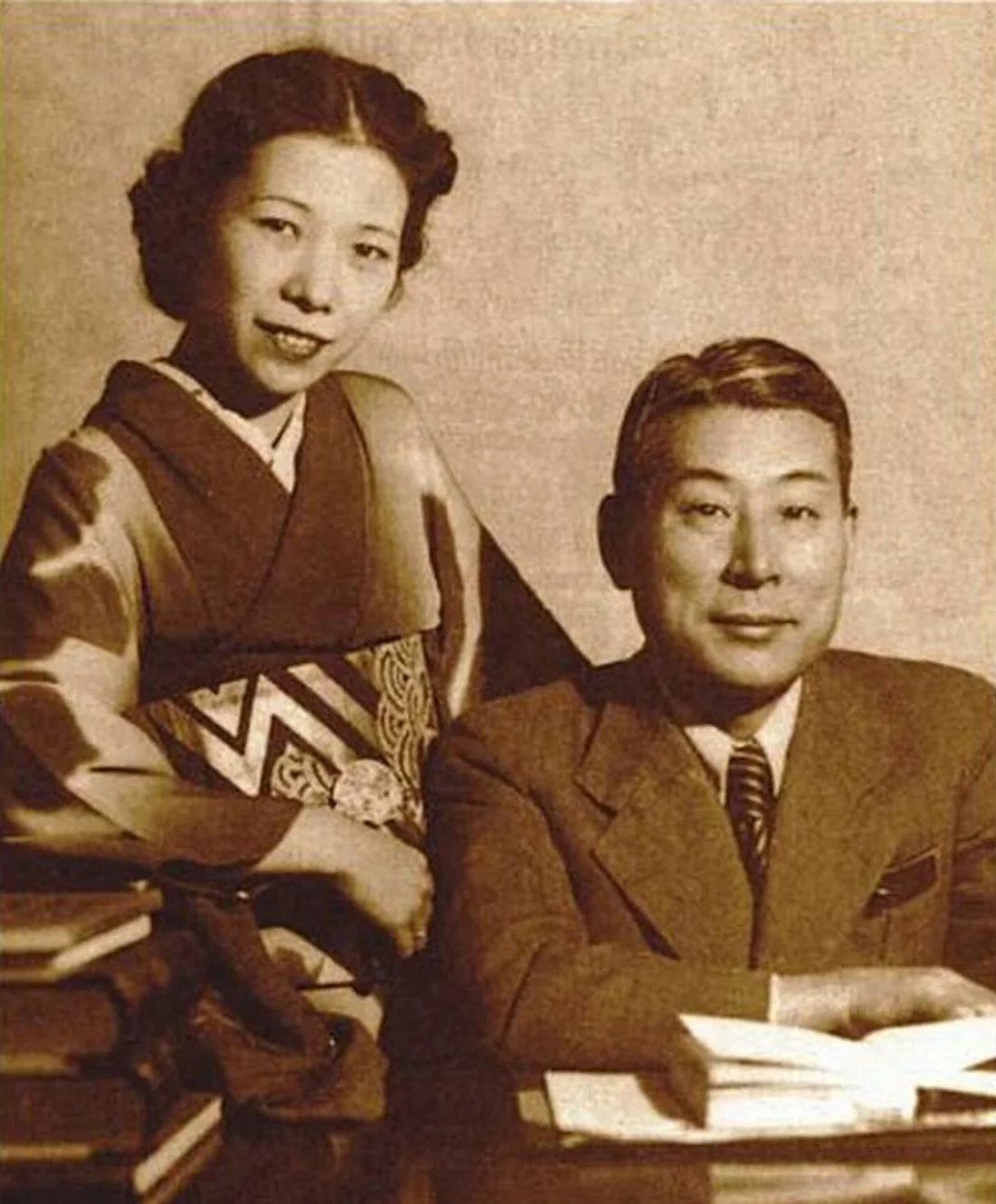
The next years Sugihara worked in the private sector. Only in 1968, after 28 years since 1940, was one of those whom he saved Sugihara. It turned out to be a attache on the economy of the Israeli Embassy in Tokyo. Sugihar was invited to Israel - and what he did began to write. In 1984, Sugihara was recognized as the righteous of the peoples of the world - but the old Sugihar did not come to the ceremony. He died in 1986 in Kamakur ... But the most important thing was ahead.
In 2000, the Japanese government held the official “Restoration of Honor” of the diplomat. The speech of his merits was said by the Minister of Foreign Affairs, the memorable board was opened in the Foreign Ministry, etc.
The government apologized that half a century ago Sugihar was forced to quit. From now on, the life of Sugihara is officially recognized as an example for Japanese diplomats.
The imperial past itself is not completely forgotten in Japan. Memory wars continue. And if there is a consensus in relation to the act of Sugihara, then it is unlikely that Japanese society is just as unanimously in a conversation about the German businessman Yona Rabe.
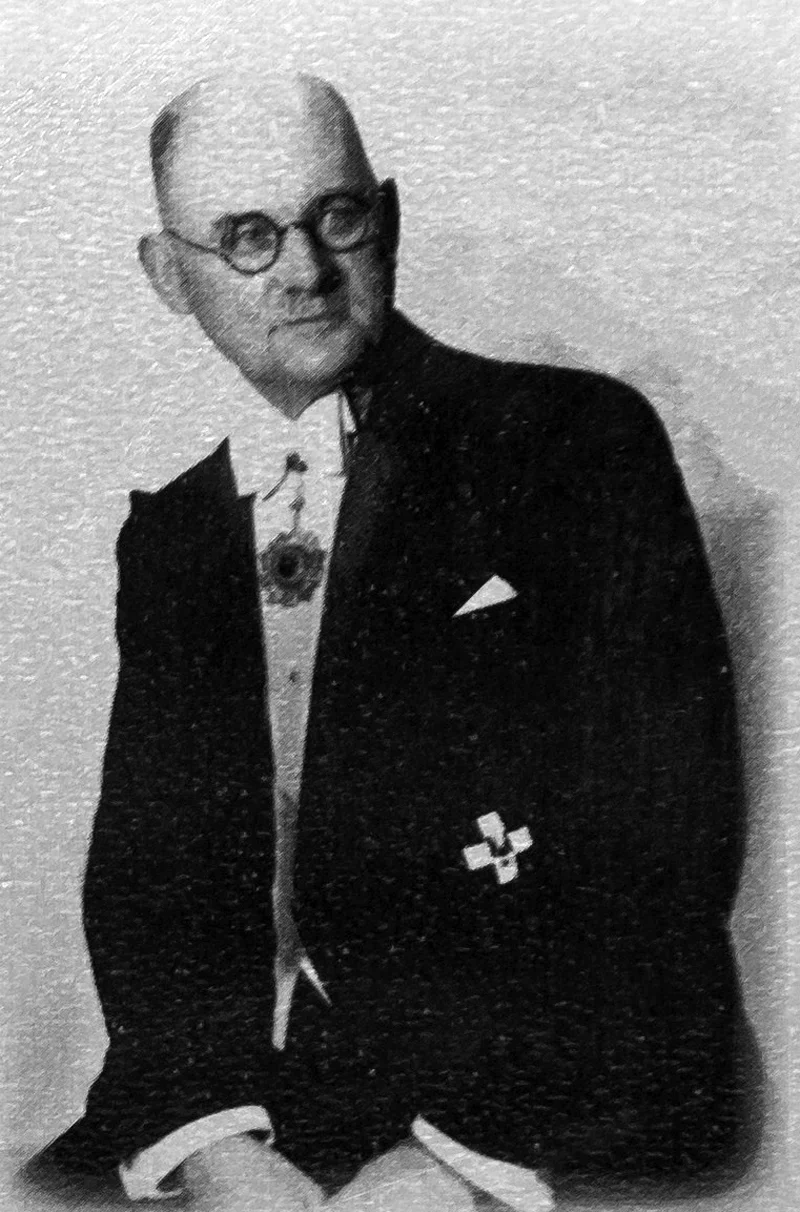
Yon Rabe led the Siemens division in China. When Japanese troops in 1937 occupied Nanjing and arranged the so -called The “Nanjing massacre”, as a result of which several hundred thousand Chinese were killed, the slave together with other foreigners created the “Nankinsky security zone”, where more than 250 thousand people took refuge. Due to the fact that the slave was a Nazis, a member of the NSDAP, he managed to agree with the Japanese not to touch civilians inside this zone.
Returning to Berlin in 1938, he turned to Hitler to stop the crimes of the Japanese. Naturally, he was detained by the Gestapo. But Siemens defended a valuable employee - the slave was forbidden to talk about events in Nanjing, but was allowed to continue to live and work in Germany.
After the fall of Berlin, the Rabe was arrested first by the Russians, and then the British. Not immediately, but he still went through the “denazification” process, spending all the savings on attempts to prove non -involvement in the crimes of the Nazis.
In 1946, he was recognized as “denactified”, but he no longer had work. His family lived in poverty, hunger and poverty. The City Hall of Nankina, having learned about this in 1948, raised him money, and the city residents even began to send food.
The slave died in need in 1950. Today, the monuments are opened and the cinema is being shot about him.
These two people lived different lives. And if it were not for a series of accidents, we would not remember them today - or we would have remembered differently. Sugihara could well have been among those who would organize the extermination of the Chinese. And the slave could help in “logistics operations” to deliver prisoners to concentration camps. I’m not sure that, being in a different life corridor, these two would show high moral qualities, resigned and went into resistance. After all, Sugihara worked in China, and the slave most likely divided the Nazis' views on the “Jewish question”.
However, it so happened that the representatives of these two terrible totalitarian empires received a chance to lead themselves heroically, despite the citizenship and their loyalty to the emperor and the Fuhrer. They had no calculation for recognition, and it came too late. But still it came.
I don’t know whether to consider them “exceptions” or “examples of universal humanism”. But what can be said for sure-if suddenly happened to become someone like them (albeit in a completely different one, even on a personal scale) ... They advise them to live better for a long time. Who knows who and what you experience - and which, in the end, will be waiting for you to “restore honor”. It’s better to attend her personally.