
Translated material
What a music was
Half a century after the 1972 superposition, which changed not only the hockey world
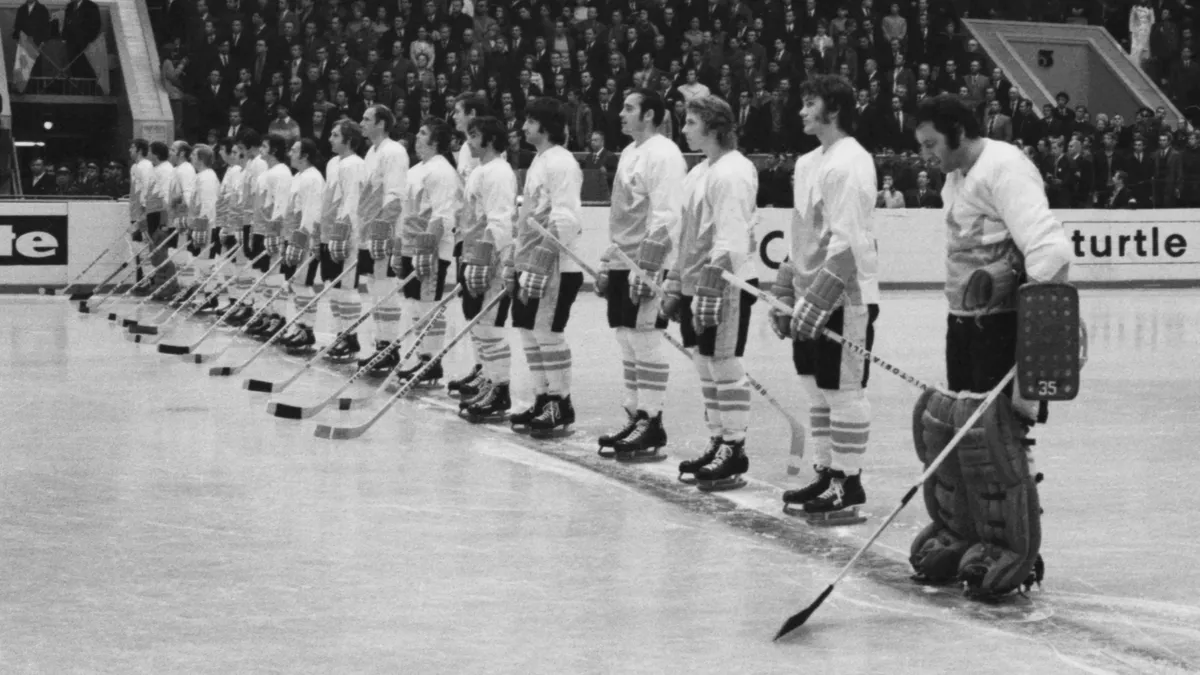
Russia celebrates the main sports anniversary of the year quietly and alone, almost not reminding the fact that the September Super Series-1972 was not only a hockey, but also a global humanitarian breakthrough. The full version of the test of Vladimir Mozgovoy is in the fifth issue of the Story Gazeta.
The super-series, about which for about ten years the chief ideologist of Soviet hockey Anatoly Tarasov was dreamed of and the need for which in the end realized the ocean, gained real outlines in the spring of 1972. The situation was “kneading” directly for the third year, and sometimes it seemed that “there” opponents of the historical meeting were no less, and they were no less stubborn than our fanatics from the Central Committee of the CPSU. In Canada "For" was the popular Prime Minister Pierre Trudeau,
Soviet leaders did not fall to such trifles as hockey, but this does not mean that the top did not discuss the possibility of meeting Soviet hockey players with overseas professionals - taking into account the fact that the Secretary General of the CPSU Central Committee Leonid Brezhnev Hockey also loved.
It was, albeit implicit, but still the point of rapprochement.
Therefore, in the Central Committee there were supporters of contacts at the near and understandable level - in particular, the acting Head of the International Department Alexander Yakovlev, to whom his initiatives soon came around. In the irony of Yakovlev’s fate in the fall of the same year, for excessive activity in promoting the initiative socialism alien to the ideas of socialism (not hockey was the reason for an honorary exile, but an article in the “Literary Newspaper”) was sent to the ambassador ... to the hockey Mecca - Canada.
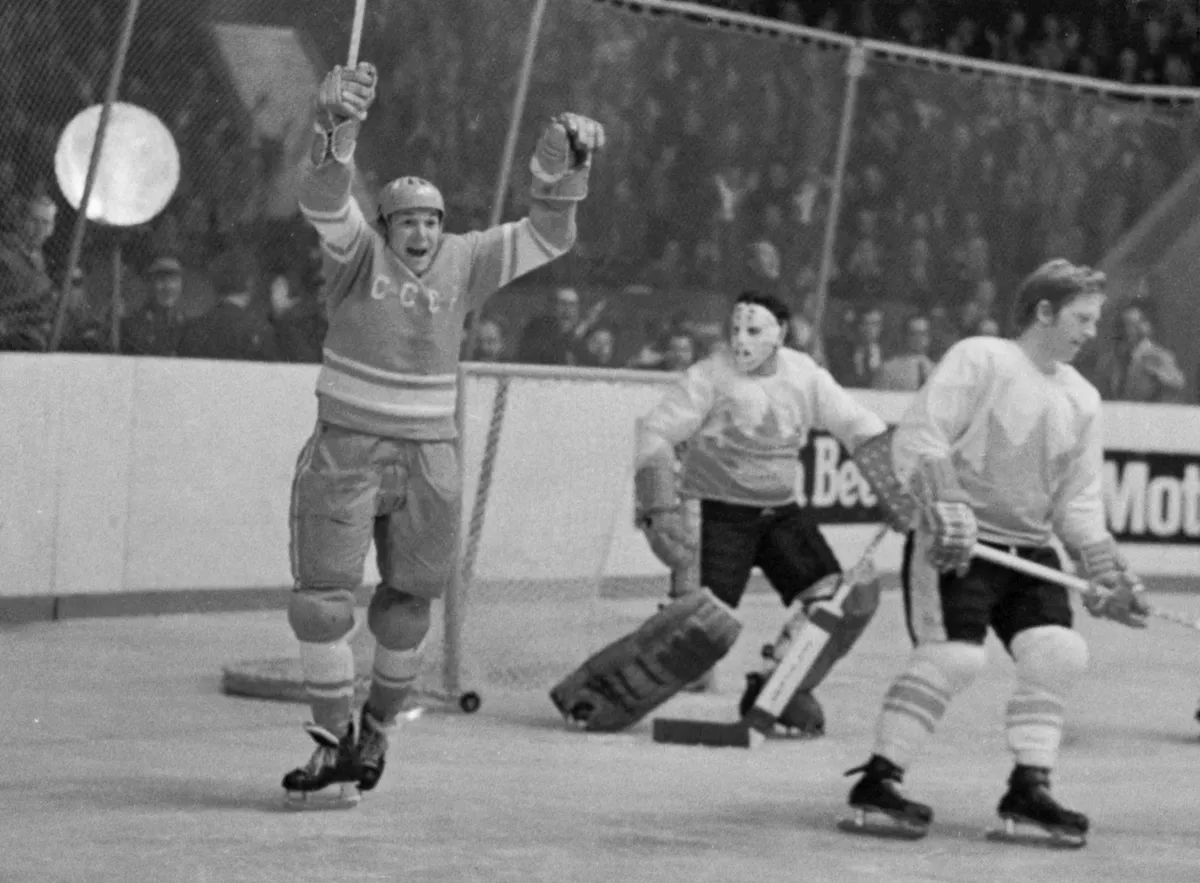
On the part of Canada, the main pusher was the head of the NHL Players Alan Igleson , who perfectly understood the importance of upcoming meetings as for raising the NHL shares (a “competing company” in the person of a recently created World Hockey Association came on the heels of the best league), and for himself personally.
Farm humanitarian significance The upcoming series neither Canada nor the USSR has yet been realized.
Both sides, of course, longed for victories. Our side is rather with a secret hope, because I was afraid of Canadian professionals, whose invincibility was heard here. The Canadian side was preparing with a share of condescending confidence of the discoverers of the Great Game, irritated by the fact that the Russians attempted that the Canadian monopoly, especially in the previous decade.
True, the Soviet team previously demonstrated the advantages of a socialist lifestyle exclusively on amateur Canadian teams, and not even on teams, but on clubs, and far from the strongest (and in the second half of the 50s at the world championships, even regularly lost to them). Since 1963, the amateur team of Canada guys with four letters on their chests won invariably. And with all the skeptical terms of Canadians to the world championships and even the Olympic Games, these bites have undoubtedly influenced public opinion.
Recently, Ken Dradyden, who, along with Tony Esposito, defending the gates of the Canadian national team in the super -series, said that the phrase “Russians - world hockey champions” irritated especially strongly.
It was finally required to find out who is stronger in the version of "our best against your best." Everyone perfectly understood that Soviet lovers were only nominally.
The word "professionals" in relation to the sport of our propagandists had a pronounced negative shade. There could be neither honest sport, nor a healthy lifestyle in the Puregan World - all a continuous show, for the sake of profit and fun of the public. The positive heroes of stories and essays about foreign sport were only those who challenged the “bloody sport” or involuntarily fell into his paws (however, this was not always exclusively propaganda). There were no better ideas about our “amateurs”, who were all as one had to walk, despise and hate foreign, as well as be faithful soldiers of the party.
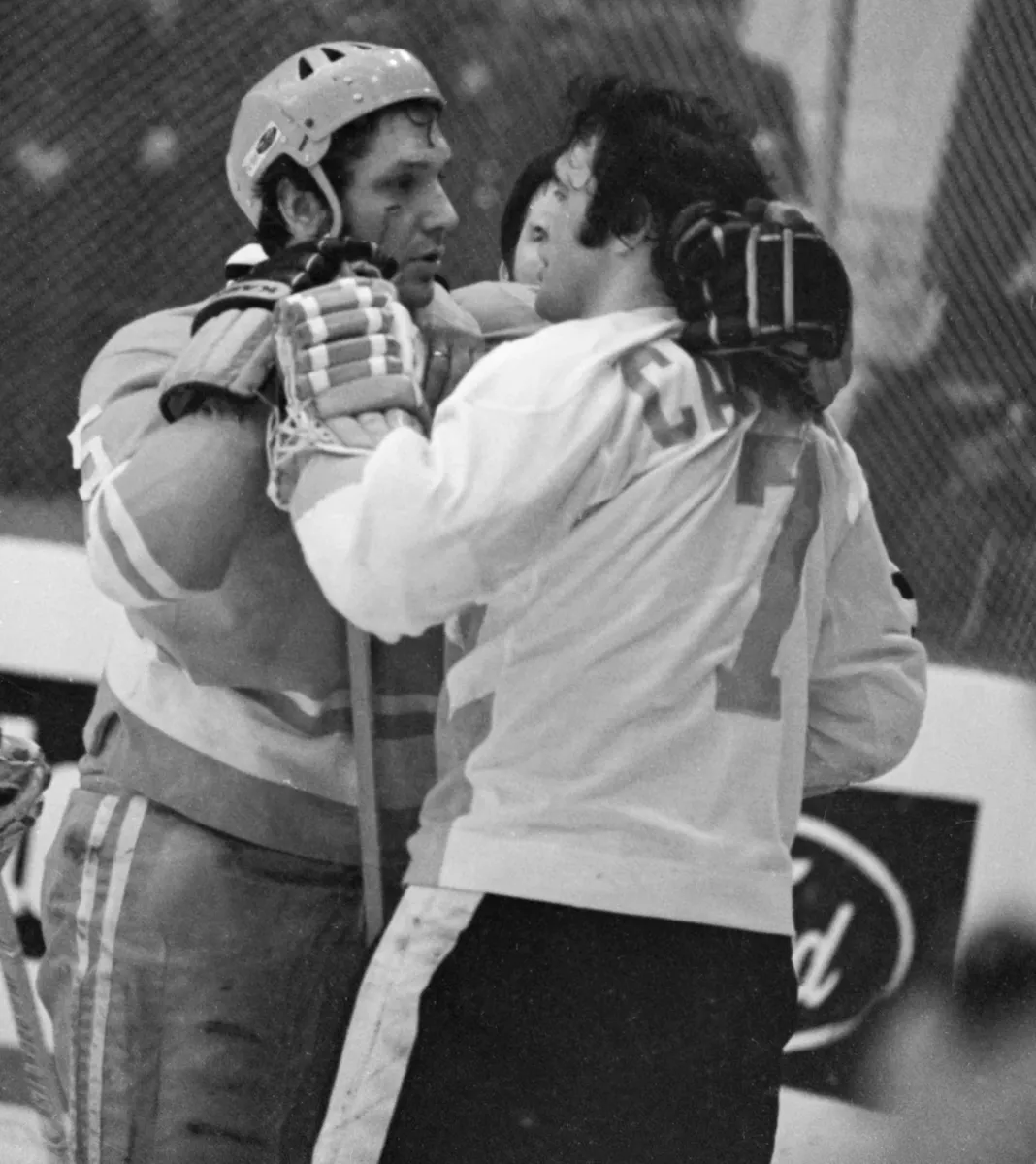
Our hockey "commercials" hardly recalled their party being, when by truth and by crook they were transported from abroad in hockey Baulah Moher and Bologna raincoats, jeans and "health" copper bracelets
(about how he was in the diplomat, Alexander Ragulin personally told me). It was a privilege of sports heroes, the same familiar, but secret - unlike medals that they conquered in a fair wrestling. Few of them were a fanatic of ideas, the generation of the world champion - 1954 Nikolai Puchkov, who spoke about the capitalists “We felt sorry for them”, already left the stage, but what is “protecting the honor of their homeland”, all of them, and not only the army and Dynamo, knew perfectly well. It was better not to enter this territory-it is no coincidence that the first fugitives from the USSR among hockey players appeared only in the late 80s.
The political aspect of the confrontation in relation to hockey players was still more pronounced among Canadians, even if not everyone. There is no paradox-the USSR was a strong stimulus, gave reason to be afraid to even hate it somewhere, and Canada was by no means personifying “predatory and aggressive” imperialism, it was more likely to its southern neighbors.
At that time, the entire political background, if not evaporated, was somehow immediately slightly muffled by the game.
Of course, the cliche has not disappeared anywhere, but the game, if it is real, rises above all the alloy, no matter how important this is all that may seem. Naturally, the propagandists did not doze off both sides, preventing the Cold War on the ice, which was not allowing to damp, but the message was much stronger to defend their identity among Canadians and confirm their right to the first roles - from Soviet hockey players.
Full version
The full text of the article by Vladimir Mozgovoy will be published in the fifth issue of the New Excuse Gazeta, and for our accomplices it is already available in a special section of this site.